Balms and Conditioners for Damaged Hair









 In stock
 Buy
 TREND In stock Buy
 In stock Buy
 In stock Buy
 In stock Buy
 In stock Buy
 In stock Buy
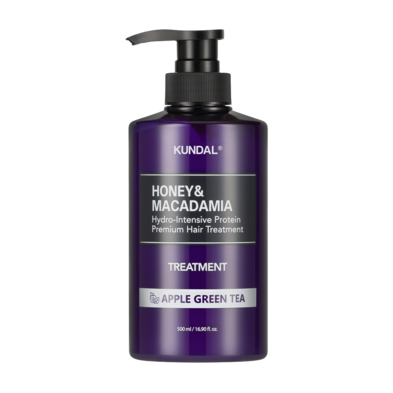 In stock Buy
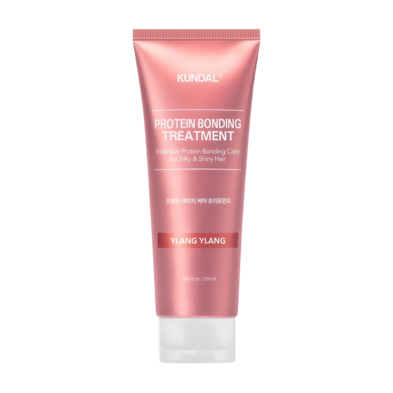 In stock Buy
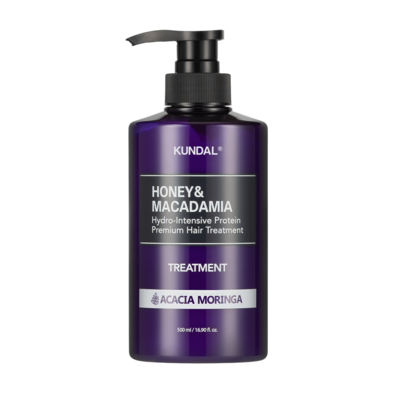 In stock Buy
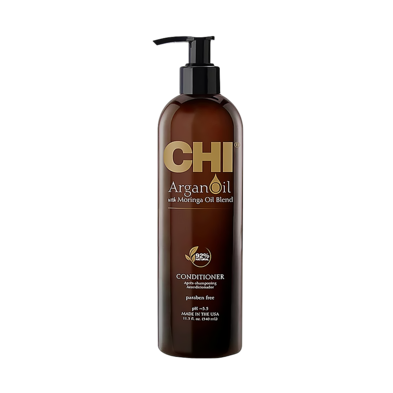 In stock Buy
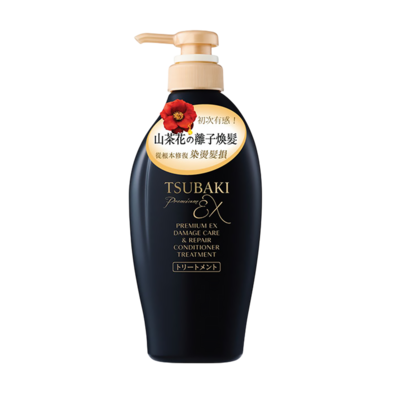 In stock Buy
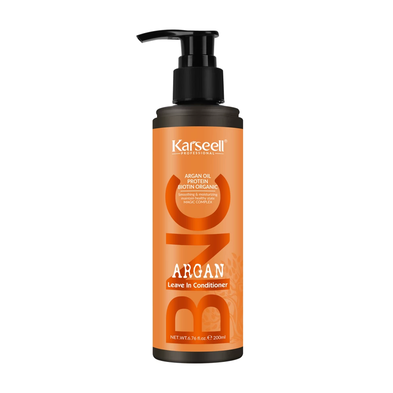 In stock Buy
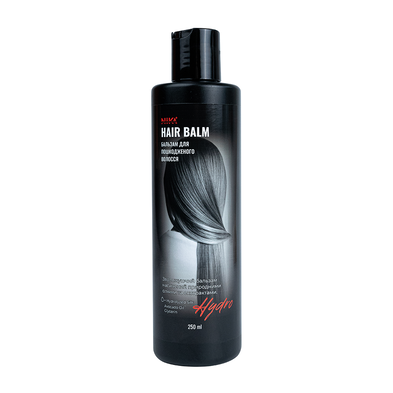 In stock Buy
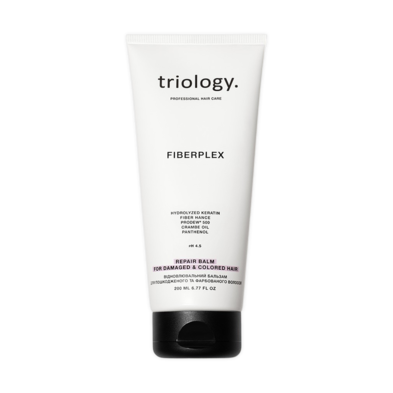
 Out of stock
when available
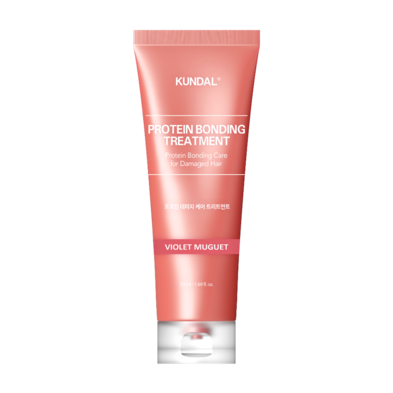 Out of stock
when available
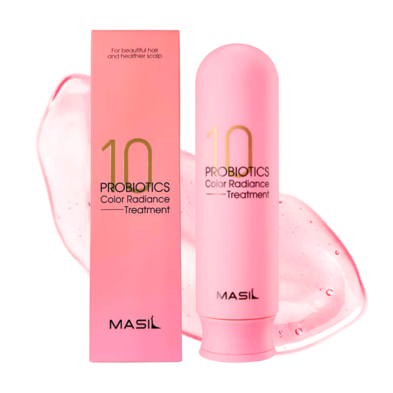 Out of stock
when available
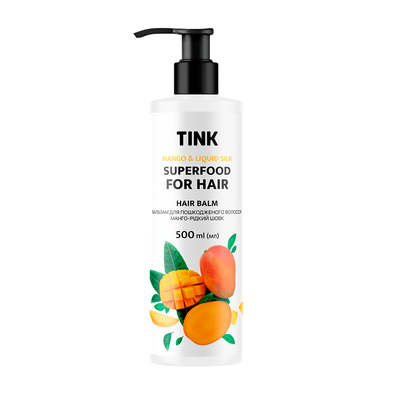 Out of stock
when available
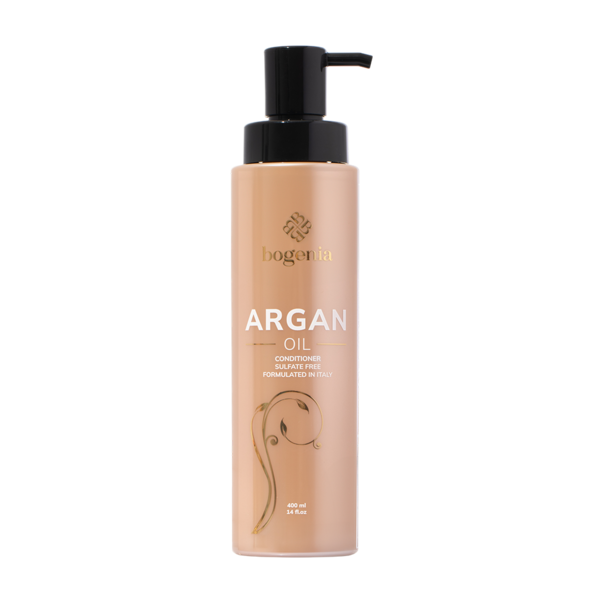
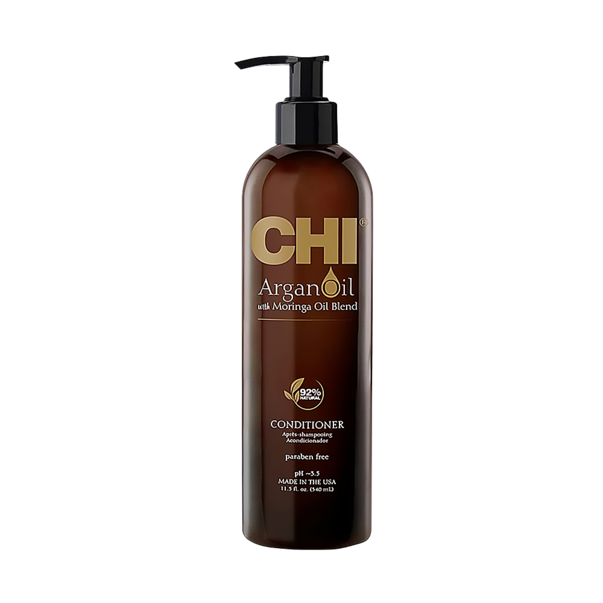
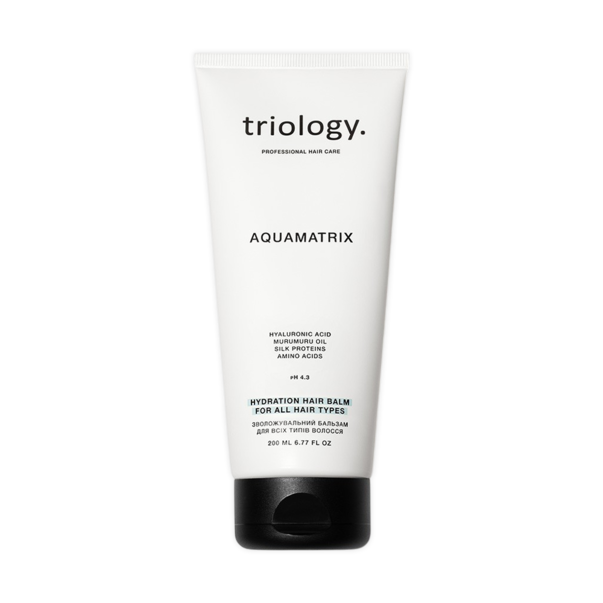
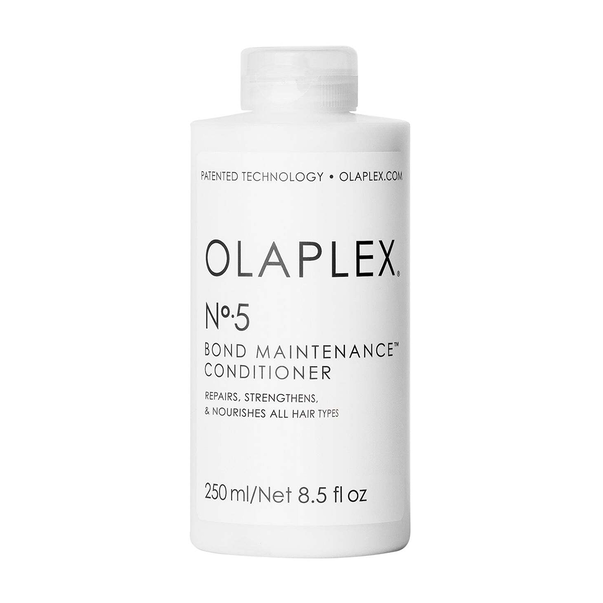
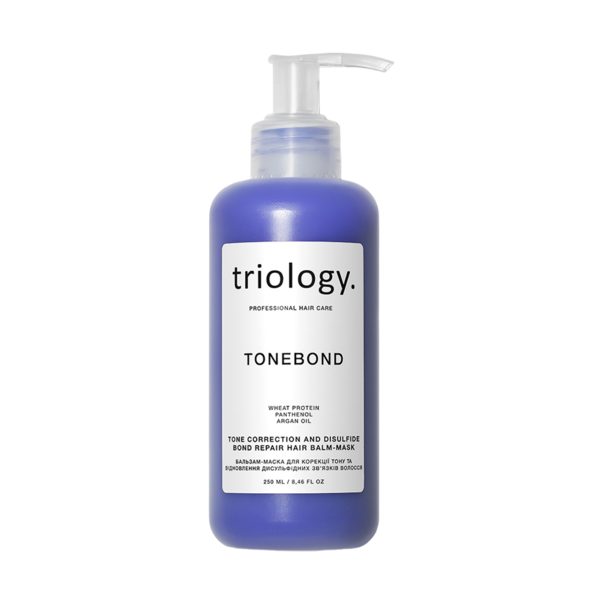
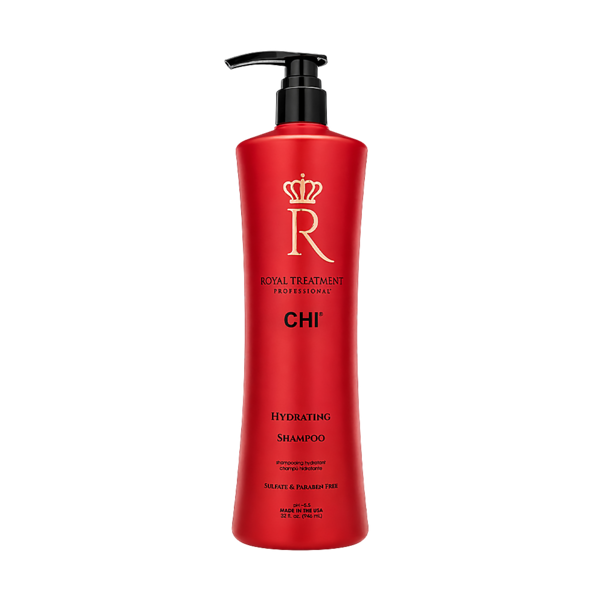
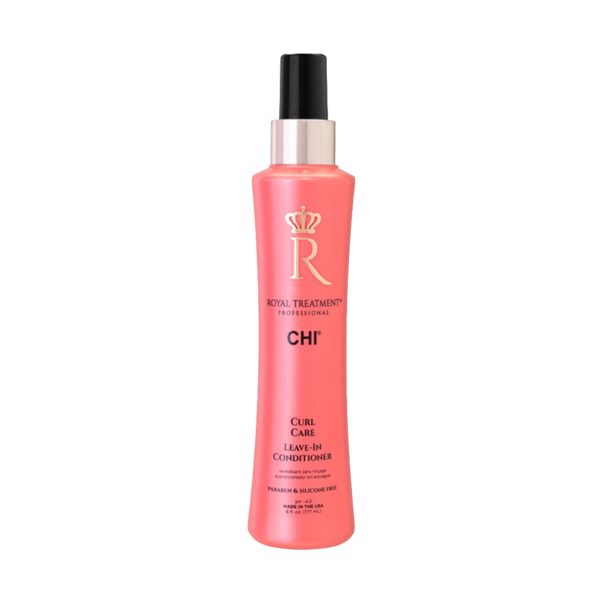
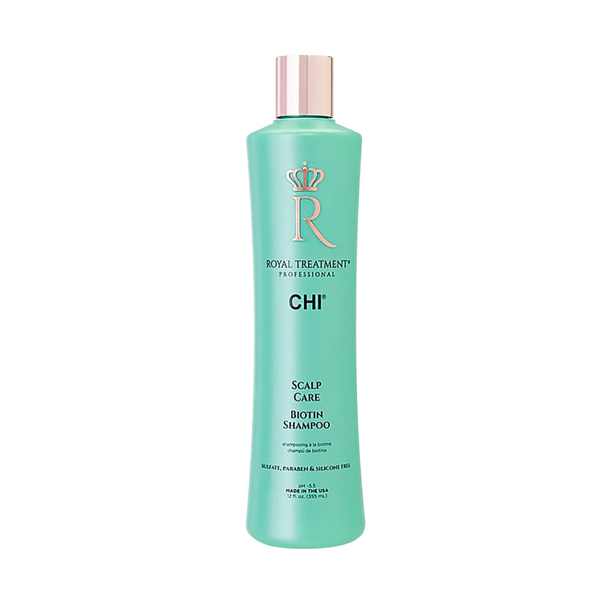
Conditioner and balm for damaged hair are products that partially fill in the damaged areas of the hair shaft after shampooing, smooth the surface, and retain moisture. Problematic strands lack their own recovery mechanisms, so the lost properties are compensated for by external care. On staleks.ua, you can purchase products for damaged hair from brands such as OLAPLEX, CHI, Shiseido, Kundal, Triology, SOIKA, and others: restorative, reconstructive formulas, and products for split ends.
Balms and Conditioners for Damaged Hair Care
Before choosing a formula, determine how deeply the structure is damaged and what exactly is causing the damage—this will influence how rich the products for damaged hair should be.
How to Determine the Degree of Damage
Run your fingers along a dry strand from the ends to the roots: roughness indicates that the surface of the hair is compromised. The second sign is behavior in water: porous structures absorb more moisture and swell more than intact ones.
Signs can be conveniently categorized by stages. At an early stage, there is dullness, frizziness, and dry ends without splitting. Next, split ends, tangling, and short broken hairs on the surface of the hairstyle appear. In the most severe cases, strands break along their entire length. The more signs present, the richer the conditioner for damaged hair should be, and in cases of severe problems, it should be complemented with masks.
The condition is rarely uniform along the entire length. Hair grows at approximately 1 cm per month, so at a length of 30 cm, the ends are about two and a half years old—they have undergone hundreds of cycles of washing, drying, and combing during this time, thus requiring more attention than young roots.
What Factors Most Often Deteriorate Hair Condition
Bleaching destroys the structure the most: the oxidizer destroys the pigment and some disulfide bonds, making the hair porous. Permanent dyes also act through oxidation, and the alkaline environment needed for pigment penetration disrupts the protective outer layer. Thermal exposure to the surface is dangerous not only due to temperature: when wet strands are dried or straightened, the water inside turns into steam and creates voids in the shaft.
Water itself is also harmful: in a wet state, the hair temporarily becomes more fragile, so such strands should not be combed or stretched abruptly. Hard combs and ultraviolet light are also damaging. Products for damaged hair are selected based on which factor predominates.
Why Damaged Hair Needs Special Care
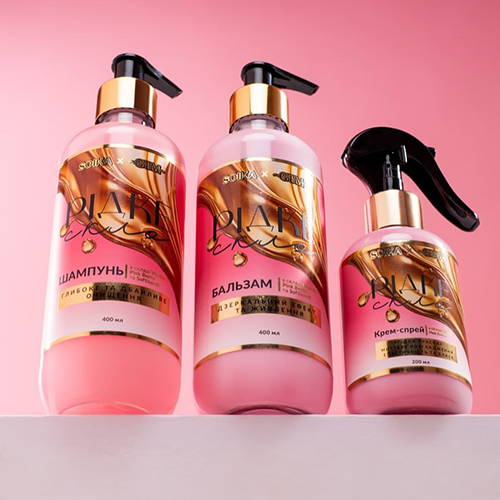
An externally healthy hair strand is covered with a thin fatty layer that repels water. Bleaching and alkaline dyes remove this layer, causing the strands to shine less and rub against each other more. The surface of the hair is negatively charged, so positively charged cationic components of the conditioner are attracted to it and settle on the problematic areas. The effect is enhanced by the acidic environment of the formula, which causes the scales to lie closer together. It is the combination of cationic components, proteins, and oils in one composition that yields high results from using a balm for damaged hair.
What Balms and Conditioners for Damaged Hair Can Be Purchased on Staleks
The range of products in the catalog is quite broad, and for greater convenience, it should be divided by the cause of damage—this affects both the composition and the method of application. Before purchasing a conditioner for damaged hair, compare four groups of products.
| Criterion | For Dry and Brittle Strands | After Coloring and Bleaching | After Hot Styling | For Regular Use |
| Task | Restore softness, reduce brittleness | Strengthen weakened fibers | Smooth out the dried surface | Maintain smoothness between treatments |
| Emphasis in Composition | Hydrolyzed proteins, macadamia, jojoba, or camellia oils | Complexes for strengthening fibers and bonds, amino acid complex, panthenol | Argan and jojoba oils, hydrolyzed silk, amodimethicone | Manufacturer's note on suitability for frequent use |
| Format and Application | Rinse-out conditioners and leave-in balm throughout the length before blow-drying | Rinse-out, usually left on for 2–3 minutes | Rinse-out, left on for 3–5 minutes, thermal protection applied afterward | Time according to the instructions on the bottle |
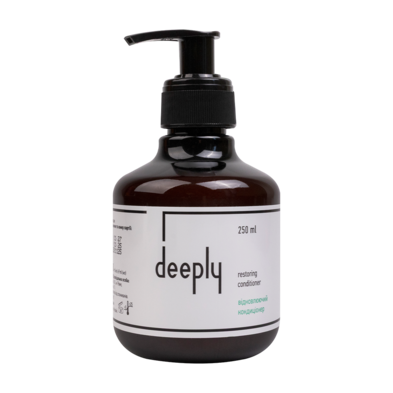
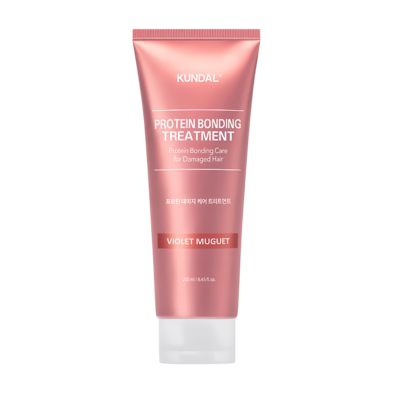
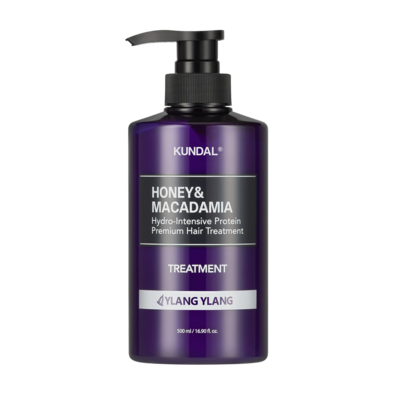
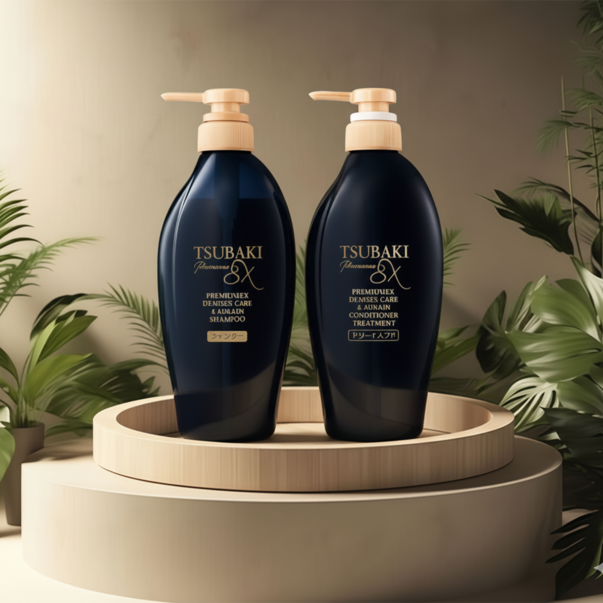
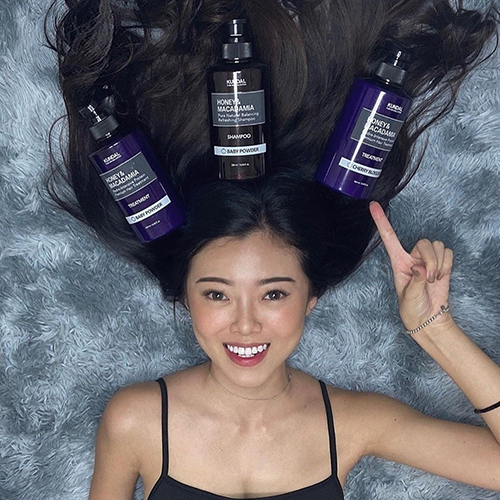
| Examples from the Catalog | MASIL Protein Perfume Silk Balm, Kundal Protein Bonding Treatment, Shiseido Tsubaki EX Intensive Repair | SOIKA "Moisturizing and Restoring", Deeply Restoring Conditioner, Kundal Honey & Macadamia Protein |
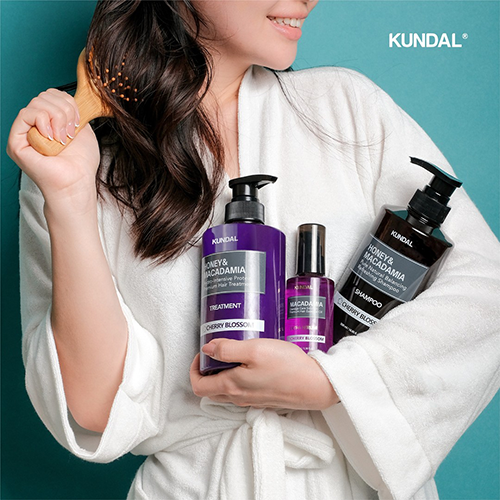
If there are multiple causes, focus on the most serious one: after bleaching, the priority is with the second group even with frequent blow-drying. Professional products for damaged hair and formulas from another group can be alternated to address both needs.
Advantages of Balms and Conditioners for Damaged Hair
The restorative formula works in several directions at once:
-
Neater appearance. When a conditioner for damaged hair smooths the surface, well-groomed length is noticeable even without styling, and the aesthetics of the hairstyle depend less on styling.
-
Less dryness. Fatty alcohols and oils soften the strands: jojoba oil reduces dryness, making the strands feel softer.
-
Easier combing. Cationic components reduce static and friction between hair strands, making it easier for the comb to glide through, and the hairstyle looks neater after styling.
-
Smoothness and softness. Silicones and hydrolyzed silk smooth the surface immediately after rinsing, but the next shampooing washes away part of this layer, so products for damaged hair are used continuously rather than in courses.
Split ends are only masked by the product: the cut is glued together, making it less noticeable, but this effect lasts only until the next wash, so they can only be completely removed by trimming.
But the main secret to success is to choose the right product specifically for the existing problem and hair type.
How to Choose a Balm or Conditioner for Damaged Hair
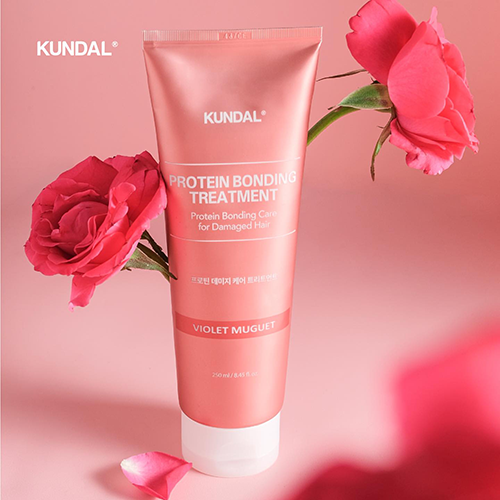
The name on the label says little about the action, so before choosing and purchasing products for damaged hair, read the composition. The EU labeling rule will help: components with a share above 1% are listed in descending order, while the rest are in random order. A reference point is the preservative phenoxyethanol with a limit of 1%: everything that comes after it is added in small amounts. Evaluate the result after several weeks: smoothness is noticeable immediately, but how well this formula suits you overall will become apparent over time.
For Colored Hair
Look for labels such as "pH-balanced" or "color protection": OLAPLEX 5, for example, is described by the manufacturer as a pH-balanced product that preserves the brightness of colored strands. Lactic or citric acid in the composition confirms the acidic environment. Colored strands can vary in condition, so choose a balm for damaged hair based on actual signs rather than just the label.
For Bleached Hair
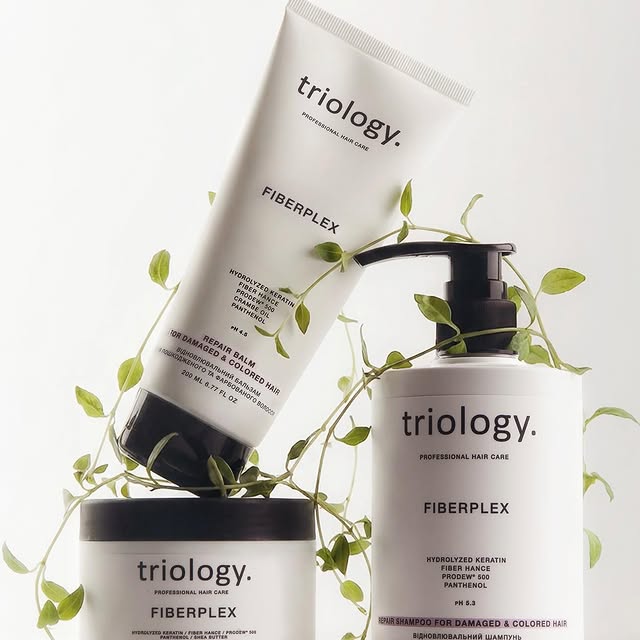
Bleached strands lose some internal disulfide bonds, so look for professional products for damaged hair that support these bonds, and in the INCI, hydrolyzed proteins and amino acid complexes. In OLAPLEX 5, the component Bis-Aminopropyl Diglycol Dimaleate restores the broken bonds, while in Triology Fiberplex, the Fiber Hance technology is responsible for this.
For Brittle Hair
Brittle strands require both strength and flexibility. Check if the composition includes panthenol, which increases elasticity, and hydrolyzed proteins that strengthen the fibers. Together, these groups work best: this is how Triology Fiberplex (protein, panthenol, amino acid complex) and MASIL (proteins, sodium hyaluronate, oils) are structured. Evaluate products for damaged hair based on the entire composition, not just individual components.
For Daily Length Care
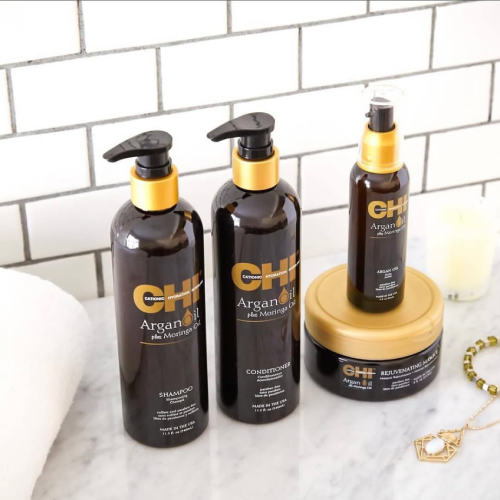
A lightweight product with a few minutes of exposure is suitable for everyday use. Soft silicones are not an issue here: in CHI Keratin, they are washed out with shampoo and do not accumulate if cleansing is not skipped. Daily home care is built on such formulas, while more intensive products for restoring damaged hair are reserved for severely weakened strands. If, after several applications, you notice that the strands have become heavy or stiff, switch the product.
What Ingredients Are Used in Products for Damaged Hair
Conditioners for damaged hair are built around four groups of substances, each addressing a specific task. The more groups combined in one product, the broader the action.
Structural Proteins and Amino Acid Complexes
Keratin is the main structural protein of the hair, and it is destroyed by bleaching and overheating. In cosmetics for damaged hair, a hydrolyzed form is used: it fills the voids inside the problematic hair strand. Amino acids—arginine, serine, glycine, and others—moisturize and increase elasticity.
Protein Complexes
This is a combination of proteins of different origins. Most balms for damaged hair contain several: hydrolyzed proteins from silk, soy, wheat, corn, and cotton, as well as collagen. Such protein care is recommended by manufacturers for dry, brittle, and damaged strands.
Natural Oils
Oils partially restore the fatty layer that disappears after coloring and alkaline procedures. In the online store, you can buy a conditioner for damaged hair with argan, jojoba, macadamia, camellia, and abyssinian crambe oil. Argan softens, adds shine, crambe provides gloss without weighing down, and jojoba reduces dryness—so the oil component is important when the goal is to achieve strands without dryness.
Components for Supporting Smoothness
Behentrimonium chloride and polyquaterniums neutralize charge and eliminate static. Silicones work on the surface. They form a thin protective layer and facilitate combing. Lightweight compounds work specifically: they concentrate on the most problematic areas and smooth them out, almost not affecting the healthy part of the length. The entire conditioning system usually includes guaran derivatives for smoothness.
How to Properly Use Balms and Conditioners for Damaged Hair
It is not enough to choose a quality product for restoring damaged hair—you also need to use it correctly. Here, technique influences the result just as much as the composition. Here are four basic rules:
-
After Each Wash. Gently squeeze out the water with a towel and distribute the product along the length and ends, avoiding the roots, as care for the tips is the priority here. Comb through with a wide-toothed comb, leave it on for the time specified in the instructions (2–5 minutes), and rinse with cool water. A balm for damaged hair is not needed at the roots: the hair there is still young. Leave-in formulas like MASIL are applied and then proceed to drying immediately.
-
Together with Masks and Shampoos. It is better to take a conditioner for damaged hair from the same line as the shampoo: in such a pair, the result is stronger. When deeper action is needed, a mask is used instead—it acts more intensively, and the frequency of its use is indicated by the manufacturer. It is not advisable to combine both care products on the same day: they address the same task, albeit at different levels; a double layer only weighs down the strands without benefit.
-
Between Treatments. Apply a serum or fluid to the dried length, and before blow-drying, use a thermal protection spray; this order will yield the best results. Regularly trim the ends, and avoid stretching wet strands. Such length protection makes overall care more effective.
-
Avoid Typical Mistakes. Do not leave the product on longer than indicated: the conditioner for damaged hair adheres to the surface of the hair shaft within the first seconds, so prolonged exposure does not add any benefit. Only straighten dry strands with a flat iron: in wet hair, under heat, water turns into steam and creates voids in the shaft. And do not skip shampoo cleansing; otherwise, silicones and oils gradually accumulate on the surface.
This creates a comprehensive care routine, where each product for damaged hair performs its specific role.
Why You Should Buy Balms and Conditioners for Damaged Hair on Staleks
On the catalog staleks.ua, you can easily purchase products for damaged hair based on the cause of damage and quickly assemble a single order for products for other stages of care:
-
Precise selection for the problem. Filters by action—restoration, reconstruction, care for split ends—and by hair type help find what you need in just a few clicks, rather than scrolling through the entire assortment.
-
Only original products. This site features professional products for damaged hair from well-known brands from Korea, Japan, the USA, Ukraine, and China, so you pay for the original and do not risk receiving a counterfeit.
-
Formats for any routine. Volumes from 20 to 500 ml, bottles with and without dispensers, tubes. All of this allows you to select cosmetics for damaged hair according to your washing frequency.
-
Professional care at home. Triology positions Fiberplex as a home product, and OLAPLEX claims that its home line is on par with professional products, making salon effects at home accessible without a visit to the stylist.
-
Ready solutions after coloring and bleaching. A separate category of cosmetics for damaged hair marked "colored" and filtered for "color protection" helps quickly select products specifically for strands after chemical procedures.
You can order products for restoring damaged hair with delivery across Ukraine and abroad. You can also consult with managers to avoid making the wrong choice.
FAQ
-
How to choose a balm or conditioner for damaged hair? First, identify the problem and its cause: chemical procedures, hot tools, or mechanical impact. Next, check the composition: after bleaching, technologies that support bonds should be prioritized; for brittle strands, a combination of proteins with panthenol and oils is essential. Also, choose based on the format: rinse-out or leave-in.
-
What signs indicate hair damage? Roughness along the length, split ends, tangling, dullness. Additionally, such strands absorb more water and swell more. If several signs appear simultaneously, special products for restoring damaged hair are needed.
-
What products are suitable for hair after bleaching? Formulas with technologies that support bonds, hydrolyzed proteins, and amino acid complexes are needed. In the catalog, for example, OLAPLEX 5 Bond Maintenance and Triology Fiberplex are recommended by manufacturers for colored and chemically treated strands.
-
How does care for damaged hair differ from care for weakened hair? Weakened strands are usually those that have lost shine and elasticity, while problematic strands have disruptions both on the surface and internally. For instance, bleaching destroys some disulfide bonds. Therefore, professional products for damaged hair should include proteins, oils, and cationic components that settle on the damaged areas.
-
What components are used in products for damaged hair? Hydrolyzed proteins, amino acid complexes, natural oils, cationic conditioning agents, and light silicones. According to Triology, panthenol moisturizes and increases flexibility. Together, these components fill damaged areas and smooth the surface.
-
Are such conditioners suitable for daily use? Yes, if the manufacturer allows it: some formulas are designed for regular use after each wash, and this is indicated on the packaging or in the description. However, it is still advisable to check the instructions in advance—severely damaged strands may require a more intensive restorative system instead of a daily lightweight product.
-
How to maintain hair softness after coloring? Choose pH-balanced products with the label "color protection" and rinse them with cool water. Softness is maintained by conditioning oils and panthenol in the composition. Between washes, complement care with leave-in products.
-
Which balms are best suited for brittle hair? Those in which proteins are combined with panthenol or oils, such as Triology Fiberplex or MASIL Protein Perfume Silk Balm. Evaluate products based on the entire composition, not just one component. Also, consider the format: MASIL is applied without rinsing.
-
Do conditioners help ease the combing of damaged hair? Yes, this is one of their main functions. Cationic components reduce static and friction between hair strands, making combing easier—a claimed effect of products from the catalog, particularly Triology Fiberplex and CHI Keratin.
-
What products to choose for hair frequently exposed to heat? Conditioners with oils, panthenol, and amodimethicone, such as CHI Keratin Conditioner, which the manufacturer recommends for those who frequently use straighteners, blow dryers, and curling irons. After using it, thermal protection is applied to dried strands, and the flat iron is used only on dry locks.
-
Can balms for damaged hair be combined with other care products? Yes, manufacturers explicitly recommend combining them with shampoo and masks from the same line. The sequence is as follows: cleansing, balm or mask, then leave-in products on dried lengths. It is not advisable to mix products: thermal protection is applied only after rinsing the conditioner.
-
Why is regular care important for hair showing signs of damage? The hair cannot restore itself, and the components of the balm are partially removed after rinsing and the next wash. Regular care restores this layer between treatments, so the healthy appearance of the strands remains stable, not just on the day of washing.
Balms and conditioners Cost on staleks.ua
Balms and Conditioners for Damaged Hair - customer reviews