Cosmetic oils for the face






 In stock
 Buy
 In stock Buy
 In stock Buy
 In stock Buy
 In stock Buy
 In stock Buy
 In stock Buy
 Out of stock
when available
Facial cosmetic oil is an oil-based product for cleansing or caring for the skin. In a rinse-off hydrophilic format, it dissolves makeup, SPF, and excess sebum, while emulsifiers help remove the product with water. Non-rinse oils, plant blends, and squalane are used for dry, dehydrated, and sensitive skin: they soften the skin and help maintain its protective barrier. When choosing, consider the purpose, composition, and texture of the product. You can purchase facial cosmetic oil from the catalog at staleks.ua.
Characteristics of Facial Cosmetic Oils
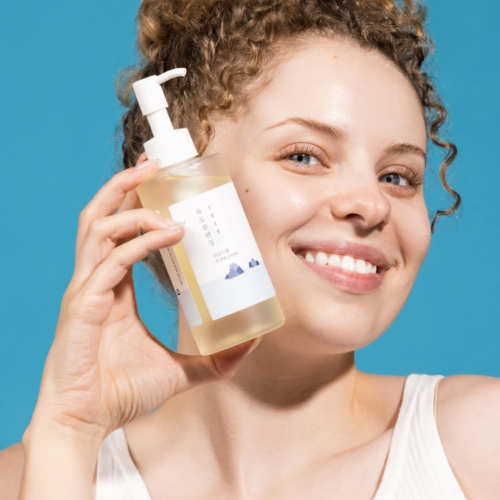
Facial cosmetic oil combines several parameters that make it convenient to compare between brands.
-
Application area – cleansing, makeup removal, skin hydration, and maintenance of the lipid barrier. For the eye area, choose products with the manufacturer's appropriate recommendation.
-
Skin type – suitable for all skin types, including sensitive, dry, dehydrated, and oily; in non-rinse care – predominantly for dry, dehydrated, normal, and sensitive skin.
-
Texture – liquid watery (Fluid / Water-like), classic oily (Medium / Classic Oil), rich dense (Rich / Heavy Oil), "dry" (Dry Oil), or balm-like.
-
Volume – 30, 120, 200, and 250 ml.
Types of Facial Cosmetic Oils
The word "oil" encompasses products with opposite logic. Some are designed to be rinsed off in two minutes. Others remain on the skin until morning. This determines at which stage of care the product works and what to expect from it.
-
Hydrophilic oil – contains emulsifiers. Upon contact with water, it transforms into a milk and washes away with impurities. This is the first step in evening cleansing, not care.
-
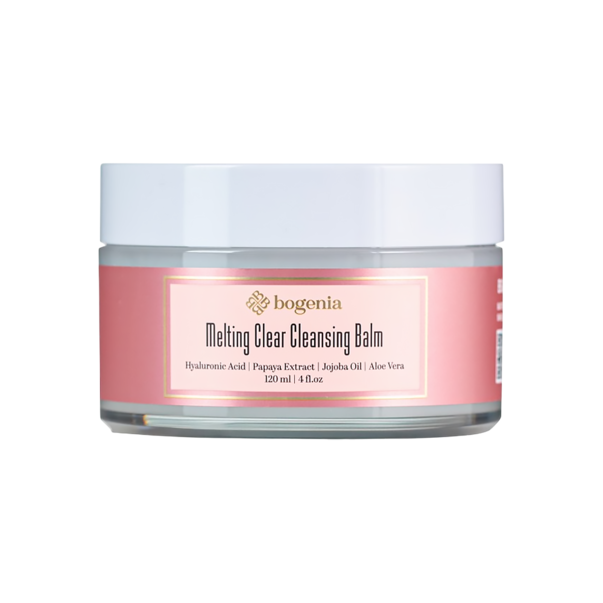
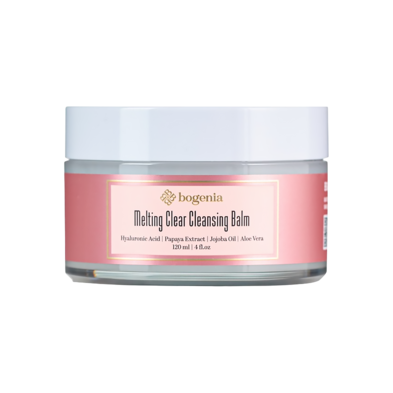
Cleansing balm – serves the same purpose, but with a different presentation. A dense waxy mass melts from the warmth of the fingers directly on the skin. It is used more economically than liquid formats and does not leak in a travel cosmetic bag.
-
Base vegetable oil – pure jojoba, argan, rosehip, or marula oil. Contains no emulsifiers, so it does not rinse off with water. It is used as a final lipid layer over a moisturizer or serum. Plant oils provide a moderate occlusive effect and help reduce water loss from the skin's surface.
-
Squalane – a hydrocarbon derived from olives or sugarcane. Odorless, spreads quickly, and oxidizes slowly compared to most plant oils. Often chosen by those who find classic oils heavy.
-
Oil blend or oil serum – a composition of several base oils, sometimes with fat-soluble components. Dosed in drops, applied to damp skin, or mixed with cream in the palm.
-
"Dry" oil – a formula based on light esters that spreads almost like a fluid and does not leave a noticeable shine. A compromise option for combination skin that does not tolerate heavy textures well.
The dividing line here is simple: if the composition contains emulsifiers, the product needs to be rinsed off, and it belongs to the cleansing stage. If it does not contain them, the oil works as the final step in care.
How Hydrophilic Cosmetic Oils Differ Between Brands
All products solve the same task – cleansing, but they emphasize different aspects. The table below compares compositions and formats, while here we discuss the "character" of each brand and who it is best suited for.
-
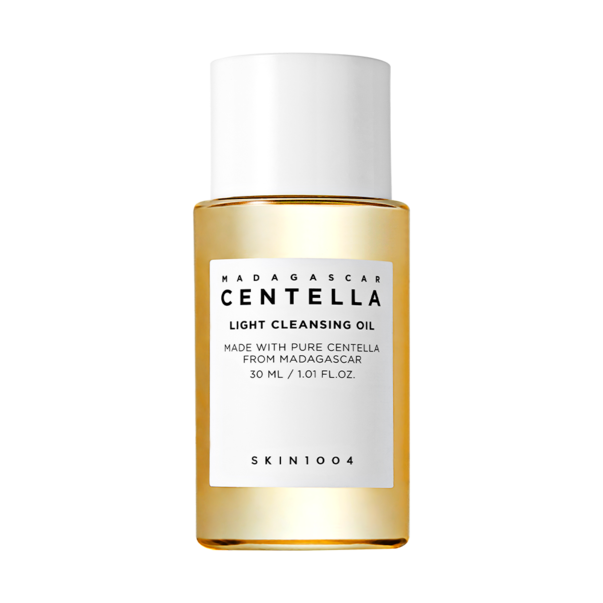
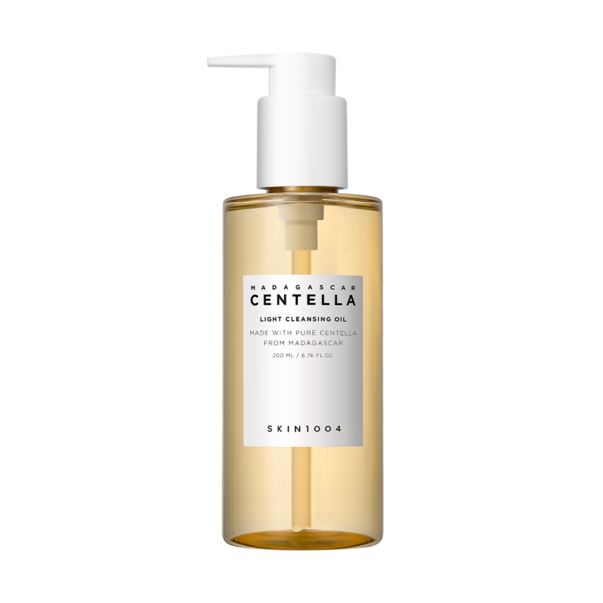
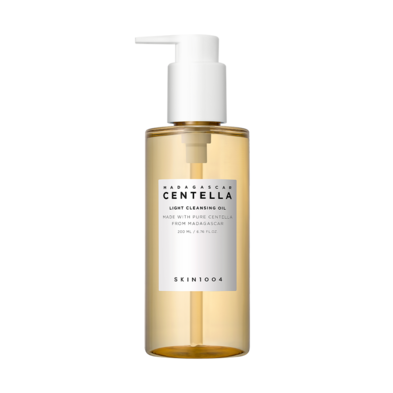
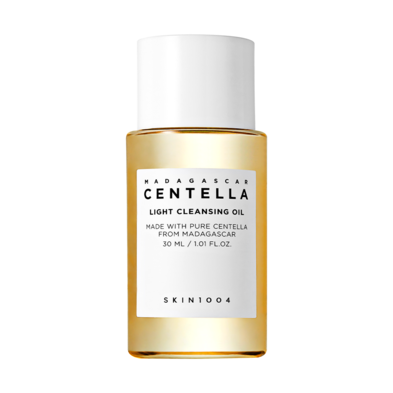
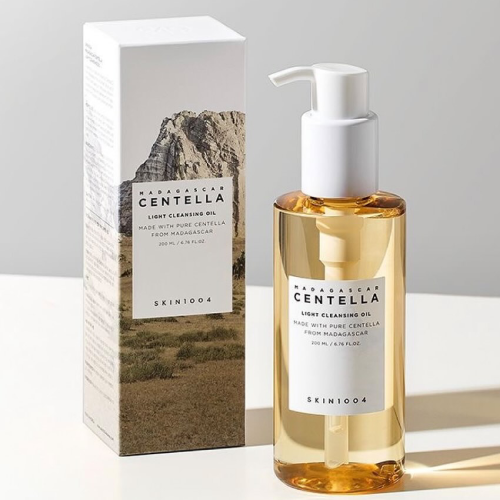
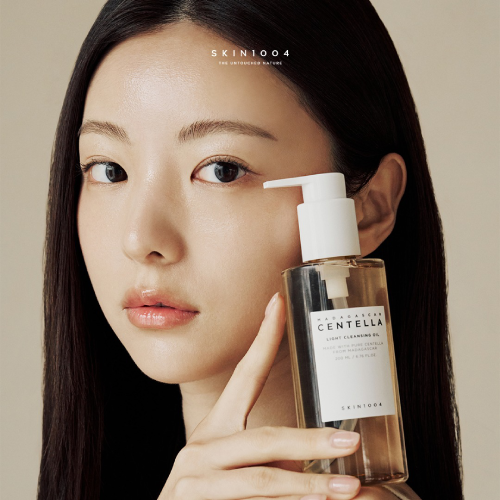
SKIN1004 – a choice for those seeking the most delicate cleansing. The brand builds its line around Madagascar centella and makes the formula so light that it is suitable even for reactive skin.
-
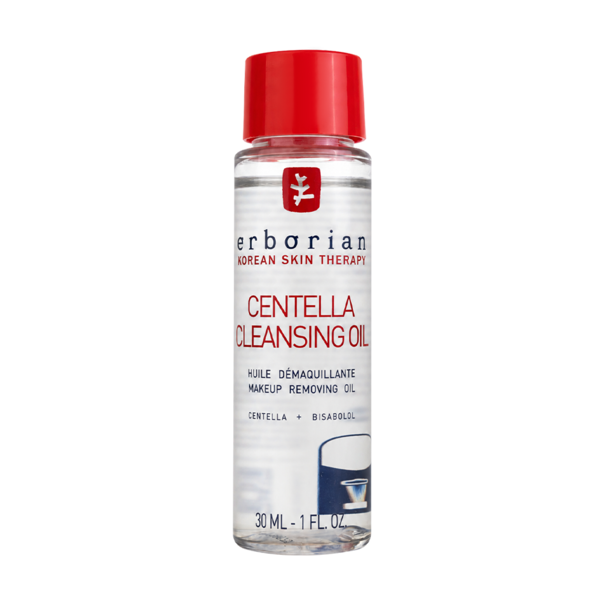
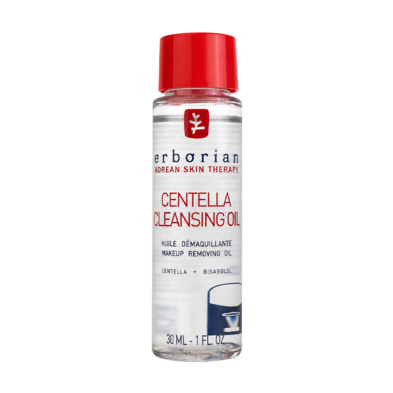
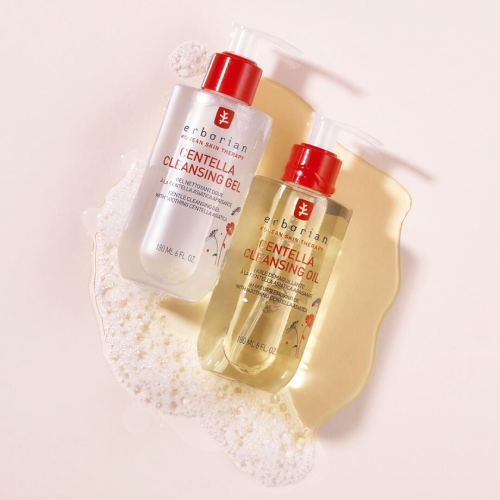
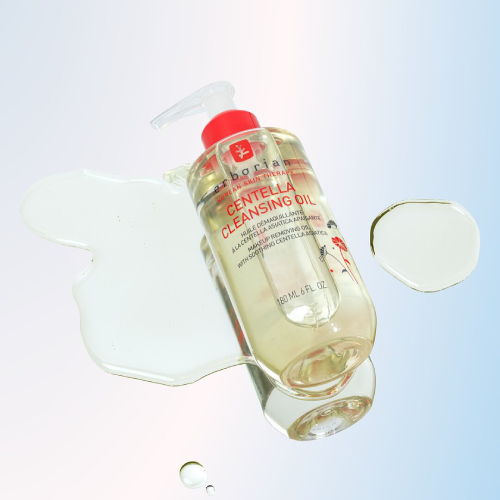
Erborian – a Franco-Korean brand with a reputation for "smart" care. Its oil is ophthalmologist-tested, so it can be used to remove eye makeup, and the compact bottle is convenient for travel.
-
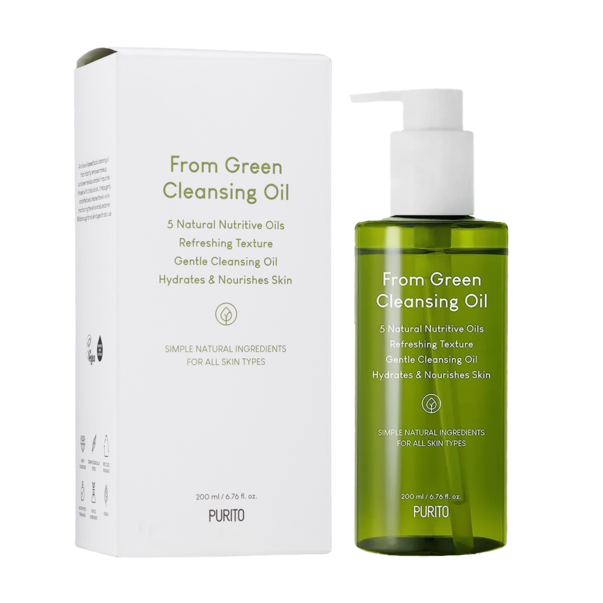
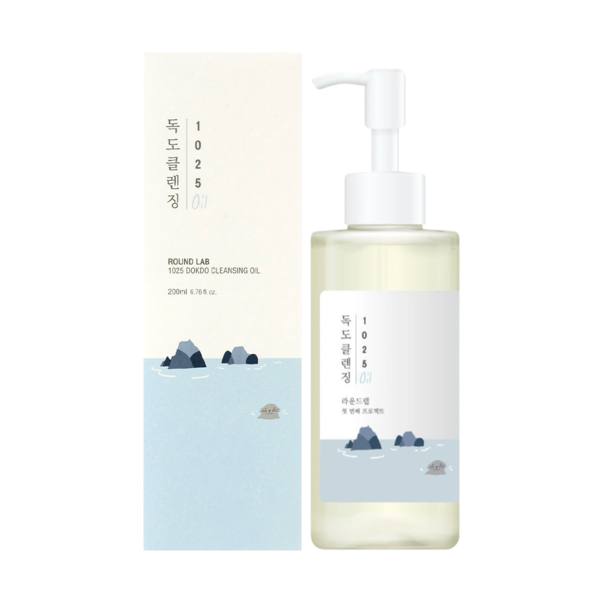
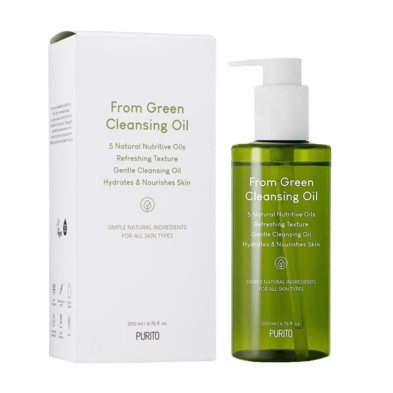
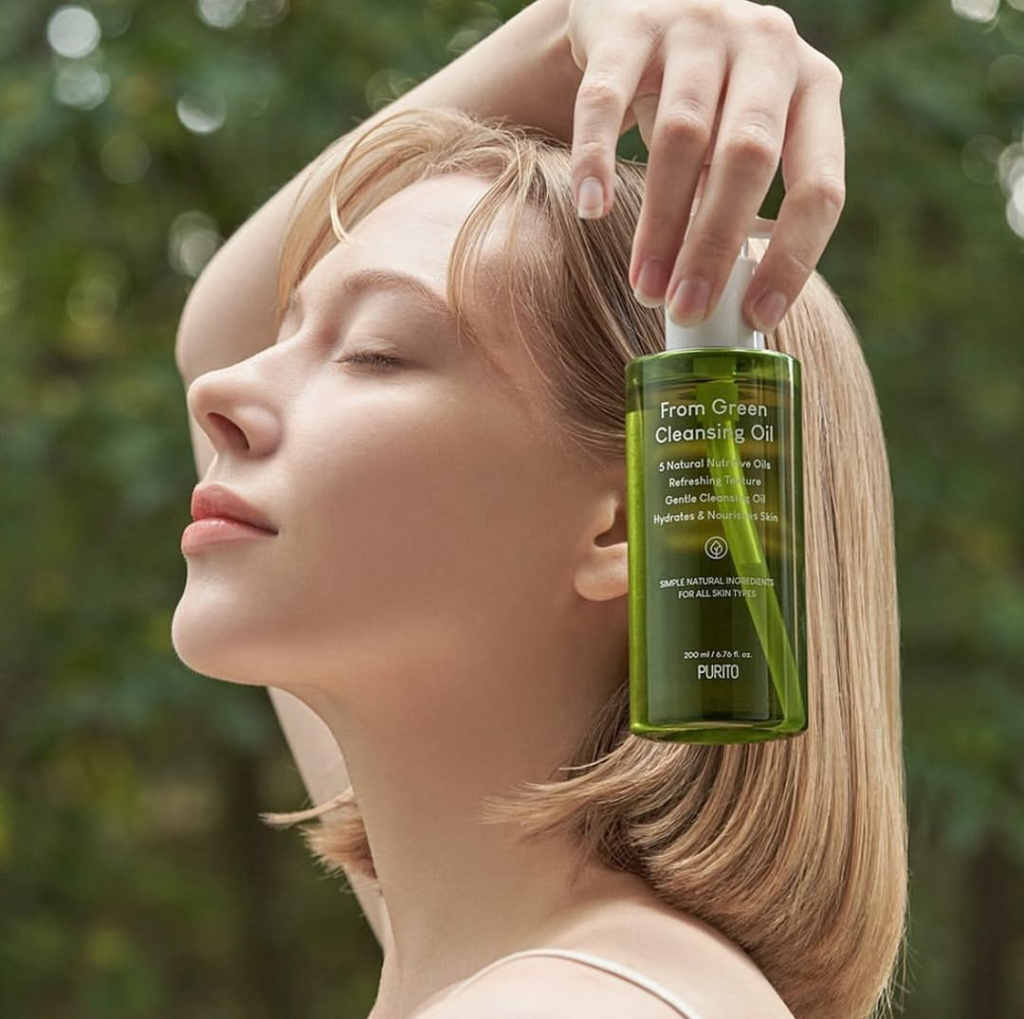
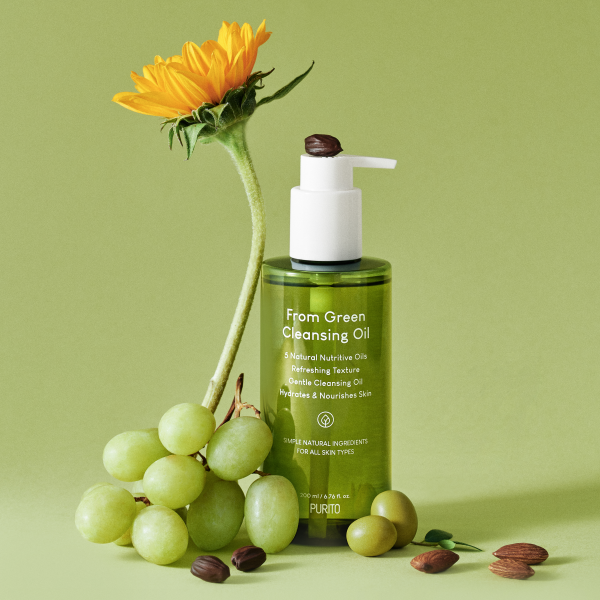
Purito – a brand for fans of clean formulations: a short ingredient list without PEGs and a claimed cleansing time of about a minute.
-
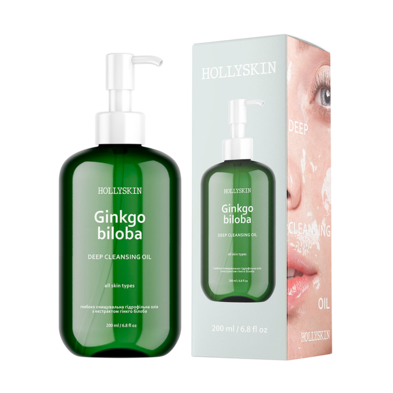
HOLLYSKIN – a Ukrainian brand focused on antioxidant care; its oil is often chosen for deeper cleansing of oily and combination skin.
-
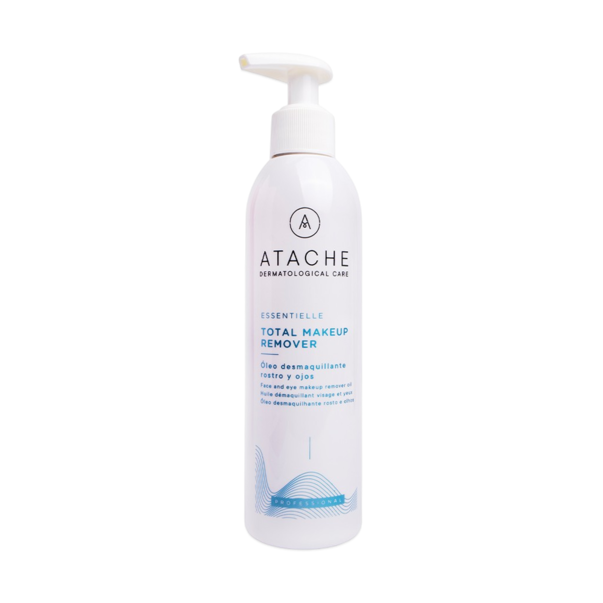
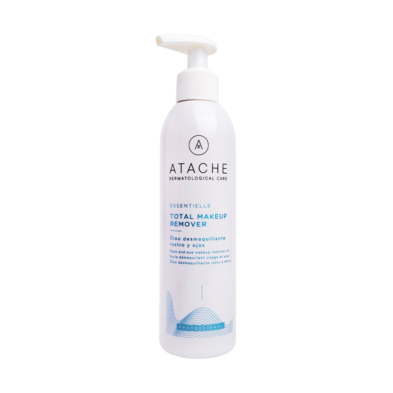
ATACHE – a Spanish professional brand with pharmaceutical origins, aimed at salons and professionals who require a large consumption.
Assortment of Facial Cosmetic Oils at staleks.ua
The catalog features popular lines of cleansing oils – from budget Ukrainian options to professional European ones. The table below presents only what distinguishes the products essentially: active base, texture, and volume.
| Product and line | Active components | Texture and format | Main action | Volume | Country |
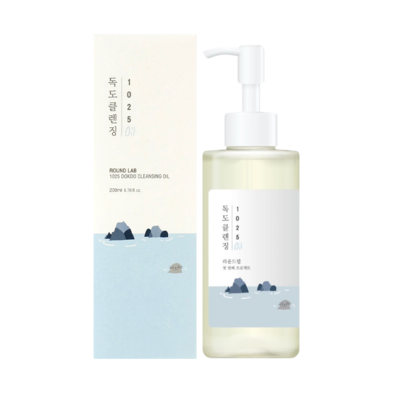
| Extract of Centella Asiatica, sunflower oil, bergamot oil, olive oil, and jojoba oil, vitamin E | Weightless liquid hydrophilic oil with a dispenser | Gentle makeup removal and SPF removal; centella complements the formula, but the presence of bergamot oil is important to consider for reactive skin | 30 and 200 ml | South Korea | |
| Centella, sweet almond oil, sunflower seed extract, bisabolol, vitamin E | Light hydrophilic oil | Removal of long-lasting makeup and SPF, gentle cleansing | 30 ml | France (produced in Korea) | |
| Olive oil, sunflower oil, jojoba oil, and grape seed oil, without PEGs and mineral oils | Light liquid hydrophilic oil with a dispenser | Cleansing from makeup and sebum, minimalist composition | 200 ml | Korea | |
| Ginkgo biloba extract, sunflower oil, peach oil, olive oil, and argan oil, vitamin E | Oil emulsifying hydrophilic oil | Deep cleansing from makeup and SPF, antioxidant support | 200 ml | Ukraine | |
| Wild carrot and its seed oils, sunflower oil, wheat germ, glycerin | Dense oil hydrophilic oil with a dispenser | Professional makeup removal, designed for large consumption | 250 ml | Spain |
Active Components of Cosmetic Oils
The effect of cleansing oil is determined not by one ingredient, but by a combination of actives. Base oils dissolve impurities, while the targeted active cares for the skin while the product works on the face.
-
Centella Asiatica – a key active in SKIN1004 and Erborian. Its effect is provided by triterpene saponins (madecassoside, asiaticoside): they help reduce redness and support comfort for irritated skin. In rinse-off format, centella does not work for long, so its main role here is to make the cleansing itself gentler for reactive skin, rather than "treating."
-
Ginkgo biloba extract – a key active in HOLLYSKIN. It contains flavonoid glycosides with antioxidant properties. They help neutralize free radicals. The active works in conjunction with peach and argan oils – sources of fatty acids and vitamin E. This combination softens the skin, so after deep cleansing, there is no dryness or tightness.
-
Caprylic/capric triglycerides – a light emollient base that dissolves makeup and facilitates distribution.
-
Plant oils (sunflower, olive, jojoba, almond, argan) have a lipid profile similar to skin sebum. Therefore, they effectively dissolve fat-soluble makeup, SPF, and excess sebum without disrupting the skin's lipid barrier.
-
Vitamin E (tocopherol) – a fat-soluble antioxidant. In oily formulas, it helps stabilize the formula and reduces the risk of oxidation of base oils.
How to Choose Facial Cosmetic Oil
The choice depends on the purpose, skin type, and care tasks. Rinse-off oils are used for cleansing and makeup removal, while non-rinse oils are for skin care. When choosing, consider not only the skin's needs but also the texture, composition, and format of the product.
| Task / Need | What to Choose | What to Pay Attention To | Usage Recommendation |
| Clearing and Makeup Removal | Rinse-off hydrophilic oil | Emulsifying formula that rinses off easily with water | Apply to dry skin, massage, add water to emulsify, and rinse off |
| Skin reacts with redness and tightness | Rinse-off oil with a gentle formula | Comfortable texture, absence of components that individually irritate the skin | Distribute without strong pressure, then emulsify and rinse off |
| Long-lasting tone and SPF, skin quickly becomes oily | Rinse-off emulsifying oil | Ability to effectively dissolve makeup and rinse off easily | After massaging, emulsify with water to a milky texture |
| Minimalist composition needed | Rinse-off oil with a concise formula | Absence of fragrances and other components you want to avoid | Use as the first step in evening cleansing |
| Eye makeup and waterproof mascara removal | Rinse-off oil with the manufacturer's appropriate recommendation | Ability to be used in the eye area | Do not rub the skin: gently dissolve the makeup and rinse off the product |
| Large consumption | Oil in a large volume | Spacious bottle and convenient dispenser | Suitable for regular cleansing or massage, if such a method is provided by the manufacturer |
| Compact format | Oil in a small volume bottle | Size of the packaging and reliability of the dispenser | Convenient to take on trips |
| Care without rinsing | Non-rinse cosmetic oil | Composition, texture, and comfort after application | Apply a small amount to the skin as the last step in care and do not rinse off |
| Dryness and flaking | Nourishing non-rinse oil | Denser texture and softening components | Use a small amount in the evening or on dry areas |
| Combination and oily skin | Light oil or squalane | Light texture and individual tolerance | Apply a small amount to avoid overloading the skin |
| Sensitive skin | Non-rinse oil with a simple formula | Minimum potentially irritating components, absence of strong fragrance | Before regular use, assess the individual skin reaction |
| Need a light finish | "Dry" oil or squalane | Quick distribution and less greasy feeling after application | Suitable for daytime care if such texture is comfortable |
| Need more nourishing care | Dense oily or balm-like texture | Nourishing and comfortable for dry skin | Use primarily in evening care |
How to Use Facial Cosmetic Oil
The method of application depends on the format of the product. Rinse-off oils are used for cleansing and makeup removal, while non-rinse oils are left on the skin as a care product.
Rinse-off Oil
-
Prepare the skin – hands and face should be dry.
-
Apply the oil – distribute a small amount over dry skin.
-
Dissolve impurities – gently massage the face, paying attention to areas with stubborn makeup and SPF.
-
Emulsify the product – wet your fingers with water and continue massaging until a milky emulsion forms.
-
Rinse off the oil – thoroughly remove the product with water.
-
Complete the cleansing – if necessary, use a gel or foam according to the manufacturer's instructions.
Non-rinse Oil
-
Cleanse the skin – apply the oil after washing and other care products, unless otherwise indicated by the manufacturer.
-
Apply a small amount – distribute 2–3 drops over the face, avoiding the eye area unless the product is intended for it.
-
Gently distribute – carefully pat or smooth the oil over the skin without intense massage.
-
Leave on the skin – the product does not require rinsing and completes the care, helping to reduce dryness and maintain the protective lipid barrier.
Ideas for Care with Cleansing Oil and Unconventional Application Life Hacks
Cleansing oil can be used not only for evening makeup removal. Several practical techniques can help adapt its use for different care tasks:
-
Morning light cleansing. If a heavy cream or mask was used at night, the oil will gently remove excess without overdrying in the morning.
-
Warm the oil in your hands before application. A few drops rubbed between warm palms spread more easily over the skin and penetrate better into the texture of stubborn makeup – the active works faster due to temperature rather than the amount of product.
-
Removing persistent odors from hands. The oil can be used as an additional cleansing method after contact with products or perfumes with a strong scent. Apply a small amount to dry hands, rub for about 30 seconds, then rinse with soap and water. Since many aromatic components dissolve well in the oily phase, this method can facilitate their removal.
Common Mistakes When Using Cosmetic Oil
Even a well-chosen oil can disappoint if not applied correctly. We have compiled the mistakes that most often hinder achieving results and recommendations on how to avoid them.
| Error | Why This Is Not Recommended | Recommendation |
| Applying hydrophilic oil to wet skin or with wet hands | Water triggers emulsification too early, and makeup dissolves poorly | Always start on completely dry hands and dry face |
| Skipping the second step of cleansing | A light oily film and a feeling of not being thoroughly cleansed may remain on the skin | After using the oil, wash your face with gel or foam – this is double cleansing |
| Massaging too briefly during cleansing | Long-lasting foundation, mascara, and SPF do not have enough time to dissolve | Massage for 1–2 minutes, longer on areas with heavy makeup |
| Rinsing with cold water | Oil emulsifies poorly and leaves residues | Use warm water for complete rinsing |
| Rubbing eyes when removing waterproof mascara | Mechanical friction damages the delicate skin of the eyelids | Allow the oil to dissolve the mascara, then emulsify and gently rinse off |
| Choosing a dense oil expecting a light texture | The feeling of heaviness may deter those with oily skin | For lightness, choose SKIN1004 or Purito, for salon consumption – ATACHE |
Key Takeaways
-
First, determine the format: rinse-off product for cleansing or non-rinse for care.
-
Check the manufacturer's instructions. They define the application method, the need for emulsification, and permissible application areas.
-
Do not rely solely on one active. Evaluate the formula as a whole and its suitability for your skin.
-
For sensitive skin, test new products gradually. Even natural components can cause individual reactions. It is better to conduct a patch test.
FAQ: Common Questions About Facial Cosmetic Oils
-
Can I use hydrophilic oil if I don't wear makeup? Yes, and it is a common misconception that oil is only needed for makeup removal. Even without cosmetics, during the day, SPF, sebum, dust, and urban pollutants settle on the skin, which water and foam do not wash off well. Oil dissolves this fat-soluble "film," making it beneficial even for those who do not use foundation.
-
What does the "PEG-free" label on Purito mean, and why is it important for some? PEGs (polyethylene glycols) are common emulsifiers that help oil rinse off with water. Purito does without them, opting for a shorter composition. This is a conscious choice for those who prefer minimalism in care, although PEGs themselves in rinse-off products are considered safe.
-
How can I tell if the oil has completely rinsed off and not left a film on the skin? The guideline is simple: after washing, the skin should not shine or "slide" under the fingers, but it should not feel overdried either. If a film is felt, it means the oil was not emulsified enough with water before rinsing or the second step of cleansing was skipped.
-
Can one oil be used for the whole family with different skin types? It is suitable for most skin types, but people with problematic skin (acne) should choose lighter formulas (SKIN1004 200 ml or Purito 200 ml).
-
Does the effectiveness of the oil change in winter and summer? The cleansing ability does not depend on the season, but tactile comfort does. In summer, with active SPF and sweating, lighter textures (SKIN1004, Purito) are more convenient. In winter, when the skin tends to be dry, denser formats like HOLLYSKIN are more pleasant. It stays on the skin longer during massage and leaves a feeling of softness after washing. However, no cleansing oil replaces moisturizing care – it is applied after washing.
Facial Cosmetic Oil: How to Choose Wisely
When choosing a cosmetic oil, focus on the method of application, composition, and convenience of the format. For cleansing, correct emulsification is important; for non-rinse care, comfort after application and meeting the skin's needs are crucial. If the product is new, start with a small amount and assess the skin's reaction. In the catalog at staleks.ua, you can compare available options by composition, texture, and volume.
Cosmetic oils Cost on staleks.ua
Cosmetic oils for the face - customer reviews