Hair Curlers

 In stock
 Buy
 In stock Buy
 In stock Buy
 In stock Buy
 Out of stock
when available
 Out of stock
when available
 Out of stock
when available
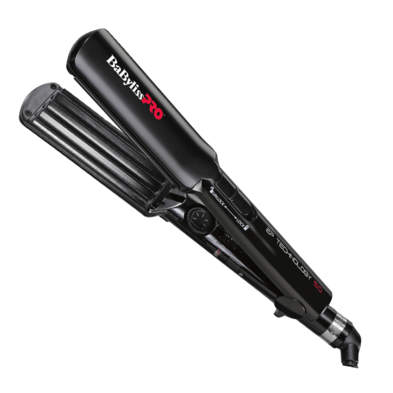 Out of stock
when available
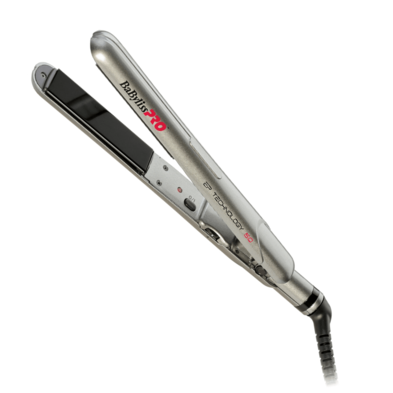 Out of stock
when available
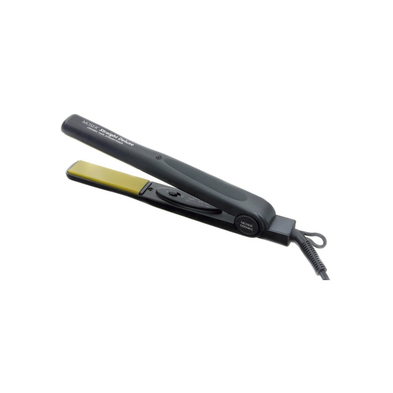 Out of stock
when available
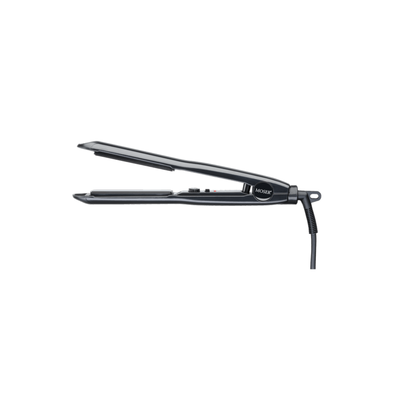 Out of stock
when available
A hair curling iron is an electric tool that heats strands, straightens them, or creates curls, waves, and locks. It provides a long-lasting hairstyle with a gentle impact on the structure, thanks to modern coatings and precise temperature control. Both professionals and enthusiasts of home styling use it.
On this page, you will learn about all types of hair curling irons. We will also discuss technical specifications and selection guidelines.
Types of Hair Curling Irons
The choice of a hair curling iron begins with the shape of the working surface, as it determines the type of curls, waves, or locks you will achieve. Staleks experts have analyzed the most common options so that you can immediately understand what will suit your hair and styling style.
Classic Cylindrical Curling Irons
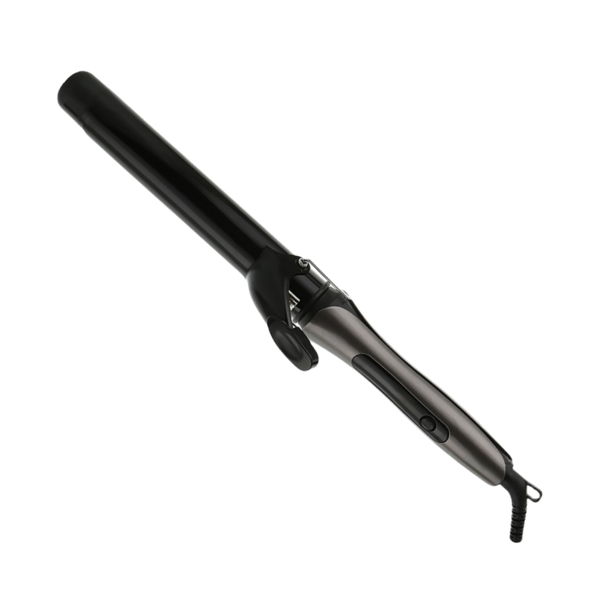
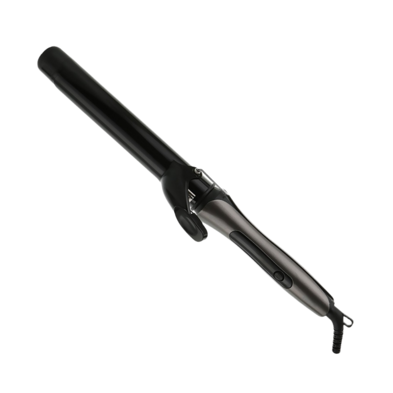
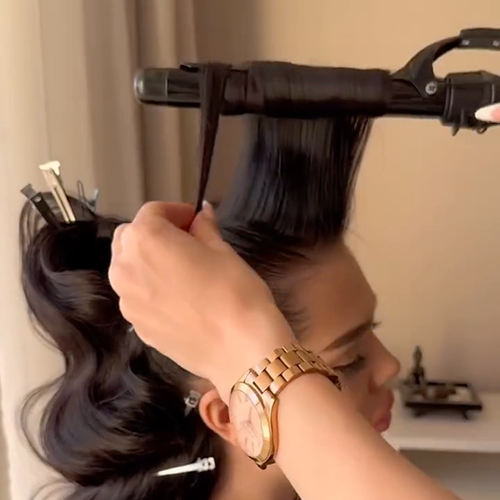
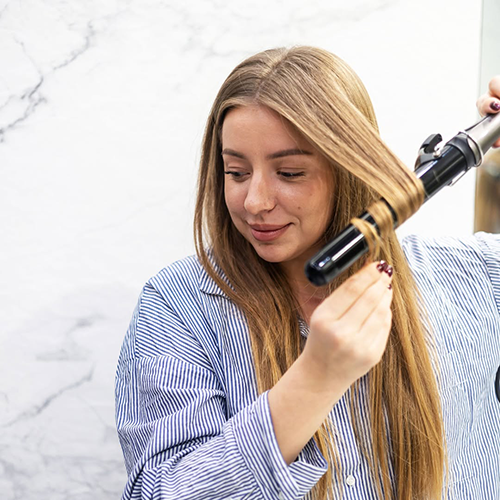
This is the most traditional and straightforward option: a straight cylinder with the same diameter along its entire length + a clamp that secures the strand. Thanks to the clamp, the hair does not slip down, and the strand remains straight. The curls produced are clear, symmetrical, and uniform across the head. It is ideal for classic Hollywood styling, retro waves, or when you need to quickly curl a large number of strands.
Conical Curling Irons
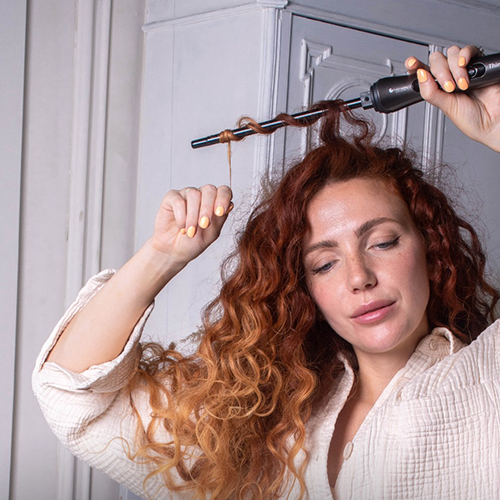
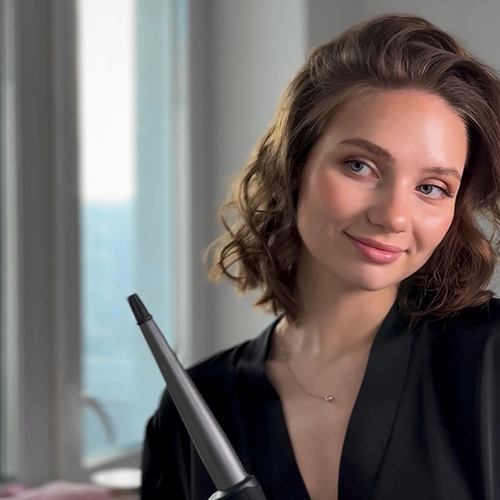
A conical curling iron is a tool without a clamp, featuring a working surface that gradually narrows (for example, from 25 mm to 13 mm or from 32 mm to 19 mm). The absence of a clamp and the conical shape make it a favorite for achieving a natural effect: the curl is smaller and fuller at the roots, while at the ends, it is soft and flared. This type of curling iron allows you to adjust the curl size with one movement—hold the strand at the thick end for larger waves, closer to the thin end for tighter curls. It is especially convenient for creating beachy texture, Hollywood waves with transitions, and root volume.
Curling Irons for Large Curls
Models of curling irons with a large diameter—from 32 to 38 mm (sometimes up to 40 mm)—create soft, airy waves rather than tight rings. They are ideal for long and medium hair when you want to add lightness, movement, and natural volume without the "doll" effect. Such styling looks modern and effortless—perfect for trendy beach waves, loose hair with texture, or evening hairstyles with large soft curls. Additionally, curls are less damaged because the strand is twisted less.
Curling Irons for Small Curls
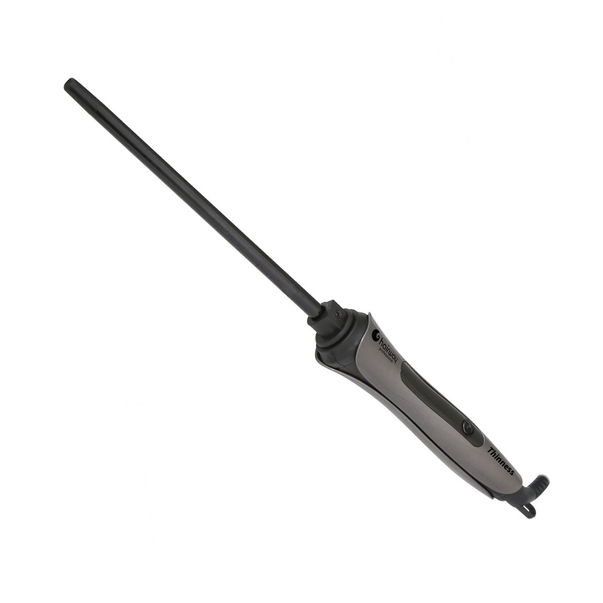
In such a curling iron for curls, the diameter is 19–22 mm (sometimes even 16–18 mm). The result is tight, springy spirals, small curls, or an afro texture. This is the choice for short and medium hair when you want expressive volume at the roots or a vibrant curly effect. On coarse hair, such curls hold especially well, while on fine hair, they add dramatic volume. Important: for small diameters, always use heat protection and do not exceed 170–180 °C to avoid drying out the ends.
Professional Models
A professional hair curling iron stands out not only in shape but also in its "filling": a powerful heating element (often from 50–120 W), quick heating in 30–60 seconds, precise digital temperature control, a long rotating cord of 2.5–3 m, a reinforced body, and a lifespan of thousands of cycles. It withstands daily intensive use in a salon without losing heating uniformity or glide. Many professional models feature ionization or tourmaline coating—this is not just marketing but real protection against drying and static electricity. If you plan to curl hair daily or work with clients, a professional hair curling iron will pay off faster than any other.
Straightening Irons
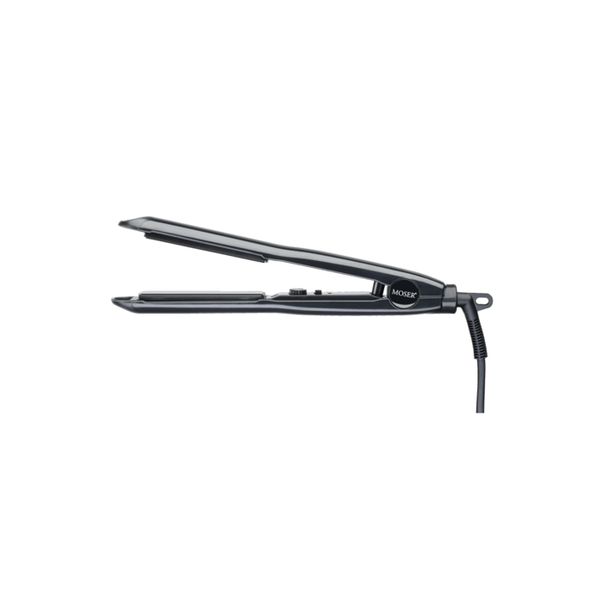
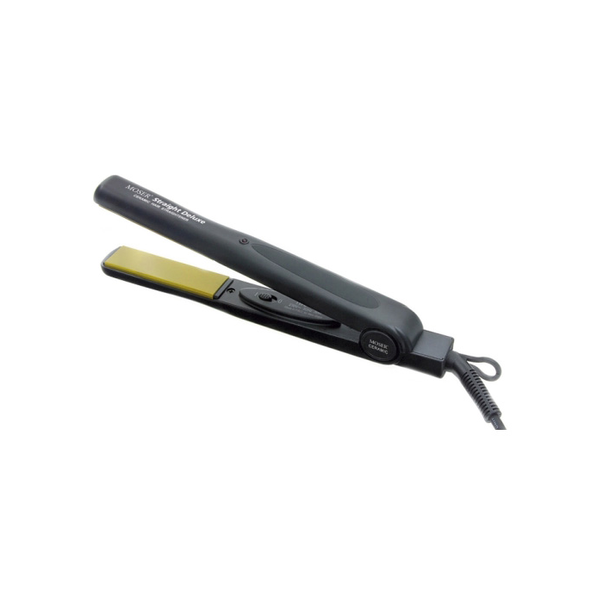
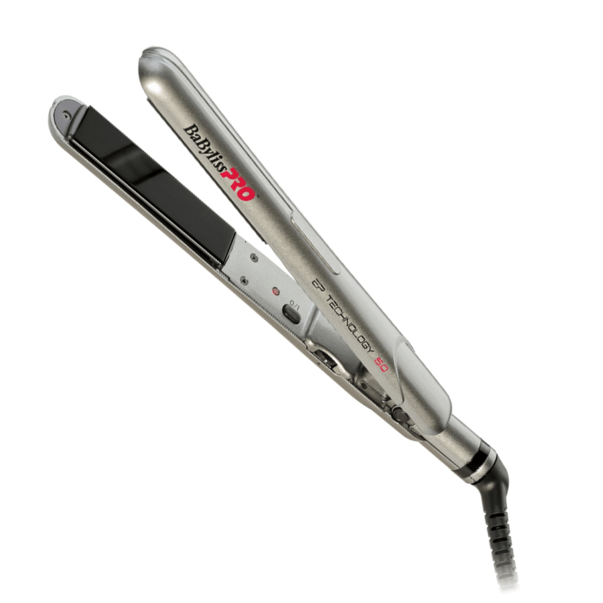
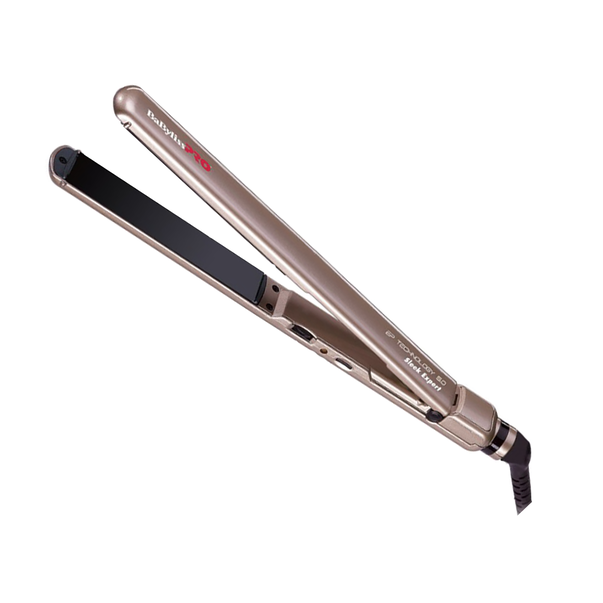
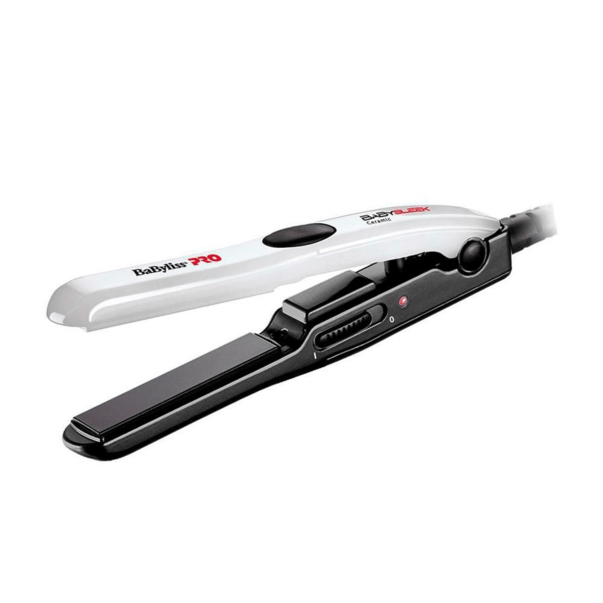
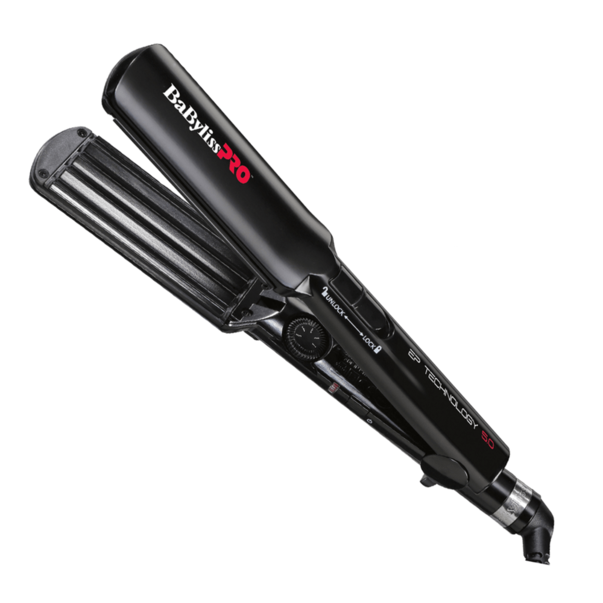
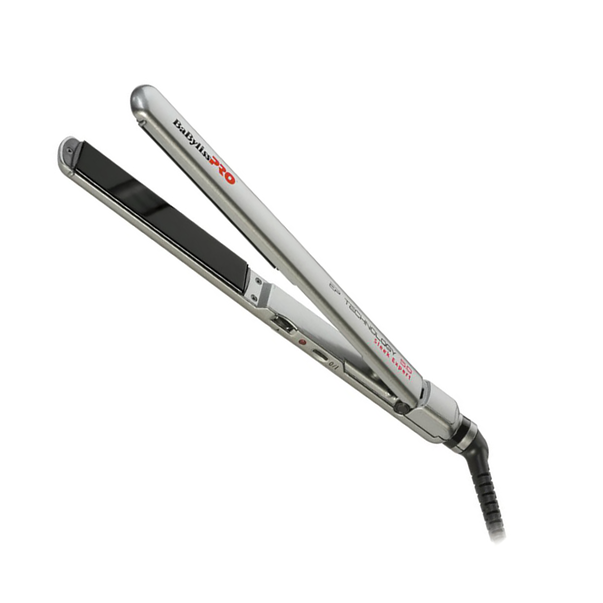
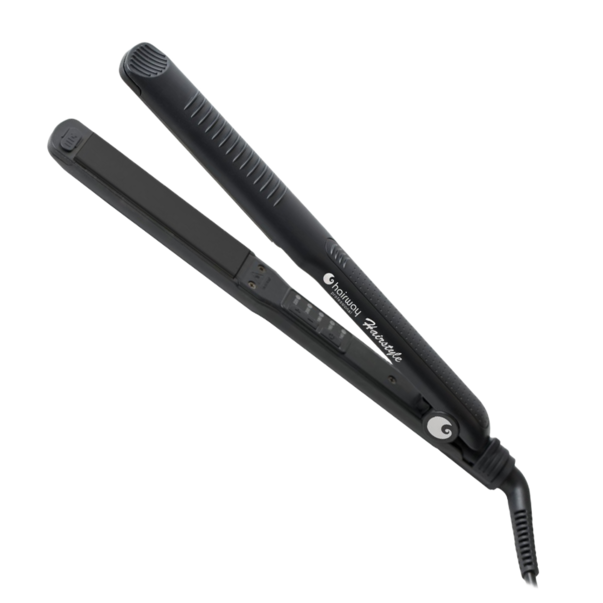
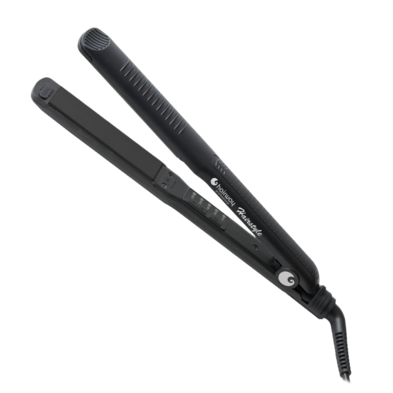
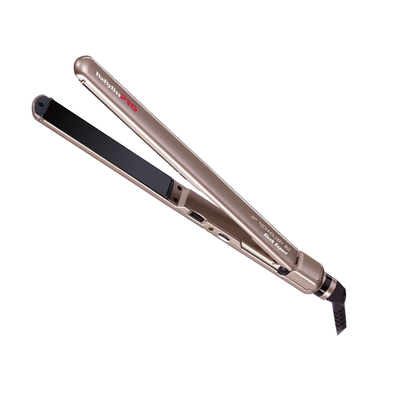
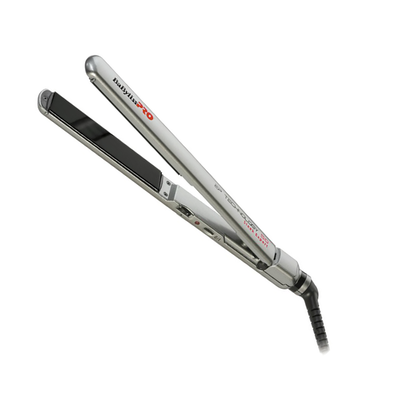
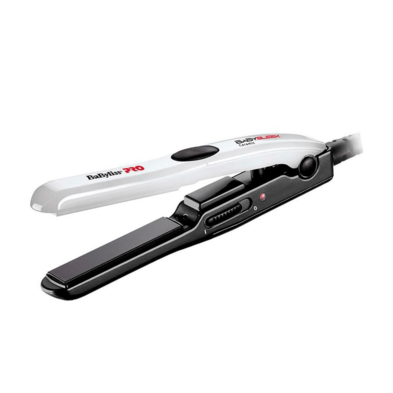
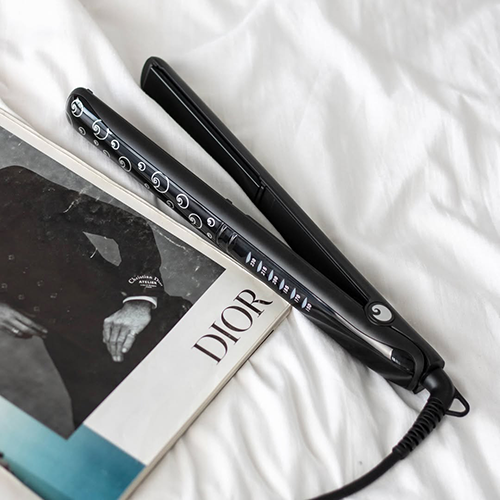
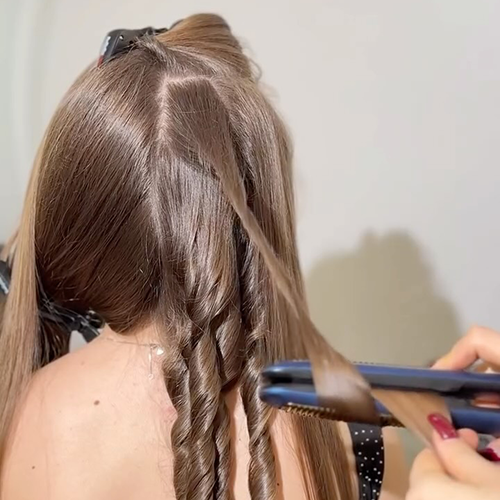
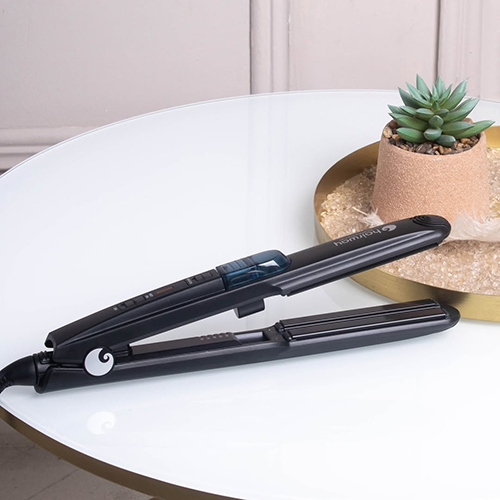
A hair straightening iron (also known as a flat iron or styler with plates) consists of flat heating plates that clamp the strand and smooth its structure, making hair perfectly straight, smooth, and shiny. Unlike round curling irons, the focus here is on straightening, but many models allow for creating soft waves or curls if you technically pass the strand with a twist. Such models are particularly popular among those with curly or wavy hair who want to temporarily change their texture to smooth.
These six types cover almost all needs—from pure curling to complete texture control (straightening + styling). Next, when planning to buy a hair curling iron, the choice narrows down to diameter (or plate width), coating, and your personal preferences regarding the clamp or its absence.
Technical Specifications
Once you have decided on the type of hair curling iron, it is time to delve into the details that truly affect the styling result and the health of the strands. Technical specifications are not just dry numbers in the product description; they are the key to whether the curls will be long-lasting, shiny, and healthy. Below, Staleks experts have compiled all the key information into a table for quick comparison and selection.
Parameter | Description and Recommendations | Recommended Values for Different Hair Types | Advantages / Why It Matters |
| Working Surface Diameter | The main factor that dictates the type of curls or waves. The smaller the diameter, the tighter and springier the curls; the larger, the softer the waves and more natural the volume. | • 16–19 mm – tight small curls, afro effect, short hair • 19–22 mm – medium springy curls • 22–25 mm – classic Hollywood curls (universal) • 25–28 mm – soft waves, medium length • 28–32+ mm – large airy waves, long hair | Selection formula: for long hair – ≥25 mm, for short hair – ≤22 mm. Universal – 25–28 mm. |
Temperature Settings | A balance between styling durability and structure preservation. Range of 120–220 °C, with increments of 5–10 °C or a smooth regulator. | • Fine/damaged/colored – 120–150 °C (max 160 °C) • Normal – 150–180 °C (golden mean) • Thick/coarse – 180–200 °C • >200 °C – rarely, only for very dense hair | Start with the minimum, increase as needed. Heat protection is mandatory at any temperature. |
Coating (ceramic, tourmaline, etc.) | Affects heating uniformity, strand glide, and shine. | • Ceramic – fine, porous, colored • Tourmaline – static-prone, dry (anti-static + shine) • Titanium/titanium-tourmaline – thick, coarse (quick heating) | The best is a combined titanium-tourmaline: speed + protection + shine. Avoid cheap metals. |
Heating Time | The time until ready for use. Professional models are the fastest. | • Professional – 30–60 seconds • Budget – 1–2 minutes | Critical for salons or morning rush. Aim for ≤60 seconds. |
Overheat Protection | Safety features: auto shut-off, temperature sensors, heat-insulated tip. | • Auto shut-off – after 30–72 minutes (often 60–72 minutes for professionals) • Sensors + cool tip – standard in modern models | Not an option but a necessity. Prevents burns, fire, and extends the device's lifespan. |
How to Choose a Curling Iron
When choosing a hair curling iron, it should not be based on the principle of "the more expensive, the better," but rather on specific needs: the length of the strands, their thickness and structure, the desired styling effect, and frequency of use. An incorrect diameter will make curls too small or, conversely, unstable; an unsuitable temperature will dry out the strands; and a household model will wear out quickly in the hands of a professional. Below are clear recommendations for the main scenarios. They are based on the practice of hairdressers and user reviews: the key is to find a balance between effect, comfort, and hair health.
For Long Hair
For strands below the shoulders, the best options are a conical curling iron or classic models with a diameter of 28–32 mm (sometimes up to 38 mm). Why this choice? A large diameter forms soft, natural waves or large curls along the entire length without creases and loss of volume at the ends. Avoid diameters smaller than 25 mm: on long hair, they make the curl too tight and "childlike," and the styling quickly falls apart.
For Short Hair
Short strands up to the shoulders, bob, or lob require a diameter of 19–25 mm—this is the optimal range for creating stable curls and root volume. A smaller diameter (19–22 mm) gives clear, springy curls or texture at the roots—ideal for short haircuts with movement. A larger diameter (up to 25 mm) provides softer waves or light volume without excessive density. Large diameters (28+ mm) simply do not work on short hair: the strand does not secure along its entire length, resulting in weak or nonexistent results.
For Thick or Fine Hair
Thickness and structure are key factors in choosing coating and temperature.
Thick, coarse, unruly hair requires higher power and temperature (180–200 °C), titanium or titanium-tourmaline coating—they heat up quickly, maintain temperature well, and penetrate dense structures without holding the strand for too long. Diameter—22 mm and above, so curls do not turn out too small.
Fine, porous, damaged, or colored hair—only low temperatures of 120–150 °C (maximum 160 °C) and gentle ceramic or tourmaline coating. Ceramic distributes heat evenly, does not dry out, and tourmaline adds shine and reduces static. Diameter—19–25 mm: fine hair holds smaller curls well, while large waves fall apart quickly.
General rule: always start with the minimum temperature + heat protection, and only if the curl does not hold—raise by 10–20 °C.
For Professional Use
A professional hair curling iron is not just "the best quality," but a tool designed for daily intensive use. The main requirements are:
A long rotating cord (2.5–3 m)—so the stylist can move freely around the client without tangling.
Quick heating (30–60 seconds) and stable temperature maintenance—saving time in the salon.
Overheat protection (auto shut-off after 60–72 minutes, temperature sensors)—safety and durability.
Power from 50–120 W, precise digital control, ionization or tourmaline—for even heating and shine.
Reinforced body and lifespan of thousands of cycles—will not burn out after 2–3 months of daily use.
If you work with clients, choose a professional line (BaByliss PRO, Moser, Hairway, etc.): household models quickly lose heating uniformity and glide.
Expert Tips
Measure the thickness of the strand: the diameter of the curling iron for curls should be 1.5–2 times larger than the strand for a natural effect.
Test the ergonomics: the handle should not slip, and the weight should not tire the hand after 2–3 hours.
For mixed types (e.g., long + fine)—choose a conical curling iron with temperature adjustment.
If in doubt—choose a universal diameter of 25 mm and a wide temperature range: this covers 80% of needs.
Buy with a warranty and verified reviews—especially for professional use.
These recommendations will help you purchase a hair curling iron that not only creates curls but does so beautifully, lastingly, and without harm. Next, the focus is on the right technique and care.
Advantages of Buying a Hair Curling Iron, Curling Iron, or Straightener from Staleks
By purchasing a curling iron for curls, waves, or straightening specifically from Staleks, you gain access to a professional assortment of trusted brands such as BaByliss PRO, Hairway, and Moser. The website offers only original tools with the manufacturer's official warranty. This eliminates the risk of counterfeits and ensures a long lifespan even with daily use in a salon or at home. The catalog features a wide selection of diameters and types—from curling irons for curls to classic cylindrical ones for Hollywood waves and straighteners for perfect smoothness. It is easy to find a tool that suits your hair type and desired effect. Plus, fast delivery makes ordering here even more appealing.
FAQ: Common Questions About Hair Curling Irons
Which curling iron is best for creating curls? The ideal choice is a conical or classic cylindrical curling iron with a diameter of 25–28 mm. It provides natural transitions and long-lasting curls without creases. Add heat protection—and the result will last 2–3 days.
What diameter curling iron is suitable for long hair? Choose a diameter of 28–32 mm. This size creates soft waves along the entire length and adds volume. If you want smaller curls, choose up to 22–25 mm.
Is the coating of the working surface important? The coating is a key factor in protection. Ceramic or tourmaline ensures even heating and gentle impact. Without quality coating, hair becomes dry and brittle.
What temperature is safe for hair when using a curling iron? 120–150 °C for fine hair and up to 180 °C for thick hair. Above 200 °C should only be used for very coarse hair and no more than 1–2 times a month.
What is the difference between a professional model and a household one? The former has faster heating, precise temperature control, and a longer cord. It withstands daily use and lasts for years, unlike household models.
Is it worth buying a curling iron for short hair? Yes, if you choose a diameter of up to 25 mm. It creates volume at the roots and stable curls without excessive weight.
Can a curling iron be used for straightening hair daily? Daily use is possible only with heat protection and at temperatures not exceeding 150 °C. It is better to alternate with cold styling to maintain the health of the strands.
Curling irons Cost on staleks.ua
Name | Price |
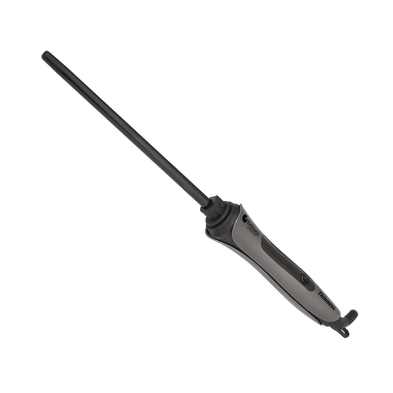
| Hairway curling iron for afro curls ultra-thin 04154 | 1 869.00 UAH |
| Professional Hair Curling Iron Hairway Twirl | 1 939.00 UAH |
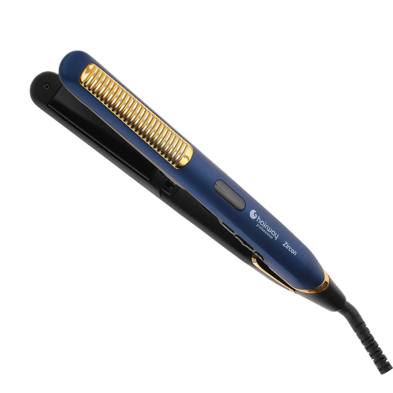
| Hairway Hair Straightener Ceramic-Tourmaline Zircon 46 W (23 mm) | 4 689.00 UAH |
| Hairway Hair Straightener Nano-Silver Tourmaline Plate | 4 339.00 UAH |
| Professional Hair Straightener BaByliss PRO Sleek Expert Gold BAB2072RGEPE | 2 852.00 UAH |
Hair Curlers - customer reviews