Rubber bands

 In stock
 Buy
 In stock Buy
 In stock Buy
 In stock Buy
 In stock Buy
 In stock Buy
 In stock Buy
 In stock Buy
 In stock Buy
 In stock Buy
 In stock Buy
 In stock Buy
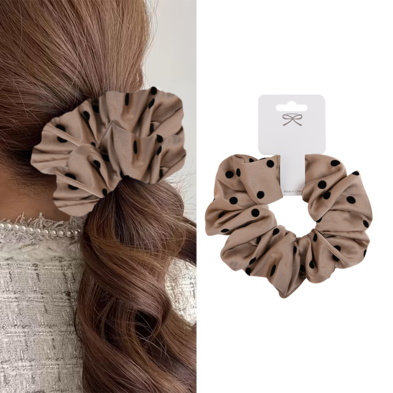 In stock Buy
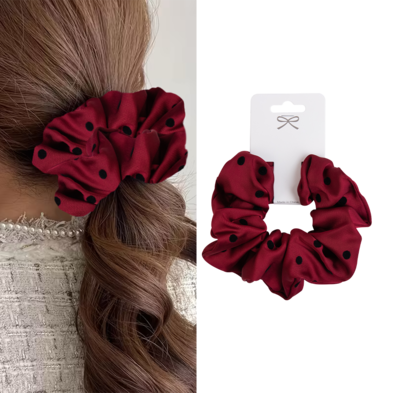 In stock Buy
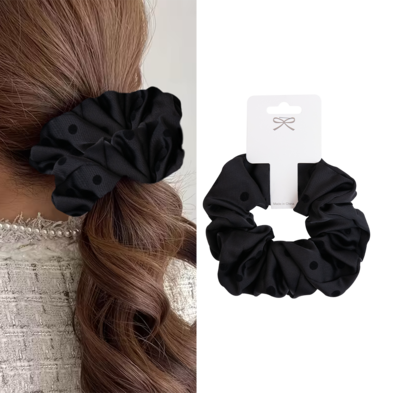 In stock Buy
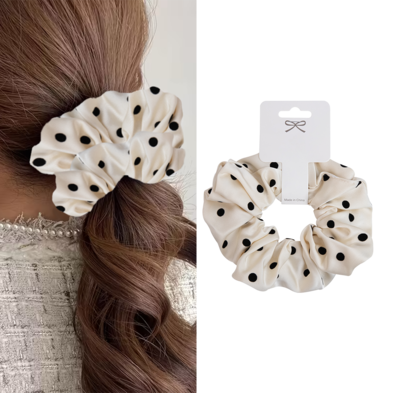 In stock Buy
 In stock Buy
 In stock Buy
 In stock Buy
- 1
- 2
- 3
- Next
Hair ties are a simple yet truly indispensable accessory, without which it is difficult to imagine a daily routine with hairstyles. They help to gather a ponytail, bun, or half-up style in seconds, securely holding everything in place while not causing discomfort. They are suitable for almost everyone: for girls with fine hair who need delicate fixation without damage, and for those with thick locks where high elasticity and true strength are important. Importantly, they are used both by hairstylists in salons and by everyday wearers with medium to long hair.
Read on to understand which hair ties are currently in trend and which ones are better to avoid. Here we will discuss everything: types, materials, how to choose the right accessory for your hair type, and key features. And of course, where to buy hair ties so that you won’t regret the quality and comfort.
Types of Hair Ties
Today, hair ties come in such a variety that it can be overwhelming: from simple ones costing a few hryvnias to silk scrunchies that cost as much as coffee in a good café. But the real difference lies in how they behave with your strands—some hold securely but leave creases, while others are barely felt but may slip off. Staleks experts will help you understand the main types so you can immediately know what will suit you and what to avoid.
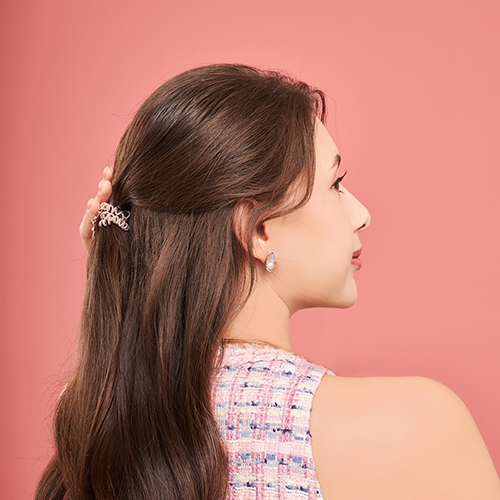
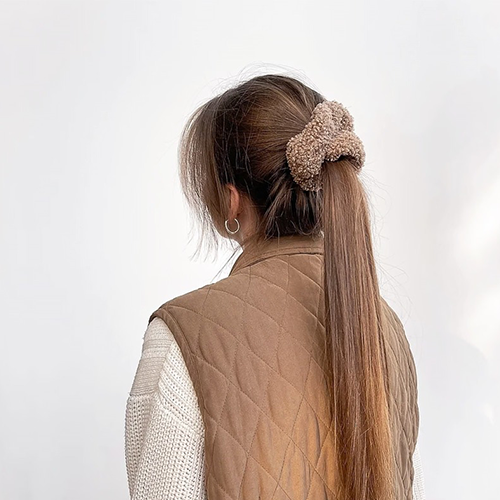
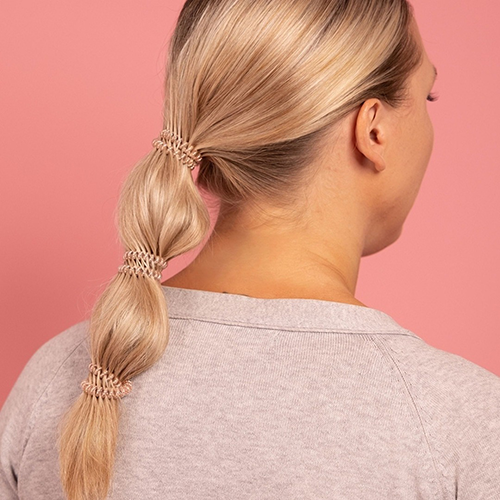
Classic
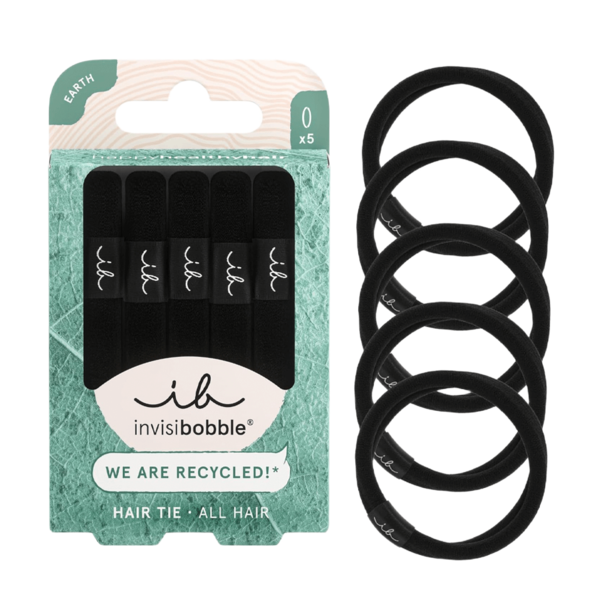
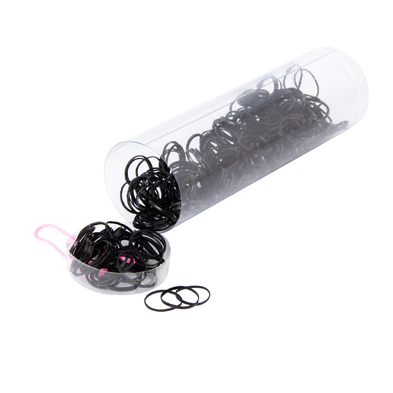
These are thin rubber or silicone models—simple, inexpensive, and durable. They hold well but often leave creases, especially on fine hair. They are suitable for quick fixation for a short time—such as during cleaning or a short walk. If you do not plan to wear a ponytail all day, this is the most budget-friendly and reasonably reliable option.
Fabric
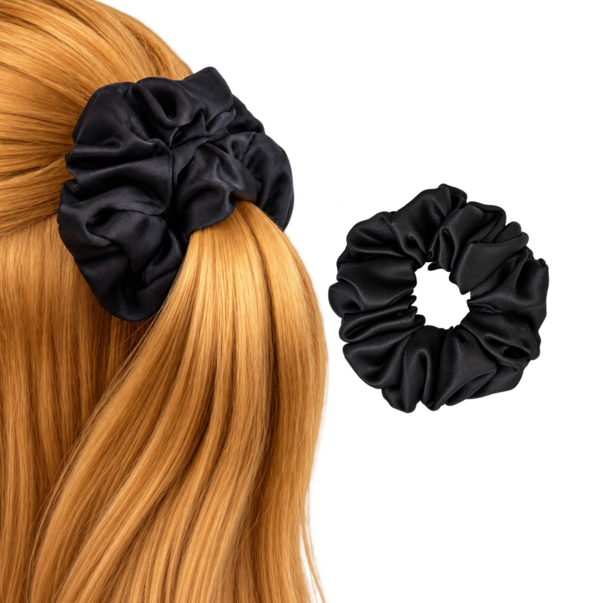
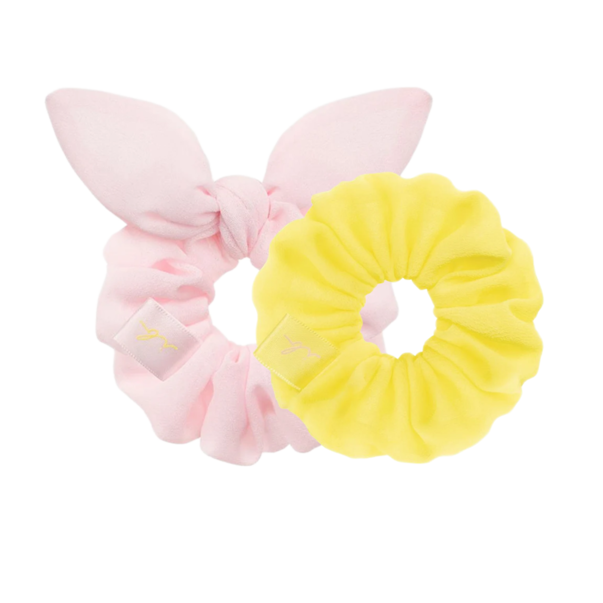
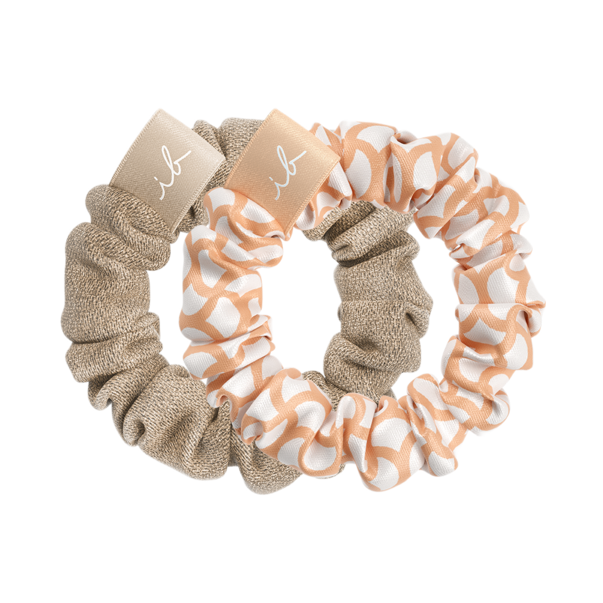
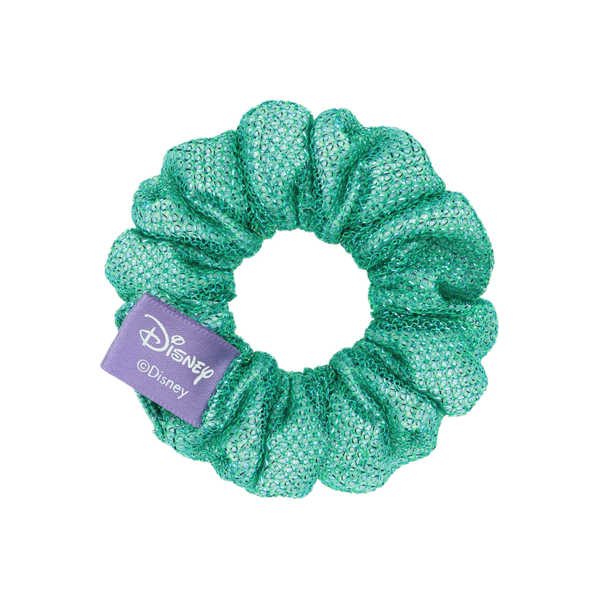
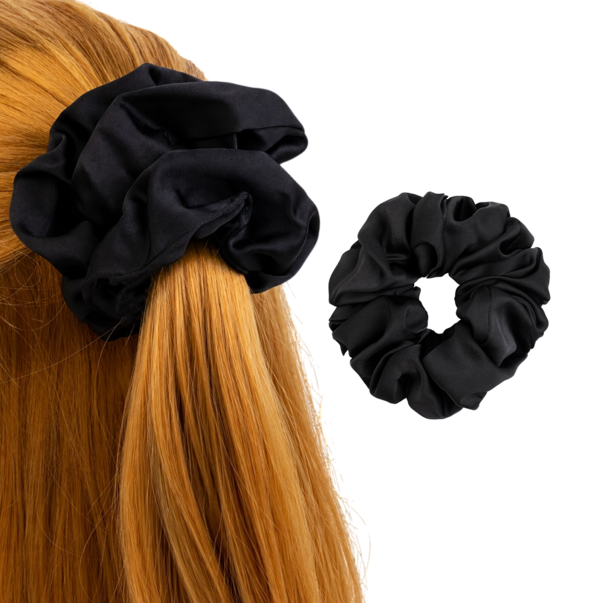
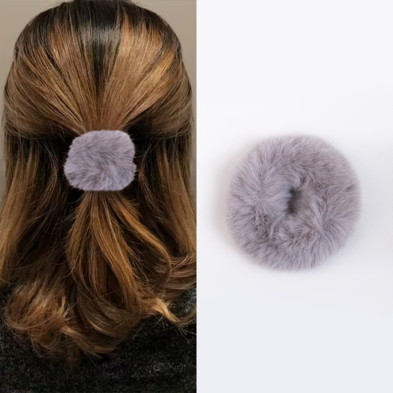
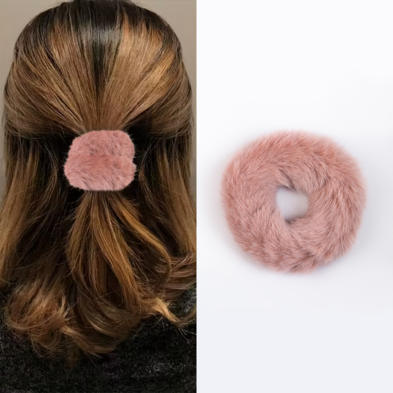
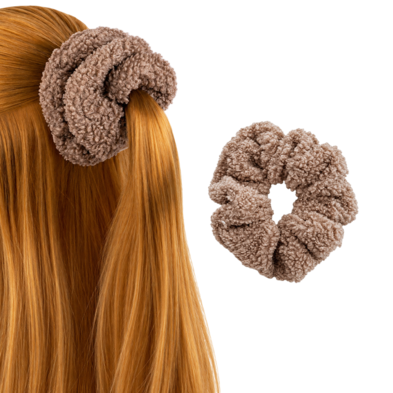
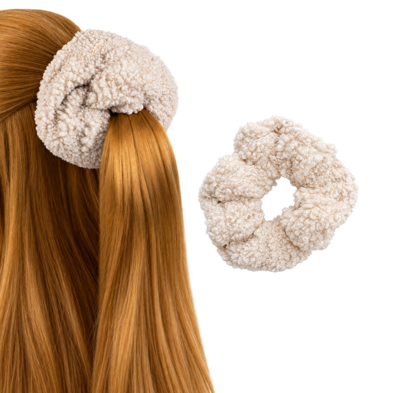
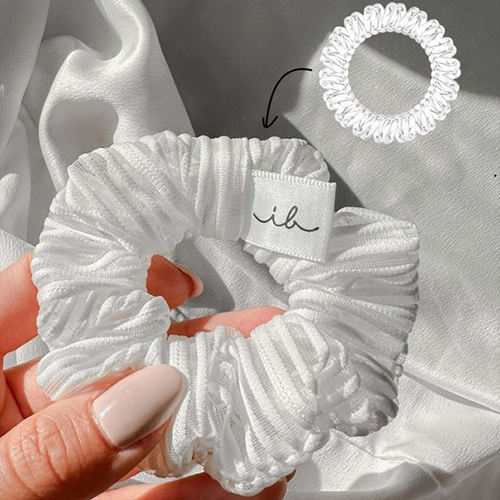
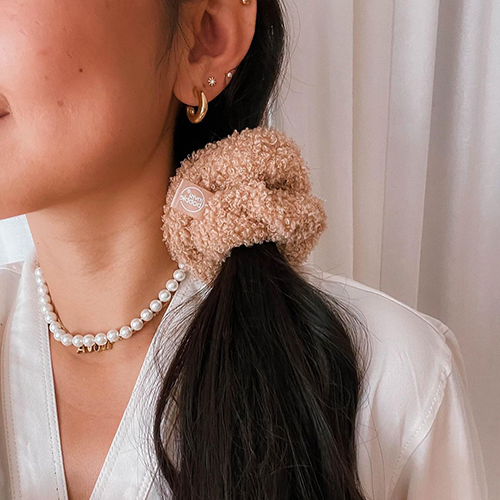
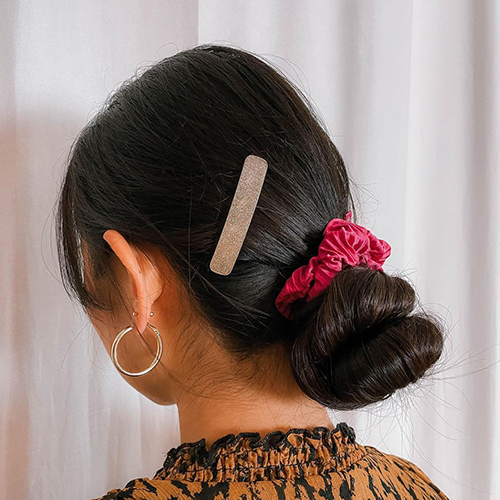
Scrunchies made of cotton, velvet, velour, or knit fabric are soft, stylish, and comfortable. They distribute pressure evenly across the entire volume of the ponytail or bun, which means hair breaks less and sharp creases do not appear. Such accessories add a light volume to the hairstyle and look aesthetically pleasing—ideal for everyday wear, office work, or outings. They are especially favored by girls who want their scrunchie to look like part of their outfit, rather than just a mundane hair tie like everyone else.
Seamless
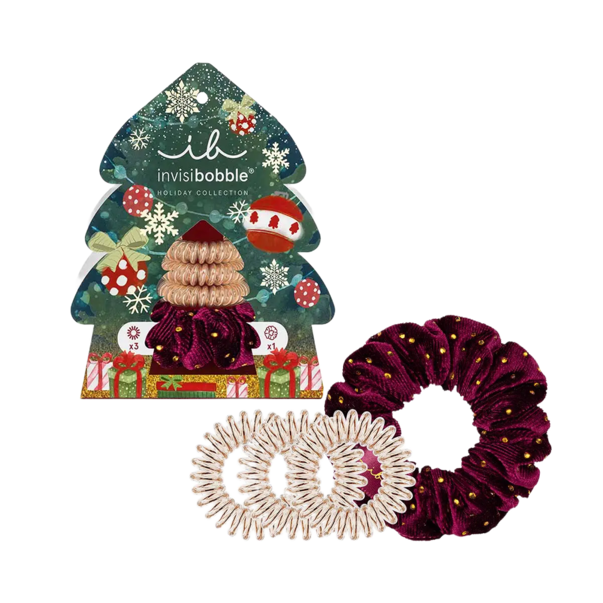
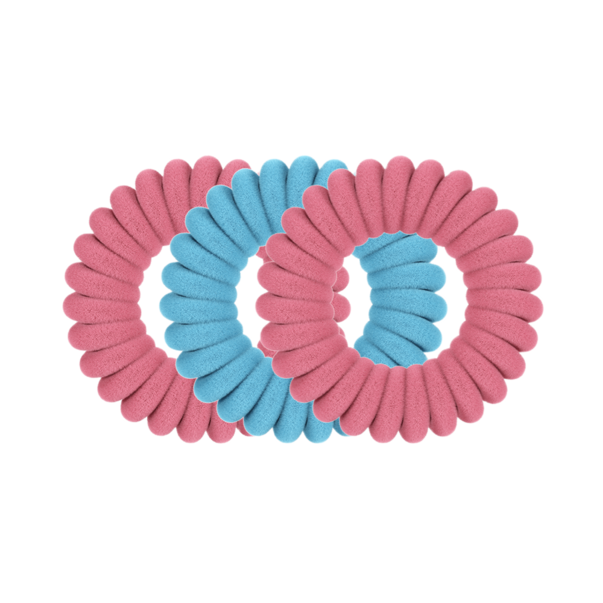
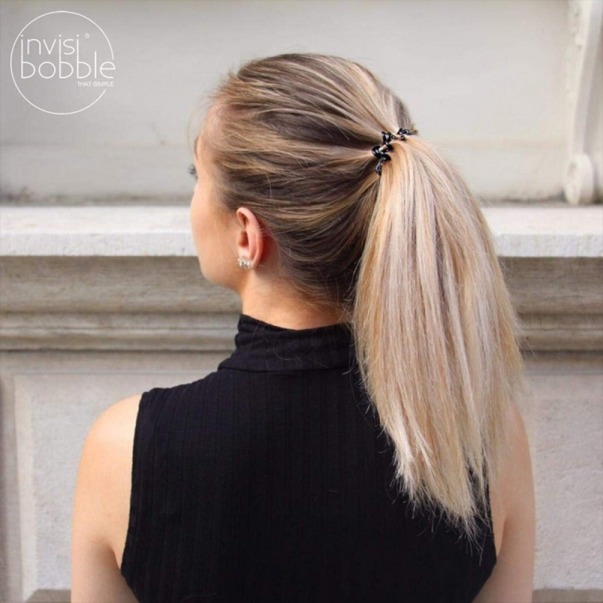
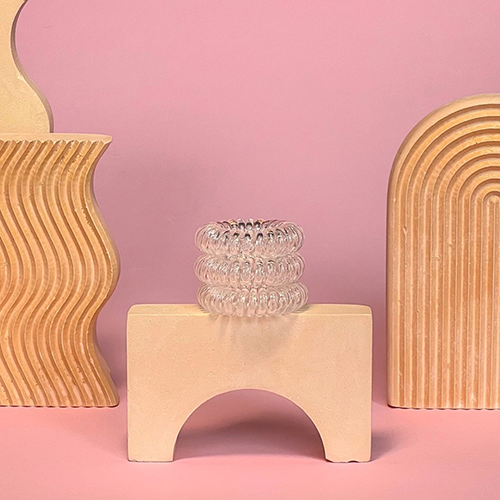
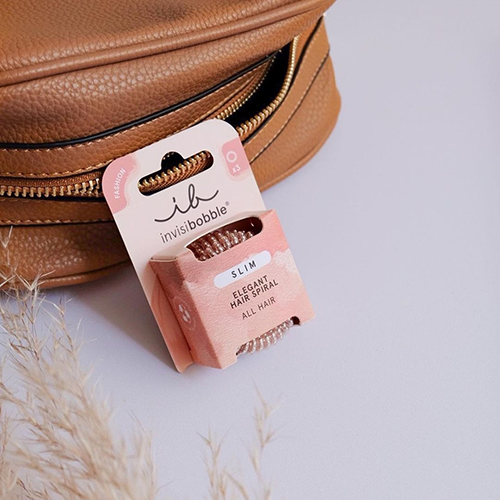
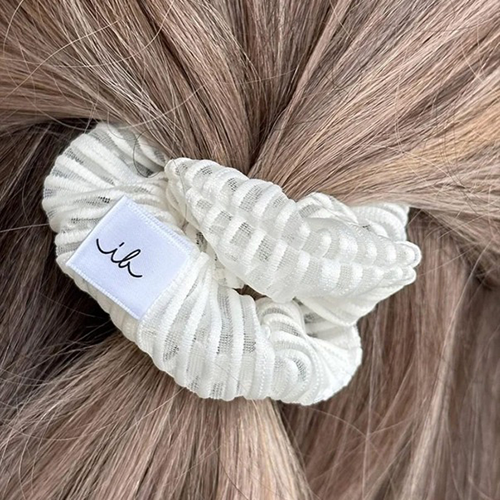
Spiral (like Invisibobble) or seamless textile models are virtually invisible on strands. They do not snag hair, do not leave creases, and slide off easily when removed, so locks are almost not damaged. They are easy to take off—just unwind them like a spring, without jerks or pain. This is one of the best options for those who frequently change hairstyles throughout the day or have sensitive, fine hair.
For Thick Hair
Reinforced, much thicker models of hair ties with high elasticity and a sturdy base. They hold large volumes well, do not slip even during active movements, dancing, or workouts. Ordinary thin accessories quickly stretch or simply do not hold volume on such strands, while these can handle the weight of a long, thick ponytail or bun.
Decorative
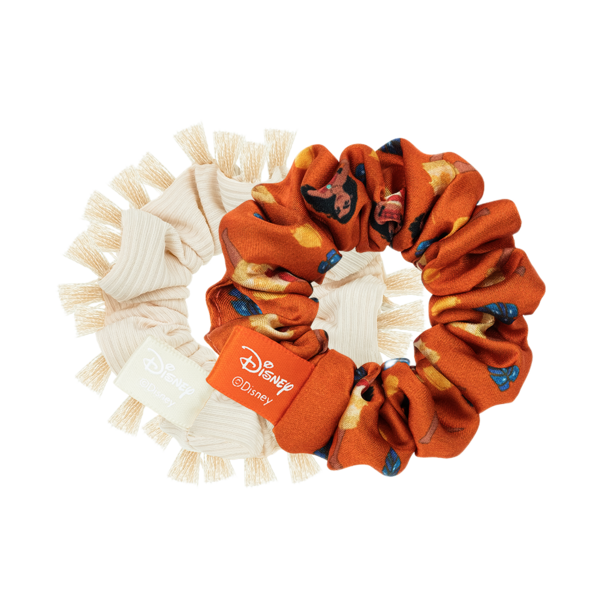
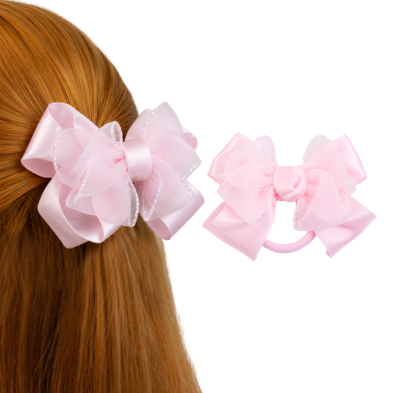
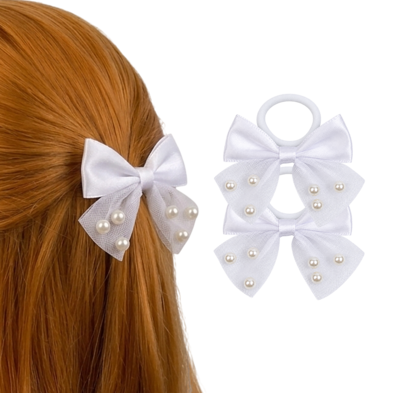
With bows, beads, metal elements, rhinestones, or flowers—they are a true accent for an outfit. Wonderful for photos, celebrations, weddings, or parties where you want to add a twist to your hairstyle. However, they are not always delicate: metal can snag hair, and hard details sometimes leave creases or even break strands. It is better to use them for special occasions rather than daily—this way, both beauty will be preserved, and locks will remain healthy.
Comparison of Types of Hair Ties
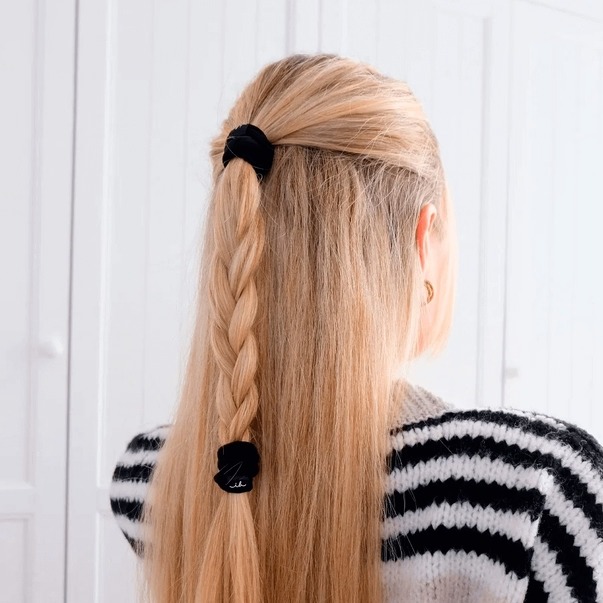
| Type | Advantages | Disadvantages | Recommendation |
| Classic Rubber | Cheap, durable | Creases, brittleness | Short-term fixation |
| Fabric Scrunchies | Soft, stylish, comfortable | Cheap options may cause static | Everyday use |
| Seamless Spiral | Invisible, no creases | Sometimes hold weaker on very thick hair | Fine and medium hair |
| For Thick Hair | Reliable fixation | Larger in size | Thick, long locks |
| Decorative | Beautiful, accentuating | Can snag strands | Celebrations, photos |
Expert Tips
-
Avoid metal elements in everyday options—they often cause brittleness.
-
Check elasticity—the hair tie should stretch smoothly, without jerks.
-
For sports, choose spiral ties—they do not slip during jumps or running.
-
Alternate the height of the ponytail—constant pressure on one area harms follicles.
Which Hairstyles Are Suitable for Hair Ties
To achieve both physical and aesthetic pleasure from a hair tie, it is important to choose it correctly for a specific hairstyle. Staleks Shop & Service experts have analyzed the most popular hairstyles and which accessories work with them in practice.
Ponytail
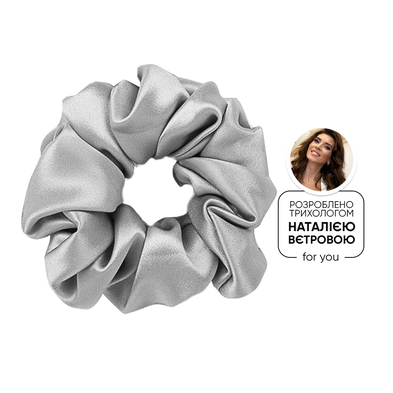
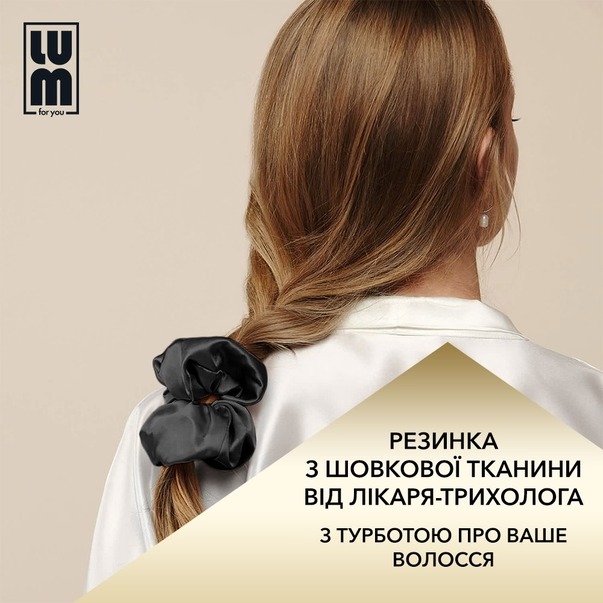
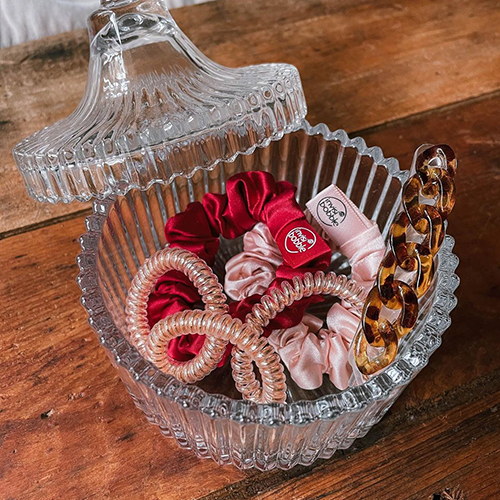
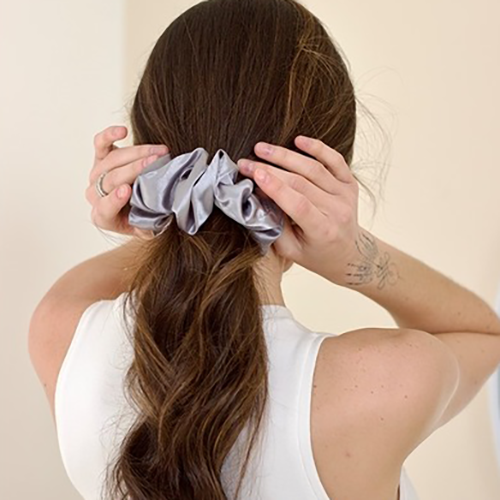
A classic high or low ponytail—any hair tie will do, the key is the right elasticity for stable hold. A high ponytail looks dynamic and youthful, while a low one appears elegant and restrained. Therefore, for the former, it is best to choose more durable fabric or spiral models, while for the latter, a soft satin or silk hair tie is ideal to avoid noticeable crease marks.
Bun
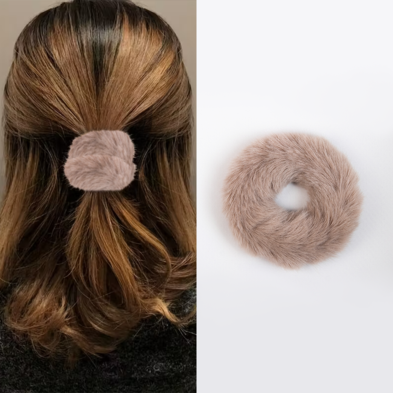
Voluminous fabric or fur ties hold their shape best and prevent unraveling. A bun can be a neat low one (for the office or a party) or a messy high one (for a casual look), and in both cases, fabric scrunchies help secure strands without excessive pressure. For voluminous buns, it is common to use 2-3 ties: one main for fixation and the others for additional stability to keep the hairstyle intact until evening. Satin hair ties are also often chosen for decoration.
Sport Hairstyles
During running, fitness, yoga, or dancing, ordinary hair ties often slip off or break, while spiral models (like Invisibobble) or thick silicone rings hold the ponytail or bun firmly, even during intense jumps and turns. They do not leave deep creases after workouts and do not press on the scalp, making them ideal for those who lead an active lifestyle and do not want to constantly adjust their hairstyle.
Half-Up Hairstyles
Small hair ties or thin seamless ones are discreet and convenient for easy styling. They are comfortable for pulling strands away from the face while leaving the length down. Thin spiral or silk models are the best here because they are almost invisible, do not weigh down the look, and allow for quick transitions from half-up to a full ponytail if needed.
How to Choose a Hair Tie by Hair Type
Selecting an accessory suitable for your hair type is key to ensuring that your hairstyle lasts all day and that your locks do not suffer from brittleness or creases. Not all hair ties work equally well on fine, thick, long, or curly strands—the difference lies in elasticity, thickness, material, and how they distribute pressure. Here is a simple table that suggests what to choose for each type, so you don’t have to experiment constantly:
| Hair Type | Recommended | Why These Options | What to Avoid | Practical Advice from Staleks Experts |
| Fine | Small hair ties, silk, thin seamless spiral models | Minimal load, no creases, strands do not break at the roots | Classic rubber, hard silicone, any with metal | Choose silk or satin of small diameter—they glide smoothly, do not cause static, and are barely felt |
| Thick | Reinforced thick models, large diameter spiral ties, fabric scrunchies with double rubber | Hold large volume well, do not slip during movement, do not stretch quickly | Thin ties and small scrunchies | If hair is thick and heavy—use 2: one main, the other for securing the tip of the ponytail |
| Long | Medium/large diameter fabric scrunchies, spiral or reinforced silicone models | Do not slip under the weight of strands, distribute pressure evenly, hold the hairstyle all day | Thin classic hair ties | For daily use, take silk or satin hair ties of medium size—they do not leave deep creases even after 8-10 hours |
| Curly | Silk hair ties, satin, soft fabric scrunchies made from natural materials | Glide smoothly over curls, do not destroy the shape of curls, do not cause frizz or static | Silicone spirals and ordinary hair ties | If curls are dry—only silk or satin, they add shine and reduce frizz; for workouts—textile without metal |
Advantages of Hair Ties
Among the main advantages of hair ties, one can highlight:
-
Reliable fixation. A quality accessory holds the hairstyle all day without the need to constantly tighten or retie. It does not slip during walking, running, or working, providing stable hold even during active movements. This is especially noticeable compared to thin ties, which often slip down within an hour.
-
Comfort throughout the day. A good hair tie does not press on the scalp, does not cause headaches or the feeling of a "tight" ponytail. It distributes pressure evenly, allowing you to wear a ponytail or bun from morning to evening and forget about discomfort. This is especially felt when using silk or satin models—hair simply does not feel pressure.
-
Suitable for everyday use. Such an accessory does not damage locks with regular use. Unlike metal clips or hard ties, quality models do not tear strands, do not leave deep creases, and do not provoke brittleness even with daily wear. They are designed specifically for everyday life—from morning gatherings to evening strolls.
-
Versatility. The same hair tie is suitable for the office, gym, home, or a party. You do not need to have a separate pair for each situation—one good model covers almost all needs.
Why You Should Buy Hair Ties at Staleks
Planning to buy hair ties? The assortment for different styles—from classic spiral to silk and plush can be found in the online store staleks.ua. Here, models are collected exclusively from quality materials that do not harm locks: silicone, acetate, artificial fur, satin, silk. This is truly important when caring for the health of your strands.
Other advantages include convenient ordering on the site, detailed descriptions, real photos and reviews, as well as fast delivery across Ukraine and even abroad.
So ordering hair ties at Staleks means choosing reliability, style, and care for your locks today.
FAQ: Common Questions About Hair Ties
-
Which hair ties do not leave creases? The best options are satin or silk hair ties, as well as seamless spiral models. They distribute pressure evenly and glide over strands without damaging the cuticle. Ordinary ones, on the contrary, often create sharp creases.
-
What is the best hair tie for thick hair? Choose reinforced fabric or large diameter spiral ties. They do not slip and provide stable hold without excessive tension. Thin options simply cannot handle the volume.
-
Are hair ties suitable for everyday use? Yes, if they are quality models made from soft material. They provide daily comfort, do not cause brittleness, and are suitable for an active lifestyle. The main thing is not to pull too tightly.
-
Do hair ties damage strands? Ordinary cheap ones—yes, because they tear and break. Silk, satin, or spiral ones—practically not, because they have minimal load and delicate fixation without damage. It all depends on the material and proper use.
-
How to choose the size of a hair tie? Focus on the volume of the ponytail: small hair ties—for fine and medium; medium/large—for thick and long. The hair tie should stretch easily but not hang loose.
-
How do hair ties differ from clips? Hair ties provide elastic fastening and even fixation around the entire circumference. Clips provide point fixation, often with metal that can snag and tear. The former are more versatile for everyday use and sports.
Rubber bands Cost on staleks.ua
Rubber bands - customer reviews