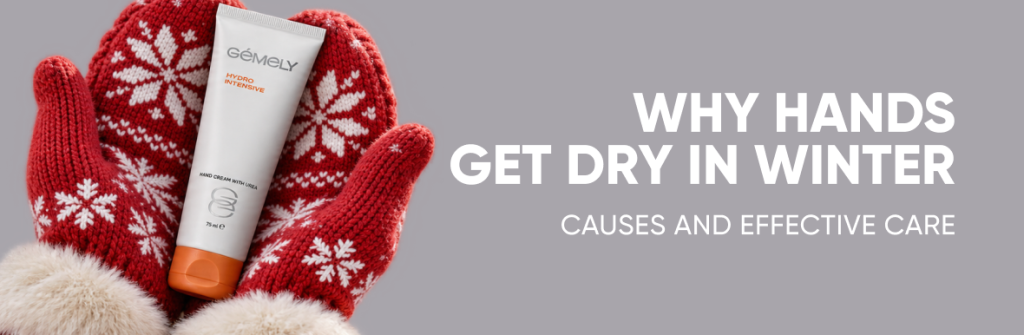
The first frosts always catch us off guard. A few days in the wind without gloves, a few evenings by a hot radiator – and the skin on your hands is already snagging unpleasantly on your sweater, while the cuticles dry out and flake. It seems as if your favorite cream has suddenly stopped working. Yet dry hand skin in winter is not the fault of cosmetics but a natural reaction to the change of season.
Frost outside, heating-dried air at home, alcohol-based sanitizers and frequent washing – on their own these factors would not do much harm. But together they gradually wear down the protective barrier. Below we take a detailed look at why dry skin appears on the hands in particular, which cosmetic ingredients actually work and how to build a winter routine without a dozen unnecessary steps.

Dry skin: the reasons hands dry out when the frosts set in
Dry skin on the hands is rarely triggered by a single thing – more often it is a cumulative effect. With the onset of cold weather, moisture is lost on several levels at once: from our anatomical features to quite non-obvious everyday details. Next we look in detail at exactly how the lipid barrier breaks down.
The external factor: frost, wind and dry indoor air
Cold air holds critically little moisture. Studies confirm that low temperatures in themselves weaken the protective barrier of the epidermis. Add wind, which speeds up evaporation, and a feeling of tightness is guaranteed even without severe frost. On top of that, blood vessels constrict in the cold to conserve body heat – which is why fingertips are the first to get cold and then turn sharply red indoors.
At home, dry hand skin takes a new blow from central heating. Radiators dry the air so much that it literally starts to "pull" moisture out of the skin (it has been shown that water loss accelerates after just an hour in such a room).
Why does dry skin appear on the hands earlier than on the face? The reason lies in the anatomy of the hands:
- A shortage of sebaceous glands. The palms have none at all, and the backs of the hands have very few. The popular myth that "the glands go to sleep in winter" makes no sense here, because there is almost nothing on the hands to produce sebum.
- A vulnerable stratum corneum. It can be compared to brickwork, where the cells are the bricks and the lipids (ceramides) are the mortar.
The hands hold the line solely thanks to the lipids of this intercellular "mortar". When frost and overdried air destroy it, the barrier falls and moisture evaporates unhindered.

Internal factors and hygiene mistakes that make hand dryness worse
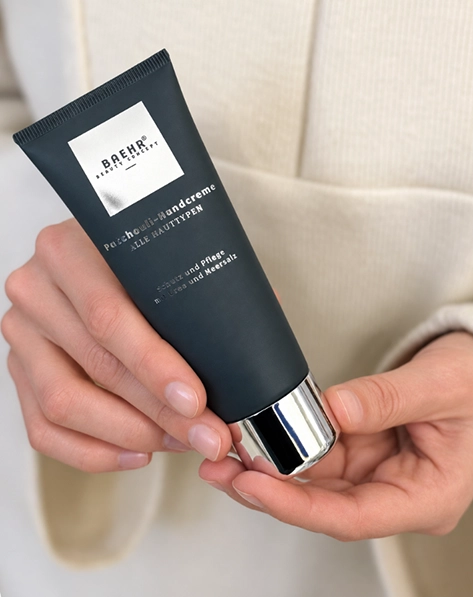
Do you apply cream constantly, but the effect only lasts until the next wash? If dry skin just will not let go, look for the causes not only in the frost but also in your own bathroom. Unfortunately, our routine actions often cancel out the effect of even the most expensive skincare. Let's look at those inconspicuous habits that keep dry hand skin from recovering:
- Hot water. Coming in from the cold, it is so nice to warm frozen fingers under a hot stream, but it instantly washes away the surface lipids the skin needs. Dermatologists advise using only warm water.
- Harsh soap. Products with strong fragrances or a deodorizing effect are best put away until it gets warmer.
- Sanitizers. Alcohol is drying, but giving up hygiene is not an option. Simply apply cream as soon as the sanitizer has fully evaporated.
- Cleaning without gloves. Detergents and solvents not only irritate but can also cause contact dermatitis.
Of course, there are internal factors too: atopy, a tendency to eczema or age-related changes make the reaction to winter more acute. But the popular advice to drink more water is a myth – a few extra glasses will not solve the problem. When dry skin flares up, the causes in winter are mostly external, so the protection should match.
The simplest life hack if dry hand skin bothers you every day: keep a tube of cream by every sink and in your bag. And remember: after washing, do not rub your hands with a towel but gently pat them dry, paying attention to the spaces between the fingers.
From flakes to painful cracks: why very dry skin is dangerous
Dry skin in itself is only a temporary discomfort that is easy to deal with. The real problems begin the moment the lipid barrier finally "breaks" and stops holding up.
How to tell that the skin's protective barrier is damaged
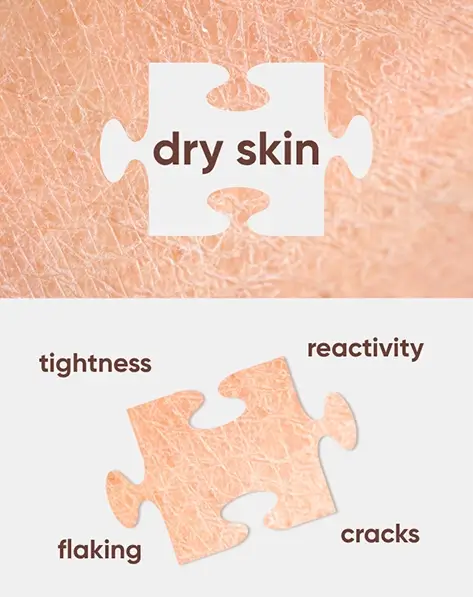
The epidermis does not give up in a day. Dry skin on the hands usually sounds the alarm gradually, passing through four stages:
- Tightness. A slight roughness after washing that disappears without a trace as soon as you apply cream.
- Flaking. Fine flakes appear on the knuckles, and the overall tone becomes reddish.
- Reactivity. Your usual sanitizer suddenly starts to sting, and a wool sweater feels unpleasantly scratchy and irritating.
- Cracks. The knuckles and fingertips suffer most often. The skin cracks and hurts with every movement, and deep cracks can even bleed.
It is important here not to confuse three different conditions. Dehydration is a temporary lack of water (apply some moisture and all is well again). True dryness is a lipid deficiency that lasts longer and calls for rich, nourishing textures. A damaged barrier, meanwhile, combines the first two conditions with acute reactivity – stinging and micro-injuries.
Of course, very dry skin will not necessarily reach the stage of painful cracks if you adjust your care in time. But the main rule is not to ignore the symptoms. The thing is, dryness that has been ignored for weeks without proper care eventually simply stops responding to your regular cream.
When dry hand skin is a reason to see a doctor, not buy a new cream
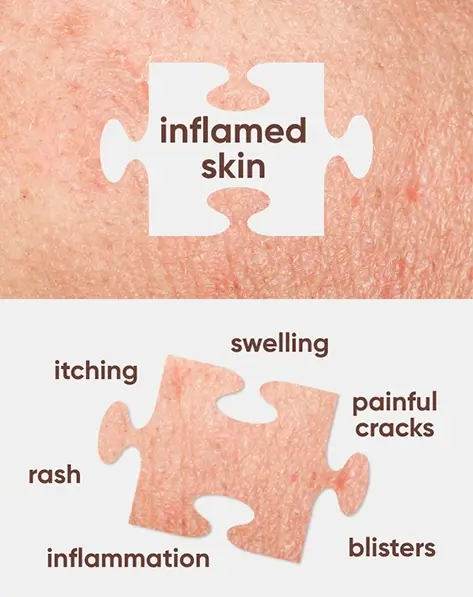
Sometimes dry skin whose causes seem purely seasonal actually has nothing to do with the weather. There are situations where even the best home care is powerless. Make an appointment with a dermatologist if you notice:
- nagging or constant itching;
- swelling, inflammation or pronounced redness;
- painful cracks that bleed and will not heal;
- blisters or a rash right after contact with cold;
- the condition getting worse even though you apply cream regularly.
If dry hand skin comes with real pain and no product brings relief during the day, it may be the onset of eczema. Without treatment it will only progress. Contact dermatitis gives similar symptoms – an acute reaction to a specific irritant (for example, a new cleaning product).
Cold urticaria is a separate story. It is a rare reaction in which an itchy rash appears within a few minutes in the cold and lasts for several hours. Ordinary seasonal dry skin has nothing to do with it. And if breathing becomes difficult after exposure to cold or the reaction spreads across the whole body, emergency care is needed. All other complicated cases are best entrusted to a doctor rather than to experiments with cosmetics.
What's in SOS skincare: which ingredients save hands in winter
When very dry skin is crying out for help, choosing a cream at random is not a good idea. The ideal formula should combine three components. Humectants act like a magnet, drawing water into the cells. Emollients fill the micro-gaps in the stratum corneum and restore softness. And occlusives (wax or mineral oil) create a film that reliably blocks evaporation. Only this trio guarantees real barrier repair rather than an illusion of care that lasts until the first wash.
| Ingredient group | What they do for hand skin | When they are especially useful | What to look for on the label |
| Humectants | Attract and bind water in the stratum corneum, helping maintain hydration and elasticity | For dryness, tightness and dehydration after frequent hand washing | Glycerin, hyaluronic acid, sodium hyaluronate, urea, betaine |
| Emollients | Soften the skin, fill the gaps between the cells of the stratum corneum and smooth roughness | When the skin has become coarse, hard or flaky | Shea butter, mango butter, sweet almond oil |
| Occlusives | Form a protective film on the surface that reduces water loss through evaporation | In winter, for severe dryness, after contact with cold and wind | Petrolatum, mineral oil, beeswax |
| Barrier-support ingredients | Supplement the lipid composition of the stratum corneum and help maintain its protective properties | For regular overdrying, a feeling of tightness and impaired barrier function | Ceramides NP, AP, EOP, cholesterol |
| Soothing ingredients | Help reduce discomfort and support the care of irritated skin | After frequent use of sanitizers, washing and exposure to cold | Panthenol, allantoin, bisabolol |

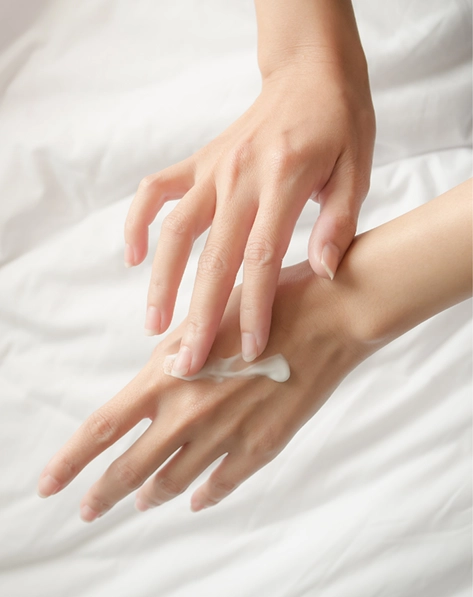
Deep hydration: glycerin, hyaluronic acid and urea
Humectants are true moisture magnets and a lifesaver for dry hand skin. They draw moisture from the deeper layers of the epidermis and from the environment. But there is a nuance: in a room overdried by heating they definitely need a lipid "partner", otherwise the water will simply evaporate.
Here are the three main actives worth looking for on the label if you have dry skin on your hands:
- Glycerin – one of the most physiological moisturizers. It is akin to our skin, so it easily penetrates the stratum corneum, making it elastic and protected from drying out.
- Hyaluronic acid – binds water on the surface and gives that sought-after instant feeling of moisture and smoothness, but it cannot replace lipids on its own.
- Urea – at a concentration of 2–10% it moisturizes powerfully, and at a higher percentage it also gently exfoliates dead cells. So when very dry skin has become noticeably coarse and started to flake, urea is what will restore its softness. But remember: on fresh cracks a high concentration can sting unpleasantly.

If dry hand skin suffers from frequent washing, a convenient daytime option is the Do it Cream Smoothie Melon hand cream with 5% urea: the light texture absorbs quickly, and the 200 ml pump bottle logically belongs right by the sink.
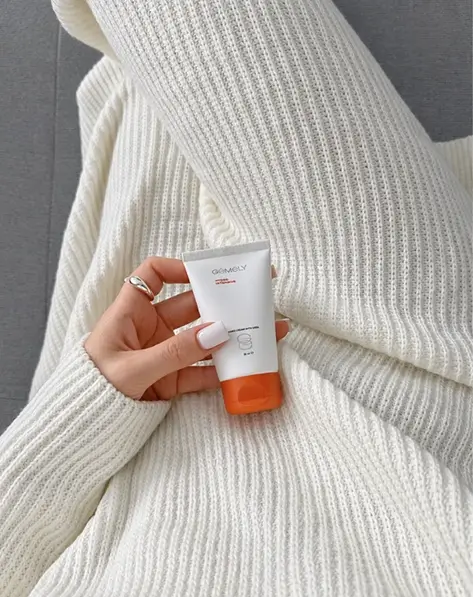
If you need an option for your bag, take a look at GÉMELY Hydro Intensive "Cherry Liqueur" 75 ml. It is a moisturizing cream for dry hand skin in which urea is combined with glycerin and betaine, while mango butter, shea butter and sweet almond oil together with panthenol take care of softening. And you can read more about exactly how formulas interact with the epidermis and what else to look out for in our article "Hand cream: why you need it, how it works and how to use it properly".
Lipid repair: ceramides, shea butter and panthenol for hands
If moisturizers fill the cells with water, lipids work like a reliable lock that keeps it from evaporating. After all, with dry skin, moisture alone will not last long in the cold or in a dry room – it has to be "sealed in". That is the job of special ingredients in cosmetics:
- Ceramides. They are the fundamental basis of our protective barrier. In the ingredient list (INCI) they are labeled as Ceramide NP, AP or EOP. Products containing them literally rebuild the damaged epidermis.
- Shea butter (and other natural oils). A classic emollient that fills micro-cracks and smooths the skin's surface. But there is an important nuance: oils do not give the skin water, they only help retain it. If you apply them to completely dehydrated skin without humectants, you will get only half the effect.
- Panthenol. It works on two fronts at once: it attracts moisture and quickly relieves irritation. A real must-have after alcohol-based sanitizers and cleaning.
In winter, light lotions are best set aside. When dry skin on the hands is rapidly losing moisture, it is rich textures that come to the rescue. For clarity: a moisturizing product only provides water, a nourishing one makes up for the lipid deficit, and a repairing one combines both approaches plus soothing.
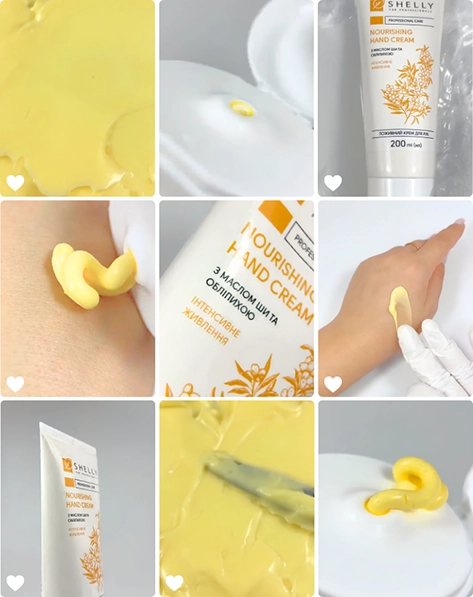
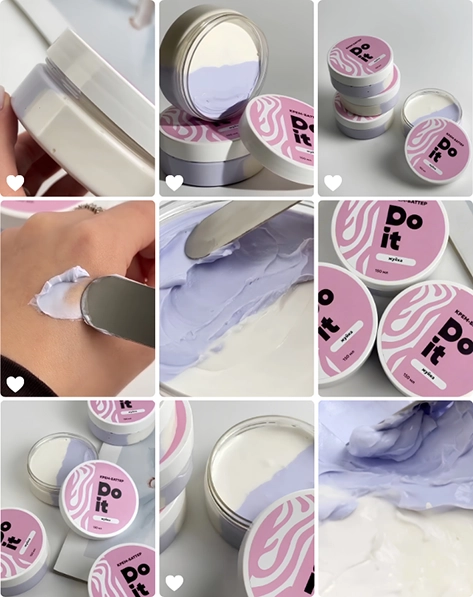
A classic example of such a workhorse base is the Shelly nourishing cream (200 ml), where shea butter and sea buckthorn oil are boosted with soothing allantoin. And for fans of the richest formats there is Do it Butter Cream Bubble Gum (150 ml). Here shea butter comes second on the ingredient list right after water, joined by cocoa butter and beeswax. A nice bonus is a light shimmer that leaves a soft glow on the skin.
Effective hand care in winter: a step-by-step recovery plan
Any problem is beaten by a routine you are genuinely willing to repeat every day rather than abandon after a week. If you are still wondering why dry skin reacts so sharply to the cold, the answer is simple – it lacks a consistent routine. To forget about winter discomfort you do not need complicated rituals: it is enough to split care into two clear stages (reliable protection during the day and intensive repair at night).
Daytime protection: how to apply a barrier cream correctly
A regular moisturizing cream and a cold-protection cream (cold cream) do fundamentally different jobs. The first simply gives the cells water, while the second works like an invisible glove: thanks to its high content of occlusives it creates a film that blocks evaporation in frost and icy wind.
How to apply it so that it really delivers results for dry skin:
- Not on the doorstep. Give the product time to absorb, otherwise it will simply end up on the lining of your gloves. There is no hard rule to "wait exactly 20 minutes" – go by the formula and the instructions for the specific product.
- The right amount. A pea-sized dab is enough for both hands. First warm it slightly between your palms.
- "Blind" spots. Work carefully over the backs of the hands, knuckles, cuticles and the spaces between the fingers. Pay special attention to the fingertips – they are the quickest to dry out and crack painfully.
- Gloves are a must. Put them on while still indoors, because without them no cream can withstand sub-zero temperatures.
- Constant renewal. The protective film needs to be renewed after every wash and every time sanitizer has fully evaporated. Otherwise dry hand skin is left defenseless against a harsh environment.

An effective example of such protection for dry skin is Lysoderm Plus oil-based cream (100 ml). Here mineral oil and beeswax form a reliable barrier, while glycerin, panthenol and a mix of nourishing oils (linseed, soybean and sea buckthorn) care for the epidermis. The manufacturer advises waiting 3–5 minutes before putting on gloves. An important nuance: the formula contains camphor and essential oils, so those with sensitive skin should first test the product on a small area.
Night-time SPA treatment: a mask and gloves for deep repair
Night is the ideal time for intensive care. The hands are finally not in contact with water, and the cosmetics work unhindered for hours. Occlusion (the greenhouse effect) helps most here. A thick layer of cream under clean cotton gloves does not evaporate or rub off on the bed linen. This is exactly the approach experts recommend when dry skin on the hands needs emergency rescue.
How to do it right:
- Gently wash your hands with warm water and softly pat them dry with a towel.
- Apply a thick repairing cream or a leave-on mask in a generous layer.
- Spread the product evenly, giving maximum attention to the knuckles, cuticles and micro-cracks.
- Put on cotton gloves (if the product instructions call for it) and go to bed.
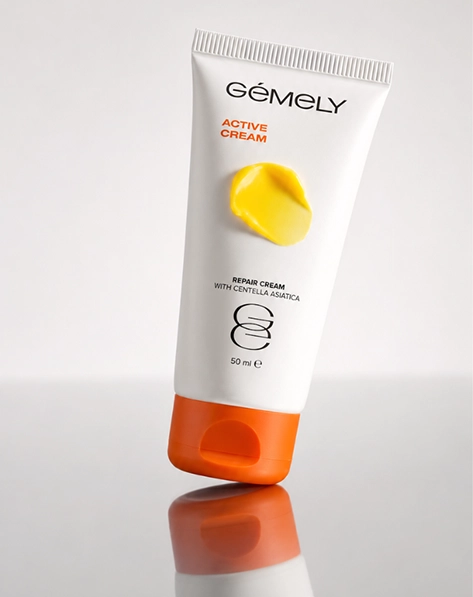
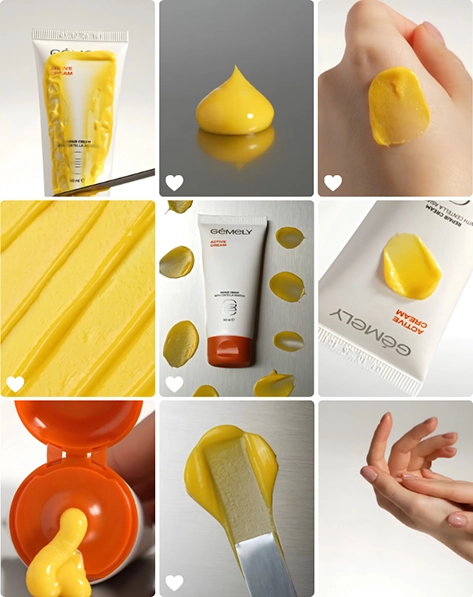
The rich GÉMELY Active cream (50 ml) is a great fit for this night-time ritual. Its lamellar base is designed precisely for applying in a generous layer to dry hand skin. Urea comes second on the ingredient list right after water, joined by shea butter, panthenol, sea buckthorn and carnauba wax.
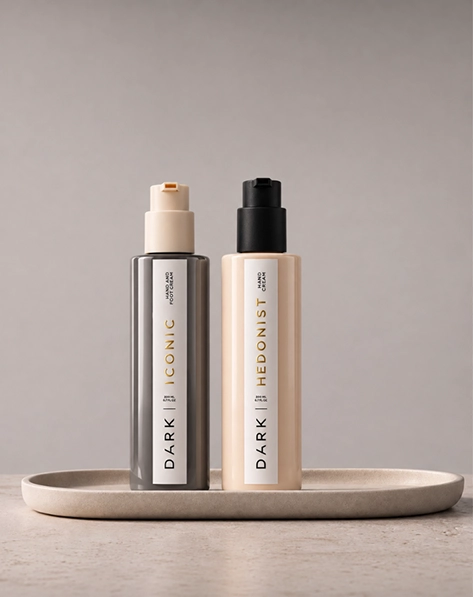
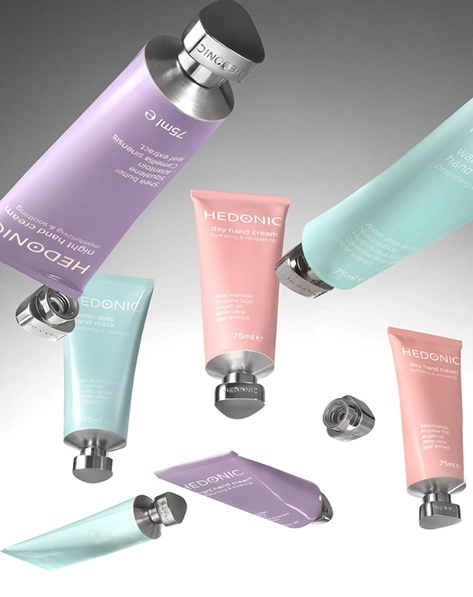
If you are looking specifically for a mask for very dry skin, take a look at the leave-on Hedonic Water Drop Hand Mask (75 ml). Niacinamide, hydrolyzed silk protein and green tea extract will take great care of your skin while you rest.


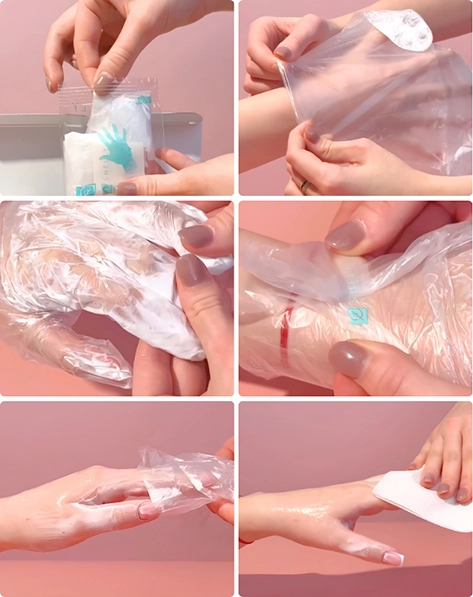
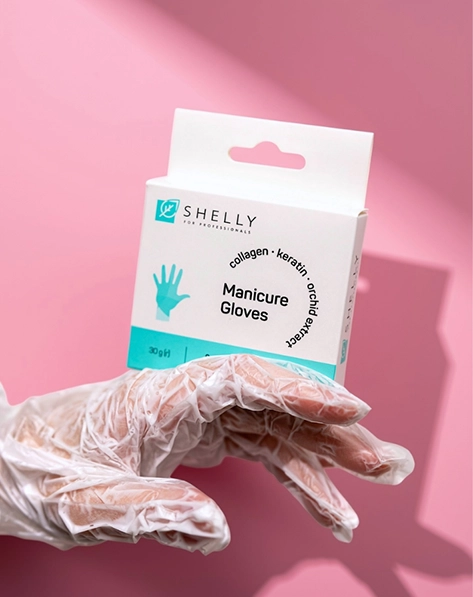
Need quick express care? Try the Shelly manicure gloves, which come pre-soaked in an active emulsion with keratin, collagen and mineral oil. But remember the main rule: follow the instructions and keep them on for exactly 10–15 minutes, not until morning. The "longer is better" principle does not work in skincare.
5 golden rules for preventing dry hands every day
Why does dry skin keep coming back, even if you use cream regularly? Usually it comes down to daily habits. For a product to reach its full potential, start with everyday prevention:
- Gentle cleansing. Forget harsh soap. Choose mild formulas without strong perfumed fragrances, to which dry skin is extremely sensitive. By the way, being sulfate-free does not automatically make a product ideal – go by how your skin feels: after washing, your hands should not "squeak".
- Protection from household chemicals. Wash dishes and clean only in waterproof gloves. The ideal option is a pair with a soft cotton lining, or thin cotton gloves under the rubber ones. Put them on only over dry hands and take them off as soon as you feel moisture inside, because the greenhouse effect also irritates the epidermis.
- Climate control. If dry skin on the hands just will not settle down, check the humidity in your home. During the heating season, a humidifier (especially in the bedroom) is a real must-have for protection against drying out.
- The right temperature and dryness. Forget icy or hot water – warm only. Be sure to dry your hands thoroughly after washing and never go outside with damp hands, otherwise the remaining water will evaporate instantly in the frost.
- A balanced diet. Enough fluids and foods with omega-3 fatty acids (fish, nuts, seeds) support the overall condition of the body. But remember: neither extra glasses of water nor self-prescribed vitamin supplements will fix the problem – serious deficiencies should be addressed by a doctor.
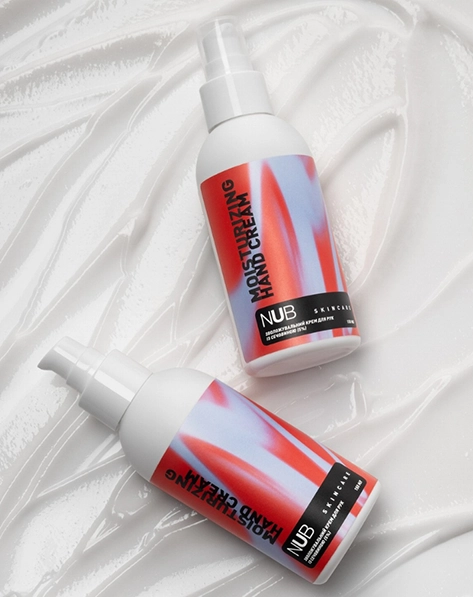
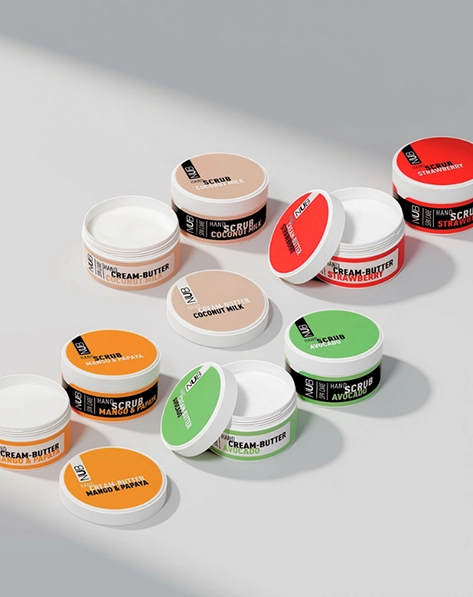
In the end, the main secret to winter comfort without dry skin lies not in the number of jars on the shelf but in consistency and attention to yourself. This is a story about mindful care, when warm gloves outdoors and a nourishing cream after washing your hands become as pleasant a routine as morning coffee. Well-groomed skin is a basic that never goes out of style. Let your hands forget about dryness and tightness and stay soft even in the bitterest frosts. After all, health and comfort are the most beautiful trend of any season, and everything you need for ideal winter care of dry hand skin can always be found at staleks.ua.