Lash and Brow Lamination is a vivid representative of procedures that provide not only an instant transformation effect but also long-lasting results. This technique has gained popularity due to its ability to make the face brighter and more expressive. But what is the lamination procedure, what are its pros and cons, and how long does the effect last? In this material, we will explore how brow and lash lamination is done, what is needed for it, how to care for brows and lashes after lamination, and many other nuances.

How Lash and Brow Lamination is Done
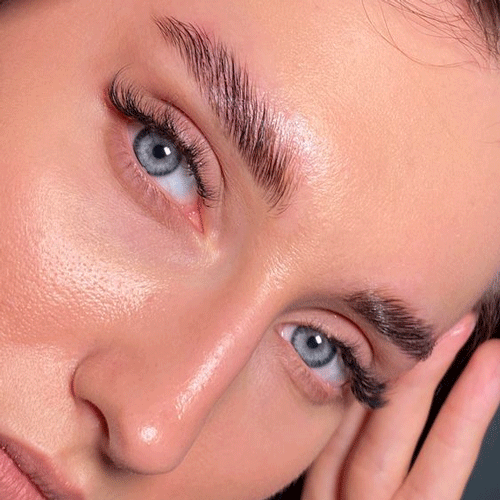
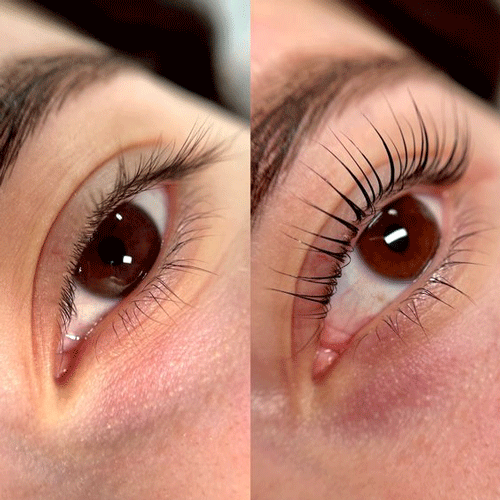
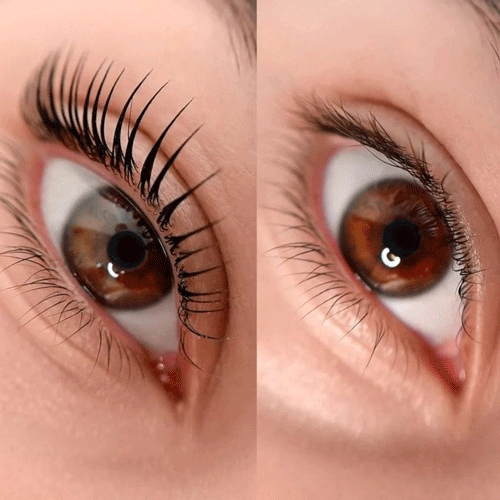
Cosmetic procedures for brow and lash lamination have gained immense popularity due to their ability to give lashes and brows a beautiful shape, volume, and well-groomed appearance. The main goal is to enhance and improve natural lashes and brows without the use of makeup and other procedures. If you look at videos or photos of brow and lash lamination before and after, you can see a significant difference.
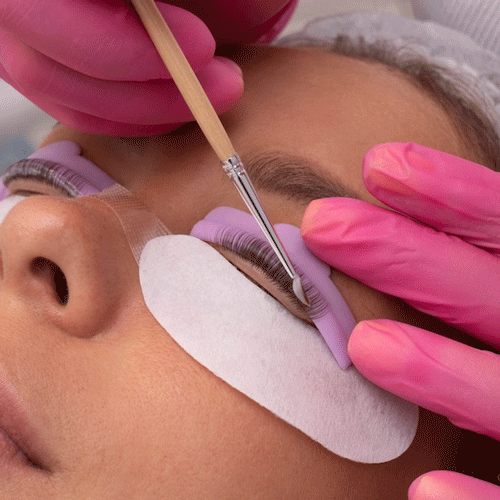
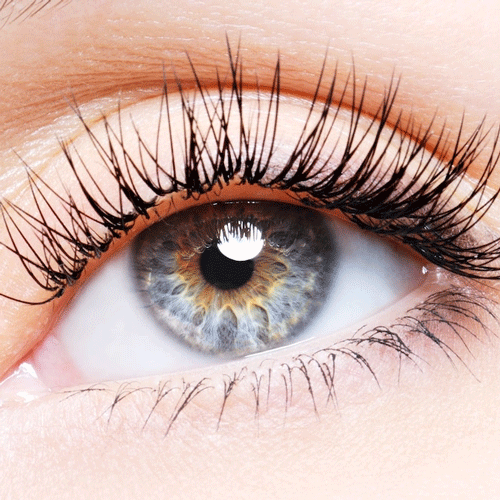
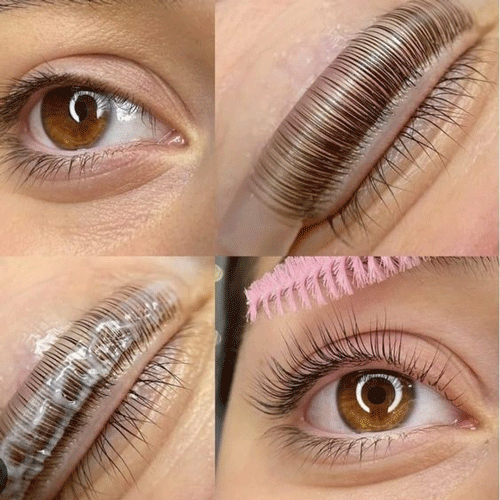
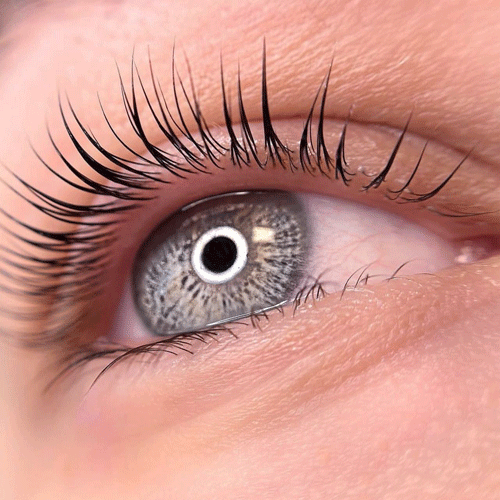
How is lash lamination done? The lash lamination process begins step-by-step with a preparatory stage, which includes cleansing the lashes of cosmetics and oils. Then, the specialist secures special fixing elements (rollers, curlers, or applicators) and applies a special composition that helps soften the lashes and give them shape. After that, the lashes are carefully combed and aligned in the desired direction, creating the effect of lifted lashes, making the eyes more expressive. The fixation of the composition locks in moisture and active substances inside the lashes, giving them a well-groomed and healthy appearance. As a result of lash lamination, the lashes look longer, thicker, and denser, maintaining this effect for several weeks. This can be seen in the before and after photos.
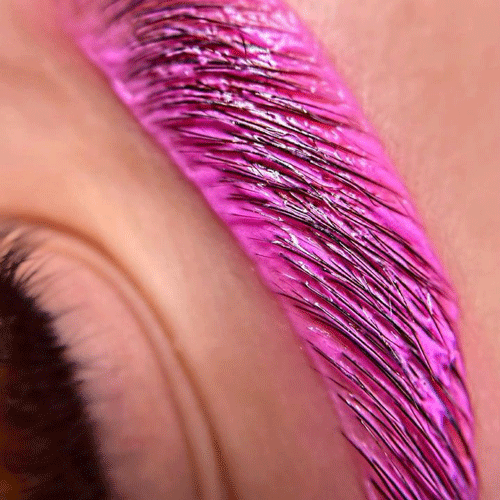
The step-by-step process of brow lamination also begins with preparation, where the brows are cleaned and softened. The specialist shapes the brows, adjusting their form according to the client's wishes on how to do brow lamination, and then applies a special lamination product to give them the desired shape. These are the main stages of brow lamination. The brows become more well-groomed, expressive, and neat, allowing for time savings on daily makeup.
What is the Difference Between Brow Styling and Lamination?
Brow lamination and long-lasting styling are two different procedures for enhancing appearance. Styling involves lifting and shaping the brows into the desired form using gels and waxes. The effect of the lash and brow lamination procedure lasts about 4-6 weeks, and makeup can be applied if desired. In contrast, brow lamination is aimed at improving the texture and volume of the brows using special compositions. Its effect is long-lasting, up to 8 weeks, and brow makeup is not always necessary because the brows already look more expressive and well-groomed. The choice between these procedures depends on preferences, expectations, and how often you plan to refresh the effect.

Everything You Need to Know About Lamination
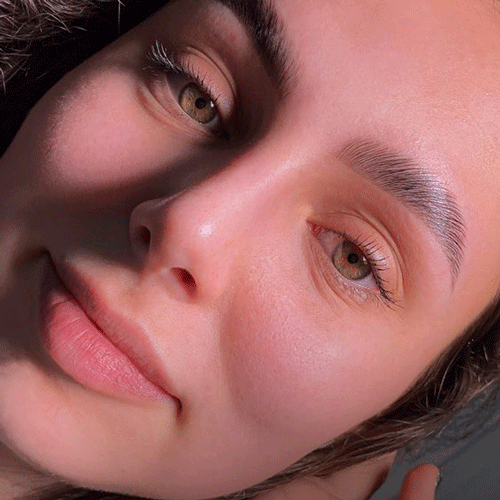
Lash lamination is one of the most popular procedures in the beauty world, which is hard to resist, as it serves as a worthy natural alternative to extensions and gives them a beautiful curl, volume, and rich color. This procedure is also known by the names lamination or simply lami.
Unlike extensions, which use artificial fibers, lamination works with natural lashes to make them more expressive and well-groomed.
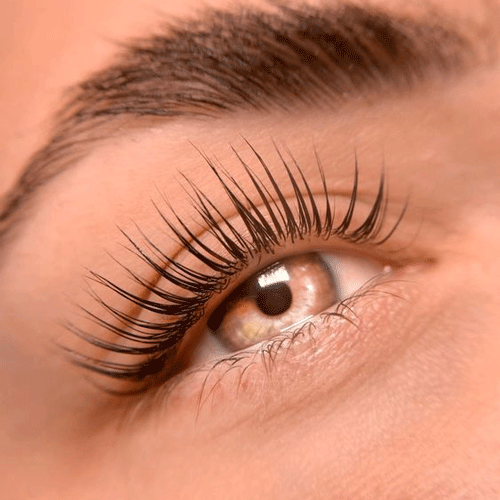
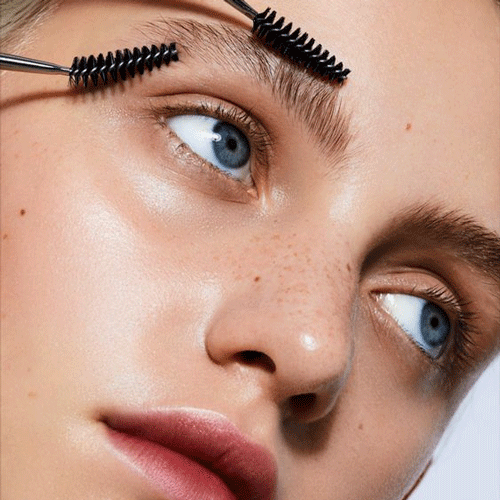
The duration of lash lamination can be learned from the master or read in the instructions if you are doing the procedure at home. Results usually last from 6 to 8 weeks. It all depends on individual characteristics and the growth rate of the hairs. Owners of light and thin lashes may find that dyeing and curling last less time. To prolong the effect, light-haired brunettes and blondes with fine hairs are recommended to undergo several procedures over three months with breaks of a month. After recovery, procedures can be repeated less frequently — once every 3-6 months.
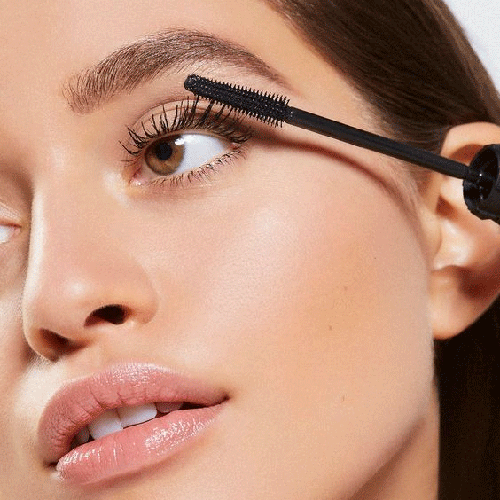
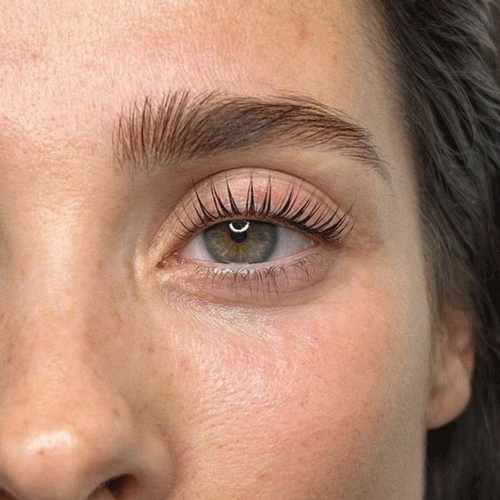
Additionally, you can use lash botox — a special composition applied after the lami procedure. It contains keratin, collagen, and vitamins to further strengthen and nourish the hairs — this affects their thickness and shine.
Types of Lamination
Lash lamination comes in different types depending on the goals and the compositions used. Here are the main classifications of the procedure:
- Modeling. This is purely a cosmetic procedure during which a composition is applied to the hairs to give them the desired shape and curl.
- Dyeing. In addition to nourishing components, pigment is added to the composition to highlight the beauty of the natural shade.
- Treatment Lamination. Serums with plant components and activators are used. This procedure is especially beneficial after extensions for recovery and strengthening.
Everything for lash lamination — kits, accessories (applicators, patches, rollers, film, compensators, glue) can be purchased at the Staleks online store.
Classification by serum composition:
- Keratin Lamination. Keratin strengthens and thickens the hairs, making them visually thicker and longer. Thanks to keratin, lashes become more resistant to external influences and grow faster.
- Plant-based Lami. The compositions contain plant extracts, proteins, and hydrolysates that stimulate lash growth, moisturize, and nourish them.
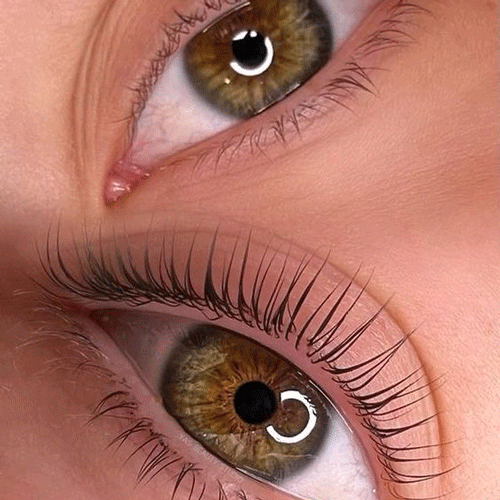
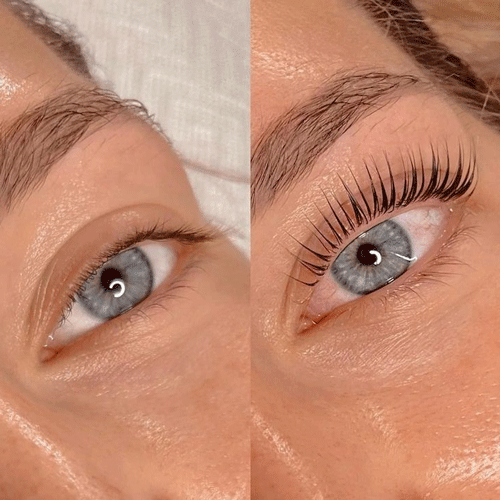
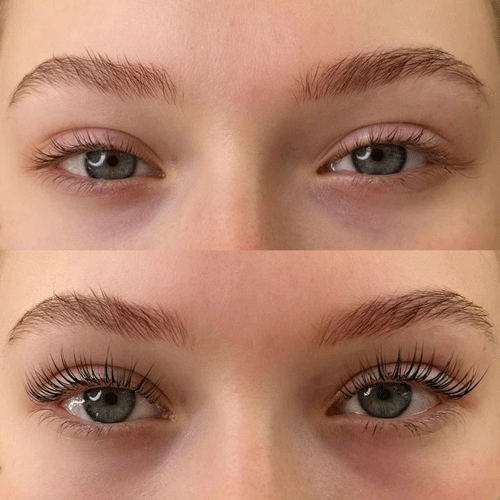
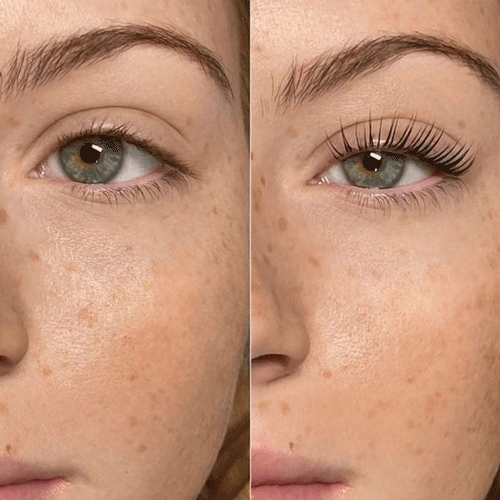
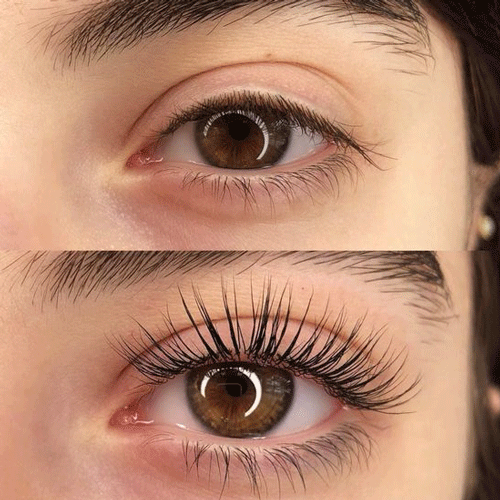
Choosing the right type of lamination allows for both aesthetic and therapeutic effects, ensuring that the lashes are not only beautiful but also healthy.
Possible Failures and How to Avoid Them
Like any cosmetic procedure, lamination does not always go as planned. Unsuccessful lash lamination can occur due to the use of low-quality materials or insufficient experience of the master. To avoid such situations, choose reputable salons and specialists with good reviews.
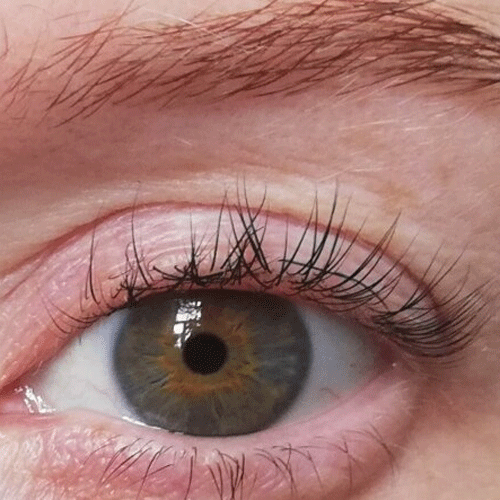
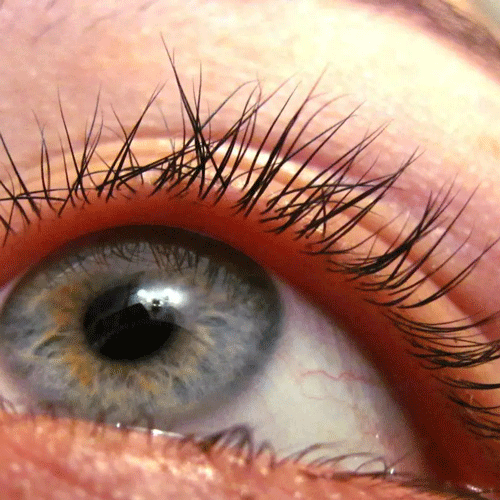
Lamination is an excellent way to make your gaze expressive without using artificial materials. By combining the procedure with lash botox, you can achieve an even more impressive effect.
What is Needed for Brow and Lash Lamination
To carry out the lamination procedure, the following essential components and materials are required:
- Special compositions for brow and lash lamination. For lash and brow lamination, special compositions are used, which include gel for brow and lash lamination, a composition for shaping and coloring (if desired), as well as a fixing agent. For example, the ZOLA Brow&Lash Lamination System kit or the AntuOne Lush and Brow Lamination Systems kit.
- Brushes and Tools. Special brushes and tools are used for applying and shaping brows and lashes, such as rollers or curlers for lash lamination, compensators, lash lifting tweezers, tweezers for brow correction, etc. For example, Refectocil Lash Curlers and Yellow-Blue Compensators for Lash Lamination ZOLA.
- Protective Gear. During the procedure, it is important to ensure the safety of the client and the specialist, so protective gear such as gloves may be needed. Nitrile gloves, such as Mercator Medical Nitrylex Nitrile Gloves, and SanGig Vinyl Gloves are excellent options.
- Preparatory Products. Cleansing and softening products can be used to prepare the lashes and brows for the procedure. For example, ZOLA Freeze Brow Tonic or ZOLA Bubblegum Brow Cleansing Foam.
Please note that lash and brow lamination is a procedure that requires professional skills and knowledge, so it is best to consult experienced specialists.
What to Do After Lash and Brow Lamination?
After the brow and lash lamination procedure, it is recommended to follow certain measures to maintain the long-term effect and preserve the health of the brows and lashes. Here are some recommendations on what to do after brow and lash lamination:
- Avoid moisture and steam. For the first 24-48 hours, try not to wet the brows after lamination, and avoid visiting saunas or hot baths.
- Do not touch the brows and lashes. After lash lamination, do not touch them. Refrain from excessive touching, scratching, or repositioning the brows and lashes in the first few days after lamination. This may disrupt the shape and fixation.
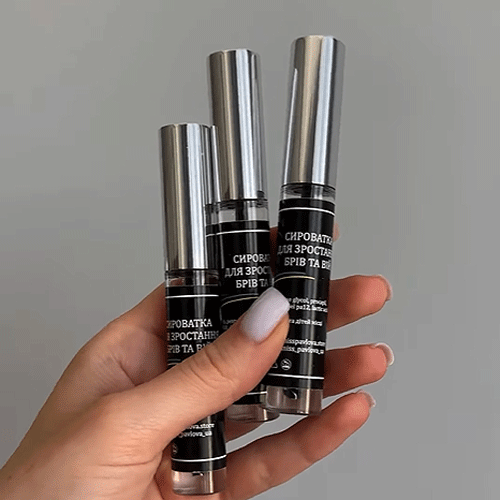
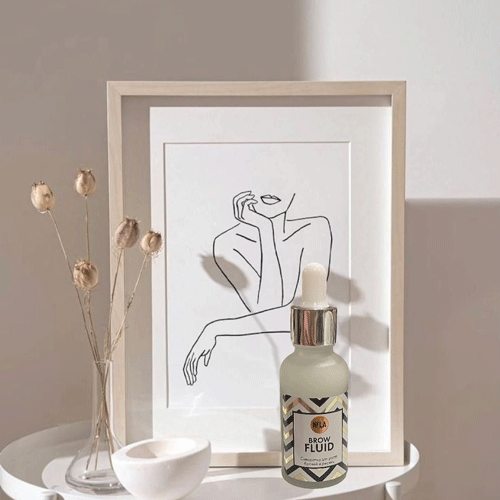
- Use specialized care. After lash lamination, you can use special care products, such as balms or serums. The same applies to the brows. Good options include Miss Pavlova Eyelash and Brow Growth Serum and Nila Brow Fluid for Eyebrow and Eyelash Growth.
- Be careful with makeup. If you plan to use makeup after lamination, be cautious when applying and removing cosmetics to avoid damaging the brows and lashes.
- Regularity. To maintain the long-term effect, it is recommended to periodically repeat lamination according to the specialist's recommendations.
- Consult a professional. If problems arise, skin irritation, or unsatisfactory results from lash and brow lamination, contact a qualified specialist or cosmetologist for consultation.
If you know what to do after lash and brow lamination and follow these instructions, you will preserve their health and the effect achieved from the procedure.
Pros of Lash and Brow Lamination
Lash and brow lamination is not only a trendy phenomenon but also an effective way to enhance appearance, making the face more open and expressive. Here are some of the main advantages of lash and brow lamination:
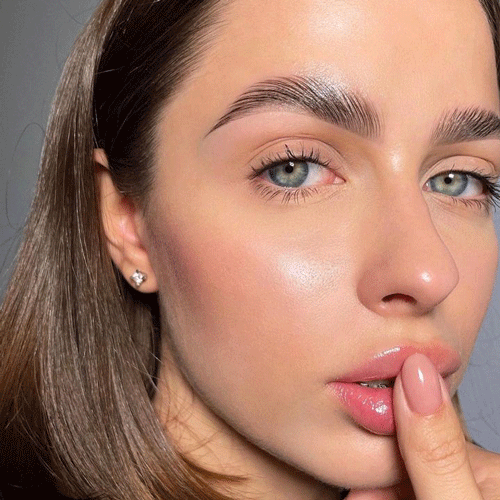
- Improvement of the appearance of lashes and brows. They become thicker and fuller, which adds expressiveness to the face. The difference between the face before and after brow lamination or before and after lash lamination is quite significant.
- Long-lasting effect. The results of lash and brow lamination last for several weeks.
- No need for makeup. After lash and brow lamination, many clients feel confident enough to completely forgo makeup.
- Care and nourishment for lashes and brows. The procedure includes the use of special compositions that strengthen and nourish the lashes and brows, promoting their growth and improving their overall condition.
- Time savings. Lash and brow lamination allows for significant time savings that were previously spent on morning makeup.
Despite all the advantages, the lash and brow lamination procedure has a number of relative disadvantages, and before undergoing this procedure, it is worth carefully considering all aspects to make an informed decision about whether to proceed with it.
Cons of Lash and Brow Lamination
Despite many positive aspects, lash and brow lamination also has its limitations and drawbacks that should be considered before deciding to undergo the procedure:
- Possible allergic reactions. The compositions for lash or brow lamination may cause allergic reactions in some clients. This can manifest as itching, redness, or irritation. Therefore, it is important to conduct an allergy test before the procedure.
- Limited water resistance. Lash and brow lamination may be less resistant compared to false lashes or waterproof cosmetics. Therefore, in extreme conditions, such as swimming in a pool or the sea, the effect may deteriorate.
- High cost. The procedure is more expensive than other methods of brow and lash care.
- Requires professional execution. To achieve optimal results and avoid negative consequences, lash and brow lamination must be performed by an experienced and qualified specialist.
- Renewal timelines. The effect of lash and brow lamination usually lasts about 4-6 weeks, after which a repeat procedure is necessary to maintain results.
It is recommended to weigh the pros and cons of the procedure and consult with a qualified specialist before making a final decision about whether to undergo lash and brow lamination.
Can Everyone Undergo Brow and Lash Lamination?
Brow and lash lamination is a relatively safe procedure, but it is not suitable for everyone. There are several situations and conditions under which lamination may be undesirable or even contraindicated:
- Allergy. Lamination compositions may cause allergic reactions in some individuals.
- Irritation and existing skin issues. If you have skin diseases, wounds, abrasions, or other issues in the brow and lash area, lamination may exacerbate them.
- Weak or damaged hairs. If your lashes and brows are very weak or damaged, lamination may worsen their condition in the future.
- Pregnancy and lactation. Some components of lamination products may be undesirable for pregnant and nursing women, so it is important to discuss this with a doctor.
Before undergoing brow and lash lamination, it is advisable to consult with a qualified specialist who can help determine whether the procedure is recommended for you. The answers to these questions can be key in making a decision.
Conclusion
Brow lamination, lash lamination, and lash botox are modern care procedures that make the face more expressive and the gaze more open. They have many advantages, such as long-lasting effects and time savings, but they also come with some risks, such as possible allergies. It is important to discuss brow and lash lamination with a qualified specialist, taking into account personal preferences and needs.