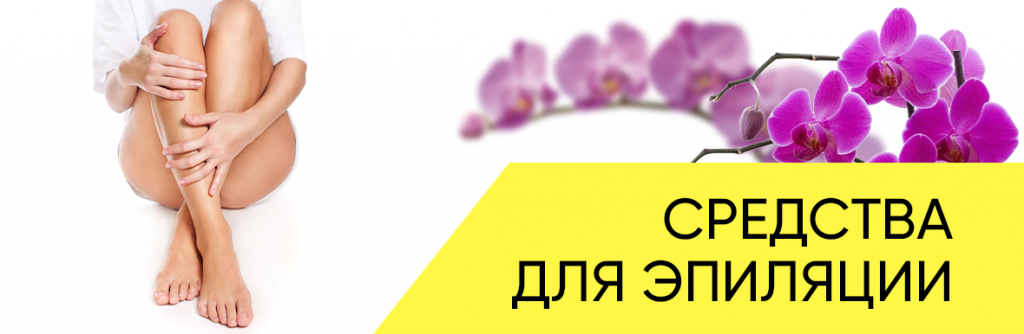
Epilation is an important cosmetic procedure for 9 out of 10 women, especially in anticipation of the beach season. Beauty studios offer a range of procedures for removing unwanted hair. The most popular methods are wax epilation and sugaring. The ideal method for hair removal will be suggested by the specialist and your skin after the procedure. Our experts will explain the differences between these methods, how the procedure is carried out, and how to care for your skin before and after.
Hot Wax Epilation
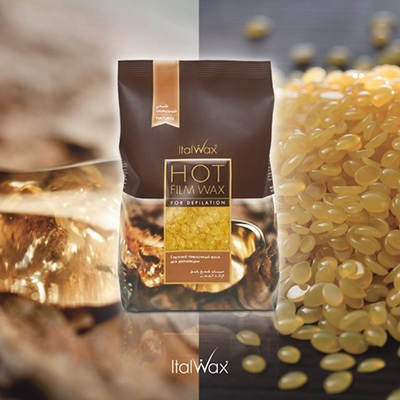
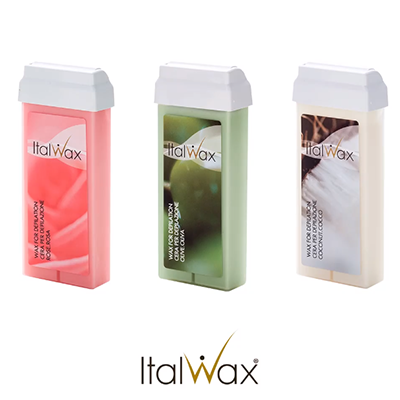
Hot wax adheres tightly to the skin, removing unwanted hair and dead skin cells, resulting in an even skin tone in the treated area. If you are concerned about the temperature of the wax or have special sensitivity, it is advisable to inform the specialist in advance, and they will adjust the temperature specifically for you. Wax can be used in cassette form or in granules, such as Italwax or Elit-lab. It is melted in special wax heaters to the required temperature.
Approximately one day before wax epilation, it is advisable to do a exfoliating scrub and avoid using body cream and lotion. The hair length should be 6-8 mm for the procedure to be as easy as possible and to remove all hairs.
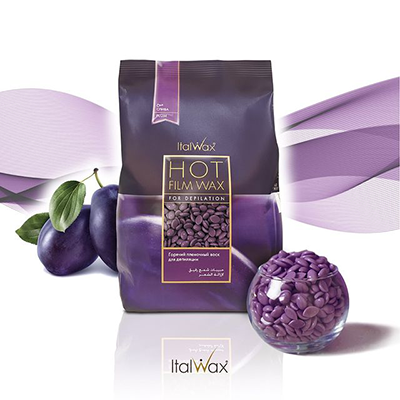
Procedure Steps:
- The first step is always to disinfect the area where the epilation will take place.
- Depending on how the wax was heated, it is applied using a cassette or spread with a spatula in the direction of hair growth.
- There are several removal techniques: using special strips, which are applied over the wax and removed from the skin with a sharp motion against the direction of hair growth, or manually, carefully lifting the hardened wax mass with a finger and pulling it off sharply.
- After removing the hair from the surface, the specialist will soothe the skin with a special lotion or cream.
There are contraindications for this type of epilation:
- Chronic diseases (diabetes, AIDS, epilepsy)
- Increased sensitivity
- Fresh scars
- Sunburns or visits to tanning salons
- Skin diseases
- Varicose veins
- Menstruation and pregnancy – a very individual process – it is advisable to wait if sensitivity is heightened.
- Specialists recommend avoiding excessive alcohol and caffeine intake the day before, as the skin may be more sensitive.
Sugaring
The advantage of sugaring is its naturalness. Classic sugar paste for sugaring consists of sugar, lemon juice, and water, which is why specialists say it is the most gentle hair removal procedure. It can be performed even on sensitive skin, in the early stages of varicose veins, and in non-acute phases of skin diseases.
The specialist will select the density of the paste and the technique based on the type of skin and hair. Studios typically have several types of pastes for different areas. The softest is used for hair removal on the face or arms. Medium density paste is suitable for legs. The hardest and densest is used in the bikini area and underarms. All types of pastes are represented in the Jantarika brand line.
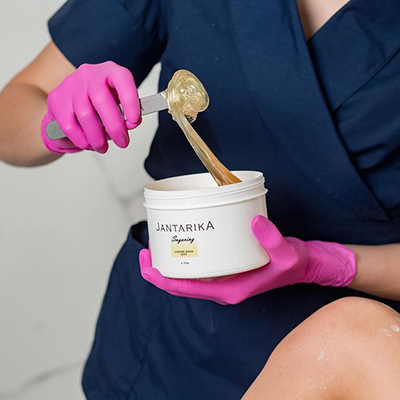
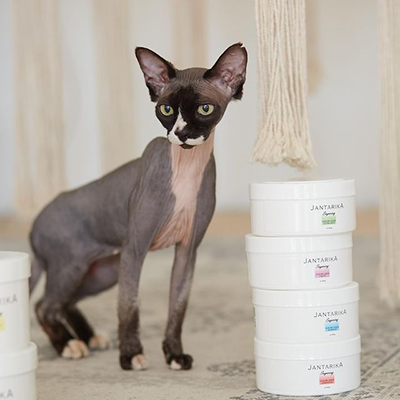
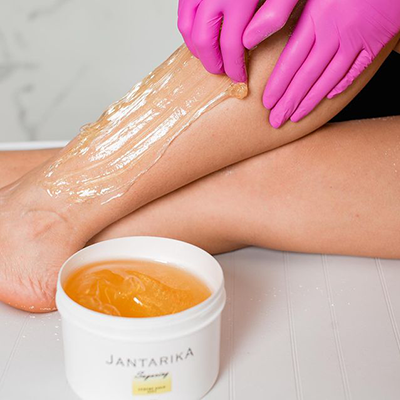
Advantages of Sugaring:
- Hypoallergenic composition – will not cause irritation.
- Can be applied with very short hair.
- No ingrown hairs.
- Minimal pain sensations.
- Residues of the mixture are easier to remove from the treated area.
- Fewer contraindications than with other types of hair removal.
Each specialist has their own technique, which is chosen for both the convenience of the specialist and the comfort of the client. There are three main techniques: bandage, spatula, and manual. One day before the procedure, prepare the skin: do a peeling or gentle scrub.
Procedure Steps:
- The first step always involves preparing the skin: cleansing and degreasing with special pre-depilation lotions.
- Applying talc – it removes excess moisture and lifts the hairs for easier work.
- In the chosen technique, the paste is applied against the direction of hair growth and removed in the direction of growth.
- After the procedure, cleansing is performed with special products, and a nourishing lotion or cream is applied.
There are contraindications for sugaring as well:
- Acute phase of skin diseases
- Neoplasms
- Scratches, burns, allergic rashes
- Epilepsy, diabetes.
Post-Epilation Care
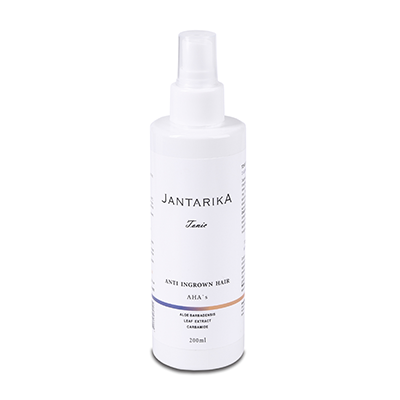
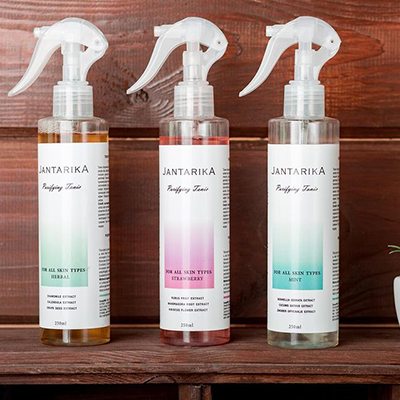
The specialist will definitely inform you that for the first few days after the procedure, it is advisable to avoid sunbathing, taking hot baths, going to the sauna or steam room, and not to attend workouts. Caring for your skin between procedures is very important to prevent ingrown hairs, moisturize, and nourish the skin. For this purpose, brands such as Jantarika, Tanoya, and Elit Lab have created special creams and lotions for care.