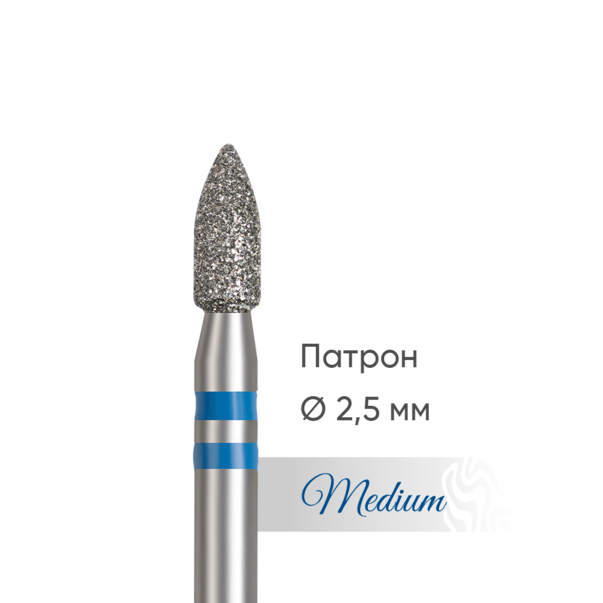
Milling Cutter Do it
 In stock
 Buy
 In stock Buy
 In stock Buy
 In stock Buy
 In stock Buy
 In stock Buy
 In stock Buy
 In stock Buy
 In stock Buy
 In stock Buy
 In stock Buy
 In stock Buy
 In stock Buy
 In stock Buy
 In stock Buy
 In stock Buy
 In stock Buy
 In stock Buy
 In stock Buy
 In stock Buy
 In stock Buy
 In stock Buy
 In stock Buy
- 1
- 2
- 3
- Next

Today, hardware techniques are no longer just a trend, but a true "gold standard" in hand care. Thanks to this, professionals achieve impeccable cleanliness in processing, which every client dreams of; it significantly saves precious time and guarantees that the coating will reliably last until the next visit.
However, the success of the procedure depends 90% not on the power of the device, but on which specific milling cutter is attached to your handpiece. The Do it brand creates tools where reliability and precision are combined with an attractive price. Whether you are taking your first steps in the nail world or your schedule is booked months in advance, a professional attachment from Do it will be that reliable assistant that will not let you down in your work. Let’s explore the variety of milling cutters so that your choice is easy and informed.
Types of Milling Cutters for Manicure
Choosing the perfect tool always starts with understanding the material. It’s like choosing the right brush for an artist: each milling cutter for hardware manicure has its own "character" and unique physical properties that determine at which stage it will perform best.
Ceramic Cutters
These attachments are true favorites when it comes to removing coatings. Why do professionals love them so much? The main magic of ceramics lies in its low thermal conductivity. You can work confidently, knowing that the material hardly heats up during friction. This gives the client a feeling of complete calm and comfort without the slightest hint of unpleasant burning.
Ceramic attachments for the milling machine act very delicately: they do not "grind" the old polish but gently cut it, turning it into neat shavings. This not only preserves the nail plate but also makes the air in the workplace cleaner, as instead of a cloud of fine dust, you get a fraction that is easily captured by the extractor.
Tungsten Carbide Cutters
Tungsten carbide milling cutters for hardware manicure are made from special high-strength metals. Unlike abrasive attachments, they work on the principle of a knife: sharp edges cut through the material. This is a professional tool for working with hard systems and for length correction.
Diamond Cutters
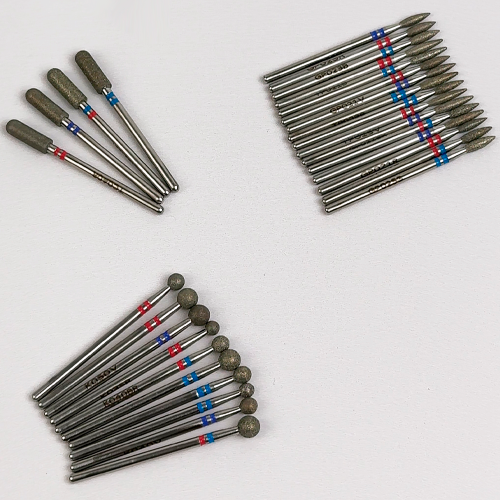
When it comes to working with skin, diamond cutters for manicure are unmatched. Diamond dust of various fractions is applied to a steel base using galvanization. They delicately polish the cuticle and sidewalls without damaging the living tissue.
Silicone and Polishing Attachments
The final stage of any procedure is polishing. Silicone-carbide attachments are suitable for smoothing out fine skin flakes and giving the nail plate a natural shine.
Classification of Cutters by Purpose
To understand which milling cutters to buy for manicure, it is essential to clearly categorize them by stages of work. Hardware manicure is a sequence of actions where each attachment is responsible for its sector.
- For removing gel polish: ceramic or tungsten carbide cutters with medium notches, blue in color, are used. They quickly remove color and base without clogging with material.
- For removing gel: powerful tungsten carbide milling cutters with coarse notches (green or black) are needed here, as the artificial material has a higher density.
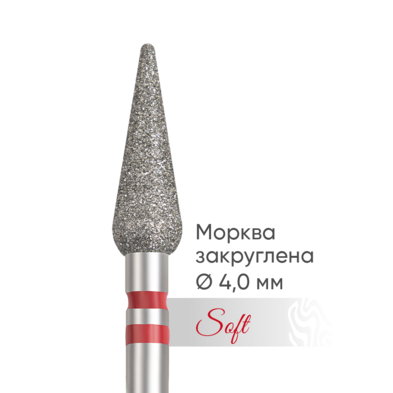
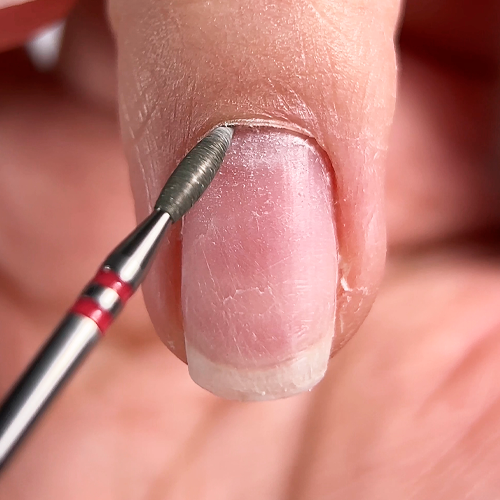
- For processing the cuticle: the main work is done with small-diameter diamond attachments with red markings, which allow for deep cleaning of the pterygium.
- For processing sidewalls: larger diameter cutters are used to quickly remove hardened skin.
- For polishing the nail plate: soft polishers prepare the nail for applying oil or the finishing stage of Japanese manicure.
Shapes of Attachments: Geometry of Success
Each shape is created for a specific anatomical area or technical task. Let’s consider the most popular attachments for the milling machine:
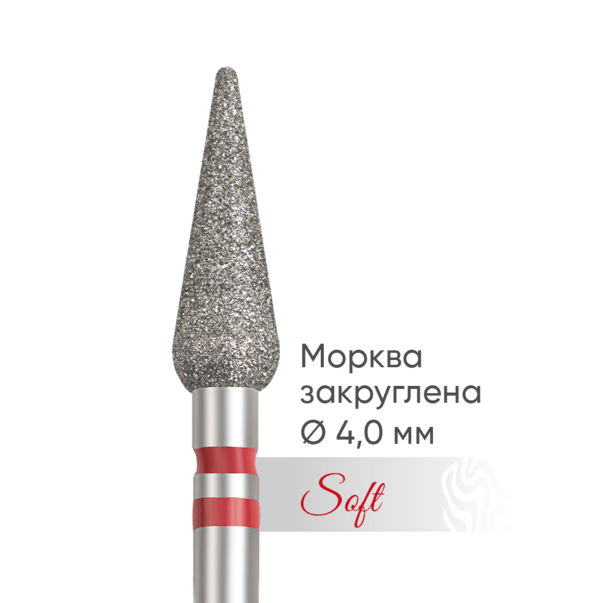
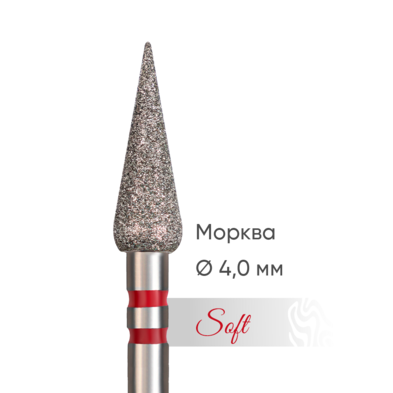
- Corn: a universal shape for removing artificial material. The rounded tip is convenient for safely working near the cuticle.
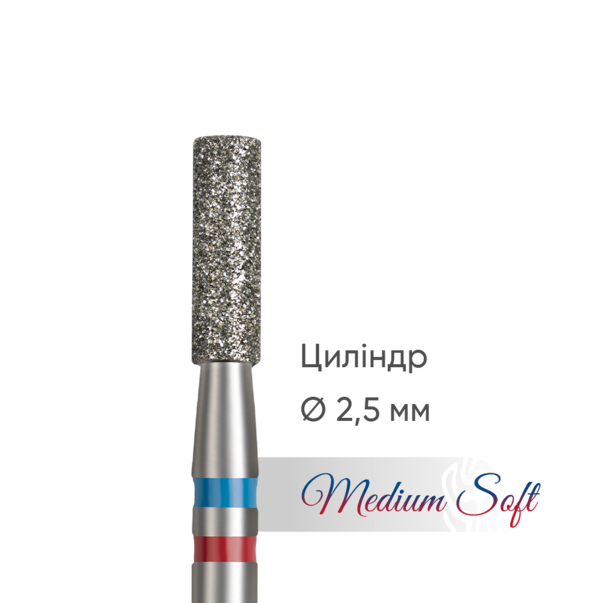
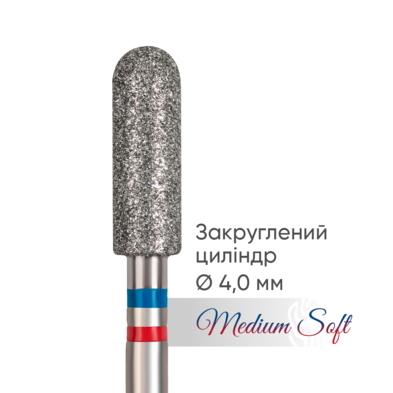
- Cylinder: used for shaping the nail, leveling the surface, and shortening length.
- Conical: helps to process hard-to-reach places under the nail or in the area of the side grooves.
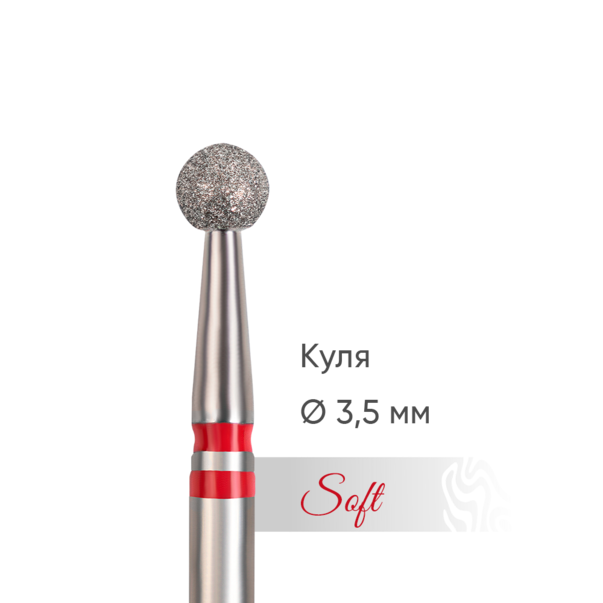
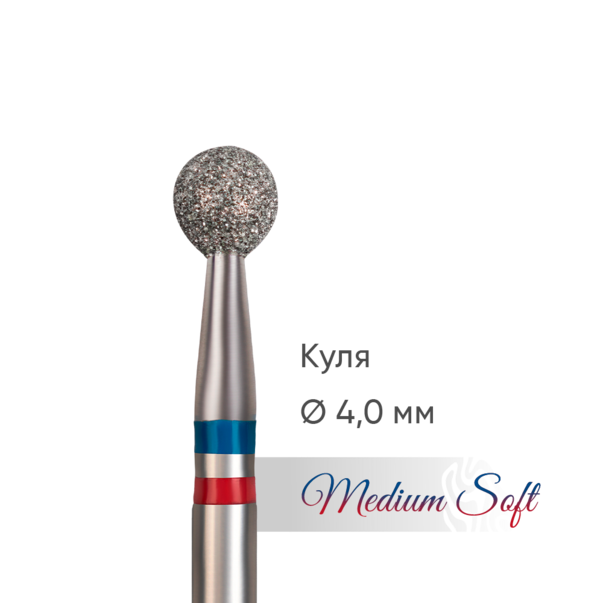
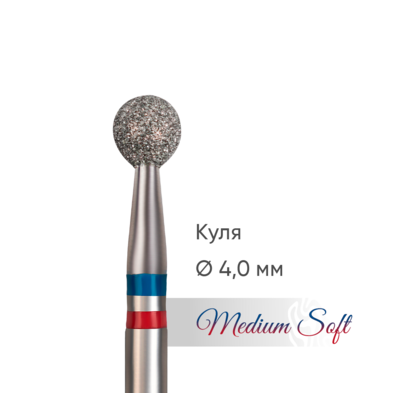
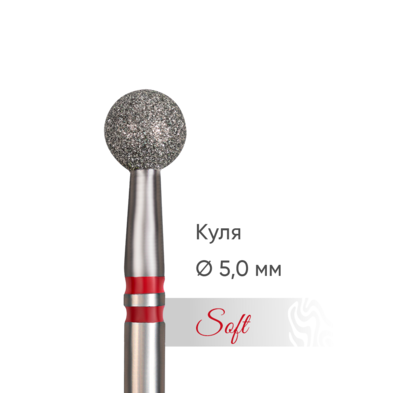
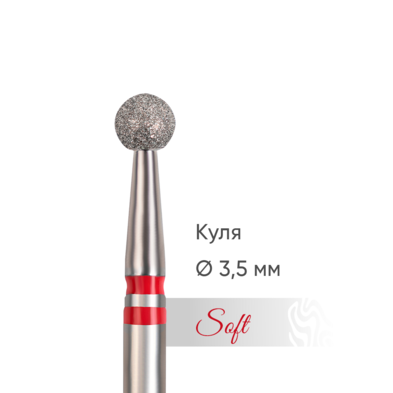
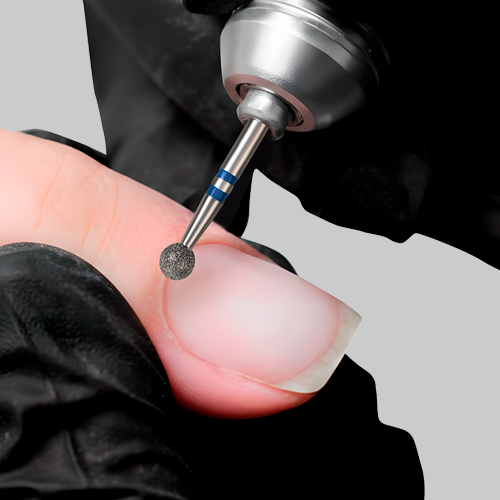
- Ball: ideal for cutting raised cuticles (the "inside-out" method).
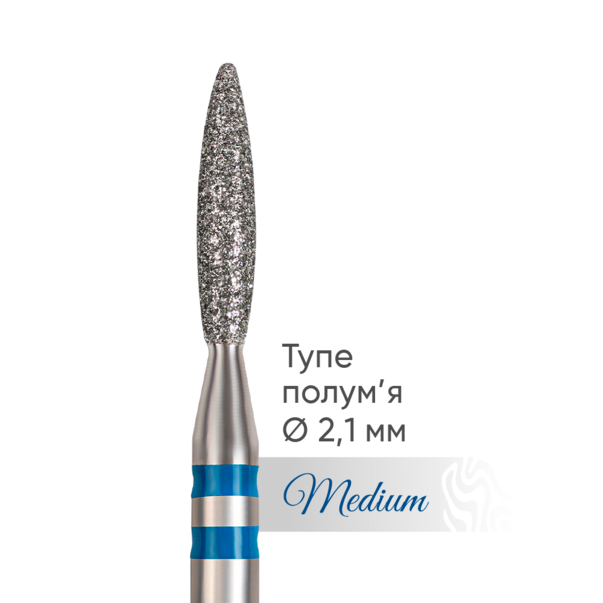
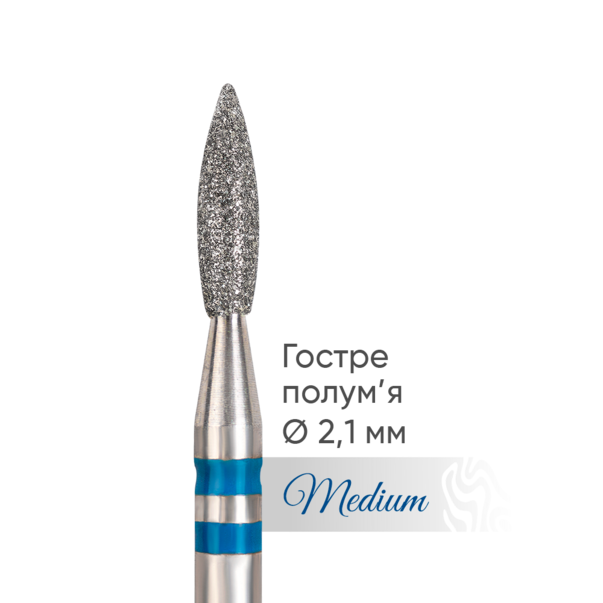
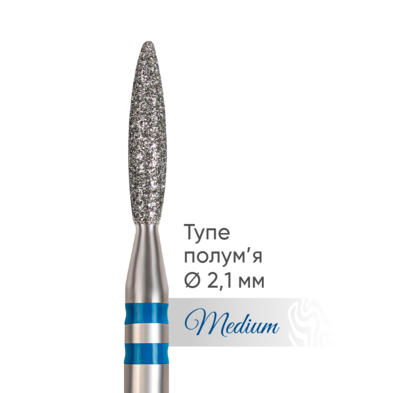
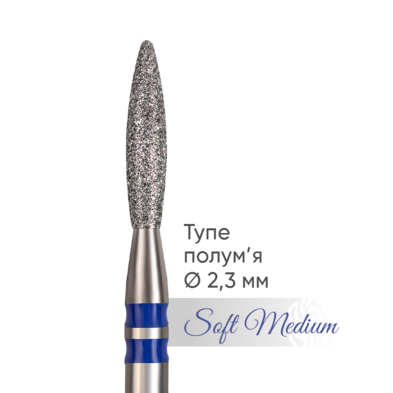
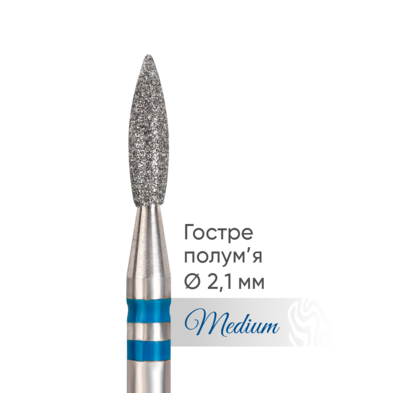
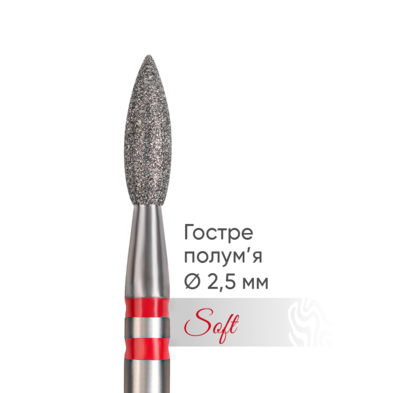
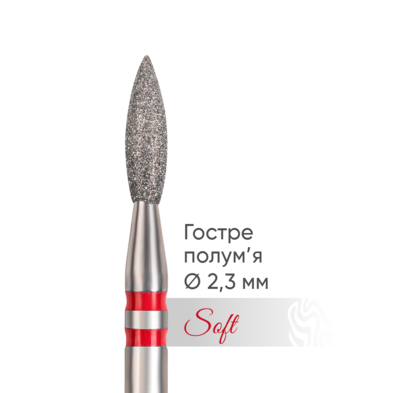
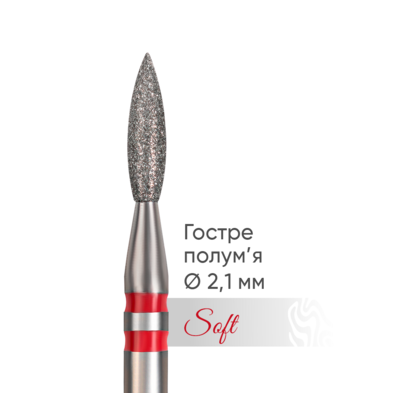
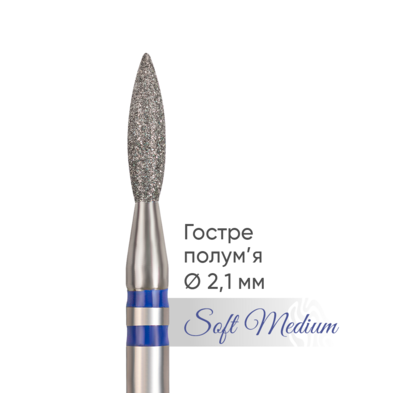
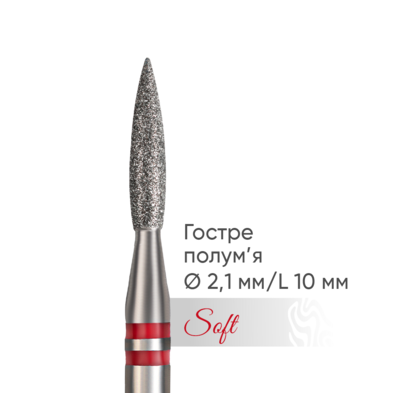
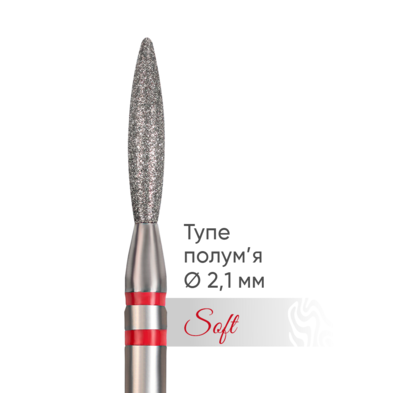
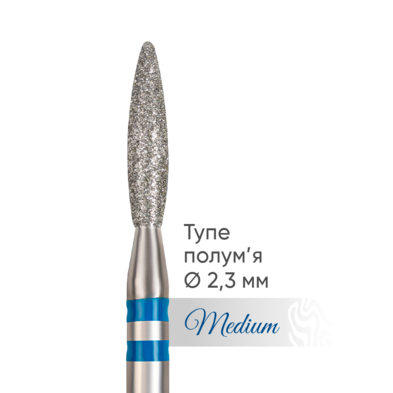
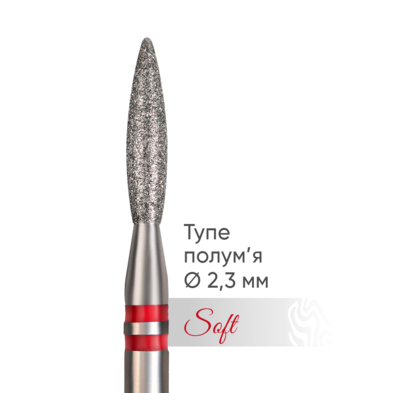
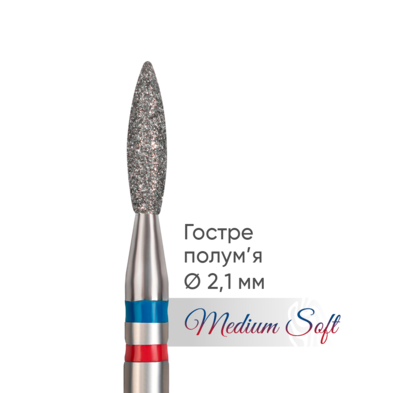
- Flame: the most popular professional milling cutter for manicure. Its convex part polishes the rolls, while the sharp tip cleans the pterygium.
Abrasiveness and Marking
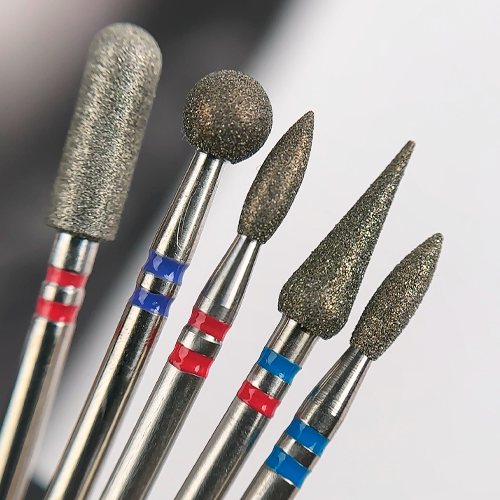
Before starting work, it is important to know the rules – milling cutters for manicure: which is intended for what according to the colored ring on the shank.
Color of Notch | Abrasiveness Level | Purpose |
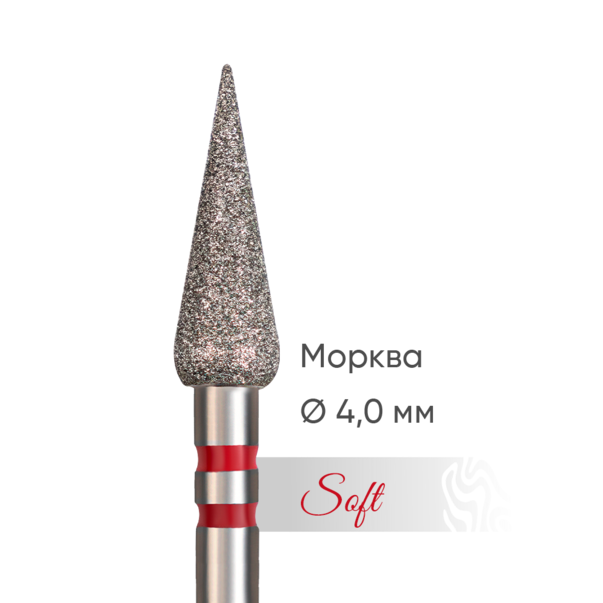
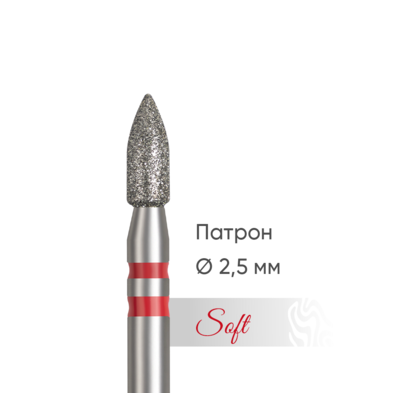
Red | Fine | Working with sensitive skin, fine processing |
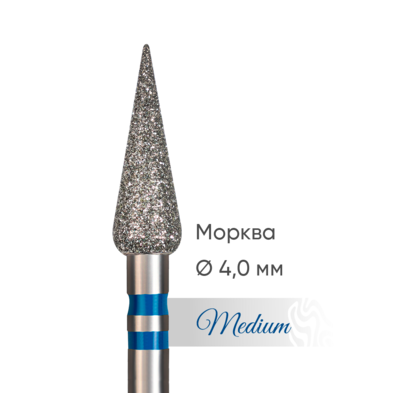
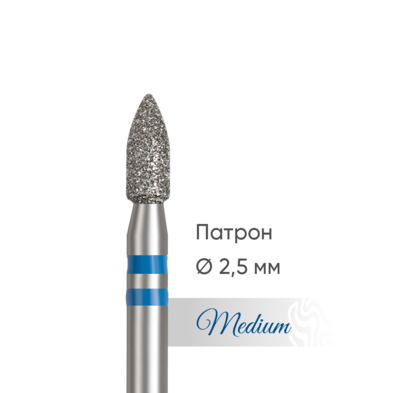
Blue | Medium | Universal for skin and removal of soft materials |
Green | Coarse | Quick removal of gel, acrylic, processing of calluses |
Black | Super coarse | Only for artificial materials and hardware pedicure |
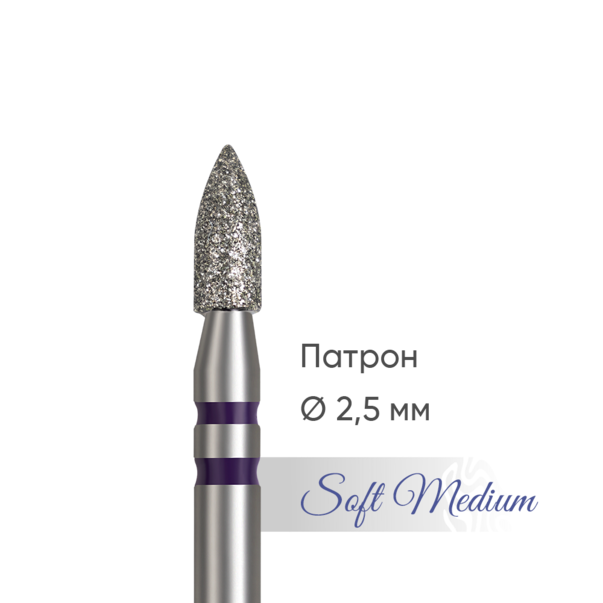
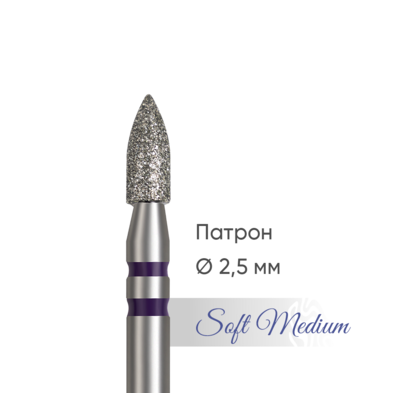
Purple | Soft medium | Universal option, between blue and red. For processing cuticles and sidewalls, for medium-density skin |
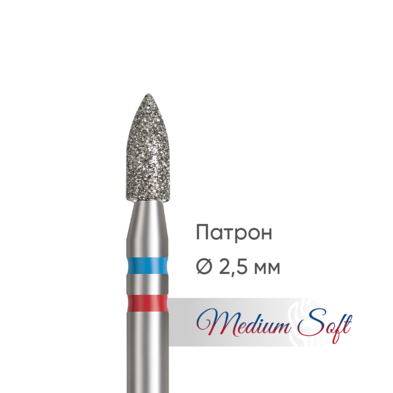
Blue-red (two-color) | Medium-soft | For removal with simultaneous polishing on dense areas, speeds up the procedure, reduces the risk of hangnails |
How to Choose a Cutter: Professional Tips
Buying milling cutters for manicure according to your needs is not only about the speed of work but also about your client's safety and the health of their nails.
By Level of Experience of the Master
Beginners are recommended to start with red notches and the "ball" or "blunt flame" shape with a rounded tip. Such attachments for the milling machine forgive small mistakes in the angle of inclination and have soft abrasiveness, which minimizes the risk of cuts in the early stages of training. Experienced masters who already confidently control pressure techniques choose blue and green notches for maximum speed of work and cutting efficiency.
By Type of Coating
The choice of cutter material directly depends on the thickness and hardness of the layer that needs to be removed. For thin gel polish or elastic base, a ceramic "corn" is quite sufficient, which gently removes the material without overheating. However, for correcting acrylic gel extensions or removing hard gel, a tungsten carbide professional tool is essential, capable of handling the hard resistance of the material without excessive pressure on the nail.
For Manicure or Pedicure
Hardware pedicure requires larger diameter cutters and significantly greater wear resistance, as the area of processing and skin density on the feet is much higher than on the hands. For pedicure, diamond cutters for manicure with reinforced metal bases or special podiatric ones are often chosen, which effectively remove hyperkeratosis and calluses, providing smooth skin for a long time.
For Professional Use
It is important to consider the frequency of tool use and its ability to withstand constant sterilization. By choosing Do it cutters, you invest in professional equipment for the master that is designed for heavy loads. High-quality assembly and centering make it convenient to use these attachments in an intensive studio work mode without losing functionality and safety.
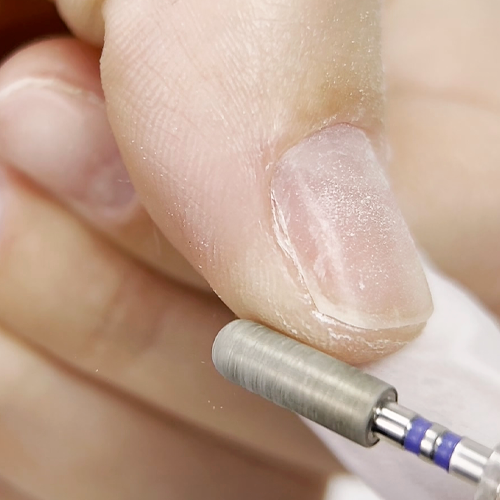
How to Properly Work with a Cutter
Even the best manicure cutter Do it may not yield the desired result or even cause harm if used incorrectly. Adhering to the technique is the key to nail health.
Angle of Inclination
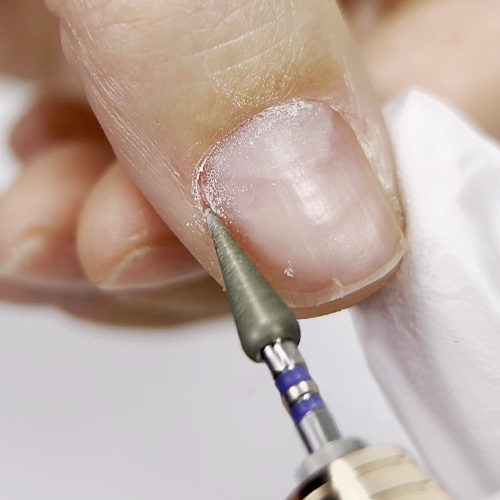
The attachment should work parallel to the surface of the nail plate, using its working plane. Any excessive pressure of the tip inward or working at a sharp angle will inevitably lead to cuts and thinning of the nail. It is important to remember that each shape has its own "point of contact," which must be controlled throughout the procedure.
Speed of Rotation
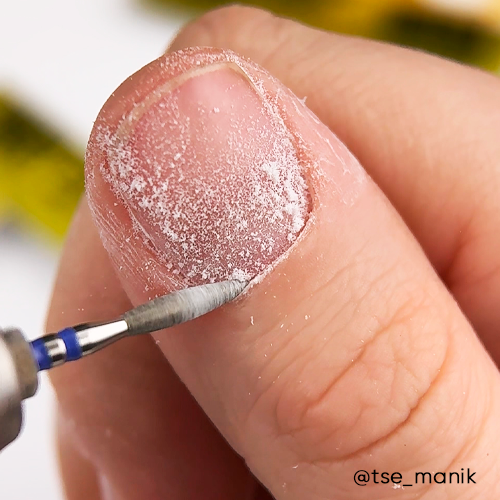
Properly set speed on the device allows the attachment to smoothly cut the material rather than tear it. Removing old coating is done at high speeds – 20,000–30,000 RPM, which prevents overheating of the nail. Processing skin and cuticles requires delicacy, so an optimal speed of 10,000–15,000 RPM is ideal, depending on the condition of the epidermis and the diameter of the attachment.
Pressure Control
The master's movements should be light, short, and tangential, as if you are painting with a brush rather than pressing on the tool. Working without vibration is ensured not only by the perfect centering of Do it cutters but also by the proper support of the hand (fixing the pinky), without sharp jumps of the tool across the surface of the nail. The technique of safe work implies that the manicure cutter should constantly be in motion, not stopping in one place for more than a second.
Disinfection and Sterilization
Every experienced master knows: client safety is the foundation of reputation. Do it tools are designed with strict hygiene requirements in mind. They are made from special wear-resistant alloys that can withstand the full cleaning cycle without losing their sharpness and "working mood." You will not have to choose between sterilization and tool durability.
- Disinfection: this is the first and critically important step that each attachment begins after the procedure. Cutters require complete immersion in special antiseptic solutions to neutralize any microorganisms. Thanks to the high quality of the metal, Do it shanks are not afraid of aggressive disinfectant components – they do not darken and do not corrode if you follow the instructions and exposure time. This is a professional approach to ensure that the tool retains its effectiveness for as long as possible.
- Cleaning: after disinfection, it is necessary to remove residues of biological and artificial material (dust, skin, gel) from the notches. Using an ultrasonic cleaner will help dislodge the tiniest particles from hard-to-reach places with liquid vibration, while a brass brush will help mechanically clean clogged diamond heads without damaging the coating.
- Sterilization: the final stage of complete destruction of microorganisms, which occurs in a dry heat cabinet or autoclave at high temperatures. Thanks to premium materials, Do it milling cutter attachments do not deform or become brittle even with regular heating up to 180°C, allowing the master to be confident in the sterility and safety of each procedure.
Advantages of Do it Cutters
Why do professionals choose to buy milling cutters for manicure from this brand? The answer lies in high production standards and attention to detail.
Wear-Resistant Materials
Each cutter is made from specially tempered metal that is resistant to accidental mechanical damage and loads. If you work with Do it diamond cutters for manicure, you will appreciate the quality of the coating – it holds firmly, does not flake off, and does not leave "bald" spots after the first week of use. The same applies to tungsten carbide and ceramic cutters for manicure: premium raw materials help them remain sharp even when you have a tight schedule and a "hot" season. This is a tool that works, maintaining cutting properties from procedure to procedure. The master can be confident in every movement when processing the nail plate.
Precise Geometry of Notches
Each edge and groove on tungsten carbide cutters for manicure is calibrated with maximum precision. The even arrangement of teeth guarantees smooth removal of gel and acrylic without "jamming" the material and excess dust. Such geometry helps with rapid heat dissipation, making the procedure comfortable for the client.
Stable Operation Without Vibration
The shanks of Do it cutters undergo a precision centering process, completely eliminating axial runout. The absence of vibration not only ensures cleanliness in processing the cuticle and sidewalls but also significantly extends the service life of the micromotor handpiece, protecting the bearings of the milling machine from premature wear.
Durability
One tool lasts significantly longer than budget analogs due to its resistance to corrosion and chemical disinfectants. Even after numerous sterilization cycles in a dry heat cabinet, diamond cutters for manicure retain the integrity of their coating, while tungsten carbide attachments maintain their initial sharpness, making it a worthwhile investment in the master’s arsenal.
Why You Should Buy Do it Cutters at Staleks Shop & Service
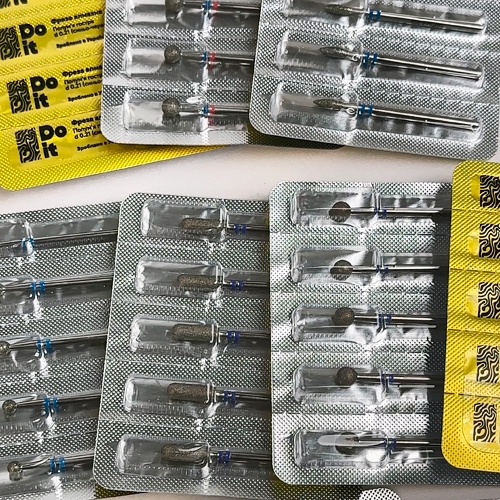
Staleks Shop & Service is a territory for professionals. By purchasing here, you receive original Do it products that have passed all quality control stages. We offer a wide range, expert consultations, and fast delivery to ensure your professional equipment is always at hand.
Key Takeaways:
- A quality attachment is the key to avoiding cuts and injured cuticles.
- For each stage of the manicure, there is a specific shape and abrasiveness.
- The Do it brand offers a balanced ratio of price and professional characteristics.
Ready to update your work kit? Visit the Staleks Shop & Service catalog to buy Do it milling cutters today! Your clients will feel the difference from the very first touch.
Questions and Answers about Do it Cutters
- Which professional milling cutter for manicure is suitable for removing gel polish? It is best to choose a ceramic or tungsten carbide "corn" with a blue notch. This shape is convenient for smoothly removing material across the entire surface of the nail, and the medium hardness is suitable for quick work without damaging the natural plate.
- What is the difference between a ceramic cutter for manicure and a tungsten carbide one? Ceramic heats up less and gently removes material, suitable for sensitive clients, while tungsten carbide is more durable and precise in correcting hard gels. Metal attachments also hold the sharpness of edges better when working with very dense artificial systems.
- What does the color of the notch mean? This is your main hint and a universal language for masters around the world. The colored ring on the shank indicates the hardness marking: a yellow notch indicates a super fine structure, red indicates delicate fine, blue indicates medium hardness, green and black indicate coarse and super coarse respectively, purple indicates medium softness, and red-blue Do it indicates soft medium, for removal with simultaneous polishing. The simple rule applies here: the darker the color, the larger the size of the diamond grain or the depth of the notch on the metal. This affects how intensely the cutter will remove material, so the correct color choice is a control over the safety and speed of the procedure.
- How many RPM to use for removing coating? The optimal range is from 25,000 to 30,000 RPM for effective removal of gel and acrylic. Working at high speeds allows the cutter to cut the material rather than get bogged down in it, minimizing friction and the unpleasant sensation of heating.
- How to properly sterilize a cutter? After disinfection in a solution and cleaning, the tool should be placed in a kraft bag and sterilized in a dry heat cabinet at a temperature of 180°C. It is important to thoroughly dry the attachments before thermal processing to prevent corrosion on the steel shank.
- Are Do it cutters suitable for all devices? Yes, their standard shank diameter is compatible with all professional milling machines that have a collet clamp. This guarantees reliable fixation in the handpiece and eliminates any slipping or falling out of the tool during rotation.
- Which cutter is best for the cuticle? The universal cutter for processing and lifting the cuticle is considered to be the diamond "flame" with red or blue notches. Its sharp tip delicately cleans the pterygium from the grooves, while the wide part effectively polishes the sidewalls.
- Can one attachment be used for all procedures? No, it is essential to understand – milling cutters for hardware manicure: which is for what. Using one tool for everything will lead to its rapid wear and nail injury; moreover, this approach contradicts hygiene rules and the technology of hardware manicure.
- How to extend the life of a milling cutter attachment? Timely clean it from material residues with a special brass brush, avoid drops on the floor, and use an ultrasonic cleaner for deep disinfection. Also, try not to overheat the cutter during work to prevent premature flaking of the diamond coating.
Nail drill bit Cost on staleks.ua
Milling Cutter Do it - customer reviews