Nail drill













 In stock
 Buy
 In stock Buy
 In stock Buy
 In stock Buy
 In stock Buy
 In stock Buy
 In stock Buy
 In stock Buy
 In stock Buy
 In stock Buy
 In stock Buy
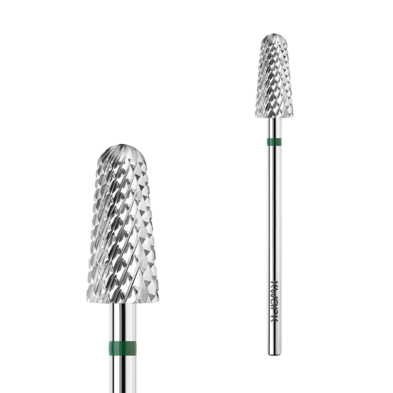 In stock Buy
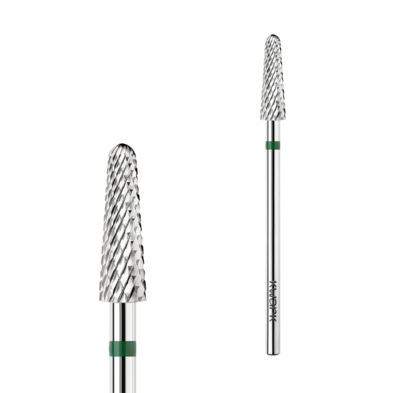 In stock Buy
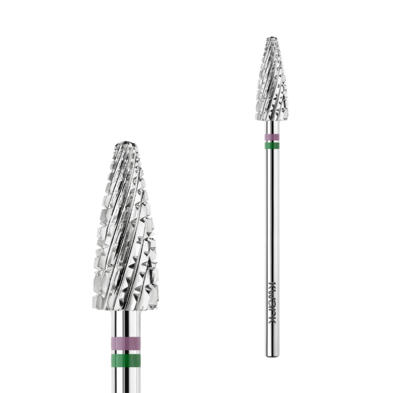 In stock Buy
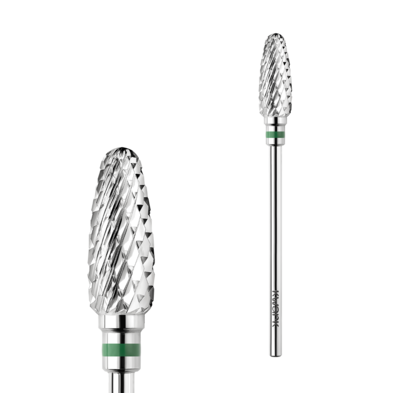 In stock Buy
 In stock Buy
 In stock Buy
 In stock Buy
 In stock Buy
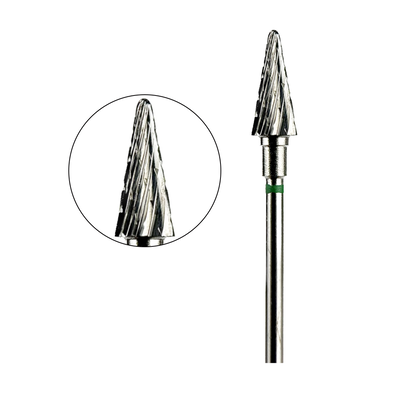 In stock Buy
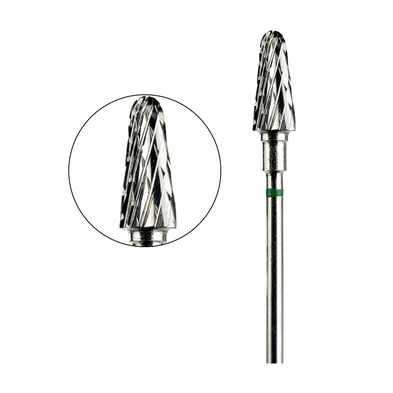 In stock Buy
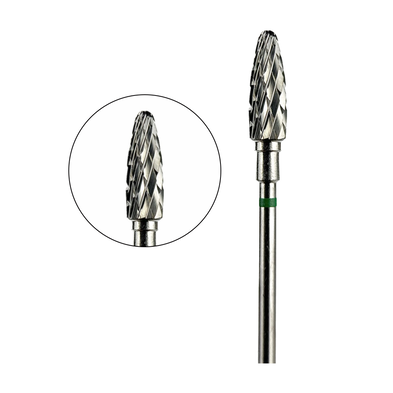 In stock Buy
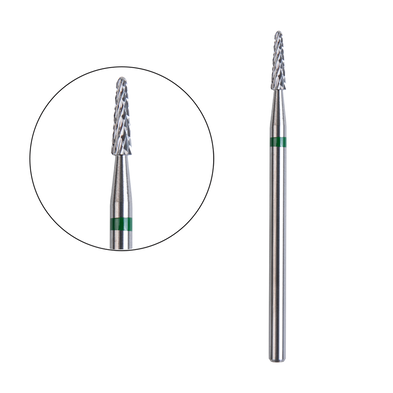 In stock Buy
- 1
- 2
- 3
- Next
A nail drill is an indispensable tool in modern manicure, which, when handled by a skilled master, processes nails and skin carefully and, most importantly, atraumatically. Hardware manicure has become a standard both in salons and at home, and making the right choice plays a crucial role in this process. How to choose, which models are suitable for different tasks, and what to pay attention to when purchasing—these nuances must be considered before buying.
Nail Drill: What It Is and Why You Need It
A manicure drill bit is a special attachment designed for hardware manicure and pedicure. It can handle any task: removing old polish, treating the cuticle, correcting the shape of nails, or removing rough skin. The quality of the tool directly affects the result: a good attachment works accurately, quickly, and safely, minimizing the risk of injury and discomfort.
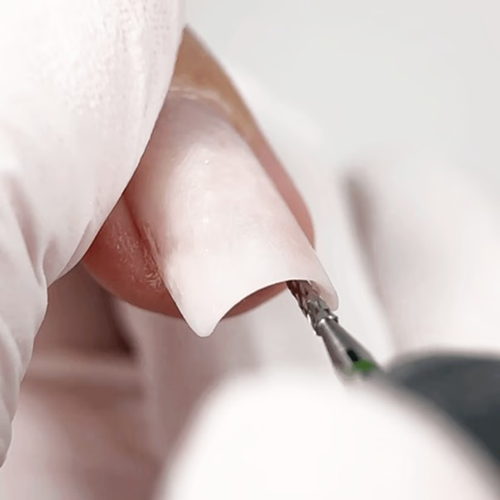
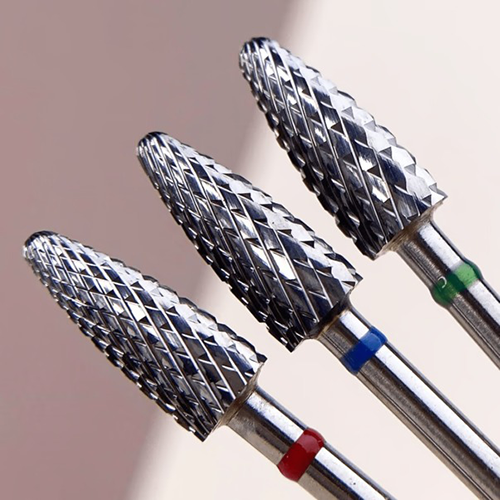
There are different options, but I would like to highlight among them carbide bits with a green coating and tungsten bits with various coatings. Carbide attachments are valued for their versatility and medium hardness, while tungsten bits are appreciated for their excellent durability and wide range of shapes.
What Are Drill Bits Used For?
Drill bits simplify and speed up the master's work. They replace manual tools such as files or nippers, and the results are neater. Carbide drills are suitable for most procedures due to their medium abrasiveness, while tungsten attachments are chosen for complex tasks where wear resistance is essential.
Carbide Drills: Features and Applications
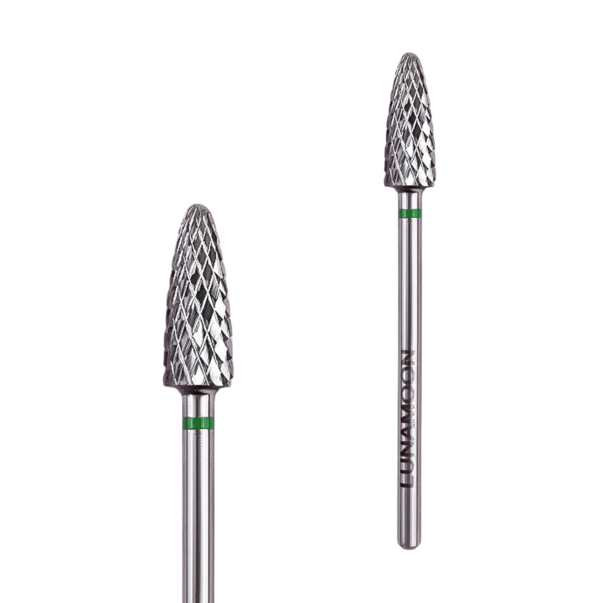
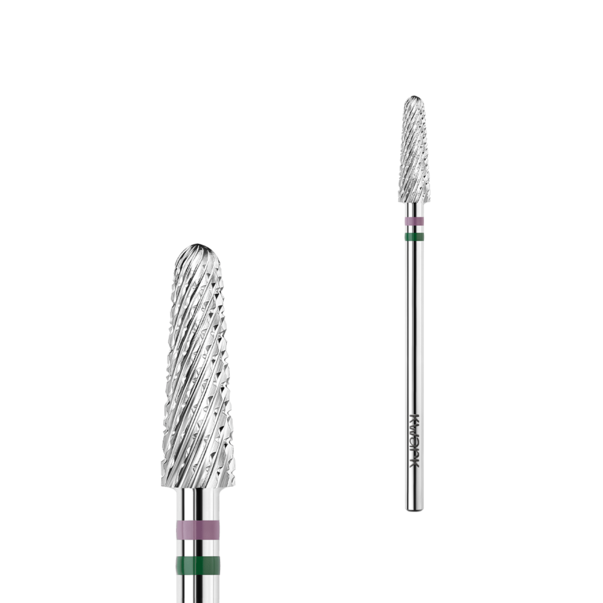
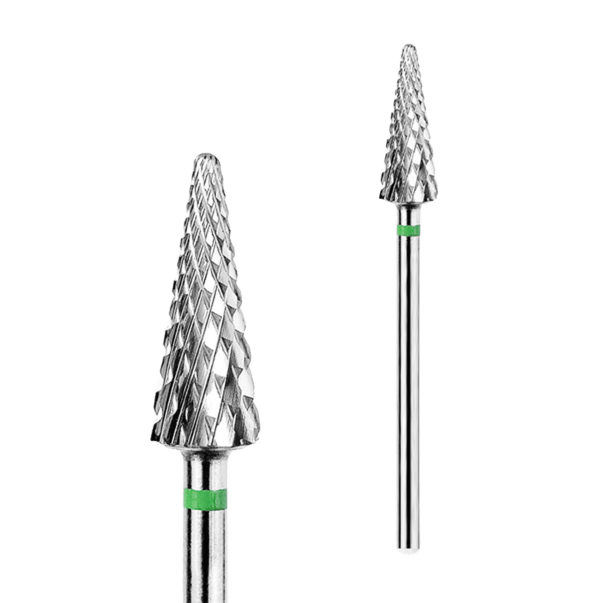
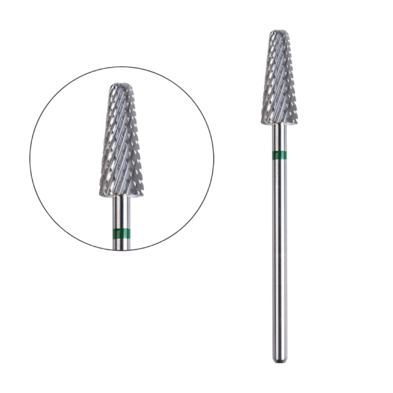
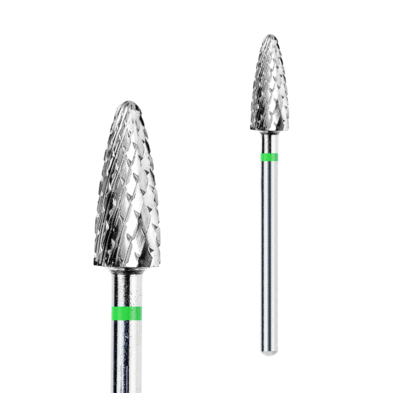
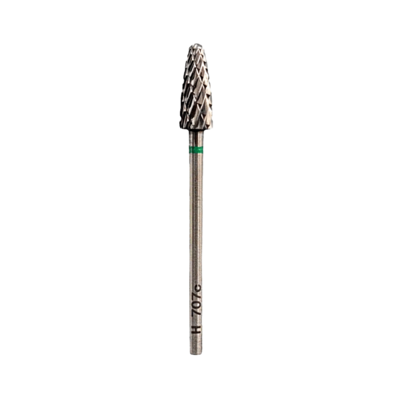
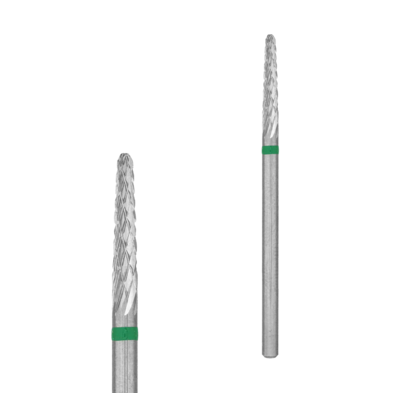
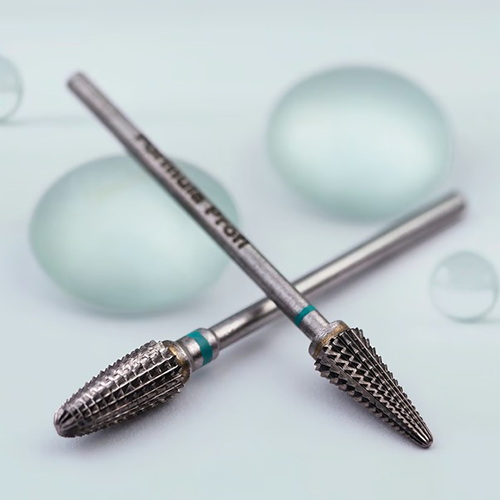
Carbide drill bits for nails are a universal choice. The most popular among masters is the green color, indicating medium hardness, making them suitable for a wide range of tasks. They are made from durable steel with carbide additives and come in various shapes:
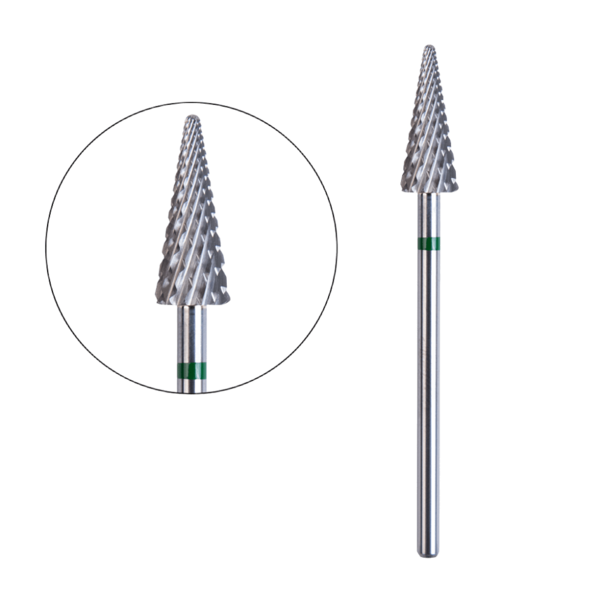
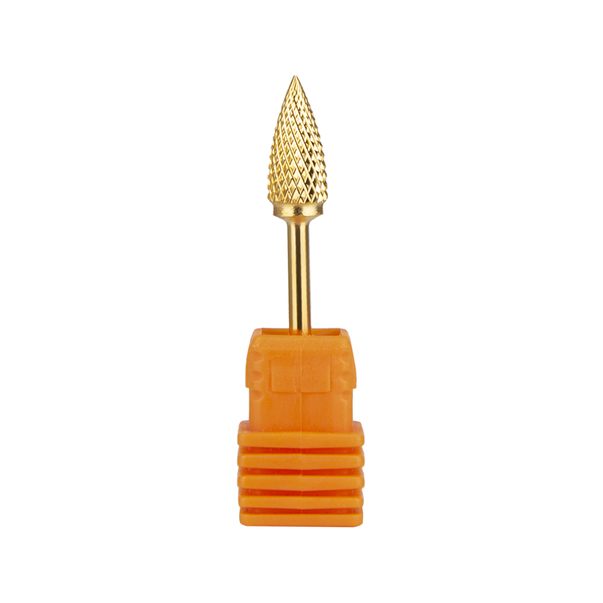
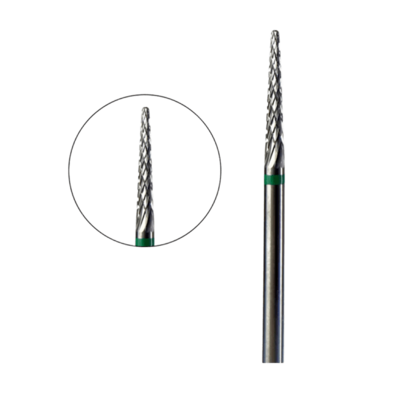
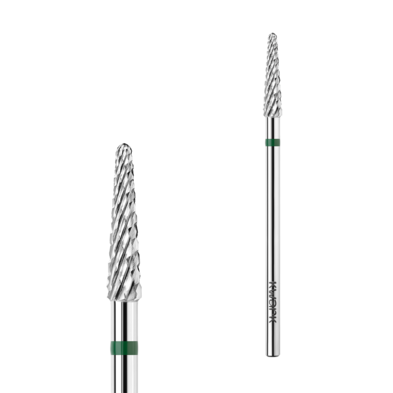
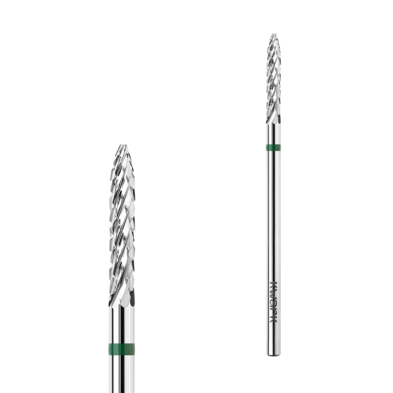
- Needle: a thin shape with a sharp tip for treating the cuticle and sidewalls. It carefully removes rough skin without affecting the nail plate and is suitable for working in hard-to-reach areas.
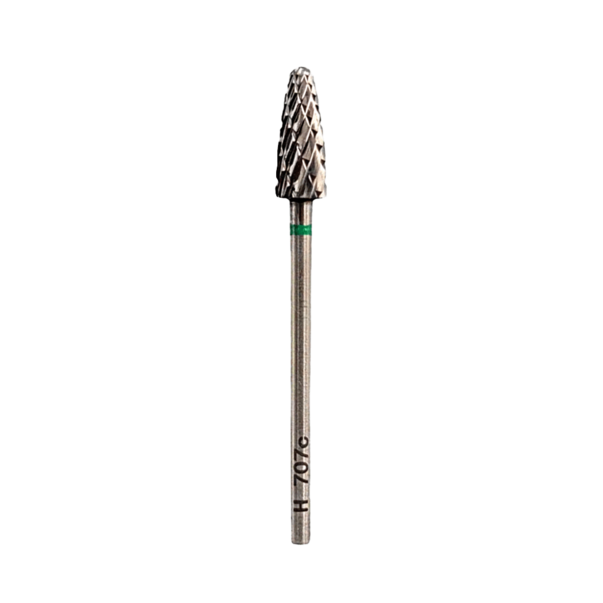
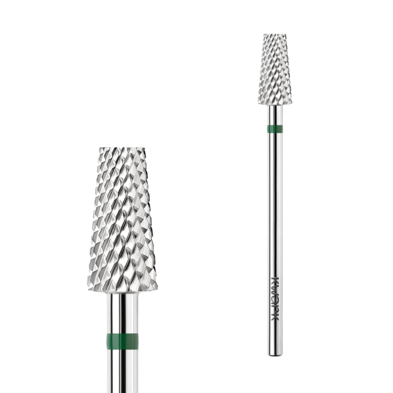
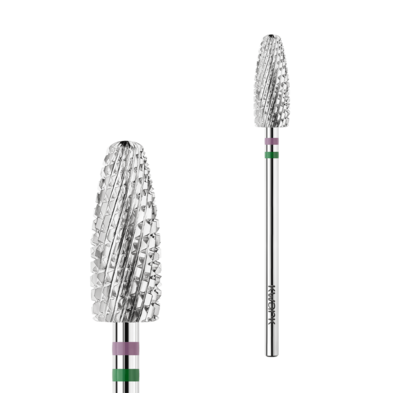
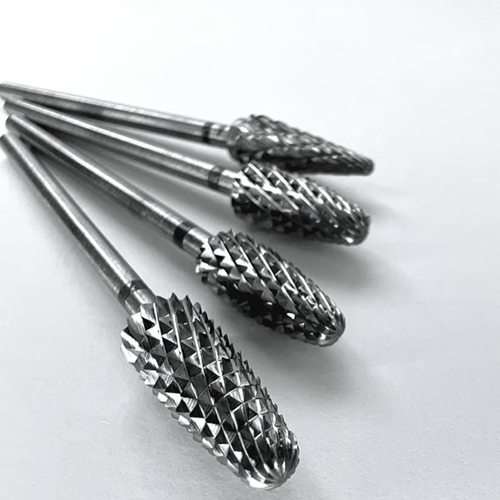
- Corn: the textured surface of this drill bit effectively removes gel polish or acrylic. Medium abrasiveness allows for fast yet gentle work without overheating the nail.
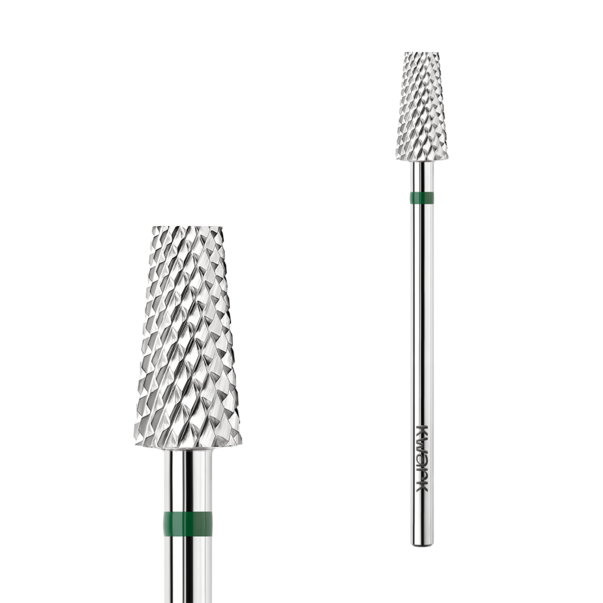
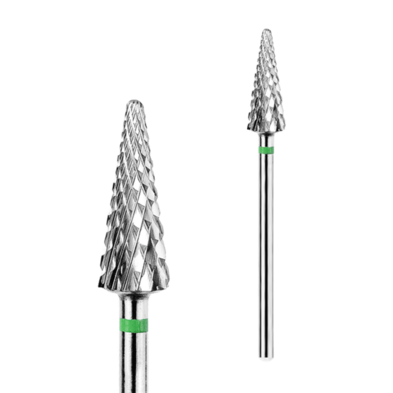
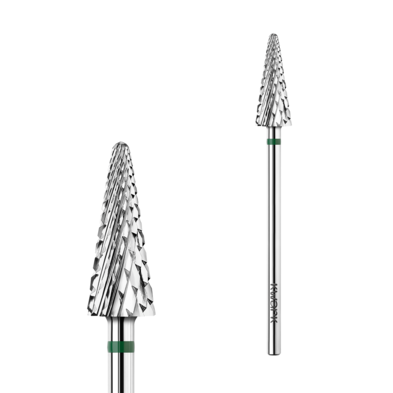
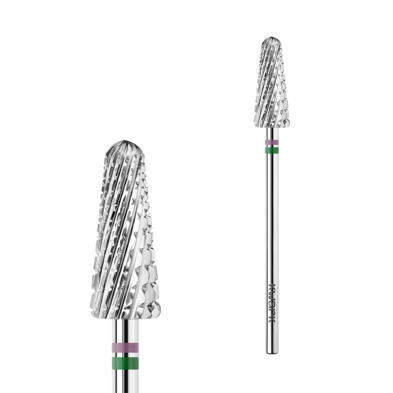
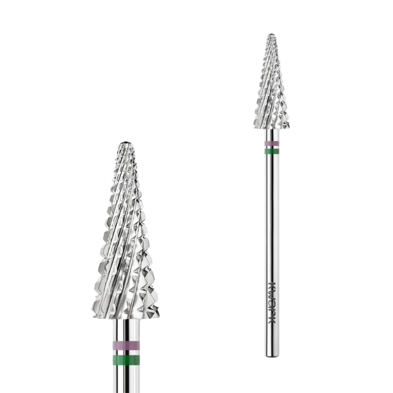
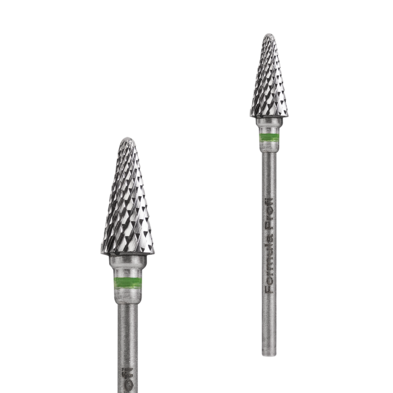
- Cone: a universal shape for correcting nail length and removing material, suitable for both natural and artificial coatings.
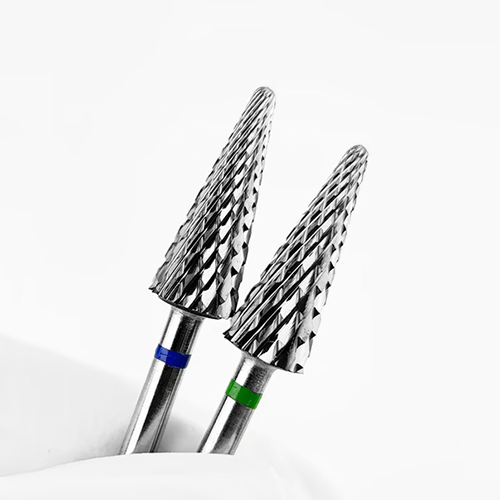
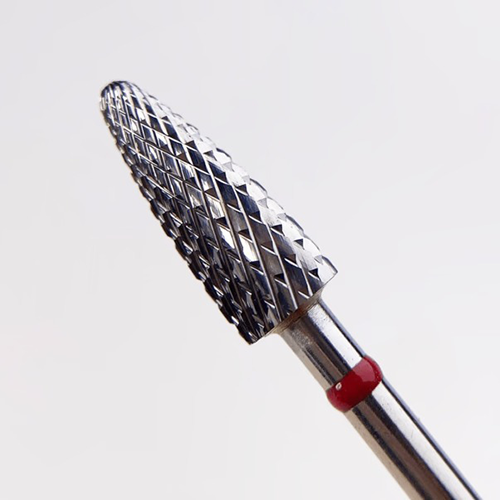
If you buy a nail drill, you will find that they are easy to clean and sterilize, which is important for hygiene. With proper care, they can last for months, even with regular use.
Tungsten Drills: Variety of Shapes and Colors
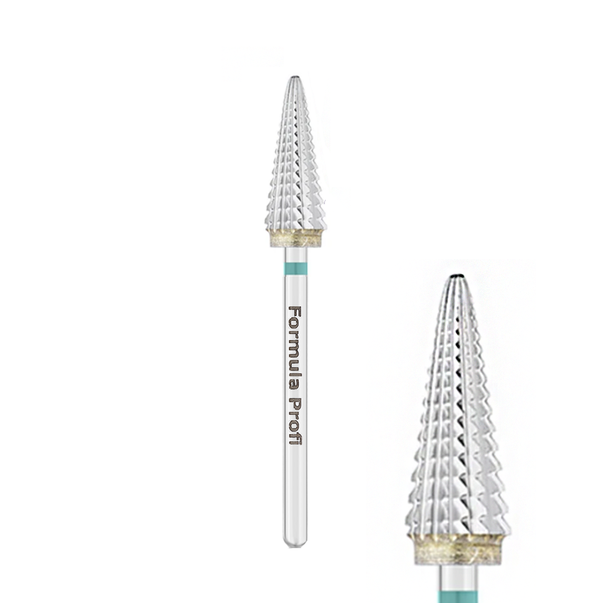
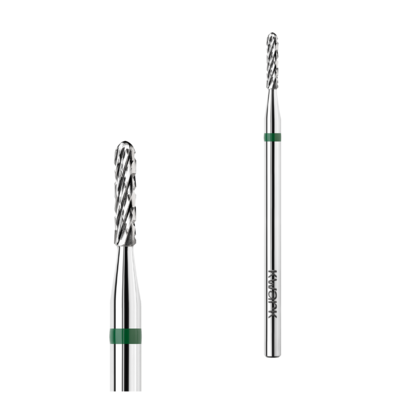
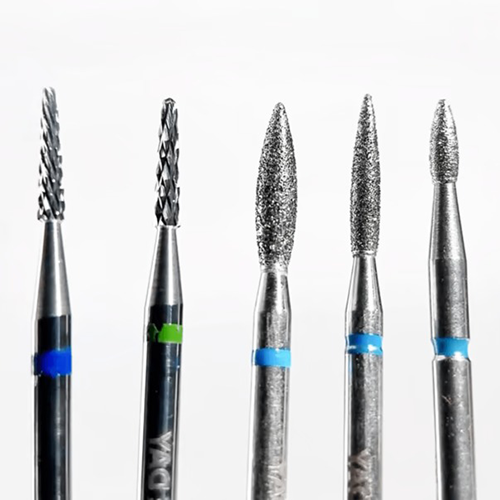
Tungsten attachments are made from a tungsten alloy—a very strong and wear-resistant material. They are produced in cone, corn, and cylinder shapes, and the color of the coating indicates the level of abrasiveness: green—medium, red—soft, blue—coarser.
- Cone: for removing modeling material and treating skin on the feet. The strength of tungsten affects the smoothness and accuracy of the work.
- Corn: for dense coatings such as acrylic or gel. The textured structure speeds up the removal process without causing discomfort.
- Cylinder: for leveling the surface and correcting the shape of both natural and artificial nails.
Professionals choose to buy a nail drill: they practically do not wear out even with intensive use.
Nail Drill Bits: How to Choose the Right One
The choice of attachment depends on the specific task. There are dozens of options available, but the key parameters are shape, material, and abrasiveness.
How to Choose the Shape?
The shape of the head determines the purpose of the attachment:
- Needle: a nail drill for fine work with the cuticle and small details.
- Corn: for quick removal of coatings and working with dense materials.
- Cone: for length correction and skin treatment.
- Cylinder: for leveling and shaping nails.
Each shape has its strengths: the needle is convenient for beginners, while the corn and cone are for masters working with artificial coatings.
Material and Abrasiveness: What Is Important to Know?
With a green coating, the nail drill is a universal option: they are soft enough not to damage the skin but effectively remove decorative coatings. Tungsten drills are intended for complex tasks: processing acrylic or rough skin on the feet. Abrasiveness is selected according to the client's skin type: medium (green) is the optimal choice for most cases, soft (red) is for sensitive skin, and coarse (blue) is for dense materials.
How to Use It Correctly?
To ensure that working with the drill is effective and safe, it is important to consider several points:
- Use a medium speed of the drill (10-15 thousand revolutions per minute) to prevent overheating the nail.
- Hold the attachment at a 45-degree angle to avoid filing the nail plate.
- After each procedure, clean the drill with a brush and sterilize it in an autoclave or UV sterilizer.
By following the rules, you will extend the lifespan of the tool.
Advantages of Quality Manicure Drills
Quality manicure attachments differ from cheap analogs in several characteristics. They heat up less, do not leave scratches on the nails, and last longer. They are compatible with most drills due to the standard shank diameter of 2.35 mm.
Inexpensive tools for hardware manicure wear out quickly and can injure the skin, while quality attachments guarantee consistent results even with frequent use. You can order nail drills from trusted manufacturers such as Formula Profi, LBS, mArt, Nisima, and Dark at the Staleks Shop & Service online store. Choose products based on your tasks, and they will become reliable assistants: from cuticle treatment to polish removal. The perfect manicure starts with the right tool!
Nail drill bit Cost on staleks.ua
Nail drill - customer reviews