One-phase gel polishes








 Buy
 Buy
 Buy
 Buy
 Buy
 Buy
 Buy
 Buy
 Buy
 Buy
 Buy
 Buy
 Buy
 Buy
 Buy
 Buy
 Buy
 Buy
 Buy
 Buy
 Buy
 Buy
 Buy
- 1
- 2
- 3
- 4
- 5
- 10
- Next
One-phase gel polishes are 3-in-1 coatings that combine a base, color pigment, and a finishing top in a single bottle. They do not have a sticky layer, require polymerization in a UV/LED lamp, and allow for a quick gel manicure in just 20 minutes. This is a good solution for pedicures, as it creates an ultra-thin coating that does not press on the nail plate in shoes.
In today's fast-paced life, time has become the most valuable resource. Clients are increasingly looking for ways to shorten their time in the salon without sacrificing the quality of the coating. This is where one-phase gel polish comes into play—a product that breaks the stereotype that a long-lasting manicure requires several hours of work and numerous bottles. Instead of the usual multi-step system, the technician offers clients a ready-made solution that delivers perfect results in just a few minutes.
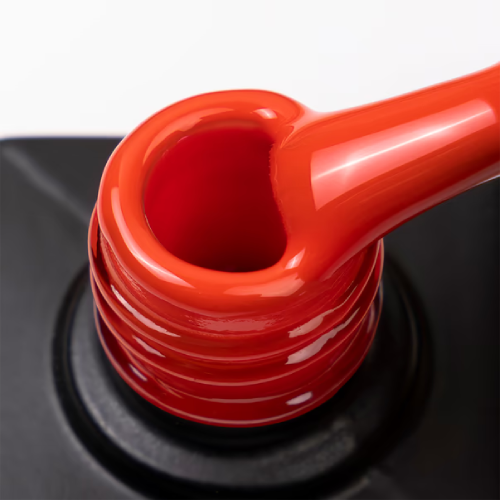
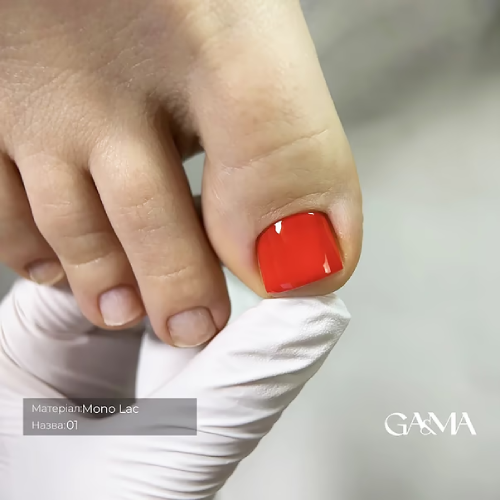
The 3-in-1 gel polish, also known as One Step, is a technological response to the demand for "quick and quality." While such products were once considered a compromise with low durability, modern formulas provide truly reliable wear and a glossy shine.
In this article, we will explore how this system works, who it is suitable for, and who might be better off sticking with the classic approach. We will introduce popular brands that produce such products on the market. We will also explain in detail how to properly apply one-phase gel polish. You can navigate the variety of shades and purchase certified original products for the nail industry at the Staleks Shop & Service online store.
What is a one-phase system and how does it work
One-phase gel polishes are coatings with a hybrid chemical formula that contains components responsible for adhesion (i.e., bonding to the nail), color density, and protective gloss. The main feature of such materials is the absence of a dispersion layer after polymerization. This means that the technician does not need separate bottles for the base and top, nor a liquid to remove stickiness. This is already a clear formula for saving on products.
Technical specifications of one-phase gel polishes
Modern One Step or 3-in-1 gel polish systems differ significantly from the first generations of such materials. Today, these are high-tech products that combine the properties of a hard polish and an elastic gel. They are characterized by the following features:
-
Medium-thin or liquid consistency. The material should not be thick so that the technician can apply it as thinly as possible.
-
Increased pigmentation. One-phase gels contain a high concentration of pigment to cover the nail plate in 1-2 thin layers without gaps.
-
No dispersion. After polymerization, the coating immediately becomes dry and glossy, requiring no removal of stickiness.
-
Standard polymerization time: 30-60 seconds in a UV/LED lamp. However, this depends on the power of the device. It is important that the gel polish for quick manicures is completely dry.
-
Often has a less pronounced odor than acid-based products, but may have a specific solvent fragrance.
-
Low or medium elasticity. After curing, the coating becomes quite hard but brittle when bent, thus requiring a firm and immobile nail plate.
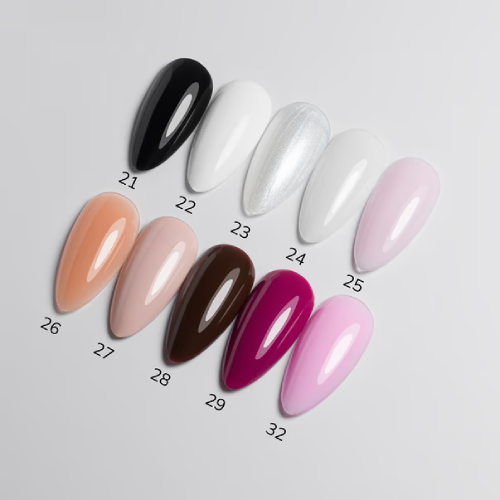
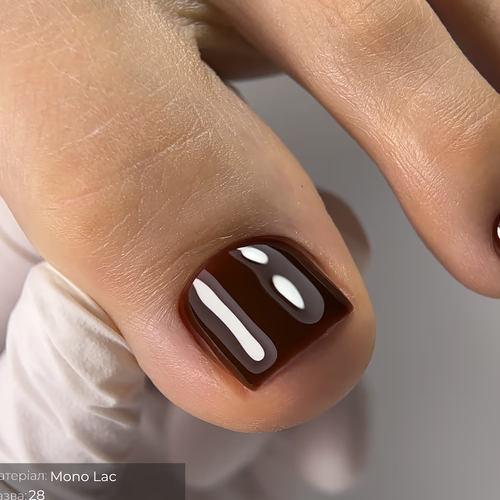
Advantages and disadvantages of the One Step system
Like any professional material, One Step gel polish has its strengths and weaknesses that need to be considered before purchase. Pay attention to the expert opinions of Staleks Shop & Service specialists.
Advantages
Among the main advantages of a manicure with one-phase gel polish, technicians who have already used these modern formulations in practice highlight:
-
Speed: the procedure takes 2-3 times less time than with the classic three-phase system;
-
Thinness: the absence of base and top layers makes the coating weightless, preserving the natural thickness of the nail;
-
Economy: the technician does not need to purchase auxiliary liquids and additional coatings;
-
Comfort: gel polish without base and top hardly burns in the lamp, as it is applied in a thin layer.
Disadvantages
Along with the advantages, one-phase gel polishes also have some disadvantages. Every technician should be aware of them. For example:
-
Inability to level: the liquid consistency does not allow for building architecture or hiding defects in the nail plate;
-
Wear time: on average, 10-14 days on hands compared to 3-4 weeks for three-phase products, although on feet it lasts up to 4-5 weeks;
-
Demanding: suitable only for healthy, even, and strong nails.
Now it remains to weigh the "pros" and "cons" of such coatings. However, as practice shows, a few bottles of One Step gel polish should be in the arsenal of every nail technician.
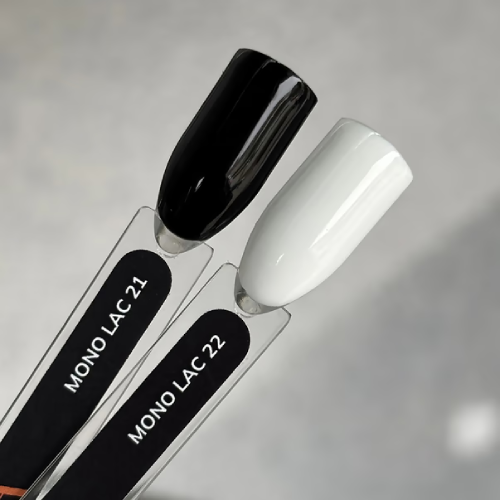
Who and for what are one-phase gel polishes suitable
The application area of 3-in-1 gel polish is broader than it may seem at first glance. It is not only a home option but also a powerful tool in the arsenal of professionals:
-
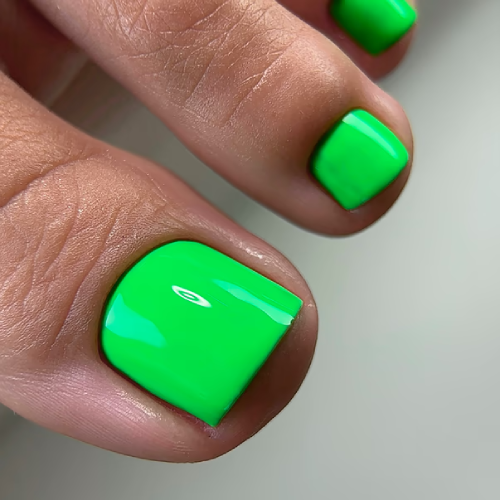
Pedicure. Today, this is the "gold standard" for coatings on feet. One-phase gel polish for pedicures is applied in the thinnest layer, creating no additional volume. This is critically important as it prevents pressure from shoes on the nail and minimizes the risk of onycholysis.
-
Express services. A worthy option for clients who are late or have stopped by for a procedure during their lunch break. Simple application of gel polish saves up to 30-40 minutes.
-
Clients with sensitive skin, prone to allergies. Fewer layers mean less chemical load on the body. Additionally, the absence of dispersion reduces the risk of contact dermatitis. Moreover, the formulas from reliable brands do not contain aggressive components.
Comparison of gel polish systems: One-phase vs Three-phase
To understand which product to choose for a specific task, let’s compare the classic one-step nail coating with the traditional system.
| Criterion | One-phase system (One Step) | Three-phase system (Base + Color + Top) |
| Number of steps | 2 (Preparation + Color) | 4 (Preparation + Base + Color + Top) |
| Procedure time | 20-30 minutes | 60-90 minutes |
| Coating thickness | Minimal, effect of natural nails | Medium or thick, especially due to leveling |
| Wear time | Up to 2 weeks on hands and up to 4-6 weeks on feet | 3-4 weeks on hands |
| Architecture correction | Not possible | Possible for correcting spoon nails, extensions |
| Cost | Low, as fewer consumables are needed | Medium/High — requires many components |
Here we can already say that the one-phase system wins in the "Speed and Price" category. Moreover, it is the absolute leader among coatings for pedicures. The three-phase system remains indispensable for modeling, strengthening weak nails, and complex designs on hands.
Overview of popular brands of gel polishes without base and top
Modern manufacturers offer nail industry professionals a wide selection of one-phase gel polishes for pedicures and express manicures. The table presents verified manufacturers whose products have proven themselves well among technicians.
Brand characteristics
| Brand | Formula features | Palette and purpose |
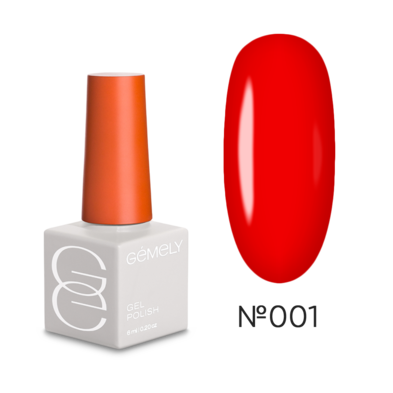
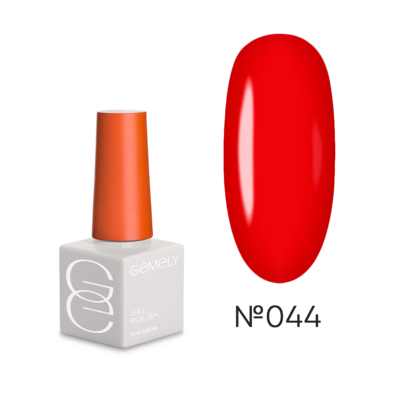
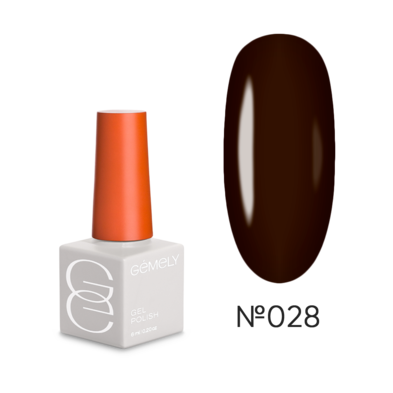
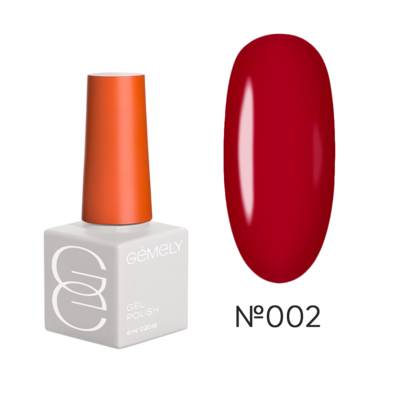
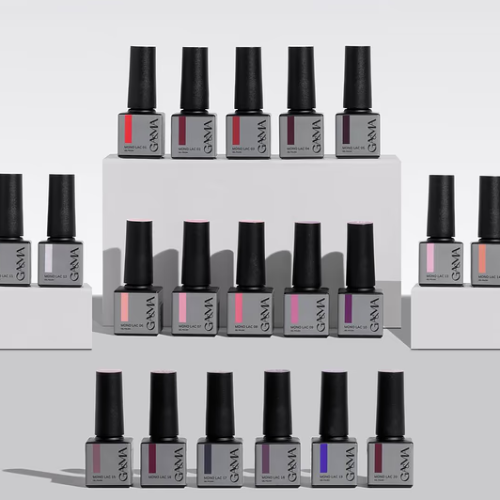
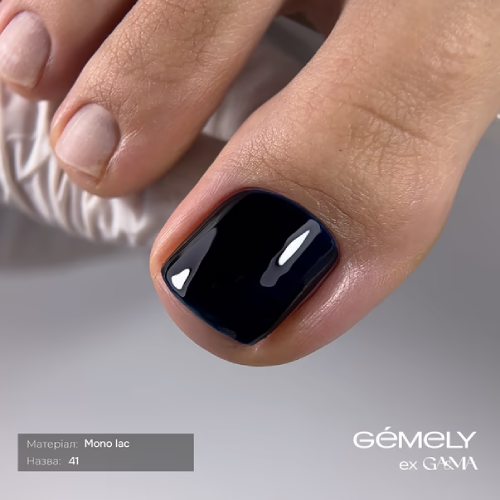
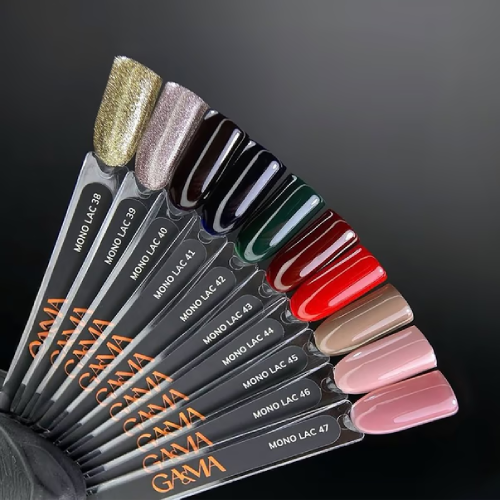
| GAMA (GEMELY) | Dense pigment, hypoallergenic composition. Self-levels well, does not streak even on light shades. | A wide range of classic and trendy shades. Universal for manicures and pedicures. |
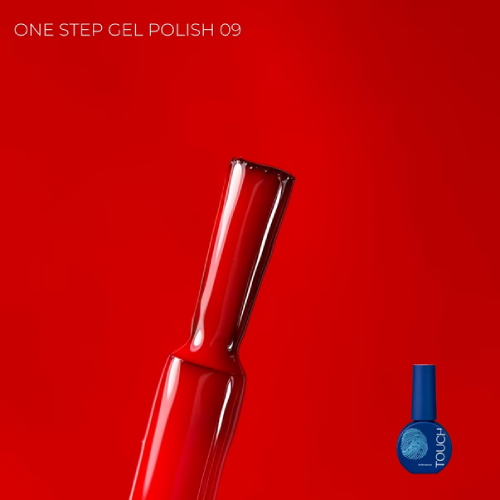
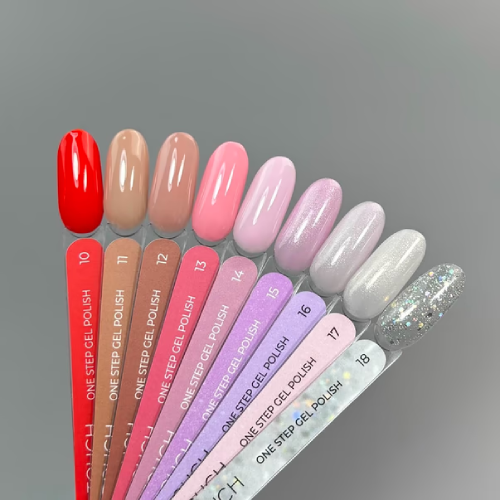
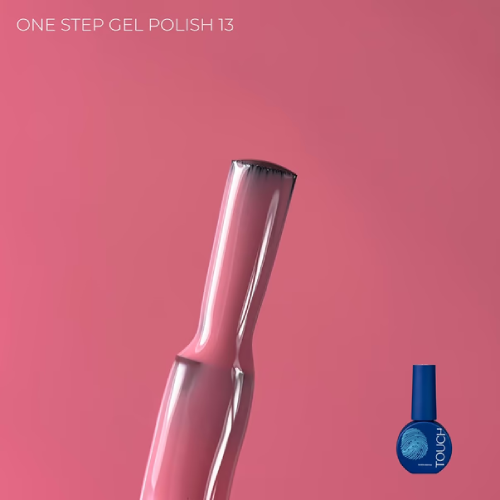
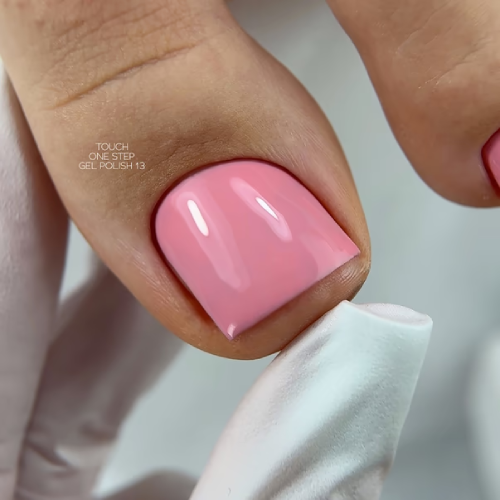
| Touch | Modern medium-viscosity formula. Has a high gloss that does not dull until removal. | Stylish, "expensive" shades. Perfect for application in the "under the cuticle" technique. |
| YONails | Specialized series for podology and express pedicure. Elasticity after polymerization. | Bright, saturated colors. A worthy choice for one-phase gel polishes for pedicures. |
To summarize the information from the table, experts at Staleks Shop & Service note that YONails is the best choice for pedicure technicians. GAMA and Touch offer more versatile solutions that can also be used for express manicures on hands due to their excellent aesthetic properties.
Technology for applying one-phase gel polishes: how to avoid chipping
The seemingly simple application of 3-in-1 gel polish can play a cruel trick. Working with one-phase formulations requires strict adherence to the preparation protocol, as the material has no "insurance" in the form of an adhesive base.
Experienced specialists explain step-by-step how to apply one-phase gel polish:
-
Preparation. Perform a thorough manicure. Use a buffer to lift the nail scales, i.e., remove the shine. This is a critically important step.
-
Degreasing. Thoroughly treat the nails with a dehydrator and cleanser. Allow a few seconds to dry in the air.
-
Primer. Treat with an ultra-bond using a semi-dry brush. This will provide adhesion since there will be no base.
-
First layer. Apply the one-phase gel polish in a very thin, rubbing layer. Seal the edge.
-
Polymerization. Cure in a UV/LED lamp for 60 seconds.
-
Second layer. This one is thicker for color saturation but not too thick. Cure again.
-
Final. The material has no sticky layer, so no dispersion removal is required. You can apply cuticle oil.
Common mistakes: why one-phase gel polish chips
According to experts at Staleks Shop & Service, there are several reasons why quick gel polish manicures lose their aesthetics and functionality. Here are the most common:
-
Thick layer. One-phase gels are highly pigmented. A thick layer does not dry inside, wrinkles, and chips off like a film.
-
Ignoring the primer. Without a base, the primer is the only "glue" for the material. Skipping it leads to chipping.
-
Moist plate. Such a coating will not adhere well on hyperhidrotic nails.
-
Drips. Due to the liquid consistency, the material can quickly drip into the grooves if you take too long or use too much product on the brush.
Key Takeaways
-
The 3-in-1 gel polish does not require a base, top, or removal of the sticky layer.
-
The main advantages of a one-phase gel polish manicure are the speed of the procedure, around 20 minutes, and low cost.
-
A good choice for pedicures: creates a thin coating, eliminating pressure from shoes on the nail.
-
Lasts 10-14 days on hands, up to 4-5 weeks on feet.
-
Not suitable for leveling, strengthening, or repairing nails and requires a perfect initial plate.
-
In the application technology, mechanical preparation (buffer) and the use of primer play a key role.
-
It should be applied strictly in thin layers to avoid "shrinking" of the pigment in the lamp.
-
Brands GAMA, Touch, and YONails offer quality formulas with high pigmentation.
-
The One Step gel polish system is safer for allergy sufferers due to fewer layers and the absence of dispersion.
-
It is a good option for home use and for clients who need a "manicure during lunch break."
FAQ: common questions about the 3-in-1 system
-
Can it be topped with a top coat for better shine? Yes, this is possible. If the client wants additional gloss or to secure a design, such as sliders or stickers, a layer of top coat can be applied over the one-phase polish. However, the surface of the color should be lightly buffed for adhesion beforehand.
-
How to remove the coating? It can be removed either by soaking (with a remover) or by filing with a drill. Since the coating is thin, the removal process is much faster than with a three-phase system.
-
Is it suitable for thin and soft nails? No, it is not recommended. One-phase coating does not create a rigid frame. A soft nail will bend, and a hard coating on it will crack. Such nails require a full system with strengthening.
-
Why did the coating chip after 3 days? Most often, the reason is insufficient nail preparation, such as remaining shine or pterygium, not using a primer, or applying too thick a layer that did not dry completely.
-
Can it be used for drawing designs? Yes, thanks to the high pigmentation and absence of stickiness, it is convenient to draw simple elements, swirls, or use in stamping. They do not require a top coat if the drawing area is small.
-
Is it safe to use in pedicures in winter? This is the safest coating option during the closed shoe season. A thin layer of material does not create excessive pressure on the nail bed, minimizing the risk of ingrowth and nail detachment. However, it is essential that the shoes are not too tight and rigid.
-
Does one-phase gel polish have a sticky layer? The classic 3-in-1 system does not have a dispersion layer after polymerization. This saves time and resources and makes the coating immediately ready for use.
-
Does it thicken in the bottle over time? Like any gel polish, it can become thicker with prolonged exposure to air or UV rays. To extend its lifespan, wipe the neck of the bottle after each use, do not leave it open for long, and store it away from the working lamp or heat sources.
For speed and quality: one-phase gel polishes at Staleks Shop & Service
One-phase gel polishes are a modern, technological solution that should be in the arsenal of every technician, especially during the pedicure season. They significantly reduce procedure time, increase client turnover, and offer quality service at an attractive price. For home use, it is an indispensable product.
By choosing formulations from the Staleks Shop & Service online store, the technician bets on quality and safety. One-phase gel will be a reliable assistant in express service. Managers will help navigate the variety of shades and select the most suitable options based on requests. Various payment methods, fast delivery across Ukraine and abroad make collaboration with Staleks Shop & Service convenient and straightforward.
Gel nail polishes Cost on staleks.ua
Name | Price |
| Discount on Cat Eye Gel Polish Luna Color Cat Eye No. 255 Blue 13 ml 120 days | 250.00 UAH |
| Discount Silver Gel Polish WEEX No. 763 11 ml 120 days | 180.00 UAH |
| Touch gel polish Silk Cat Eye No. 10 red 9 ml | 250.00 UAH |
| Touch gel polish Silk Cat Eye No. 09 red 9 ml | 250.00 UAH |
| Touch gel polish Silk Cat Eye №08 gray 9 ml | 250.00 UAH |
One-phase gel polishes - customer reviews