Low-temperature nail gel: strengthening and modeling without burning










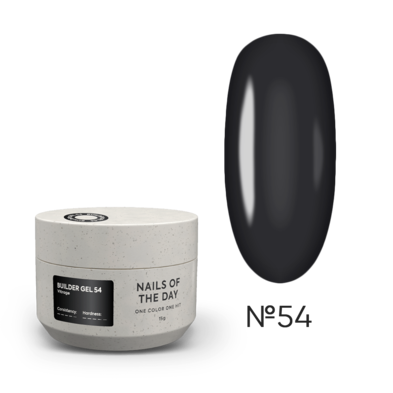

 Buy
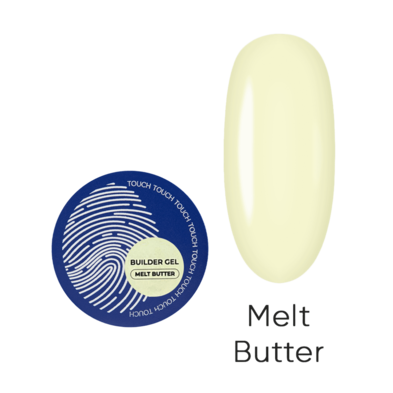 Buy
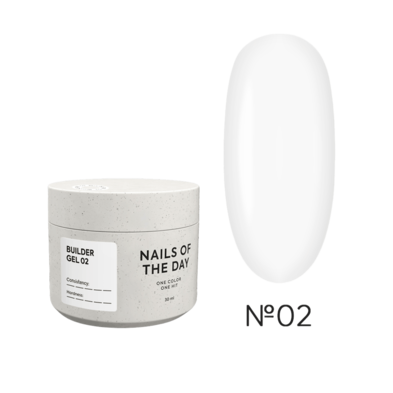 Buy
 Buy
 Buy
 Buy
 Buy
 Buy
 Buy
 Buy
 Buy
 Buy
 Buy
 Buy
 Buy
 Buy
 Buy
 Buy
 Buy
 Buy
 Buy
 Buy
 Buy
- 1
- 2
- 3
- 4
- 5
- 37
- Next
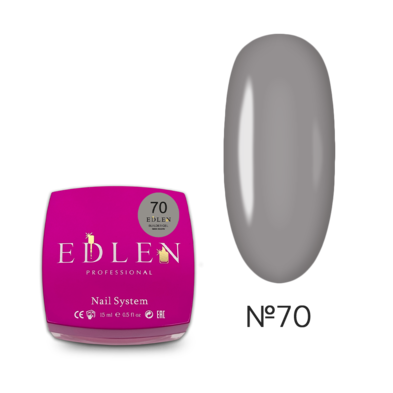
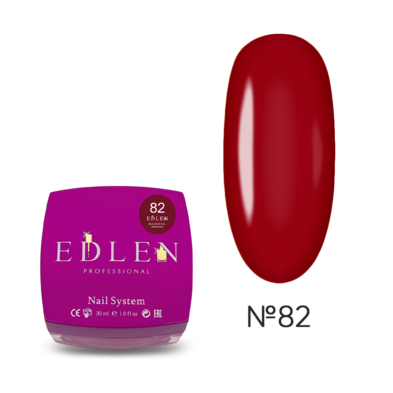
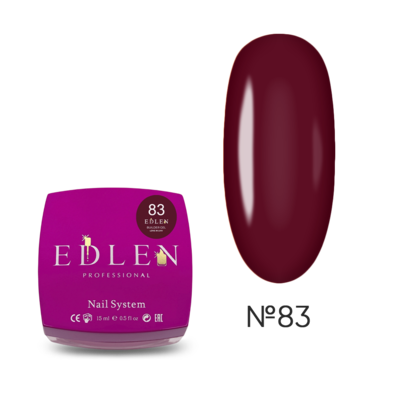
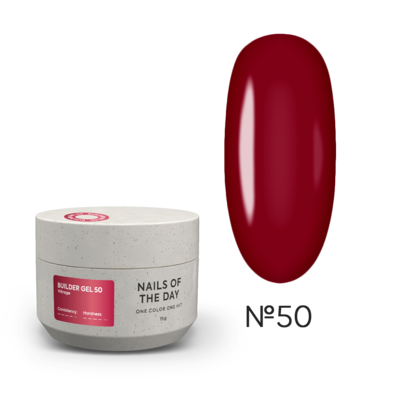
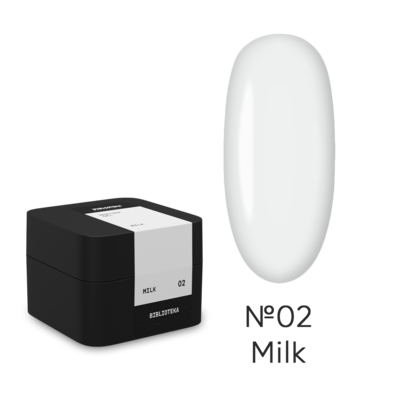
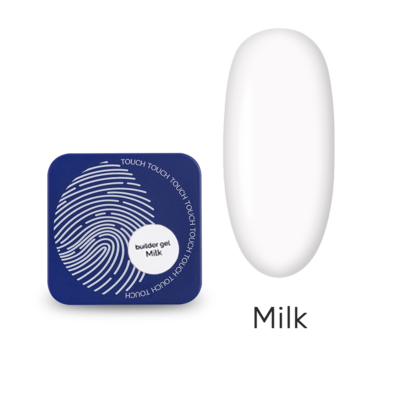
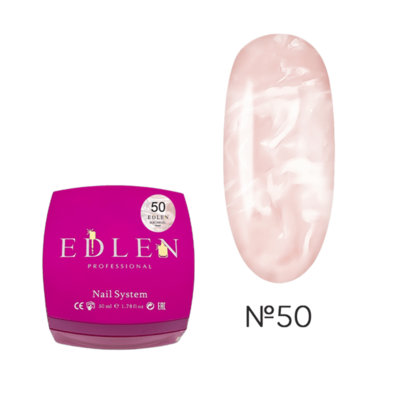
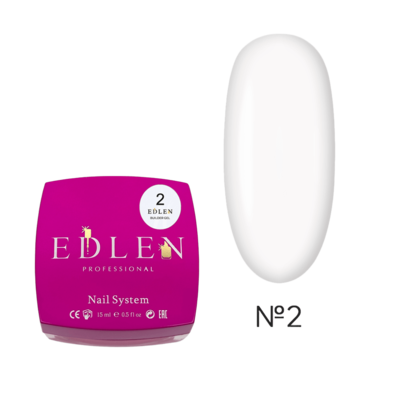
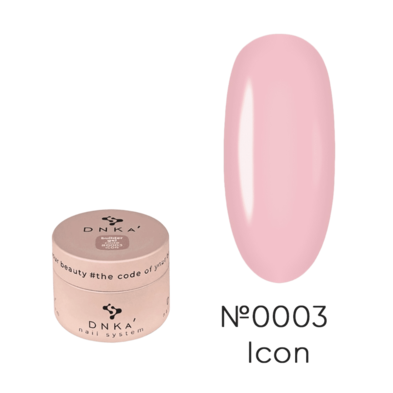
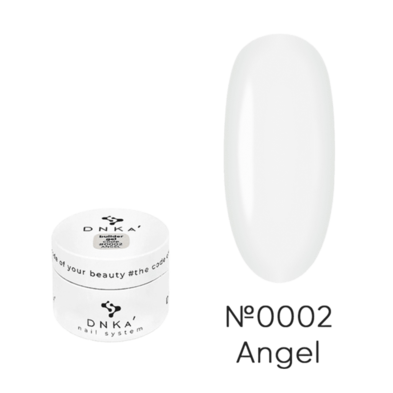
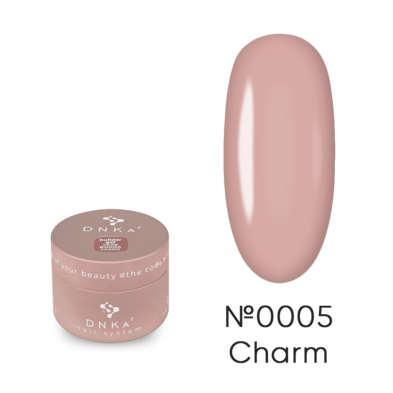
Low-temperature nail gel is a modeling material that polymerizes in a lamp with reduced heat emission. Its main value lies in comfort: where a regular analog causes a sharp burning sensation, low-temperature gel dries almost without heating. This is critical for thin nail plates, weakened nails, and areas after aggressive filing—standard polymerization often becomes painful for them, causing the client to jerk their hand, which ruins the application. Low-temperature material alleviates this problem, and according to manufacturers, it does not lose to the regular one in either density or durability of the coating. The catalog at staleks.ua features low-temperature gels for strengthening natural nails and extensions from brands such as Edlen, Touch, NAILSOFTHEDAY, DNKa, SAGA Professional, and many others.
Low-Temperature Nail Gel: What It Is and When to Use It
Low-temperature nail gel differs from the conventional one not in the composition of the final coating, but in its behavior during drying. To understand where the burning sensation comes from, it is important to know: heat in the lamp is generated not by the lamp itself, but within the gel. While the material hardens, a reaction occurs, and it releases heat. The faster and denser the product sets, the more heat is released in seconds, and the thin plate does not have time to dissipate it—hence the sharp tingling sensation.
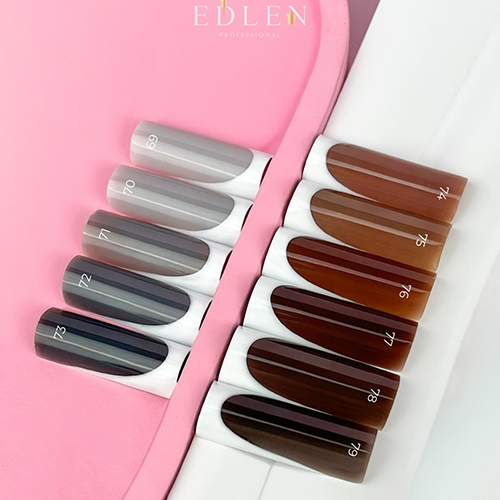
Low-temperature gel gains strength more slowly and stretches the process over time: the same energy is released smoothly, so the peak heat is noticeably lower. The key effects here are complex—the material strengthens and models, but without the heat that causes the hand to be pulled out of the lamp. This is why the category has grown into a separate request among professionals who work with thin and weakened nails and more.
The application area for Low Temperature Gel is wide. This type of gel is used for strengthening the natural plate, extensions on forms and tips, leveling the surface under the coating, and correcting architecture. The main action is a strong reinforcing framework and a smooth surface, but some product positions also have additional effects that allow for an immediate finished design.
Technical Specifications
Before ordering low-temperature gel for nail extensions, it is worth understanding its working properties. Below are the main parameters with explanations:
-
Consistency: varies from liquid to thick, with most positions having a self-leveling effect.
-
Polymerization: in combined UV/LED lamps with a reduced peak heat. The gel gains strength smoothly, without a sharp heat release.
-
Hardness of the coating: after drying, the material retains its shape and edge. The specific hardness depends on the type—there are more elastic ones, closer to rubber, and denser hard compositions.
-
Sticky layer: present in most products, removed with a lint-free wipe at the finish or covered with a top coat.
-
Volume: from 5 to 60 ml. Compact formats are for spot work and shade testing, 50 ml volume is for professionals with high turnover, while 60 ml is a refill for stock replenishment.
-
Packaging format: bottles with a brush for application directly from the jar and jars without a brush for personal tools or soft doypacks that allow for easy pouring into a container.
-
Purpose: for clients with thin "spade" nails, weakened plates, and areas of coating detachment, for those who cannot tolerate heating after removing a dense base and reflexively jerk their hand, which affects the application. Additionally, for professionals in high turnover settings, where fewer complaints about burning mean a quicker and calmer procedure.
-
Compatibility: with standard bases and top coats of gel systems. A separate primer and base are mandatory for adhesion to the plate. An exception is one-phase systems, whose formula already combines the functions of base, top, and color, eliminating the need for a separate base.
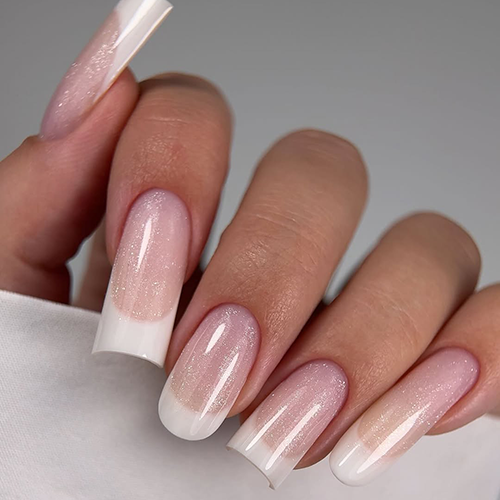
Each of these parameters works in conjunction, starting from density, which determines the technique, to the packaging format, which affects convenience in a specific work rhythm.
Strengthening or Modeling: What's the Difference
The category "low-temperature gel" is often perceived as a single product, but the tasks within it are different. Understanding what exactly you need determines both density and technique. Let's compare two main scenarios.
| Criterion | Strengthening | Modeling |
| Purpose | To strengthen the natural nail without length | To extend length or change shape |
| Density | Liquid or medium | Medium or thick |
| Layer | Thin, follows the plate | Voluminous, with a built apex |
| Tool | Brush, self-leveling | Brush with control, forms or tips |
| Result | Strong natural plate | Defined architecture and length |
The same low-temperature nail gel often addresses both tasks, but it is important to understand that for length, a mass that holds shape is needed, while the priority for strengthening is a material that lays thin and smooth.
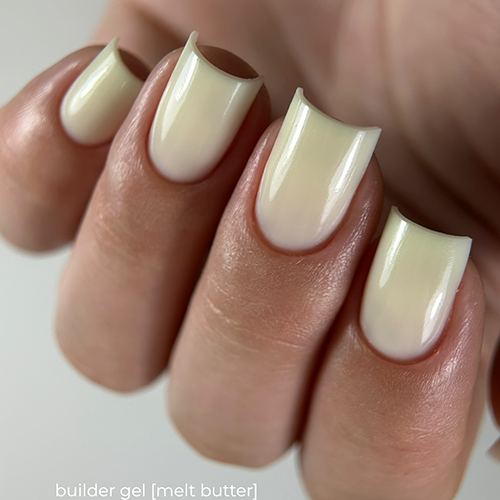
Gel Density: How to Choose for the Task
Since the task determines the density, let's discuss three basic consistency options—this affects how easily the material lays and what it is convenient to do with it:
-
Liquid. Spreads well and self-levels—suitable for strengthening natural nails with a thin layer and for beginners who find it difficult to control a thick mass. It is not used for lengthening: it lacks the thickness to build an apex and hold the free edge.
-
Thick. Does not spread, is molded under brush control, ideal for modeling the free edge and building a pronounced apex. Such low-temperature gel for extensions requires skill, but provides precise shape.
-
Medium. A universal golden mean: sufficiently compliant for application but already holds architecture. The most popular density, it covers most tasks.
If you are unsure where to start, choose medium: it forgives more mistakes and is suitable for both strengthening and simple modeling.
Textures and Decorative Effects
In addition to density, low-burning gels for nails differ in texture—and this is already about design, not mechanics. In the table, we have gathered the main options with scenarios to avoid confusing decorative effects with the purpose of the material.
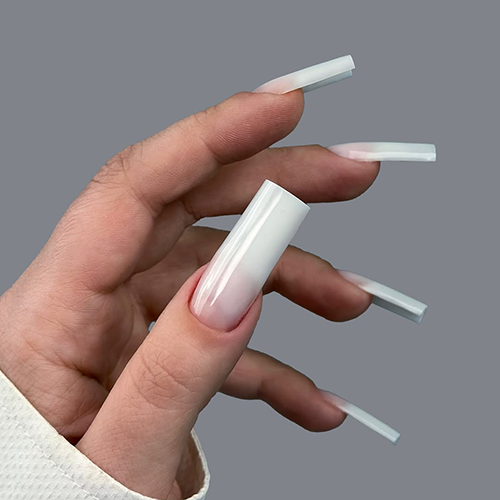
| Type of gel by texture | What it provides | When to use |
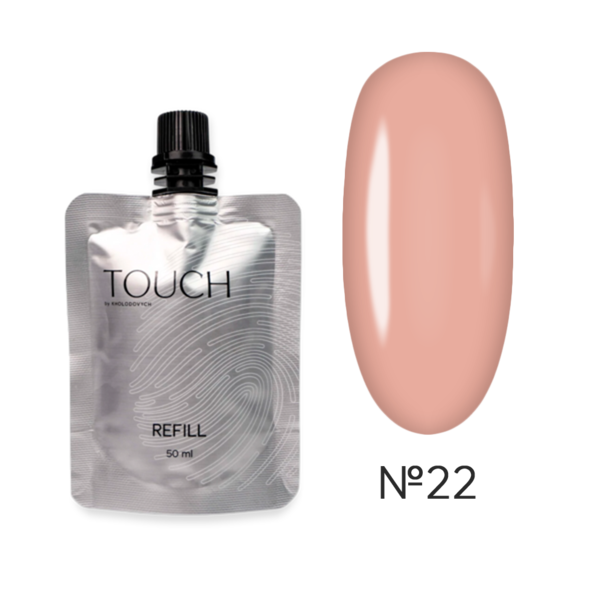
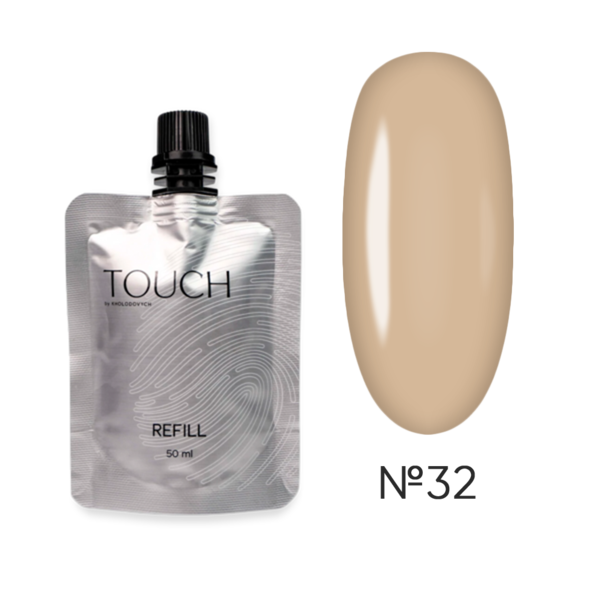
| Camouflage | Dense flesh tone, evens out the color of the plate | Base for French, natural manicure, masking the grown-out area |
| Colored | Rich pigment without additional polish | Monochrome coverage with color directly from the gel |
| With glitter | Shimmering particles in the mass | Accent nail, festive design |
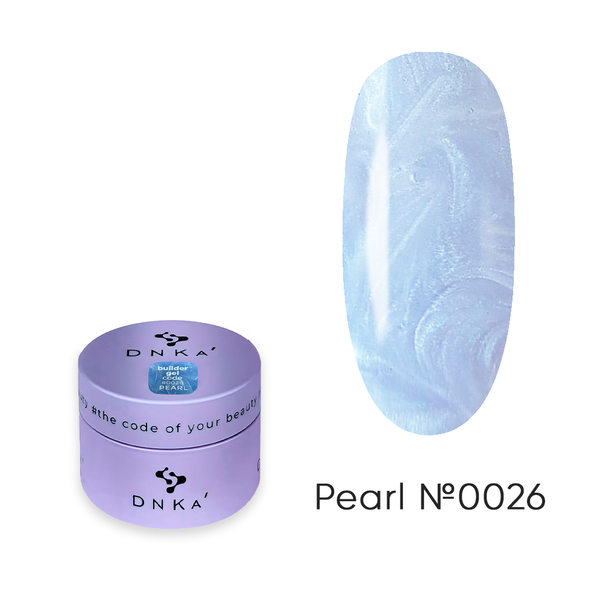
| Pearlescent | Soft satin sheen | Delicate images, nude palette with a twist |
| Reflective | Flash shine in light | Evening manicure, shooting with flash |
| With flakes, gold leaf | Metallic fragments within the layer | Art design, foil effect under the overlay |
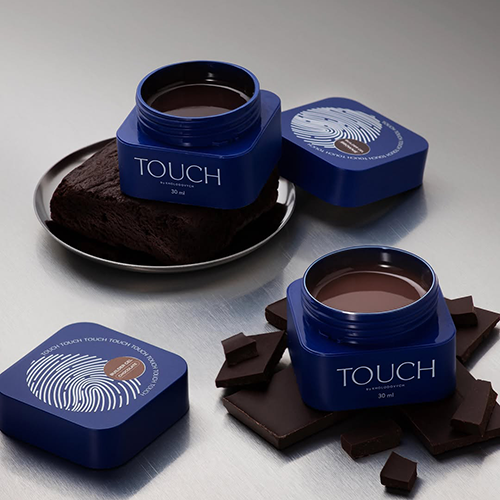
Texture affects only the appearance, not the strength of the framework: reinforcing properties are the same for both transparent and decorative gels.
What to Check Before Purchasing
When the task, density, and texture are clear, it remains to bring everything together. Before buying low-temperature nail gel, check a few points:
-
Density for your technique: liquid for strengthening, medium as a universal option, thick for modeling.
-
Presence or absence of the photo-initiator TPO—if there is increased sensitivity, choose versions without it.
-
Packaging format: bottle with a brush for quick work or jar without a brush for your tool.
-
Volume for workload: compact for testing and rare procedures, 50 ml jars for flow or refills to keep the material always at hand.
-
One-phase or three-phase—depending on skill level and task complexity.
Additionally, consider three heating factors: layer thickness, lamp power, and contact area. Even a quality low-temperature gel will heat up if a thick layer is applied and immediately cured at maximum power.
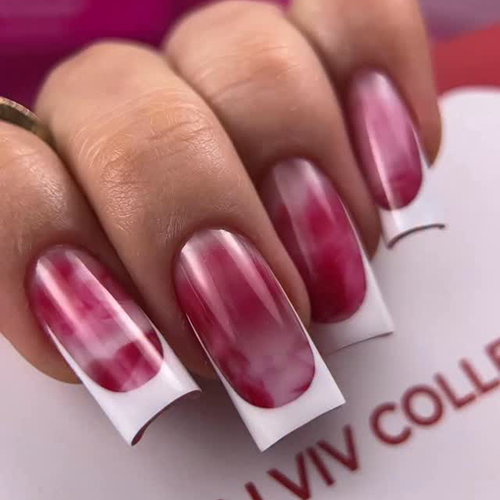
Application Technique for Low-Temperature Nail Gel
The correct order of work determines both the durability and appearance of the coating. When working with low-temperature gel without burning, we recommend following this sequence:
-
Prepare the plate: remove the old coating, shape it, push back the cuticle, buff the surface, and degrease.
-
Apply primer, then base coat, and cure in the lamp according to the base instructions.
-
Pick up the material and distribute it over the plate: thin layer for strengthening or with apex formation for modeling.
-
Polymerize the coating in layers, avoiding excess thickness at once.
-
When extending length, apply a second layer, set the architecture, and cure again.
-
Cover with a top coat, perform final curing, and remove the sticky layer with a lint-free wipe.
The more accurately the algorithm is followed, the cleaner the result looks, and the longer the coating lasts even on complex shapes.
How to Mitigate Heat Flash During Work
Three techniques help mitigate possible heat flashes:
-
Layering. A thin layer releases less heat at once. Two thin layers instead of one thick eliminate discomfort completely.
-
Soft start of the lamp. For the first 5-10 seconds, cure at partial power if the lamp allows, then finish curing at full power. The peak heat is spread over time.
-
Pause at the first warmth. As soon as the client feels the heat, remove their hand from the lamp for a second and return it. The reaction will continue more gently.
These techniques are especially helpful on very thin nails, where even low heating is felt more acutely.
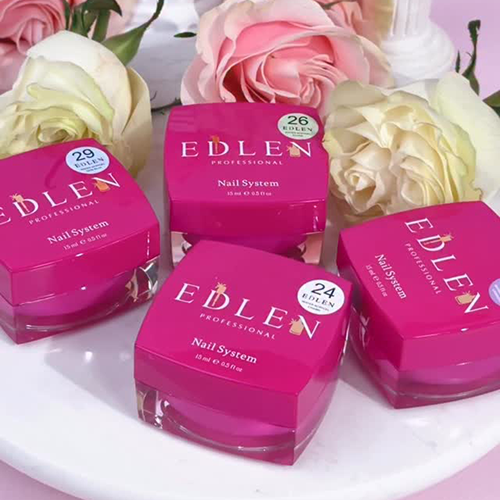
Unusual Working Techniques
Several techniques that maximize the potential of low-temperature gel for extensions and go beyond standard application:
-
Combining densities. A liquid product is used for thin basic strengthening, while a thick one is used on top to build the apex. This way, the framework is both light at the cuticle and strong in the stress zone.
-
Camouflage base. A dense camouflage shade under a transparent overlay evens out the tone of the natural plate and masks the grown-out area between corrections.
-
Dry application of thick product. The thick material is not spread but "placed" in dots and connected with the brush with almost no pressure—this way, the apex shape comes out more precise than with smearing.
Myths and Truths About Low-Temperature Gel
Many misconceptions have accumulated around the category, hindering a balanced choice of material. Let's clarify the most common ones:
-
Myth: such gel holds worse than regular gel. After full curing, the coating is equally durable: soft polymerization only changes the heating, not the final strength of the framework.
-
Myth: low-temperature means soft. People confuse low heating during work with the hardness of the final layer. These are different things: the gel heats less but hardens into a strong framework.
-
Myth: it is only needed for thin nails. In fact, it is suitable for everyone, and especially useful for sensitive clients—comfortable drying is never excessive. There is one limitation common to all gels: it is not used if there is already an allergy to acrylates (the base of gel materials). If there is no allergy, it is important not to provoke one—this is monitored by ensuring that uncured gel does not come into contact with the skin.
-
Myth: only cheap material heats up. Heating depends on the chemistry of the reaction and the thickness of the layer, not the price.
FAQ: Common Questions About Low-Temperature Nail Gel
-
What is TPO and why is it absent in some formulations? TPO is a photo-initiator, a substance that triggers the gel's hardening under the lamp. As of September 1, 2025, TPO is banned in cosmetics in the EU (Regulation 2025/877, CMR classification 1B, with no concentration threshold), and the UK will introduce a ban in August 2026. Manufacturers have massively reformulated their lines, which is why materials labeled “TPO free” have appeared on the market.
-
Are there one-phase low-temperature gels? Yes. One-phase low-temperature gel for nail extensions combines the functions of base, modeling layer, and top coat in one product. It is used for speeding up work and training: fewer layers, fewer materials. For complex architecture, professionals still more often choose three-phase systems, where each layer serves its purpose.
-
How to properly store the gel so that it does not change properties? Keep the jar closed, away from direct sunlight and heat: light triggers partial polymerization, causing the material to cloud and thicken right in the container. The working consistency depends on the temperature in the room—thicker in the cold, more fluid in the heat. Before the procedure, allow it to reach room temperature.
-
Can I mix gel from one brand with base and top from another? Technically yes, but a system from one brand works more predictably. Different materials have different shrinkage during polymerization, and at the junction of foreign layers, delaminations sometimes occur. If you combine them, check the bond on one nail.
-
What is the purpose of the sticky layer, and can it be wiped between layers? The sticky layer is not a defect, but rather what allows layers to adhere to each other. It should not be wiped during the process; otherwise, the next layer will adhere poorly. It is only removed at the finish, after the top coat.
-
Is it true that low-temperature gel does not heat up at all? There is no such thing as completely zero heating: any polymerization generates heat. "Low-temperature" means a reduced and stretched peak over time, not its absence. It is felt individually: some feel no heat at all, while others feel a slight warmth by the end of curing—this is normal.
-
How is low-temperature gel removed? Only by filing with a drill or manually with a hard file, like any hard analog. It does not dissolve in removal liquid, unlike gel polish, so soaking does not work—the material simply does not soften.
-
Is it suitable for beginners? Yes. Comfortable drying without burning reduces stress for the model, meaning the master does not rush and works more carefully. It is easier to start with transparent formulations—they make the thickness of the layer and application flaws more visible.
Low-Temperature Nail Gel in the Staleks Shop & Service Catalog
The material with soft polymerization has made the procedure comfortable, which previously caused burning for clients with thin and weakened nails. It is equally good for reinforcing one's plate and for lengthening, and the wide selection of densities and textures allows for choosing an option for any technique—from nude strengthening to bright designs using gel.
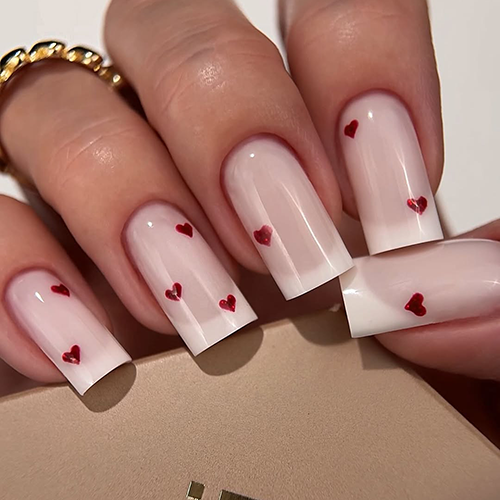
Low-temperature nail gels from Edlen, Touch, NAILSOFTHEDAY, DNKa, SAGA Professional, and other well-known brands are available for order at staleks.ua. The entire line is in stock, ordering takes a couple of minutes, and delivery is possible across Ukraine and abroad: Nova Poshta, Ukrposhta, Meest, international with online payment. If you need assistance with selecting density or shade, Staleks managers will consult on any item. You can purchase the suitable product with a guarantee of originality.
-
Polymerizes with a reduced peak heat—procedure goes without burning.
-
Heat during drying is generated inside the gel from the reaction itself, not from the lamp.
-
Addresses two tasks: strengthening the natural plate and modeling length.
-
Density can be liquid, medium, or thick—for different techniques.
-
Volumes range from 5 to 60 ml, where 60 ml is a refill for stock replenishment.
-
Available in bottles with brushes and in jars without brushes.
-
After drying, the coating retains its shape; hardness depends on the type of gel.
-
Textures: camouflage, colored, pearlescent, with glitter, reflective, with flakes and gold leaf.
-
Removed by filing, not soaking.
-
There are one-phase versions and options without the photo-initiator TPO for sensitive clients.
Gel for nail extension Cost on staleks.ua
Low-temperature nail gel: strengthening and modeling without burning - customer reviews