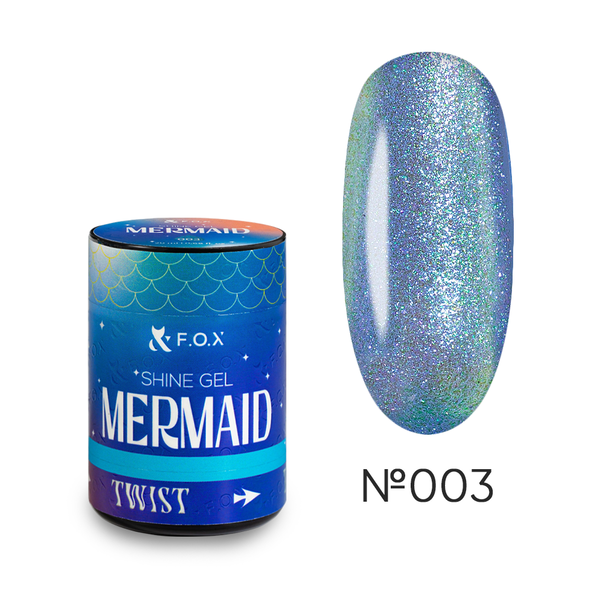
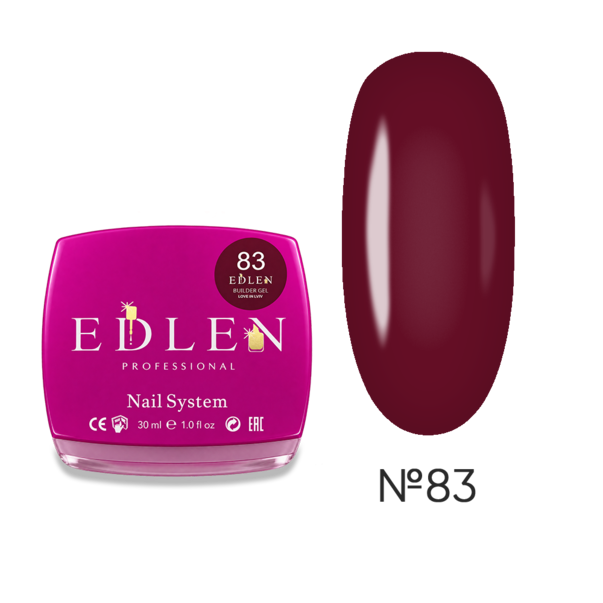
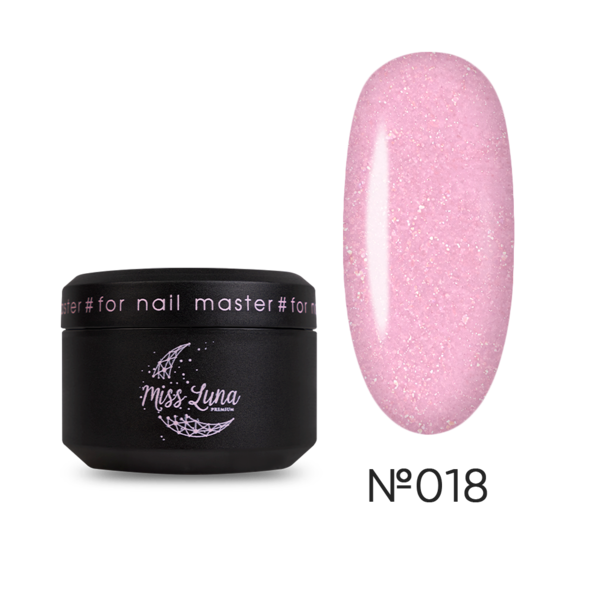
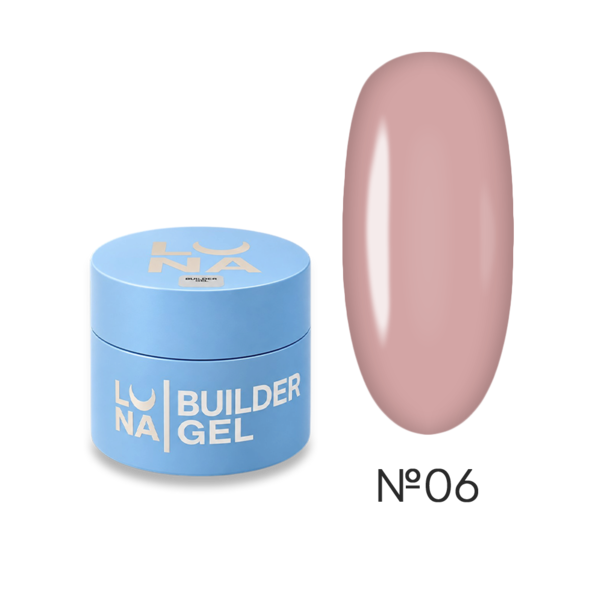
Nail gels without TPO












 Buy
 Buy
 Buy
 Buy
 Buy
 Buy
 Buy
 Buy
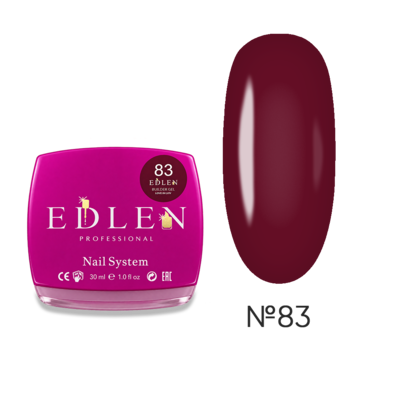 Buy
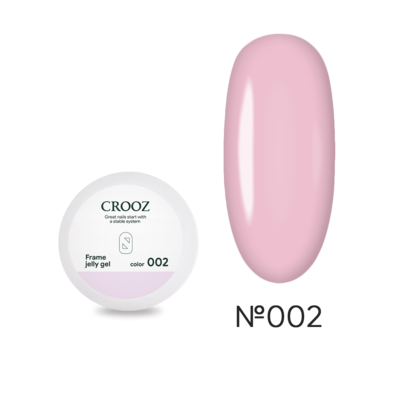 Buy
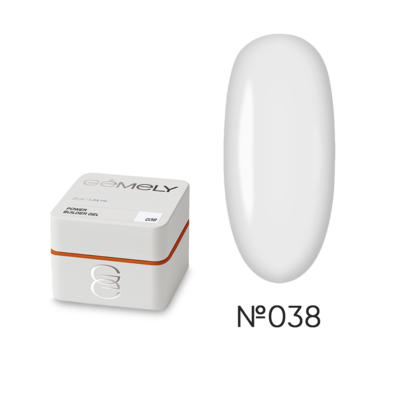 Buy
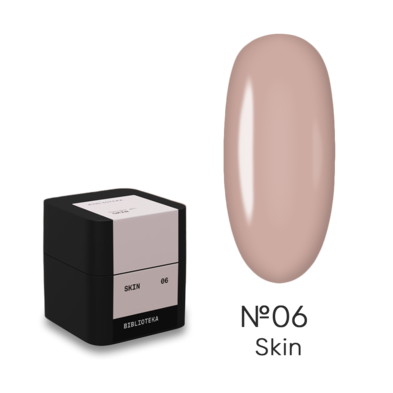 Buy
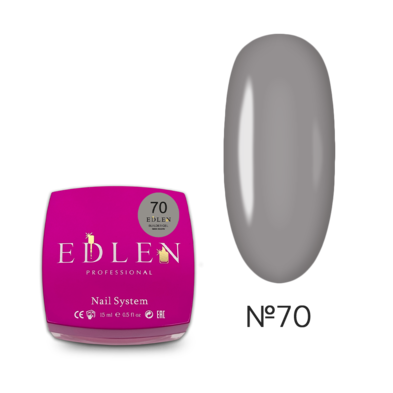 Buy
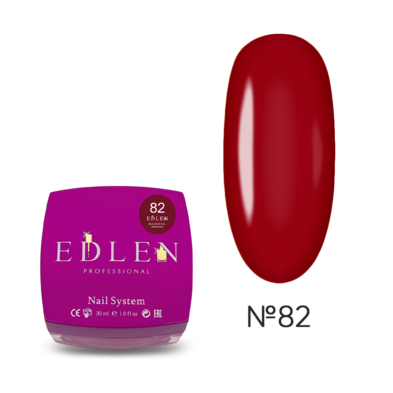 Buy
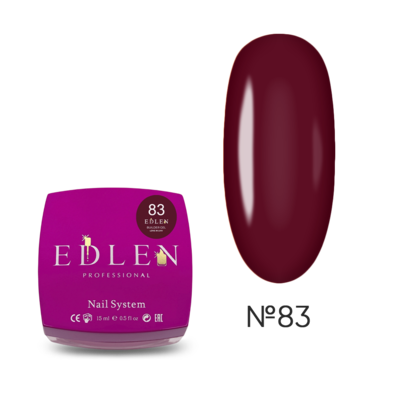 Buy
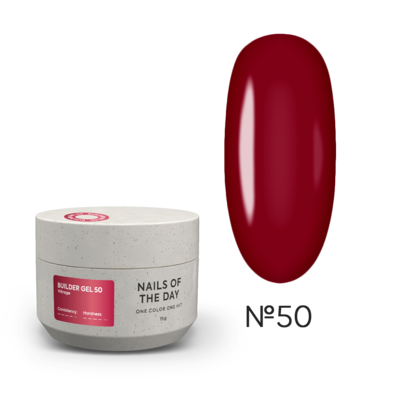 Buy
 Buy
 Buy
 Buy
 Buy
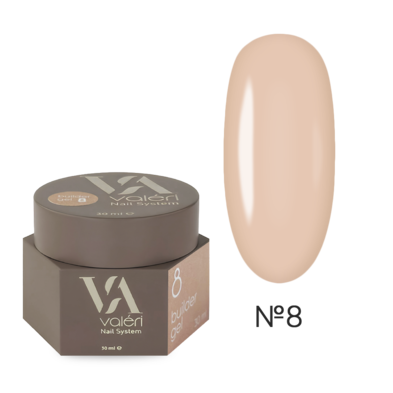 Buy
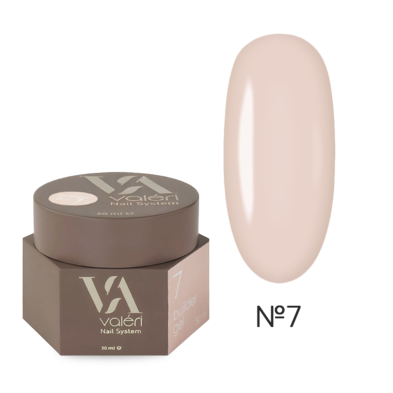 Buy
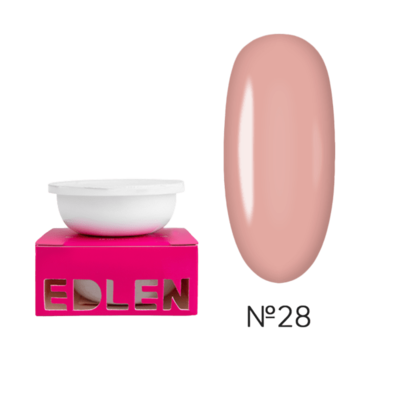 Buy
- 1
- 2
- 3
- 4
- 5
- 97
- Next
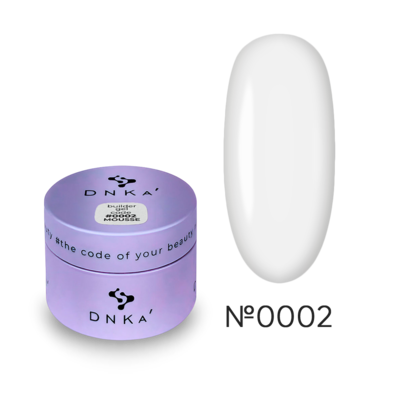
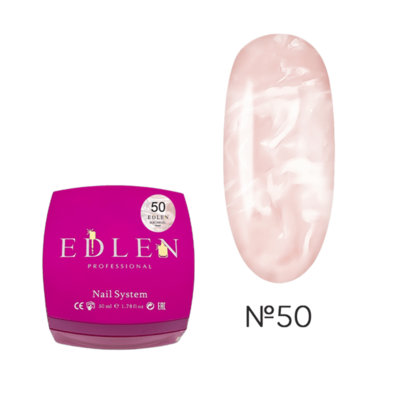
TPO-free nail gel is a next-generation modeling material that excludes the toxic photoinitiator Trimethylbenzoyl Diphenylphosphine Oxide from its composition. Such formulas fully comply with European standards while maintaining high structural strength. At the same time, thermal effect control (exothermic reaction) is achieved by applying the material in the correct layer and using a low power mode (Low Heat Mode / 99s) in the lamp. The catalog at staleks.ua features certified TPO-free lines from leading brands such as Adore Professional, BIBLIOTEKA, F.O.X, DNKa, Edlen Professional, LUNAmoon, Valeri, Touch, and other manufacturers.
In this material, staleks.ua will analyze the chemical basis of safe formulas and alternative components, determine who and why should switch to such compositions, and also review the key rules for application and polymerization for stable wear of the coating without peeling.
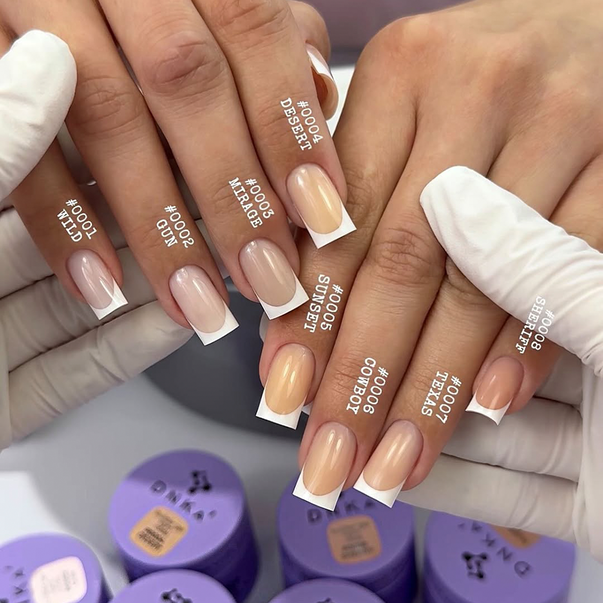
Main Characteristics of TPO-free Nail Gels
Modern formulas without the TPO component have been developed while retaining all the familiar working characteristics: they do not require a change in application technique, provide reliable adhesion to the natural plate, and maintain the specified architecture of any length. To quickly evaluate the technical parameters and select the material for the master’s tasks, the basic properties of the products have been summarized in a single list.
-
Type: professional modeling material for nails.
-
Category: materials for nail extension, modeling, and strengthening.
-
Product type: acid-free and low-acid hard gels (liquid gels in bottles, classic building gels, jelly gels, acrylic gels).
-
Purpose: strengthening thin and weakened nails, extending corners, repairing cracks, modeling on lower and upper forms, "no filing" technique.
-
Area of application: professional salon and home manicure, pedicure.
-
Consistency: from medium-liquid (self-leveling Liquid/Bottle gels) to highly viscous and thixotropic (jelly, soufflé, polygels).
-
Self-leveling: high in liquid and classic gels; medium/minimal in jelly gels and acrylic gels (maintain shape until polymerization).
-
Hardness: high (hard frame material, does not shrink during wear and maintains the shape of the free edge).
-
Palette: crystal clear (Clear), milky (Milky), camouflage nude shades (Cover/Nude), colored and shimmering (with shimmer, gold leaf, micro glitter).
-
Polymerization: drying in UV, LED, and hybrid UV/LED lamps with power from 36–48W.
-
LED: full polymerization in 60–90 seconds (for densely pigmented camouflage and thick layers – up to 120 seconds in Low Heat Mode).
-
Composition: urethane dimethacrylate oligomers, purified monomers, safe photoinitiators, color stabilizers, mineral cosmetic pigments (9-Free / 11-Free, HEMA-Free).
-
Photoinitiator: TPO-L and BAPO (EU-approved analogs not included in the list of banned substances). TPO – 0% (without toxic components of category CMR 1B).
-
Compatibility: fully compatible with elastic rubber and acid-free base substrates, gel polishes, and finishing tops of any professional brands.
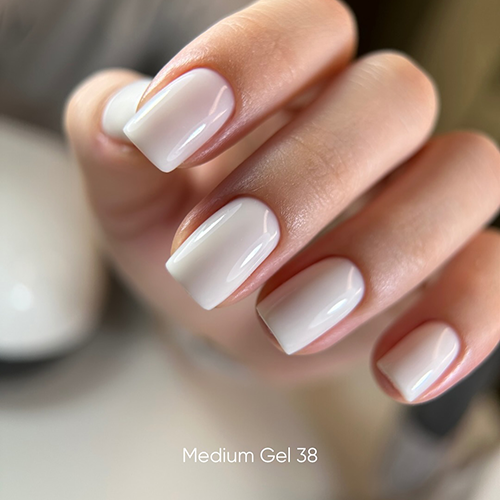
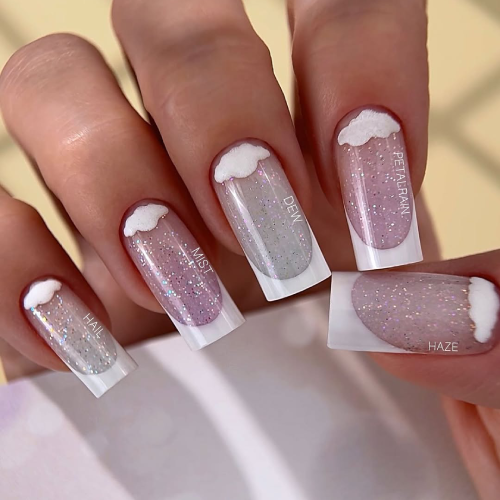
How TPO-free Nail Gel Differs from Regular Gel
The main difference lies not in the application technique or the strength of the coating, but in the chemical architecture of the polymer. In classic modeling gels, the photoinitiator TPO has been responsible for curing the material for years: it ensured rapid drying but provoked an aggressive exothermic reaction (sharp burning), had a confirmed toxicological risk (classified in the EU as a substance of category CMR 1B), and with regular contact with the skin could increase the risk of sensitization and contact dermatitis. In next-generation formulas, it has been replaced with alternatives (TPO-L, BAPO), preserving architectural rigidity and completely excluding CMR category substances from the composition.
| Parameter | Regular Nail Gel | TPO-free Nail Gel |
| Main photoinitiator | TPO – Diphenyl(2,4,6-trimethylbenzoyl)phosphine oxide (CAS 75980-60-8). Included in the list of banned substances in the EU regulation. | TPO-L (Ethyl (2,4,6-trimethylbenzoyl) phenylphosphinate, CAS 84434-11-7) and BAPO (CAS 162881-26-7). Approved analogs with a different toxicological profile. |
| Toxicological profile | Belongs to category CMR 1B (potential reproductive toxin and cumulative allergen). | Safe profile, compliant with strict EU regulation directives. |
| Thermal effect (exothermic reaction) | Sharp temperature spike during polymerization, strong burning sensation on thin and sensitive nails. | Smooth heat release, gentle polymerization even on thinned plates. |
| Effect on natural nail | Risk of thermal discomfort and peeling when polymerization technology is violated or when the thin plate overheats. | Reduces overall toxicological load on the body, eliminates accumulation of reproductive toxins, and minimizes the risk of contact dermatitis for both the master and the client. |
| Optical stability | Prone to yellowing or cloudiness over time when TPO dosage is violated. | Crystal clarity in Clear gels and stable shades in camouflage without blue or yellow tones. |
| Smell during work and polymerization | Characteristic smell of monomers and oligomers, intensity depends on the formula of the base. | Standard moderate smell of acrylates (replacement of the photoinitiator does not affect the volatility of monomers). |
| Adhesion and frame rigidity | High rigidity, strong frame. | Absolutely identical rigidity: does not sag in the stress zone and maintains the arch. |
| Equipment requirements | Cures in any old and new type lamps (UV/LED). | For quality and fast polymerization (60–90 sec), UV/LED lamps with a power of at least 48W (365+405 nm) are recommended; in old fluorescent UV lamps, drying time doubles. |
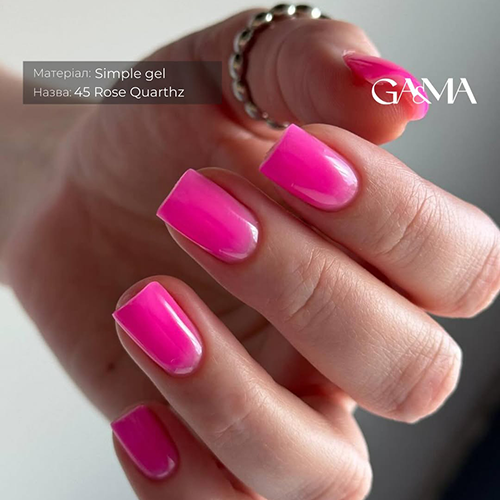
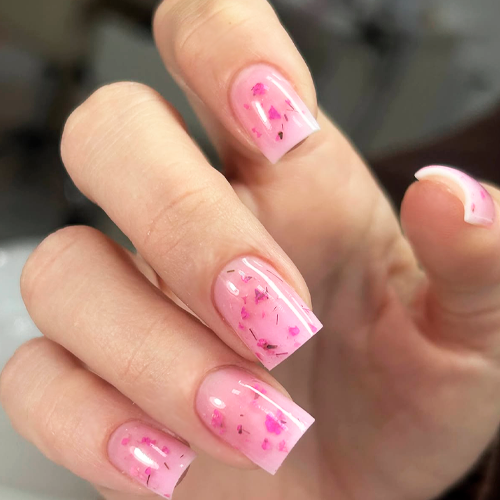
Who Should Use TPO-free Nail Gel
Next-generation materials are chosen not only because of the trend towards eco-safety but also to solve specific tasks in daily salon work:
-
Masters with a tight work schedule: Daily hours of work with materials of high chemical activity often provoke cumulative allergies, nasal congestion, or dermatitis on the hands. Switching to non-toxic compositions protects the master’s respiratory system and skin.
-
Clients with sensitive or thinned nails: The thermal shock in the lamp (peak burning) on damaged plates is minimized thanks to gentle photoinitiators.
-
Lovers of durable long coatings: Despite the gentle formula, the gel maintains a rigid frame. It does not twist, does not sag in the stress zone, and holds the architecture on long nails of any shape (square, almond, oval).
-
Allergic individuals and those with reactions to standard bases/gels: Users who previously experienced itching, redness of the skin around the cuticles, or peeling due to individual intolerance to old components.
-
Clients with hyperhidrosis and problematic nail plates: Suitable for clients with hyperhidrosis, provided there is quality preparation (thorough dehydration) and application of an elastic adhesive base.
Composition and Active Components of TPO-free Nail Gels
The formulas of safe gels are built on a balanced combination of polymers, gentle photoinitiators, and purified additives. They do not contain components with high volatility and aggressive effects on onychoblasts, and all substances are selected to ensure that the material retains its strength and does not lose its gloss for 3–4 weeks.
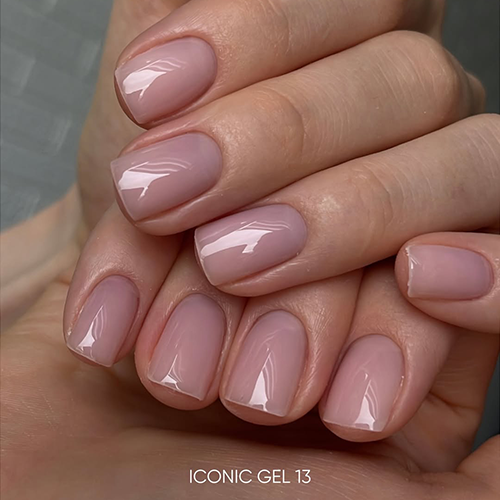
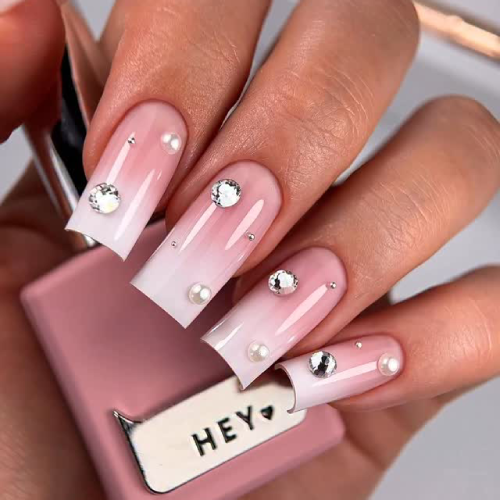
| Component / Group of Substances | Technological Function in the Composition | Practical Effect for the Master and Client |
| Urethane dimethacrylates (UDMA) | Main polymer frame of the gel. | Responsible for the rigidity of the structure, holds the shape of the arch, and prevents chipping at the free edge. |
| Photoinitiators TPO-L / BAPO | Initiate the curing reaction under the influence of UV/LED rays. | Ensure complete and even curing of the pigmented layer with minimal toxicological risk to the skin and respiratory tract. |
| Aliphatic monomers | Regulate the density and viscosity of the material. | Provide smooth self-leveling of the drop, reduce filing time and brush distribution. |
| Silica / Silicon Dioxide | Thixotropic additive and texture stabilizer. | Prevents the gel from flowing onto the cuticle and sidewalls during architecture application, keeps the drop in place. |
| Micronized titanium dioxide | Basic white pigment of high purity. | Creates a dense milky shade or a soft base for camouflage nude bases without gaps. |
| Cosmetic mineral pigments (CI) | Color fillers for camouflage. | Maintain the original tone of the coating without fading in the sun, yellowing, and loss of shade during wear. |
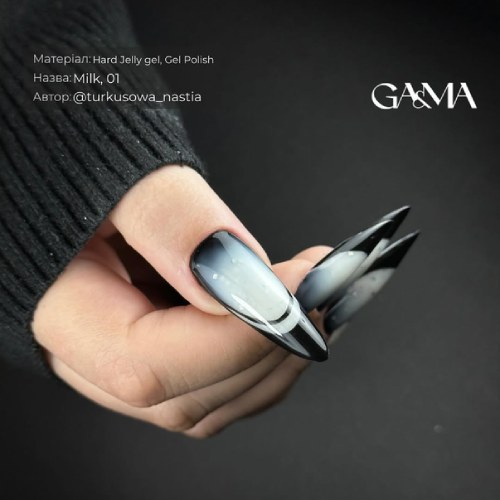
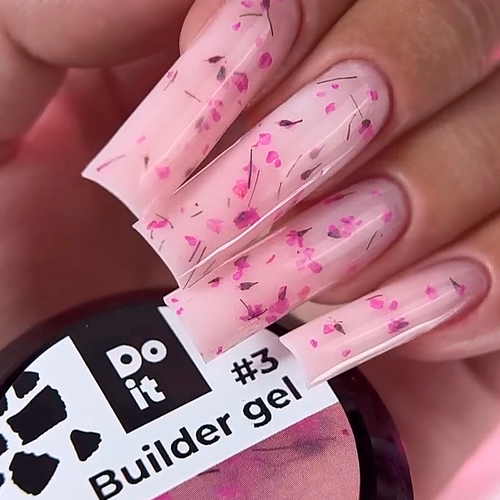
Popular TPO-free Nail Gels in the staleks.ua Range
Manufacturers are gradually transitioning formulas to European safety standards, so the absence of TPO is confirmed by the composition of each specific series. At staleks.ua, lines with a clean list of components have been selected, where polymerization is ensured by gentle photoinitiators TPO-L and BAPO. The table below features a selection of verified series for different techniques:
| Brand and Line | Texture and Density | Features and Purpose |
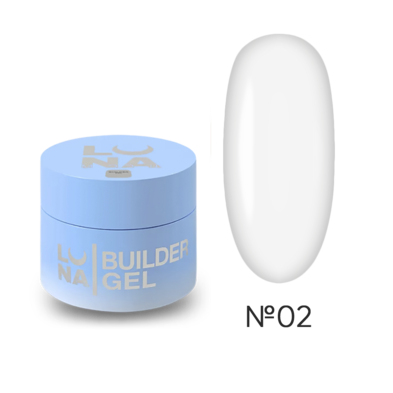
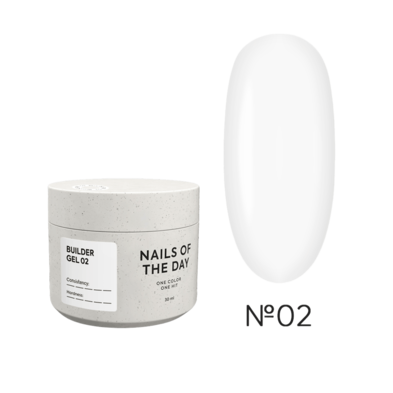
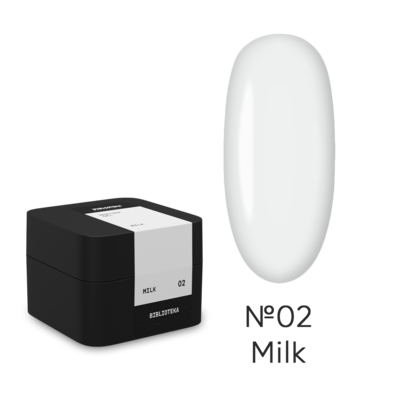
| BIBLIOTEKA Builder Gel (e.g., Milk 02) | Medium thick, self-leveling | Classic camouflage gel. Ideal for modeling, densely covers the free edge without spots, holds shape without sagging. |
| LUNAmoon Gel Premium (e.g., No. 27) | Light, mobile consistency | Premium self-leveling gel for fast "no filing" technique and strengthening natural nails. Does not create excess volume. |
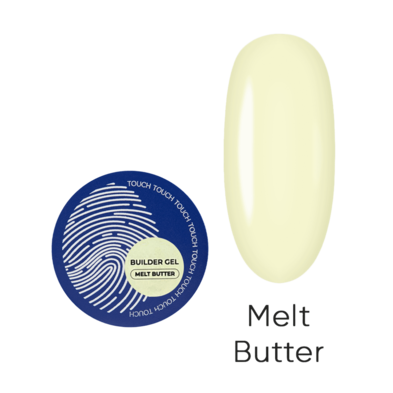
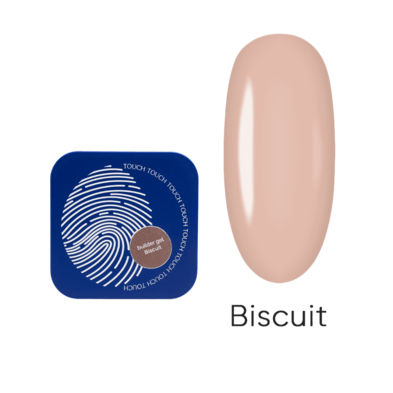
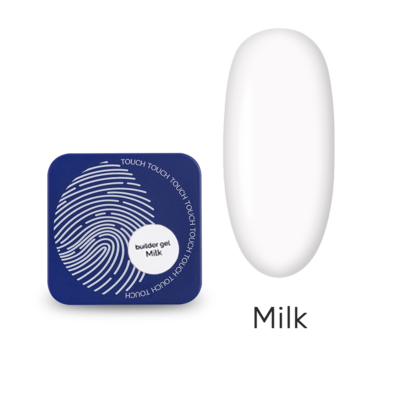
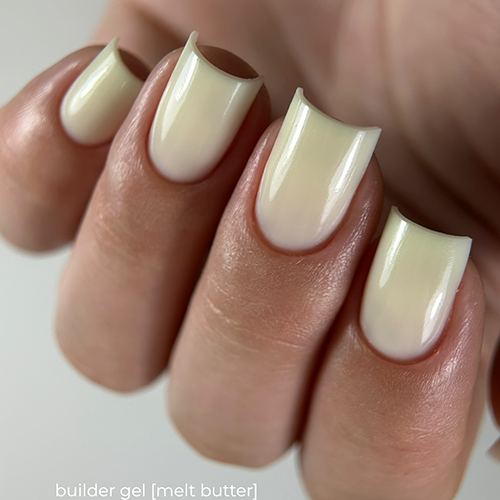
| Touch Builder Gel (e.g., Melt Butter) | Soft, medium-liquid texture | Hard gel of medium flow with dense pigmentation. Suitable for quick leveling and strengthening the free edge. |
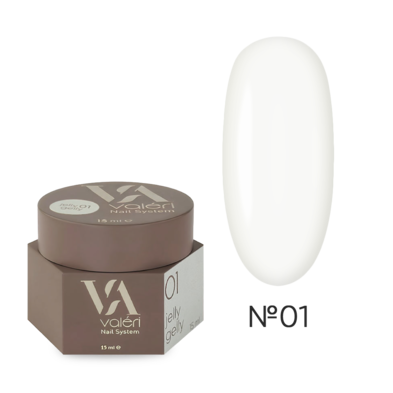
| Valeri Jelly Gelly (e.g., 00 Clear) | Dense, jelly-like (thixotropic) | Thick thixotropic gel. Holds shape without spreading, suitable for restoring side walls, repairing cracks, and modeling corners without templates. |
| Adore Professional One Drop Gel (e.g., 11 Baby Powder) | Liquid (Liquid), high flow | Quickly distributes in "one drop," reduces procedure time, creates a strong protective frame on thin nails. |
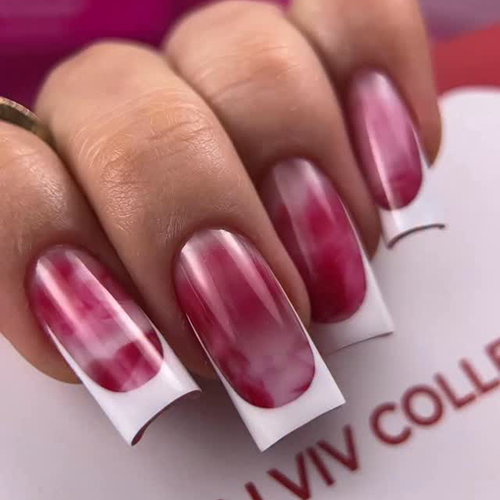
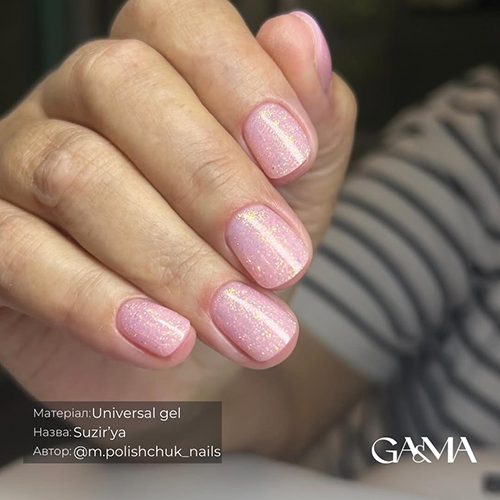
In the catalog at staleks.ua, these lines are presented not only in basic transparent and milky shades: the palette includes dozens of trendy camouflages, shimmering gels, gels with gold leaf and micro glitter in volumes from 15 to 50 ml for any creative and salon tasks.
How to Properly Use TPO-free Nail Gel: Step-by-Step Instructions
Since rigid non-toxic gels do not possess the adhesive elasticity of the base, the technology for working with them requires strict adherence to a three-phase system. Violating the preparation stages or neglecting the substrate will lead to chipping and peeling at the cuticle, regardless of the purity of the formula.
-
Preparation of the nail plate: Perform a manicure in the usual way (hardware, combined). Buff the surface of the nail with a soft buffer of 180–240 grit, removing the shine, and thoroughly remove dust with a brush.
-
Degreasing and dehydrating: Treat the nail with a dehydrator (Nail Prep / Dehydrator) to remove excess moisture, then apply a non-acid primer (Ultrabond) with a semi-dry brush, leaving a 1 mm gap from the skin.
-
Application of an elastic substrate: Apply a thin rubbing layer of transparent elastic rubber (Rubber) or acid-free base. Rigid TPO-free gel should not be applied directly to the bare nail – the flexible substrate serves as a buffer between the natural nail and the rigid frame. Cure in the lamp for 60 seconds.
-
Modeling and architecture: Pick up a drop of TPO-free gel of the desired consistency. Apply the material with a brush, forming the correct apex and distributing it to the tips and sidewalls with minimal convergence at the cuticle. Turn the finger upside down for a couple of seconds for perfect centering of the drop.
-
Polymerization: Cure in a hybrid UV/LED lamp with a power of at least 48W for 60–90 seconds (for dense camouflages – 90–120 seconds). When working with thinned nails, use the low power mode (Low Heat Mode / 99s) to exclude residual thermal effects.
-
Filing and trimming the natural nail: If necessary, remove the dispersion (sticky) layer with a cleanser and perform surface filing with a 150/180 grit file. A mandatory step when strengthening: using a fine carbide bur, trim the natural nail from the inside by 1–2 mm to avoid peeling at the tips during wear.
-
Finishing coat: Apply a protective top (glossy or matte) and cure in the lamp for 60 seconds.
Important: If the client has a history of onycholysis or acute allergic reactions to old compositions, conduct a test before full extension: apply the substrate and TPO-free gel only to one nail and assess the reaction of the surrounding skin within 48 hours. Switching to TPO-free formulas protects against toxins and aggressive heat; however, individual intolerance to monomers cannot be excluded.
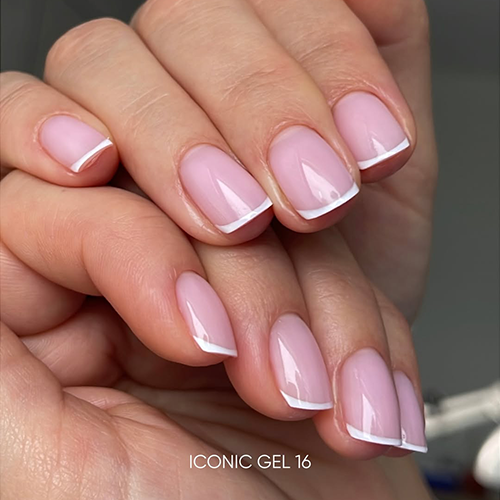
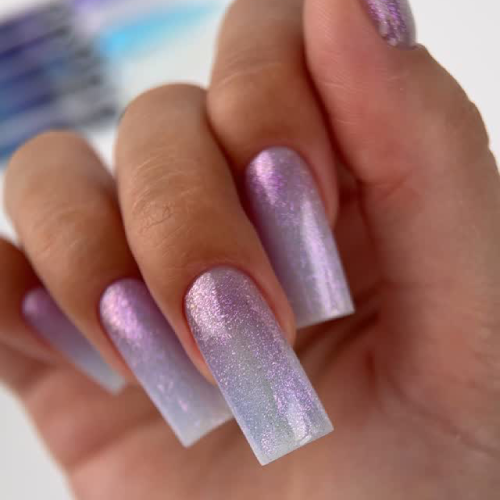
For Which Techniques is TPO-free Nail Gel Suitable
Thanks to its rigidity and stable viscosity, next-generation compositions are versatile in salon practice:
-
"No filing" technique: Liquid and medium-thick self-leveling gels easily center in a drop, creating a perfect shine without excess thickness and the need for long finishing with a file.
-
Strengthening natural length: The rigid frame reliably reinforces the free edge, preventing twisting of corners and chipping on long nails (especially in the "sharp square" shape).
-
Modeling on upper and lower forms: The material tightly holds the specified arch, does not flow during application, and allows modeling any length and shape from classic oval to complex arched almond.
-
Repair and extension of corners: High density and thixotropy of jelly gels allow for quick restoration of cracks, completing missing walls, and restoring misaligned corners without using paper templates.
-
Applied and gradient French: Camouflage and crystal clear formulas provide a clean smile line, maintain the clarity of the edges, and do not cloud when covered with topcoat.
Common Mistakes When Working with TPO-free Nail Gel
Although updated compositions have a gentler effect on the nail, they remain full-fledged rigid materials. Attempting to apply them like a regular base or neglecting drying rules leads to peeling and chipping.
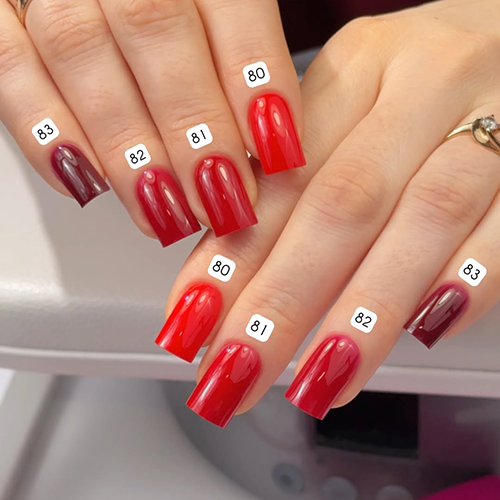
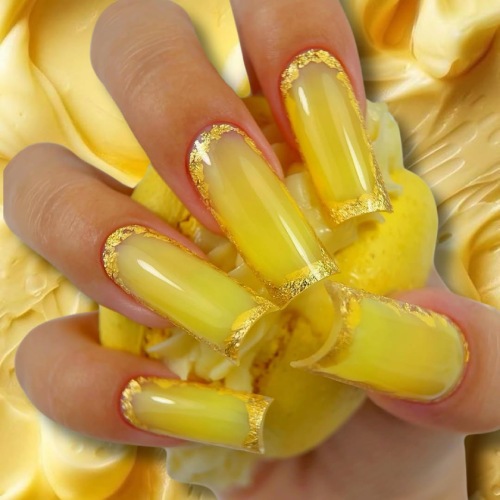
| Master's Mistake | Why This Happens | How to Do It Right |
| Applying gel without an elastic substrate | Rigid gel lacks the flexibility of the natural nail. Under mechanical stress, the material detaches in a whole layer. | Always apply a thin rubbing layer of transparent rubber (Rubber) or acid-free base before applying the gel. |
| Insufficient drying time in the lamp | Alternative photoinitiators (TPO-L, BAPO) and dense pigment require deep penetration of light waves. | Polymerize dense camouflages for at least 60–90 seconds in a powerful UV/LED lamp (from 48W). |
| Too thick a layer at the cuticle and sidewalls | The material creates a step when growing out and flows onto the surrounding skin, provoking peeling at the root. | Bring the drop of gel to zero at the cuticle and on the sidewalls, concentrating the main volume (apex) in the stress zone. |
| Refusal to trim the natural nail from the inside | The natural nail twists from moisture during wear and detaches from the rigid artificial frame at the tips. | After polymerization and filing, be sure to trim the natural nail by 1–2 mm from the inside of the free edge with a carbide bur. |
| Using an old or low-power lamp | Power drop of diodes leads to the gel curing only on the surface, remaining semi-raw inside. | Regularly update lamps and avoid devices with power below 36–48W, especially for highly pigmented shades. |
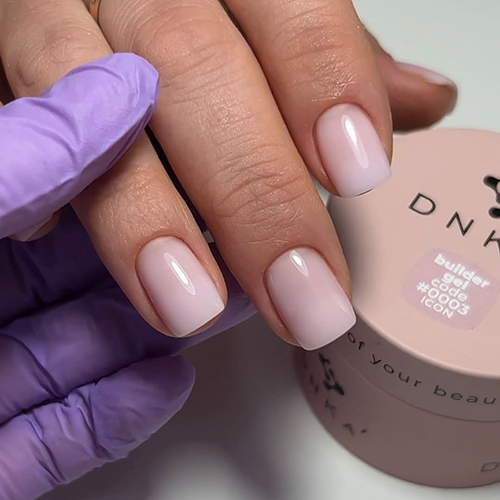
Key Takeaways: TPO-free Nail Gel
-
European level of purity standards: Excluding the component Trimethylbenzoyl Diphenylphosphine Oxide reduces the risk of contact sensitization of the skin and provides a gentler effect on the natural nail plate.
-
Preservation of frame rigidity: Safe formulas do not yield to classic compositions in durability – they hold the specified arch, do not shrink in the stress zone, and are suitable for both "no filing" technique and complex arched modeling.
-
Gentle polymerization without thermal shock: The new generation of photoinitiators reduces the peak exothermic reaction in the lamp, ensuring comfortable polymerization without sharp burning even on thin nails.
-
Strict adherence to three-phase technology: For stable adhesion, the material requires quality dehydration, a flexible rubbing substrate from an elastic base, complete drying in a lamp of at least 48W, and mandatory trimming of the natural nail from the inside.
Frequently Asked Questions about TPO-free Nail Gel
-
Is TPO-free gel completely hypoallergenic?
Excluding the TPO component minimizes the risk of allergic reactions and contact dermatitis; however, completely hypoallergenic polymers do not exist. If the client has pronounced hypersensitivity to acrylates in general, it is recommended to conduct a preliminary test on one nail before the procedure. -
Do I need to buy a special lamp for drying TPO-free gels?
Special equipment is not required. The materials are optimized for standard hybrid UV/LED lamps with wavelengths of 365–405 nm and power from 48W. The main thing is to monitor the diode resource and avoid using outdated fluorescent UV devices. -
Does TPO-free gel yield to regular gel in strength and durability?
No, in terms of physical and mechanical properties, they are absolutely identical. The replacement of the photoinitiator does not affect the density of the crystalline lattice of the polymer: the coating retains its rigidity, holds the arch on long forms, and does not shrink in the stress zone during wear for up to 4 weeks. -
Does this gel burn in the lamp during polymerization?
The exothermic reaction in modern photoinitiators (TPO-L, BAPO) occurs significantly more gently, without sharp temperature spikes. On healthy nails, burning is almost imperceptible. If the nail is severely thinned or a dense layer of camouflage is applied, it is sufficient to enable the low power mode (Low Heat Mode). -
Is it necessary to apply a base under TPO-free gel?
Yes, applying a thin rubbing layer of elastic transparent base (Rubber or acid-free) is strictly mandatory. Rigid gel lacks the plasticity of the natural nail, and without a cushioning substrate, the coating will inevitably lead to peeling. -
Why is it essential to trim the natural nail from the inside during strengthening?
The natural plate is mobile and tends to twist and detach from the rigid artificial material under the influence of moisture. Trimming 1–2 mm of the free edge from the inside with a carbide bur eliminates delamination and air pockets at the tips. -
Do transparent gels without TPO yellow over time?
Quality formulas based on TPO-L and BAPO do not shrink to yellowing. The main condition for optical stability is complete drying in a UV/LED lamp of at least 48W, so that the photoinitiator fully activates during polymerization.
Why You Should Buy TPO-free Nail Gel
TPO-free nail gel is worth buying for those who prioritize safe salon standards without compromising the quality of the coating. This solution is essential for masters who strive to protect themselves and clients from the risk of onycholysis, thermal burns, and cumulative contact dermatitis. At the same time, the material retains its frame rigidity: it does not sag in the stress zone, allows for fast "no filing" techniques, and reliably holds its shape even at extreme lengths.
You can choose and order original gels with TPO-free formulas from trusted brands (Adore Professional, BIBLIOTEKA, F.O.X, DNKa, Edlen, LUNAmoon, Valeri, Touch) in the catalog at staleks.ua. We ensure quick order fulfillment and prompt delivery both across Ukraine and abroad. For buyers in Ukraine, convenient payment methods are available: instant online payment by card on the website or cash on delivery upon receipt at the post office. For international shipments, fast and secure online payment is available.
Gel for nail extension Cost on staleks.ua
Name | Price |
| PINX Liquid Builder Gel Desire No. 004 Burgundy 8 ml | 179.00 UAH |
| PINX Liquid Builder Gel Desire No. 003 Red 8 ml | 179.00 UAH |
| PINX Liquid Builder Gel Desire No. 002 Red 8 ml | 179.00 UAH |
| PINX Liquid Builder Gel Desire No. 001 Red 8 ml | 179.00 UAH |
| Else Stone gel №28 Rhodonite Hard Gel Free HEMA TPO 30 ml | 490.00 UAH |
Nail gels without TPO - customer reviews