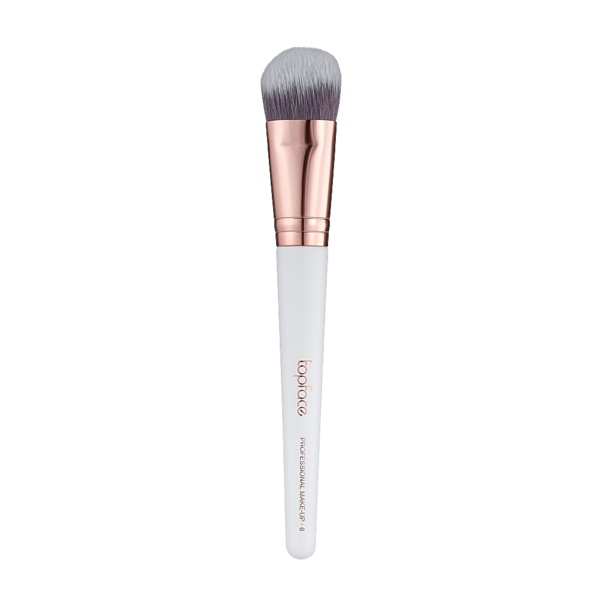
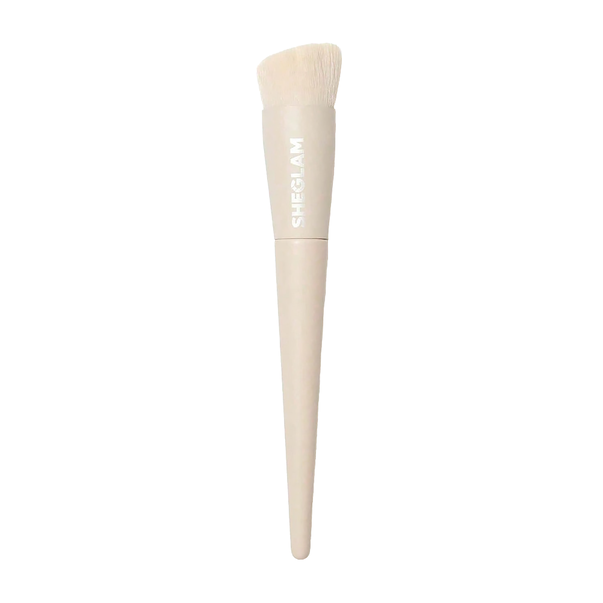
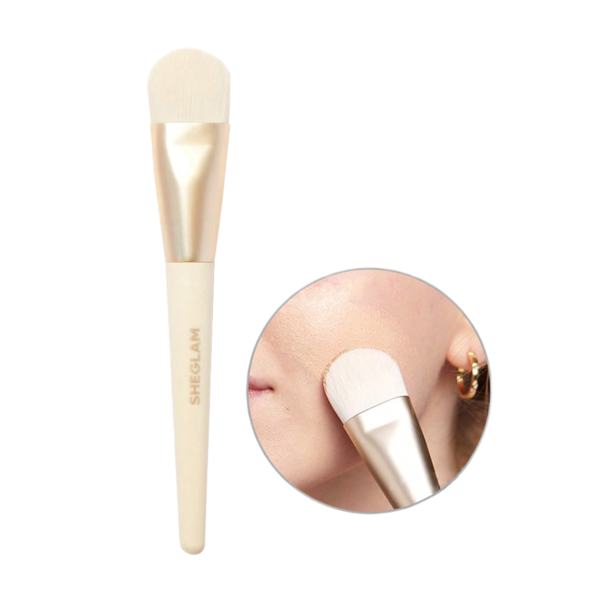
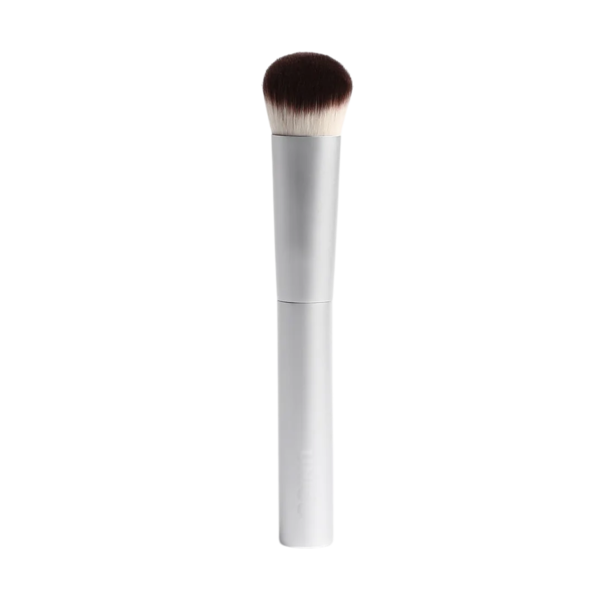
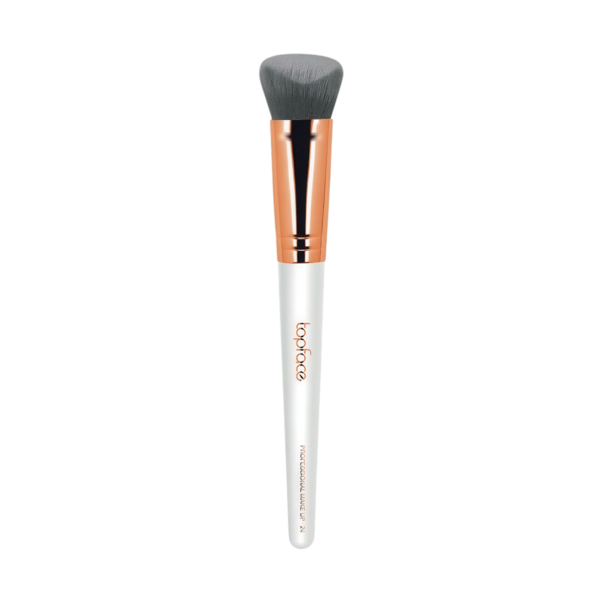
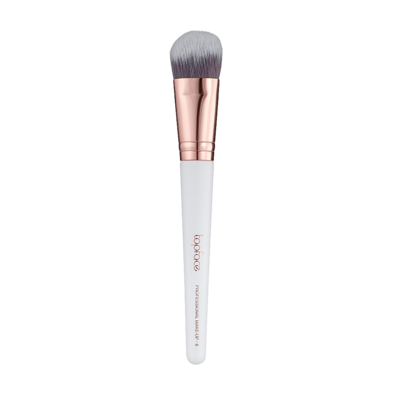
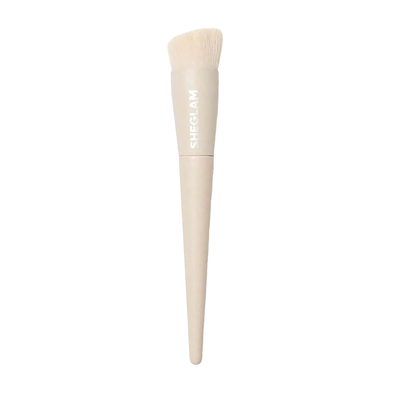
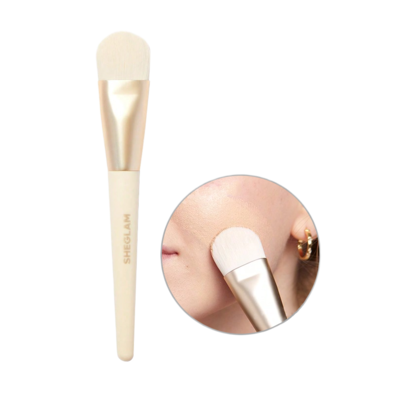
Foundation brush




 In stock
 Buy

 In stock Buy
 In stock Buy
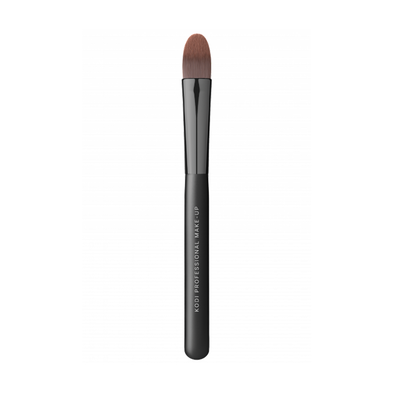 In stock Buy
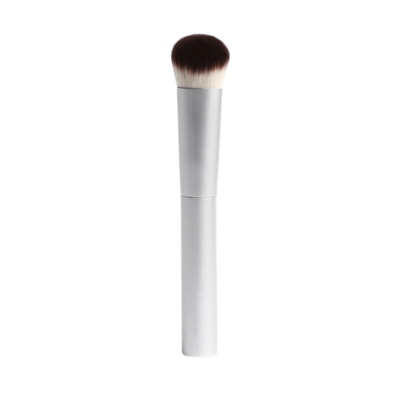 In stock Buy
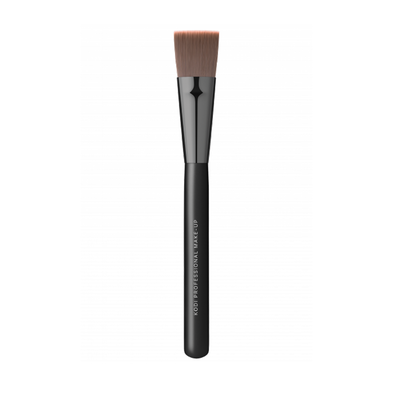 In stock Buy
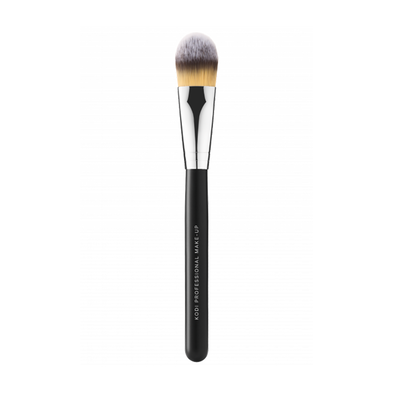 In stock Buy
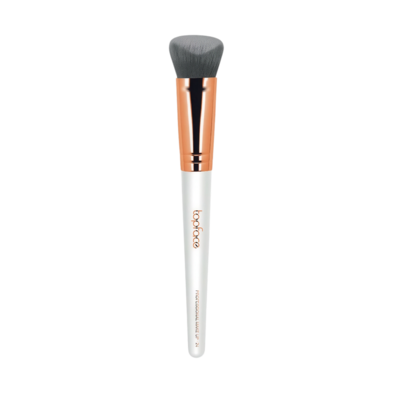
 Out of stock
when available
A brush is one of the main and fundamental tools for applying makeup. It helps to apply it evenly, without streaks, achieving a neat appearance. A well-chosen foundation brush simplifies the application process and allows for better control over the density and finish of the foundation.
How a Foundation Brush Works
This tool makes the process of applying foundation simpler and neater. The product will be distributed more evenly, without stripes, spots, or harsh edges. The face will look fresh, well-groomed, and tidy. The brush does not absorb much foundation, allowing it to be applied smoothly, creating a finish that looks more natural and without a mask effect. Due to the variety of shapes and bristle densities, you can select a brush suitable for any product and texture.
The principle of the brush's operation is based on the gradual transfer of foundation onto the skin. The product is softly distributed and blended, leaving no unevenness. You can initially apply a minimal amount of foundation with the brush, gradually layering it as needed in specific areas. This results in a more natural coverage without the mask effect.
The bristles of the foundation brush come into direct contact with the texture of the foundation, and their elasticity and density allow for precise "feeling" of the product in use. This way, you fully control the application process and how dense the coverage will be. With such control, it is easy to achieve both a light, weightless evening out and a more saturated coverage. This flexibility has made the brush a universal tool for makeup artists as well as regular users at home.
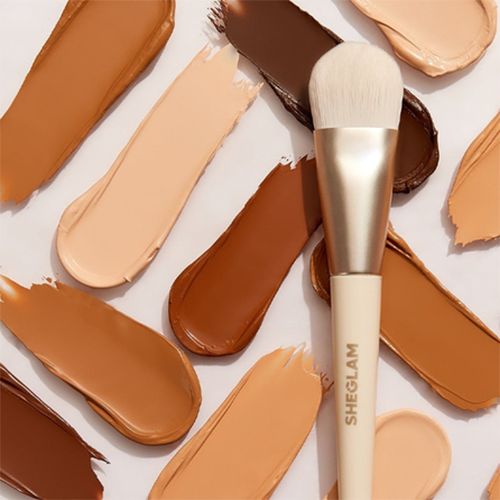
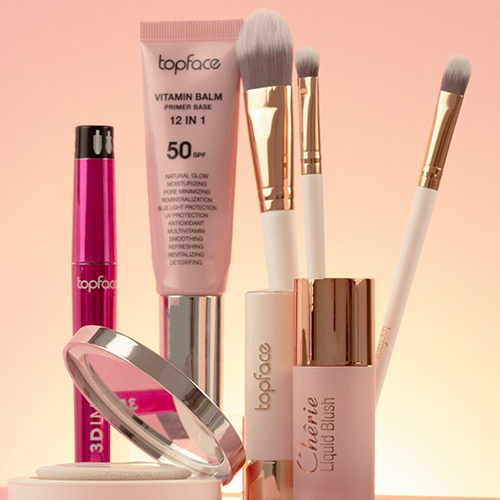
Main Types of Foundation Brushes
The main types of foundation brushes differ in shape, bristle density, and application method. Each type is designed for specific textures and tasks: from light evening out of tone to dense coverage and working on complex areas. To simplify the selection, the specialists at Staleks have compiled the main varieties into a convenient comparative table below.
| Type of Brush | Shape and Design | Suitable Textures | Effect on Skin | Advantages | Disadvantages | Who It Suits |
| Flat | Flat, dense bristles with a straight cut | Liquid and cream foundations | Even, fairly dense coverage | Covers well, convenient for layering the product | Can leave streaks without proper blending | For dense tone, photo makeup |
| Duofiber | Combination of long and short bristles | Liquid, fluid, light textures | Natural, semi-transparent finish | Light coverage, "second skin" effect | Not suitable for heavy coverage | For everyday makeup, beginners |
| Kabuki Foundation Brushes | Short, very dense bristles, round shape | Dense, cream, and mineral foundations | Dense, even coverage | Quick application, good coverage | Can look heavy with excess product | For dense makeup and problematic skin |
| Oval | Oval shape with dense bristles | Liquid and cream foundations | Smooth, even coverage without streaks | High precision, convenience in details | Requires skill, not comfortable for everyone | For neat, detailed application |
| Angled Edge | Angled edge, medium bristle density | Creamy and liquid textures | Even tone with emphasis on contours | Convenient for hard-to-reach areas and contour correction | Less versatile | For contouring and facial areas |
Material of the Foundation Brush Bristles
The material from which brushes are made is very important. It affects how well the makeup will look and how comfortable it will be to apply. The bristles of foundation brushes literally influence how they pick up and distribute the product. It is essential that the foundation lays evenly, without streaks and patches. Makeup brushes can have natural or synthetic bristles. Both work well but are more suitable for certain categories of products. Each type of bristle interacts with textures in its own way, can provide different finishes, and even feels different on the skin. It is important to understand these nuances to choose the right brush that will not only be comfortable but also provide the most neat and professional result.
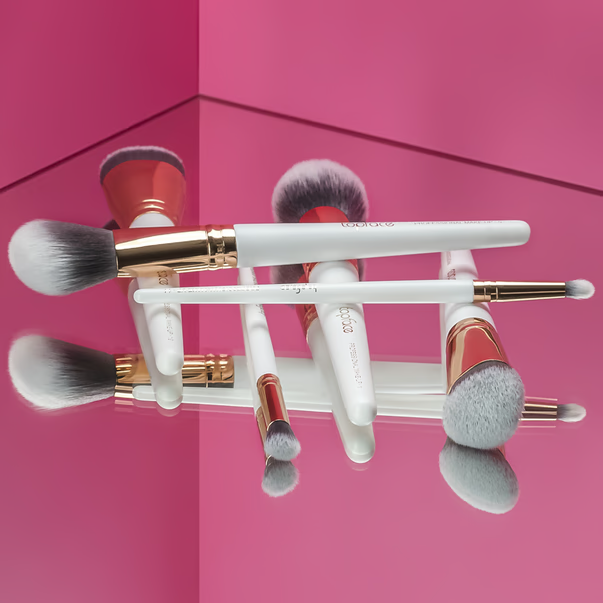
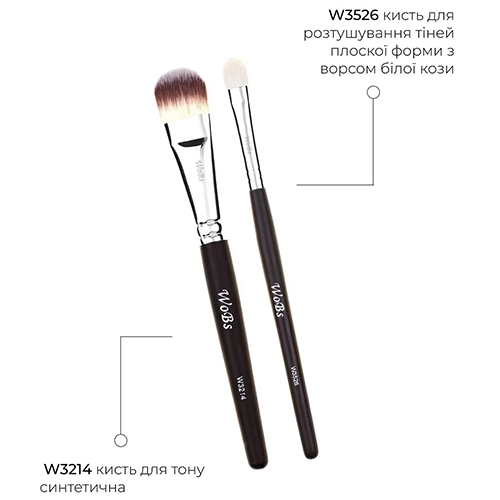
Natural bristles are made from animal hair. The most commonly used are goat, squirrel, pony, and weasel. Typically, such brushes are characterized by softness and are very pleasant on the skin. They are the ideal option for working with loose and dry textures. The porosity of natural bristles helps to pick up and hold more product. However, with liquid and cream textures, this becomes a disadvantage. Part of the product simply absorbs into the hairs and does not transfer to the skin. Cleaning such brushes is more challenging, and the application becomes less even. Additionally, product consumption significantly increases.
Synthetic bristles are made from artificial fibers specifically designed for cosmetic tools. They do not absorb foundation but hold it on the surface, allowing for precise distribution of the product on the skin. For this reason, synthetic brushes are often chosen for liquid, cream, and fluid textures—they provide a more even coverage and economical product use.
The type of bristle directly affects the amount of product used. Synthetic brushes use minimal product, meaning much less foundation is needed. Layering products is easy and comfortable. Cleaning smooth bristles is also simpler. Brushes dry faster, accumulate fewer bacteria, and last longer. The bristles retain their shape longer. All of this makes synthetic brushes a more practical choice for working with cream and liquid foundations.
How to Choose a Foundation Brush
Choosing a brush is an important step in creating an even and neat makeup look. It directly affects how it will appear on the skin. The tool helps control the density of coverage and evenly distributes the product. With the right brush, it is much easier to avoid mistakes, and there will be no mask effect on the face. Therefore, when selecting a foundation brush, it is very important to consider a number of key points:
-
Skin Type. This influences the density and softness of the bristles. For dry and sensitive skin, it is better to choose the softest and most resilient brushes. They will distribute the foundation evenly but will not emphasize flakiness. On the other hand, oily and combination skin prefers denser brushes, which are easier to control coverage and work on areas with enlarged pores.
-
Consistency of the Foundation. Liquid and cream foundations are best applied with brushes that have synthetic bristles, which do not absorb the product. For denser textures, kabuki brushes or those with high bristle density are suitable, providing even coverage.
-
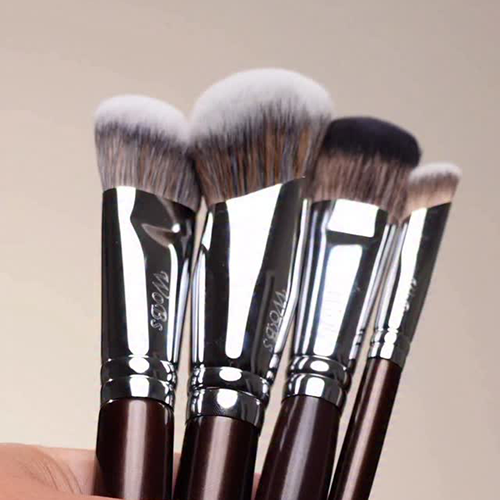
Bristle Density and Length. Short and dense bristles provide denser coverage and are suitable for concealing imperfections. Longer and more flexible bristles allow for a light, natural finish. A medium bristle density is considered a universal option.
-
Handle Shape and Balance. The brush should be well-balanced. An overly heavy handle or excessive weight on the bristles can create discomfort and strain the hand, as can a handle that is too short. This is especially important for professionals who use them constantly. With the right brush, the process of applying foundation will be comfortable, convenient, and even.
-
Common Mistakes When Buying. Do not choose brushes solely based on appearance. Be sure to consider the type of foundation, bristle softness, and the overall ergonomics of the tool.
Technique for Applying Foundation with a Brush
The correct technique for applying foundation with this tool allows for an even, neat coverage and a natural finish without a mask effect. The sequence of actions and the method of working with the brush play just as important a role as the choice of the foundation itself.
-
Skin Preparation. Before applying foundation, it is important to thoroughly cleanse and moisturize the skin. Your everyday cleansing and care products will work well for this. The makeup base should be selected according to your skin type. This way, the texture of the skin will be more even, and the foundation's adhesion to the surface of the face will improve. The foundation will lay more evenly and is less likely to settle into fine lines.
-
How Much Product to Use. To start, a small amount of foundation is sufficient. It is better to apply the product gradually, distributing it with the foundation brush and adding more as needed. This approach helps avoid an overloaded coverage and maintains the natural look of the skin.
-
Basic Movements. Stippling motions help evenly distribute the foundation and increase its longevity. Blending motions are used to smooth out edges and create seamless transitions. Circular motions are suitable for dense textures and allow for careful work on pores and skin irregularities.
-
How to Avoid Streaks and Spots. To avoid streaks, it is important not to load too much product onto the brush and to work with light, controlled movements. Blending should be done from the center of the face to the periphery, gradually reducing the density of coverage.
-
Working with Problem Areas. In areas with redness, enlarged pores, or imperfections, it is better to apply the foundation in a targeted manner, layering the product in small portions. This allows for good coverage without weighing down the overall makeup and maintaining a neat result.
Foundation Brush Tips from Makeup Artists
Proper use of the brush helps achieve an even, neat, and long-lasting makeup look, saves product, and makes the application process more comfortable. Here are some useful recommendations:
-
Dose the Product Correctly. Pick up foundation on the tool in small portions. It is better to layer the product gradually than to use too much at once to avoid a mask effect and uneven coverage.
-
Combine with Other Tools. For certain areas, such as under the eyes or around the nostrils, it is convenient to use a sponge or fingers for careful blending. The brush serves as the main tool for even coverage of the face.
-
Work with Hard-to-Reach Areas. Angled or small brushes allow for thorough work around the nose, eyes, and lips. This helps avoid spots and makes the makeup look neater.
-
Layering Technique. To achieve perfect coverage, first apply the foundation in a light layer, and then gradually add product in problem areas. This makes the foundation look more natural and controlled.
-
Consider Weather Conditions. In hot weather, it is better to use light textures and blend them with a duofiber brush for a semi-transparent finish. In cold weather, dense cream foundations are applied with a kabuki or flat tool for better coverage.
-
Save Product. To prevent the foundation from absorbing into the bristles and using less product, use synthetic brushes for foundation and distribute the product carefully on the skin.
-
Maintain Cleanliness. Even during quick makeup, it is important to clean the brush with at least a wet wipe after using dense foundation or mineral products. This extends the lifespan and improves application quality.
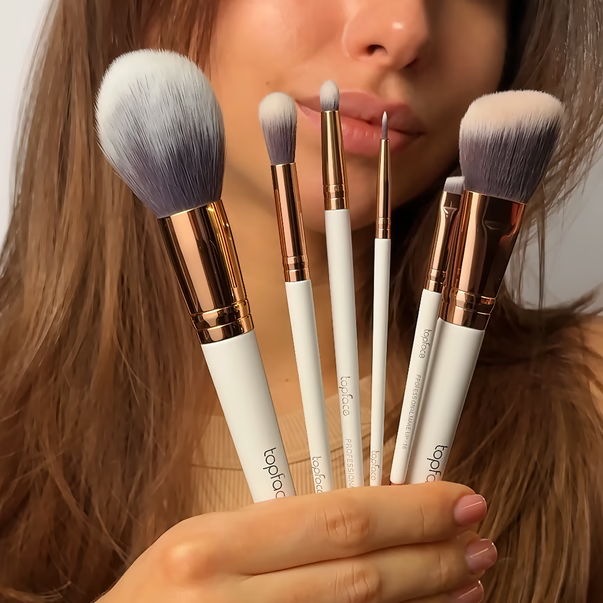
Care for the Foundation Brush
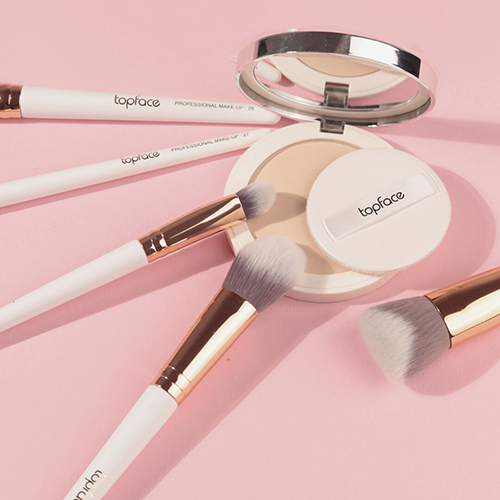
Regular care for the brush is indeed necessary. It not only extends the lifespan of the tools but also makes makeup safer. Residues of products, skin sebum, dead cells, dirt, and bacteria accumulate in the bristles. They degrade the quality of application and can cause quite severe irritation. A clean brush works much better, and products on the face look neater and more natural.
-
Why Regular Cleaning is Mandatory. Regular cleaning of the brush is indeed mandatory, and the reason is not only hygiene. Residues of foundation, dust, and dirt that remain on the bristles over time become a favorable environment for bacteria and hinder the brush from gliding smoothly over the skin. As a result, the foundation applies poorly, and streaks and unevenness may appear.
-
How Often to Wash. If you use brushes for everyday makeup, washing them once a week is sufficient. However, for professional use, they need to be washed after each use. This is safe for both the tool and the clients.
-
Suitable Cleaning Products. Mild shampoos, special foams, or light cleaning products for cosmetic tools are suitable for washing foundation brushes. Harsh household cleaning agents can damage the bristles and accelerate wear.
-
Proper Drying. After washing, the bristles should be gently squeezed and shaped. It is better to dry them in a horizontal position or with a slight tilt with the bristles down, so that water does not enter the place where the bristles are attached to the handle. Direct sunlight and heaters can deform the bristles and shorten their lifespan.
-
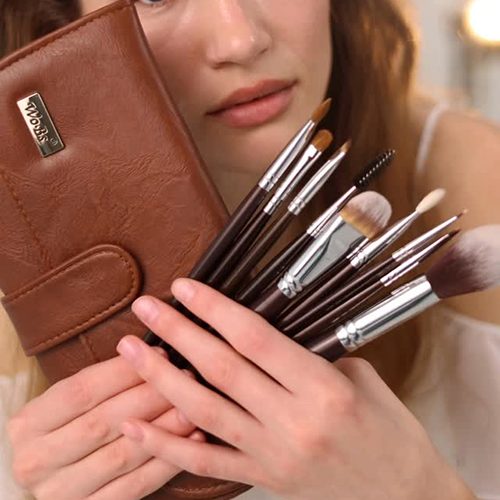
How to Extend Lifespan. Brushes will eventually need to be replaced, just like any other similar tools. However, you can significantly extend their lifespan. The main thing is to regularly clean the brushes from cosmetic residues and store them properly. Clean bristles remain soft, resilient, and retain their shape longer. The process of applying foundation will be pleasant and comfortable. Special cases, holders, and nets for brushes protect the tools and extend their lifespan, especially if you often carry them with you.
Common Mistakes When Using a Foundation Brush
Makeup will not be perfect if you use the brush incorrectly. Even an expensive and high-quality brush will not work in this case. You will end up with uneven tone, spots, and emphasized skin imperfections. All of this is the result of mistakes in the application technique. Therefore, to ensure that the face looks well-groomed, appears natural, and without a mask effect, it is important to know what mistakes occur most frequently. With the right approach, makeup will lay evenly and will look fresh and neat for a long time.
-
Too Much Product. Applying a large volume of foundation leads to a heavy, "mask-like" coverage and increases the risk of streaks and unevenness. The product should be added gradually, layering the foundation as needed.
-
Incorrect Movements. Excessively vigorous rubbing or sharp movements with the brush can lead to uneven coverage and emphasize skin texture. It is optimal to use stippling, blending, and gentle circular motions.
-
Using a Dirty Foundation Brush. Accumulated product, dust, and bacteria degrade the glide of the bristles, make the coverage spotty, and can cause skin irritation. Regular cleaning is a mandatory part of care.
-
Mismatch Between Brush and Foundation Type. Dense brushes are poorly suited for light fluid textures, while soft bristles will not handle a thick foundation. It is important to select a tool considering the consistency of the product to achieve an even and neat result.
Frequently Asked Questions
-
Is a brush necessary for everyday makeup? Yes, it simplifies the application process, makes the coverage more even and natural, even if you use foundation every day.
-
Which brush is best for liquid foundation? For liquid and fluid textures, synthetic brushes of medium density, flat or duofiber brushes are often chosen. They do not absorb the product and allow for even distribution of the foundation.
-
How can I tell if the brush needs washing? If the bristles of the foundation brush have become sticky, greasy, poorly distribute the product, or if streaks have appeared on the skin—it's time to wash the tool.
-
Can one brush be used for different textures? Technically yes, but it is better to have separate brushes for dense, liquid, and mineral foundations to avoid mixing textures and maintain the cleanliness of the tool.
-
Is it worth buying an expensive brush? A quality tool is more expensive, but it lasts longer, applies more smoothly to the skin, and saves product. Investing in a good brush is justified for achieving professional results.
-
How to extend the lifespan of a brush? Regular cleaning, proper drying, and storing in a case or under a cap will keep the bristles soft and elastic for many years.
Why You Should Buy a Foundation Brush
A special brush for applying foundations is a true investment in the result. With it, the makeup process will become noticeably simpler and more comfortable, the foundation will be used more economically, and such a tool will be a helpful assistant not only for professionals but also for regular users.
You can purchase a high-quality foundation brush at Staleks Shop & Service. We offer a wide range of makeup tools from trusted brands in various price categories. This will help you find the perfect brush that makes every application of foundation more comfortable and enjoyable. And if needed, you can always reach out to our consultants for assistance.
Brushes Cost on staleks.ua
Name | Price |
| UNICO CC Cream Brush MAKEUP BRUSH Flawless CC Cream Brush | 550.00 UAH |
| TopFace eyeliner brush F16 | 84.00 UAH |
| TopFace foundation brush F24 | 180.00 UAH |
| TopFace blush brush F29 | 270.00 UAH |
| TopFace angled eyeshadow blending brush F09 | 96.00 UAH |
Foundation brush - customer reviews