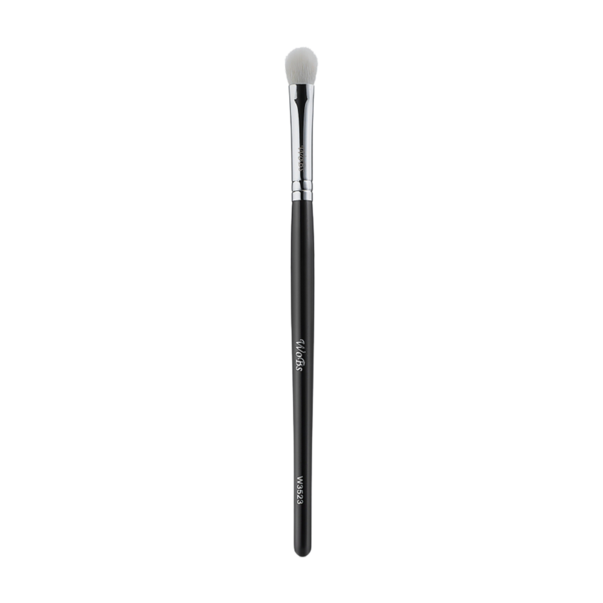
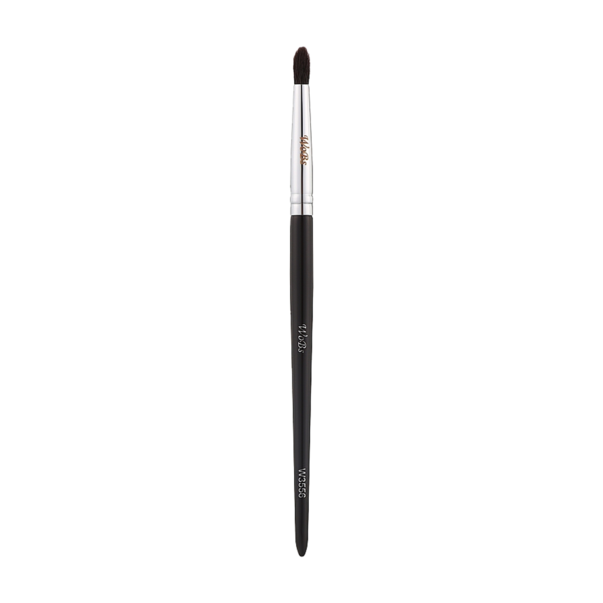
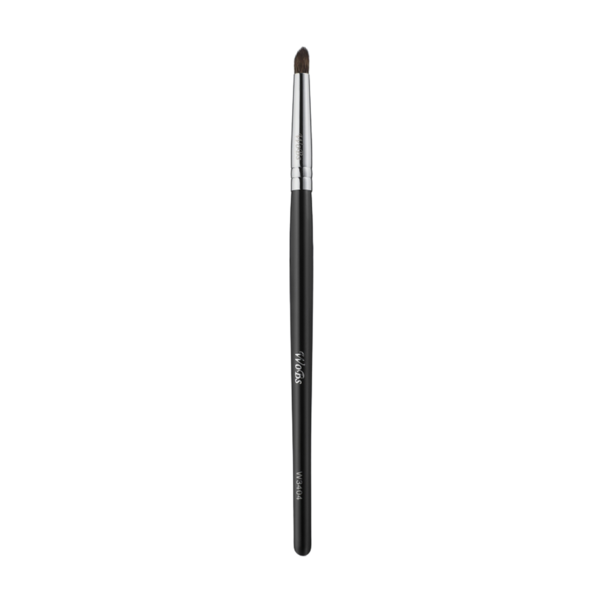
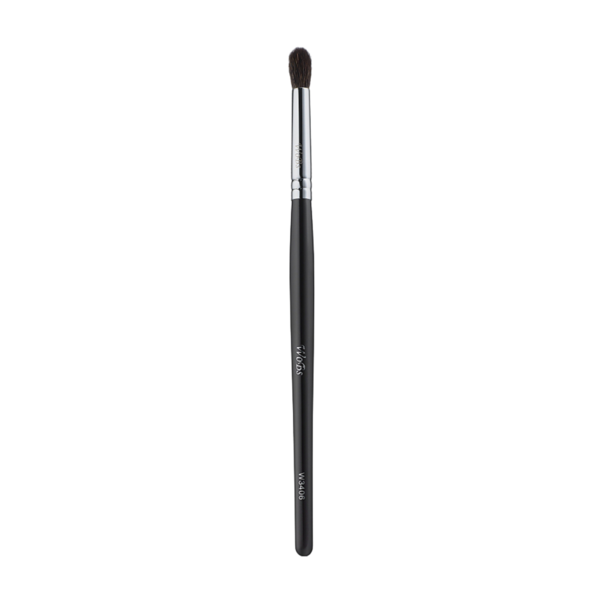
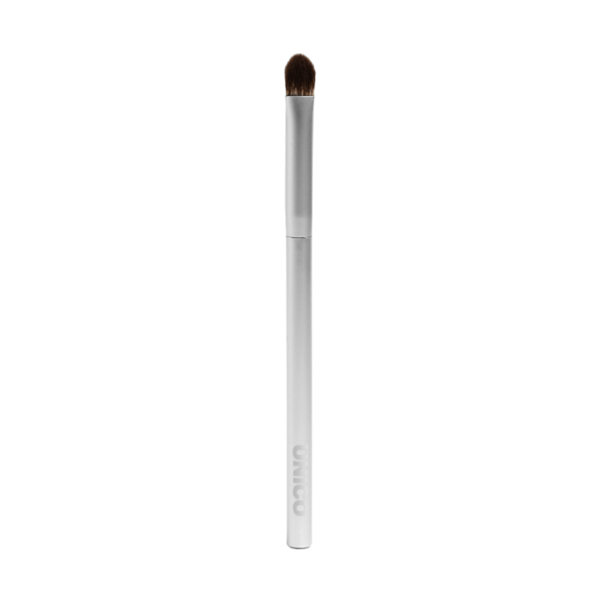
Eye Makeup Brushes





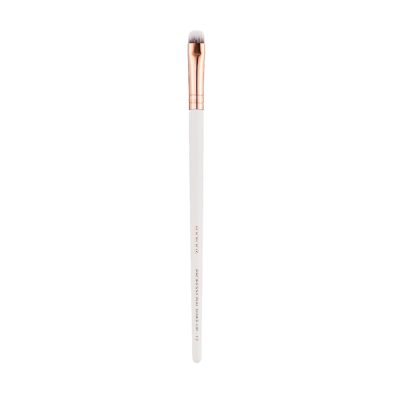
 In stock
 Buy

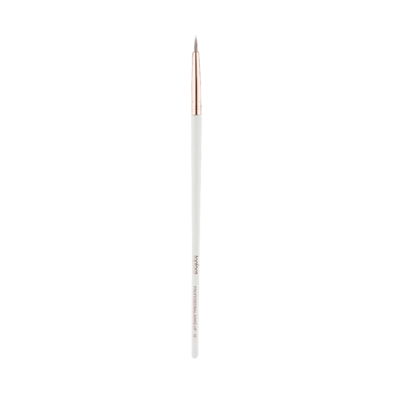 In stock Buy
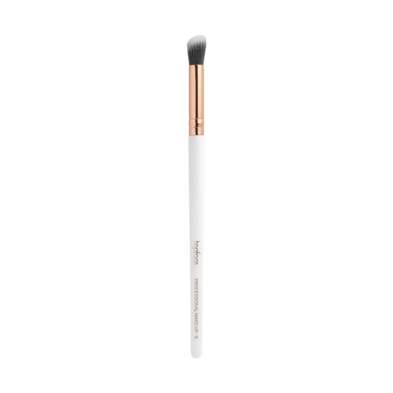 In stock Buy
 In stock Buy
 In stock Buy
 In stock Buy
 In stock Buy
 In stock Buy
 In stock Buy
 In stock Buy
 In stock Buy
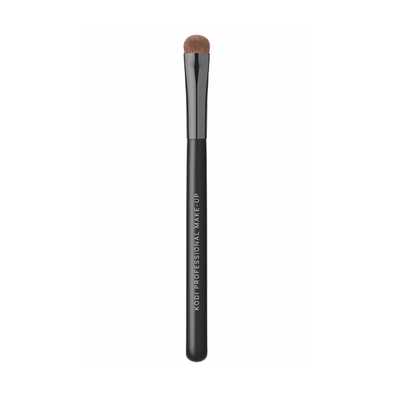 In stock Buy
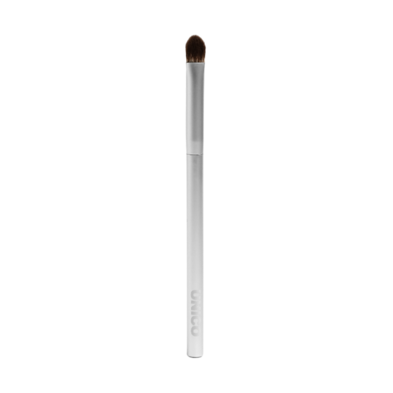 In stock Buy
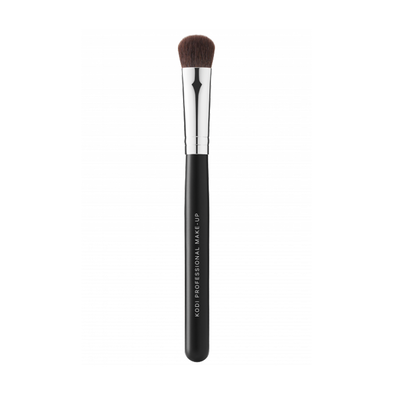 In stock Buy
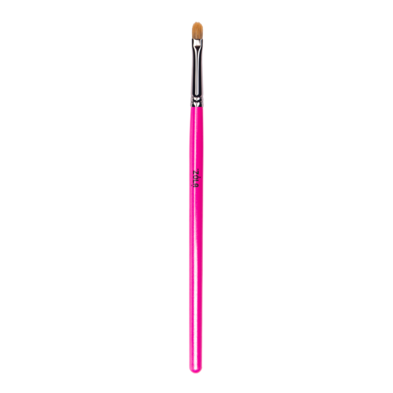 In stock Buy
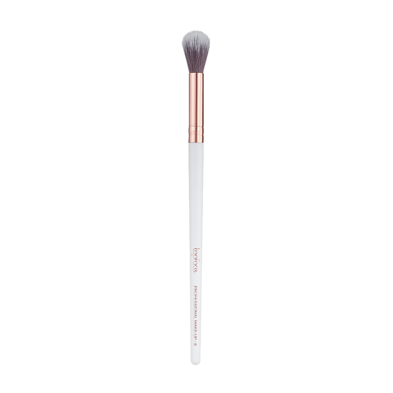
 Out of stock
when available
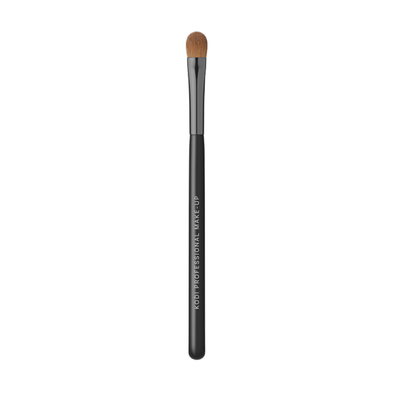 Out of stock
when available
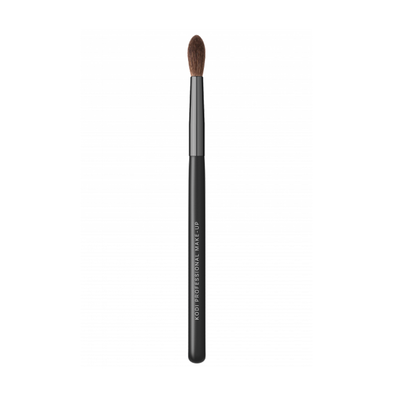 Out of stock
when available
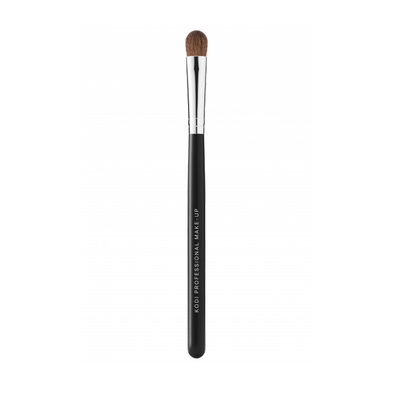 Out of stock
when available
 Out of stock
when available
Eye Makeup Brushes: A Complete Expert Guide to Selection, Application, and Care
Eye makeup is not only the art of color selection but also the geometry of movements, which directly depends on the quality of the tools. Even the most expensive eyeshadows from limited collections can apply unevenly if the tool cannot properly pick up and apply the pigment smoothly. In this article, we will explore the anatomy of eye makeup brushes, the specifics of the bristles, and the nuances that distinguish professional results from amateur ones.
Brush Anatomy: What Determines Tool Quality
Many know that the bristles are perhaps the most important criterion when choosing a makeup brush. However, before assessing the softness and quality of the material, it is essential to pay attention to the assembly of the tool. The convenience of working with the brush and the desired result directly depend on it.
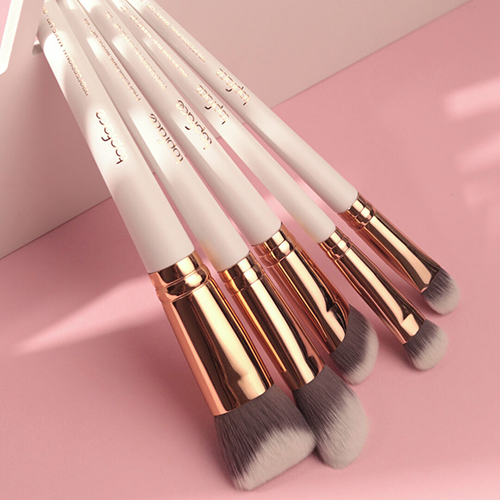
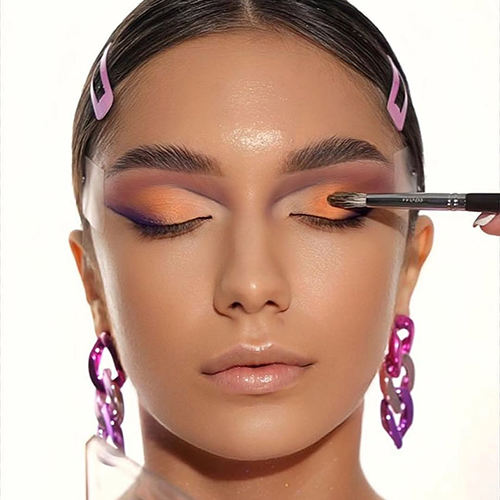
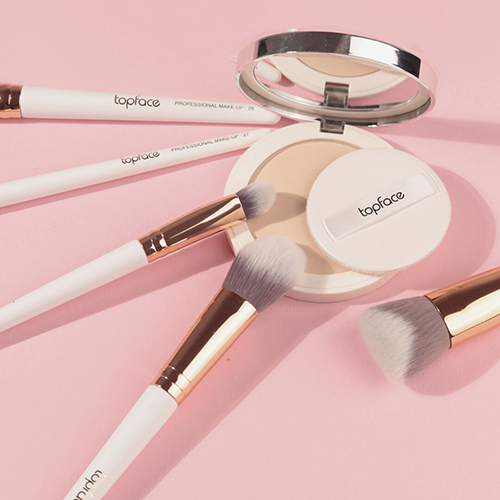
A quality brush consists of three key elements:
-
Bristle bundle. In the professional segment, preference is given to “handmade” models. They are assembled manually, selecting each hair so that the tip is soft and natural. In the mass market, “cut” brushes are often found — they are shaped by machines, which can result in prickly tips that irritate the delicate skin of the eyelid and poorly blend the eyeshadows.
-
Ferrule (clamp). A metal sleeve that connects the bristles to the handle. It is important that it is seamless and has a double clamp. This guarantees that the brush will not become loose and will not fall apart after several cleaning cycles.
-
Handle. The classic and premium option is hardwood (birch, oak) with a multi-layer lacquer coating to protect the material from moisture. Handles made from durable polymers and acrylic are also popular, as they do not deform from water and do not crack over time. An important nuance: regardless of the material, the weight of the handle should be balanced. A brush that is too light causes the hand to strain, while one that is too heavy hinders quick, “flying” movements during blending.
Which Bristle to Choose: Natural vs. Synthetic
After considering the construction of the eye brush, it is important to choose the right bristle. It should depend not on the budget, but on the texture of the cosmetics you are working with.
For example, the structure of natural hair is identical to that of human hair: it has scales (the cuticle). These scales act as “traps” for powder/dry products: they pick up the eyeshadow particles and gradually release them onto the skin, creating a smooth color transition. Therefore, for the finest blending, bundles made from squirrel hair are often chosen, as it is very soft. For working with tightly pressed eyeshadows and dense application, goat hair is the best option.
As for modern synthetic materials like Taklon or nylon, they mimic the properties of natural hair well but lack its fragility. The clear advantages of choosing synthetic bristles are hypoallergenicity and resistance to aggressive environments. These materials do not absorb oils and water, making them indispensable for working with concealers, gel eyeliners, and cream eyeshadows.
There is also a third material option — mixed (duofiber). It is designed for those cases when you want to work with multiple textures — both gel and loose.
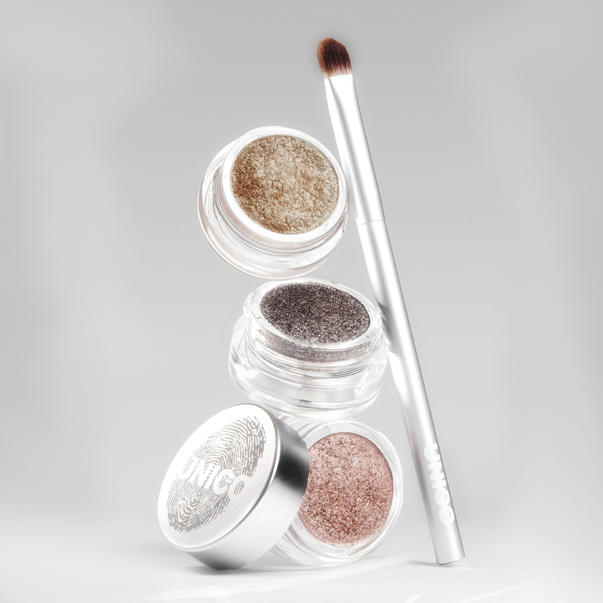
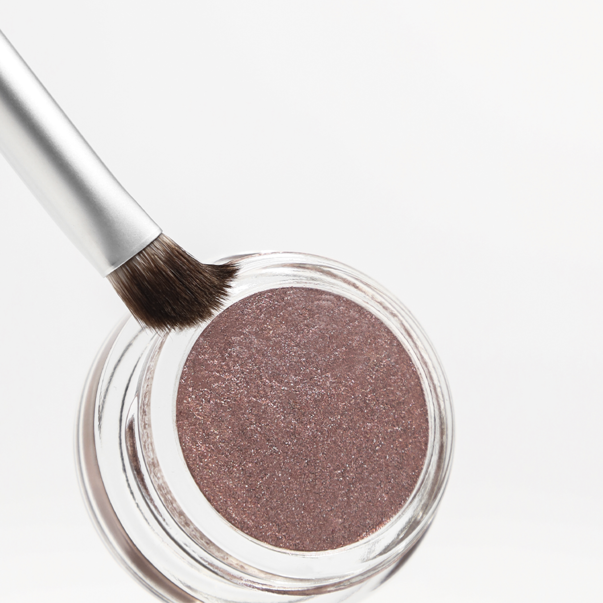
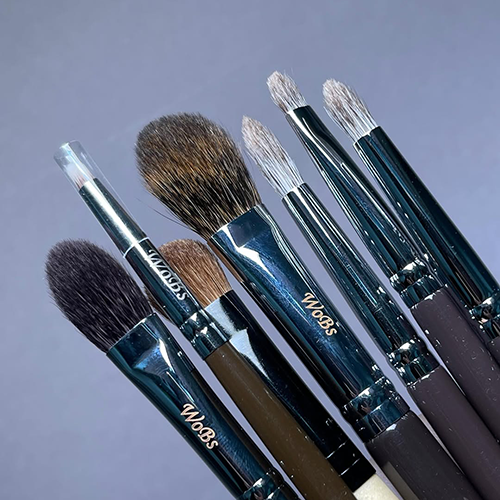
Comparison of Bristle Types
| Criterion | Natural | Synthetic | Mixed |
| For which textures | Only dry (powder) | Creamy, liquid, gel | Universal, ideal for “blending” colors |
| Pigmentation | High (holds the particles) | Medium (the bristles are smooth) | Varies with the density of the bristles |
| Care | Delicate (requires balms, special shampoos) | Simple (can withstand even standard mild soap) | Moderate |
Classification of Eye Makeup Brushes by Purpose
For eye makeup to look professional, it is important to use the brush shape strictly according to its “specialization.” Each shape is designed with the anatomy of the human eye and the desired result in mind.
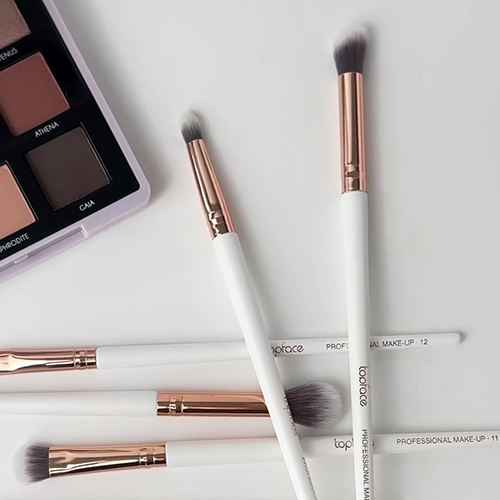
| Brush Type | Shape and Type | Main Task | Usage Features |
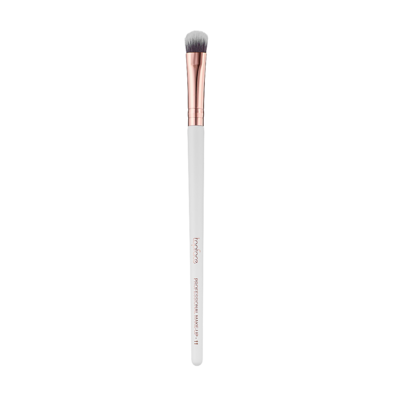
| Flat | Short, densely packed bristles, rounded edge | Dense application of the main color on the mobile eyelid | Eyeshadows should be “pressed in” rather than “smeared” for maximum brightness |
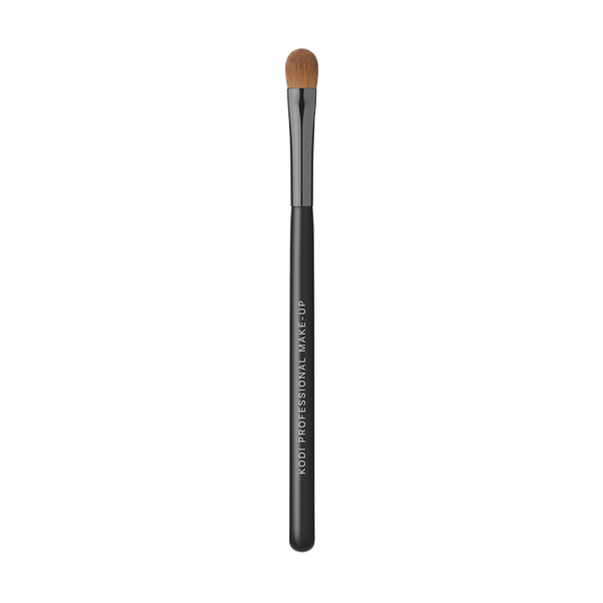
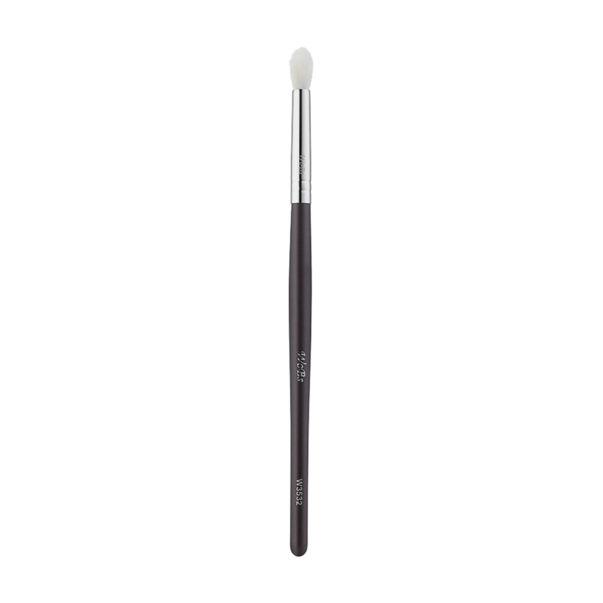
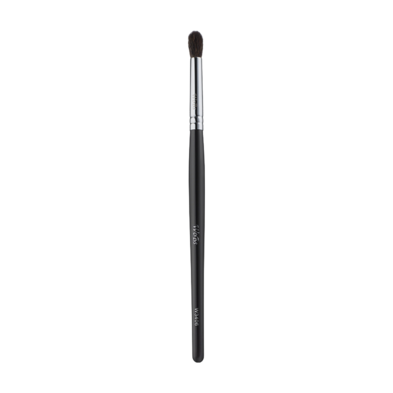
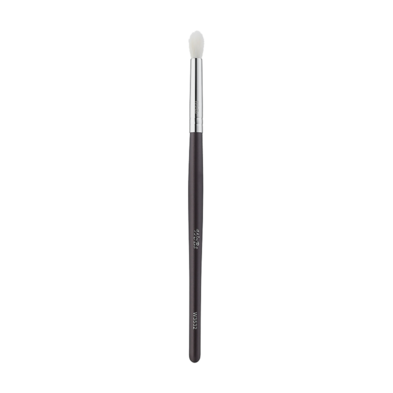
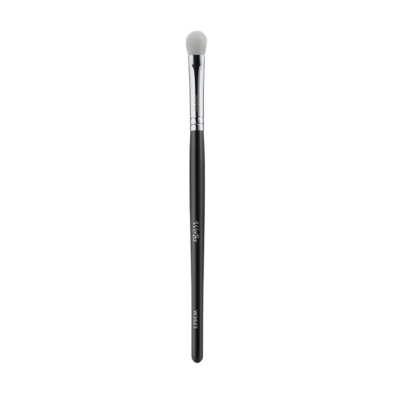
| Fluffy | Long bristles, torch or candle shape | Blending edges, creating a soft transition in the eyelid crease | Works with light circular movements |
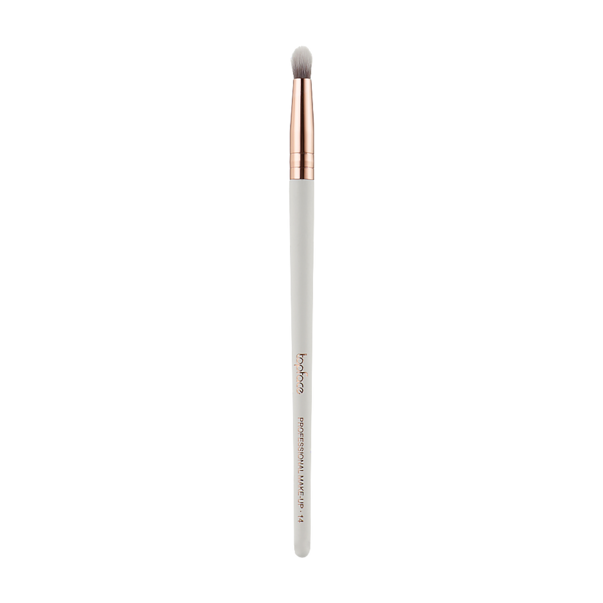
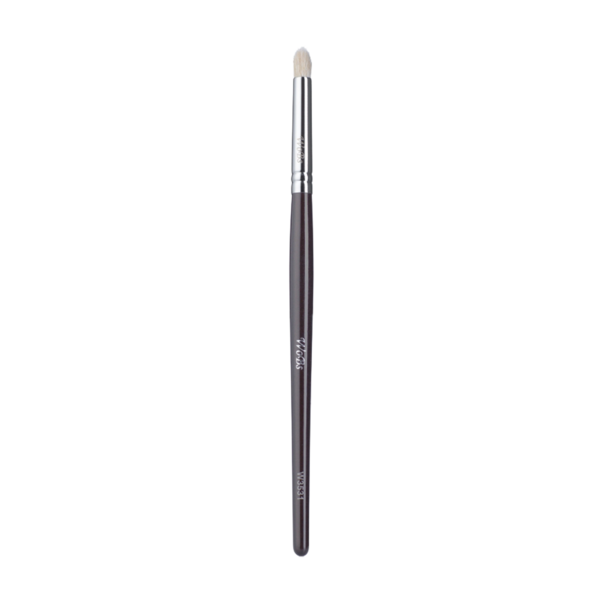
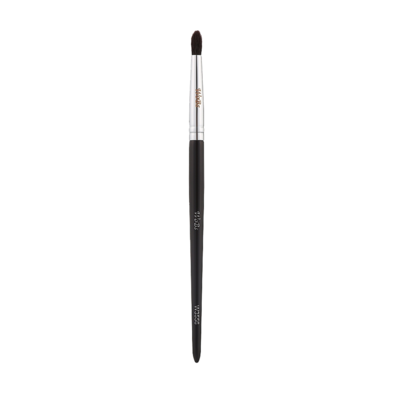
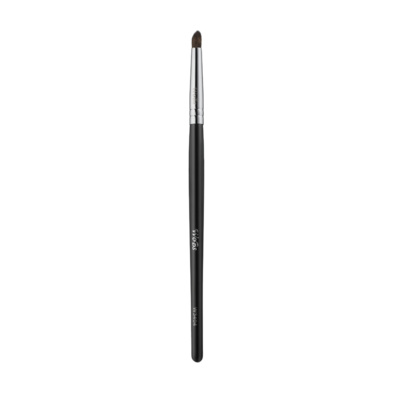
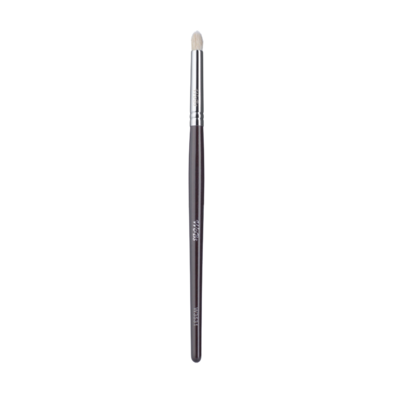
| Pencil Brush | Small, dense, with a pointed tip | Precision work: lower eyelid, inner corner, lash line | Ideal for detailing and color accents |
| Angled | Thin, flat cut at an angle | Drawing eyeliner, shaping eyebrows, simulating hair strokes | Allows for the most precise and thin line |
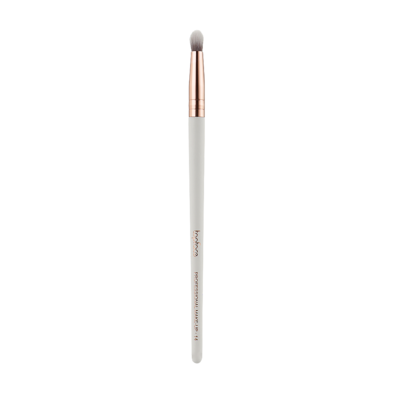
| Barrel | Short, very dense round bristles | Intense blending of pencil or creating a smoky eye | Allows for “stretching” even a long-lasting kohl into a soft haze |
| Fan | Thin layer of bristles in a fan shape | Removing fallen eyeshadow under the eyes | Helps to remove excess without damaging the layer of foundation |
Secrets of Hygiene and Storage for Eye Brushes
Eye brushes constantly come into contact with mucous membranes, and improper care can lead not only to damage of the bristles but also to inflammation and other undesirable discomfort. Therefore, it is essential to pay close attention to cleaning and proper storage of the tools to ensure safety for yourself or clients:
-
Washing. When washing, use only cool or warm water. Hot water destroys the adhesive inside the ferrule. For natural materials, choose shampoos and brush care products. For synthetic brushes, regular soap or special antibacterial gels will suffice. As for the frequency of washing, with a constant flow of clients, it is necessary to wash thoroughly at least once a week. Between clients, use antibacterial and disinfecting agents. In home use, it is recommended to give brushes a thorough wash once every 2-3 weeks, but more often is acceptable if time and desire allow.
-
Drying. It is strictly forbidden to dry brushes vertically with the bristles facing up. Water running inside can cause the wooden handle to rot and the adhesive to break down. Dry tools only horizontally on a towel or on a special stand with the bristles facing down.
-
Storage Rules. Brushes can be stored vertically in cups or stands with lids to prevent household dust from settling on the bristles. Tools can also be kept horizontally in cases and pouches. However, it is important that each brush has its own individual compartment or use brush guards. These are elastic nets that fit over the bristles to maintain their shape.
FAQ: Answers to Frequently Asked Questions
-
How often should eye brushes be washed?
-
Can eyeshadow be applied with a finger?
-
Why does the brush “shed”?
-
Should a new brush be washed immediately after purchase?
Answer: Tools for wet textures (eyeliners, concealers) — after each use. For dry eyeshadows — once a week for personal use.
Answer: A finger transfers the shine of oily metallics and shimmers well due to the warmth of the skin. However, it is impossible to create a gradient or work on fine details with a finger — a fluffy brush is necessary for clean blending.
Answer: If the brush is new, this may be a “release” of excess hairs that did not get into the adhesive during assembly. If it is old — either you dried it bristles up, or you used aggressive alcohol-based cleaners that made the bristles brittle.
Answer: Yes. They are often treated with a shaping compound during manufacturing. Production dust may also accumulate on them. The first wash will make the tool safe and fluffier.
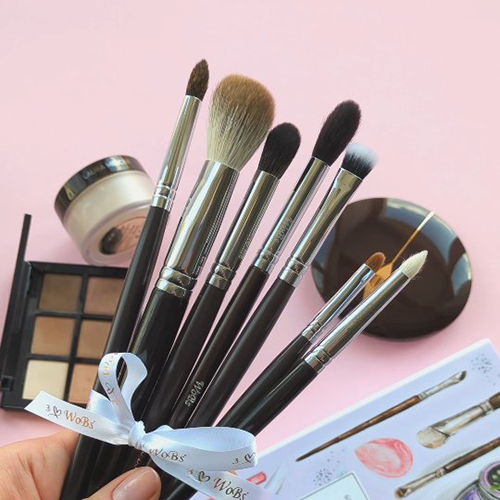
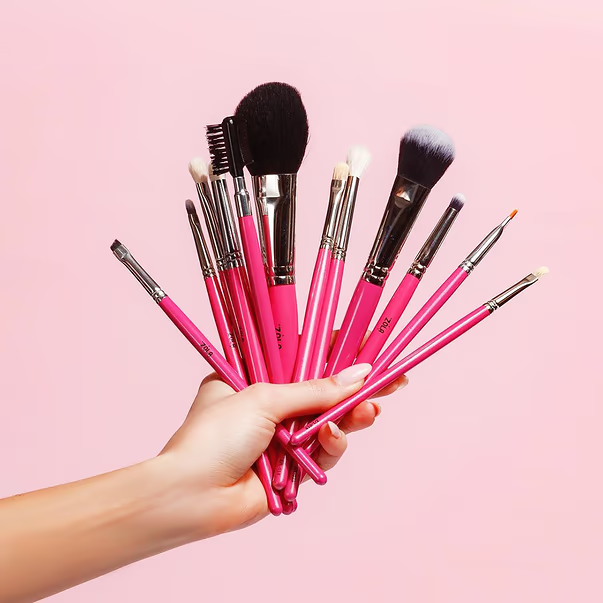
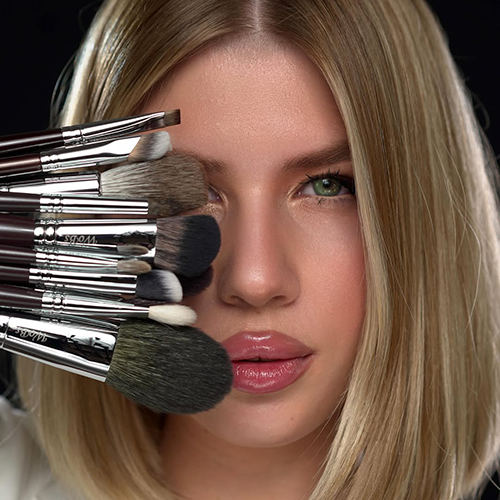
If you are looking for a wide range of professional eye makeup brushes, contact Staleks Shop & Service. Here you will definitely find premium quality tools.
Brushes Cost on staleks.ua
Name | Price |
| UNICO CC Cream Brush MAKEUP BRUSH Flawless CC Cream Brush | 550.00 UAH |
| TopFace eyeliner brush F16 | 84.00 UAH |
| TopFace foundation brush F24 | 180.00 UAH |
| TopFace blush brush F29 | 270.00 UAH |
| TopFace angled eyeshadow blending brush F09 | 96.00 UAH |
Eye Makeup Brushes - customer reviews