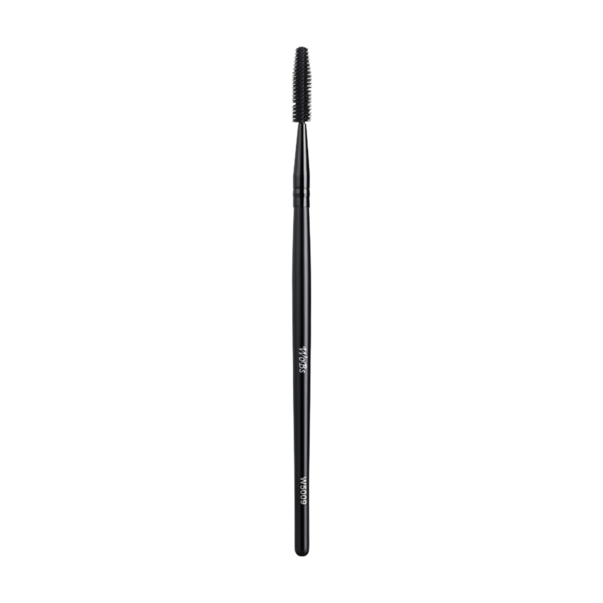
Makeup application brush








 TREND
 In stock
 Buy
 In stock Buy
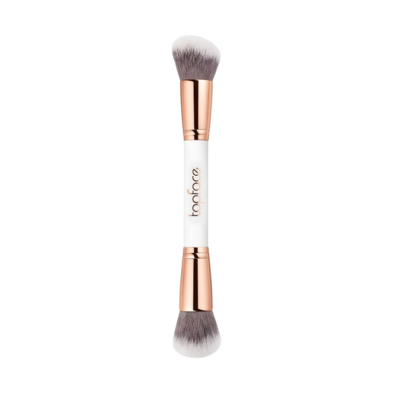 In stock Buy
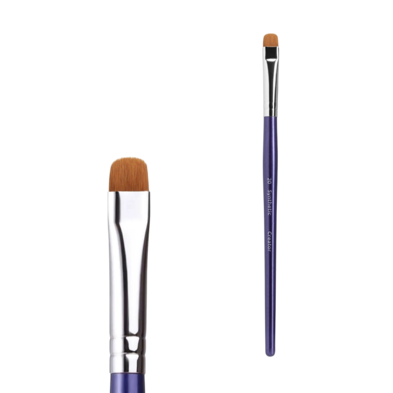 In stock Buy
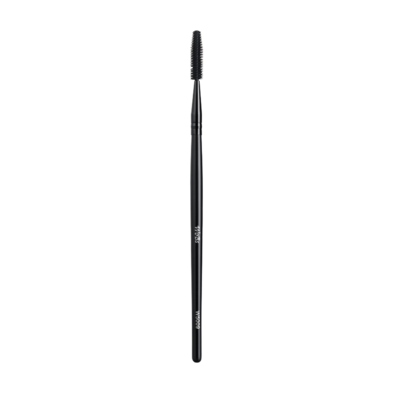 In stock Buy
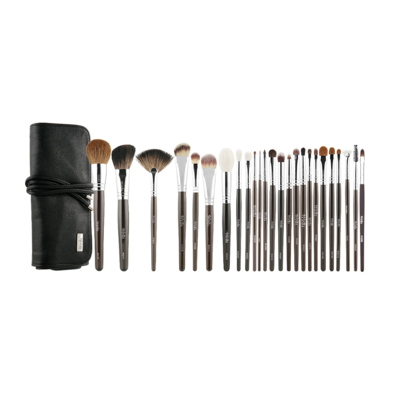 In stock Buy
 In stock Buy
 In stock Buy
 In stock Buy
 In stock Buy
 In stock Buy
 In stock Buy
 In stock Buy
 In stock Buy
 In stock Buy
 In stock Buy
 In stock Buy
 In stock Buy
 In stock Buy
 In stock Buy
 In stock Buy
 In stock Buy
 Out of stock
when available
- 1
- 2
- Next
A makeup brush provides an even coverage, conserves product, and maintains clean line geometry. The correct shape and bristles help to apply makeup more quickly and neatly, without spots or streaks.
A good brush in makeup works like a precise tool: it distributes foundation without streaks, places blush where emphasis is needed, and makes the blending of eyeshadows soft and clean. This is especially noticeable if you do your makeup regularly, as less product goes to waste, and the finish looks more professional.
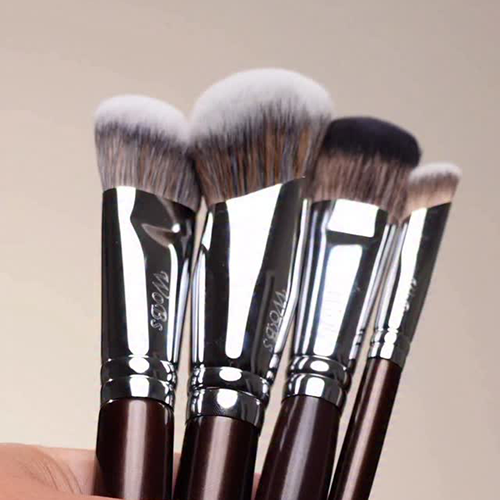
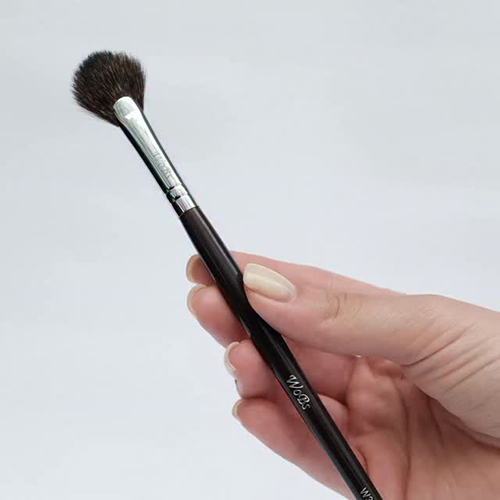
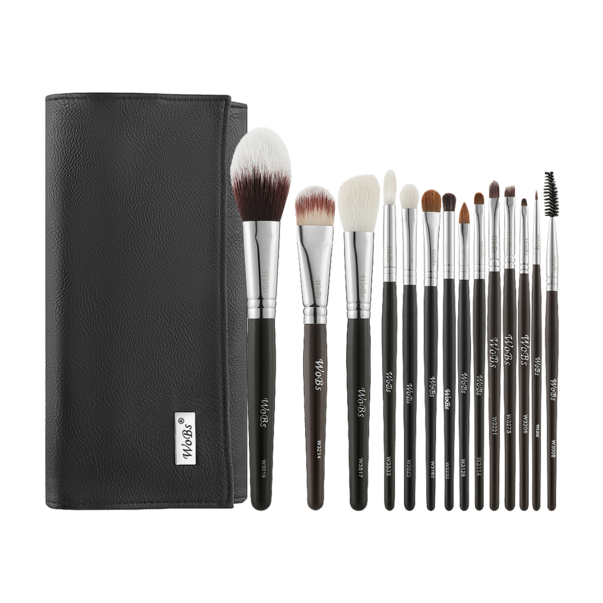
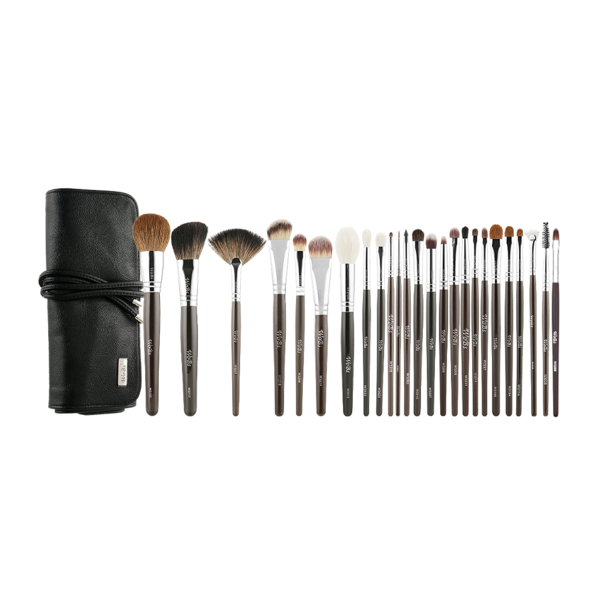
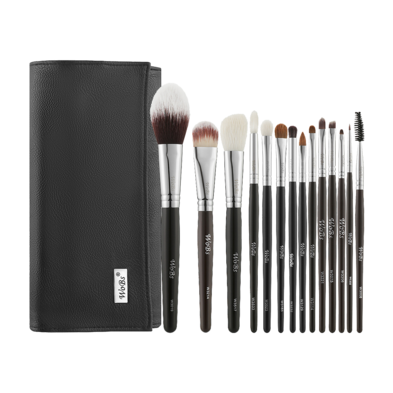
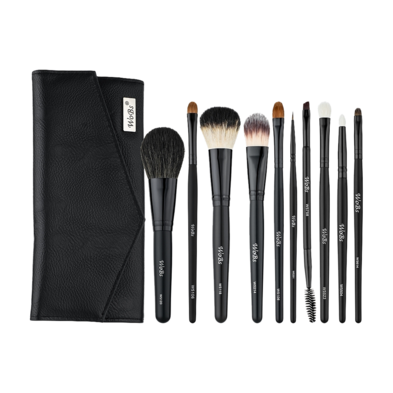
The range includes various brushes for the face and eyes with different purposes – you can assemble a set for everyday makeup, studio work, or a makeup artist's kit.
Main Types of Brushes and Their Purpose
Makeup brushes are tools that pick up, transfer, and distribute decorative cosmetics on the skin with control over density and boundaries. Unlike fingers and sponges, a brush defines shape and maintains the structure of the look, making it easier to manage coverage, proportions, and visual balance.
They operate on a simple principle: each shape addresses a specific task and is responsible for its stage of makeup application. There are no universal options here – models are selected based on the area of the face, type of product, and desired effect.
Foundation and Face Brushes
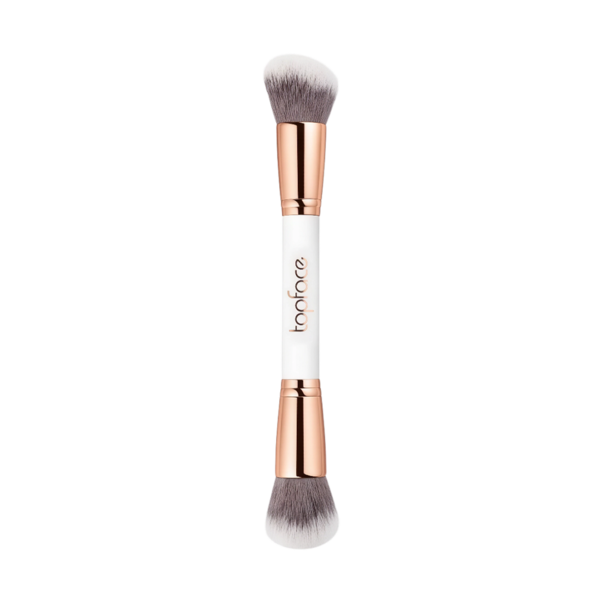
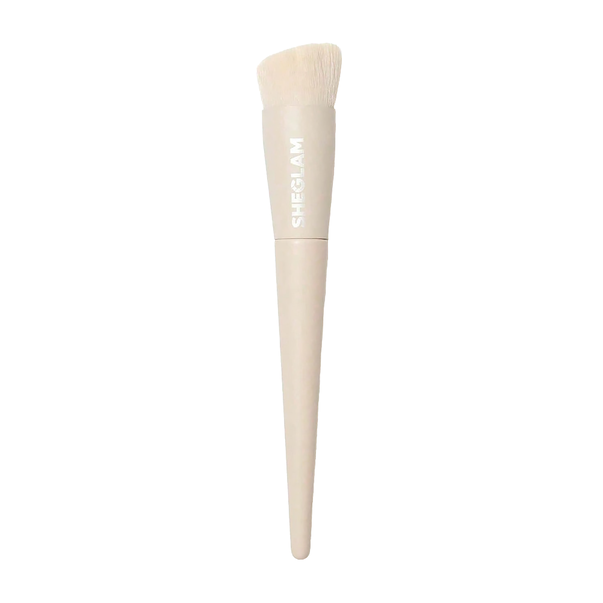
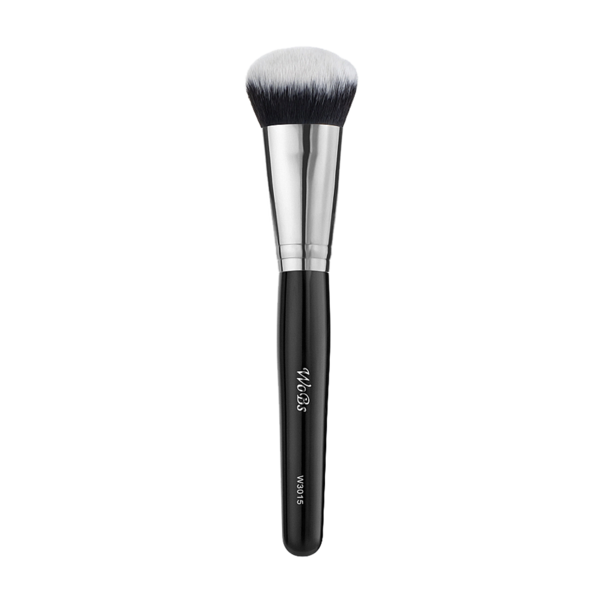
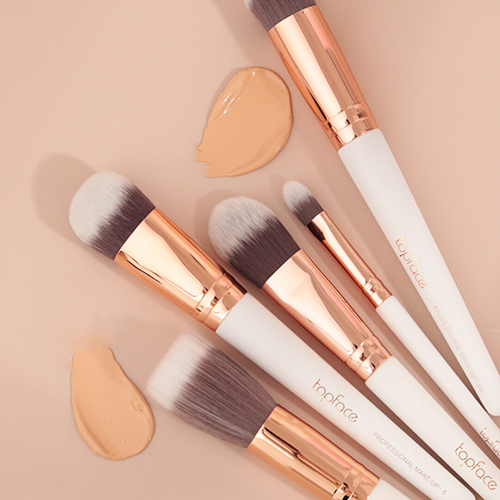
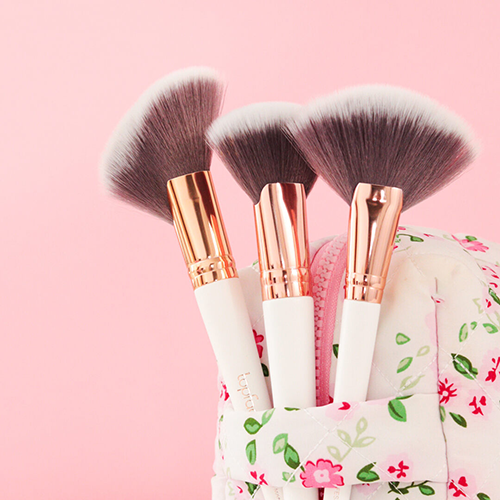
Face brushes even out the tone, set makeup, and sculpt the relief. The size of the model and how it delivers the product are important. The main options and tasks:
-
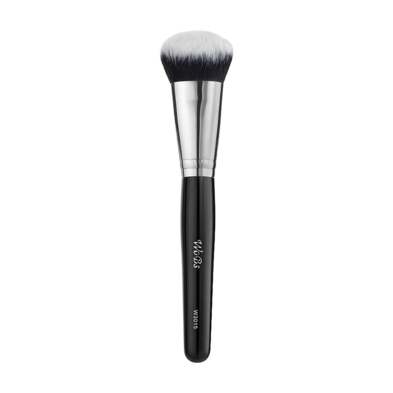
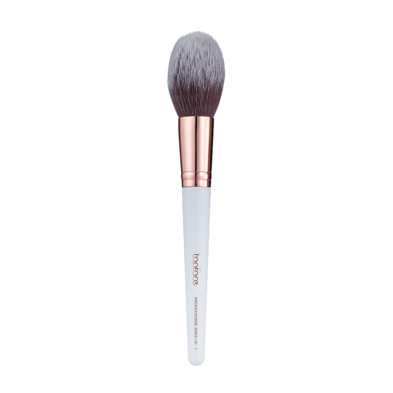
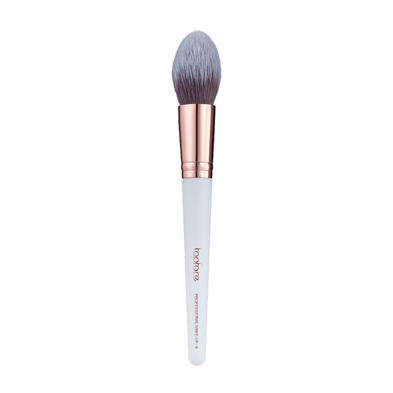
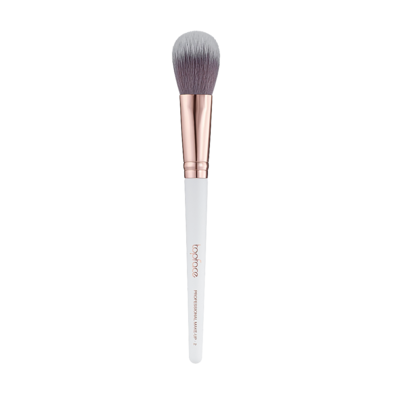
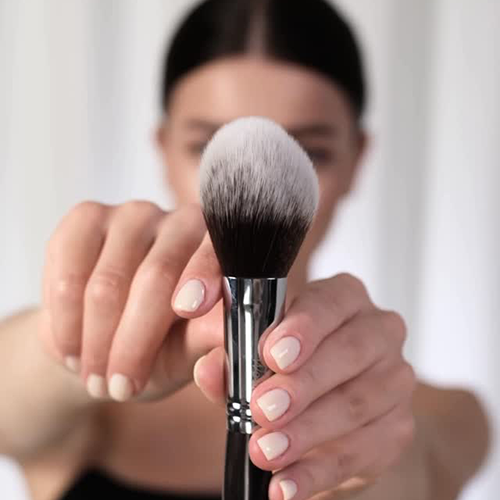
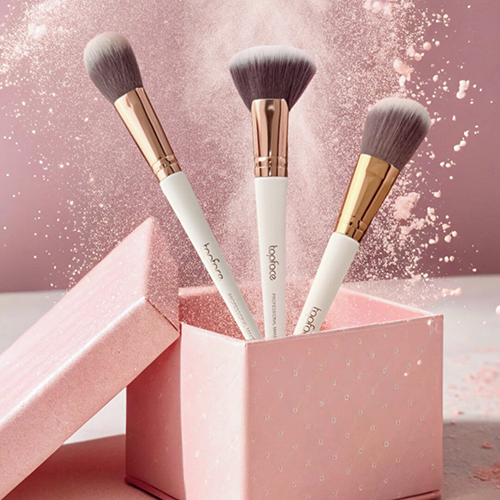
Powder Brush. Applies loose and compact powder, removes excess, and maintains a light finish.
-
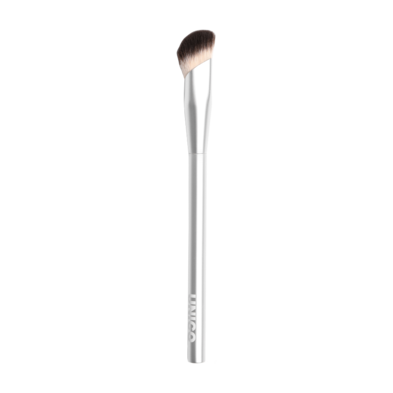
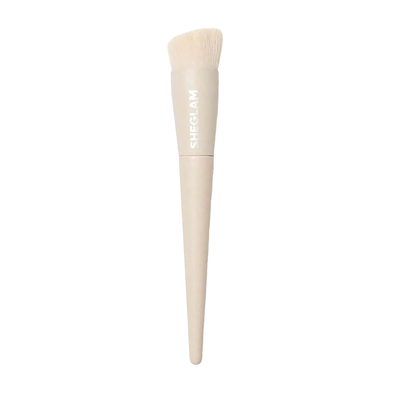
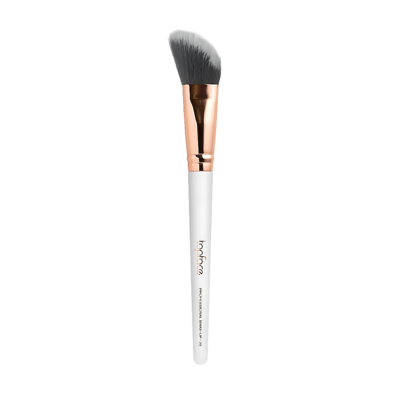
Angled Blush/Contouring Brush. Accentuates cheekbones, builds correction lines, and maintains clean boundaries.
-
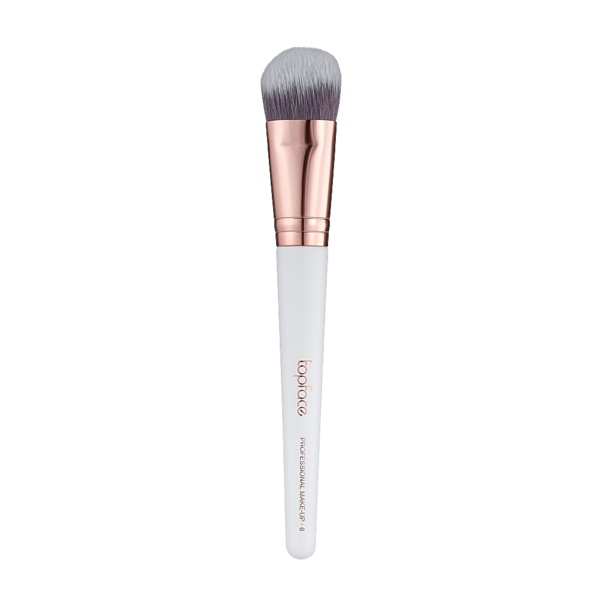
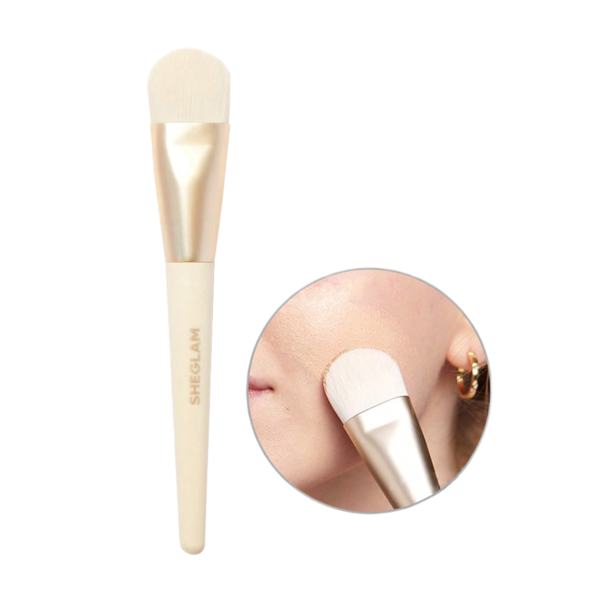
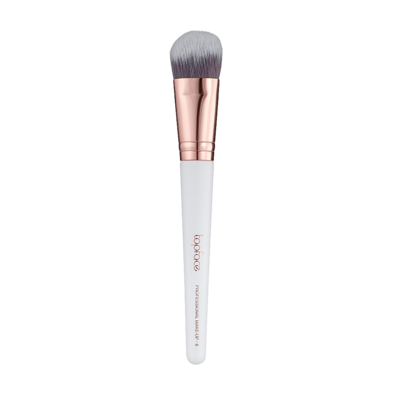
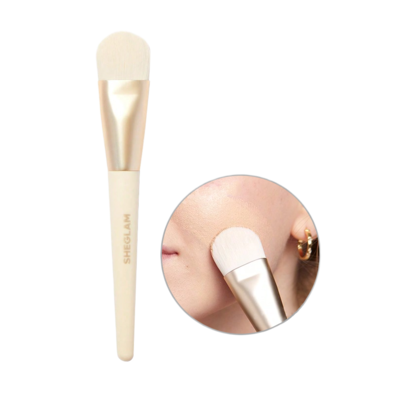
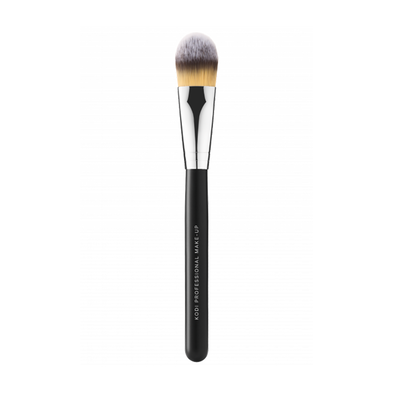
Kabuki (Dense). Buffs and polishes foundation, collects coverage without streaks, especially on the cheeks and forehead.
Why this works: the denser the bristles, the better the brush works with coverage and evens out texture. The softer and airier it is, the easier it creates a haze (powder, finishing products).
Eye Brushes
In the eye area, the brush controls verticality and the cleanliness of blending: wherever you lift the shadow, that’s where the gaze opens up. Size and shape are more important than they seem. What is typically chosen for tasks:
-
Shadow Brush (Flat/Oval). Lays down color on the eyelid, layers pigment.
-
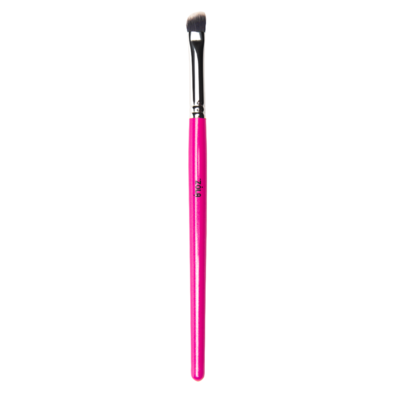
Blending Brush (Fluffy). Blurs the boundary, merges shades, softens transitions.
-
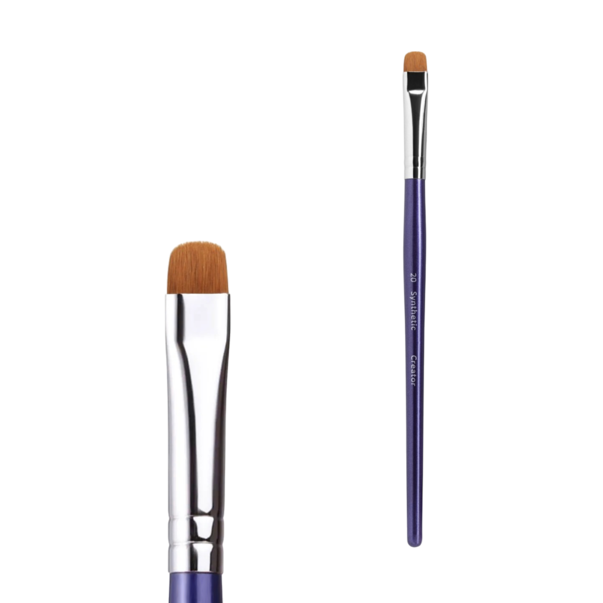
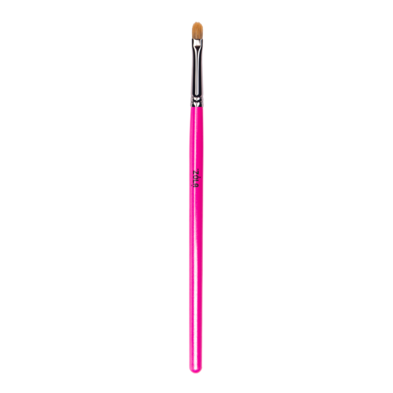
Liners and Fine Brushes. Draws eyeliner, fills in the waterline, details the lower eyelid.
Why this works: a small brush concentrates pigment, while a larger fluffy brush distributes it finely. If roles are confused, doing eye makeup becomes significantly more difficult, and everything can end up with product spots on the skin.
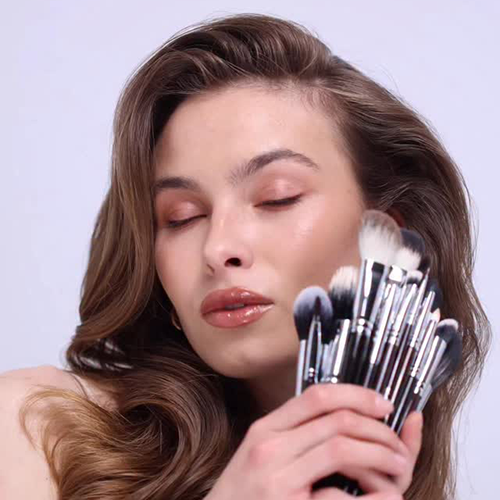
Specialty Brushes
Specialty brushes solve specific tasks where precision and clean geometry are needed. Practical options:
-
Fan Brush. Applies highlighter with a light veil or sweeps away powder/shadow fallout.
-
Lip Brush. Outlines the contour, fills in the shape with lipstick, creates a smooth boundary.
-
Mini Detail Brush. Places emphasis in the inner corner, enhances the line along the lashes.
Why this works: in details, what matters is not the price of the product or brand, but the shape of the tip and pressure control.
Brush Materials and Their Features
The bristles determine compatibility with textures: synthetic works with creams and liquid products, while natural bristles better reveal dry powder products. Additionally, the ferrule and quality of assembly are important: they hold the shape and prevent shedding. How to navigate bristles:
-
Synthetic Bristles. Easier to clean, well-suited for foundations, cream blushes, concealers, and gel liners.
-
Natural Bristles. Softly distributes powder, blush, bronzer, dry shadows, and often provides a more smoky finish.
-
Mixed Bristles. Balances the set and product delivery when versatility is desired.
The choice is simple: the texture of the cosmetics dictates the material of the bristles. If your makeup bag contains many creams and liquid products, synthetic brushes usually cover more tasks.
How to Choose a Makeup Brush: Table
Before the table, a short rule: first determine the texture (dry/creamy), then the desired coverage density, and only then the shape.
| Parameter | Recommendation | Why |
| Foundation | Dense, firm (kabuki/dense duo-fiber) | Polishes and evens out coverage, fewer streaks |
| Powder | Large fluffy | Distributes powder finely and does not overload the finish |
| Blush | Medium, slightly angled or rounded | Places emphasis more precisely and maintains a clean boundary |
| Contouring/Bronzer | Angled, denser | Density builds the line and does not blur the correction |
| Eyeshadow on the Lid | Flat, small | Lays down pigment and layers color |
| Blending Eyeshadows | Fluffy, medium/small | Blurs boundaries and merges shades softly |
| Liner/Details | Thin liner | Defines the waterline and makes the line precise |
| Lips | With a fine tip | Outlines the contour and fills in the shape without eaten edges |
The same model can yield different results if you change the pressure and method of application. A light touch with the tip creates a haze, while a firm application with the flat side intensifies pigment.
Common Mistakes in Choosing and Using Brushes
Brushes are often purchased from an aesthetic standpoint, and then people are surprised why foundation streaks, blush stains, and eyeshadows apply unevenly. This is due to basic mismatches in shape and texture. Common mistakes:
-
Using a soft fluffy brush for dense foundation – it smears and leaves streaks.
-
Using one brush for everything without cleaning – colors mix, and makeup loses clarity.
-
Too large a size for a small face – blush ends up anywhere but the intended area.
-
A brush that is too stiff in delicate areas – product applies in patches and emphasizes texture.
-
Picking up too much product at once – the brush overloads the layer, and the finish looks heavier.
-
Drying brushes bristle up on a radiator – the glue loses stability, and the shape spreads.
How to avoid: maintain simple discipline – detail brushes are cleaned more often, bases for cream textures are washed regularly, and drying is done horizontally or bristle down. In a home setting, many find that express cleaning after makeup and deep washing about every 7–10 days is sufficient.
Q&A on Makeup Brushes: Asking the Expert
1. How many brushes are needed at a minimum for neat makeup? Usually, 5 are sufficient: for foundation, powder, blush/bronzer, eyeshadows, and blending. The rest can be added based on technique.
2. Are makeup brush sets suitable for beginners? Yes, if the set includes basic shapes and clear purposes: brushes cover everyday scenarios and speed up learning.
3. Why do eyeshadows sometimes apply in patches even with a good makeup brush? More often, the reason lies in the combination of “texture + base”: dry shadows without a base adhere unevenly, and the brush cannot compensate.
4. How should makeup brushes be stored while traveling to avoid damage to their shape? It’s best when the bristles are secured with a case or tube: this prevents them from bending and fluffing up in the makeup bag.
Where to Buy Makeup Brushes in Ukraine and Worldwide
In the Staleks online store, it is convenient to buy brushes for specific tasks: for the face, eyes, and details, for different textures and techniques. The assortment is regularly updated, so you can find both basic working shapes and specialized models for accents and complex blending. The store works with official suppliers, provides warranty conditions, and clear purchasing rules.
Orders are placed online, delivered across Ukraine, international shipping is available, and you can also pick up your purchase in person at Staleks Shop & Service branded stores. If you are unsure about the shape or bristles, support can advise on compatibility – this saves time and reduces the risk of choosing incorrectly.
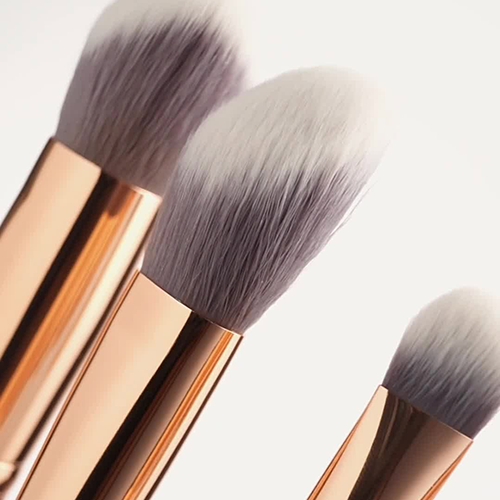
Final Checklist
If the goal is to buy brushes and immediately achieve good results, follow this short reminder.
-
Determine which textures you use more often: dry or creamy.
-
For foundation, choose a model that polishes rather than just smears.
-
For powder, select a fluffy one to keep the layer light.
-
Blush and contour are applied with different shapes: this keeps boundaries cleaner.
-
For eyes, separate models for color and blending: these are different brushes.
-
For details (eyeliner, waterline, lips), use a fine tip.
-
Check the size relative to the face: the brush should fit the accent area.
-
Adjust care: regular cleaning maintains shape and application quality.
The conclusion is simple: a well-chosen makeup brush speeds up the assembly of the look, improves the finish, and maintains visual balance without unnecessary layers.
Brushes Cost on staleks.ua
Name | Price |
| UNICO CC Cream Brush MAKEUP BRUSH Flawless CC Cream Brush | 550.00 UAH |
| TopFace eyeliner brush F16 | 84.00 UAH |
| TopFace foundation brush F24 | 180.00 UAH |
| TopFace blush brush F29 | 270.00 UAH |
| TopFace angled eyeshadow blending brush F09 | 96.00 UAH |
Makeup application brush - customer reviews