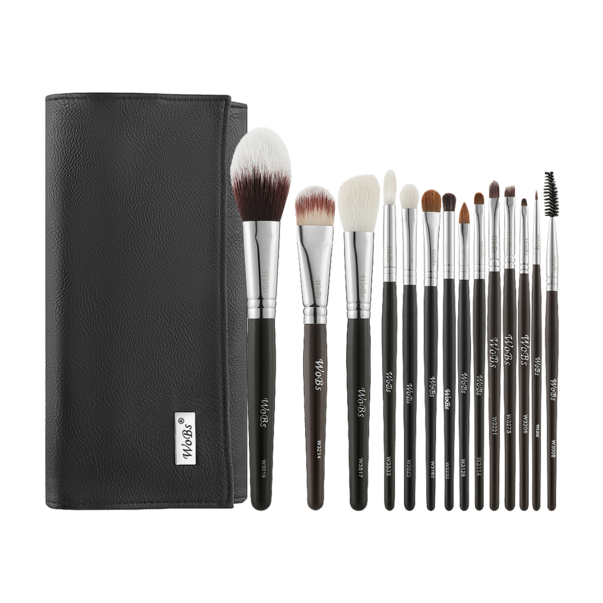
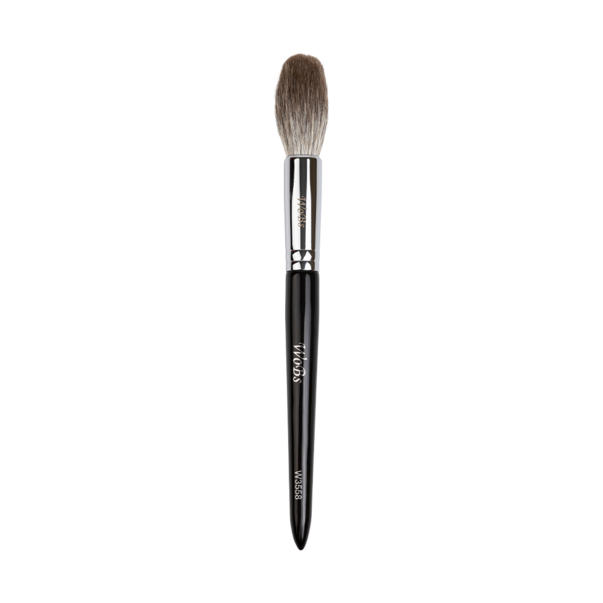
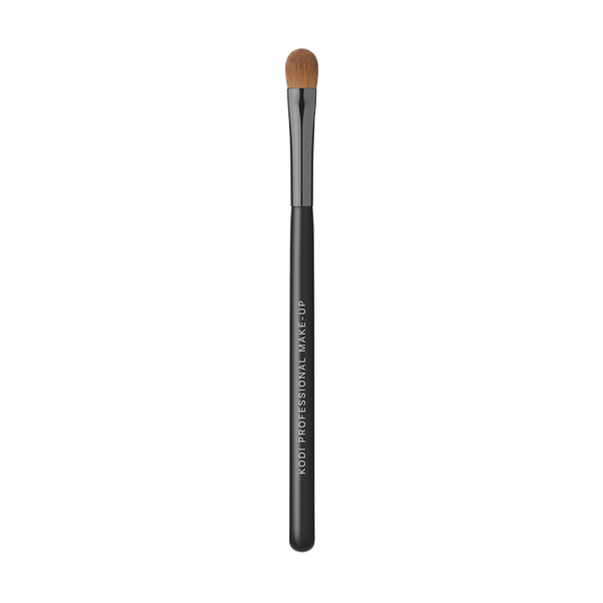
Natural Makeup Brushes

 In stock
 Buy
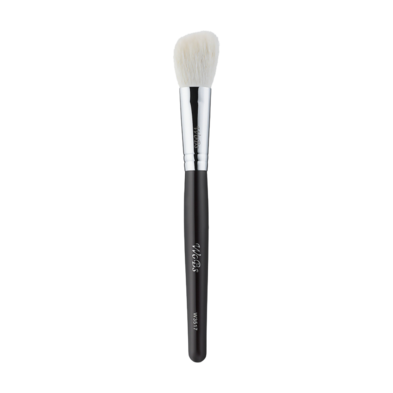 In stock Buy
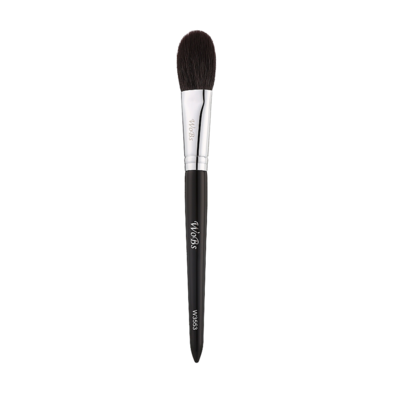 In stock Buy
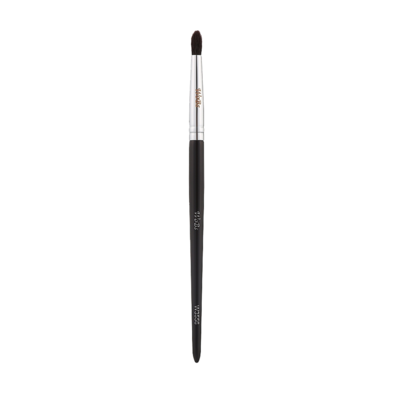 In stock Buy
 In stock Buy
 In stock Buy
 In stock Buy
 In stock Buy
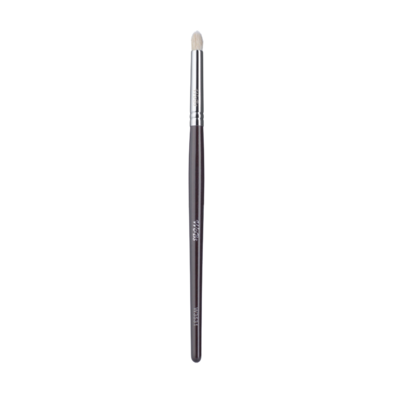 In stock Buy
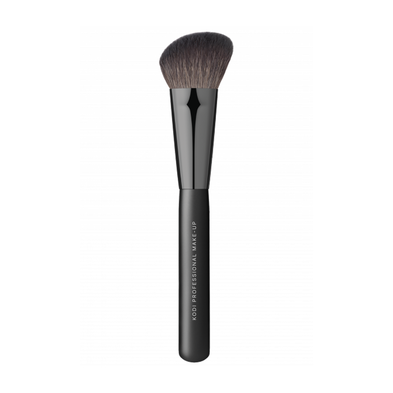 In stock Buy
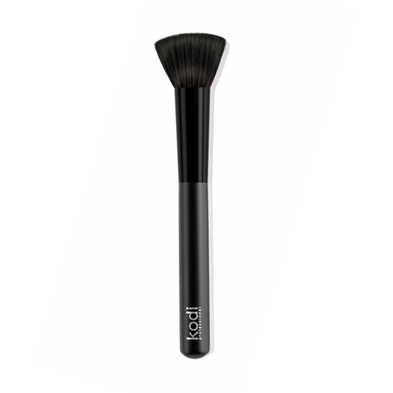 In stock Buy
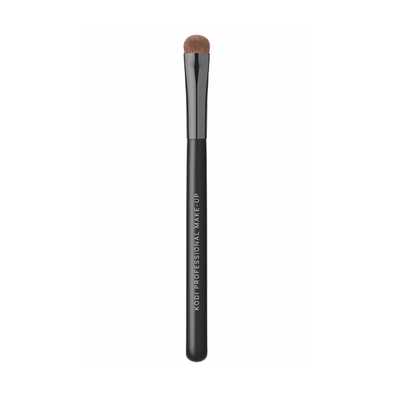 In stock Buy
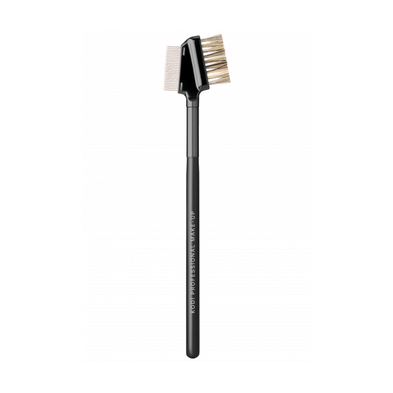 In stock Buy
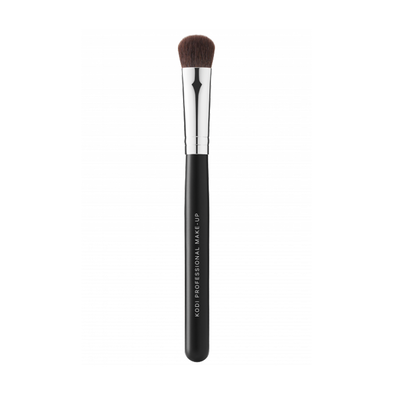 In stock Buy
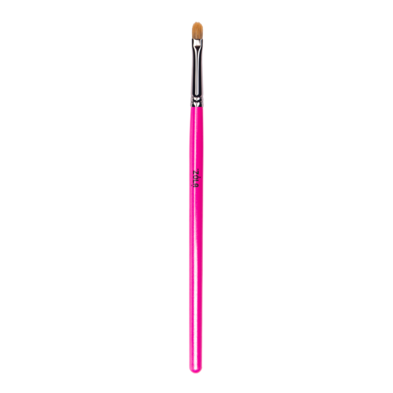 In stock Buy
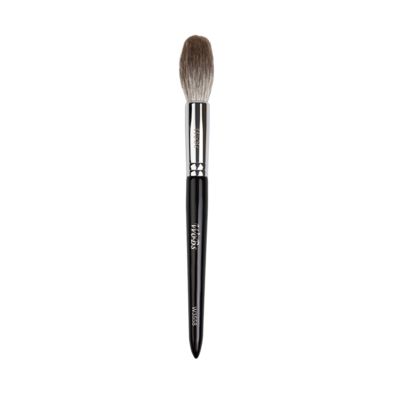
 Out of stock
when available
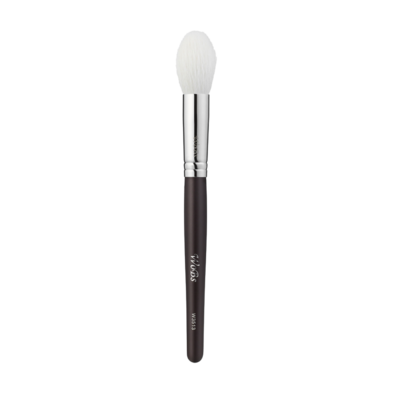 Out of stock
when available
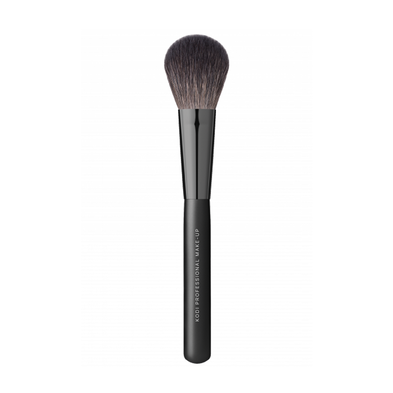 Out of stock
when available
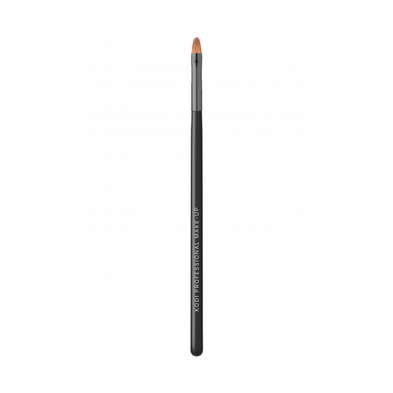 Out of stock
when available
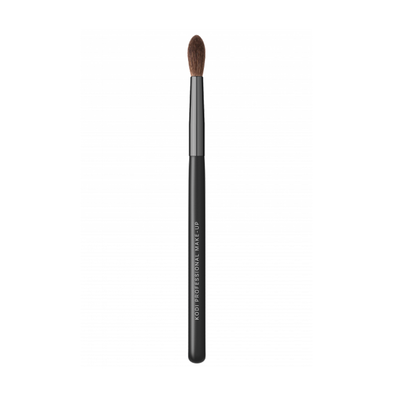 Out of stock
when available
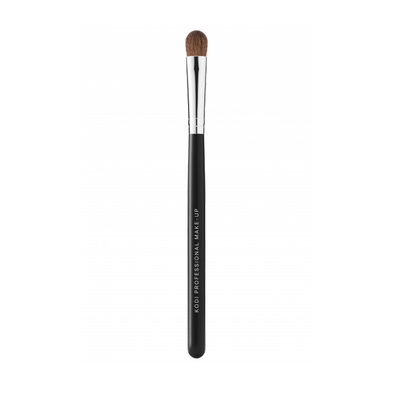 Out of stock
when available
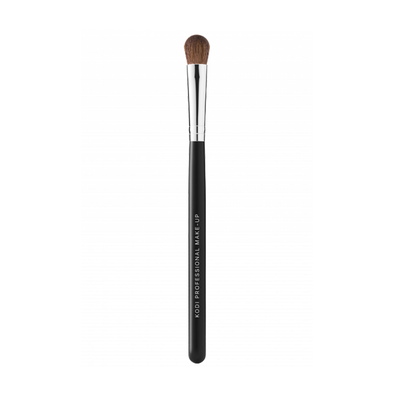 Out of stock
when available
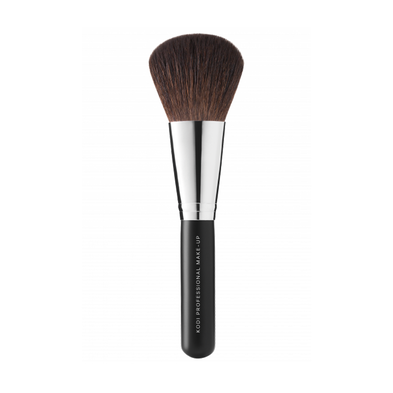 Out of stock
when available
- 1
- 2
- Next
In an era when synthetic materials are taking over the world of cosmetic tools, natural hair continues to hold its ground. Moreover, experienced makeup artists and beauty enthusiasts are willing to pay three times more for squirrel or sable hair makeup brushes than for the most modern synthetics. Why? Is it merely a nod to tradition or a marketing ploy?
Conduct a simple experiment. Take a good brush made of natural hair and apply blush. Now try the same with a synthetic one. Do you feel the difference? Natural hair seems to envelop the skin in a cloud of color, creating an airy blend with soft transitions. This is not magic — it is physics and biology combined.
Natural Makeup Brushes: What Happens at the Micro Level
Each hair of natural fur has a unique structure. Under a microscope, it is visible that the surface is covered with tiny scales arranged like shingles on a roof. These scales capture particles of dry cosmetics and transfer them to the skin in a special way.
Powder, blush, bronzer, dry eyeshadows — all of these are pigments mixed with talc or other powdery bases. Natural hair literally grabs these particles with its scales, picks up the right amount of product, and then gradually releases it during application. This results in that very weightless veil of color that cannot be replicated with synthetics.
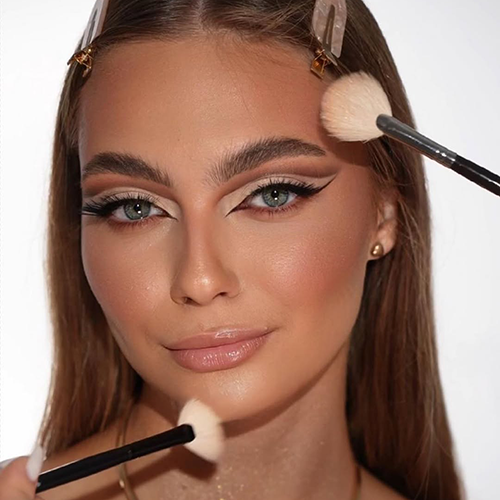
Synthetic fibers are smooth. Even if the manufacturer specifically treats the tips to imitate irregularities, it still lacks that living structure. Artificial makeup brushes either pick up too much product or poorly release it. More effort is required for blending, and the result is still less natural.
Another point is the combination of elasticity and softness. Natural hair springs under the fingers but gently touches the skin. Thanks to this combination of qualities, one can control the intensity of application and achieve perfect blending simultaneously.
Natural Makeup Brushes: Understanding the Materials
Natural hair is a very broad concept. There is a vast selection of materials behind it. Each has its own characteristics and purpose. Professional makeup artists are familiar with dozens of types of bristles, and it is not about snobbery. It is simply essential.
Goat remains the most popular material. Goat hair is soft enough not to irritate the skin but elastic and durable. Long hairs are perfect for large fluffy brushes — the very ones used to apply powder or blush. Goat hair picks up product well and distributes it evenly. The cost of goat hair is moderate, making it accessible to a wide audience.
Squirrel provides the softest and most delicate hair. Squirrel makeup brushes are so soft that they can be used even on very sensitive skin around the eyes. Long, thin hairs are ideal for blending eyeshadows in the crease of the eyelid — achieving that smoky softness without harsh edges. The downside of squirrel hair is that it is not elastic enough for dense application. However, for an airy, veiled blend, there is no better material.
Sable is considered an elite material. Sable fur combines the softness of squirrel with the elasticity of goat, making it versatile. Sable makeup brushes with natural hair are suitable for both dense color application on the eyelid and delicate blending. They last for years without losing shape and properties. The only drawback is the high price.
Kolinsky is less known but highly valued by professionals. Kolinsky hair is stiffer and shorter than sable, making it easy to work with fine details and precise lines. Kolinsky brushes are excellent for drawing eyeliner with dry eyeshadows, for detailed work on the outer corner of the eye, and for lip definition. The material is elastic and retains its shape even after numerous washes.
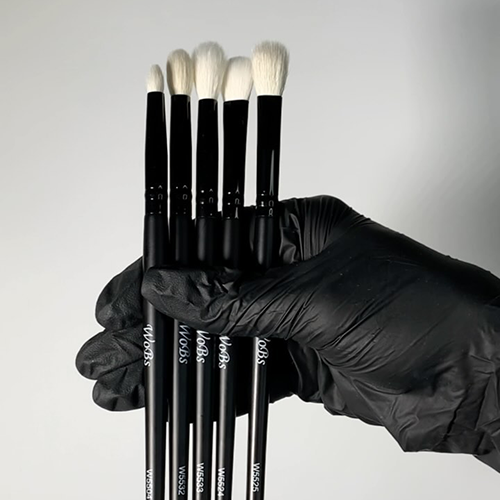
Pony provides a fairly stiff hair that is good for working with dense textures. Natural pony hair makeup brushes are used for contouring, for dense application of eyeshadows, and for blush when good pigmentation is needed. Pony hairs are thicker and coarser than those of squirrel or sable, but they excel in tasks where intensity is required rather than airiness.
Mountain goat lives in harsh conditions, and its fur is characterized by exceptional elasticity and density. Mountain goat hair is used for tools that will undergo intensive work — professional makeup artists value such tools for their durability. The brushes are fluffy, well-packed, and capable of working on large areas of the face.
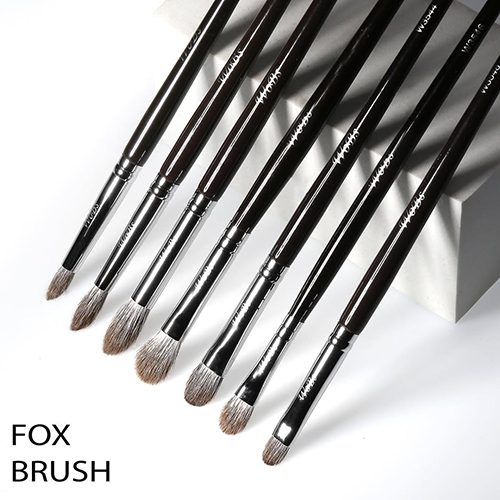
Fox provides long, fluffy hair with a characteristic shine. Fox fur is soft and gentle but dense enough. Natural fox makeup brushes are suitable for applying highlighter, for setting makeup with a light powder, and for blush when a natural flush is needed. The material is capricious in care, but the result is worth the effort.
Boar is the complete opposite of delicate squirrel. Boar bristles are stiff and elastic, used for specific tasks. For example, for blending pencil along the brow line, for combing eyelashes and eyebrows, and for working with dense waxy textures. Boar brushes are not suitable for delicate areas but excel where other materials fail.
Raccoon is less common but yields interesting results. Raccoon hair combines softness with sufficient density, making it a pleasure to work with contouring and sculpting the face. The hairs have a characteristic striped coloration. The material picks up and releases product well and lasts a long time.
What Are Natural Hair Makeup Brushes Used For?
Powder products are the main domain of natural hair. Loose powder, compact, baked, mineral — any requires proper application. A large fluffy goat brush picks up just the right amount of product and distributes it in the thinnest layer across the face. The skin appears matte but retains its naturalness, without a mask effect.
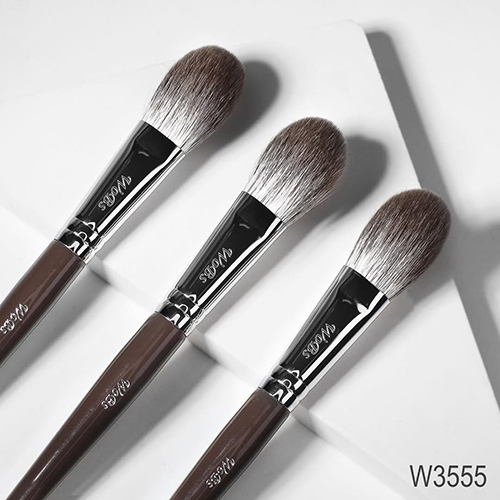
Blush is sensitive to the application tool. Too much product results in bright spots instead of a fresh flush. Too little, and there is no effect at all. A medium-sized natural hair brush controls the intensity. With circular motions, it is easy to achieve that inner glow where it is unclear whether it is makeup or a natural blush.
Dry contouring and sculpting of the face require special precision. An angled brush made of goat or pony hair picks up bronzer or dark contour and can draw a clear line under the cheekbone, along the hairline, and on the sides of the nose. Then, it can blend the edges so that the transition becomes seamless.
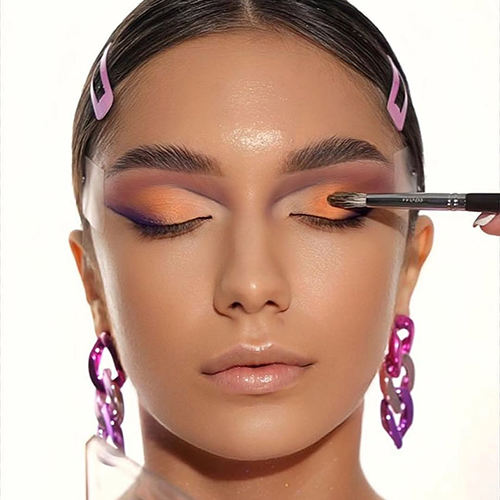
Eyeshadows reveal the full potential of natural hair. A flat sable or kolinsky brush densely applies color to the mobile eyelid. A fluffy round goat or squirrel brush blends the crease, creating depth. A small dense brush works on the outer corner, adding drama. Each shape and each material plays its role in creating complex eye makeup.
Highlighter requires delicacy. A fan brush made of squirrel or fox picks up a minimum of product and applies it to the high points of the cheeks, the bridge of the nose, and the cupid's bow with a light glow. No glitter or spots — just the natural radiance of the skin.
Bronzer and dry tanning products apply with a natural brush as if you just returned from the beach. A fluffy round goat brush distributes the product to areas that tan first in the sun — forehead, temples, nose, cheeks. The blending is smooth, and the tan looks natural.
Natural Hair Makeup Brushes: Myths and Reality
-
Natural brushes scratch the skin and cause irritation. In reality, quality hair, properly processed and collected, is softer than many synthetic materials. Irritation occurs either due to cheap brushes with rough tips or due to an allergy to a specific type of hair. Although allergies are rare, more often than not, it is due to improper care of the brushes.
-
Natural hair absorbs all the cosmetics, requiring more product. Yes, natural hair has a porous structure. But this only applies to liquid and cream textures. With powder products, it is the opposite — a natural brush uses less makeup because it picks it up in a measured way and releases it gradually. With one swipe of synthetic hair, you can apply as much blush as a natural brush will distribute in three to four touches.
-
Natural hair makeup brushes wear out quickly and need replacing. With proper care, they last 5-7 years or even longer. Sable tools from professional lines can last for decades. Yes, they are more expensive than synthetics, but if you calculate the cost of ownership over years of use, the difference is not that significant.
-
Natural brushes are difficult to care for. It is true that they require more care than synthetics. But not to the extent that one should forgo the advantages of the material. Natural hair requires gentle washing, proper drying, and careful storage. If simple rules are followed, there are no problems.
-
Modern synthetics are no worse than natural hair. Synthetics have advanced, but for working with dry products, natural hair remains unparalleled. Chemists have not yet been able to fully reproduce that unique structure with scales that nature provides.
Natural Makeup Brushes: How to Choose
The first rule is to never buy cheap tools. It may sound strange, but it is important. A cheap natural brush is worse than an expensive synthetic one. Manufacturers cut corners on hair processing, quality of attachment, and sorting of hairs. As a result, you get a tool that sheds, scratches the skin, and works poorly with cosmetics.
Quality natural hair undergoes multi-stage processing. The hair is washed, disinfected, sorted by length and thickness, tips are aligned, and sometimes trimmed to shape. Hairs are collected by hand, ensuring that all tips face the same direction. The ferrule should tightly grip the bundle without gaps, and the glue should be of high quality and safe.
Check the product before purchase with simple tests. Run the hair across the back of your hand — the sensation should be pleasant and soft, without scratching or prickly notes. Gently tug on the hairs — nothing should fall out of a quality product, at most one or two hairs. Squeeze the hair with your fingers and release — the bristled bundle should quickly regain its shape without creases or deformations.
Pay attention to the ferrule. It should be made of stainless steel or aluminum, without signs of oxidation, scratches, or dents. The connection point between the ferrule and the handle should have no play — shake the brush while holding both ends. A quality tool sits tightly without wobbling.
The handle can be wooden, plastic, or acrylic. Wood looks noble and feels pleasant in the hand but requires careful handling around water. Quality plastic or acrylic is more practical, especially if natural makeup brushes are washed frequently. The main thing is that the coating is smooth, without chips or burrs.
Size and shape depend on the intended use. For powder, a large fluffy brush with a diameter of 4-5 centimeters is needed. For blush — a medium one, about 3 centimeters. For contouring — an angled, flat, or round brush. For eyeshadows — a set of several tools of different shapes and sizes. For blending — a fluffy round brush. For detailed work — a small dense brush.
Step-by-step plan for selection:
-
Determine which products you need natural makeup brushes for — powder, blush, eyeshadows, contouring.
-
Choose the appropriate material — goat is universal, squirrel for delicate areas, sable for eyelids.
-
Decide which shapes are necessary — fluffy round, flat, angled, fan-shaped.
-
Set a budget considering that quality tools are not cheap.
-
Test the brush before purchasing in an offline store.
Natural Hair Makeup Brushes: Proper Care
Natural hair is more capricious than synthetics, but care is not as complicated as it seems. The main thing is to follow a few principles, and the brushes will last for years.
The frequency of washing depends on the intensity of use. If you use them daily, wash them once a week. Professional makeup artists working with different clients wash their tools after each use, but that is a special case. For home use, weekly cleaning is sufficient.
Use a special shampoo or mild baby soap. Aggressive detergents, especially those containing silicones and sulfates, destroy the structure of natural hair. The hair becomes stiff, brittle, and loses elasticity.
The washing technique requires delicacy. Wet the hair under warm water, ensuring that the water flows from the ferrule to the tips, not the other way around. Apply a small amount of detergent to your palm or a special cleaning mat. With circular motions, massage the hair, squeezing out the dirt. Do not rub too vigorously or twist — this can damage the hairs and the attachment.
Rinse until the water runs clear. Residual soap in the hair will lead to clumping and stiffness. You can add a drop of hair conditioner to the last rinse — this will make the hair softer. However, the conditioner must be rinsed out very thoroughly.
Gently squeeze out the water by compressing the hair between your fingers. Do not twist or pull. After squeezing, shape the brush correctly with your fingers — while the hair is damp, it is pliable.
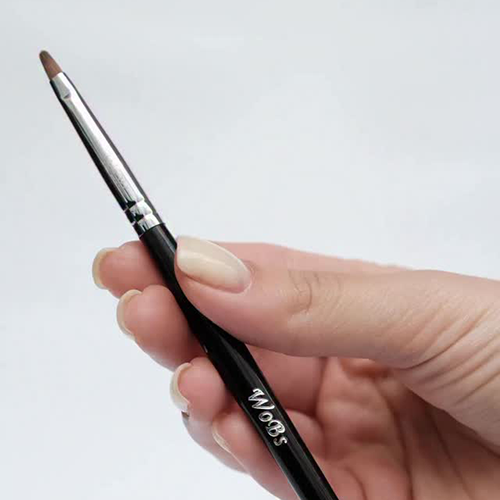
Drying is critical for maintaining shape and attachment. The only correct way is to lay it horizontally on a towel, with the hair slightly hanging over the edge of the table or drying rack. This way, water does not flow to the ferrule and does not loosen the glue. If dried vertically with the hair up, moisture will get into the attachment, and the bundle will start to fall apart. Dried vertically with the hair down — the shape will deform.
Natural makeup brushes take a long time to dry — from 12 to 24 hours depending on size and density. Do not try to speed up the process with a hairdryer — hot air will damage the hair. Just plan your washing so that they have time to dry before the next use.
Storage also matters. The ideal option is to store them vertically with the hair up in a cup or organizer. This allows the hair to air out and maintain its shape. If brushes are lying in a cosmetic bag or drawer, they must be completely dry; otherwise, an unpleasant smell and mold will develop.
For travel, use special cases or tubes that protect the hair from deformation. A regular cosmetic bag is not suitable — brushes get crushed under the weight of other items.
Natural Hair Makeup Brushes: The Price Question
The price range is vast. You can buy natural hair makeup brushes for 250 or even 500 hryvnias. Where is the reasonable middle ground?
The cheap segment rarely offers quality natural tools. More often, these are either poorly processed hair, a mixture of natural and synthetic materials passed off as pure hair, or low-quality materials. Saving here is risky — you may end up disappointed in natural brushes forever.
The mid-price range is the optimal choice. Here, you can find quality tools made from goat, good sable, and squirrel. The hair is processed correctly, the attachments are reliable, and the shape holds for years. They are perfect for most tasks.
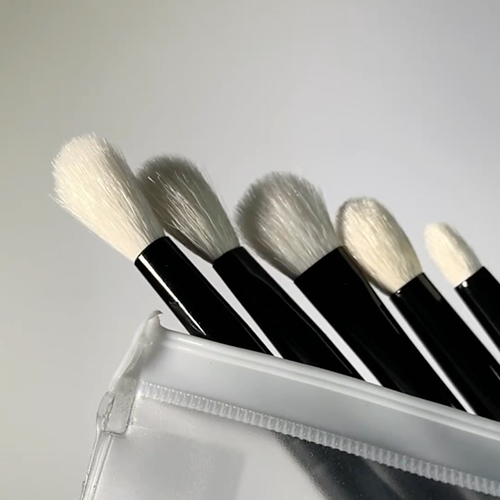
The premium segment includes elite sable, rare types of hair, and handmade craftsmanship. There is a difference from mid-range brushes, but it is not always critical. It is like comparing a good Japanese knife with a masterpiece from a renowned master — both cut excellently, but the latter is significantly more expensive. For professionals working with top clients, such tools are justified. For home use, they are often excessive.
Buying natural makeup brushes is an investment in quality results and enjoyment of the process. Yes, they are more expensive than synthetics and require more careful maintenance. But the blending that natural materials provide is worth the effort. Try at least one good goat or sable brush — and you will understand what is being talked about. Makeup reaches a new level when you work with the right tools.
Brushes Cost on staleks.ua
Name | Price |
| UNICO CC Cream Brush MAKEUP BRUSH Flawless CC Cream Brush | 550.00 UAH |
| TopFace eyeliner brush F16 | 84.00 UAH |
| TopFace foundation brush F24 | 180.00 UAH |
| TopFace blush brush F29 | 270.00 UAH |
| TopFace angled eyeshadow blending brush F09 | 96.00 UAH |
Natural Makeup Brushes - customer reviews