Synthetic makeup brushes






 In stock
 Buy
 TREND In stock Buy
 In stock Buy
 In stock Buy
 In stock Buy
 In stock Buy
 In stock Buy
 In stock Buy
 In stock Buy
 In stock Buy
 In stock Buy
 In stock Buy
 In stock Buy
 In stock Buy
 In stock Buy
 In stock Buy
 In stock Buy
 In stock Buy
 In stock Buy
 In stock Buy
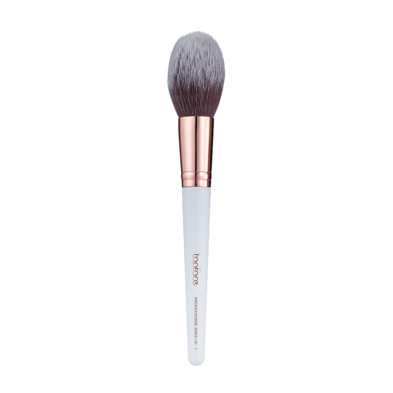 In stock Buy
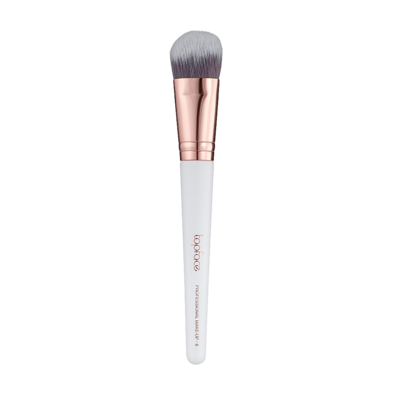 In stock Buy
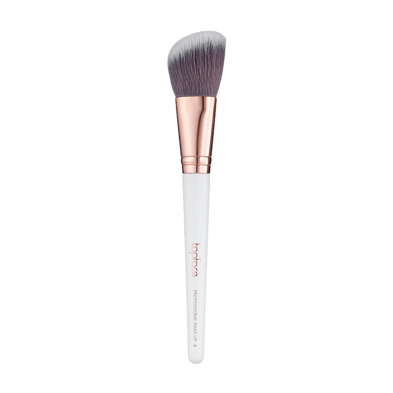 In stock Buy
- 1
- 2
- 3
- Next
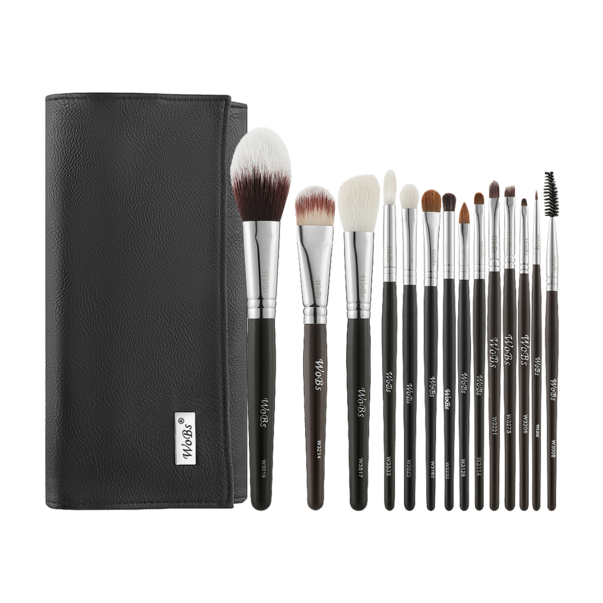
In the past, professionals looked down on anything synthetic. Synthetic materials were considered the domain of amateurs, while true masters worked exclusively with goat, squirrel, and sable hair. Times have changed. Today, in the makeup kits of top makeup artists, artificial brushes coexist with natural ones, and sometimes even completely replace them.
Synthetic Makeup Brush: Technology vs. Nature
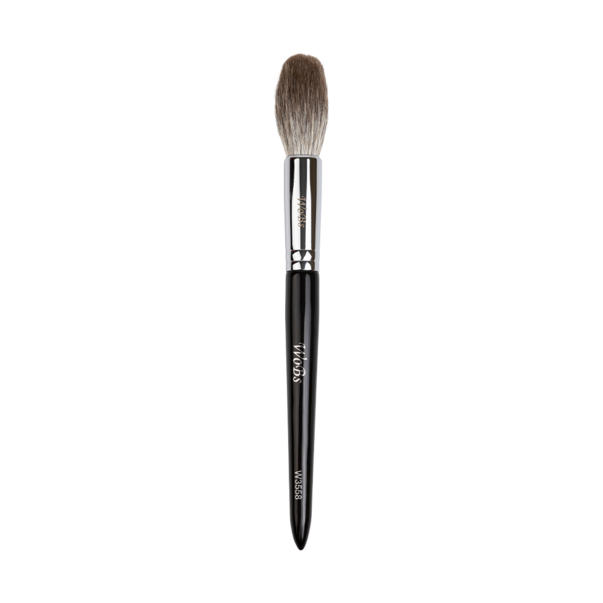
Modern synthetic fibers are not the stiff plastic from cheap sets of the nineties. Taklon, next-generation nylon, and innovative polymer materials have learned to mimic the structure of natural bristles at the molecular level. Manufacturers treat the tips of the fibers so that they are slightly uneven—just like the scales of real hair.
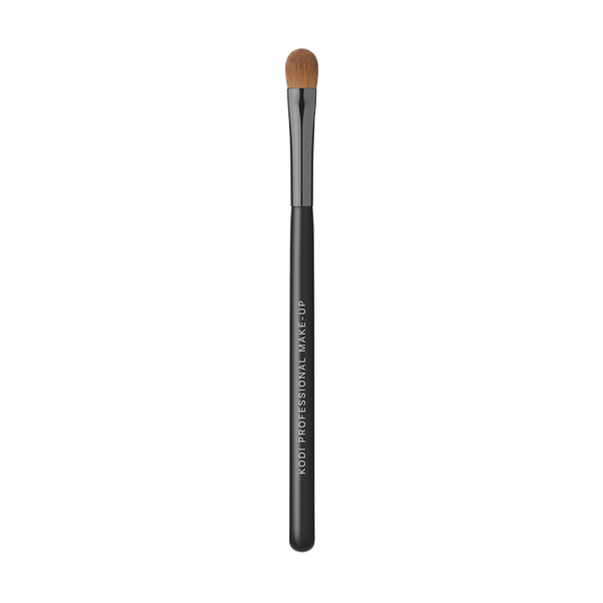
The result is impressive. Synthetic brushes have become soft, resilient, and gentle on the skin. Run a quality taklon brush across the back of your hand—there are no scratching sensations, just a pleasant glide. The main advantage of synthetic bristles lies in how they interact with cosmetics.
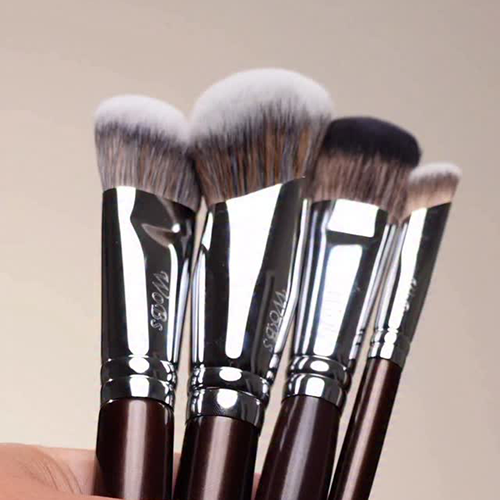
Natural hairs have a porous structure and absorb liquids like a sponge. If you apply foundation with a goat hair brush, half of the product will remain in the bristles. With synthetics, this is not an issue. Smooth fibers do not absorb the product, meaning all the cosmetics go exactly where they are needed—on the skin. The savings are significant, especially when it comes to expensive products.
Cream concealers, liquid correctors, foundations of any texture—synthetic bristles handle it all. The product is distributed evenly, without streaks or spots. Eyeliner applies in a crisp line, lipstick blends into a smooth gradient. For working with liquid and cream textures, synthetics are simply indispensable.
Another important point is hygiene. Natural bristles are difficult to wash thoroughly; remnants of cosmetics, skin oils, and bacteria accumulate in their porous structure. Synthetic fibers are easy to clean. Regular mild soap, warm water, and a couple of circular motions—and the synthetic makeup brush is perfectly clean. It dries in a couple of hours, while natural hair can remain damp for almost a day.
For makeup artists working with various clients, quick and effective cleaning of tools is critical. Brushes need to be tidied up between sessions, and synthetics make this faster. Some even use special cleaning sprays—just spray, wipe with a cloth, and you can continue working.
Advantages of Synthetic Bristles:
Does not absorb liquid and cream products, saving cosmetics
Easy and quick to clean from any dirt
Hypoallergenic, suitable for people with sensitive skin
Dries several times faster than natural materials
Lasts longer with intensive use
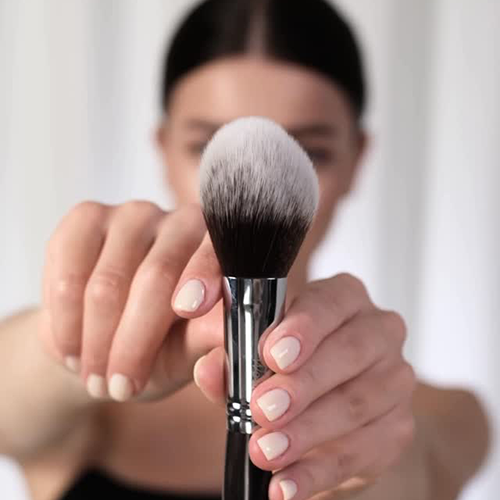
Allergies to natural hair are more common than one might think. Redness, irritation, itching after makeup—sometimes it’s all about the bristles. Synthetic materials are hypoallergenic by definition, which is especially important for people with sensitive skin or a tendency to reactions.
The ethical aspect also plays a role. Not everyone is willing to use animal-derived products, even if manufacturers assure humane methods of collecting bristles. Synthetic materials resolve this dilemma once and for all.
Durability is another advantage of synthetics. Natural bristles wear down, break, and lose elasticity over time. Quality polymer fibers retain their shape and properties for years. This is particularly noticeable with intensive use—professional makeup artists replace natural brushes every year and a half, while synthetic ones last three to four years.
How to Choose a Quality Synthetic Brush
Run the bristles across your skin—they should be soft, without prickliness
Gently tug at the fibers—quality ones do not pull out
Check the density of the bristles—they should be thick, without bald spots
Evaluate the attachment—there should be no gaps between the ferrule and the fibers
Pay attention to elasticity—after being compressed, the brush should quickly regain its shape
The price of synthetic brushes ranges from symbolic to substantial. The difference lies not only in the brand but also in the quality of the fibers themselves. Cheap options tend to be stiff, quickly lose their shape, and may scratch the skin. Mid-range and premium segments offer materials that feel comparable to natural ones.
Many manufacturers combine natural and synthetic bristles in one set. This results in a versatile arsenal: natural brushes work with powder products, while synthetic ones handle liquids and creams. This approach allows you to leverage the strengths of both materials.
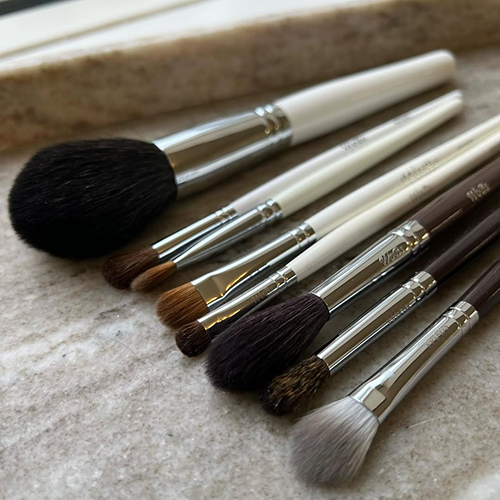
Caring for synthetic brushes is straightforward. Wash them after each use with cream products, and once a week when working with dry textures. Use any mild detergent, rinse thoroughly, and dry horizontally on a towel. No special rituals are required.
Synthetic makeup brushes no longer appear to be a temporary solution. They are now a full-fledged professional tool with their own advantages. Nowadays, as cream and liquid textures are more common in cosmetics, synthetic bristles even outperform natural ones—they are simply more convenient to work with. Consider purchasing quality synthetics from the Staleks Shop&Service online store—they will remain a staple in your makeup kit.
Brushes Cost on staleks.ua
Name | Price |
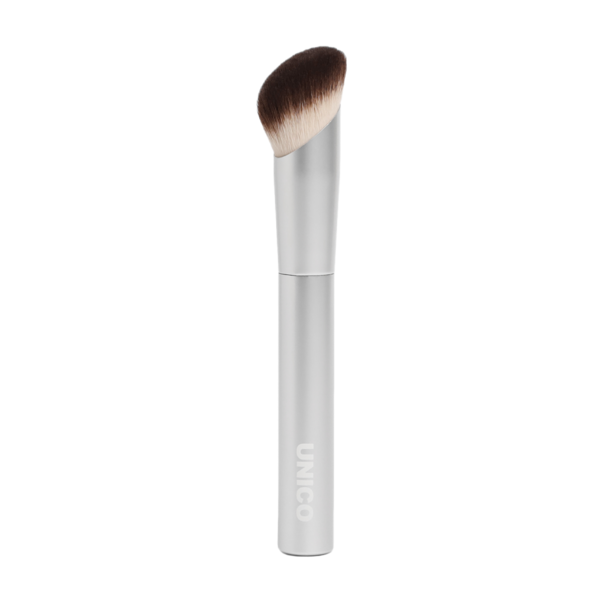
| UNICO CC Cream Brush MAKEUP BRUSH Flawless CC Cream Brush | 550.00 UAH |
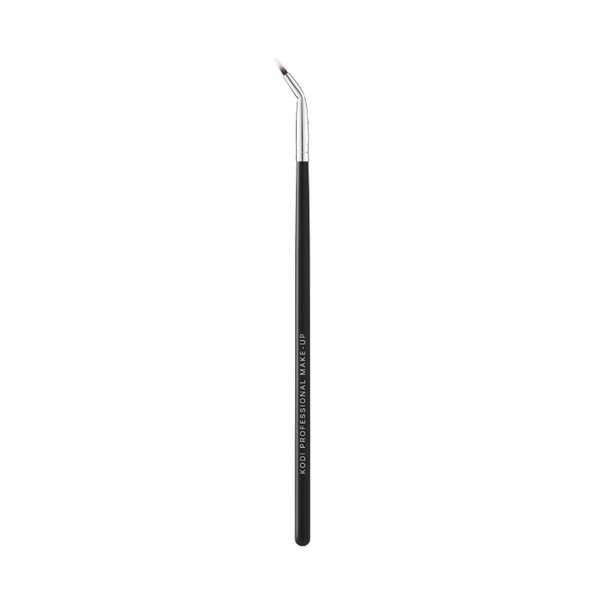
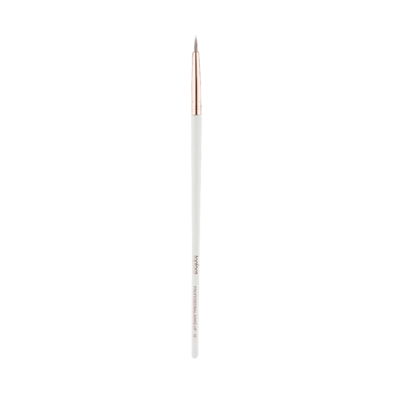
| TopFace eyeliner brush F16 | 84.00 UAH |
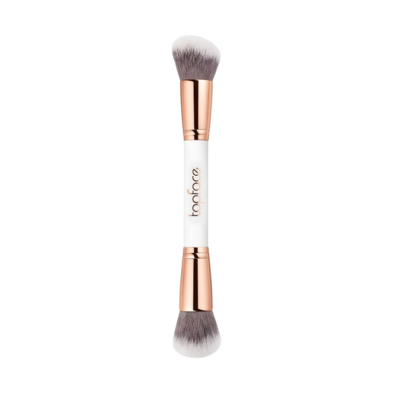
| TopFace foundation brush F24 | 180.00 UAH |
| TopFace blush brush F29 | 270.00 UAH |
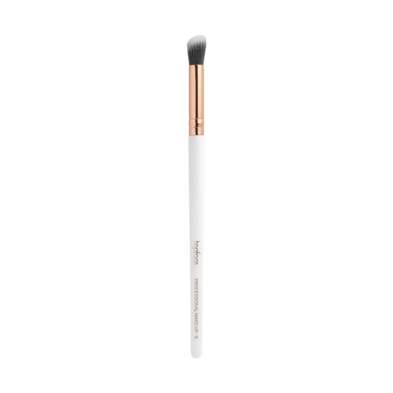
| TopFace angled eyeshadow blending brush F09 | 96.00 UAH |
Synthetic makeup brushes - customer reviews