Liquid Contouring





 In stock
 Buy
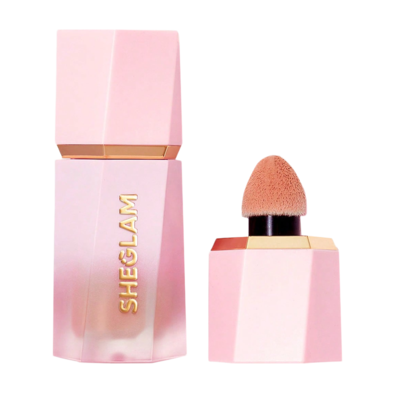 In stock Buy
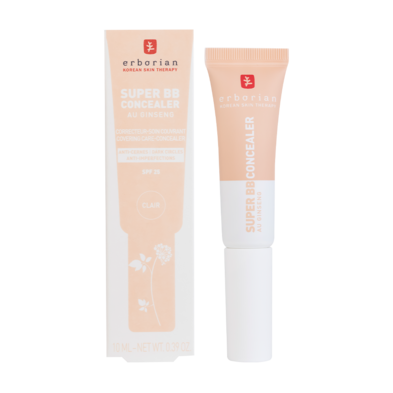 In stock Buy
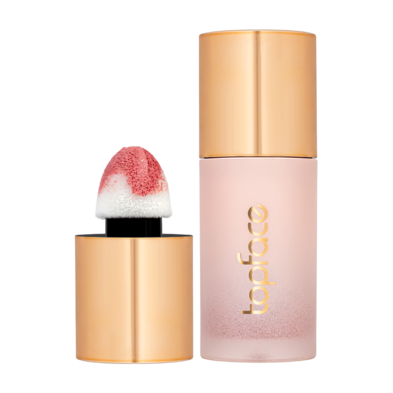 In stock Buy
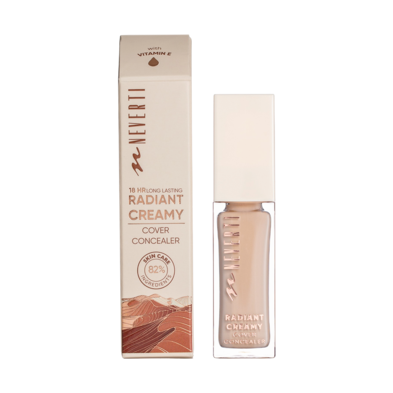 In stock Buy
 In stock Buy
 In stock Buy
 In stock Buy
 In stock Buy
 In stock Buy
 In stock Buy
 In stock Buy
 In stock Buy
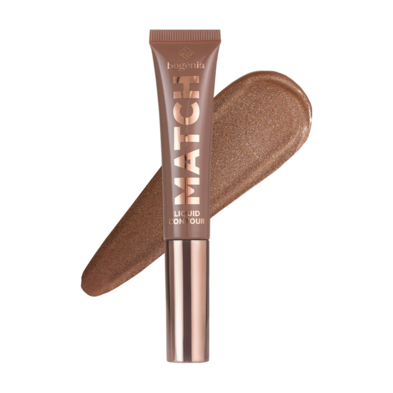 In stock Buy
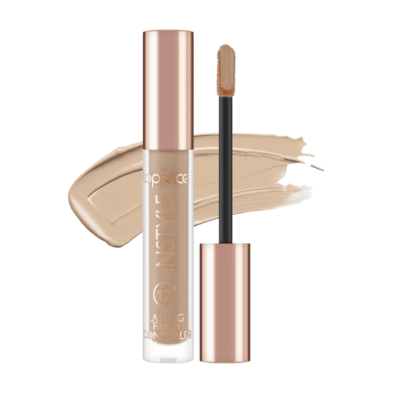 In stock Buy
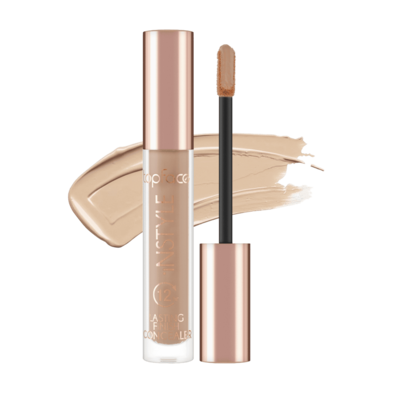 In stock Buy
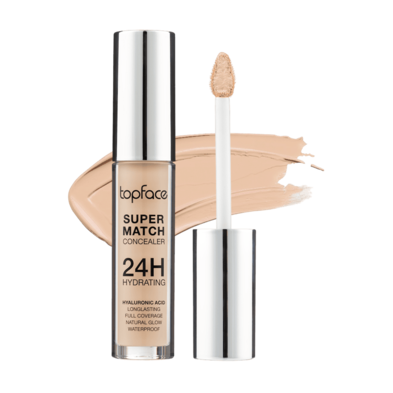 In stock Buy
 In stock Buy
 In stock Buy
 In stock Buy
 In stock Buy
 In stock Buy
 In stock Buy
- 1
- 2
- Next
Modern makeup artists often strive for naturalness in makeup, but with delicate expressiveness. It is important not just to highlight certain facial features, but to emphasize its unique virtues, avoiding the mask effect. The feeling of lightness and a silky texture is essential.
This is why liquid contouring has become so popular. It helps to work with the shapes of the face delicately, precisely, and naturally. Unlike dense and dry textures, liquid ones practically blend into the skin. They create natural volume and soft shadows. This approach is convenient for both professionals and those who simply do their makeup at home.
What is liquid contouring
This is a technique for correcting facial features using liquid or fluid products that create soft shadows and visually correct shapes. The products can have varying densities—from almost weightless tints to more saturated formulas—but they share one thing: the ability to blend easily and look as natural as possible.
The principle of operation remains classic for contouring—the play of light and shadow. Darker shades visually deepen and reduce areas, while lighter shades highlight and "bring forward" the desired sections. Due to the liquid texture, these transitions appear soft and natural, without harsh lines.
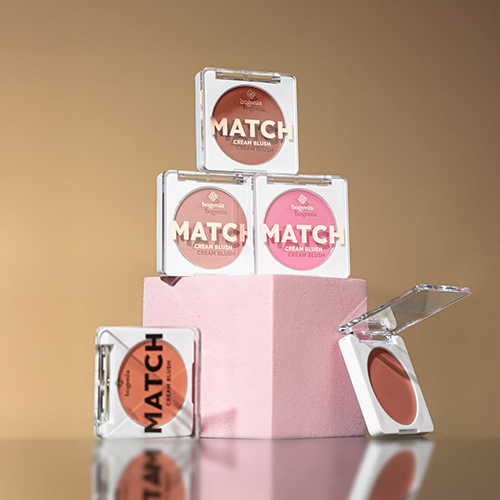
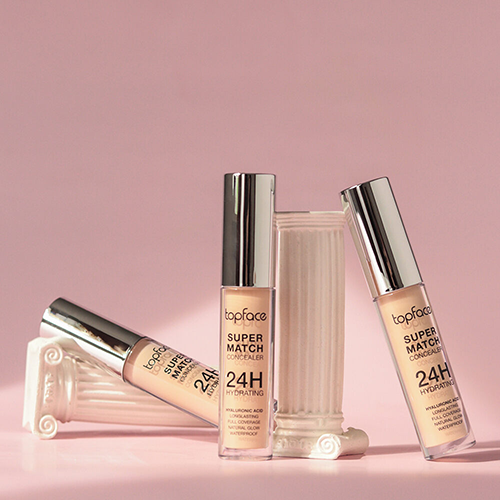
Liquid contouring: features and advantages
Liquid contouring products are valued primarily for the feeling of "second skin." They do not sit as a separate layer but seem to become part of the tone, making the makeup look fresh and alive. The advantages of the texture include:
-
Easy to apply and forgiving of small mistakes—the product glides smoothly over the skin, blends quickly, and does not leave harsh boundaries, so even with inaccurate application, the result can be easily corrected.
-
Allows for layering and precise control of intensity—the shade can be gradually intensified, achieving both barely noticeable relief and more pronounced contouring without the effect of an overloaded face.
-
Liquid contouring is perfect for makeup with a glow or natural skin effect—liquid formulas beautifully blend with the tone, creating natural shadows while maintaining a lively natural radiance.
-
Comfortable to wear and does not weigh down the makeup—this texture is not felt on the face, does not emphasize facial expressions, and helps the skin look fresh throughout the day.
It is precisely because of these properties that fluid contouring is often chosen for daytime makeup, photoshoots, working with mature skin, and looks where softness of lines and naturalness of the result are especially important. It helps to emphasize features delicately, without harsh transitions and visual heaviness, making the makeup more "alive" and well-groomed even with a minimal amount of product.
How liquid sculptor differs from other formats
Although the goal of all types of contouring is the same, the sensations from working with them differ significantly. The liquid format wins due to its plasticity and ability to adapt to the skin. It:
-
Looks softer and more natural than dry sculptors, leaving no powdery effect;
-
Provides a more delicate shadow without harsh boundaries, making the relief appear "built-in" to the skin;
-
Is less dense and graphic compared to cream sticks and palettes, reducing the risk of overloading the makeup;
-
Liquid sculptor spreads easily in a thin layer and allows for gradual intensity buildup;
-
Is excellent for layering and precise correction without spots;
-
Harmoniously looks on the skin with a natural or radiant finish;
-
Is comfortable to wear and practically unnoticeable on the face throughout the day.
It is precisely because of these features that such contouring is often chosen by those who value the effect of well-groomed, lively skin without overloaded makeup. It is especially good for daytime looks, photoshoots, mature makeup, and all situations where one wants to emphasize facial features neatly and unobtrusively, preserving the feeling of lightness and naturalness.
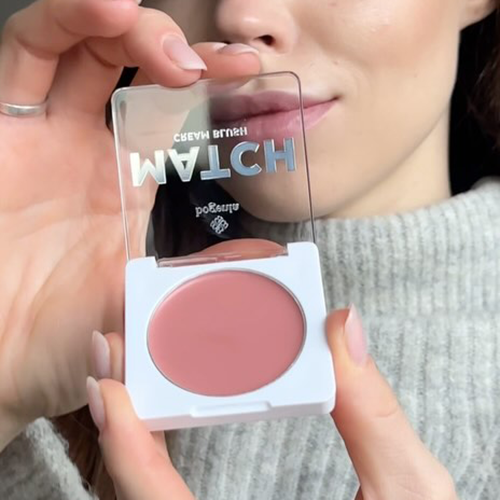
Which areas of the face are corrected with liquid sculptor
Before proceeding to application, it is important to understand which areas of the face are most often corrected using contouring. Liquid formulas provide more freedom and precision in work: they can be easily spread in a thin layer, softly blended, and adapted to individual features. Therefore, such products are used not only for classic sculpting but also for delicate, almost imperceptible accents. Most often, liquid contouring for the face is applied to:
-
Cheekbones—to add relief, visually lift the face, and emphasize its shape without harsh lines.
-
Temples and hairline—for balancing the proportions of the forehead and creating a more harmonious transition between the face and hairstyle.
-
Jawline—to make the oval more defined and neat, especially with soft blending downwards.
-
Sides of the nose—for light correction of the shape without the effect of a "drawn" contour.
-
The area under the cheekbones closer to the corners of the mouth—to enhance the shadow and give the face additional depth.
-
The fold of the upper eyelid—as an alternative to eyeshadow in nude makeup when a soft, natural volume is needed.
Such targeted use helps to work with the shape of the face very delicately, enhancing relief where it is truly needed while keeping the overall makeup light and natural.
Compatibility of liquid contouring for the face with other products
Liquid products are valued not only for their softness and ease of application but also for their amazing flexibility in combination with other products. To ensure that the makeup looks cohesive and harmonious, it is important to understand how to properly combine different textures without losing the effect of natural relief.
Fluid contouring and blush
Blush helps to revive the complexion and add freshness, but texture plays a key role in how they interact with contouring:
-
Cream blush: the ideal option for working with liquid contouring. They blend easily with each other, creating a soft transition and natural relief. When applying, first do the contouring, and then add the blush on top, carefully blended with a sponge or brush.
-
Powder blush: suitable for setting the effect or enhancing the shade, but it is important to apply them in a thin layer to avoid weighing down the makeup and disrupting the smoothness of the gradients. Liquid contouring under powder blush creates a soft yet expressive relief.
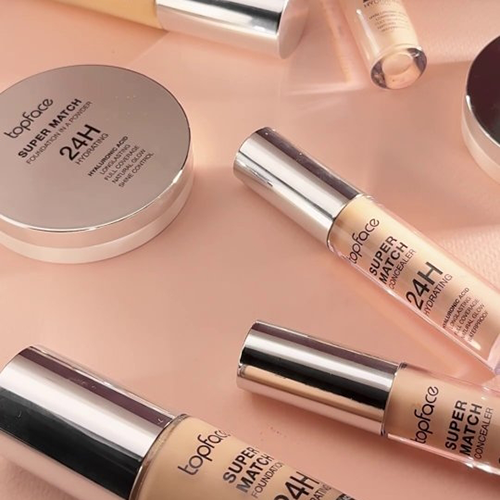
Liquid sculptor for the face and highlighter
The correct sequence of application helps achieve a volumetric, "lively" face:
-
First the contour, then the highlighter on the prominent areas—cheekbones, center of the forehead, bridge of the nose.
-
For cream or liquid highlighters, it is better to wait for the contouring to be fully "absorbed" so that the colors do not mix unpredictably.
-
Powder highlighters can be applied immediately after blending the liquid contour— they provide a light glow and emphasize the texture of the skin while maintaining a delicate effect.
Liquid textures and high-density foundations
In such cases, fluid can be an excellent addition to makeup with denser textures:
-
If you are using a foundation with full coverage, it is better to apply contouring over an even base. The liquid format easily lays on dense tone, adapts to it, and does not leave harsh boundaries.
-
It is important to work in a thin layer and gradually intensify the shade to maintain natural relief.
Can it be "layered" with other textures?
Yes, liquid contouring easily "accepts" additional layers: cream products, foundations of medium density, or light powder accents do not disrupt its texture. The main thing is to maintain moderation and gradual application.
This is the most flexible format for facial sculpting. It easily combines with blush, highlighter, and foundations, creating both subtle delicate daytime and expressive evening makeup. Thanks to this versatility, it remains an indispensable tool for neat, natural, and simultaneously striking contouring.
How to choose liquid contouring
Choosing a product is not only a matter of shade but also understanding how the product will behave on the skin. The type of skin, undertone, and desired effect directly affect how harmonious the result will be. The specialists at Staleks have gathered simple yet effective recommendations for selecting the right liquid sculptor:
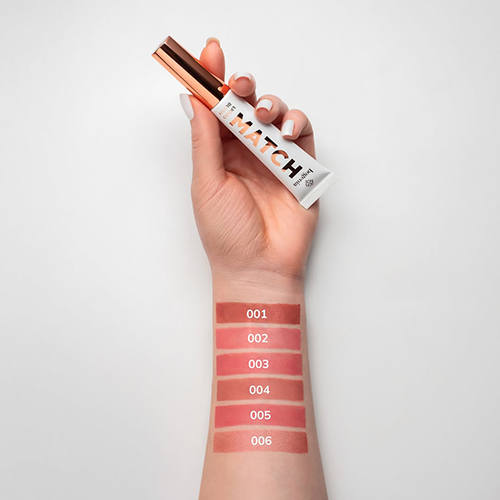
| Criterion | Recommendations |
| Skin type | Dry—light fluids and satin textures; combination—medium density with the possibility of setting; oily—denser formulas with a matte finish |
| Skin undertone | Cool—gray-brown shades; warm—soft browns without redness; neutral—universal taupe tones |
| Desired effect | Natural—translucent products; expressive—more pigmented formulas; universal—medium saturation |
| Finish | Matte—for clear relief; satin—for lively skin; with a slight glow—for a fresh look |
How to properly use liquid contouring
To ensure that the liquid product looks neat and natural, it is important to work with it calmly and step by step, without trying to achieve the desired effect in one go. This technique reveals itself best in the process—when the product is applied thinly, gradually, and has time to "merge" with the skin. Liquid textures are pliable but require attention: with the correct sequence, they provide a very soft, well-groomed result without heaviness.
The main steps for working with liquid sculptor for the face are:
-
Skin preparation—cleansing and quality moisturizing are essential for the product to spread evenly and not emphasize dry areas.
-
Base—foundation, BB or CC cream evens out the tone and creates a "canvas" on which contouring looks neater and lasts longer.
-
Application—use a minimal amount of product, placing small dots or drawing thin lines in the correction areas.
-
Blending—using a sponge, brush, or fingers while the texture is still "alive"; movements should be soft, without harsh boundaries.
-
Layering—if necessary, gradually add product to enhance relief without overloading the skin immediately.
-
Setting—if desired and depending on skin type: a light layer of translucent powder or setting spray can help prolong wear and maintain a natural finish.
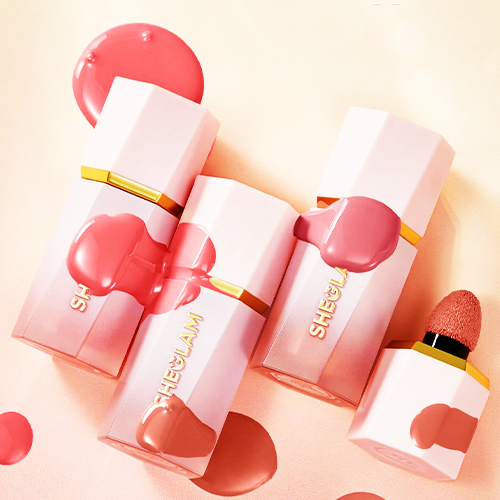
This approach allows for complete control over the result and achieving exactly the effect for which liquid contouring is chosen: soft, clean, and as natural as possible.
Common mistakes when applying liquid sculptor
Although liquid texture is considered one of the most pliable and "friendly" formats, it still requires a careful approach. The plasticity of such products helps them to set quickly on the skin. This can both assist and hinder the makeup application process, as mistakes become noticeable almost immediately. Most often, problems arise not from the quality of the product, but from haste, incorrect shade, or application scheme. To ensure that the result looks neat and natural, it is important to consider these common points.
The most frequent mistakes when working with liquid contouring include:
-
Too dark or overly warm shade that looks foreign on the skin;
-
Using an excessive amount of product, causing the contour to become heavy;
-
Insufficient or delayed blending; applying over powder textures;
-
Incorrect choice of contouring areas without considering the shape of the face.
Makeup artist tips
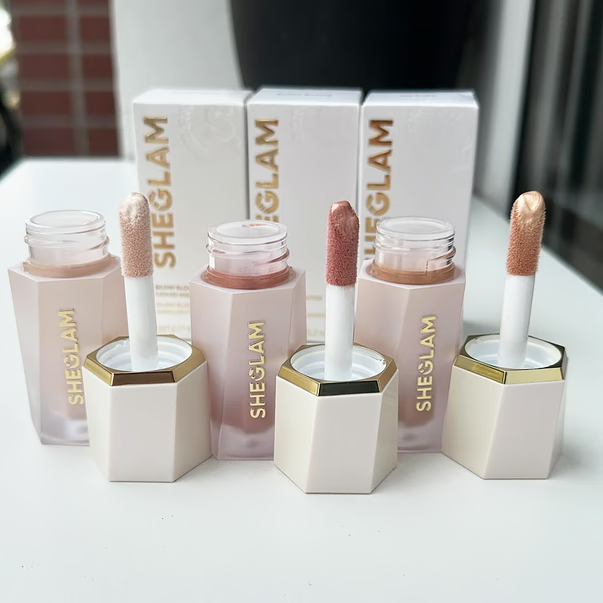
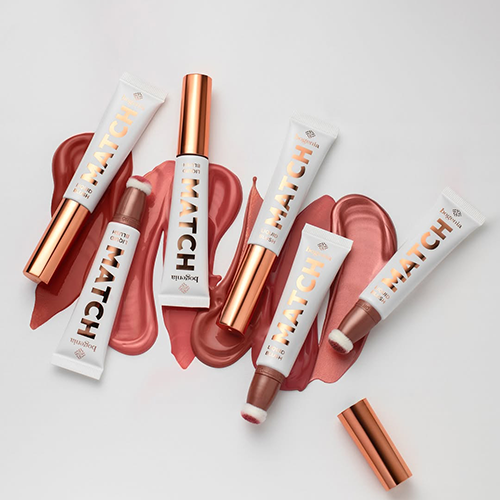
Professional makeup artists advise treating liquid contour for the face not as a way to drastically change features, but as a tool for fine, almost jewelry-like correction. Its task is to delicately emphasize volume, add depth, and place accents without overloading the makeup. This is why moderation, control, and attention to detail are especially important when working with liquid textures. It is much easier and more aesthetically pleasing to gradually enhance the effect than to try to correct overly active application.
Useful techniques that help achieve a neat result include:
-
Apply contouring before blush and highlighter—this way, the lines will look logical and natural, and all products will "merge" together without harsh boundaries.
-
Use a slightly damp sponge—it gently distributes the product, removes excess, and creates the effect of a shade "impressed" into the skin.
-
Work in thin layers—gradually add product, assessing the result after each blending. This is especially important for daytime makeup.
-
Set only the necessary areas—if the skin is dry or normal, there is no need to powder the entire face; it is enough to lightly set the areas prone to shifting.
-
Check makeup in natural light—artificial lighting can distort intensity, while natural light immediately shows where to soften or enhance the contour.
Frequently asked questions
-
Is liquid contouring suitable for beginners? Yes. Thanks to its soft texture, it spreads easily, blends well, and "forgives" small mistakes, making it comfortable to learn the basics of contouring.
-
Does it need to be set with powder? Not always. With normal or dry skin, it can be used without powder, maintaining a lively finish. For oily skin or hot weather, light setting will prolong wear.
-
Can fluid contouring be combined with dry products? Yes. Liquid contour is often used as a base for soft sculpting, while dry products are used to enhance relief and provide additional longevity.
-
Is it suitable for mature skin? It works excellently. It does not emphasize wrinkles and dryness, applies thinly, and looks more natural than dense or powder textures.
-
How does it wear in hot weather? With proper skin preparation and moderate setting, it holds up well even in heat, without weighing down the makeup and maintaining a fresh look.
Why you should buy liquid contouring
It is the ideal choice for those who value natural relief, comfort in wear, and a neat result without heaviness. Liquid contouring gently emphasizes facial features, adapts to different skin types, and easily fits into both daytime and evening makeup. By choosing suitable products at Staleks Shop & Service, you receive original products, a thoughtful assortment, a professional approach, and convenient service. And if you have any questions, you can always seek assistance from our consultants. This makes the purchase not only advantageous but also truly comfortable—with confidence in the result and quality.
Contouring Cost on staleks.ua
Name | Price |
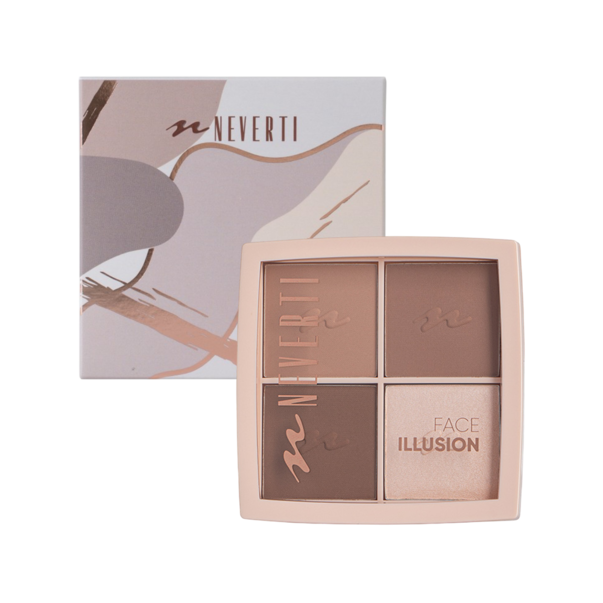
| Neverti Contouring and Highlighter Palette ILLUSION MIX 14 g | 330.00 UAH |
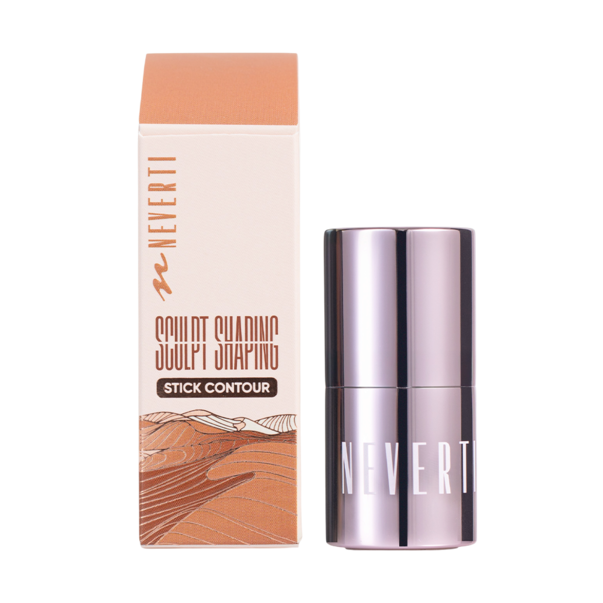
| Neverti Contouring Shaping Stick No. 001 5 g | 250.00 UAH |
| Bronzer ZOLA Natural Bronze Glow 04 marbled tanned bronze 8.5 g | 530.00 UAH |
| Bronzer ZOLA Natural Bronze Glow 03 nude bronze 8.5 g | 530.00 UAH |
| Bronzer ZOLA Natural Bronze Glow 02 bronze tan 8.5 g | 530.00 UAH |
Liquid Contouring - customer reviews