
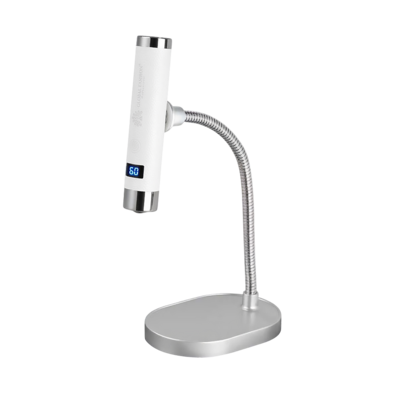
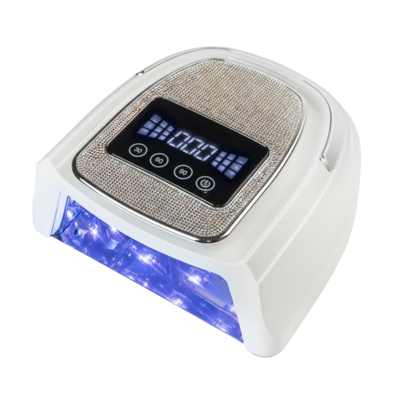
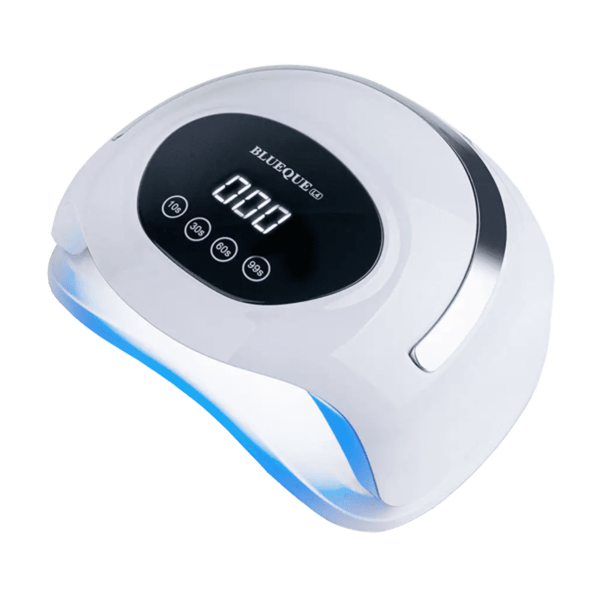
Nail lamp with a screen










 In stock
 Buy
 In stock Buy
 In stock Buy
 In stock Buy
 In stock Buy
 In stock Buy
 In stock Buy
 In stock Buy
 In stock Buy
 In stock Buy
 In stock Buy
 In stock Buy
 In stock Buy
 TREND In stock Buy
 In stock Buy
 In stock Buy
 In stock Buy
 In stock Buy
 In stock Buy
 In stock Buy
 In stock Buy
 In stock Buy
 In stock Buy
- 1
- 2
- 3
- Next
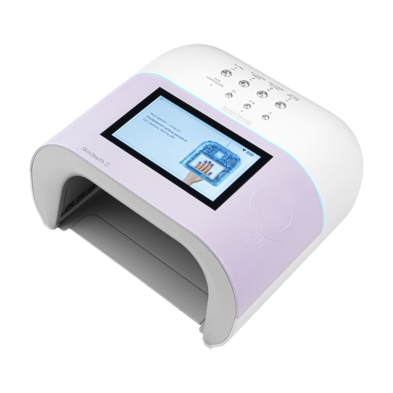
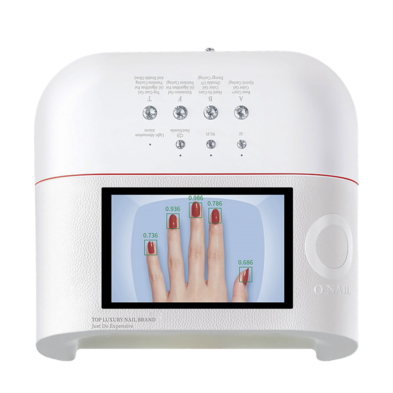
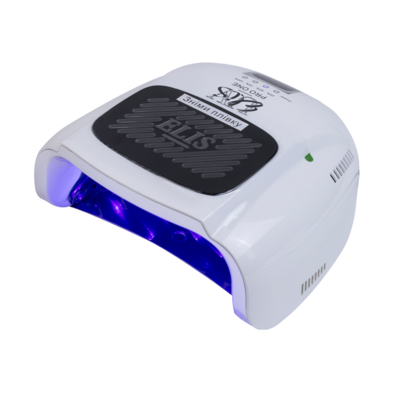
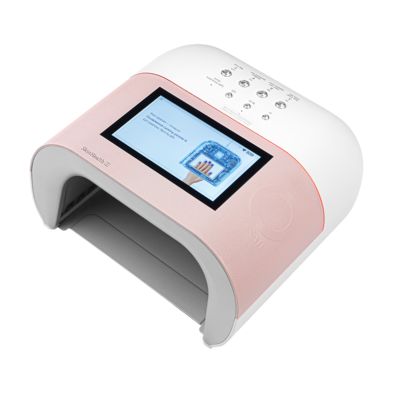
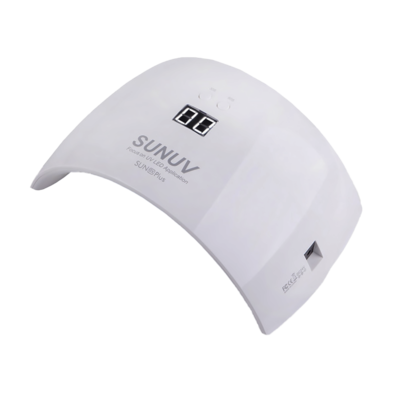
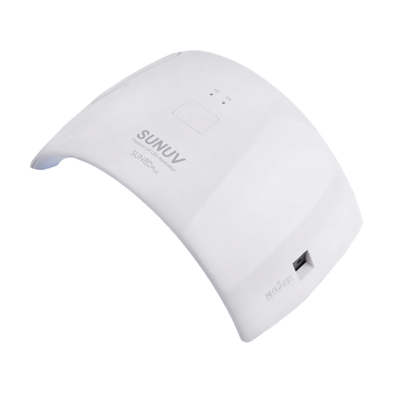
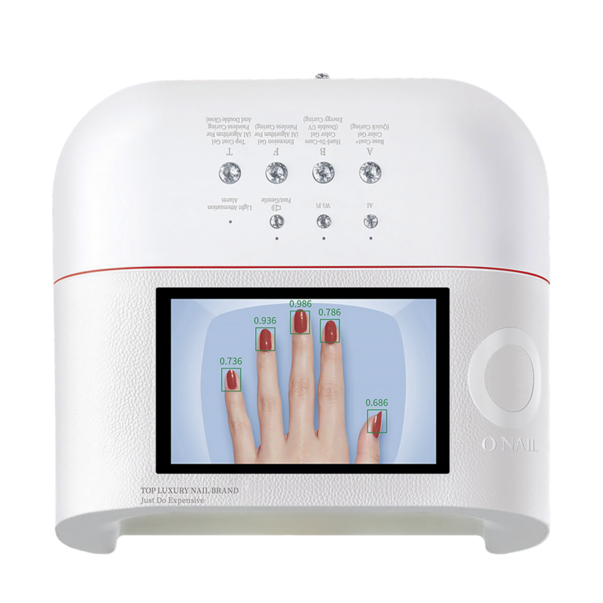
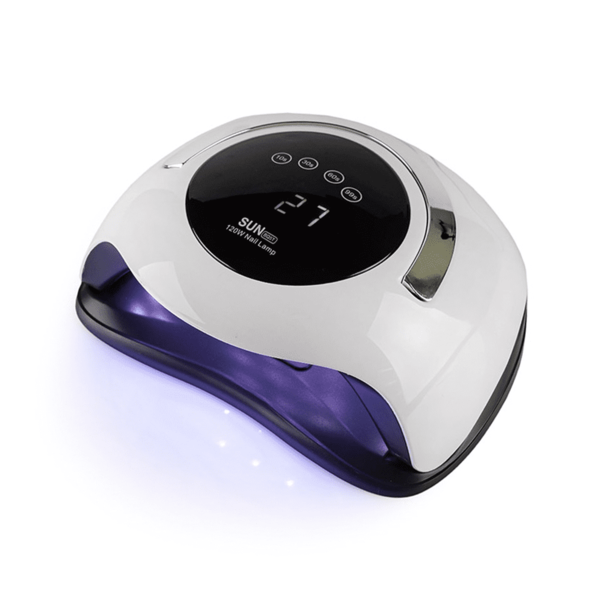
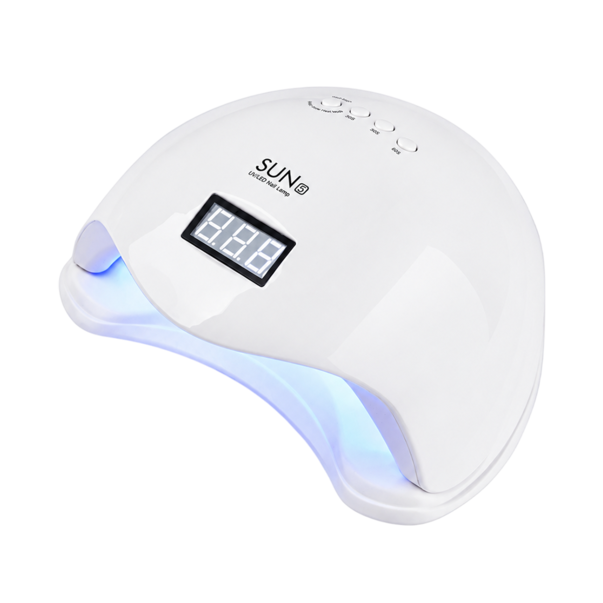
A nail lamp with a screen is a true find for professionals and anyone who does their manicure at home. The screen displays everything: how much time is left until the end of polymerization, what power is being used, and which mode is activated. It is easy to monitor the process, and you won't get confused with the settings. Whether in a salon or at home, it is convenient to use everywhere.
Technology has even reached manicure. Just recently, lamps were simple devices with one button, and now there are devices with digital screens, touch controls, and automatic programs. The screen on the device is not just a fashionable detail, but a helpful assistant. It shows the exact drying time, selected power, and remaining seconds until completion.
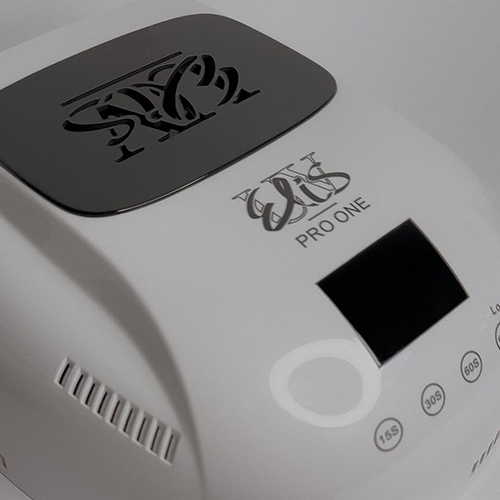
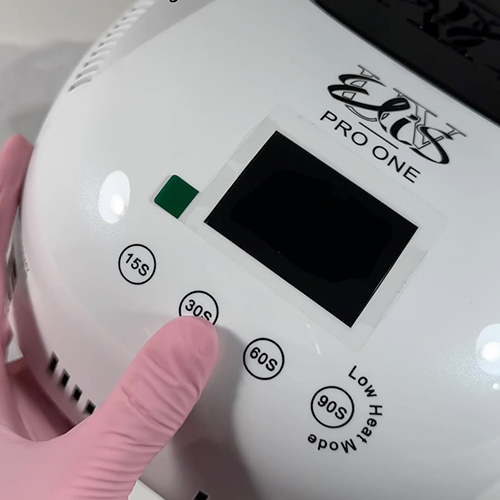
Professionals no longer have to guess how long to keep their hand under the light, and beginners are relieved from the fear of over-drying the coating. Let’s discuss how an LED nail lamp with a display differs from regular models, which screen functions are truly useful, which ones are not worth overpaying for, how to choose the right device, and avoid mistakes. Staleks experts shared observations from their practice with various models.
What is a nail lamp with a screen
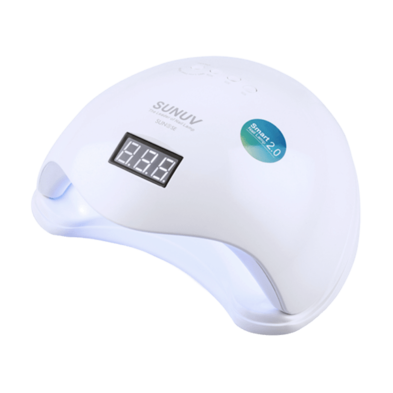
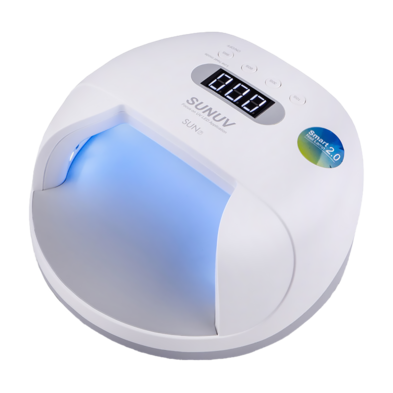
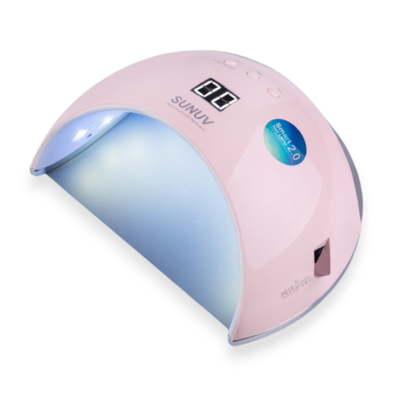
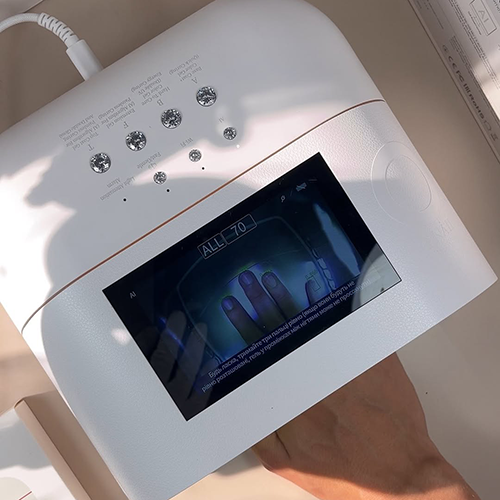
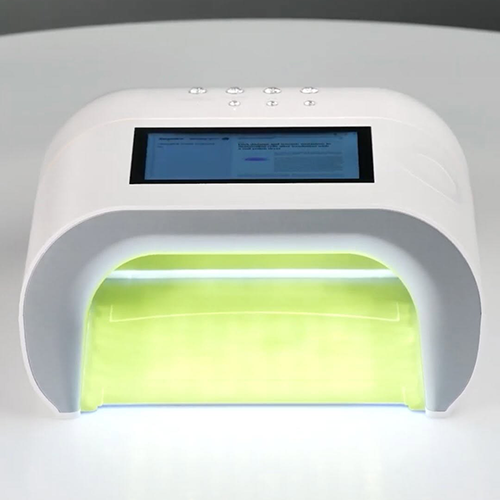
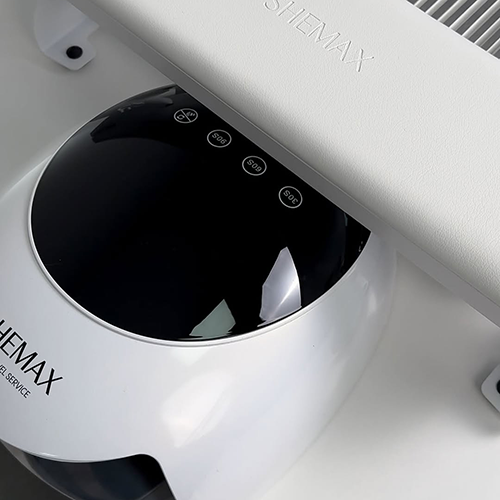
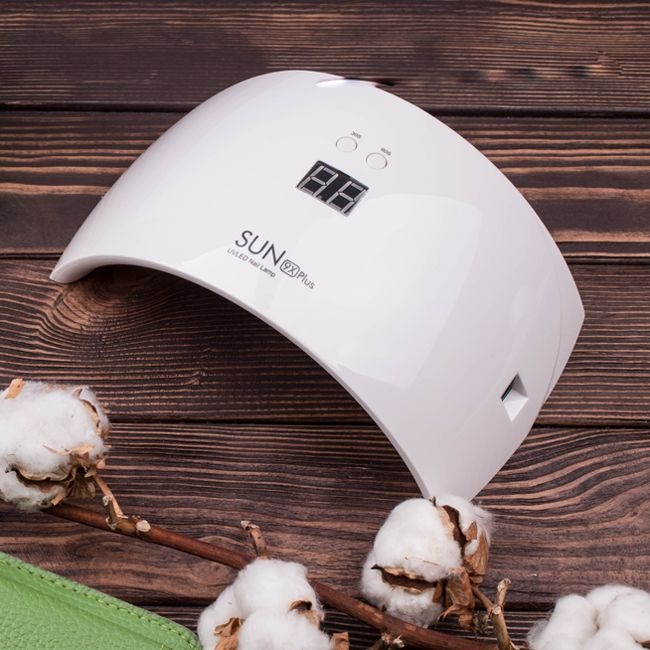
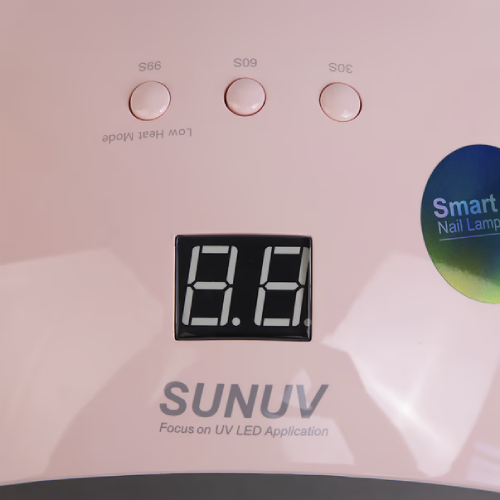
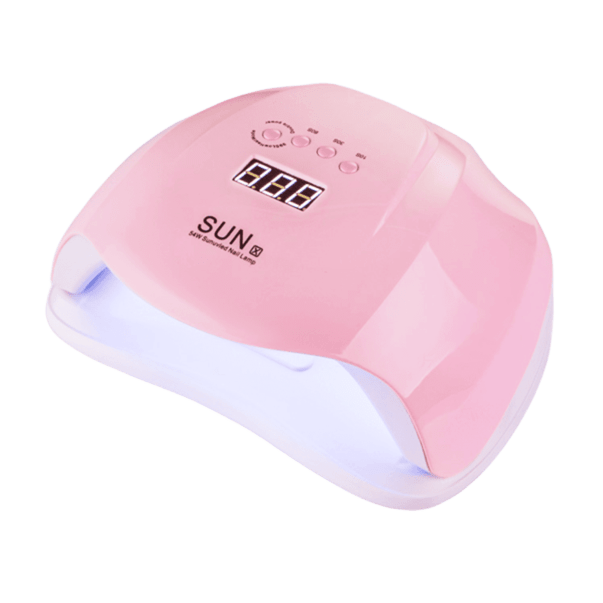
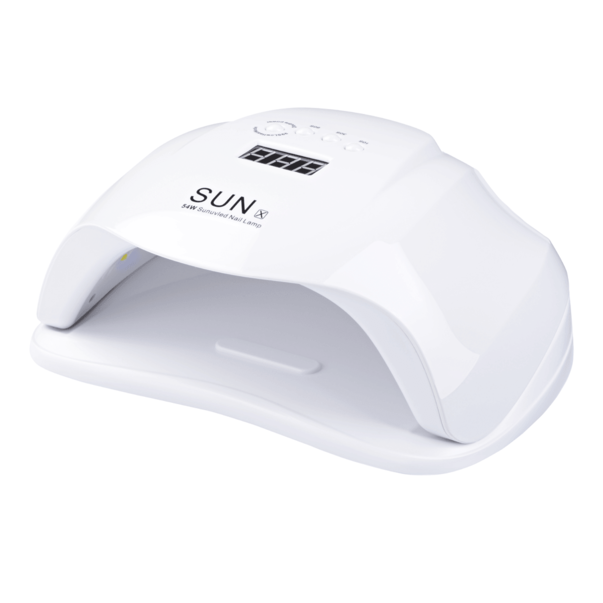
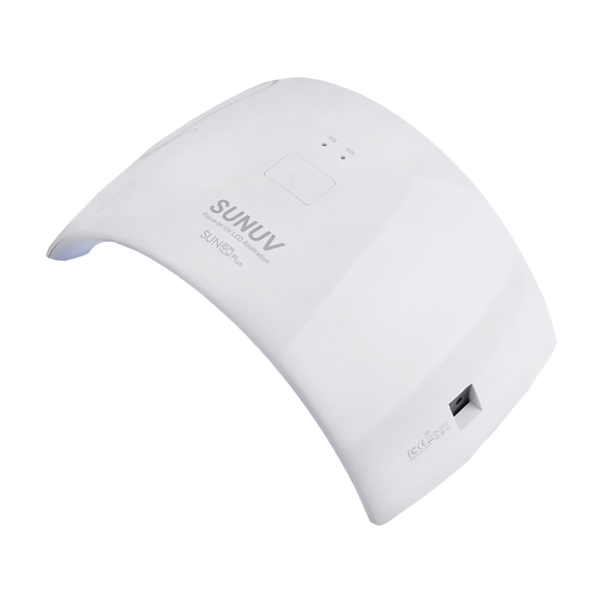
An ultraviolet nail lamp with a screen is a standard UV/LED device enhanced with a digital display. The screen shows information about the mode, working time, and power level.
Device and components
Inside the casing are UV/LED diodes, there is a reflective coating to ensure even light distribution, and motion sensors that turn the lamp on automatically when needed. On the front panel is a display, most often LCD or LED, small, about 2-4 cm diagonally. Control buttons are located near the display or on a touch panel. The power of the lamp ranges from 24 to 150 watts. The number of diodes inside varies from 12 to 48.
Display options
A portable nail lamp may have:
-
A monochrome LCD display with basic information — time and mode.
-
Expensive models are equipped with color LED screens that show animations, completion percentages, and mode icons.
-
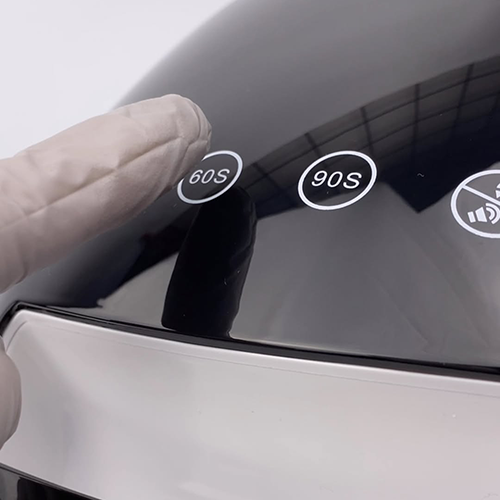
Touch screens that respond to touches.
-
Mechanical buttons that need to be pressed.
Touch screens look modern — that is a fact. But buttons are still more reliable: if water gets on the screen, it may simply stop working.
Why a screen is needed
When there is a display, there is no need to count seconds or rely on sound signals. You can see how much time is left and adjust the mode right during drying. A gel polish curing lamp with a display remembers the last settings — when turned on next time, the device automatically sets the same mode. This saves time when working with multiple clients in a row.
Who needs a nail lamp with a screen
A device with a digital interface solves specific tasks for a certain audience.
Professionals in salons
Specialists who see 5-10 clients a day value speed and accuracy. A nail lamp with a display saves seconds at every stage — there is no need to manually set the timer, check the selected mode, or keep an eye on the clock. Over a day, these seconds add up to 10-15 minutes of pure time. The screen helps monitor the wear of diodes — some models show the number of hours worked.
Home perfectionist masters
Girls doing manicures for themselves and friends often face the problem that different manufacturers require different drying times for the same coating. The digital display on the nail lamp helps remember the exact settings for each material. They note in a notebook: base X dries for 45 seconds at 80% power, top Y — 60 seconds at 100%. The next time they just set these parameters.
Beginner masters
Beginners often do not feel when the coating has fully polymerized. A gel polish lamp with a screen removes this uncertainty — the device will notify when it is finished. Visual feedback calms and instills confidence. Staleks experts recommend that beginners start with models that have a display — less stress, higher quality.
Specialists with different systems
Masters using gel polishes from several brands, building gels, and bases of varying thickness will need flexible settings. A UV/LED nail lamp with a screen allows switching between modes with a single touch and seeing which program is active. This prevents mistakes — you won’t over-dry a thin coating at maximum power.
Key characteristics when choosing
Technical parameters determine the functionality and convenience of the device.
Power and diodes
Operating voltage ranges from 24W to 150W. For home use, 36-48W is sufficient — the base dries in 30 seconds, color in 60 seconds, top in 30-45 seconds. Professionals need 80-120W for working with complex systems and reducing procedure time. The number of diodes affects uniformity — with 24-36 LED elements, the coating hardens without gaps. Fewer diodes increase the risk of under-dried areas.
Display functionality
A nail dryer with a screen shows basic information (time, mode) or extended data (completion percentage, temperature, hour counter). Usually, a regular display with a timer and mode indication is sufficient for work. All these additional functions only raise the price by 20-40%, and in real work, they are rarely useful.
Camera sizes
The entire hand with the extended thumb should fit comfortably in the internal chamber. Optimal dimensions are a length of 20-25 cm, width of 10-12 cm, and height of 8-10 cm. If the chamber is too small, fingers will press against the walls, making it uncomfortable to work. A removable bottom is a plus: it makes the device suitable for pedicures.
Timer and modes
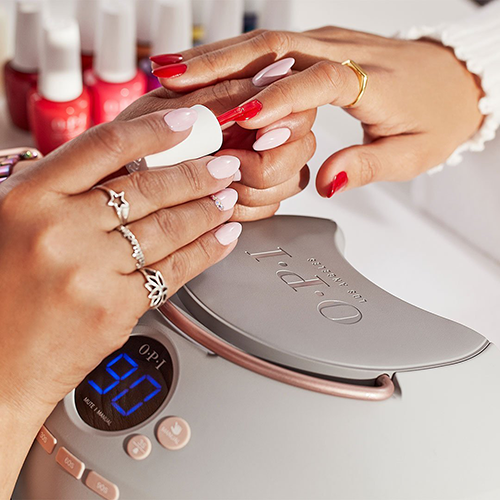
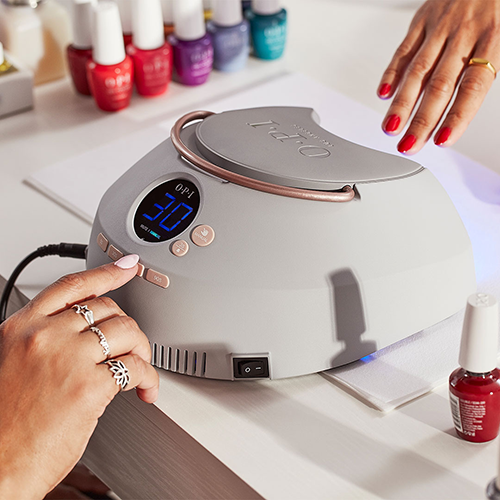
An automatic nail lamp usually has programs for 10, 30, 60, 90, and 120 seconds. Advanced models allow setting any time in 5-10 second increments. The low heat mode function reduces power in the first 10 seconds, preventing burning. The infinite mode keeps the lamp on until manually turned off — convenient for voluminous designs.
Additional screen functions
Manufacturers add various options, some of which are useful, while others are marketing.
Hour counter
A gel polish lamp with a screen can keep usage statistics. The screen shows the total number of hours to track diode wear. LED elements last 30,000-50,000 hours, after which the intensity decreases by 20-30%. Knowing the usage, you can plan to replace the device before the quality decreases.
Temperature display
Some models show the temperature inside the chamber in real-time. The optimal range is 35-45°C. Higher increases the risk of overheating and burning, while lower slows down polymerization. This function is useful for masters working with sensitive clients or thick gels.
Settings memory
A mini nail lamp with a timer remembers the last mode. When turned on next time, the device automatically activates the same parameters. This is convenient when working with one type of material all day. The downside is that if you forget to switch, you may over-dry or under-dry the coating.
Animation and effects
Expensive models show animations of the process on the screen — a filling indicator, countdown with graphics, color changes depending on the stage. Aesthetically appealing, but it does not carry functional weight. Overpaying for such options is 15-25% of the base price.
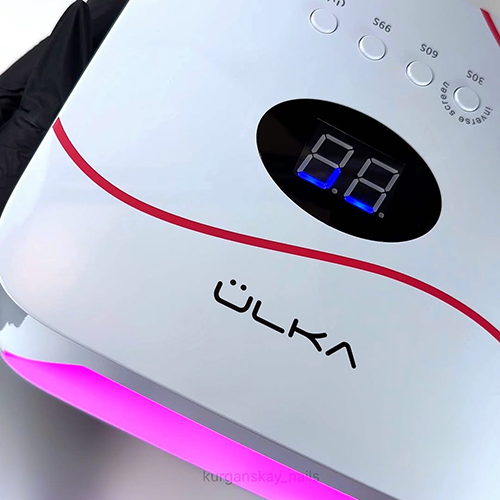
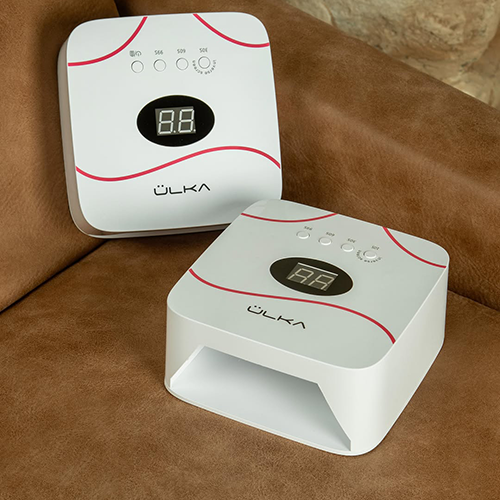
Comparison of lamps with and without screens
Understanding the difference helps make an informed decision.
Control accuracy
A nail lamp with a timer and display shows the remaining seconds in real-time. You can see the process and adjust on the go — add 10 seconds if the material is under-dried. A device without a screen simply emits a sound signal — intermediate control is impossible. The difference is critical for complex multi-layer designs.
Convenience of switching
On a device without a display, the number of modes cannot be tracked, as they are switched with buttons, and the selection is indicated by a light indicator — one, two, or three bulbs are lit. It is difficult to remember which mode corresponds to each combination. A nail lamp with an LCD display shows the mode name or exact time — it is impossible to confuse.
Price
Models without a screen are 30-50% cheaper at the same power and number of diodes. For home use every 2-3 weeks, this difference is significant — you can save and buy materials. For professionals, the convenience pays off the extra cost within a few months.
Reliability
A portable nail lamp without an electronic screen has fewer components that can break. The display is an additional element with a board, sensors, and wiring. If liquid gets on it or it is dropped, the screen may crack. The drying function remains, but visual control is lost.
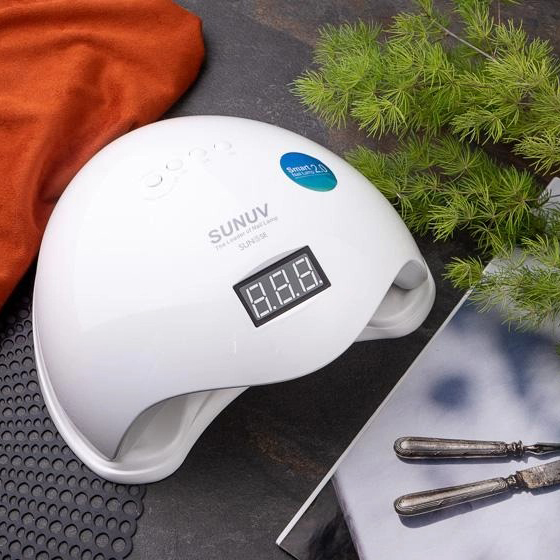
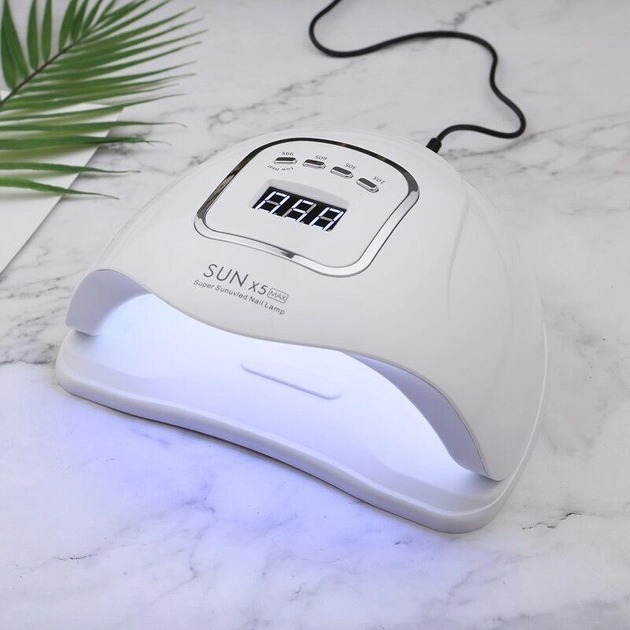
Proper use of a lamp with a display
Proper usage extends the lifespan and ensures quality results.
First power-up
-
Unpack the device, remove protective films from the screen and internal surfaces.
-
Plug it in, turn it on with the button — the startup information should appear on the display.
-
Some models need to be initially set up — interface language, time units, screen brightness.
-
Test all modes without coating — check if all diodes light up, and if the timer works correctly.
Choosing a mode for the material
A nail lamp with a screen usually has markings: base, color, top, gel. If there are no markings — refer to the manufacturer's recommendations for the coating. The standard scheme is: base 30 seconds, color 60 seconds, top 30-45 seconds. Thick building gels polymerize for 90-120 seconds. Gel polishes, voluminous designs — 60-90 seconds depending on thickness.
Monitoring through the display
During polymerization, keep an eye on the screen — it shows a countdown or progress bar. If you feel burning in the first 10-15 seconds, press pause, remove your hand for 5-7 seconds, and continue drying. The digital display on the nail lamp allows you to interrupt the process and resume without resetting the settings. On devices without a screen, the timer usually resets during a pause.
Caring for the screen
-
Wipe the display with a soft lint-free cloth after each use.
-
Do not use alcohol-based cleaners — they damage the protective coating.
-
If sticky residue from gel remains on the screen, simply dampen the cloth with water or use a special electronic cleaner.
-
Ensure that liquid does not get into the gaps between the screen and the casing. A little spill can cause a short circuit.
Common mistakes when choosing and using
Knowing typical problems saves money and nerves.
Overpaying for unnecessary features
Animation, color display, temperature display — nice, but do not affect drying quality. The overpayment is 20-40% of the cost of the basic model.
Solution: Determine the truly necessary features. For home use, a simple LCD screen with a timer and mode indication is sufficient.
Ignoring screen protection
A screen without protective glass scratches from tools and cracks upon falling. A cracked display cannot be repaired — only a complete board replacement.
Solution: When purchasing, inquire if there is tempered glass. If not — apply a protective film yourself or choose a model with protection.
Using memory without control
The lamp automatically activates the last mode. If you dried building gel for 120 seconds yesterday, and today you apply a thin base — the coating will over-dry and crack.
Solution: Always check which mode is active on the display before starting. Develop a habit of resetting settings after work.
Neglecting calibration
Over time, the accuracy of the electronic timer decreases — the error reaches 5-10 seconds. For thin coatings, this difference is critical.
Solution: Every 3-6 months, check accuracy with a stopwatch on your phone. If the error is more than 3 seconds — contact service or replace the device.
Caring for and maintaining a lamp with a display
Proper maintenance extends the lifespan by years.
Cleaning the chamber
After every 5-7 procedures, wipe the reflective surfaces inside. Use a cloth dampened with a sticky layer remover or alcohol. Do not use abrasives — they scratch the mirror coating, reducing light reflection efficiency. A removable bottom makes access easier — wash it under warm soapy water once a month.
Checking diodes
Turn on the lamp without coating every 2-3 weeks and observe all diodes. They should light up equally brightly. If 2-3 elements are dimmer or not lit — the overall power decreases by 10-15%. The coating begins to dry longer, and there may be under-dried areas. If 20-30% of the diodes fail, the lamp needs to be replaced.
Updating software
Some new models with advanced features can now update firmware directly through the USB charging port. Manufacturers release updates to fix bugs in the timer, add new modes, or make the interface more user-friendly. Just check the manufacturer's website every six months to see if there are any new updates.
Storage
-
Store the device in a dry place at a temperature of +5...+30°C.
-
Do not leave it in direct sunlight — the screen fades, the plastic yellows, and becomes brittle.
-
If not used for more than a month, disconnect from the power supply and cover it with a dust cover.
-
Humidity above 70% causes oxidation of the electronic board contacts.
Where to buy a nail lamp with a screen
Customers can purchase a gel polish drying lamp with a screen at the Staleks Shop&Service online store, which specializes in products and professional equipment for the nail industry. The company collaborates only with manufacturers, so you always receive certified devices with a warranty — at least one year, sometimes even two. The catalog includes everything: simple lamps at 36-48W for savings and powerful professional models at 120-150W. If you are confused about the choice, consultants will advise which lamp is best for your tasks and materials, and quickly arrange delivery to any city.
Key Takeaways
-
The screen displays the exact timer time, mode, and power — eliminating guesswork when selecting settings.
-
Optimal power: 48-80W for home, 80-120W for salons.
-
A basic LCD display with a timer is sufficient for most tasks.
-
Animation and color screens increase the price by 20-40%.
-
Protective glass on the display prevents scratches.
-
The memory function saves time but requires attention.
-
Check diodes every 2-3 weeks.
-
Do not use alcohol to clean the screen.
-
A removable bottom expands functionality — you can dry pedicures.
-
Standard times: base 30 sec, color 60 sec, top 30-45 sec.
FAQ
-
Can you do without a screen on the lamp? Yes. The screen is a convenient but not essential feature. Regular lamps with buttons handle polymerization just as well.
-
What to do if the screen stops working? The lamp will continue to dry the coating, but you will have to monitor the time manually with a stopwatch. Contact service — it may be possible to replace only the display without buying a new device.
-
Which modes on the screen are the most useful? Basic modes of 30/60/90/120 seconds cover 90% of tasks. The low heat mode function is useful for sensitive nails. The infinite mode is convenient for voluminous designs.
-
Is it necessary to calibrate the timer? Most models do not require calibration. However, it is worth checking accuracy with a stopwatch every six months — an error greater than 5 seconds indicates problems with the electronics.
-
Does the brightness and type of screen affect battery drain when working from a battery? Yes, a bright color display consumes more energy. If the lamp operates on a built-in battery, reducing brightness extends autonomy by 15-20%.
A nail lamp with a screen is a modern solution for those who value accuracy and control over polymerization. The digital display removes uncertainty, shows real time and mode, and remembers settings. With a smart choice of a model considering truly necessary functions and screen protection, the device will become a reliable tool for years of work.
Lamps for manicure Cost on staleks.ua
Name | Price |
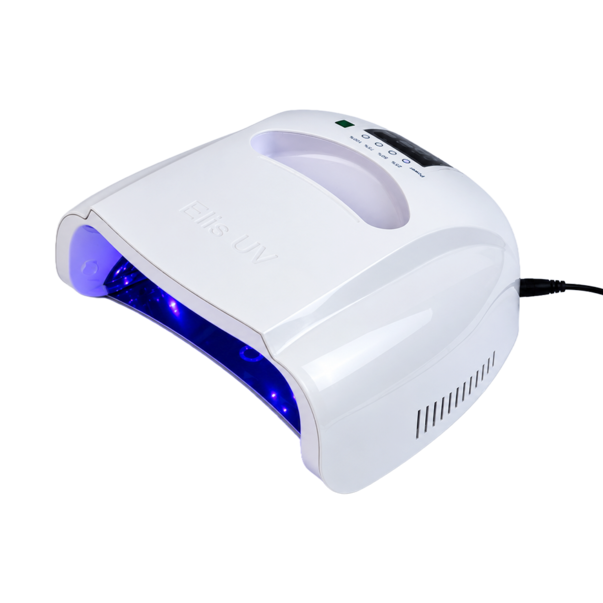
| Elis UV AURA UV/LED Mirror Lamp for Manicure and Pedicure with Ergonomic Design (White) | 4 800.00 UAH |
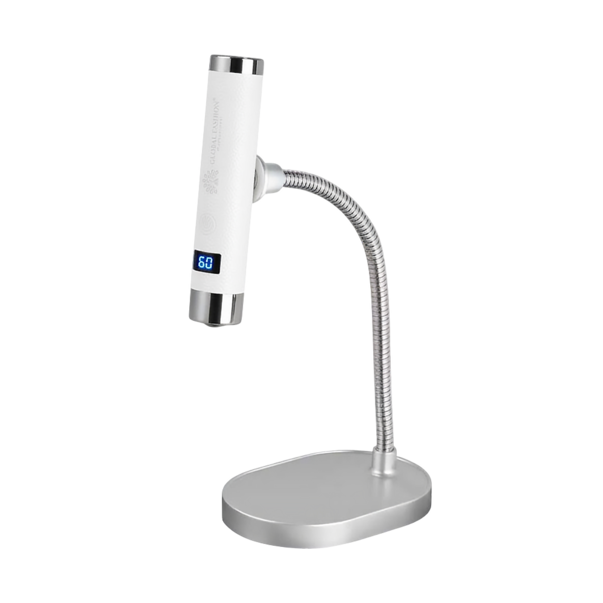
| UV LED LUNAmoon Portable Manicure Flashlight Lamp with Stand | 1 200.00 UAH |
| Manicure lamp Rose mini USB 16 W Pink | 180.00 UAH |
| Mini lamp for manicure Global Fashion K6 rechargeable white | 475.00 UAH |
| ELIS UV Light mirror lamp for manicure UV/LED 2026 white | 4 200.00 UAH |
Nail lamp with a screen - customer reviews

Frequently Asked Questions
All products in the Nail Lamp category come with a manufacturer's warranty ranging from 2 to 12 months. More detailed information can be found on the product page or obtained by calling 0 (800) 354-123 to speak with a manager.