Cleansing Face Mask









 TREND
 In stock
 Buy
 In stock Buy
 In stock Buy
 In stock Buy
 TREND In stock Buy
 In stock Buy
 TREND In stock Buy
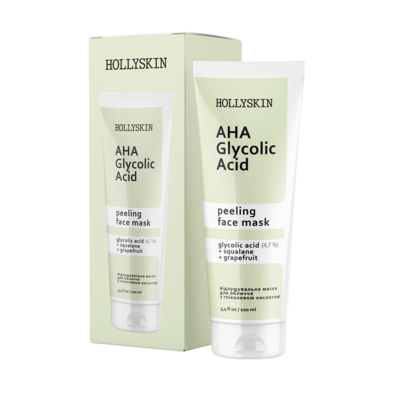 In stock Buy
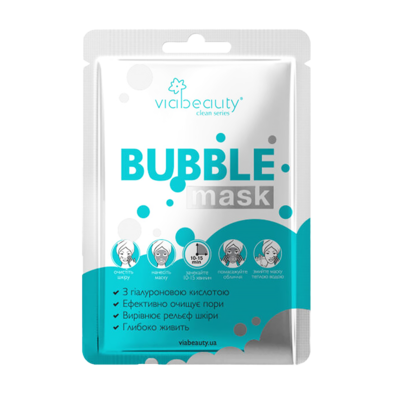 In stock Buy
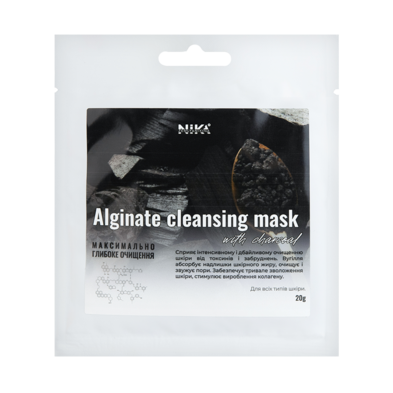 In stock Buy
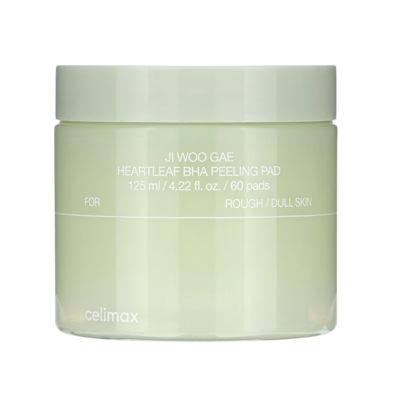
 Out of stock
when available
A cleansing face mask helps remove accumulated impurities, excess sebum, and the feeling of skin overload. It is important to note that this is only an additional step in skincare. After use, the face usually looks fresher, cleaner, and more well-groomed. Products for masks are especially often chosen for oily skin, enlarged pores, or a tendency to breakouts. You can purchase a cleansing mask at the Staleks store to meet various needs.
The skin encounters dust, external pollutants, and its own sebum daily. Even if you do not wear makeup, pores gradually become clogged. And when cosmetics are used regularly, this process occurs even faster. As a result, the skin loses its fresh appearance, dullness appears, and pores and texture become more noticeable. This is where a cleansing face mask comes to the rescue. It literally "pulls" impurities from the pores, returning a feeling of cleanliness and care. However, it is important to understand that not all masks are the same. Different textures and compositions work differently. It is crucial to choose products based on the condition of your skin. You can select and order the suitable product directly from our online catalog.
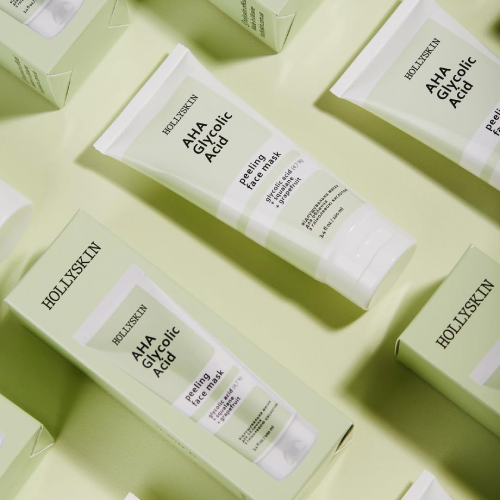

Cleansing Face Mask: What It Is and How It Works
A cleansing face mask helps eliminate deep impurities. After it, the feeling of cleanliness lasts longer. Unlike washing, the mask directly contacts the skin for an extended period, allowing active components to penetrate deeper. Thus, the care becomes more intense.
The main tasks of cleansing masks are:
-
cleansing pores of accumulated impurities
-
reducing oily shine
-
removing residues of sebum and care products
-
providing a feeling of freshness and cleaner skin
-
maintaining a more well-groomed appearance
The format and composition directly affect the result. Denser formulas are often chosen for intensive cleansing. Softer ones are suitable for more delicate care. This is why it is important to consider not only the type of mask but also the current condition of the skin to ensure that cleansing remains effective without unnecessary discomfort.
Types of Cleansing Face Masks
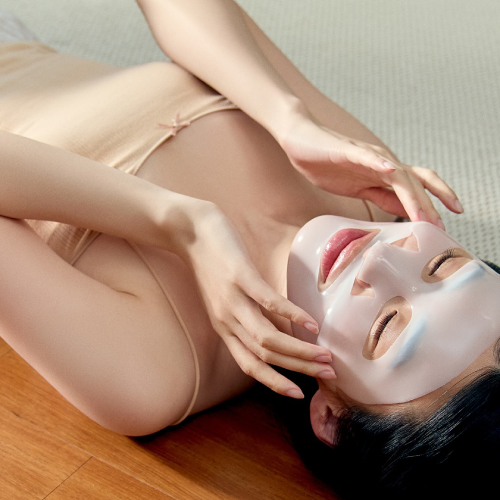
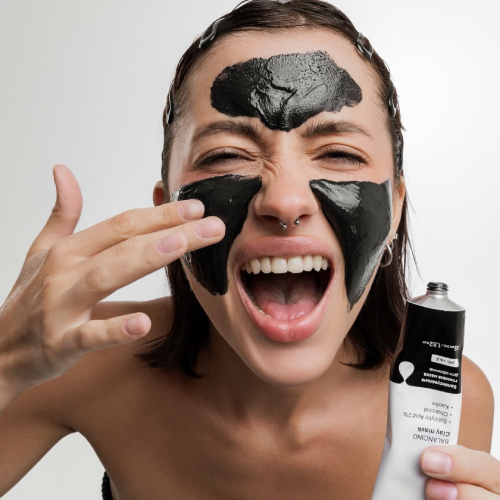
Depending on the texture, the intensity of cleansing and sensations on the skin vary, addressing different needs. Some prioritize removing oily shine, while others seek a gentler cleansing without the feeling of dryness. To choose a mask for deep facial cleansing, consider what effect you expect from the care.
| Type of Mask | Suitable For | Advantages | Limitations |
| Clay | Oily, combination skin with noticeable shine | Cleans well, helps remove excess sebum, provides a more matte appearance | Can dry out with too frequent use |
| Charcoal | Oily, problematic skin with noticeable pores | Helps to cleanse deeper, often used for the feeling of “clean pores” | Sometimes feels too intense for sensitive skin |
| Creamy | Normal, dry, sensitive skin | Softer cleansing, comfortable texture, less risk of drying out | Usually provides a less pronounced mattifying effect |
| Gel | Combination, sensitive, dehydrated skin | Light, refreshing, often feels more comfortable | Cleansing may be milder |
| Bubble (bubble mask) | Normal, combination, those who love unusual formats | Interesting texture, feeling of freshness, ease of use | Not always suitable for high sensitivity |
| Night Cleansing | Those who prefer longer care | Gradual action, convenient format without rush | It is important to carefully choose the composition according to skin type |
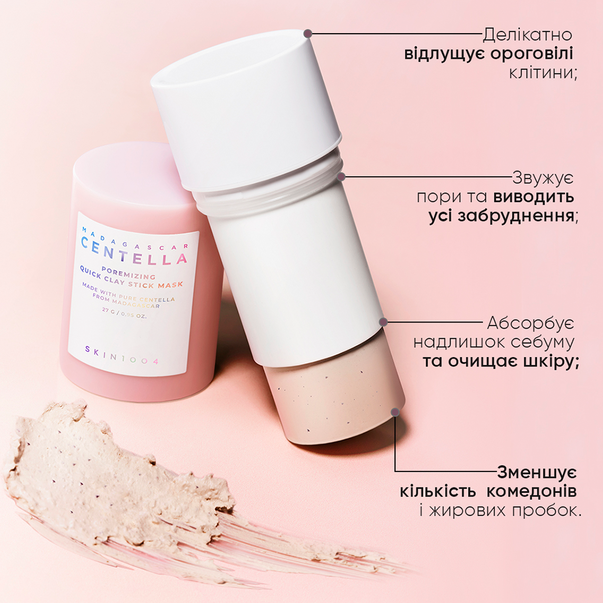
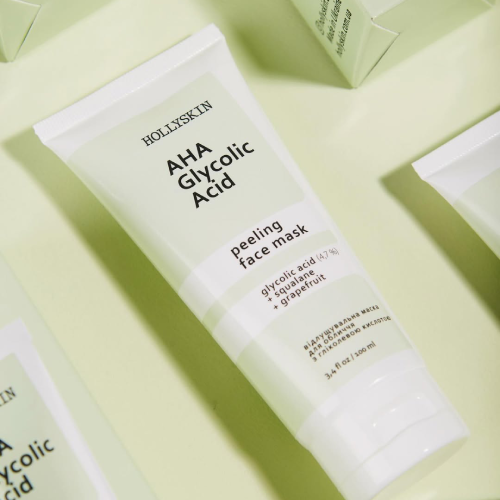
Composition of Cleansing Masks – Which Components Are Truly Important
The effectiveness of a cleansing mask for the face depends not only on the format itself. The active components included in the composition are very important. They determine the impact and intensity of the effect. You can check for products with suitable compositions in our catalog.
-
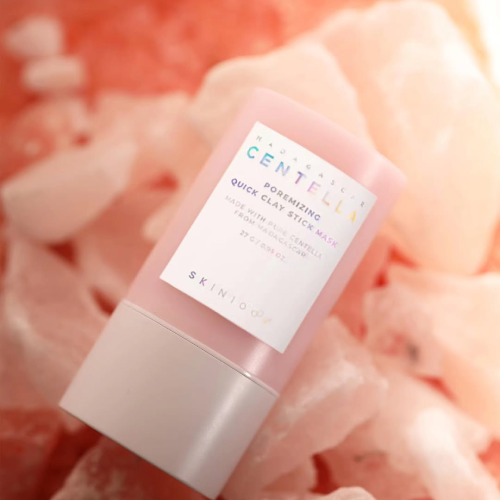
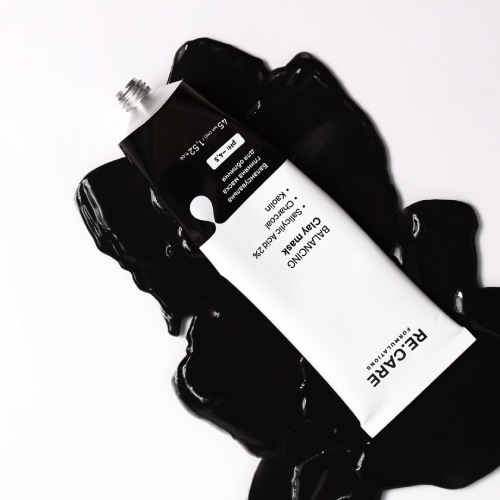
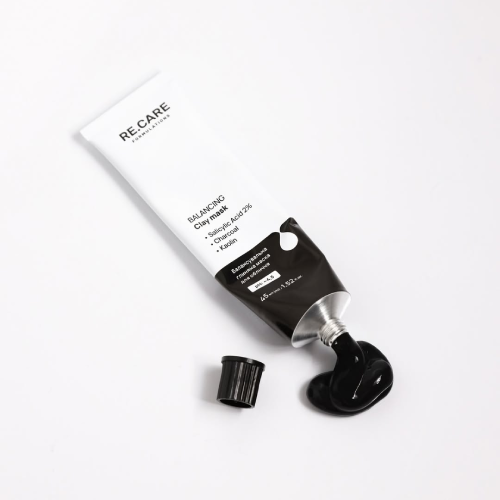
Clay (kaolin, bentonite). One of the most popular components in cleansing masks. Clay works well with excess sebum, helps the skin look more matte, and is often used in formulas for deep cleansing. Kaolin usually acts milder, while bentonite is often chosen for more intensive care.
-
Activated charcoal. Commonly found in masks for skin with noticeable pores and oily shine. This component is used for deeper cleansing and a feeling of freshness after the procedure.
-
Salicylic acid. Especially popular in cleansing masks for problematic skin. It helps to cleanse more actively and is often included in products aimed at addressing imperfections.
-
Zinc. A component often added to cleansing formulas for oily-prone skin. It helps maintain the natural balance.
-
Niacinamide. A versatile ingredient often used not only for cleansing but also for more careful care of appearance. Suitable for many skin types and commonly found in modern formulas.
-
Tea tree extracts. A popular component in cleansing masks for the face when the skin is prone to breakouts or oiliness. Often used in products focusing on the feeling of cleanliness and freshness.
-
Fruit acids. Help work more actively on the surface, often used for a feeling of smoothness and renewed appearance. However, they require caution, especially if the skin is sensitive.
-
Soothing components (aloe, panthenol). Such ingredients are especially important in cleansing masks with a more active composition. They help make the care more comfortable and eliminate the feeling of dryness after the procedure.
Staleks specialists recommend looking not only at the promises on the packaging but also at the combination of components. Then the mask will not only cleanse but also remain comfortable for your specific type of care.
How to Choose a Cleansing Face Mask
The same mask for cleansing the skin from impurities can work differently. This depends on the condition of the face. The intensity of the formula and even the time of year also play an important role. Therefore, it is better to orient not only to the skin type but also to what it currently lacks. Sometimes it is deeper cleansing, and sometimes it is more delicate care and refreshing.
If the skin tends to oily shine, attention is usually paid to more saturated cleansing formulas with clay, charcoal, or sebum-regulating components. When the skin is more concerned about maintaining comfort without the feeling of dryness, softer creamy or gel textures are often chosen.
It is also worth considering several practical points:
-
how actively sebum is produced
-
whether there is a feeling of tightness after cleansing
-
whether there is sensitivity or a tendency to irritation
-
whether additional components are needed – for example, mattifying, soothing, or renewing
-
how comfortable a specific format is to use
The season also matters. In warm weather, masks for deep pore cleansing are often chosen, while in cold periods, many find softer formulas more comfortable.
Tips from Staleks experts:
-
evaluate not only the skin type but also its current condition
-
do not choose overly aggressive cleansing "just in case"
-
pay attention to the balance of cleansing and soothing components
-
in case of sensitivity, prefer more delicate textures
-
after cleansing masks, use restorative and moisturizing products for the skin

How to Properly Use a Cleansing Mask
For a cleansing face mask to truly benefit the skin, it is important to properly integrate it into your care routine. Preparation, application method, and completion of the procedure directly affect comfort and the final feeling after use.
-
Skin preparation. Before applying the mask, it is important to remove makeup, eliminate surface impurities, and residues of care products. On clean skin, active components distribute more evenly. The procedure also feels more effective.
-
Cleansing before application. Start with your usual cleansing product – gel, foam, or another mild cleansing product. This helps remove basic impurities before a deeper care step.
-
Toning. After cleansing, you can use a toner to refresh the skin.
-
Application according to the type of mask:
-
Clay: applied in an even layer, usually avoiding the area around the eyes and lips
-
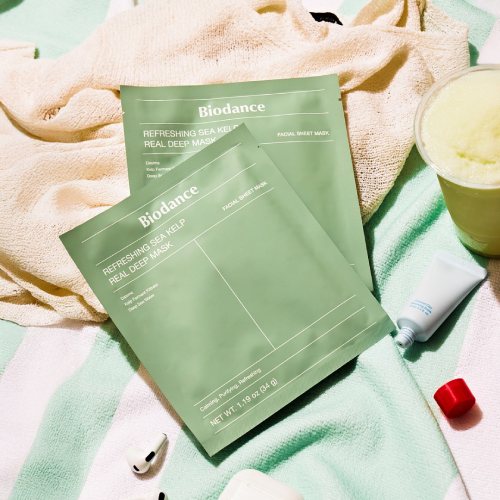
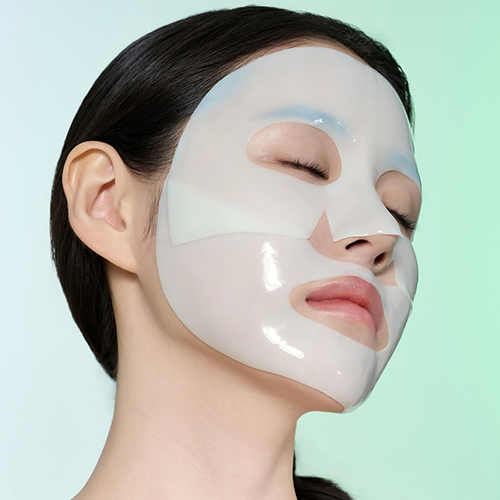
Cleansing sheet: carefully distributed over the face and smoothed for a tight fit
-
Bubble: applied according to instructions, after which the texture begins to foam on the skin
-
Creamy: distributed in a comfortable layer over the face according to the manufacturer's recommendations
-
How long to leave it on. The time depends on the specific format and composition. On average, cleansing masks are used for 5–10 minutes to 15–20 minutes. It is important not to leave the product on for too long, especially if it contains active cleansing components.
-
Completing the care. After removing the mask, the skin is usually supplemented with moisturizing care – serum, gel, or cream. This helps maintain comfort and avoid the feeling of dryness.
Frequency of Use
Cleansing masks are most often applied 1–3 times a week, depending on the condition of the skin, its sensitivity, and the richness of the formula. More frequent use does not always yield better results – sometimes balance is more important than excessive cleansing. It is also advisable not to combine a cleansing mask with aggressive acids, scrubs, or active procedures on the same day to avoid overloading the skin. Staleks experts recommend focusing on regular yet comfortable care that maintains cleanliness without unnecessary stress.

Common Mistakes When Using Cleansing Masks
-
Too frequent use. Using it daily or almost every day does not allow the skin to recover. Instead of cleanliness, a feeling of tightness appears.
-
Over-drying. Strong cleansing formulas, especially those based on clay or acids, can disrupt skin comfort with prolonged or frequent use. As a result, dryness and a feeling of "tightness" occur.
-
Using unsuitable actives. Not all components suit different skin types equally well. Overly active formulas for sensitive skin often cause irritation instead of gentle cleansing.
-
Ignoring hydration afterward. After a cleansing mask, it is important to restore balance to the skin. Skipping the moisturizing step significantly reduces comfort, especially with more intensive formulas.
-
Applying on irritations. If discomfort or redness is felt, the mask may intensify unpleasant sensations. It is better to postpone the procedure and first restore the skin.
Cleansing Mask and Other Care Products – How to Combine
A cleansing face mask works well as part of a comprehensive care routine. However, it is important to combine it correctly with other products. Overloading the skin with active components in one day can lead to dryness or discomfort instead of cleanliness. Therefore, the key principle here is the balance between cleansing and restoration.
-
Scrubs. Both cleansing masks and scrubs provide a more "deep" care effect, so they are not used together on the same day. They are often alternated to avoid overloading the skin.
-
Peels. Acid peels enhance skin renewal, and in combination with a cleansing mask, they can be too active. They are usually spaced out on different care days.
-
Serums. After a cleansing mask, serums work better as the epithelium becomes more receptive to active components.
-
Moisturizing masks. They complement cleansing well. They are often used on different days. One time a cleansing mask for detox, and another time a moisturizing mask for restoration and skin comfort.

Cleansing masks for the face help maintain the skin in a more well-groomed and fresh state, especially with regular and proper use. Their effect depends on the format, composition, and correct combination with other care products. Staleks experts recommend selecting such products considering the skin's characteristics and not overloading care with active procedures to maintain comfort and stable results. You can find the suitable format based on composition, texture, and price. Staleks store offers several payment options and fast delivery within Ukraine and beyond.
-
Cleansing masks help keep the skin fresher and cleaner
-
The format should be chosen based on skin type and its current condition
-
The composition directly affects the intensity and comfort of cleansing
-
More active formulas are more suitable for oily and combination skin
-
Sensitive skin is better suited for soft and delicate textures
-
Regularity is more important than excessive use
-
After cleansing, hydration and restoration are important
-
Combining with other active products requires balance
FAQ: Popular Questions About Cleansing Masks for the Face
-
What time of day should a cleansing mask be applied? It is most often used in the evening. During this time, the skin begins to actively restore itself. Moreover, after deep cleansing, the epithelium becomes more vulnerable to external influences.
-
Does a cleansing mask help with blackheads? Yes, with regular use, it helps reduce their visibility and maintain cleaner pores. However, it is important to distinguish between blackheads and sebaceous filaments. The latter will return very quickly, as this is simply a property of the skin.
-
How to tell if a cleansing mask is suitable for your skin? After use, there should be no strong tightness, irritation, or discomfort. The skin should look cleaner and calmer. Of course, there should be no redness, irritation, or breakouts. Therefore, it is important to familiarize yourself with the composition in advance.
-
Is it necessary to steam the skin before applying a cleansing mask? Not necessarily, but on slightly warm skin, active components often work more evenly.

-
Can a cleansing mask be used for inflammation? Yes, but only soft formulas without aggressive acids and strong drying components.
-
What to do if the skin feels very tight after the mask? It is advisable to reduce the frequency of use and definitely add more intensive hydration after the procedure.
-
Is such a mask suitable for teenage skin? Yes, but it is better to choose soft formulas without aggressive acids and strong drying components.
Face masks Cost on staleks.ua
Cleansing Face Mask - customer reviews