Face Masks for Acne






 In stock
 Buy
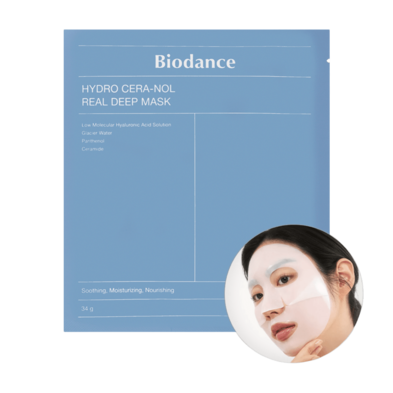
 TREND In stock Buy
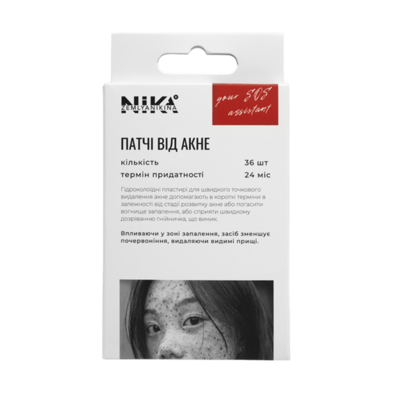 TREND In stock Buy
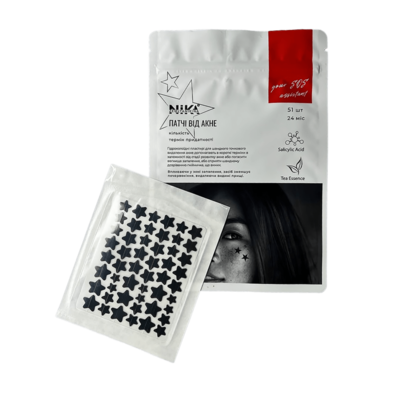 In stock Buy
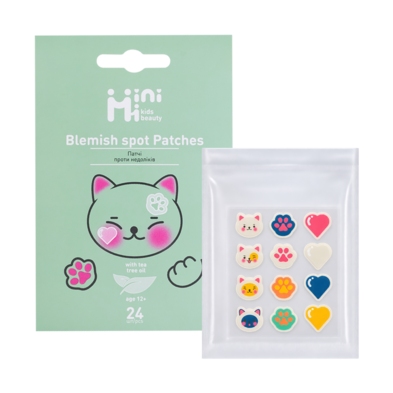 In stock Buy
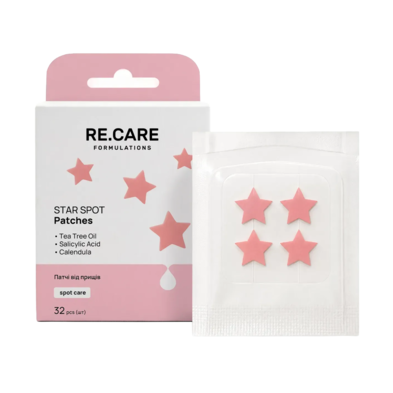 In stock Buy
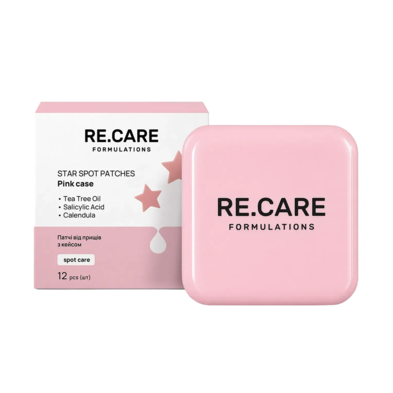 In stock Buy
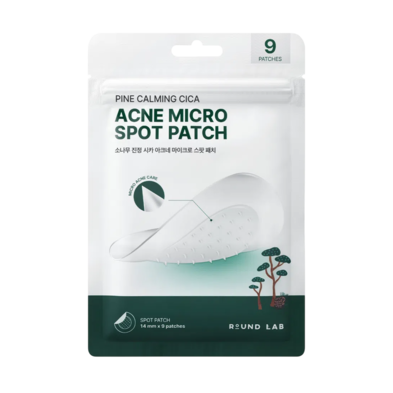 In stock Buy
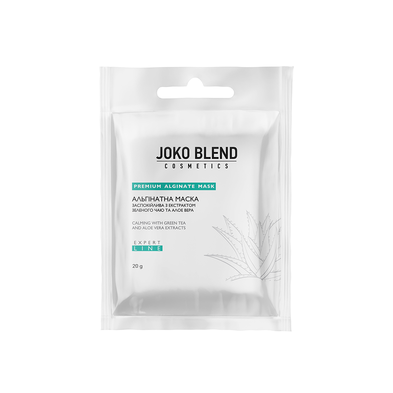 In stock Buy
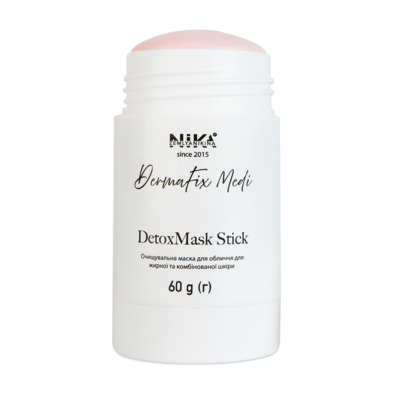 In stock Buy
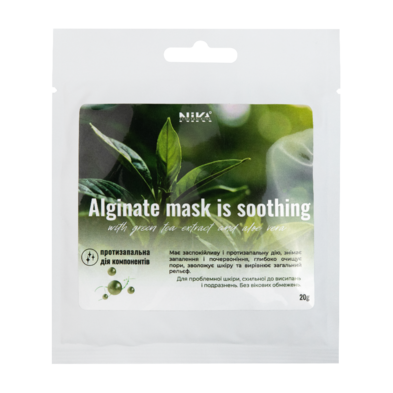 In stock Buy
 TREND
 Out of stock
when available
 Out of stock
when available
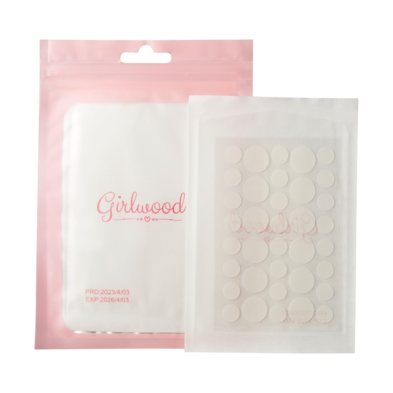 Out of stock
when available
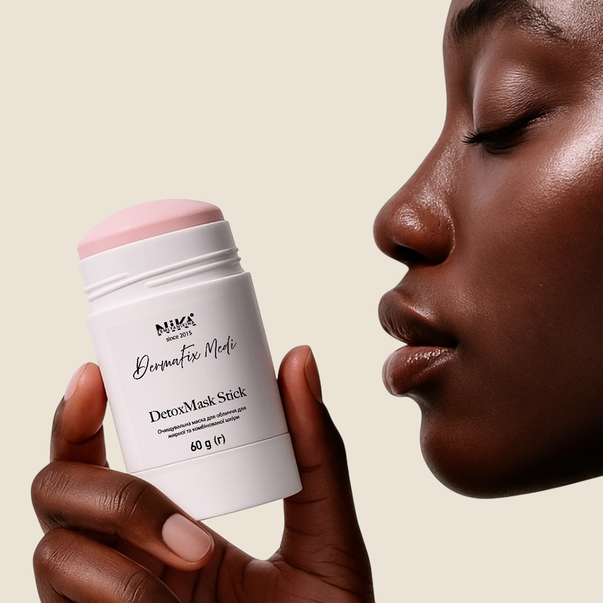
A face mask for acne helps to cleanse the skin, reduce oily shine, and maintain a calmer state when prone to breakouts. It is most often used as an additional step in skincare when it is necessary to work with pores, impurities, and inflammation. Such masks, available on our website, are particularly relevant for oily, combination, and problematic skin, as well as for periodic breakouts or tendencies toward imperfections. When selected correctly, they help make home care more precise and effective.
Acne and inflammation can occur for various reasons, but often the situation is related to increased sebum production, accumulation of impurities, and clogged pores. When the skin produces more oily secretions and cleansing is insufficient, the risk of breakouts usually increases. Even with regular washing, the face may not always benefit from just basic cleansing. Residual sebum, dense textures of skincare products, external impurities, and the characteristics of the skin itself can affect its condition. This is why an acne mask often becomes an additional step in home care. It helps to achieve deeper cleansing, maintain the skin's surface in a cleaner state, and complement the daily routine.
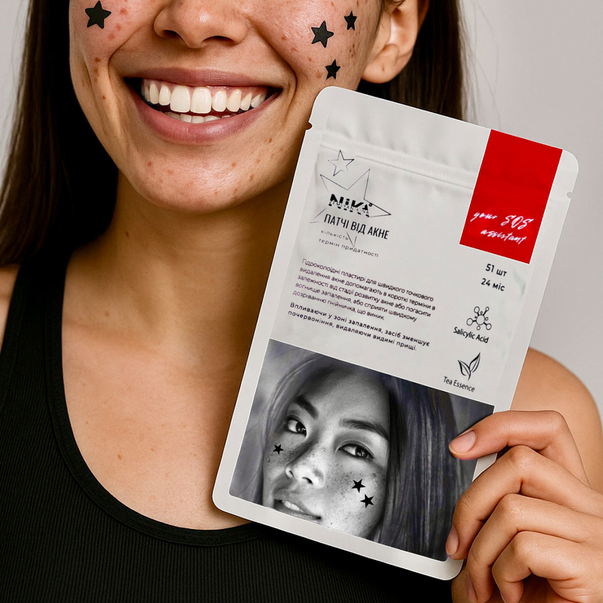
In this material, we will discuss the types of acne masks, how they differ, which components are especially important, and how to choose the right option for your needs. Staleks experts consider such products as part of a comprehensive skincare routine, where the balance between cleansing, skin comfort, and regularity is crucial. You can purchase an acne mask in our online store.
What is an acne mask and how does it work
An acne mask is a skincare product used as an additional step for those prone to breakouts, oiliness, and inflammation. Unlike regular cleansing, these masks often work more specifically and help address several issues at once.
The main tasks of acne masks are:
-
cleansing pores of accumulated impurities
-
reducing oily shine
-
decreasing the severity of inflammation
-
visually improving the overall condition of the skin
Such products often help the skin feel cleaner, and the face may look fresher.
Regular cleansing masks typically focus on removing impurities and sebum. An antibacterial mask for the skin is often additionally targeted at specific problems—hence, it frequently contains components aimed at addressing inflammation, imperfections, and more targeted tasks. For problematic skin, it is essential not only to cleanse but also to maintain balance. Too aggressive formulas can lead to dryness. And unsuitable components can increase discomfort. This is why the composition of the mask plays a key role. It affects not only cleansing but also how comfortable the face will feel after care.
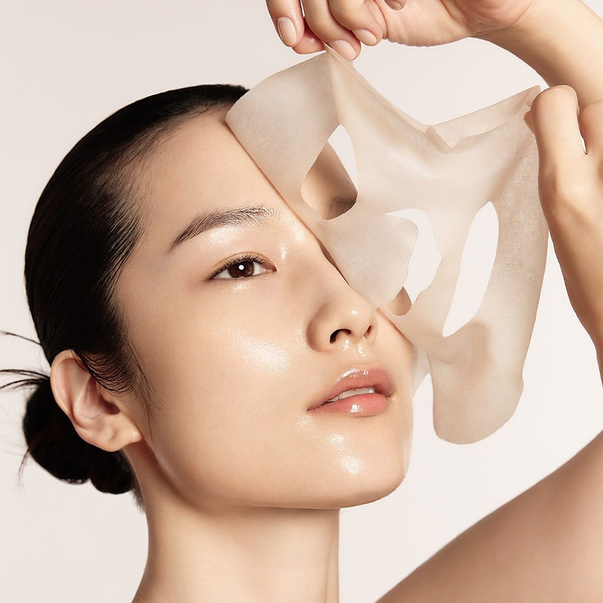
Types of acne masks for the face
When prone to breakouts, it is important to consider not only the fact of inflammation but also the characteristics of the skin. Pay attention to the level of oiliness, sensitivity, and the severity of imperfections. And, of course, the reaction to active components. This is why an inflammation-reducing mask can vary not only in texture but also in its primary task.
| Type | Suitable for | Advantages | Limitations | Popular brands |
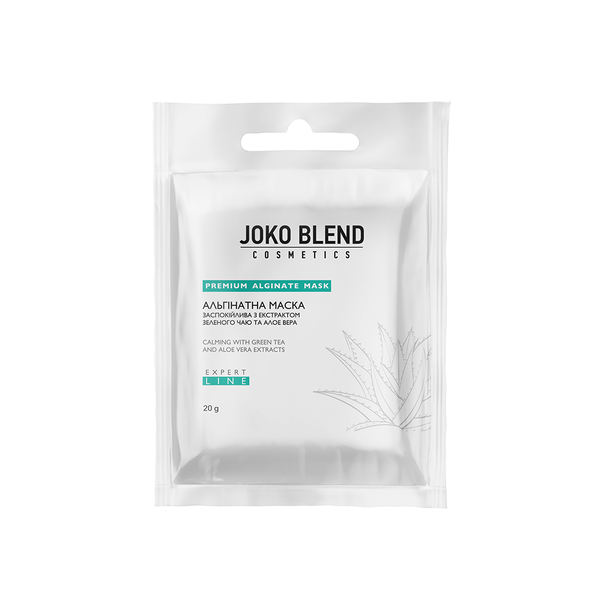
| Clay masks | Oily, combination skin, pronounced shine, enlarged pores | Help remove excess sebum, provide deeper cleansing, often suitable for oily skin | Can dry out sensitive skin or damaged barriers | HOLLYSKIN, Joko Blend, Tink |
| Cleansing masks with sebum-regulating effect | Skin with oily shine, tendency to clogged pores, periodic breakouts | Help maintain a more balanced skin condition, assist in controlling oiliness | With too frequent use, they can cause a feeling of dryness | HOLLYSKIN, Marie Fresh, Joko Blend |
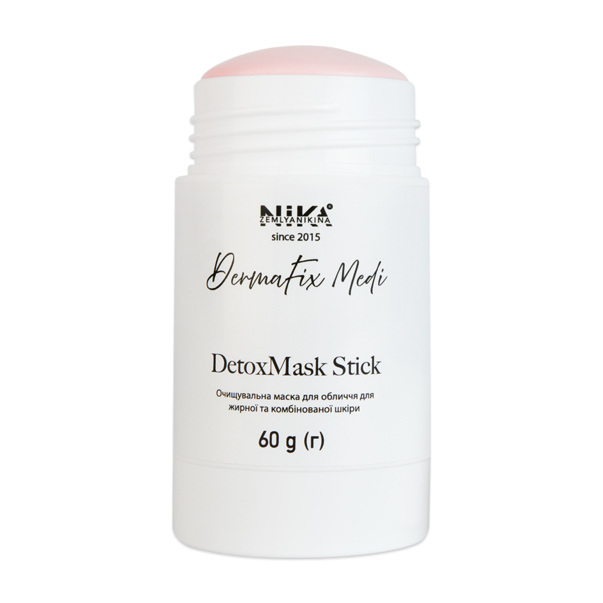
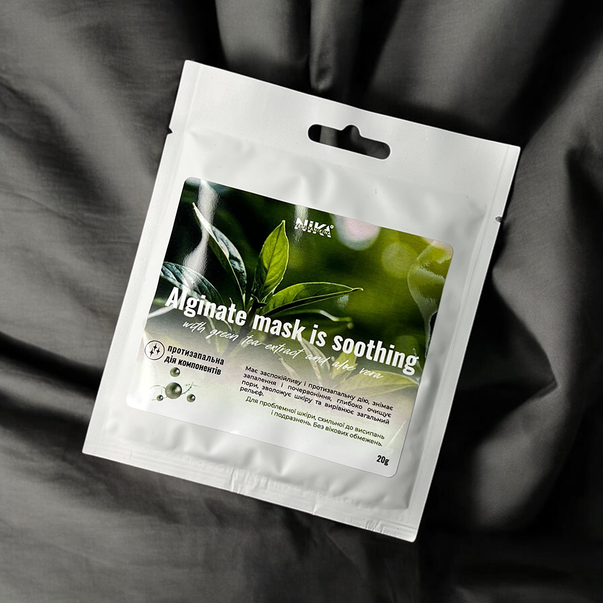
| Anti-inflammatory soothing masks | Problematic skin with inflammation, sensitive skin with imperfections | A gentler focus on skin comfort, help maintain a calm state | Usually less pronounced cleansing effect compared to clay | HOLLYSKIN, Nika Zemlyanikina, Tink |
| Acid masks for problematic skin | Skin with uneven texture, post-acne, tendency to breakouts and clogged pores | More targeted work with texture, impurities, and skin renewal | Require caution with sensitivity, not always suitable for frequent use | HOLLYSKIN, Marie Fresh, ATACHE |
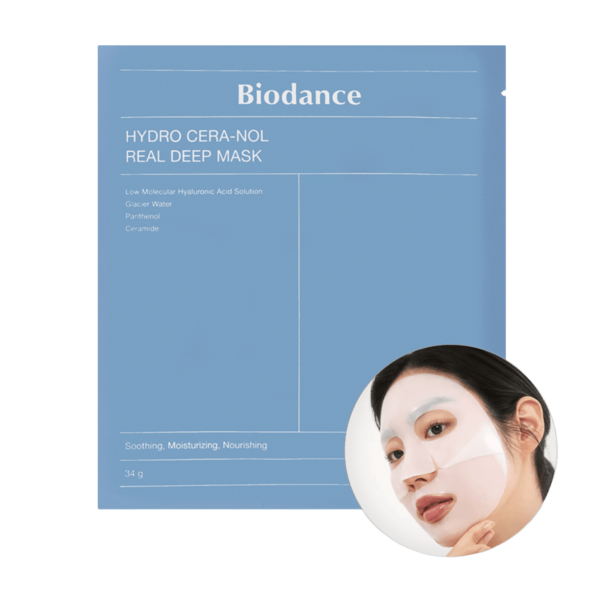
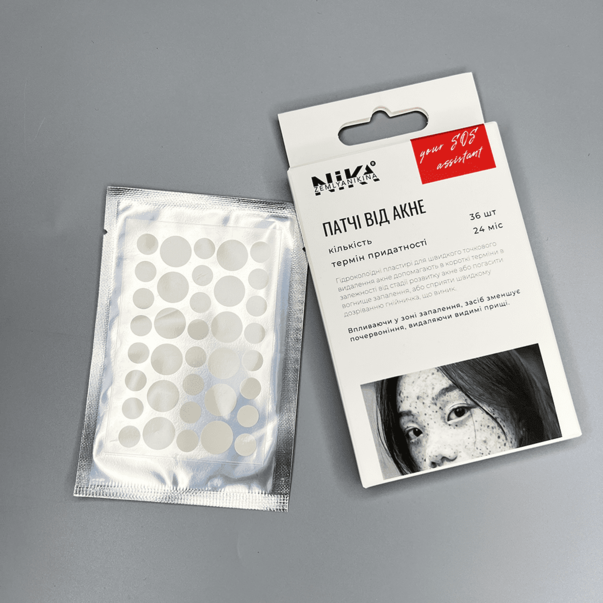
| Sheet masks for breakout-prone skin | Combination, problematic, sensitive skin with moderate imperfections | Convenient format, quick care, often lighter in feel | Usually less pronounced sebum-regulating effect | Nika Zemlyanikina, VIA BEAUTY, Biodance |
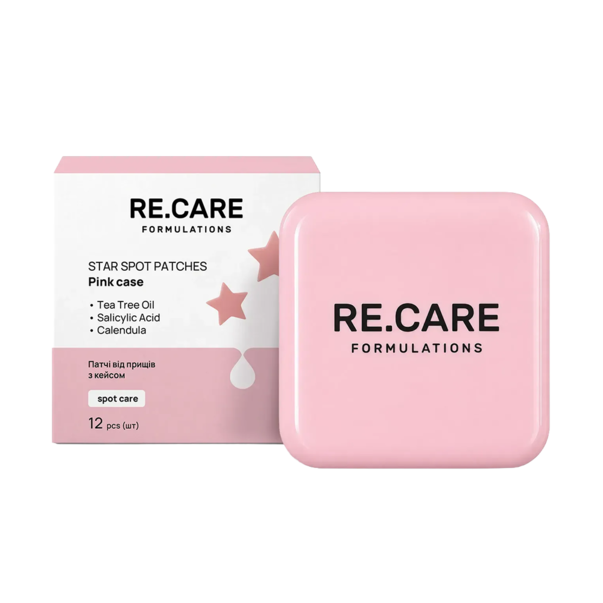
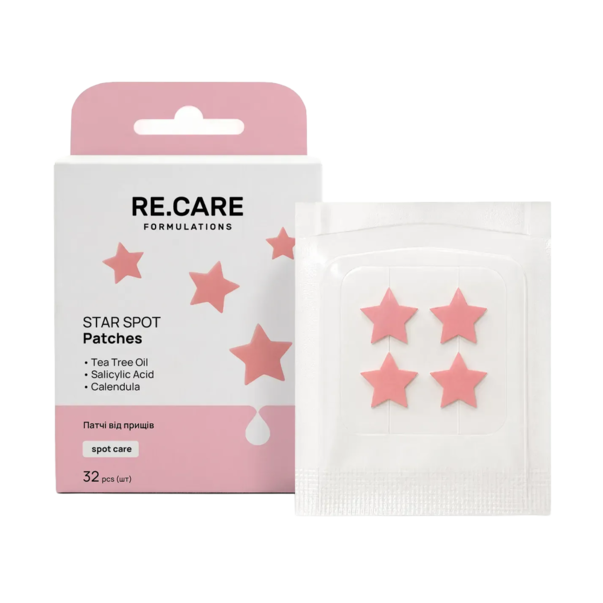
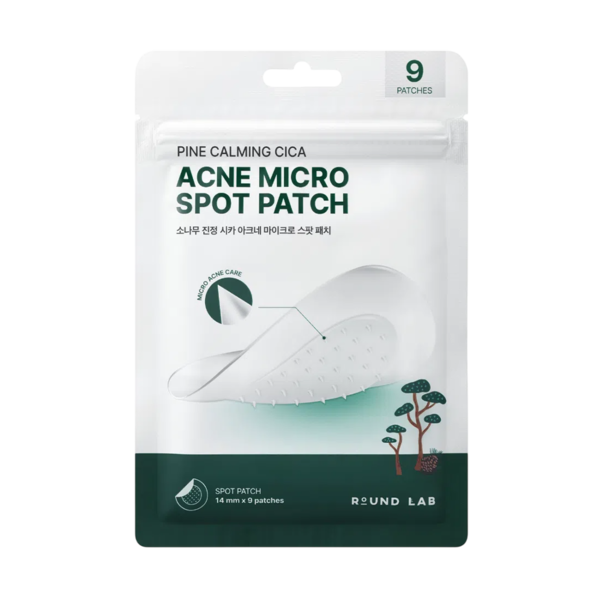
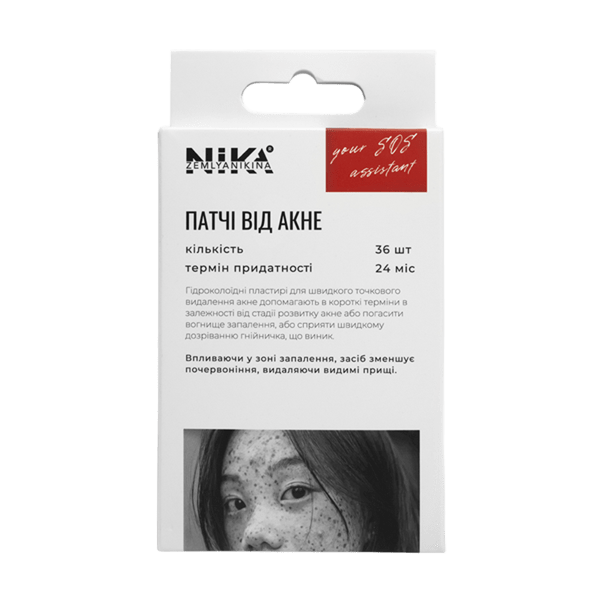
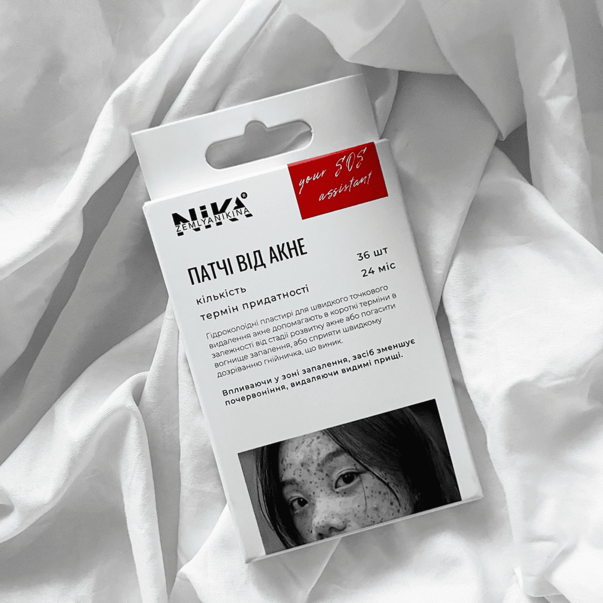
| Local formats for targeted care | Individual inflammations, irregular breakouts, targeted work | Convenient for specific areas, do not require application to the entire face | Do not replace a full comprehensive care routine | Nika Zemlyanikina, Girlwood, HOLLYSKIN |
Composition of acne masks – key components
When prone to breakouts, it is important not only to cleanse the pores well but also not to dry out the surface. Too aggressive formulas can have the opposite effect—the skin may start reacting with even more oiliness or discomfort. Therefore, an acne mask values balance: cleansing + gentler action.
Key components:
-
Salicylic acid (BHA) – helps work with pores and excess sebum, often used for those prone to breakouts
-
Zinc – helps maintain a calmer state and participates in sebum regulation
-
Niacinamide – helps even out appearance and reduce the severity of imperfections
-
Clay (kaolin, bentonite) – absorbs excess sebum and helps cleanse the surface
-
Activated charcoal – acts as an additional component for cleansing and removing impurities
-
Tea tree extract – often used in problematic skin care as a supporting component
-
AHA / BHA acids – help work with texture and impurities but require careful application
-
Calamine – reduces visual discomfort and makes the skin calmer
-
Panthenol and aloe – help the face recover more quickly after cleansing stages and make care for inflamed skin more comfortable

How to choose an acne mask
An acne mask works best when it is selected not only for the fact of breakouts but also for the overall condition of the skin. Oiliness, sensitivity, the severity of inflammation, and even the season can significantly influence the choice. You can check availability and order masks through our online catalog.
-
By type
-
Oily – more intensive cleansing and sebum-regulating formulas are often suitable
-
Combination – it is important to consider balance to avoid drying out certain areas
-
Sensitive problematic – it is better to choose gentler options with anti-inflammatory and soothing components
-
-
By oiliness level. With pronounced oily shine, formulas with clay, zinc, or acids are usually chosen. If oiliness is moderate, often more comfortable softer products without overload are preferred.
-
By sensitivity. If the skin easily reacts with dryness, irritation, or discomfort, aggressive cleansing is not always suitable. In this case, it is better to pay attention to more balanced compositions and masks for alleviating irritation.
-
By severity of inflammation
-
Teenage breakouts – often require sebum control and regular cleansing
-
Periodic inflammation – local or gentler supporting formats may be suitable
-
Persistent breakouts – a more thoughtful approach and careful selection of active components are important
-
Seasonality. In summer, the skin often produces more sebum, so cleansing formulas may be used more frequently. In cold seasons, it is important not to forget about gentler care to avoid damaging the protective barrier.
-
Balance between cleansing and barrier protection. A good acne mask is not always the most aggressive. It is important that the product helps cleanse the skin but does not lead to over-drying. An overly harsh approach can complicate the skin's condition.
How to properly use an acne mask
When experiencing breakouts, it is important not only to choose the right product but also to use it correctly. This determines whether the anti-inflammatory care for the skin will truly help or, conversely, overload it.
-
Cleansing. Before applying, the skin should be gently cleansed of makeup, sebum, and impurities. This is a basic step without which active components work less effectively.
-
Toning. A toner helps even out the condition after washing and prepares the skin for applying the mask.
-
Application. The mask for problematic skin is applied to the dry surface in a thin, even layer. It is important to avoid the area around the eyes and lips unless otherwise specified by the manufacturer.
-
Exposure time. Usually, the mask is left on for as long as indicated in the instructions. For skin with breakouts, it is especially important not to exceed the time to avoid increasing irritation or dryness.
-
Locally or on the entire face
-
for spot inflammations, it can be used locally
-
for oily and problematic skin – apply to the entire face, avoiding sensitive areas
-
-
Completing care. After the mask, it is best to soothe the face with a light moisturizing product. This helps restore comfort and reduce the risk of over-drying.
-
Frequency of use. Most often, such masks are used 1–3 times a week. For skin with breakouts, it is important not to overdo it—too frequent use can have the opposite effect.

For problematic skin, it is better not to combine the mask with:
-
acid peels
-
scrubs
-
aggressive cleansing procedures
Common mistakes
When using an acne mask for breakout-prone skin, the result largely depends on precision. Mistakes in care can easily worsen the condition.
-
Over-drying the skin – too aggressive formulas can increase discomfort and reactivity
-
Too frequent use – the skin does not have time to recover, and this sometimes exacerbates breakouts
-
Combining with aggressive acids on the same day – overloads and reduces protective functions
-
Ignoring hydration after the mask – the skin may remain tight and more vulnerable
-
Incorrect choice of format – too strong products for sensitive skin can have the opposite effect
-
Using on damaged or irritated skin – can exacerbate inflammation and discomfort
An acne mask helps maintain the skin in a cleaner and calmer state, especially when prone to breakouts and increased oiliness. Its effect directly depends on the composition, regularity of use, and proper selection for skin type. It is important to remember that such products work best in conjunction with basic care, which includes cleansing, moisturizing, and barrier protection. In the Staleks catalog, you can purchase an acne mask with various effects and build a more thoughtful home care routine. We offer online payment and payment upon receipt, as well as fast delivery.
-
An acne mask helps complement basic care during breakouts
-
Its main task is to work with pores, oiliness, and inflammation
-
The effect depends not only on the mask but also on the regularity of application
-
For problematic skin, a combination of cleansing and gentle action is important
-
The composition plays a key role in the effectiveness of care
-
Different skin types require different intensity formulas
-
For pronounced oiliness, more active cleansing masks are suitable
-
Sensitive skin is better suited to gentler anti-inflammatory options
-
Too frequent use can worsen the skin's condition
-
Hydration after the mask is important for maintaining comfort
FAQ: frequently asked questions about acne masks
-
What should I do if my skin became more sensitive after the mask? In this case, it is advisable to reduce the frequency of use or switch to gentler formulas.
-
Can I apply the acne mask only to individual inflammations? Yes, local application is permissible if the breakouts are spotty and do not affect the entire face.
-
Can I use the mask before an important event? It is better to apply the product in advance – skin in problematic conditions can react unpredictably.
-
Can I combine different masks in my routine? Yes, but it is important not to use several active products consecutively to avoid overloading the skin.
-
What should I do if the acne mask tightens my skin? This is a signal that the formula is too active or unsuitable – it is better to choose a gentler option.
-
Do I need to change the mask throughout the year? Sometimes yes, as the skin may react differently depending on the season and overall condition. But rely on personal feelings.
-
Can I apply an anti-inflammatory face mask every time I have breakouts? No, it is better to stick to a regular schedule rather than using the product only on an ad-hoc basis.
Face masks Cost on staleks.ua
Face Masks for Acne - customer reviews