Hair Restoration Mask


 TREND
 In stock
 Buy
 In stock Buy
 In stock Buy
 In stock Buy
 In stock Buy
 In stock Buy
 In stock Buy
 In stock Buy
 In stock Buy
 In stock Buy
 In stock Buy
 In stock Buy
 In stock Buy
 In stock Buy
 Out of stock
when available
 Out of stock
when available
 Out of stock
when available
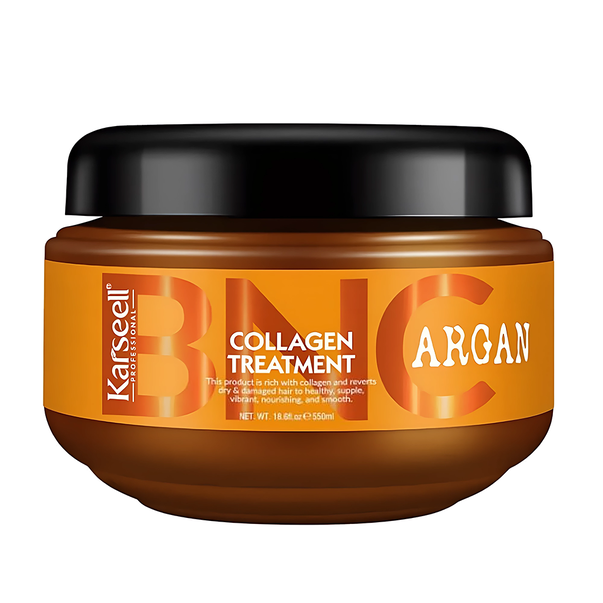
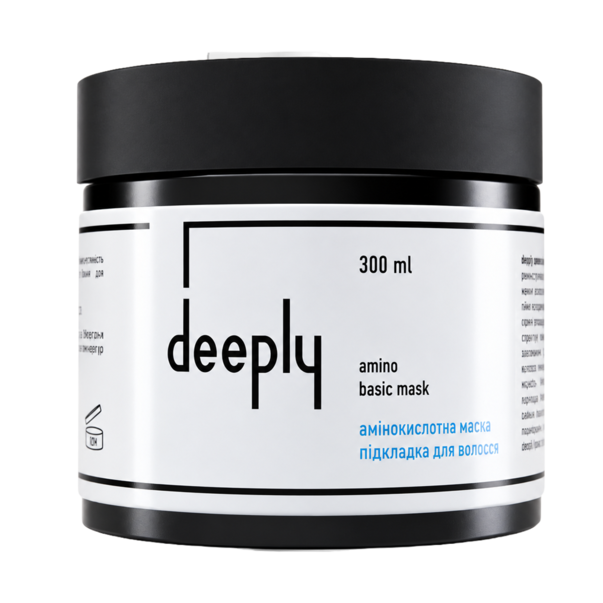
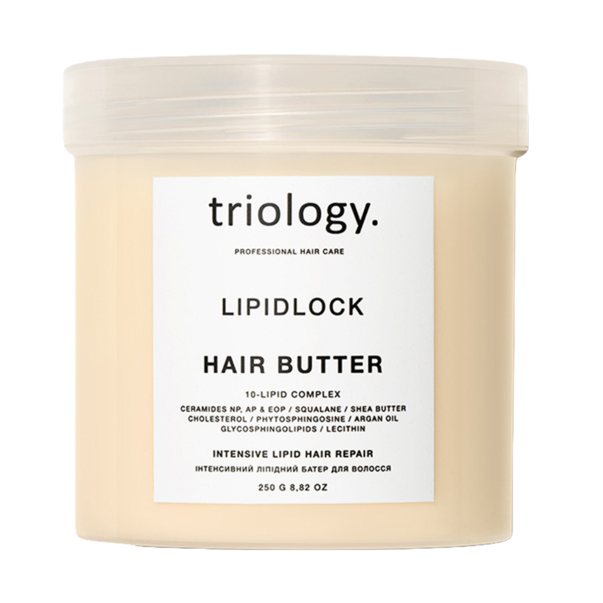
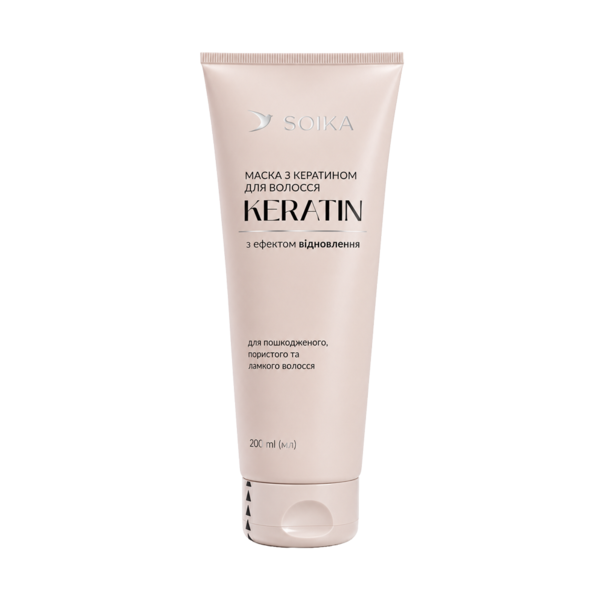
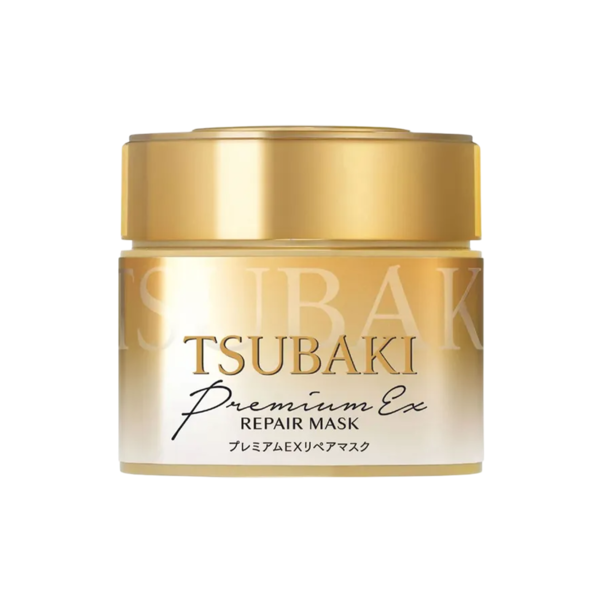
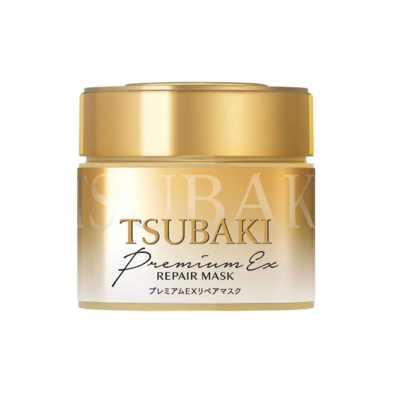
A hair restoration mask is an intensive care product that works deeper into the hair structure than shampoo and conditioner. It restores elasticity, smooths the surface, reduces brittleness, and gives the length a well-groomed appearance. Such a product becomes a staple in the routine when strands are weakened after dyeing, lightening, or regular heat exposure. In the catalog of staleks.ua, you can purchase hair restoration masks from Shiseido, Deeply, Daeng Gi Meo Ri, Triology, Nika Zemlyanikina, Karseell, MASIL, Inebrya, and other brands—tailored for different degrees of damage and home care tasks.
Hair Restoration Masks: When They Are Needed and Who They Are Suitable For
Before choosing professional hair restoration cosmetics, it is essential to learn how to distinguish real damage from ordinary dryness—these are different conditions, and therefore, the solutions for them will also differ. Below, we will discuss the signs of damage and situations where targeted care is truly necessary.
Signs Indicating Damage
Damage refers to physical changes in the fiber structure: micro-cracks along the shaft, increased porosity, and loosely adhering cuticles. Moisture escapes quickly through porous hair, and pigment washes out with each wash. You can recognize such a condition on your own by several signs:
-
brittleness: tips break or split when combing;
-
wet strands stretch excessively and do not return to shape, while dry ones remain limp;
-
length looks dull even immediately after washing, without any shine;
-
combing is accompanied by cracking and breakage even with careful handling.
If two or three signs coincide, superficial hydration is no longer sufficient—a conditioner closes the scales but does not work with the internal structure. It is advisable to purchase a hair restoration mask with keratin and hydrolyzed proteins. Such products differ in composition—they are richer and deeper than regular care products.
When Hair Needs Restorative Care
Targeted care is beneficial not only in cases of obvious damage to the length. It is needed when strands have dried out after winter, exposure to chlorinated pools, or a season of intense sun. Dyed and lightened locks always require support: chemical procedures open the cuticle, and without care, it does not close tightly. Another reason to buy a hair restoration mask is regular hot styling without thermal protection, which gradually depletes the shaft even in uncolored strands.

What Hair Restoration Masks Can Be Purchased on Staleks
The range of professional hair restoration masks covers options from light supportive formulas to intensive treatment courses. To make navigation easier, the main groups are gathered below according to your type of tasks, along with examples from the catalog.
For Dry and Brittle Hair
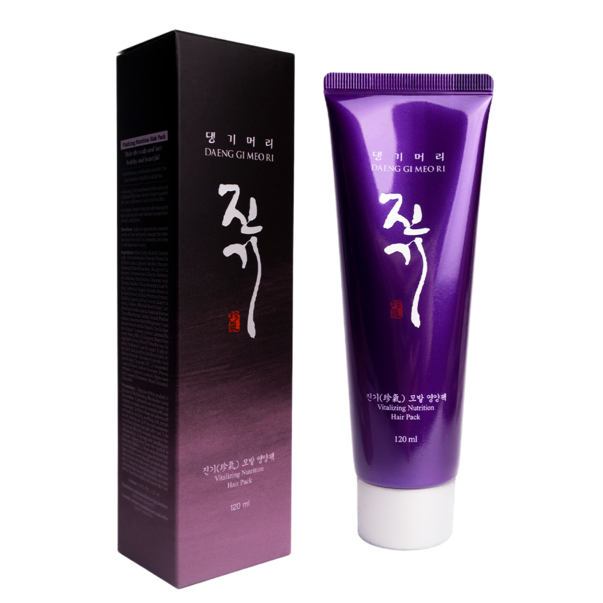
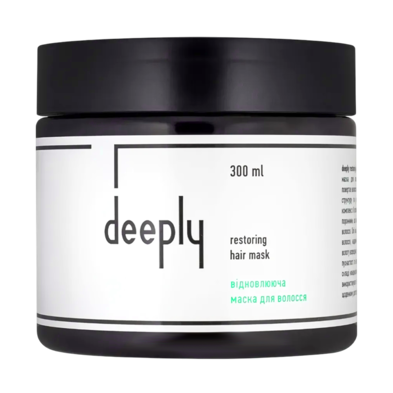
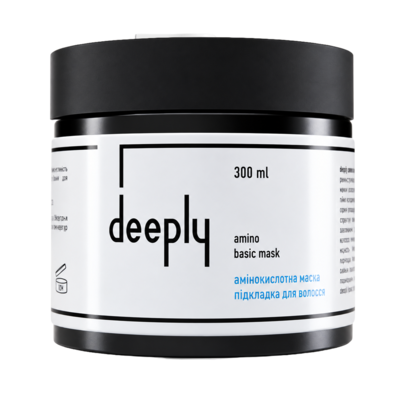
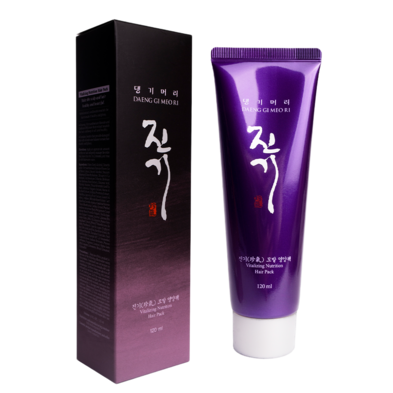
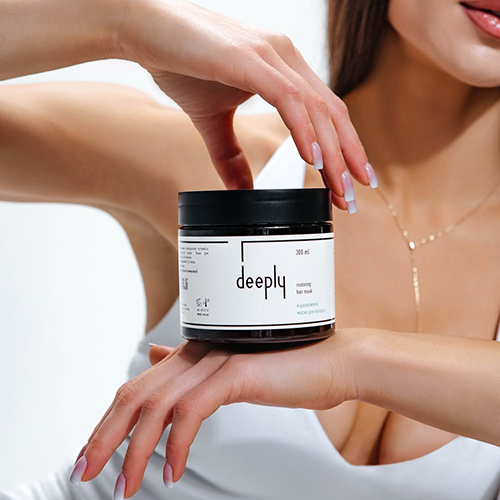
Over-dried and fragile strands need both hydration and nourishment at the same time. Deeply Restoring Hair Mask contains ceramides, a complex of plant extracts, and nourishing oils, smooths the surface, and eliminates frizz: this is a Ukrainian professional formula with a slightly acidic pH. Daeng Gi Meo Ri Vitalizing Nutrition Hair Pack is a Korean product for weakened lengths with keratin, ceramides, and fermented extracts that nourish strands and close the cuticles.
After Dyeing and Lightening
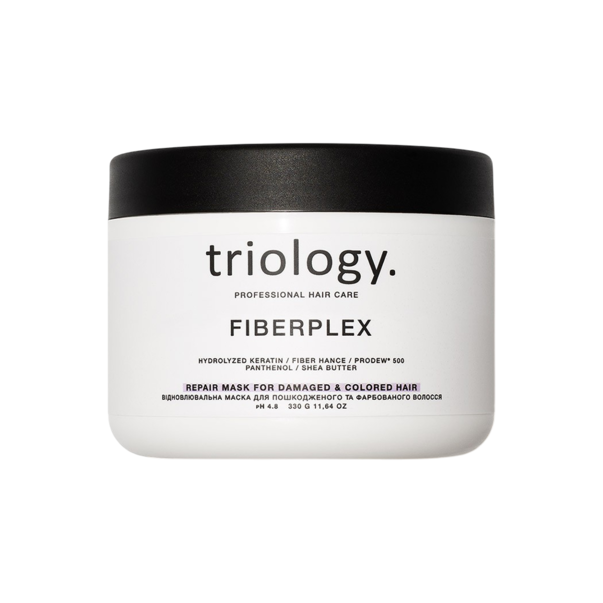
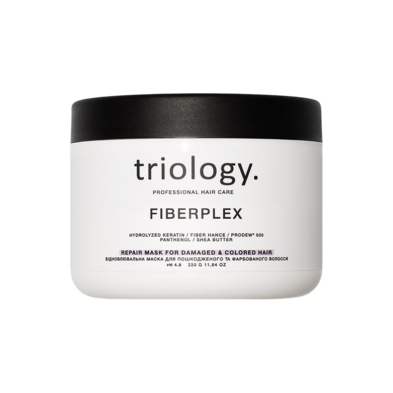
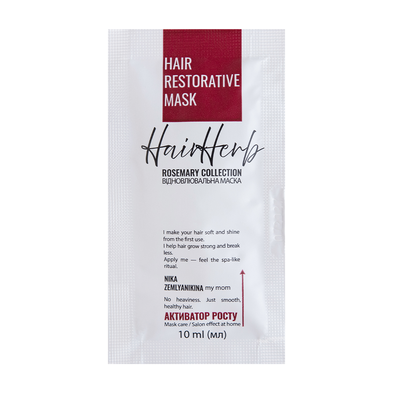
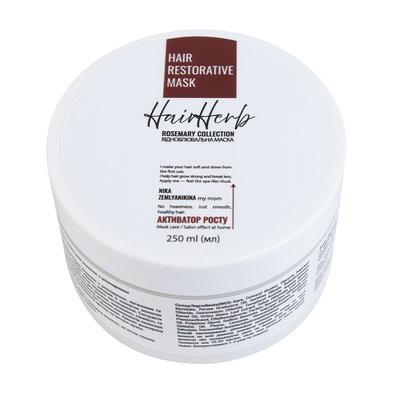
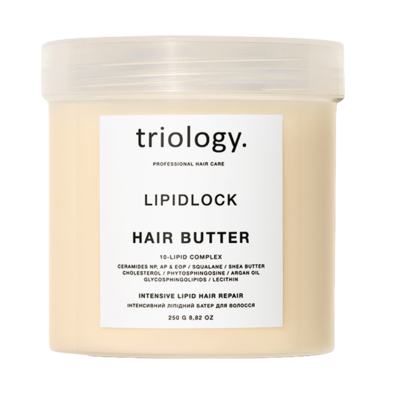
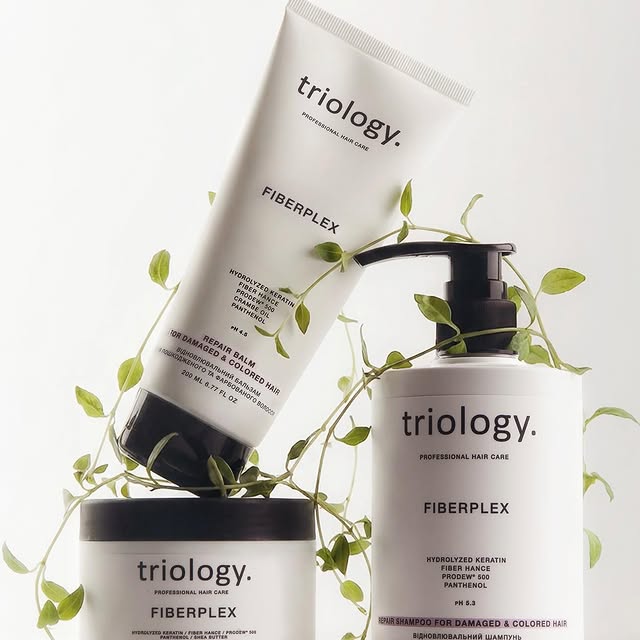
Formulas for colored lengths strengthen weakened fibers and help retain pigment longer. Triology Fiberplex contains hydrolyzed keratin, wheat and plant proteins, panthenol, and glycerin. It fills in the gaps in the structure and restores smoothness. The rosemary mask Nika Zemlyanikina HairHerb is a Ukrainian restorative formula for dry strands, available in sachet and 250 ml formats.
For Damaged Lengths
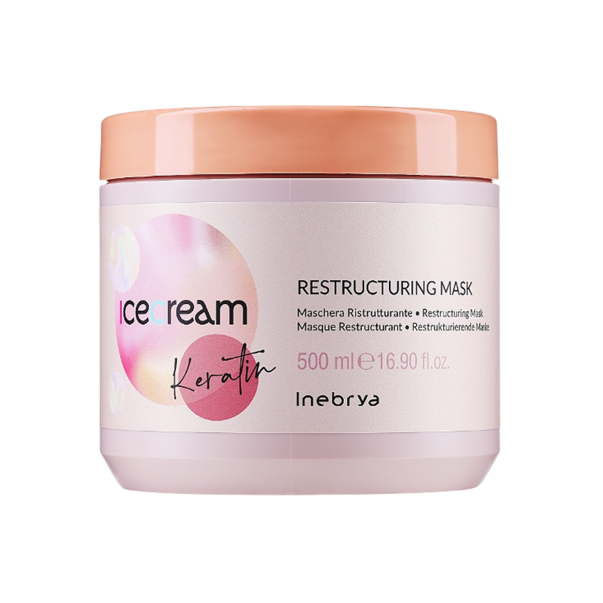
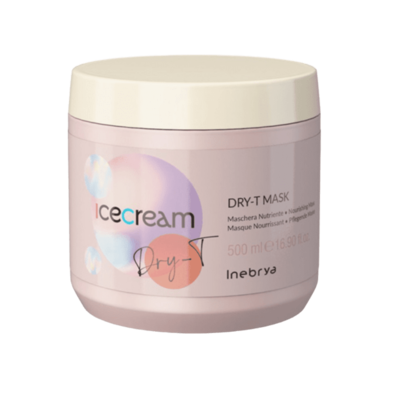
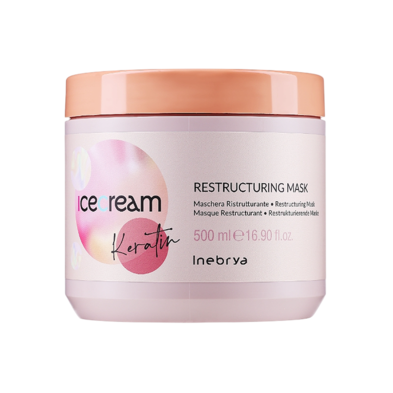
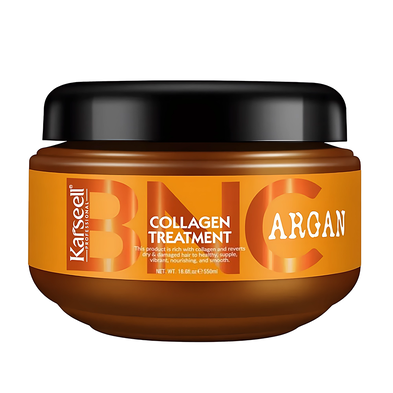
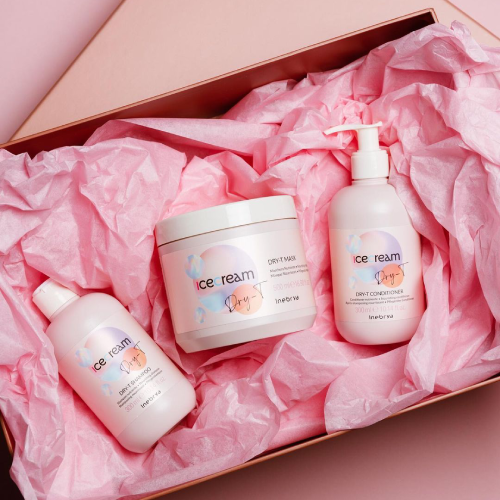
After several lightening treatments, superficial care is no longer sufficient. Inebrya Ice Cream Keratin Restructuring Mask with hydrolyzed keratin and ceramides is designed for strands depleted by chemical procedures and works on restoring structure. Karseell BNC Argan Collagen Treatment with collagen, keratin, and argan oil nourishes the length and restores smoothness without weighing it down.
Restorative Care for Regular Use
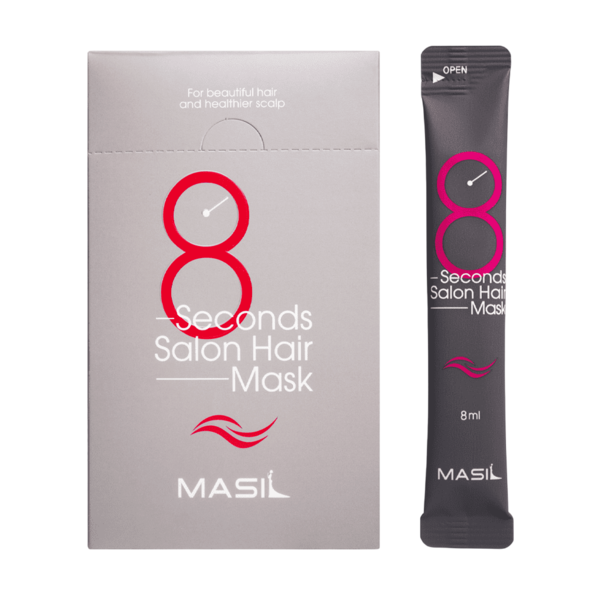
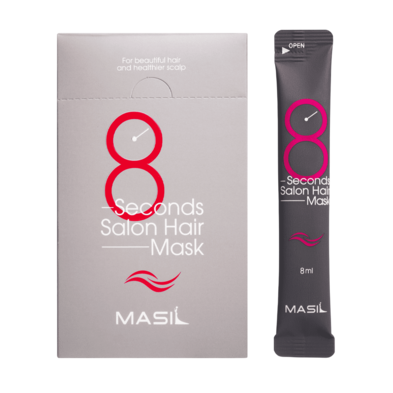
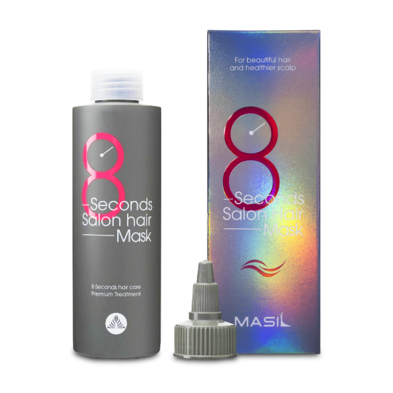
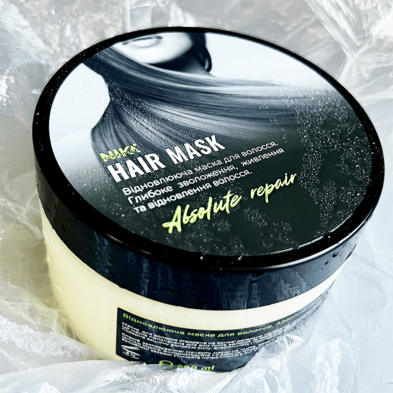
For support between intensive treatments, lighter masks for damaged hair are suitable. MASIL 8 Seconds Salon Hair Mask with hydrolyzed collagen, proteins, and plant extracts provides a salon effect at home with minimal application time. Nika Zemlyanikina Absolute Repair is a Ukrainian restorative mask for softness and a well-groomed appearance of the length.
Benefits of Hair Restoration Masks
A properly selected hair restoration mask addresses several tasks that shampoo and conditioner cannot accomplish. Here is what systematic care based on it provides:
-
Assistance in maintaining a more well-groomed appearance. When the cuticle is smooth and closed, the surface reflects light uniformly—natural shine appears, and dullness disappears. This is a change in the condition of the shaft itself, not a masking of the cosmetic film.
-
Reduction of dryness and brittleness along the length. The rich formula of the hair restoration product retains moisture, which evaporates quickly without protection, and restores elasticity to the fiber. The result is strands without brittleness and without the feeling of straw when caring for the tips.
-
Easier combing and styling. When the scales lie flat, the comb glides without resistance. Easy combing is not just comfortable: friction damages the shaft more than one might think, so a smooth surface directly reduces breakage.
-
Support for softness and smoothness of hair. After several applications, strands become softer to the touch, frizz less from humid air, and hold their shape better after styling.
How to Choose a Hair Restoration Mask
The choice of a deep hair restoration mask begins not from the shelf but from understanding what exactly has happened to the strands and how deep the damage is. First, it is essential to determine porosity, and only then compare the condition with specific guidelines.
Determine Porosity with a Simple Test
Porosity indicates how dense the product should be. You can check it in a minute: drop a clean, dry strand into a glass of water. If it sinks quickly, porosity is high, the shaft is severely depleted, and it requires a dense formula with oils and sealing components. If it floats in the middle, it is normal. If it stays on the surface, porosity is low, and care products are absorbed with difficulty, so light products without heavy oils will suffice. This eliminates guesswork: you will immediately know which hair restoration mask you need: light or more concentrated.
Guidelines for Specific Conditions
Once porosity is known, it becomes easier to orient oneself according to the condition:
-
lightened strands need a dense formula with keratin and proteins, which should be kept on longer and applied under a film;
-
for colored locks, it is advisable to choose professional hair restoration products with a comprehensive effect: hydration, strengthening, and color retention, where proteins, panthenol, and slightly acidic pH are combined;
-
brittle and porous lengths will benefit from a denser product: it should be kept on the surface closer to the maximum time indicated in the instructions;
-
for daily support, a light composition with a short application time is sufficient: it does not overload the length.
Balance of Protein and Moisture: Why a Mask Sometimes Has the Opposite Effect
This is the part of care that is most often confused—and it is precisely because of this that even professional hair restoration masks can cause harm. The logic of "strands are dry, so more nourishment is needed" does not always work: dryness can result from a lack of moisture rather than protein, and a protein formula in such cases will only worsen the condition.
Protein and moisturizing products should be alternated, not used exclusively. The table below correlates typical symptoms with their causes and suggests which direction to move in.
| What You Notice | What Is Likely Missing | What Is Needed |
| Stretches when wet and breaks | Protein | Protein mask with keratin and proteins |
| Rigid, "glass-like," breaks when dry | Moisture | Moisturizing mask with panthenol and glycerin |
| Dull, without shine immediately after washing | Closed cuticle, soft water | Smoothing mask plus cool rinse |
| Ends like straw, middle normal | Nourishment along the length | Dense oil mask, applied specifically to the ends |
| Cottony, shapeless, does not hold styling | Balance – likely overload from care | Light formula, pause in intensive products |
Find your row, and you will immediately understand not only which product for restoring damaged hair to choose but also why the previous one may not have worked.
What Ingredients Are Used in Restorative Masks
Effectiveness here is not about a single "star" ingredient, but rather a balance between groups of substances, where each addresses its task and enhances the action of the others.
Keratin and Amino Acids
Keratin is the main protein from which the hair strand is built. When damaged, its bonds break, and the task of the product is to fill these voids with protein, smoothing the fiber. Amino acids—smaller structural links—penetrate deeper and complement the action. Together, they work more systematically than alone: such a pair is present, for example, in Daeng Gi Meo Ri Vitalizing Nutrition Hair Pack, where keratin is combined with amino acids and ceramides.
Protein Complexes
Protein care uses hydrolyzed proteins from wheat, silk, and plant sources—broken down into fractions that penetrate under the cuticle and fill in the voids in the structure. They strengthen the fiber and add density—these are the types of proteins found in the deep hair restoration mask Triology Fiberplex and MASIL 8 Seconds. An important nuance: protein is beneficial when it is lacking, but an excess makes strands stiffer. Therefore, protein products should be alternated with moisturizing ones.
Natural Oils
Oils do not restore the structure by themselves, but they play an important role—they seal the freshly filled fiber and slow down moisture loss. Argan oil in Karseell's composition adds natural shine and provides protection for the length. Additionally, a lubricated surface reduces friction during combing, which means there will be less mechanical breakage.
Components to Support Hair Structure
Panthenol and glycerin are a classic moisturizing tandem in hair restoration masks: the former retains moisture inside the shaft, while the latter attracts it from the air. This duo helps achieve hair without dryness, and it is included, in particular, in Triology Fiberplex. Silicone derivatives like amodimethicone (found in Inebrya Ice Cream Keratin) in small amounts seal the cuticle, provide smoothness and easy combing, and do not accumulate with regular washing.
How to Properly Use Hair Restoration Masks
Even professional hair restoration cosmetics will not work with chaotic application—the technique affects the result just as much as the composition. Consider the recommendations to achieve a salon effect at home.
Application Technique Step by Step
Following the sequence maximizes the benefits of each jar:
-
Apply hair restoration products to damp, not wet strands: in wet hair, water has already taken up space in the cuticle and dilutes the active components. So, squeeze it with a towel until it is "damp but not dripping"—this is how the instructions for Triology and Inebrya recommend.
-
Distribute the product from the middle to the tips, avoiding the roots—this is where the well-groomed length is formed, and the root zone becomes greasy faster from the product.
-
Before rinsing, wet your hands with water and run them along the length as if lathering the hair restoration mask. This ensures even application and rinses without heavy residue on the ends.
-
Finish with cool water. After warm rinsing, a cold rinse helps the scales lie down more tightly.
How Long to Leave It On and Why Heat Is Beneficial
A common myth is to leave a professional hair restoration product on for an hour "for greater effect." The components penetrate within the time allocated by the manufacturer: instructions usually indicate 3–10 minutes. Beyond that, the process does not deepen: strands may, on the contrary, become over-hydrated and cottony. Some formulas act even faster; for example, MASIL 8 Seconds has a self-heating effect and works in seconds.
Light heat during the application phase indeed helps: a towel turban or cap slightly lifts the cuticle and improves penetration. The main rule is heat during the application, coolness during rinsing.
Note: "night" products are a separate format with a different formula, not just a regular product left on for a long time.
How Often to Apply a Restoration Mask
The frequency of using a hair restoration mask depends not only on the condition but also on the type of strands. The guidelines are as follows:
-
severely damaged lengths after lightening—usually twice a week for several weeks;
-
moderate porosity or support—once a week;
-
fine strands become overloaded faster, so a dense product should be applied less frequently and only to the ends.
Order of Steps When There Are Many Products
To avoid confusion in your routine, keep a simple scheme: shampoo, deep cleansing of the length if necessary, then a hair restoration mask, rinse, and finally a leave-in treatment or oil on the tips. A mask and conditioner are usually not combined in one session. However, after intensive protein or deep-penetrating masks, it is recommended to apply a conditioner to neutralize pH, tightly close the cuticle, and lock in the actives inside.
When a Mask Will Not Help
An honest acknowledgment of limitations is more important than promises. It is essential to understand that a split end cannot physically be glued back together for long—professional hair restoration cosmetics will smooth it for one or two washes, but the only truly effective solution is to trim it. Additionally, strands burned by chemicals to the state of "gum" cannot be revived: only growing out healthy length will help. Knowing these boundaries saves money and time.
Domestic Factors That "Consume" Results
Sometimes the length looks worse not due to the wrong shampoo or hair restoration mask but because of small details between washes:
-
a cotton pillowcase creates friction all night—silk or satin preserves smoothness longer;
-
tightly tying wet strands with a rubber band in the same place creates a kink along the line of tension;
-
hard tap water leaves deposits and dullness even with comprehensive care—this is where the frequent feeling that the product has stopped working comes from.
Eliminating these factors often yields a greater effect than replacing products.
Why You Should Buy Hair Restoration Masks at Staleks
Staleks forms its category based on real needs, not on the principle of "more items—better." Thanks to this approach, customers receive:
-
Products for different degrees of damage. The catalog includes both light supportive formulas and powerful hair restoration masks after several lightening treatments—you can choose a product specifically for the current condition, not just the most intensive one available.
-
Professional products in home formats. Products from Inebrya, Triology, and MASIL are salon compositions in volumes convenient for home use: the same effect as with a stylist, but without the need to go to the salon.
-
Formats for different consumption. A trial sachet or small tube is convenient for testing a product before purchase, while larger jars of 500–550 ml are more economical for regular use. Choose an option that you can use up before the expiration date.
-
Convenient and quick selection. Each product card contains the composition, hair type, and purpose. This will help you buy a hair restoration mask consciously, rather than randomly. You can also seek additional consultations from the online store managers.
Orders are delivered throughout Ukraine and abroad, and the price of professional products fits any budget.
FAQ
-
How to choose a hair restoration mask? Start from the cause and depth of damage. For dryness after blow-drying—hydrating-nourishing formulas with panthenol and natural oils. After lightening—dense products with keratin and proteins that work with the structure. For support between treatments, a lighter substance with a short application time is sufficient.
-
What masks are suitable for damaged hair after dyeing? Products that combine strengthening the structure and color retention. The dye opens the cuticle, causing the pigment to wash out faster. You need products with panthenol, hydrolyzed proteins, and keratin—they close the scales and retain moisture. From the Staleks catalog, Triology Fiberplex and Nika Zemlyanikina Absolute Repair are suitable.
-
What is the difference between a restorative mask and a regular hair mask? A regular mask acts primarily on the surface: it smooths the scales and provides temporary softness. Hair restoration masks penetrate deeper and fill in micro-damage in the shaft thanks to keratin and hydrolyzed proteins, meaning they work with the structure rather than just masking the condition.
-
What ingredients are most commonly used in restorative masks? Keratin and amino acids for smoothing the fiber, hydrolyzed proteins for strengthening from within, panthenol and glycerin for moisture retention, and natural oils for sealing the result. A strong formula combines components from all these groups.
-
Are such masks suitable for lightened hair? Yes. Strands after lightening are one of the most depleted conditions, and most professional hair restoration products are designed specifically for it. Dense formulas with keratin and proteins are used in courses and alternated with lighter moisturizing products.
-
How often should a deep hair restoration mask be used? For severe damage, usually twice a week for several weeks. For moderate dryness—once a week. If wet hair becomes cottony and loses elasticity—that is a sign of excess protein, and the frequency should be reduced.
-
What products help care for brittle hair? Products with keratin and proteins fill vulnerable spots along the shaft and increase resistance to mechanical impact. At the same time, it is important to reduce thermal load: even the best product will not provide lasting results with daily hot styling without protection.
-
Can a restorative mask be used together with a conditioner? Not in one wash—they perform similar tasks. Ideally: mask once a week, conditioner or balm—after other washes. If the product is marked as leave-in, an exception may be possible, but that is already a different product format.
-
How to maintain a well-groomed appearance of hair after lightening? A restorative mask once a week, a gentle shampoo without aggressive sulfates, and thermal protection before styling. Finish washing with a cool rinse and do not dry with a blow dryer at maximum temperature. Additionally, it is advisable to use a conditioner after each wash—not instead of a mask, but as a supplement.
-
What masks are suitable for dry and porous hair? Those that combine hydration and cuticle sealing. For porous structures, oils and silicone derivatives are especially important: they lose moisture faster. Such products should be kept closer to the upper recommended limit set by the manufacturer and rinsed with cool water to close the scales as tightly as possible.
-
Do restorative masks help reduce hair brittleness? Yes, with systematic use. Keratin and proteins fill defects along the shaft, increasing resistance to mechanical impact. Long-term results accumulate over several weeks of regular use, along with a reduction in thermal load.
-
Why is restorative care important for damaged hair? Damaged fibers do not restore themselves: a porous cuticle will not close without external help. Regular use of a professional hair restoration mask compensates for what the hair cannot provide on its own—density, moisture, and smoothness along the entire length. Without systematic care, even a neat professional haircut quickly loses its well-groomed appearance.
Hair masks Cost on staleks.ua
Name | Price |
| BIOTOP 19 Hair Mask Pro Silver 250 ml | 2 777.00 UAH |
| BIOTOP 20 Volumizing Boost Hair Volume Mask 250 ml | 2 148.00 UAH |
| BIOTOP 700 Hair Mask Keratin + Kale 250 ml | 2 271.00 UAH |
| BIOTOP 911 Moisturizing Hair Mask with Quinoa Proteins 550 ml | 3 466.00 UAH |
| BIOTOP 911 Moisturizing Hair Mask with Quinoa Proteins 250 ml | 2 168.00 UAH |
Hair Restoration Mask - customer reviews