Hydrophilic Oils for the Face





 In stock
 Buy
 In stock Buy
 In stock Buy
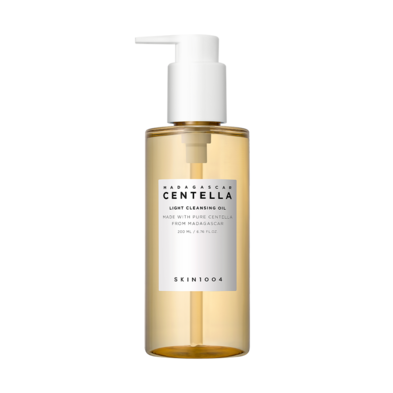 In stock Buy
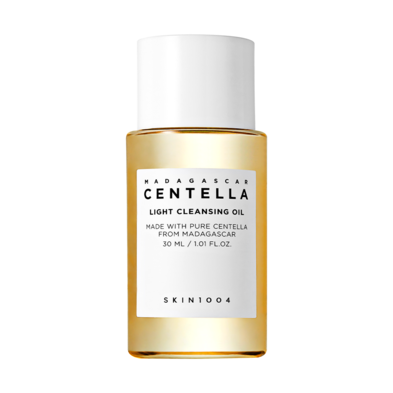 In stock Buy
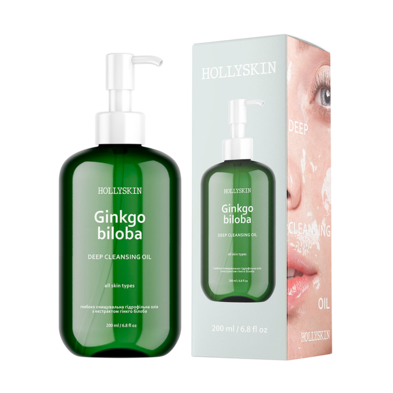 In stock Buy
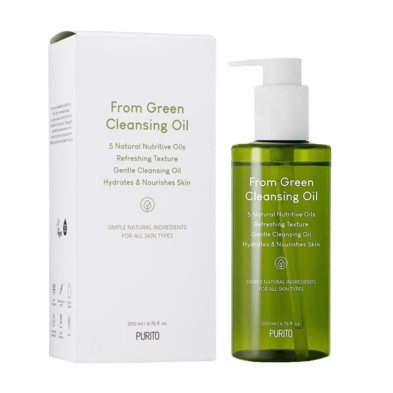
 Out of stock
when available
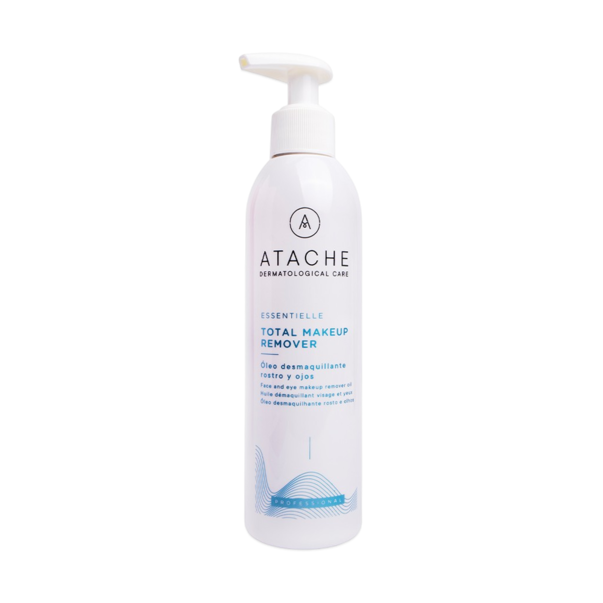
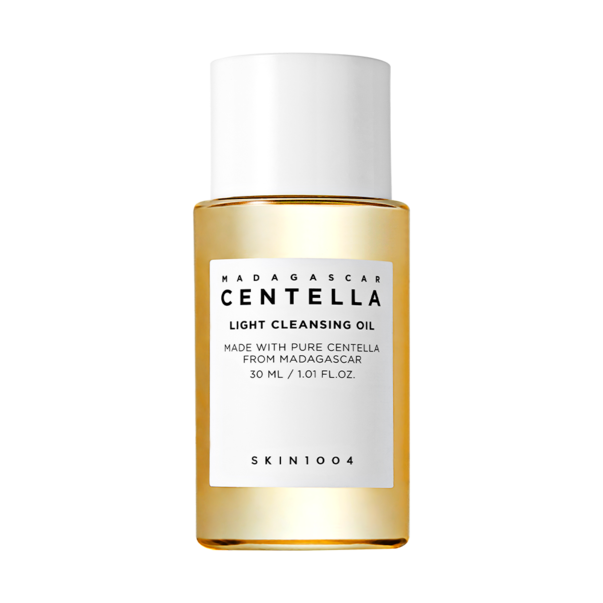
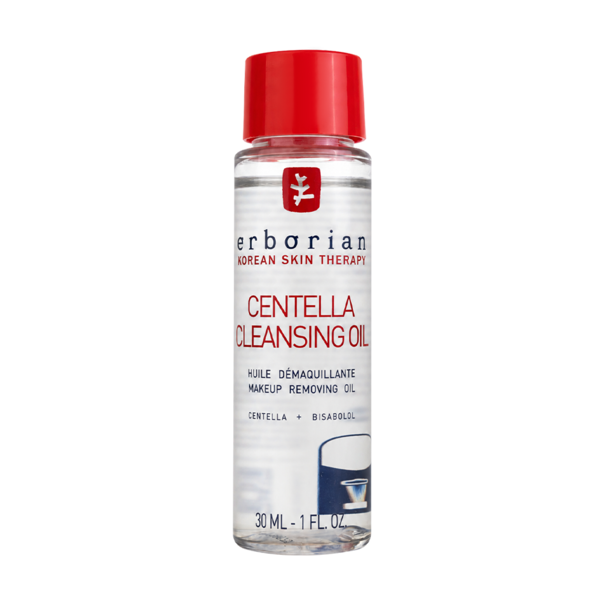
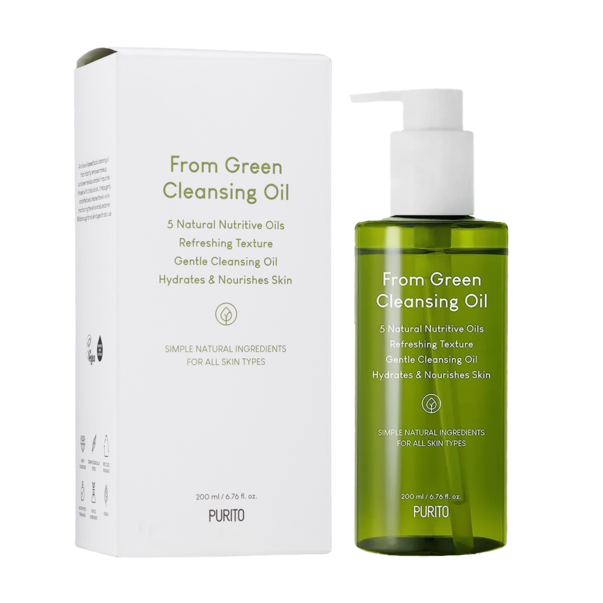
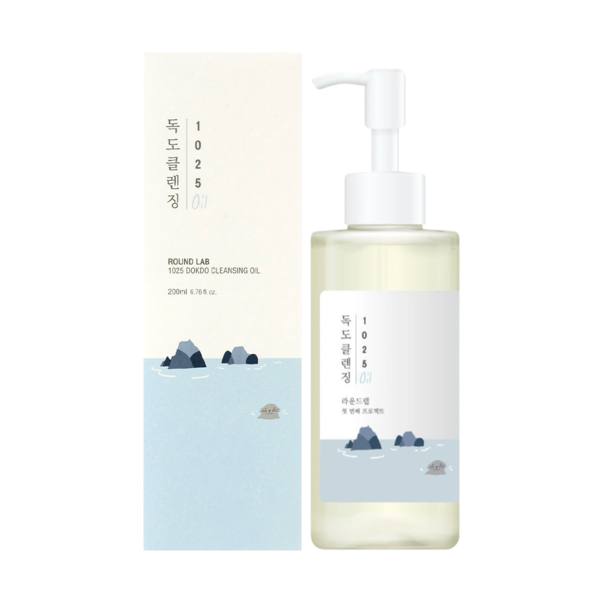
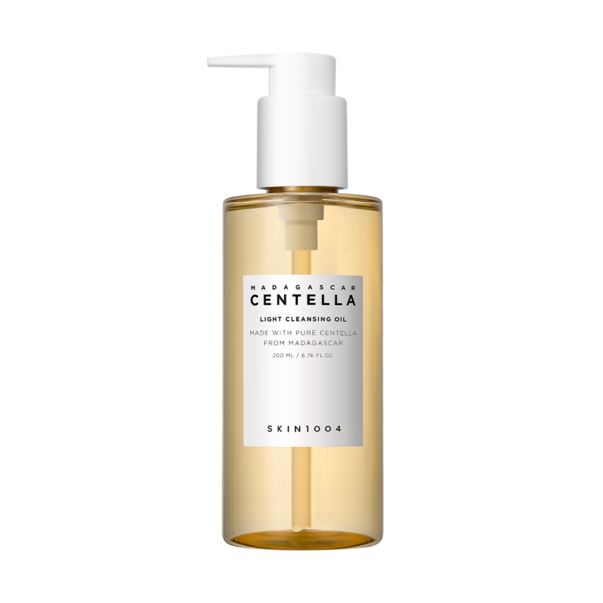
Hydrophilic oil for the face is an oily product that transforms into a soft emulsion upon contact with water and washes off without leaving a greasy film. It operates on the principle of "like dissolves like": the oily base binds makeup, sebum, and sunscreen, while the built-in emulsifier allows all of this to be removed from the skin with regular water. Without this initial step, dense foundation and long-lasting SPF are poorly removed by foam, with some impurities and sebum remaining in the pores, which over time makes the skin dull and noticeably highlights blackheads. The catalog at staleks.ua features hydrophilic oils from Korean, Spanish, and Ukrainian brands – SKIN1004, Purito, Erborian, Hollyskin, and ATACHE. Each is designed for its specific task: from light makeup removal to deep cleansing of combination skin.
Hydrophilic Cleansing Oil: What It Is and When to Use It
The use of hydrophilic oil is the first step in a two-step cleansing process popularized by Korean skincare. The idea is to first dissolve all oil-soluble substances (makeup, sunscreen, skin oil), and then use a water-based foam to remove sweat, dust, and any residue from the product itself.
Many confuse hydrophilic oil for facial cleansing with micellar water, but their purposes are different. Micellar water is convenient for quick makeup removal; however, under dense foundation and long-lasting SPF, it is often insufficient as a standalone step, and its application requires a cotton pad and a light effort. The formula with oils acts more delicately: it is spread with fingers over dry skin, without cotton and pressure. Unlike regular cosmetic oil, it has the ability to rinse off – classic oil does not wash away and leaves a film.
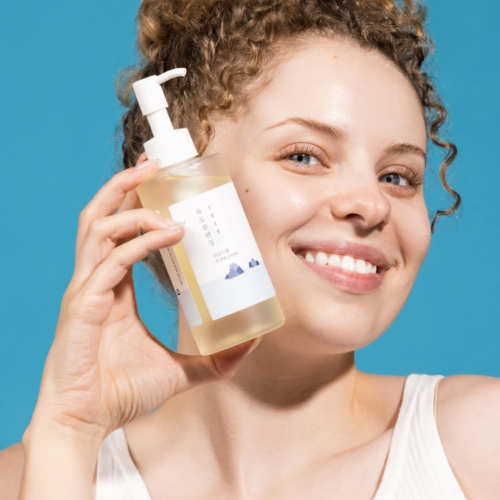
This format is worth considering if you wear foundation, powder, mascara, or use high SPF sunscreen daily. For a bare face that just needs refreshing in the morning, foam is sufficient.
Characteristics of Hydrophilic Oil for the Face
Below are the basic parameters to consider when choosing. They help to understand how one bottle differs from another even before reading the composition.
| Characteristic | What It Means | Why It Matters |
| Product Type – cleansing cosmetic | Format – for washing | Clearly indicates the product's place in the routine |
| Purpose – cleansing | Dissolves makeup, sebum, sunscreen | Cleanses deeper than surface washing with foam |
| Main Action – emulsifying the product with water | Oil changes structure upon contact with water | Complete rinsing without a greasy film |
| Application Area – face; use cautiously around the eyes | Applied to dry skin | Gentle makeup removal, but avoid direct contact with mucous membranes in the eye area |
| Texture – light, oily | Glides over the skin, does not run | Comfortable massage and targeted pore treatment |
| Skin Type – usually suitable for all types | Ingredients are selected for universal use | Suitable for both dry and oily skin |
| Format – bottle 30–250 ml, with or without a dispenser | Travel or full-size volume | Convenient for both home and travel |
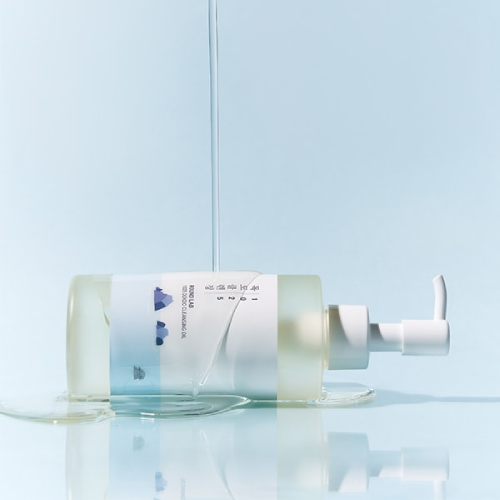
Emulsification: How Oil Turns into Milk
The secret of the product lies in the non-ionic emulsifier (most often Sorbeth-30 Tetraoleate). Its molecules have an amphiphilic structure: the lipophilic part dissolves in oils and sebum, while the hydrophilic part seeks to bond with water. When water is added, it reduces interfacial tension, turning the oil into a micro-emulsion (milk).
This is how emulsification occurs: the clear oil becomes cloudy and whitish before your eyes. It is this white emulsion that carries away all impurities under the stream of water. Therefore, an important point in the technique is to massage the product onto a dry face, and only then wet your hands. If water is poured in immediately, the emulsion will form before the product has a chance to dissolve the makeup.
Active Ingredients in Hydrophilic Oil for the Face
The base of any hydrophilic cosmetic product is built on a mixture of vegetable oils plus an emulsifier. Each brand then adds its soothing and antioxidant components. Active ingredients are responsible for key effects – dissolving cosmetics and gentle cleansing, as well as additional effects – soothing and protection against oxidation. Let's break down what is added to the formula and why.
-
Vegetable Base Oils – olive, sunflower, jojoba, almond, or grape seed oil dissolve decorative cosmetics and sunscreen, while being similar in composition to the skin and not drying it out
-
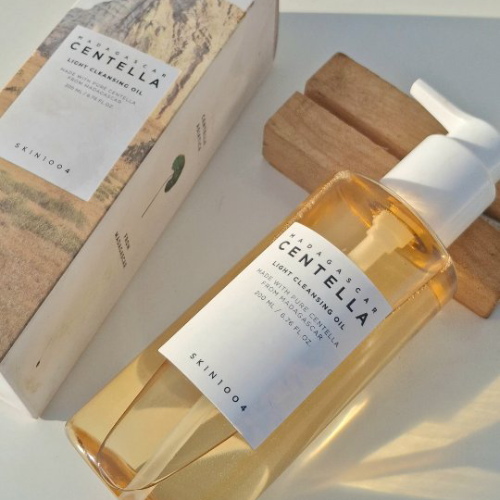
Centella Asiatica – in the SKIN1004 product, the extract content is 10,000 ppm; it soothes the skin and reduces the feeling of tightness after washing, which is appreciated by those with reactive skin
-
Tocopherol (Vitamin E) – an antioxidant that slows down the rancidity of oils in the bottle and helps maintain the skin's protective lipid layer, reducing its oxidation
-
Caprylic/Capric Triglyceride – a lightweight natural emollient (glycerin and fatty acid ester from coconut oil). Unlike whole oil, it has low viscosity, dissolves makeup faster, spreads well, and has a low comedogenic level
-
Sorbeth-30 Tetraoleate – the emulsifier responsible for turning it into milk; without it, the product would remain regular oil, which cannot be washed away with water
-
Ginkgo Biloba – in the Hollyskin product, this plant extract with antioxidant properties complements the cleansing base with a gentle care accent
Fragrances in such formulas are often natural – floral and citrus oils of bergamot, geranium, and rose. They provide a light scent but may not be suitable for sensitive skin. If the composition contains natural essential oils (citrus, geranium, bergamot), individuals with hypersensitive skin are advised to apply 1–2 drops of the product to the inner elbow fold for 24 hours to rule out any individual reaction.
Who It Is Suitable For
The format is universal, but there is still logic in the selection. Focus on habits and skin characteristics:
-
Those who wear heavy makeup and long-lasting sunscreen daily – the product will remove them in one application
-
Individuals with oily and combination skin – such cleansing, when done correctly, usually does not provoke pore blockage and helps dissolve excess sebum on the surface and within the pores
-
Those with dry and sensitive skin – gentle formulas with centella cleanse without tightness
-
Beauty professionals – for quick makeup removal for clients before procedures or makeup
The gentle formula with centella without aggressive surfactants is usually suitable for sensitive skin that does not tolerate friction and alcohol-based removers well. Regarding pore safety: non-comedogenicity in such oils is achieved through light base oils and the absence of heavy mineral components – but reactions can be individual.
Note: if there are open wounds or damage on the skin, it is better to apply the product in those areas with light movements, without active friction. After application, it is sufficient to rinse the skin well with water and, if desired, wash with a gentle foam.
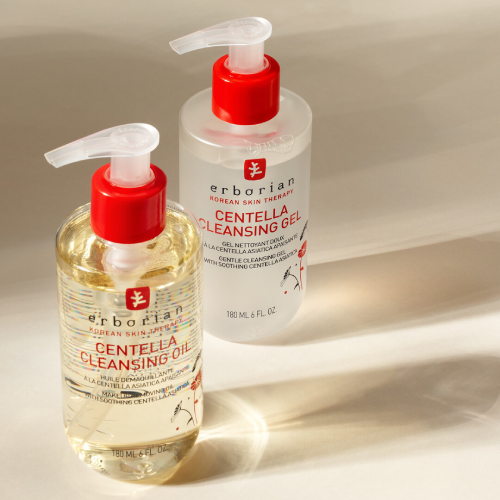
Options for Hydrophilic Oil for the Face in the Staleks Shop & Service Catalog
To make the selection more specific, let's compare several items as examples. The assortment of the online store is regularly updated, so the table does not represent the entire possible list of formats.
| Product | Volume | Key Components | Who It Is Closer To |
| 30 and 200 ml | centella 10,000 ppm, sunflower and olive oils, jojoba | Individuals with reactive skin prone to redness | |
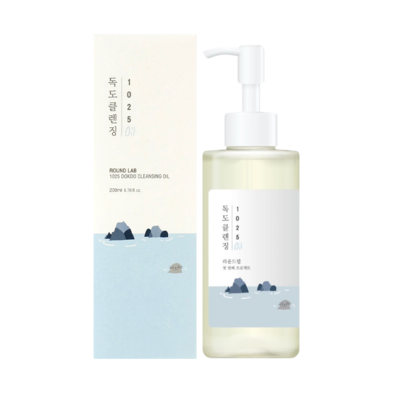
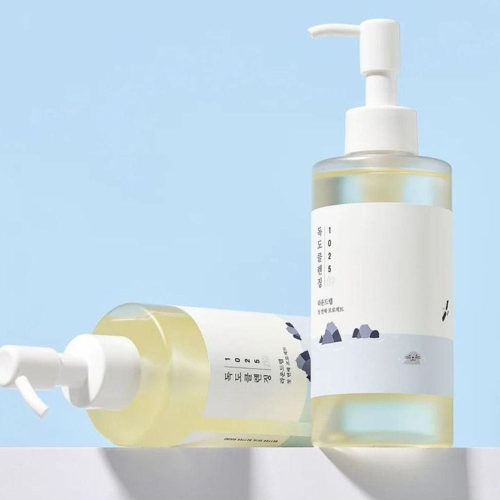
| 200 ml | oils: olive, sunflower, almond, grape seed; vitamin E | Those looking for a minimalist formula without essential oils | |
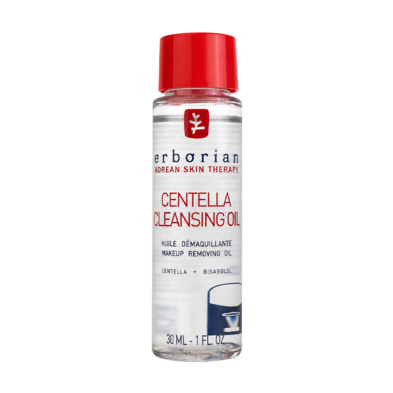
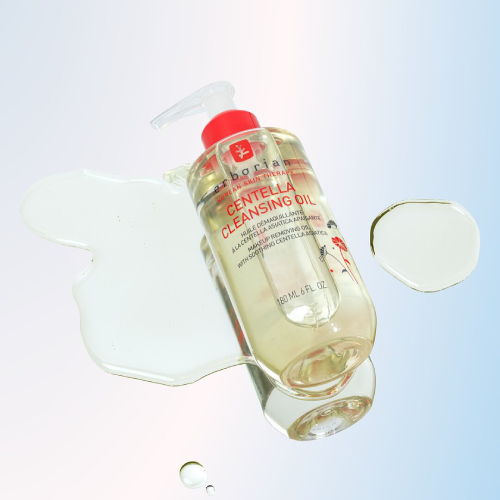
| 30 ml | complex with centella, light texture | Anyone needing a compact travel makeup remover | |
| 200 ml | ginkgo biloba extract, vegetable oils | Individuals with combination skin, those who appreciate affordable prices | |
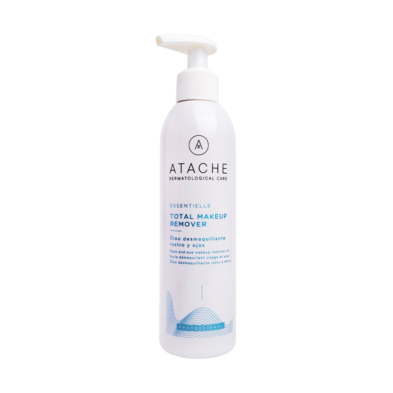
| 250 ml | professional cleansing base in a large volume | Salon professionals, with high cosmetic product consumption |
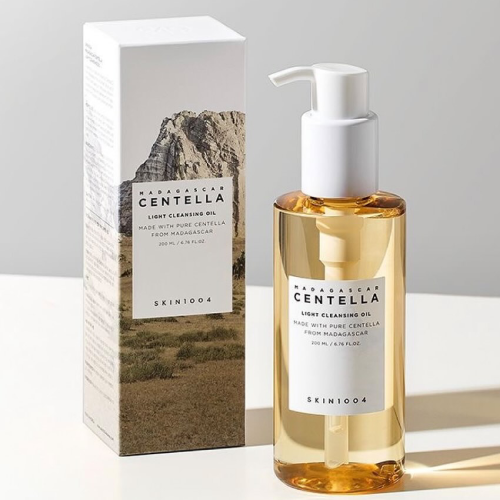
The price of hydrophilic cleansing oil varies significantly: from affordable options from Ukrainian brands to higher prices for the professional Spanish brand ATACHE. The volume also varies, so the consumption per wash should be considered along with the cost of the bottle.
How to Use Hydrophilic Oil: Application Technique
The sequence of actions is simple, but several nuances are very important. The main rule is to work on dry skin with dry hands; otherwise, the emulsion will curdle prematurely.
-
Ensure that your face and hands are dry – no prior washing
-
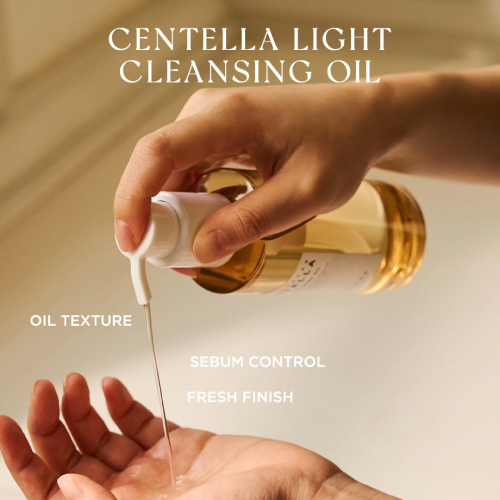
Make 2–3 pumps of the dispenser, apply the product to the skin, and distribute it along the massage lines
-
Massage the face for about 30 seconds, paying special attention to the wings of the nose and chin
-
Apply the product gently to closed eyelids without pressure, allowing the mascara to dissolve; avoid contact with the eyes, and it is better to remove contact lenses beforehand
-
Moisten your hands with warm water and continue the massage – the oil will turn white and become milk
-
Rinse the emulsion thoroughly with warm water
-
Complete the cleansing with foam or gel – this is a mandatory second step
-
Pat your face dry with a towel and proceed to toner
Purchasing hydrophilic oil for makeup removal with a properly selected second step – foam or gel with mild surfactants (for example, based on coco-glucoside or betaine and a physiological pH of 5.5) ensures the complete removal of residue from the emulsion and preservation of the protective barrier.
Unusual Techniques and Tips from Professionals
Here are a few techniques that turn routine washing into mini-care:
-
Warm a few drops of hydrophilic oil in your palms before application – warm product dissolves makeup faster and applies more pleasantly
-
A light massage along the massage lines from the center to the periphery improves microcirculation, promotes lymphatic drainage, and ensures even dissolution of makeup in the skin folds
-
For stubborn waterproof mascara, leave the product on the eyelids for a few seconds before massaging – the pigment will come off without friction
-
Spend a little longer working on the nasolabial folds and wings of the nose – this is where sunscreen accumulates and clogs pores
Common Mistakes in Use
Even a well-chosen product will not work if the application technique is violated. We have compiled the mistakes that most often negate the results.
| Error | Why This Is Bad | How to Fix It |
| Applying to wet skin | The emulsion will curdle before the oil dissolves the makeup | Work strictly on dry face and dry hands |
| Skipping the second washing step | Residues of the product and dissolved cosmetics clog pores | Always finish with foam or gel |
| Rubbing the skin with a cotton pad | Excess friction irritates and stretches the skin | Distribute and rinse only with fingers |
| Rinsing with cold water | The product emulsifies poorly and remains a film | Use warm water for complete rinsing |
| Storing the bottle in the sun | Base oils oxidize and become rancid | Keep in a dry, cool place away from direct sunlight |
Conclusions
-
Hydrophilic oil dissolves cosmetics and sunscreen, rinsing off with water thanks to the emulsifier
-
The first step of double cleansing does not replace foam but works in conjunction with it
-
The formula is gentler than micellar water – without cotton and friction
-
The base of the composition consists of vegetable oils plus an emulsifier
-
Centella and vitamin E provide the skin with soothing and antioxidant protection
-
Light base oils ensure non-comedogenicity, but reactions can be individual; a preliminary test is necessary
-
Apply to dry skin and with dry hands; otherwise, the emulsion will curdle prematurely
-
Various formats are available in the Staleks Shop & Service catalog – for home, salons, and travel
Why Hydrophilic Oil Is Important in Skincare
To sum it all up: this is the gentlest way to remove from the face what foam cannot handle – dense foundation, waterproof mascara, and long-lasting sunscreen. The skin does not become dehydrated or irritated from friction, and the pores remain clean. One bottle of hydrophilic oil for facial cleansing covers both daily makeup removal at home and the work of a professional with a client, while being economical in use.
Original products with a quality guarantee and fast delivery across Ukraine and abroad can be purchased at the Staleks Shop & Service online store. Consultants will help you choose the right format for your skin type and usual makeup, and orders will be processed and shipped promptly.
FAQ: Common Questions About Hydrophilic Oil
-
Can I use hydrophilic oil for makeup removal every day? Yes, evening cleansing with this cosmetic product is suitable for daily use, provided that a second step with foam follows. In the morning, without makeup, usually just foam is sufficient – the oil is reserved for the evening when it is necessary to remove foundation and sunscreen.
-
Will such cleansing provoke fungal acne? The risk depends on the composition. Formulas based on caprylic/capric triglyceride and light vegetable oils are considered relatively safe, while coconut and some heavy oils are less suitable for skin prone to such issues. Always check the complete list of ingredients against the label.
-
How does hydrophilic oil differ from cleansing balm? The difference lies in texture and physical state. A balm is a dense solid mass that melts on the skin from heat, while this product is already liquid in the bottle. The mechanism is the same: both dissolve cosmetics and rinse off with water after emulsification.
-
Will such cleansing dry out dry skin? Hydrophilic oil itself does not dry out dry skin – on the contrary, it is gentler than alkaline foams. The risk arises from hot water and excessive massage: the water should be warm, and the session should not last longer than a minute. For such skin, choose the most delicate second step, free of sulfates.
-
Can I use such a product with eyelash extensions? Caution is needed here. Oily formulas can weaken the adhesive for extensions, so lash artists recommend avoiding the lash line or using special degreased products. For natural lashes, the product is completely safe and even softens them.
-
How does hydrophilic oil interact with actives in skincare – acids, retinol? The product rinses off and does not remain on the skin, so it does not conflict directly with actives. The order is more important: oil is the first step in the evening, while serums with acids or retinol are applied to clean dry skin after the second wash and toner.
-
What volume should I choose – compact or large? 30 ml bottles are convenient for travel and for trying out the product, while 200–250 ml is more economical for daily home care and professional use. The guideline is simple: if you apply makeup every day – take a large bottle, if you use foundation a couple of times a week – a compact one is sufficient.
-
Is it necessary to wet hands for the oil to work? For full cleansing – yes. Water is what initiates emulsification: without it, the product will dissolve makeup but remain on the skin as a greasy layer. First, the oil is massaged onto the dry face, and water is added only at the final step to turn it into a rinseable milk.
-
How to choose hydrophilic oil for myself? Start with three things in order. First, skin type: reactive skin is better suited to formulas with centella, while oily and combination skin prefers light oils without heavy components. Next, check the composition: look for the absence of essential oils and fragrances if the skin is sensitive. Only then consider the volume: for testing, take 30 ml, for regular use – a large bottle.
Cosmetic oils Cost on staleks.ua
Hydrophilic Oils for the Face - customer reviews