Antibacterial soap

 Out of stock
when available
 Out of stock
when available
 Out of stock
when available
 Out of stock
when available
 Out of stock
when available
Each of us has encountered antibacterial soap in our daily lives. We see it in stores, on pharmacy shelves, in offices, public restrooms, and hospitals. Many use it as an integral part of their hygiene routine, convinced that it will protect against bacteria and diseases. But what lies behind this popular product? Why is antibacterial soap sold freely? And finally, how safe is its regular use?
Antibacterial soap is not just a handwashing product with an added component that kills bacteria. It has become an essential part of daily hygiene routines in homes and public places around the world. In recent years, the COVID-19 pandemic has drawn significant attention to this product, as proper hand hygiene played a key role in preventing the spread of viruses.
But what is really behind this "antibacterial" label? What ingredients are contained in the soap? What are its pros and cons? And if one buys antibacterial liquid soap, how should it be used correctly to avoid harming oneself and one’s skin?
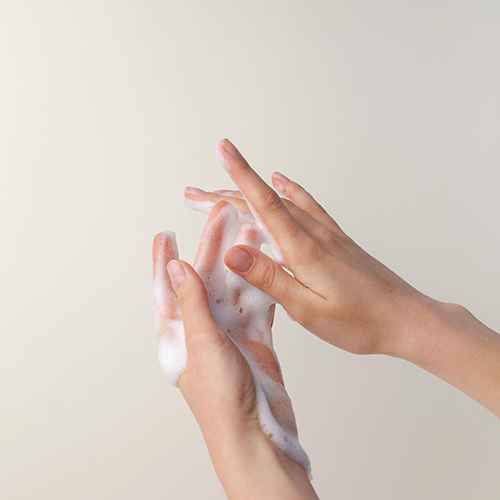
How Antibacterial Soap Came to Be: From Medicine to Mass Consumer
Antiseptic soap emerged in the mid-20th century when chemical antiseptics began to be actively used in medicine to prevent infections. However, it was not until the 1960s that this product became available to a wider range of consumers. Initially, antibacterial soap was intended for use in medical institutions, where sanitary conditions play a crucial role in preventing the spread of infections. In the late 1960s and early 1970s, the first commercial versions of such products were released to the market.
However, each year, the popularity of antibacterial soap grew and attracted the attention of ordinary consumers. This was particularly noticeable in the 2000s when companies began actively advertising such products as an indispensable part of daily hygiene routines aimed at combating the microbes and bacteria that surround us in everyday life.
Leading manufacturers began to incorporate active components that not only cleanse the skin but also combat potential health threats such as viruses, bacteria, and fungi. With each passing year, the range of products expanded, and by 2010, this product had become an integral part of hygiene habits in most homes and institutions.
The World Health Organization has always emphasized that to prevent diseases, it is important not to overuse antiseptics but to wash hands regularly. Soap is not only a familiar cleansing product but also a powerful means of removing contaminants.
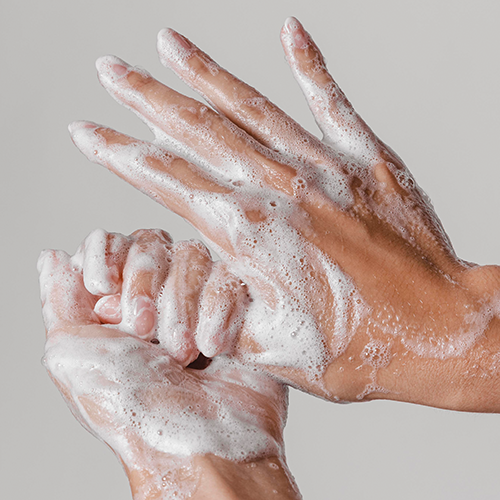
How Antibacterial Soap Works
How does it work? It’s simple. It acts in two ways: mechanically and chemically. Thanks to the friction and fatty acids contained in the soap, it effectively removes up to 99% of dirt, grease, bacteria, viruses, and fungi. All this "unpleasant company" is washed away from the skin with water, leaving your hands clean and fresh.
It is important to remember that even the most ordinary disinfectant soap can effectively clean if you wash your hands correctly. The key is to do it for at least 30 seconds, thoroughly lathering every part of your hand, including the hardest-to-reach areas.
The main difference between antibacterial soap and regular soap lies in the presence of antiseptic substances that act on bacteria, viruses, and other microorganisms. These substances can destroy the cell membranes of microbes, effectively eliminating them. The process by which antibacterial soap "works" is based on a chemical reaction in which the active substances disrupt the life processes of bacteria without harming the human body.
The composition of antibacterial soap may include the following components that directly affect microbes:
- Triclosan – the most well-known antiseptic used in soap to kill bacteria. Triclosan disrupts the metabolism of bacteria, leading to their death.
- Chlorhexidine – a powerful antiseptic that destroys a wide range of bacteria and viruses. It is often added to liquid antibacterial soap for skin disinfection, especially when protection against infections is needed.
- Benzalkonium chloride – a substance with antiseptic action that kills bacteria and microorganisms on the skin's surface while being gentle on it.
- Sulfanilamides and peroxides – additives with bactericidal properties that are often found in the compositions of antibacterial soaps.
As a result of interaction with the skin, these substances have an antimicrobial effect and also prevent the spread of diseases and infections.
The Composition of Antibacterial Soap: What is Important
The composition of antibacterial soap, like that of any other hygiene products, plays a key role in its effectiveness. It is important that it contains not only active antiseptics but also components that support skin health. Liquid antibacterial soap contains:
- Active antiseptic substances (such as triclosan, chlorhexidine, or benzalkonium chloride) – they are responsible for killing microbes and bacteria on the skin.
- Surfactants (surface-active substances) – substances that help the soap form foam and remove dirt from the skin's surface. These can include sodium laureth sulfate, coconut derivatives, and other components commonly found in cleaning products.
- Moisturizing components – such as glycerin, aloe vera, vitamin E. They help maintain moisture balance in the skin and prevent it from drying out.
- Fragrances and essential oils – give the product a pleasant scent. Essential oils, such as tea tree oil, lavender, or citrus, not only make hand disinfectant soap aromatic but also possess additional antiseptic properties.
- Food additives and plant extracts – extracts of cucumber, chamomile, and green tea are used to soften the skin and add beneficial properties.
- Alcohol – alcohol may be present in the composition of some types of antibacterial soaps, as it disinfects and sterilizes the skin. However, excessive alcohol content can lead to dryness and irritation of the skin, especially with frequent use.
Antibacterial Soap: Benefits and Possible Harm
Disinfectant products attract attention due to a number of beneficial properties, such as:
- Effective protection against microbes and bacteria. This is the main advantage of antibacterial soap – it prevents the spread of infection by reducing the risk of harmful microorganisms coming into contact with the skin.
- Suitable for disease prevention. The product is useful in situations where the risk of infection is high, such as in hospitals and public places.
- Removal of contaminants. Liquid antibacterial soap effectively cleanses the skin of dirt, oils, and other pollutants.
However, there are also some downsides:
- Disruption of skin microflora. Frequent use of antibacterial soap can damage the balance of natural bacteria on the skin, causing dryness, irritation, and allergic reactions.
- Dry skin. High concentrations of alcohol and aggressive antiseptics can dry out the skin, especially if disinfectant liquid soap is used too often.
- Development of resistance in bacteria. Some studies show that excessive use of triclosan and other antiseptics may lead to the development of resistant strains of bacteria, which over time will reduce the effectiveness of these substances.
- Harm to the environment. Some active components of antibacterial products (such as triclosan) negatively affect the ecosystem, especially if they enter water bodies.
How Often to Use Antibacterial Soap
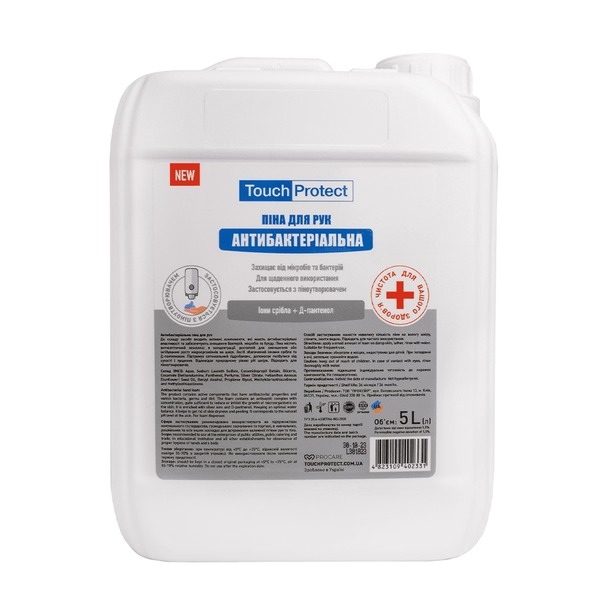
For normal daily hygiene, regular soap or shower gel is sufficient. Liquid antibacterial soap is recommended for use in high-risk situations: when visiting public places, working with food, caring for the sick, or coming into contact with people susceptible to infections. However, it is important not to overuse antibacterial products in everyday life to avoid disrupting the natural skin microbiome.
How to Wash Hands with Antibacterial Soap
Handwashing is not just a duty but an important ritual that helps prevent the spread of diseases and infections. To truly protect yourself and those around you, it is important to follow the correct handwashing technique. This involves not only choosing the soap and water but also the proper sequence of actions.
Handwashing should be a carefully thought-out process, as the longer and more thoroughly we treat the skin, the more effectively we remove microbes, dirt, and bacteria from it. Therefore, it is important to keep track of time and pay attention to every part of the hand to ensure that no dirt or microbes are left behind. To help you do this correctly, here is a step-by-step guide:
- Remove jewelry and roll up your sleeves. This will help prevent dirt from getting on your hands and ensure free access to water.
- Wet your hands with warm water. Not too hot, to avoid damaging the skin, and not too cold, to create comfortable conditions for washing.
- Thoroughly lather your hands, paying attention to all areas – palms, the back of the hands, between the fingers, and under the nails. Wash your hands for at least 30 seconds to allow the antiseptic liquid soap to take effect and eliminate all microbes.
- Rinse your hands well with warm water to wash away the foam and all contaminants.
- It is important not to forget about drying! Wipe your hands with a clean towel or napkin. This helps prevent re-infection and keeps the skin dry and clean.
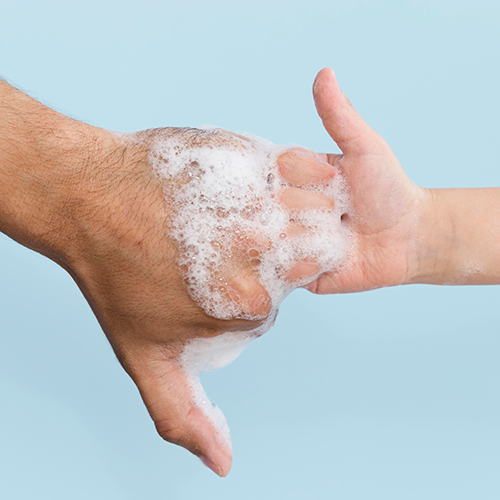
By following this simple guide, you will ensure a high level of hygiene for yourself and your loved ones, protecting against many infections.
Antibacterial Soap with Fragrances: How to Choose
In online stores, you can find a huge variety of antibacterial soaps with different fragrances. Some popular options smell pleasantly of lavender, citrus, menthol, and eucalyptus, which mask the strong scent of alcohol. Thanks to fragrances, the soap is more pleasant to use, but it is important to consider that some scents can cause allergic reactions in people with sensitive skin and allergies.
Antibacterial soap is available in various forms and packaging. These can be traditional soap bars or liquid options in bottles with dispensers and pumps. For user convenience, manufacturers often offer cleaning products in large packages for use in public places, such as offices, schools, and hospitals.
Liquid soap with antibacterial effects has several advantages over bar soap. Firstly, it is more hygienic – its surface does not accumulate microbes from previous users. Moreover, liquid formulations often contain caring components that not only cleanse but also care for the skin, preventing it from drying out. Hands remain soft and pleasant to the touch even with frequent washing.
For public places, specialists recommend choosing liquid antiseptic soap. To minimize the risk of transmitting microbes, contactless dispensers are an ideal solution, allowing users to avoid direct contact with the product.
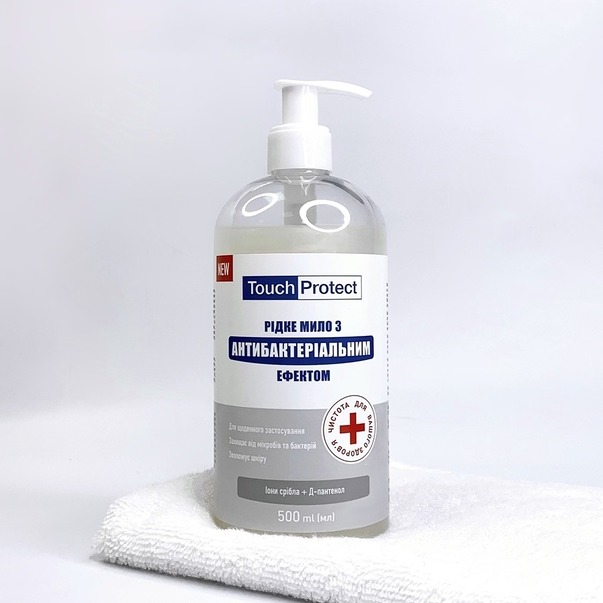
Antiseptic Soap with Dispenser
Soap dispensers play an important role in maintaining cleanliness and preventing the spread of infections. They accurately dispense the necessary amount of product for one wash, preventing excess use.
The main advantage of dispensers is the minimization of contact with the soap, which reduces the risk of contamination and the spread of microbes. This is crucial in high-traffic areas, such as medical institutions and public places. Dispensers simplify the usage process while adhering to hygiene standards.
Additionally, dispensers have a convenient design that is easy to clean and maintain. A wide selection of models allows for the optimal choice for any conditions – medical institutions, cafes, office workplaces, etc.
The Most Popular Options for Antiseptic Soap
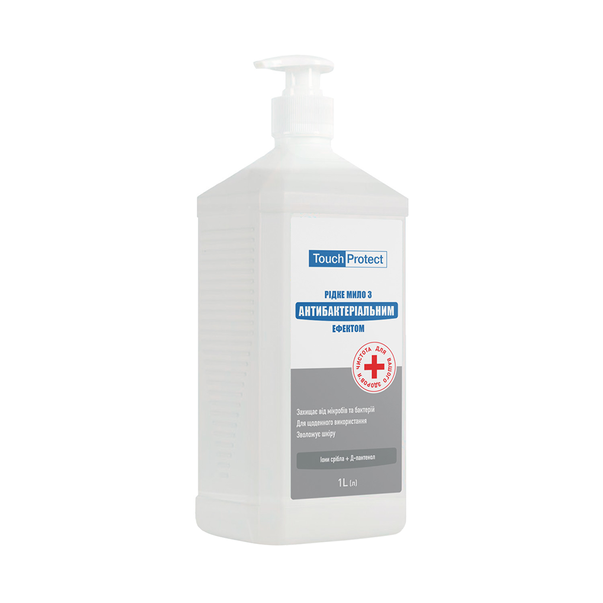
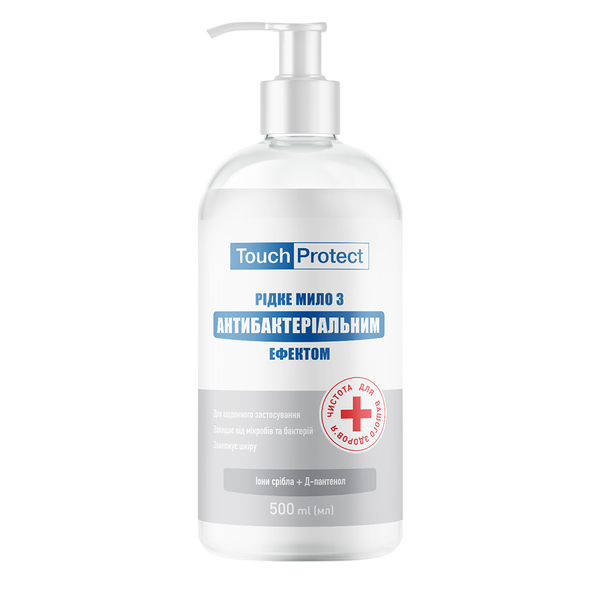
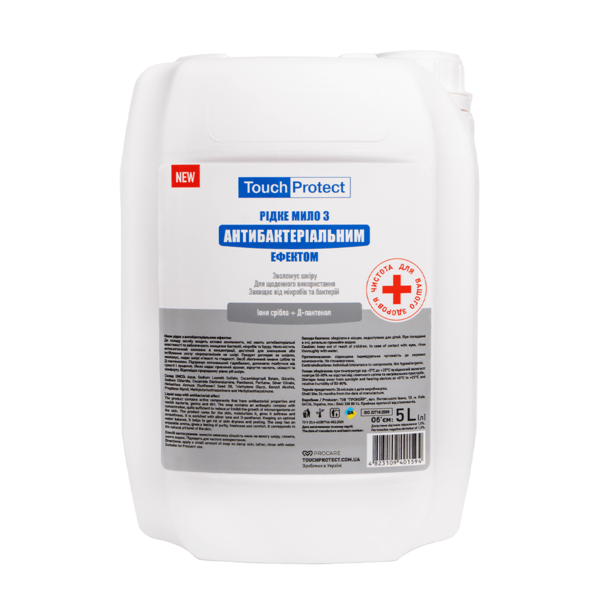
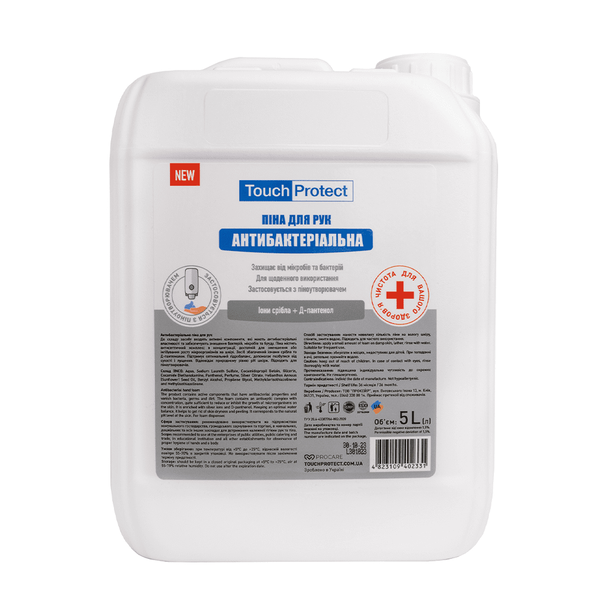
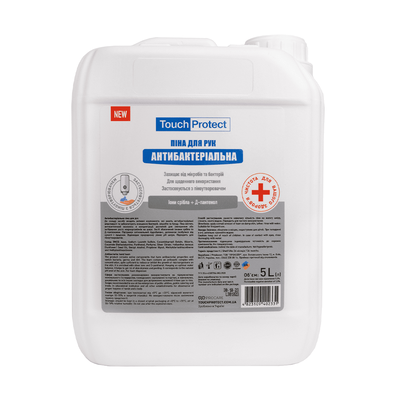
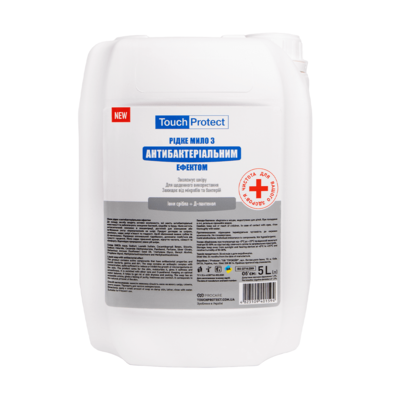
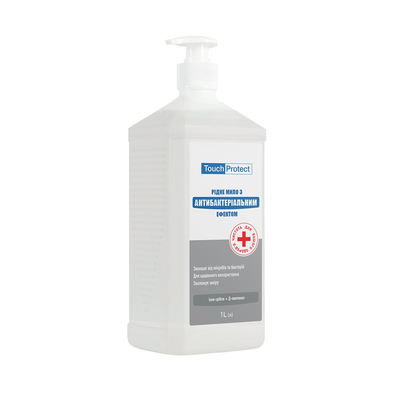
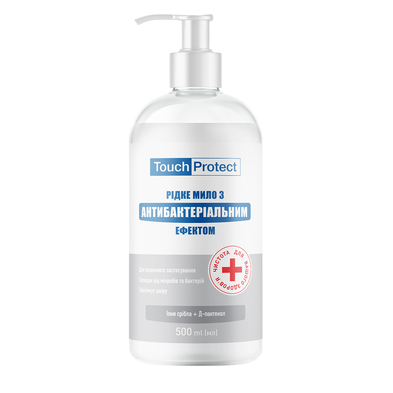
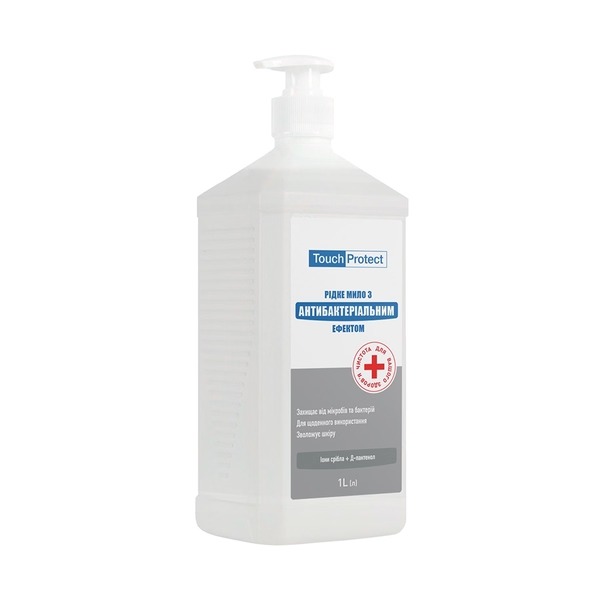
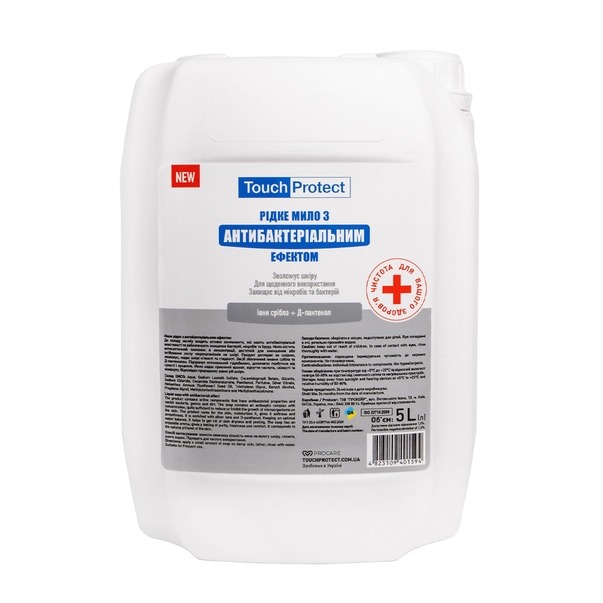
- Antibacterial liquid soap for hands with silver ions and D-panthenol Touch Protect
Imagine your hands becoming not only clean but also moisturized thanks to Touch Protect soap. With the help of silver ions and an antiseptic complex, this liquid product not only cleanses but actively combats pathogenic microorganisms, preventing their further spread. Additionally, it contains D-panthenol, which helps maintain optimal moisture levels in the skin, alleviating dryness and flaking.
With each use, the antiseptic soap fills the skin with vitamins and trace elements, ensuring that hands remain moisturized and soft, while the scent of freshness and cleanliness provides a sense of comfort. The optimal pH level of the product is suitable for daily use, providing protection and care every day.
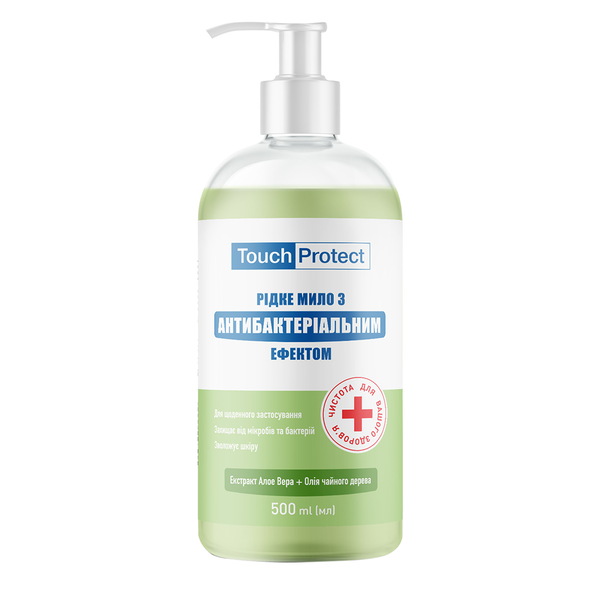
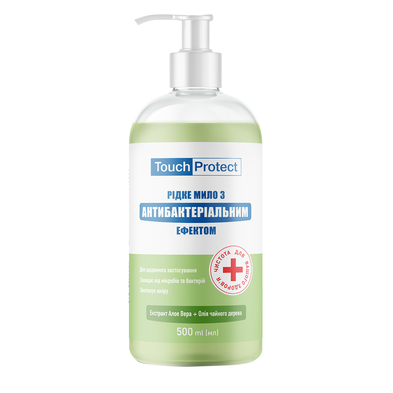
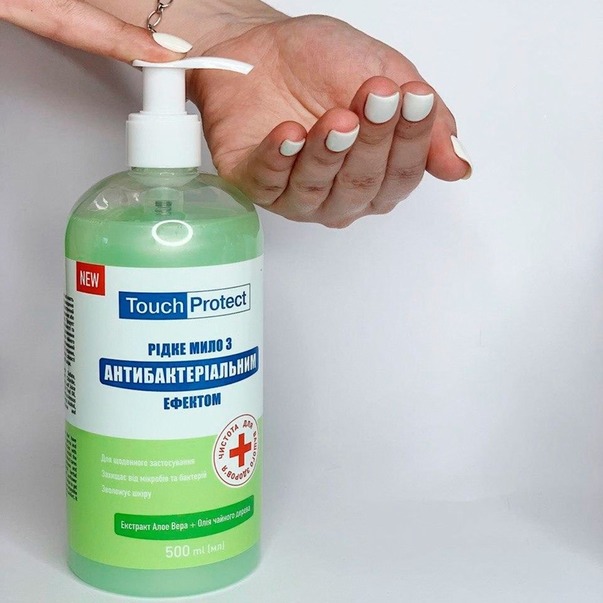
- Liquid antiseptic soap Aloe Vera and Tea Tree Touch Protect
Touch Protect liquid soap with aloe vera extract and tea tree oil is a true alliance of nature and science that cares for your skin and protects against microbes. Aloe vera moisturizes and softens the skin, while tea tree oil, with its antiseptic properties, effectively combats bacteria and impurities. This soap reduces the growth of microorganisms, creating a protective barrier film on the skin. The formula is enriched with plant components, such as sunflower, to maintain optimal moisture levels without the feeling of tightness.
- Liquid antiseptic soap Blanidas Soft Lizofarm 1000 ml
Blanidas Soft antiseptic product from Lizofarm is designed with the needs of sensitive skin in mind, causing no irritation or allergic reactions. The product has pronounced antiseptic properties. Hands can be washed with it every day, as well as before surgical hand disinfection.
The disinfectant soap is suitable for use in various fields, from medical institutions to beauty salons. It not only effectively cleanses but also softens the skin thanks to its protective system and caring components. You can rest assured about the health of your skin – it gently cares for it without drying it out or causing discomfort.
- Hand and body soap "Blanidas Soft Foam" 5000 ml
For those who value professional hygiene, antibacterial soap for hands and body Blanidas Soft Foam is a true must-have. Specifically designed for sensitive and allergy-prone skin, it forms a light foam that gently cleanses and moisturizes. It is suitable for daily use, including frequent handwashing in high-traffic areas such as kindergartens, educational institutions, and medical facilities.
The light texture of the product is economical in use, and the 5000 ml canister will last a long time. Additionally, the bactericidal soap can be used instead of shampoo or shower gel, enjoying its gentle action. With a neutral pH and without aggressive additives, it effectively protects the skin from dehydration, leaving a feeling of cleanliness and comfort.
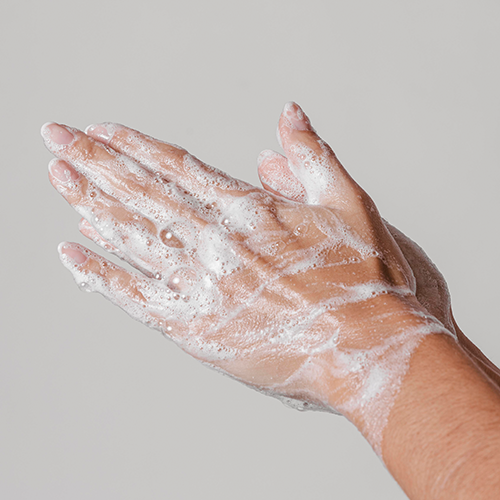
All these soap options create ideal conditions for daily hygienic care of the skin. Safe, effective, and economical in use – they will help you maintain not only cleanliness but also skin health in any conditions.
Is It Worth Using Antibacterial Soap?
Many wonder if it is really necessary to use antibacterial products. The answer to this question depends on the situation. Antiseptic hand soap is specifically designed to combat bacteria, but regular soap, when used correctly, also effectively handles most microbes. In everyday life, this is usually sufficient for maintaining cleanliness and protection.
However, in certain cases, it is advisable to use an antibacterial product to enhance protection when there are cuts, abrasions, and scratches, during illness, after visiting public places, medical institutions, or using transportation. It is also beneficial to buy antibacterial soap for use after working in the garden or yard, where the risk of contamination is high. This is especially relevant in summer when active outdoor activities and the season of fresh vegetables and fruits increase the likelihood of contact with microbes.
Soap Cost on staleks.ua
Antibacterial soap - customer reviews