Balm and Hair Conditioning












 In stock
 Buy
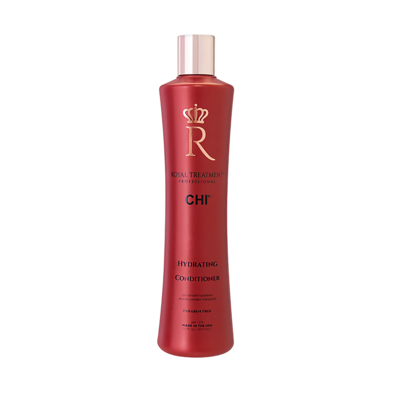 In stock Buy
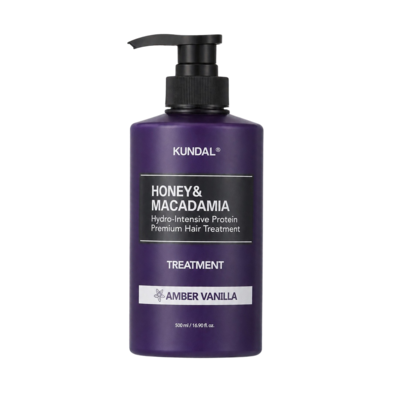 In stock Buy
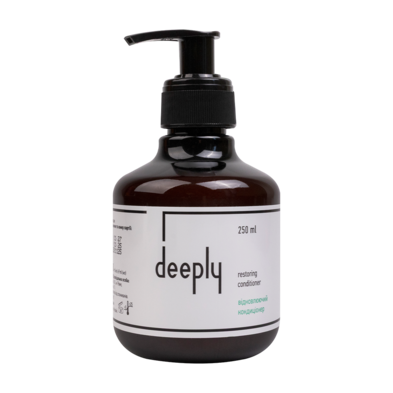 In stock Buy
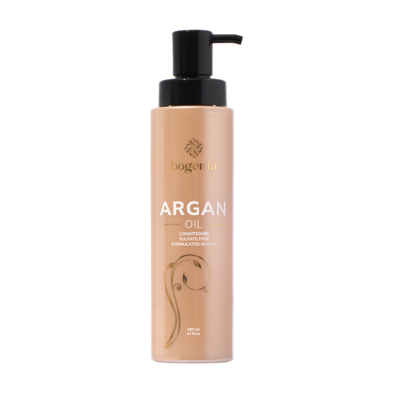 In stock Buy
 In stock Buy
 In stock Buy
 TREND In stock Buy
 In stock Buy
 TREND In stock Buy
 In stock Buy
 In stock Buy
 In stock Buy
 In stock Buy
 In stock Buy
 In stock Buy
 In stock Buy
 In stock Buy
 In stock Buy
 In stock Buy
 In stock Buy
 In stock Buy
 In stock Buy
- 1
- 2
- 3
- 4
- Next
Hair balm is a product that truly nourishes and restores hair from within. Conditioner, on the other hand, is more about quick hydration, smoothness, and external protection. Together, they make strands soft, shiny, and manageable. As a result, hair is less prone to split ends and easier to comb. Most people choose them because after washing, their strands do not turn into dry straw but look alive and well-groomed. Professionals in salons always recommend professional products – they work much more noticeably because they contain a higher concentration of beneficial substances. At home, this is the simplest way to maintain softness, shine, and elasticity without extra effort.
Next, we will discuss the differences between balm and conditioner, which is best for your hair type, what components to look for in the composition, and how to use them correctly. You will clearly understand what to choose, how not to harm your strands, and where to buy a quality product.
Difference Between Balm and Conditioner
Conditioner and hair balm may seem similar at first glance, but they actually serve different purposes. The former is a light "protective layer," while the latter is true "repair nutrition."
Main Function of Conditioner
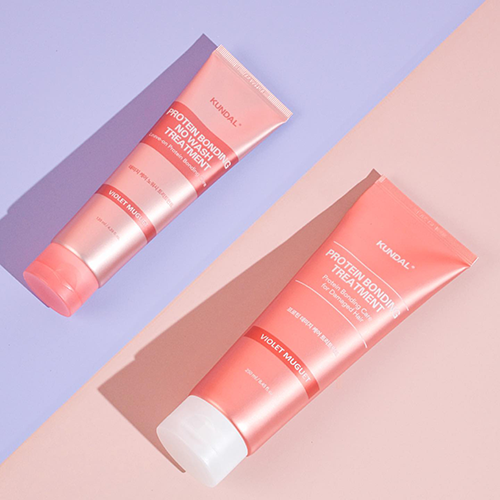
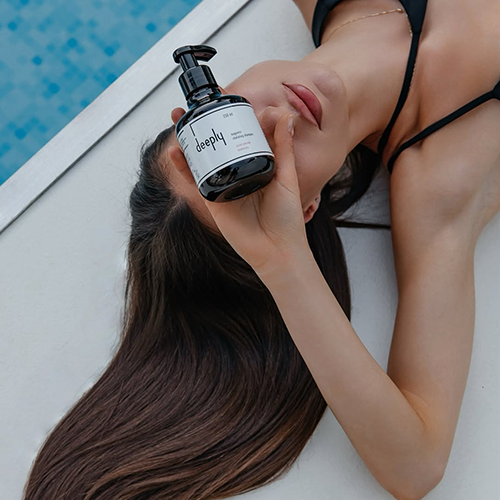
Conditioner quickly "seals" the cuticle, making strands smooth and protected from the sun, hair dryer, and friction against pillows. It eases combing, adds shine, and eliminates static. It usually contains silicones – these provide the pleasant "slip" effect on the surface.
Main Function of Balm
Professional hair balm works deeper – it penetrates the structure, fills damaged areas, restores elasticity, and reduces brittleness. This is no longer just a "coating," but real nutrition and restoration.
When to Use Each Product
-
Conditioner – almost after every wash, it is a daily ritual.
-
Balm – 2–4 times a week, when strands need serious treatment.
Can They Be Used Together?
Yes, and it is even recommended. Many first apply balm (to provide nutrition) and then conditioner (to "seal" and smooth). This gives a very good comprehensive effect.
Balm vs Conditioner: Visual Comparison
To help you better understand how these two products differ, Staleks experts have developed a comparative table:
| Parameter | Conditioner | Hair Balm |
| Depth of Action | Surface | Deep |
| Main Effect | Smoothness, easy combing | Restoration, reduced brittleness |
| Consistency | Light | Thick |
| Application Time | 1–3 minutes | 5–15 minutes |
| Frequency | Daily use | 2–4 times a week |
Expert Tips
-
If strands are normal or quickly become oily at the roots – conditioner is sufficient.
-
For dry, colored, brittle hair – choose a balm specifically for colored hair or with another purpose depending on needs.
-
Experts recommend alternating them in care or even using them together.
-
A common mistake is using the same product for years, regardless of the condition of the hair.
Best Hair Balm: By Hair Type
If you plan to buy a balm and are looking for a universal "best" option for everyone, this is a misguided approach. The ideal choice always depends on the condition and type of your strands. That is why Staleks experts introduce you to the specifics of choosing based on this criterion.
For Dry Hair
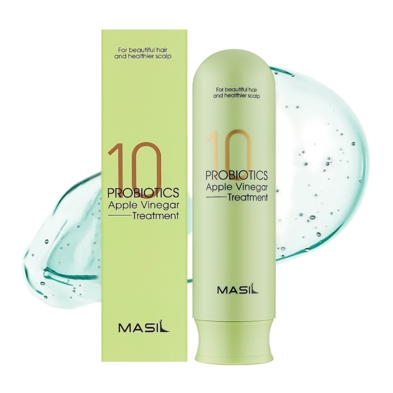
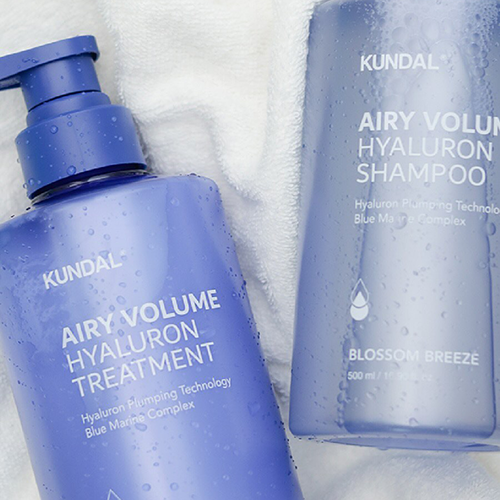
Dry strands need maximum hydration + nutrition to restore softness, elasticity, and eliminate dullness. Look for a balm for dry hair with natural oils (argan, shea, coconut, macadamia), panthenol, and hyaluronic acid. In the online store staleks.ua, you can choose Inebrya Ice Cream Conditioner Dry-T or Masil 10 Probiotics Perfect Volume Treatment to improve the condition of your locks.
Tip: If dryness is severe – choose a leave-in hair balm or alternate with a mask 1–2 times a week to saturate strands more quickly.
For Damaged Hair
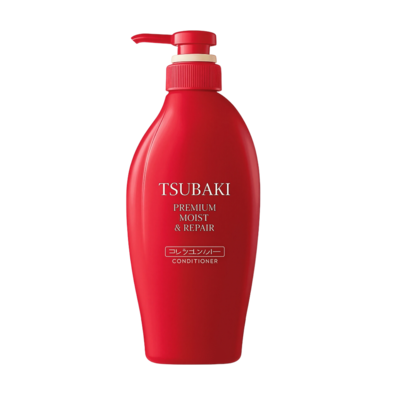
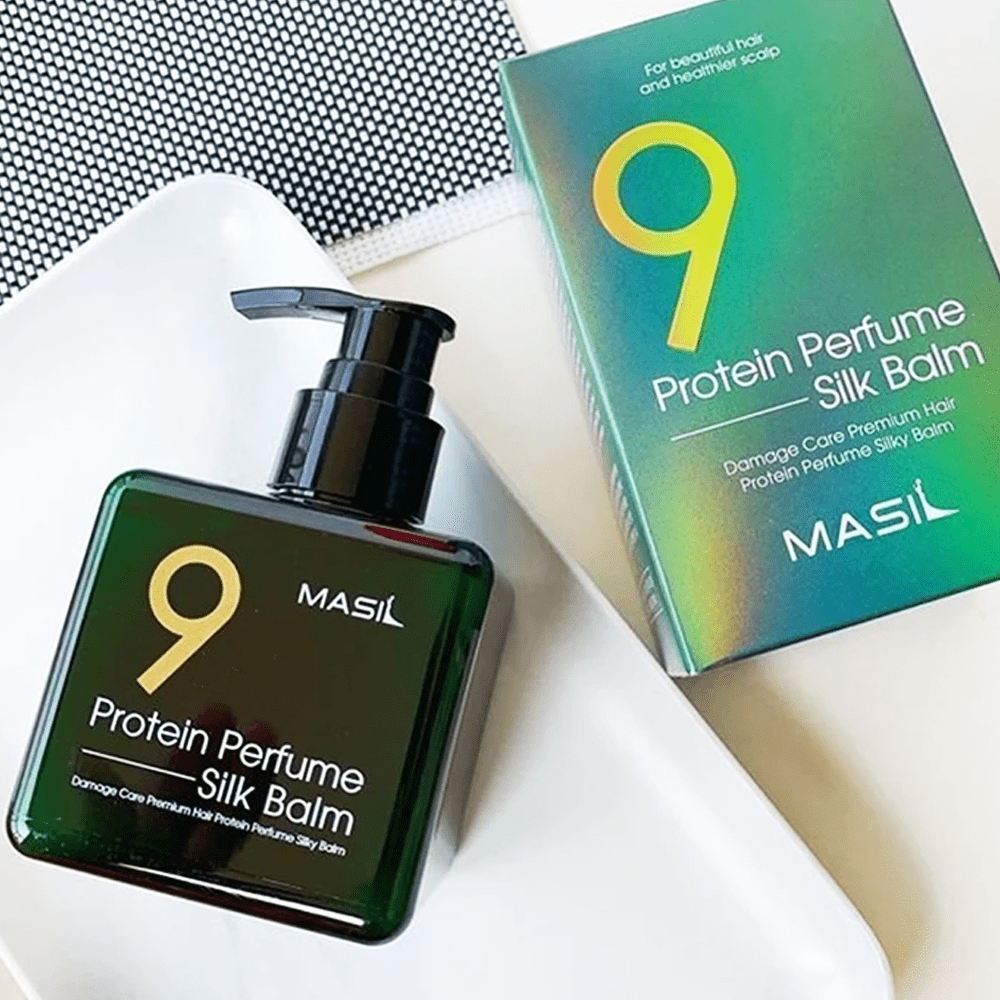
Damaged hair (from coloring, lightening, thermal styling) needs structural restoration – filling micro-damages, reducing brittleness, strengthening. The best products contain hydrolyzed keratin, proteins, peptides, and oils. Good choices include: Tsubaki Premium EX Intensive Repair Conditioner, Tink balm for damaged hair, Masil 9 Protein Perfume Silk Balm, Nika Zemlyanikina Hydro Hair Balm.
For Colored Hair
Colored strands need color preservation + protection from washing out + nutrition, as dye often dries them out. Look for formulas with antioxidants, UV filters, acids for pigment fixation, and oils. Among the top recommendations on Staleks: Nika Zemlyanikina Color Protect Hair Balm or Tink's balm for colored hair.
Tip: Use after each wash + once a week a color mask to keep the shade bright for 6–8 weeks.
For Fine / Oily at the Roots
Fine strands quickly become heavy, so they need light textures without heavy oils. Focus on volume + light hydration. The best hair balm in this case is from Tink with avocado and collagen or grapefruit and ceramides. It is important to apply only along the length, avoiding the roots to prevent oiliness.
For Thick / Coarse / Curly Hair
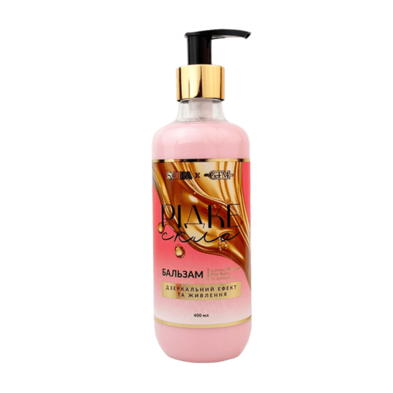
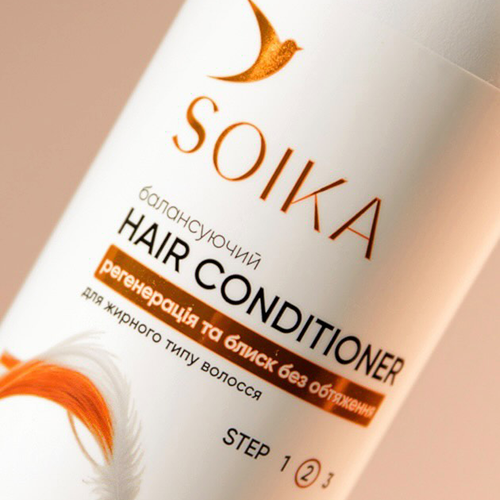
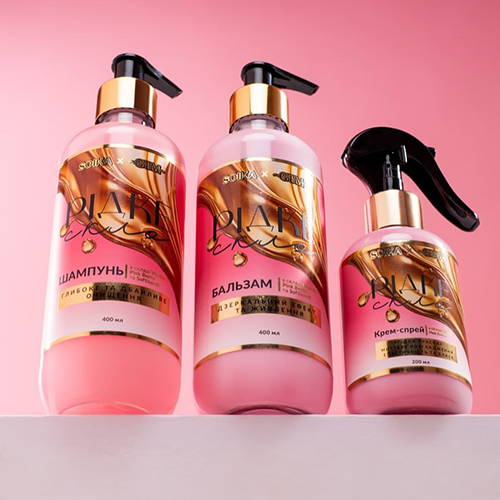
Thick hair responds well to dense, rich moisturizing hair balms that smooth and control frizz. Such strands are often dry and porous, so they need heavy textures with a lot of oils (argan, shea, coconut), keratin – they penetrate well, prevent hair from frizzing, add weight for better curl definition, and reduce brittleness. A good option is the Liquid Glass SOIKA balm for mirror effect and nourishment.
Best Hair Balm: How to Choose by Purpose
Once you have determined your hair type, the next step is to understand which specific problem you want to solve the quickest. Professional hair balms are now selected based on the main goal. Here is an analysis of the main purposes with current recommendations from Staleks experts.
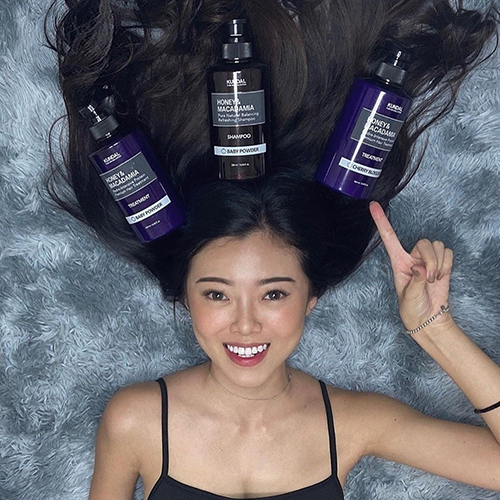
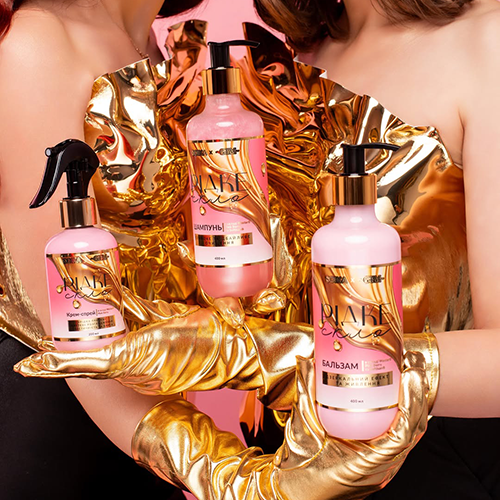
Moisturizing
A moisturizing hair balm is the number one choice if strands are constantly dry, dull, static, frizzy, or look like straw even after washing. Such formulas attract and retain moisture inside. Look for ingredients like Pentavitin, Hyaloveil-P, glycerin, urea, aloe juice, and hyaluronic acid.
Restorative
A restorative balm for damaged hair is simply indispensable. When strands are brittle, split, and have lost elasticity after bleaching, coloring, thermal styling, or chemical treatments – it acts like "emergency aid." Key components include hydrolyzed keratin, collagen, amino acids, peptides, and proteins (silk, rice, quinoa).
Nourishing
A nourishing hair balm is for deep saturation with beneficial substances when strands are not just dry but depleted. Look for natural oils in the formula: coconut, argan, shea, macadamia, avocado, plus vitamins and antioxidants. A nourishing balm works well in winter or with frequent hair dryer use.
For Volume
For volume, the best hair balm is one with light formulas that hydrate and strengthen but do not weigh down the roots. Focus on proteins, rice starch, and light polymers. It is important to apply only along the length and avoid the roots.
Smoothing
A smoothing hair balm-conditioner is needed for unruly, curly, frizzy hair. It closes the cuticle, controls frizz, and provides maximum smoothness and shine. Components include oils (argan, coconut), polymers, and anti-frizz agents.
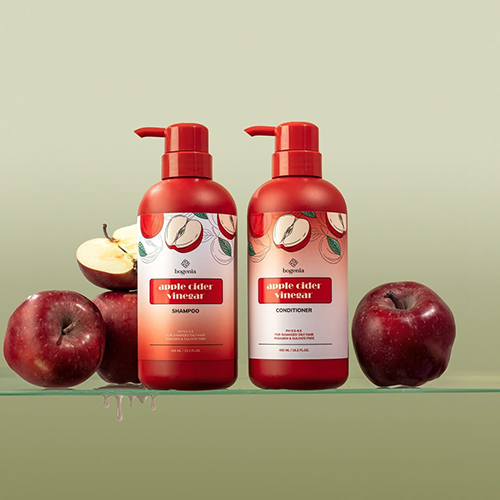
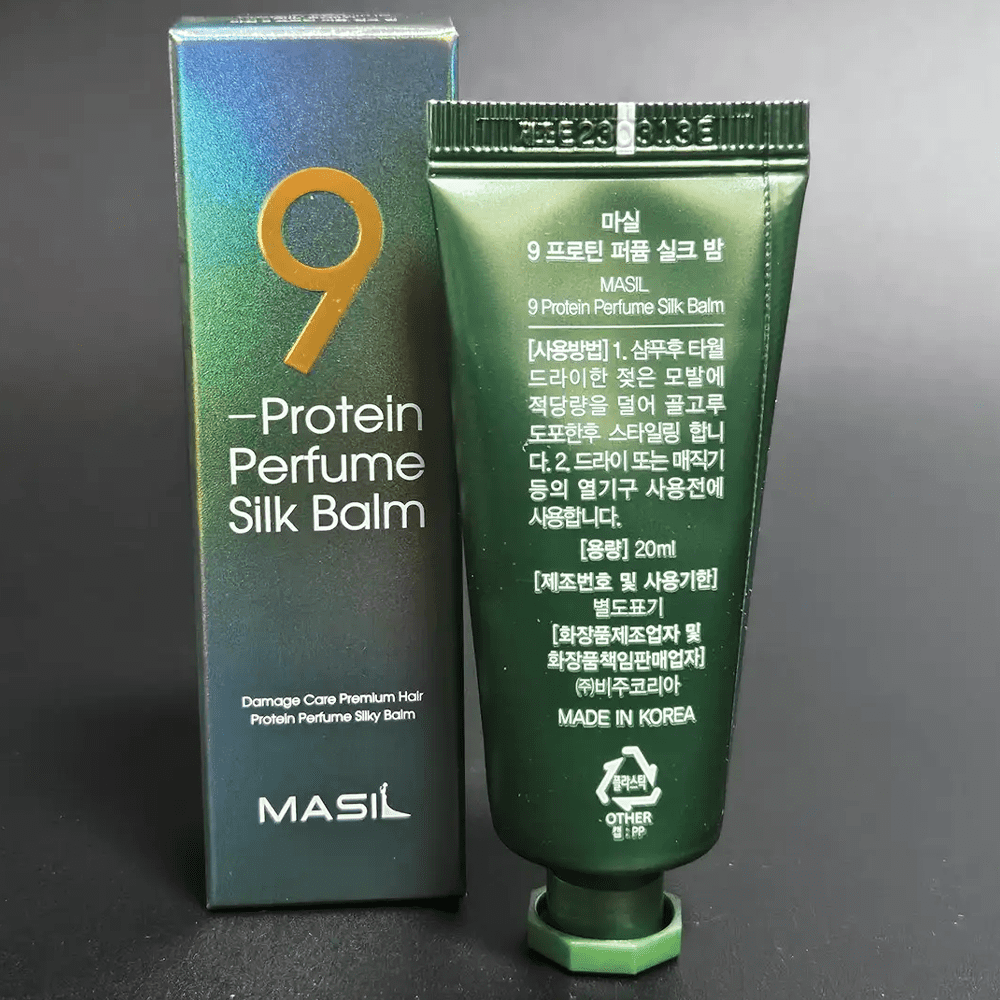
Active Ingredients in the Composition
In conditioner and hair balm, it is the active ingredients that determine how effectively the product will work: whether it will fill damages, add shine, or retain moisture. Staleks Shop & Service experts have analyzed the key elements in the formulas.
Keratin
Keratin is a protein that makes up a large part of hair. It fills damaged areas of the cuticle and cortex, strengthens the structure, reduces brittleness, and restores elasticity. After use, hair becomes stronger, breaks less during combing or styling. It is an ideal component in a balm for damaged, colored, or bleached hair.
Silk Proteins
Silk proteins create a light protective film on the surface. They also fill micro-cracks, make strands silky to the touch, and give natural shine. They retain moisture well and reduce frizz, making it easier to comb through hair. They work especially well in a balm for dry or porous hair – strands look smooth and healthy after use.
Peptides
Peptides work at the cellular level. They stimulate collagen and keratin production in follicles, strengthen roots, improve elasticity, and reduce hair loss. They are lightweight, penetrate well, and do not weigh down strands. Currently, complexes with 6–9 peptides for intensive restoration and growth are trending, which can be found in professional hair balms.
Natural Oils
Natural oils (argan, coconut, shea, macadamia, jojoba, etc.) deeply nourish, seal the cuticle, protect against dryness and thermal damage. They add shine, softness, control static, and make strands elastic. They work best in combination with humectants (to avoid weighing down). They are often used in balms for colored hair.
Panthenol
Panthenol (provitamin B5) is one of the most versatile: it penetrates the shaft, attracts and retains moisture, soothes the scalp, improves elasticity, and protects against brittleness. It does not weigh down hair, adds shine, and makes combing easier. In leave-in hair balms, it is often combined with niacinamide to enhance the effect.
Niacinamide
Niacinamide (vitamin B3) is a relatively new hit in hair care: it strengthens the scalp barrier, reduces inflammation and irritation, improves microcirculation (better nutrition for follicles), stimulates keratin production, protects against oxidative stress, and helps retain moisture in strands. It makes hair stronger, shinier, and reduces shedding and dryness. It is especially beneficial for sensitive scalps or after coloring.
How to Properly Use Balm or Conditioner
-
Wash your hair with shampoo and rinse it thoroughly.
-
Gently squeeze out excess water so that hair is slightly damp.
-
Apply the product from the middle of the length to the ends.
-
Comb through with a wide-toothed comb to distribute the product evenly.
-
Leave it on: conditioner for 1–3 minutes, balm for 5–15 minutes.
-
Rinse with cool or slightly warm water (cool water gives more shine).
Where to Buy the Best Hair Balm
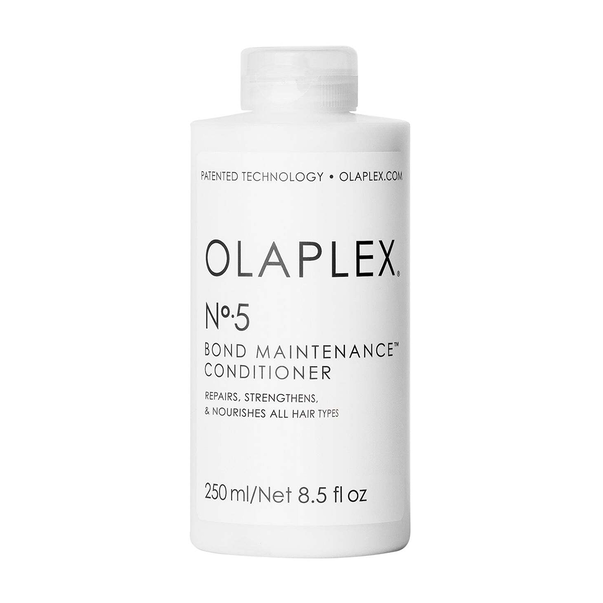
If you have two questions: "What is the best hair balm?" and "Where can I buy it?", the answer is simple – staleks.ua. Here, there is a wide selection of professional products from OLAPLEX, Inebrya, Masil, and other brands. On Staleks, it is convenient to compare compositions, volumes, prices, read reviews, and quickly order with delivery throughout Ukraine and even worldwide.
FAQ: Frequently Asked Questions About Hair Balm Conditioner
-
Do I need to use hair balm after every wash? No, it is better to use it 2–4 times a week for intensive care. Daily use is suitable for conditioner. This prevents overload.
-
What is the difference between balm and mask? The former is lighter and suitable for regular use, while the latter is deeper, applied for 20–30 minutes, and used on average once a week.
-
Can I apply hair conditioner balm to the roots? Only if the strands are dry; otherwise, it weighs them down. It is better to avoid it for balance in hydration. Use special products for the scalp.
-
What product is best for colored strands? A balm for colored hair with antioxidants to preserve color. It protects against fading and adds shine. The best option is one with natural oils.
-
Is professional hair balm suitable for home use? Yes, they are economical and provide a salon effect. Just follow the instructions to achieve the desired effect.
-
Why do my hair get oily after using conditioner? Due to application at the roots or poor rinsing. Choose light formulas.
-
What product will help if my hair constantly breaks and splits after repeated bleaching? This is a balm for damaged hair with a high content of actives like keratin, proteins, and panthenol. There may also be oils in the composition. It fills micro-damages and restores elasticity. Plus, it reduces brittleness. And this is after just a few applications.
-
What product is essential in summer, especially during swimming in the sea/ocean? The best option is a balm for dry hair with intensive hydration and nourishment (for example, with argan, shea, coconut oils, or panthenol).
-
Can I combine a balm for dry hair with a mask in one day? Yes, but remember that they serve different functions: hydration and smoothing strands versus deep nourishment. Apply the mask to the mid-length and ends. Leave it on for 5–15 minutes, then rinse. After that, you can quickly apply a thin layer of balm for added softness and shine.
Balms and conditioners Cost on staleks.ua
Balm and Hair Conditioning - customer reviews