- Main page>
- Everything for manicure and pedicure>
- Nail modeling>
- Upper and lower forms for extensions>
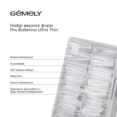
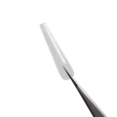
- GÉMELY ex GA&MA Upper forms Pro Ballerina Ultra Thin ballerina 140 pcs
GÉMELY ex GA&MA Upper forms Pro Ballerina Ultra Thin ballerina 140 pcs
- Description
- Specifications
- Reviews
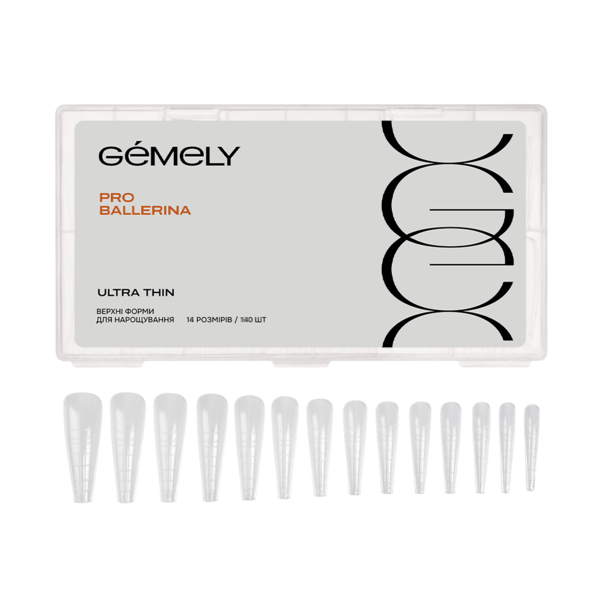
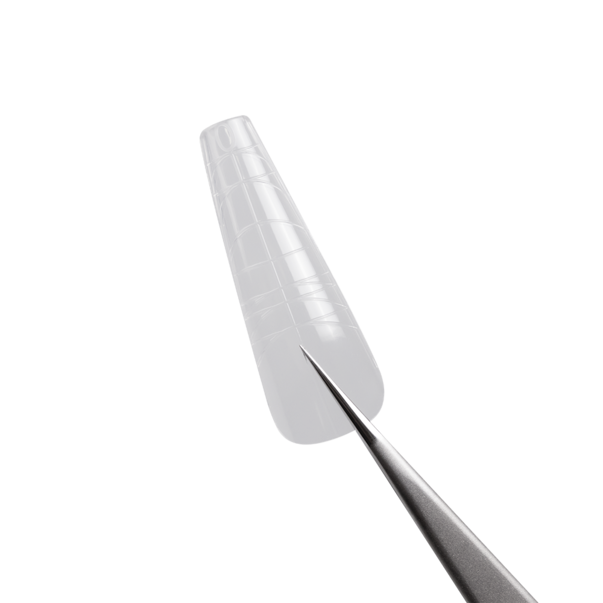
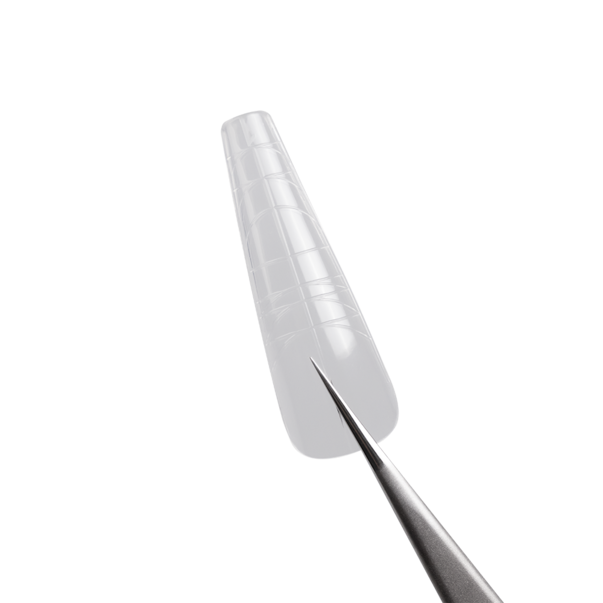
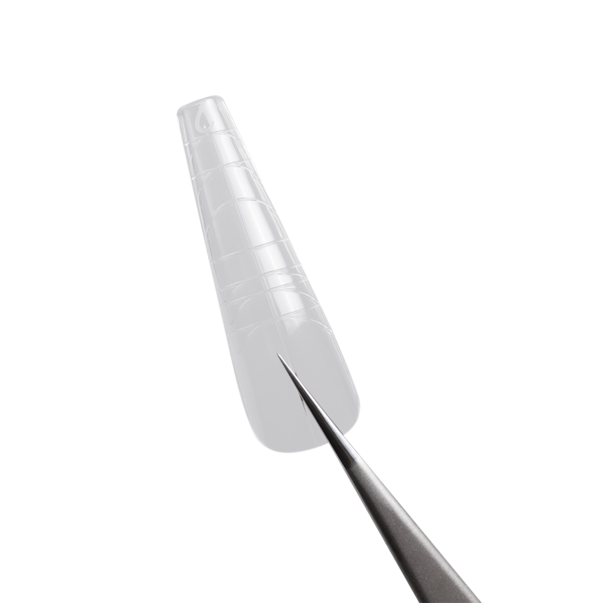
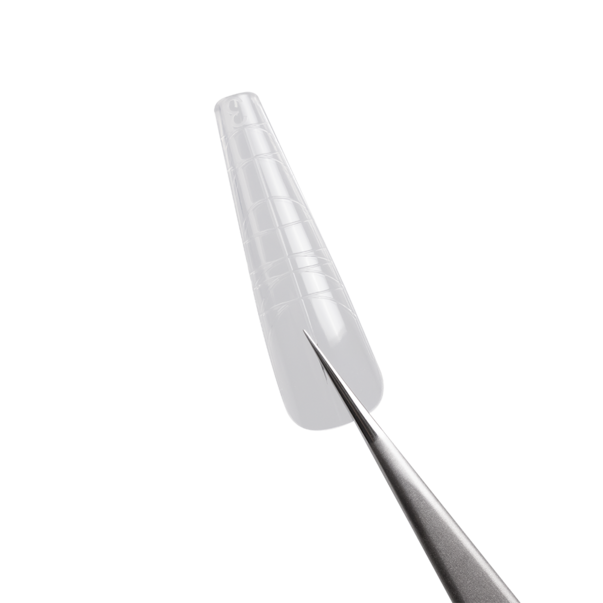
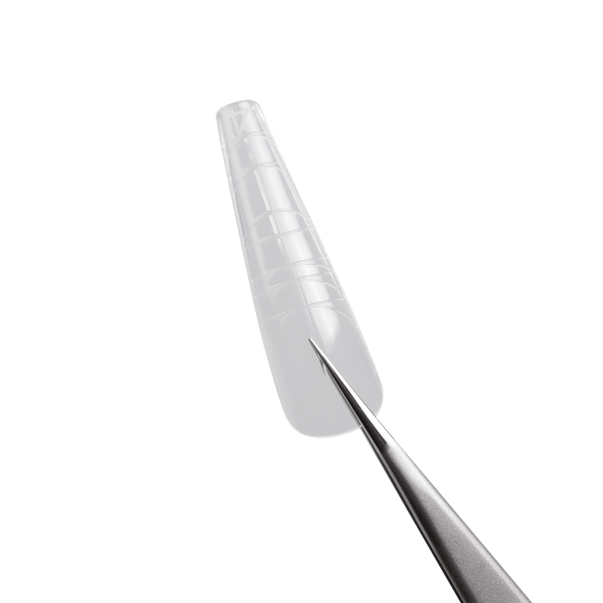
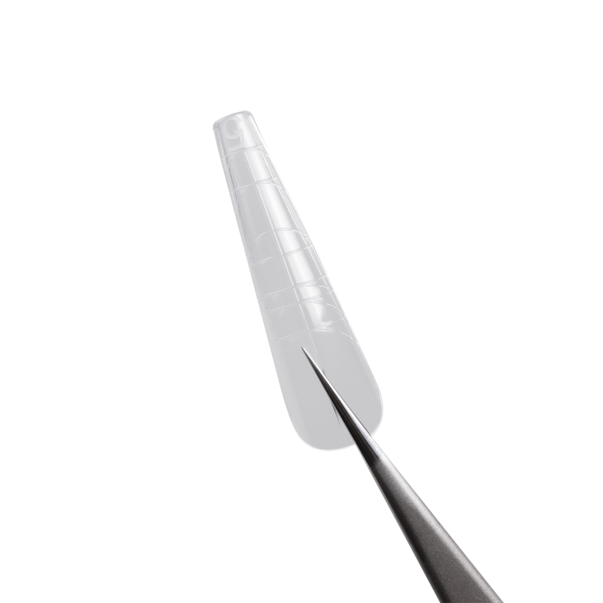
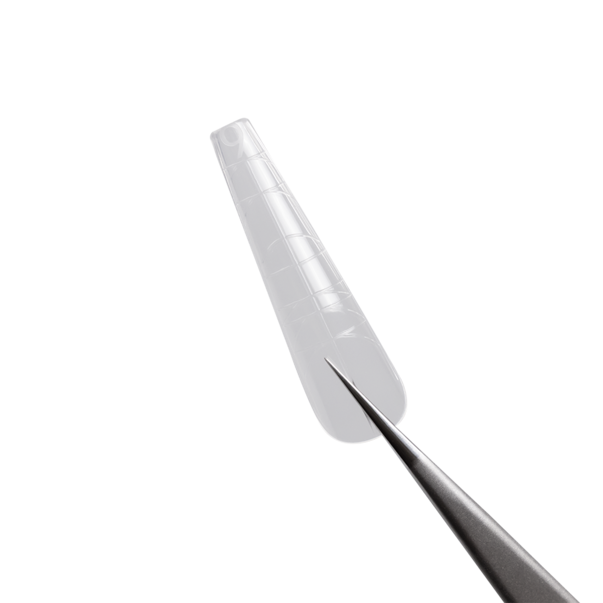
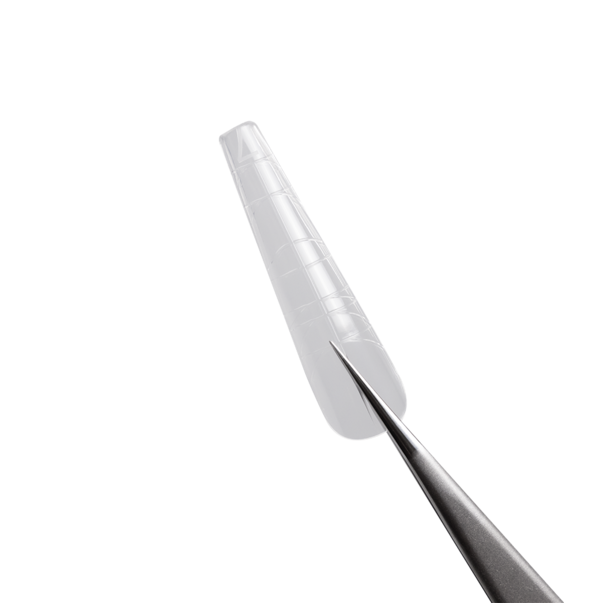
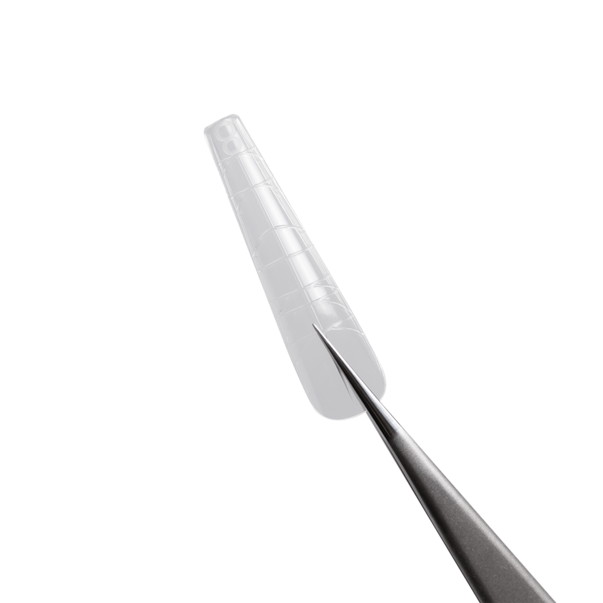
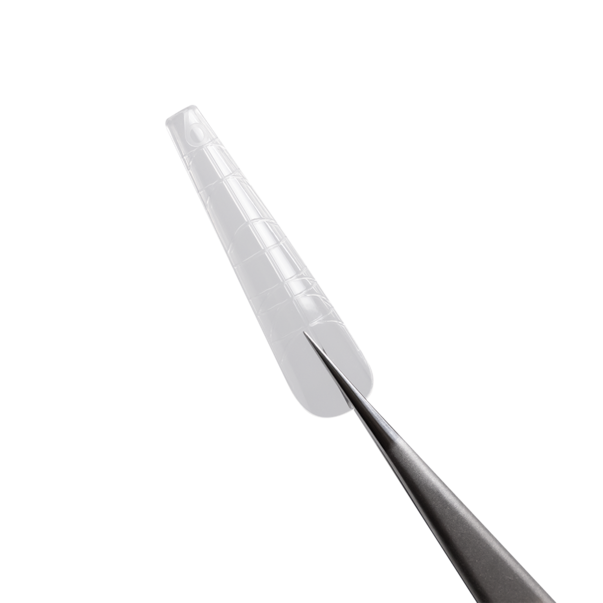
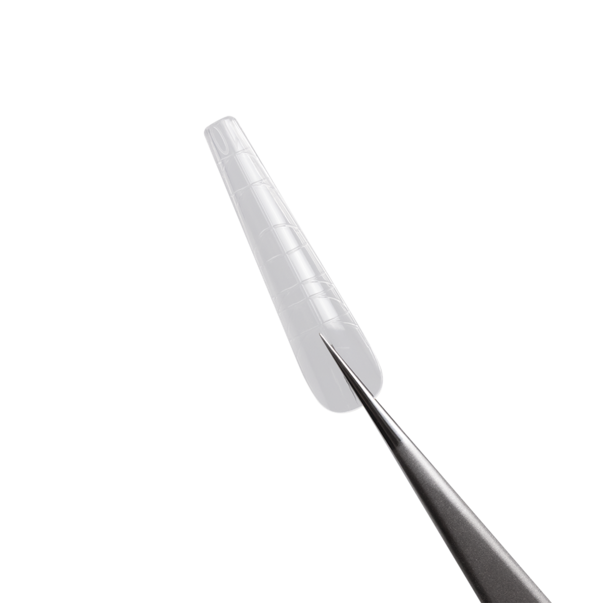
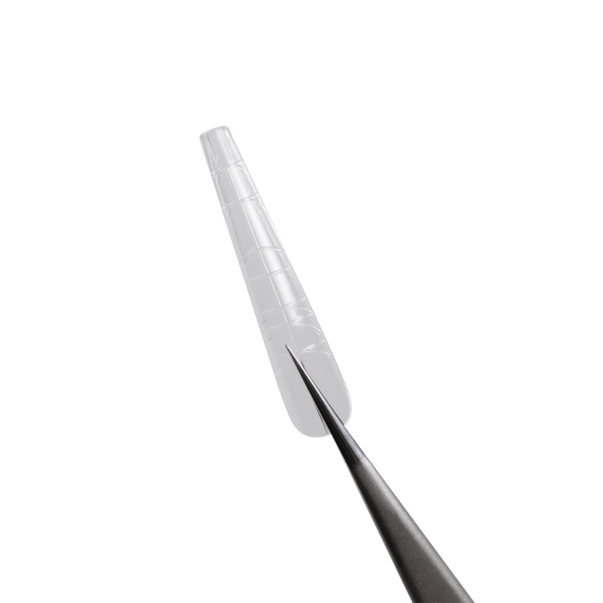
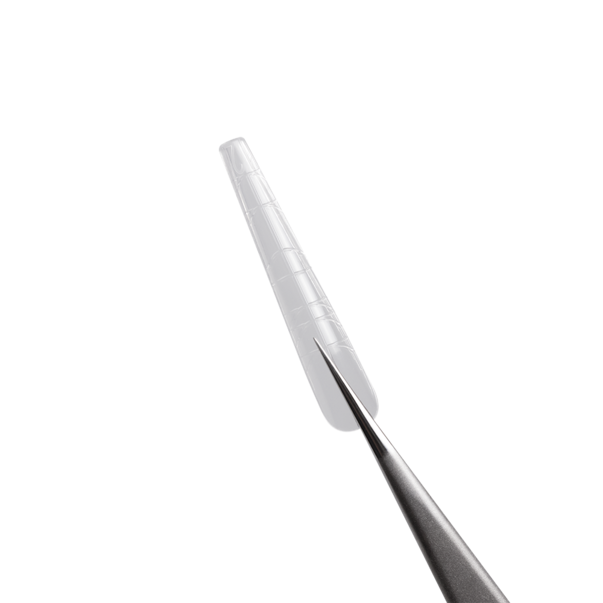
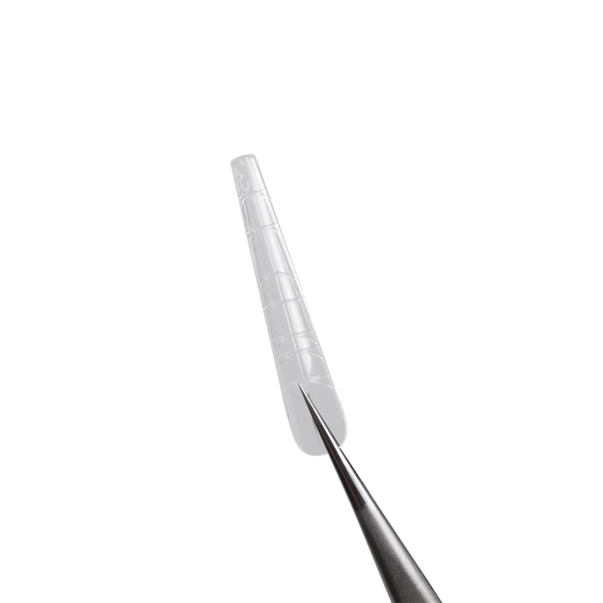
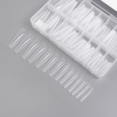
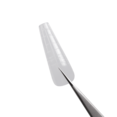
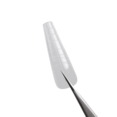
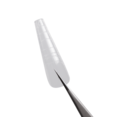
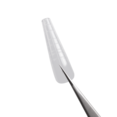
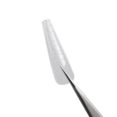
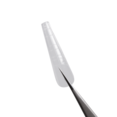
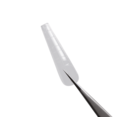
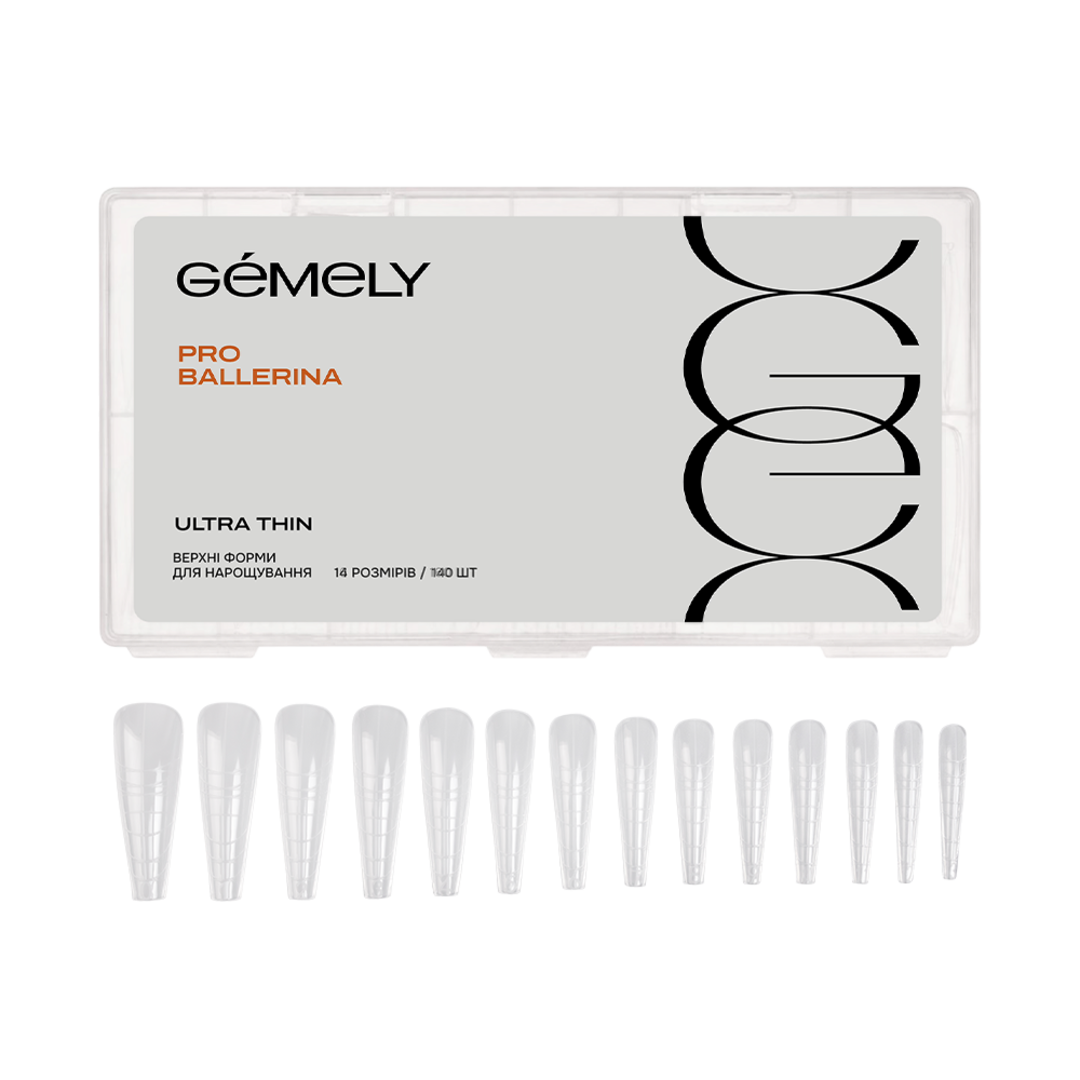
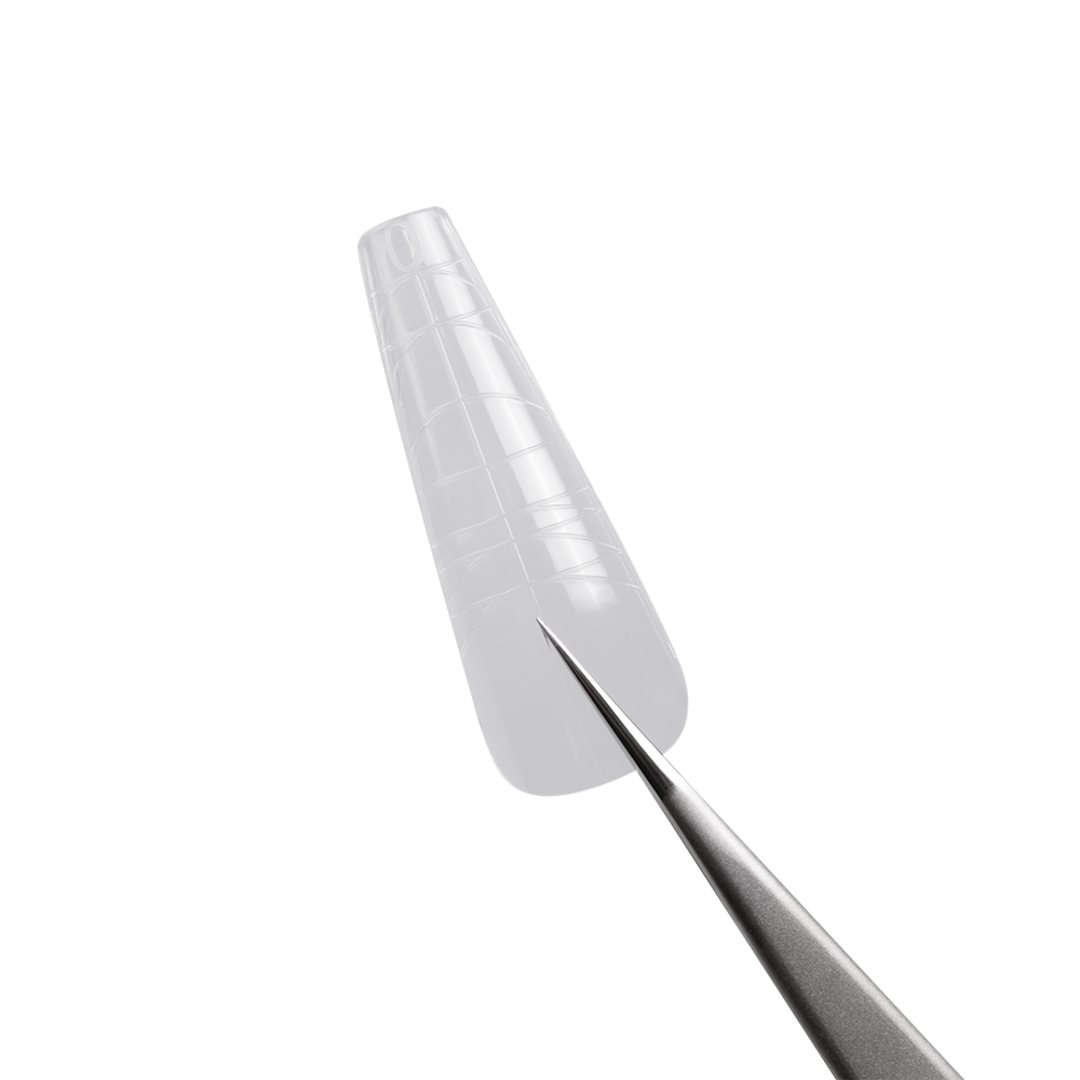
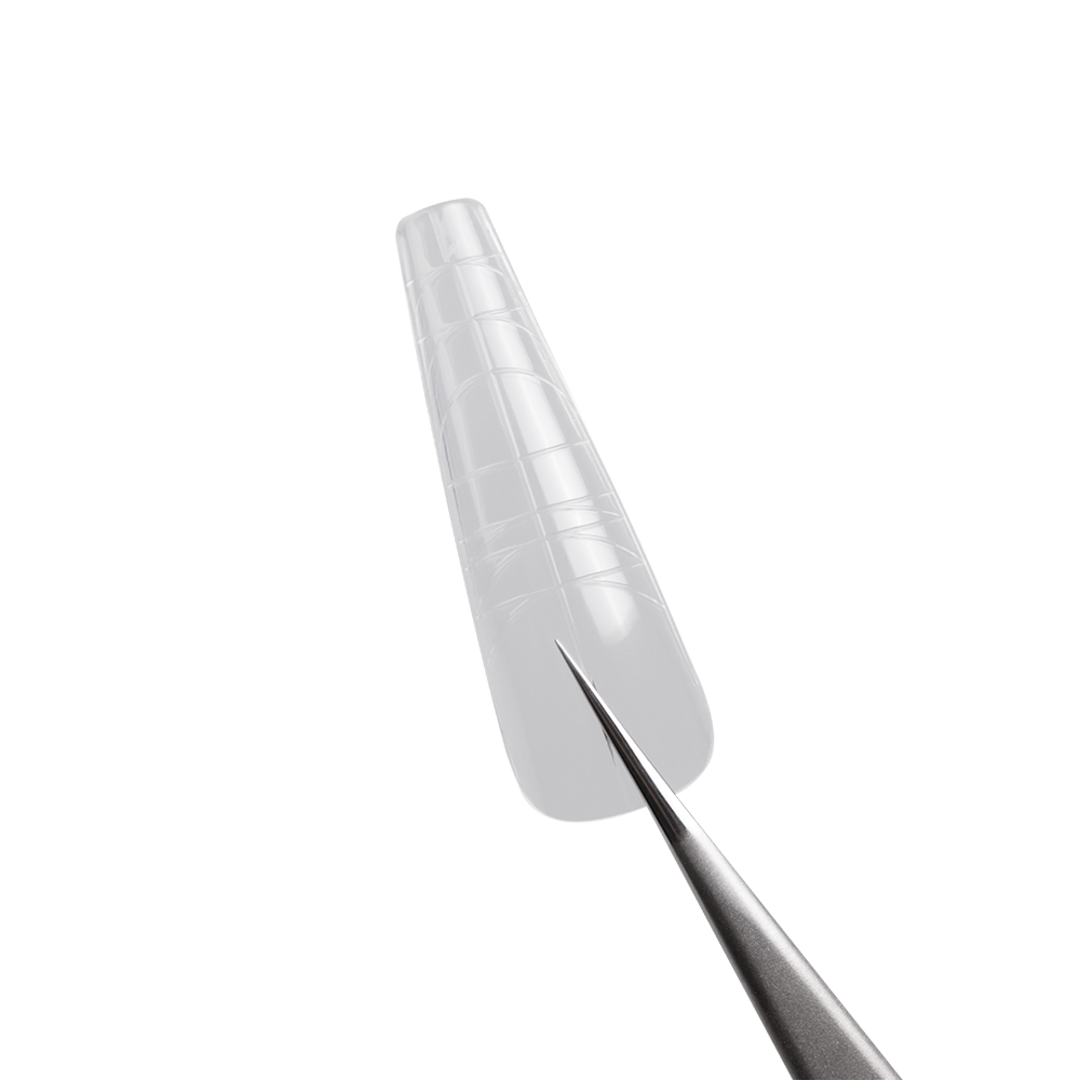
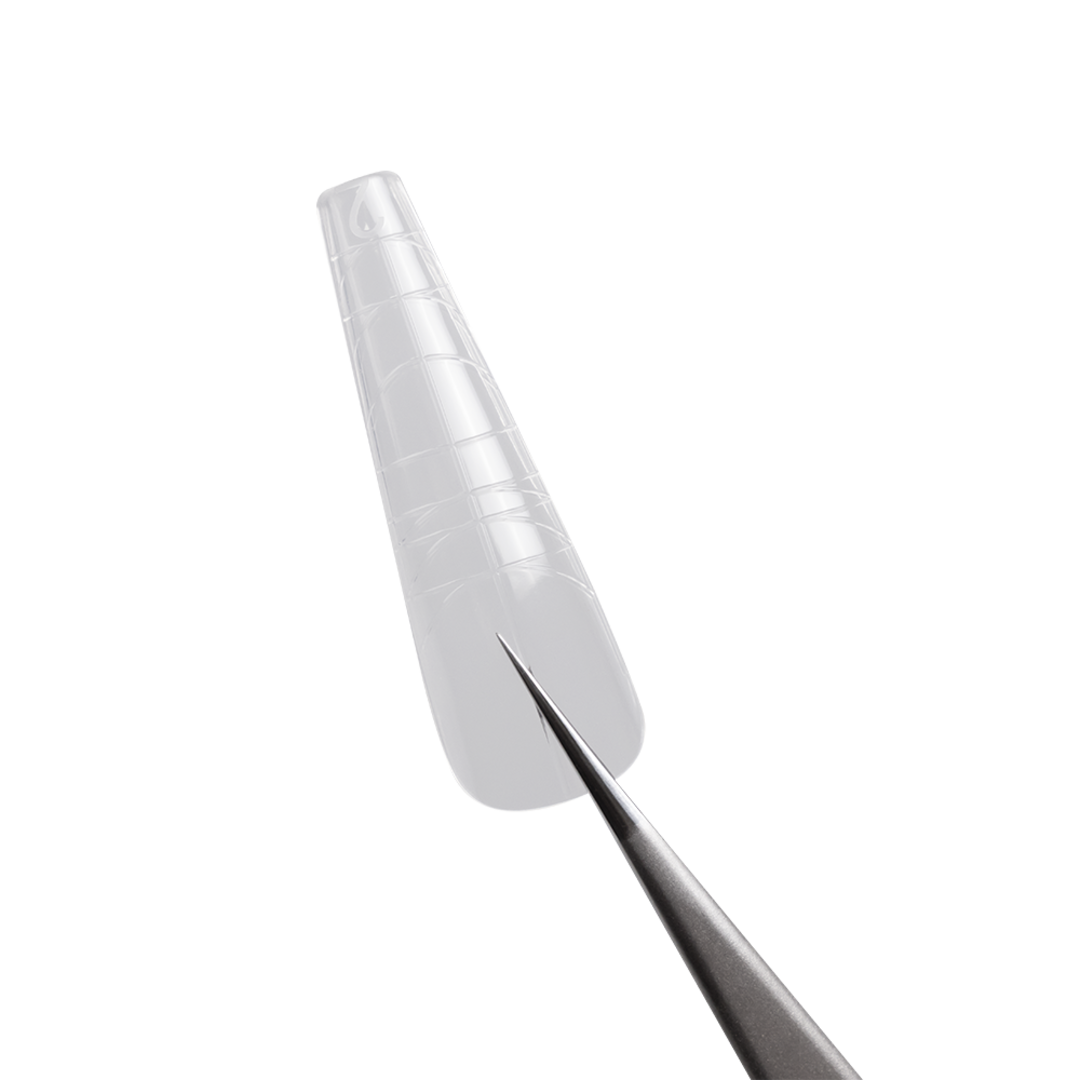
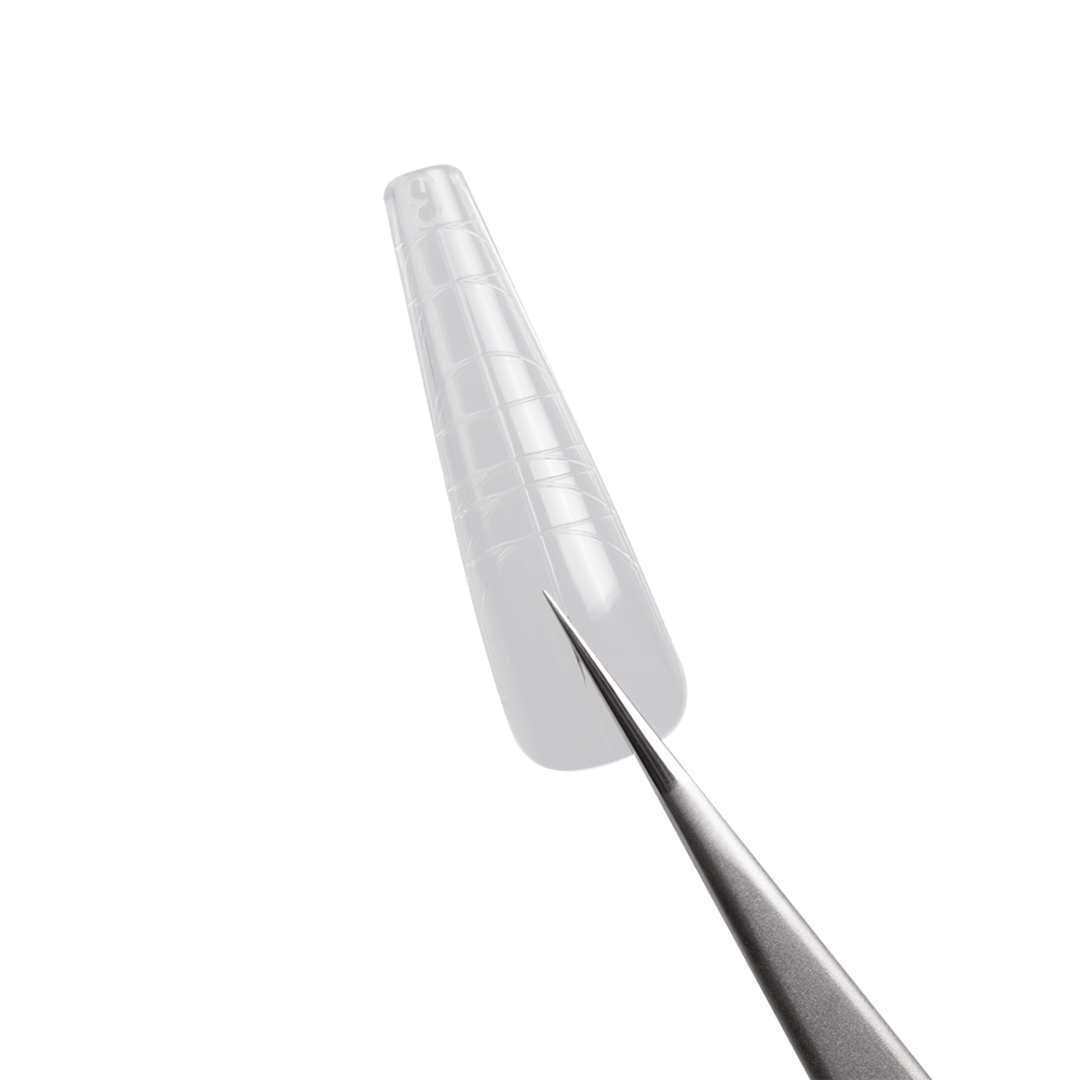
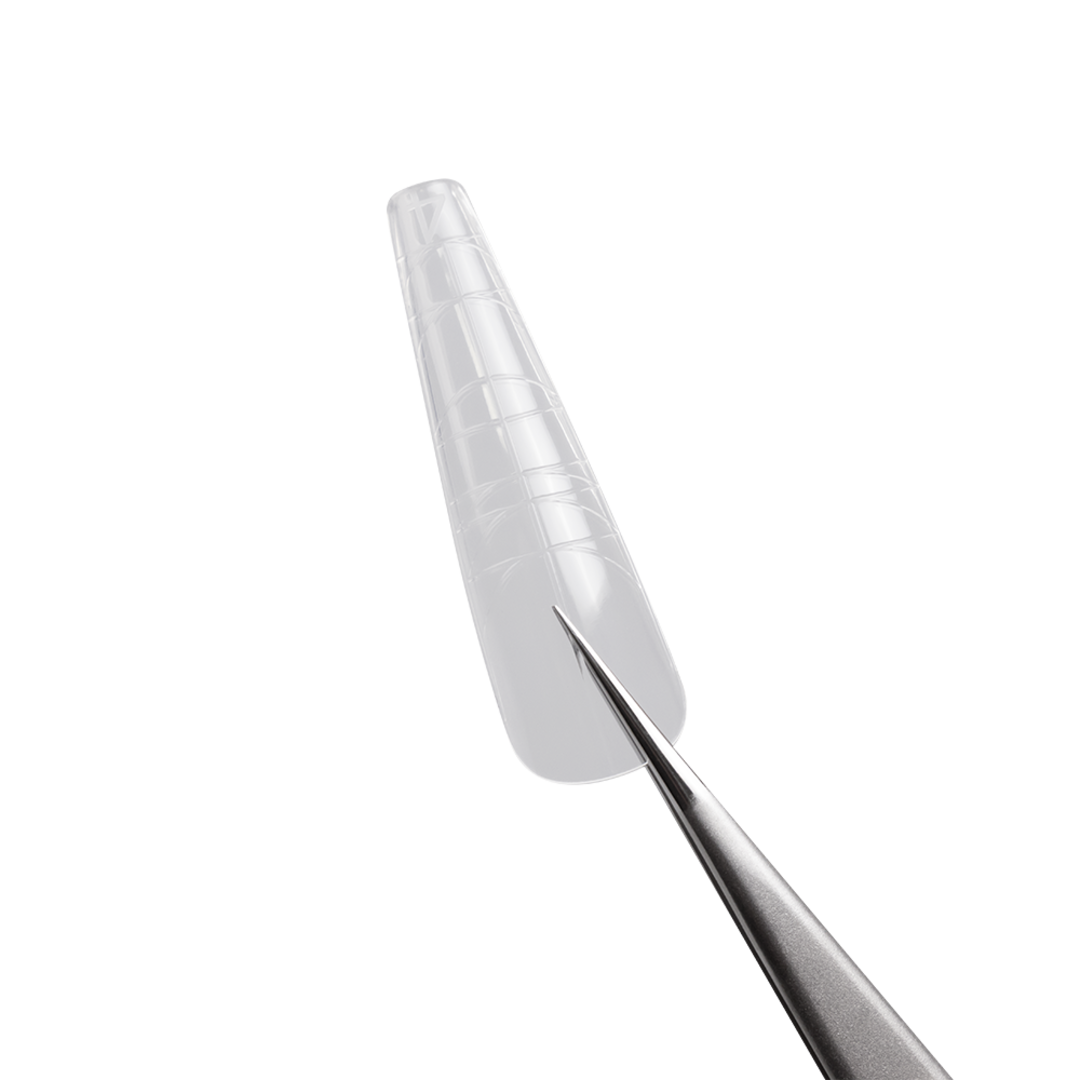
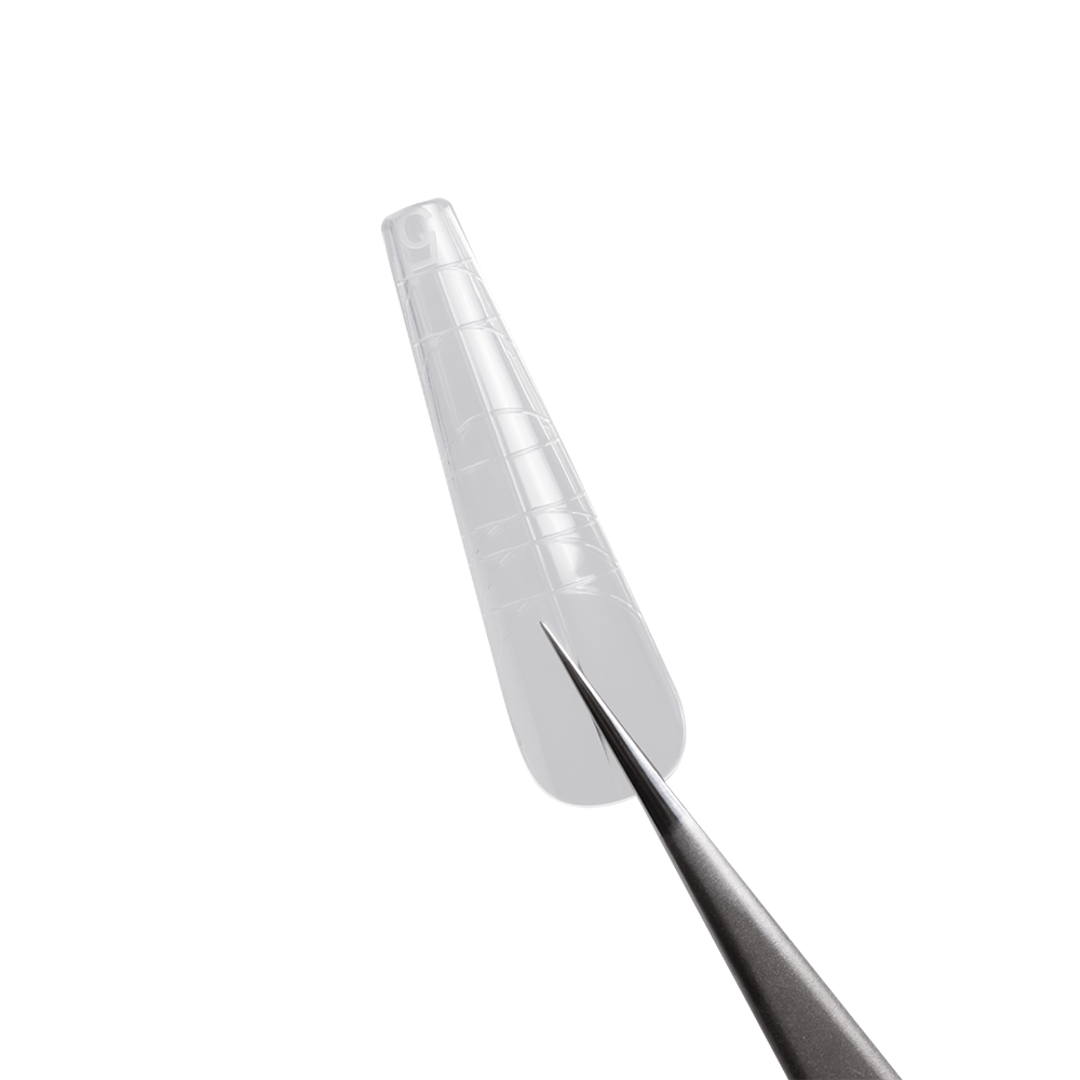
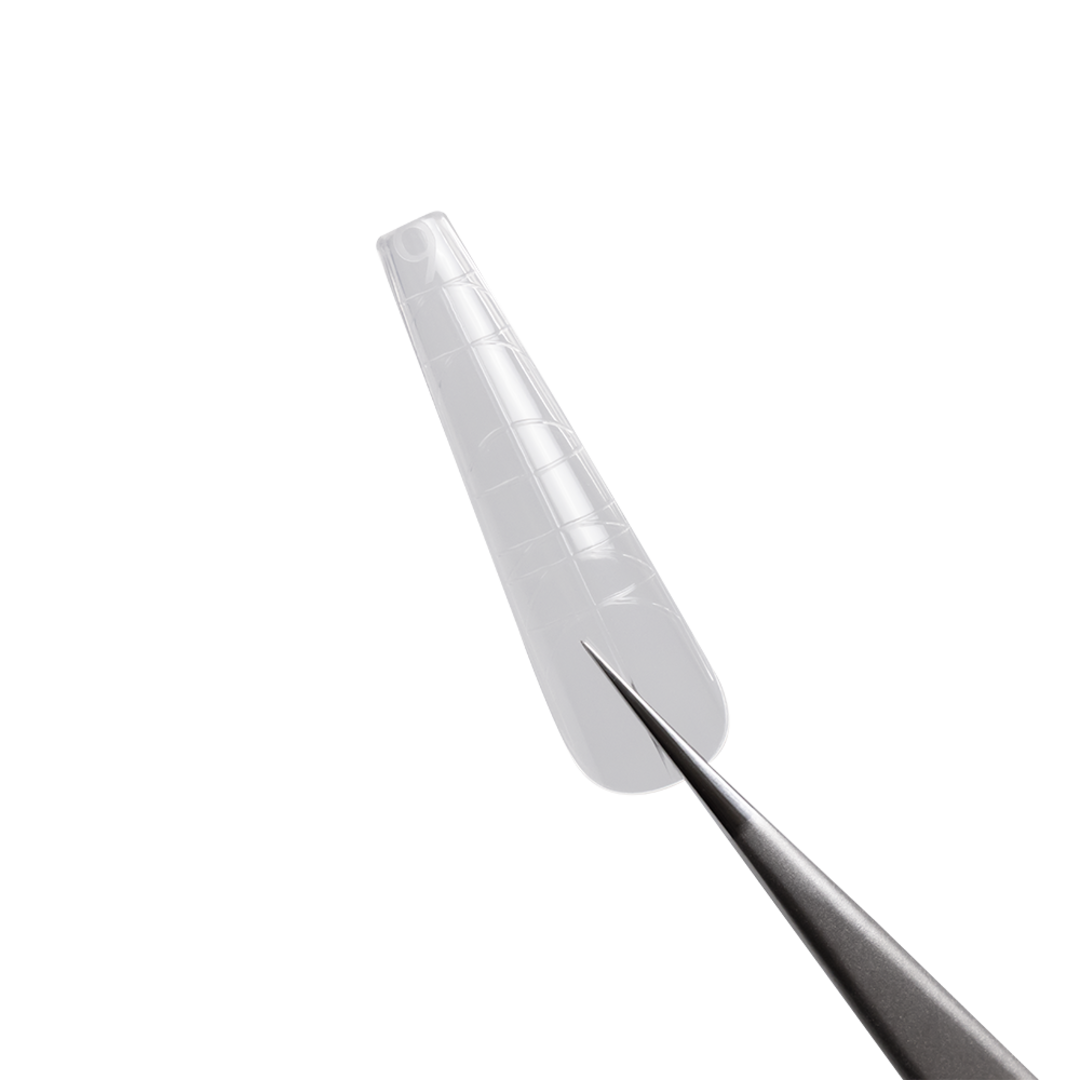
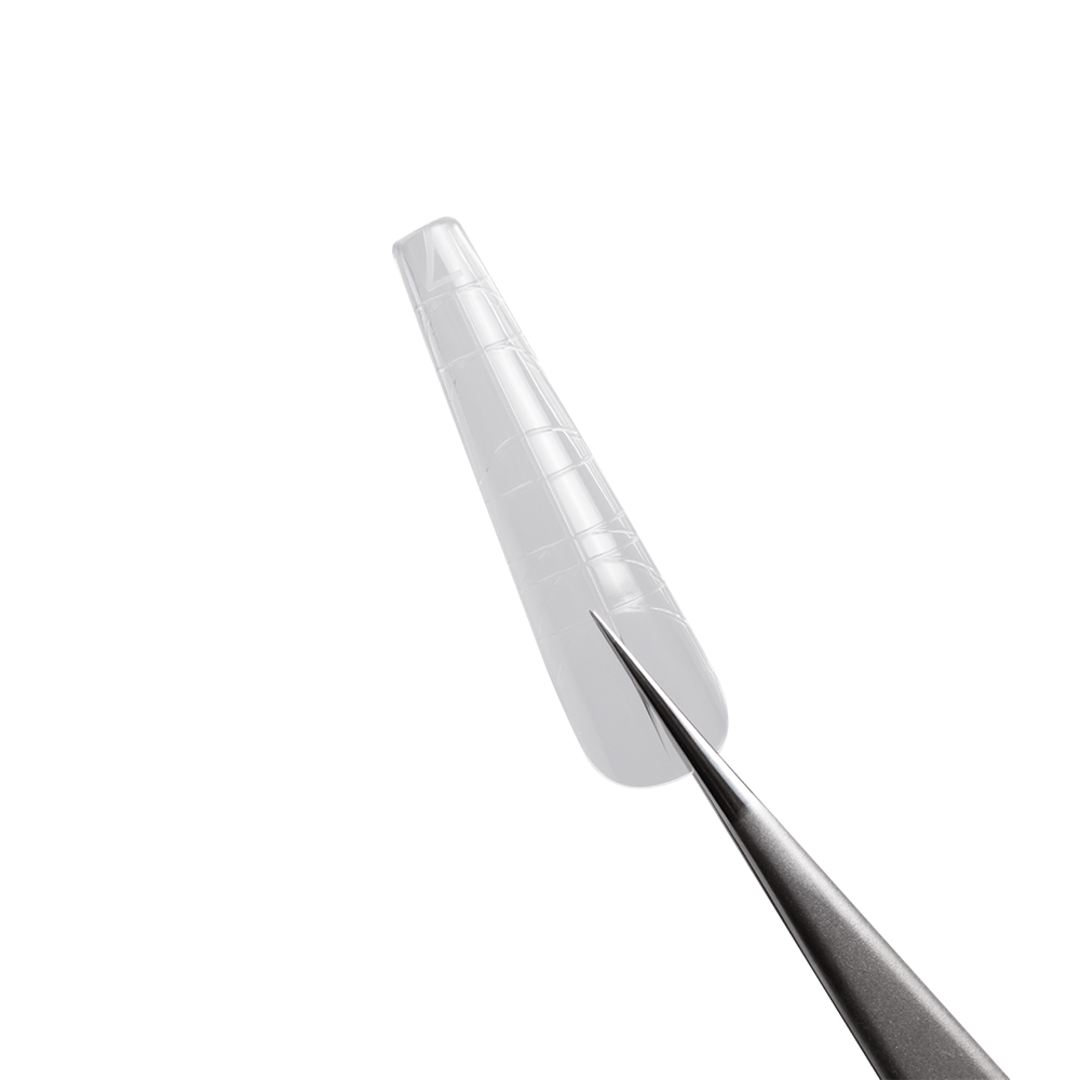
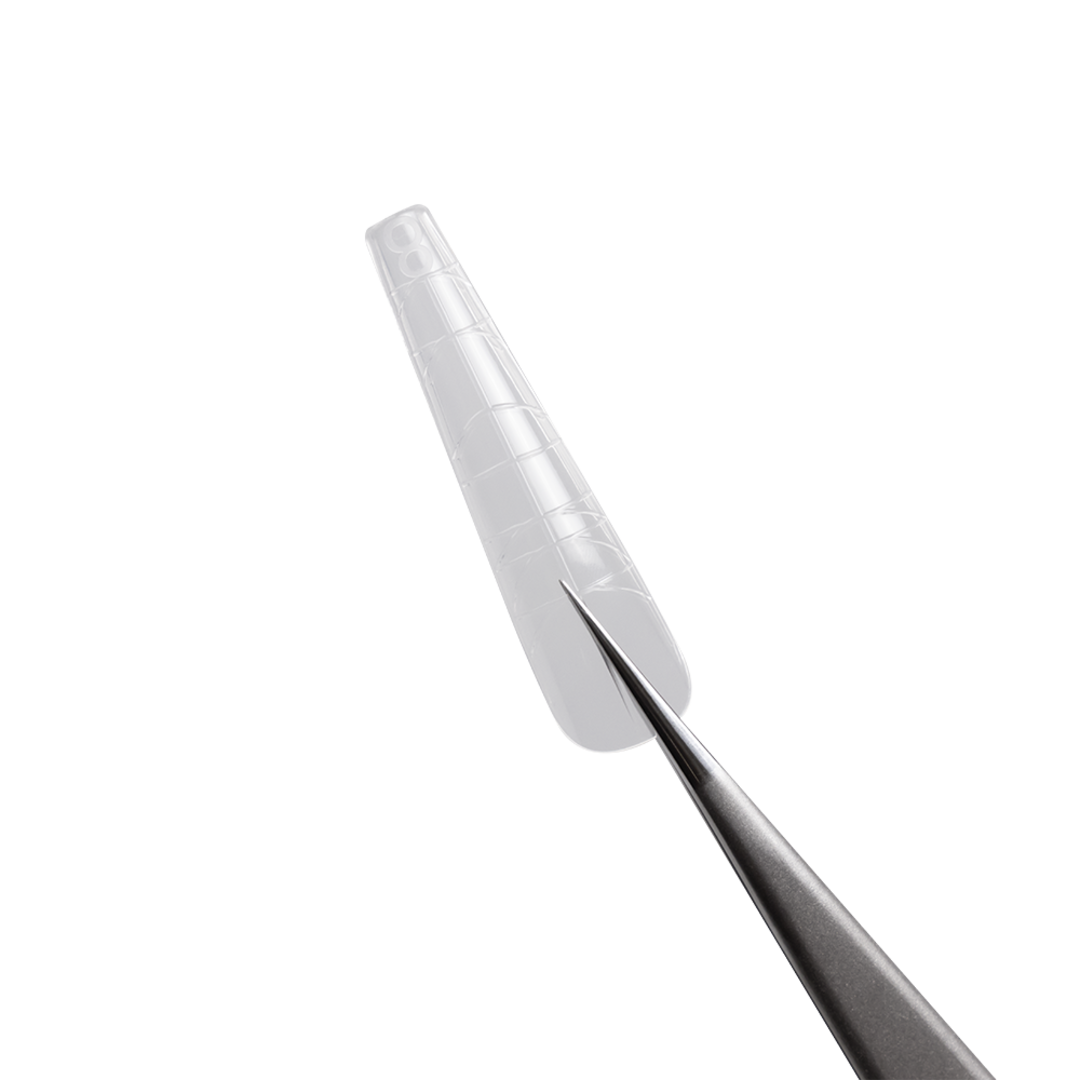
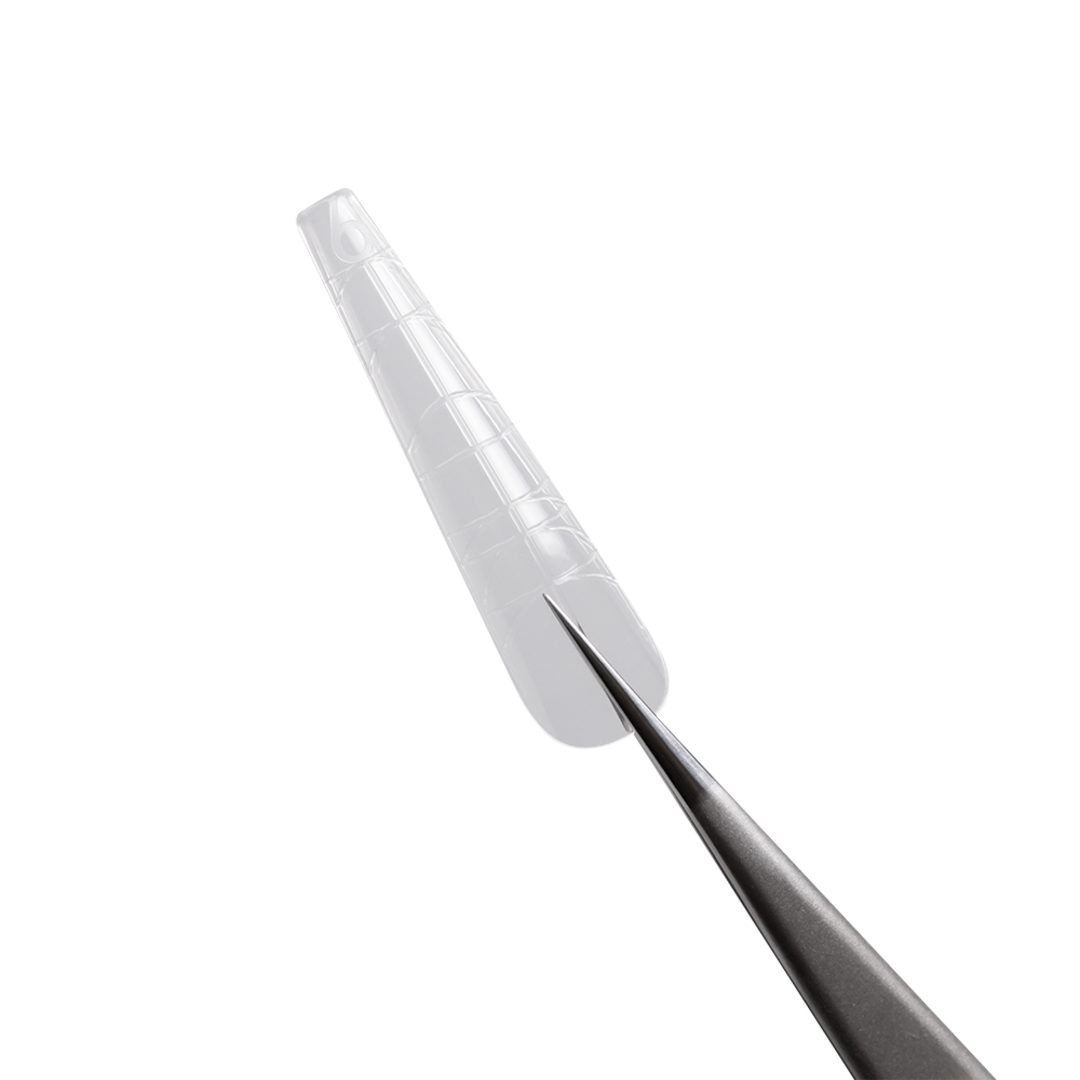
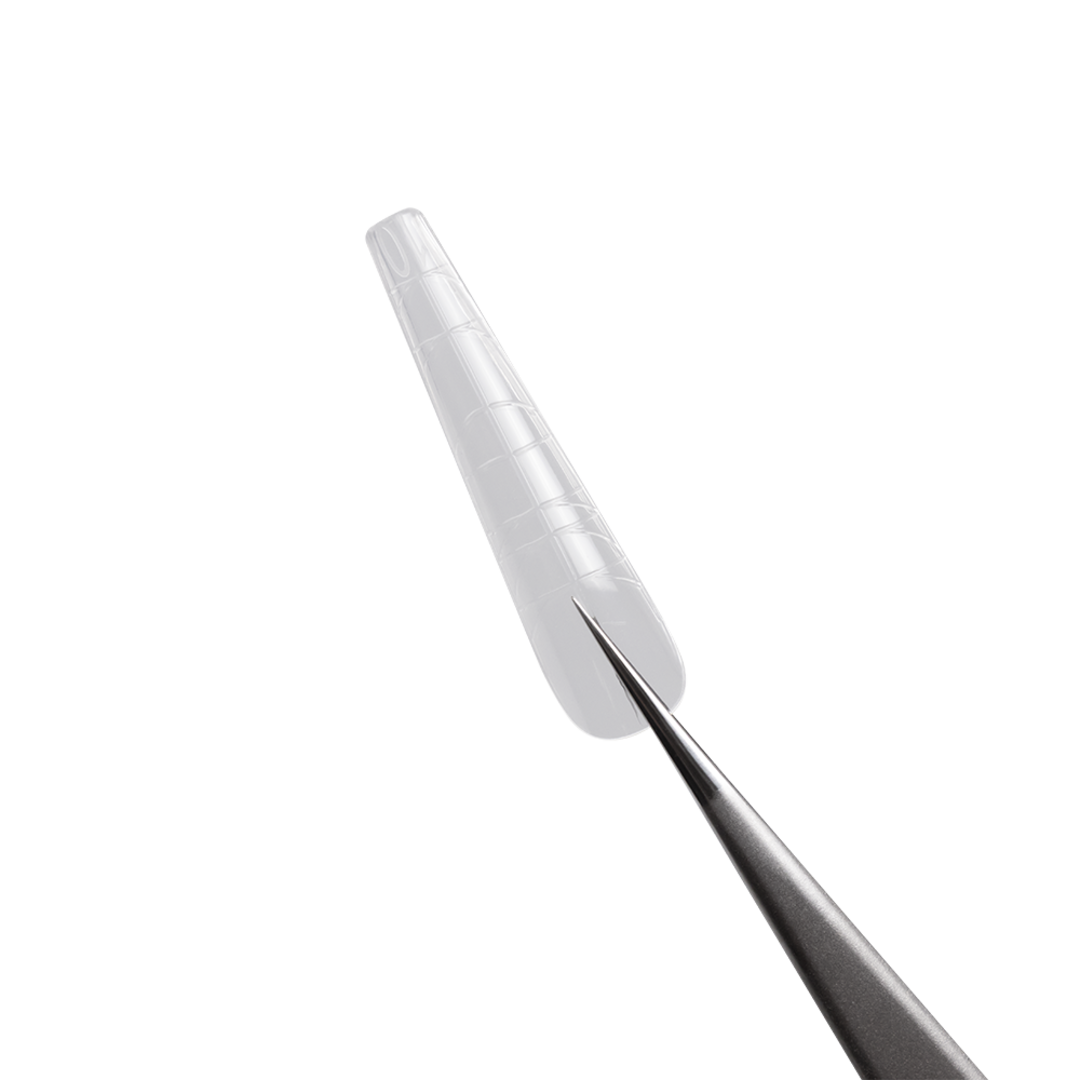
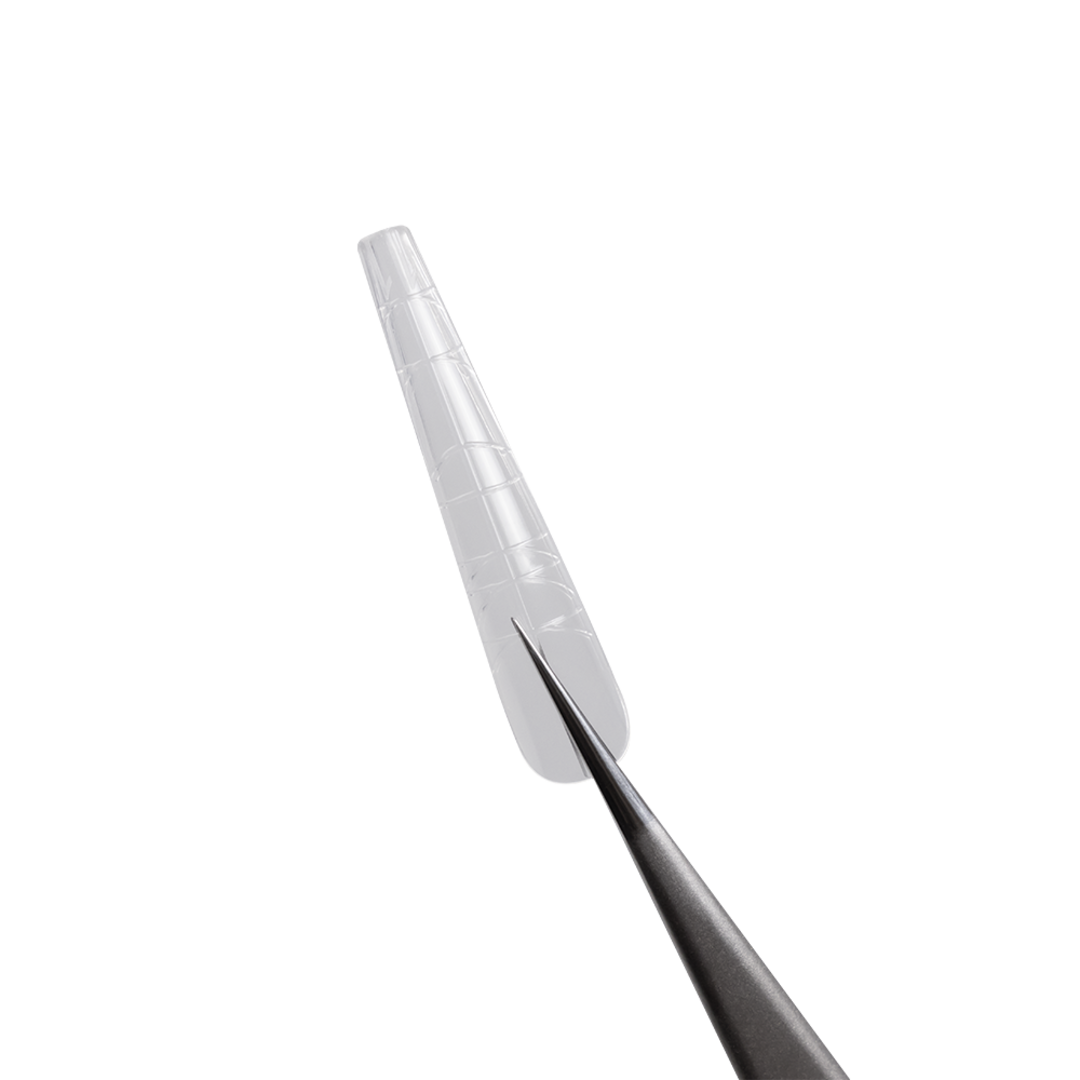
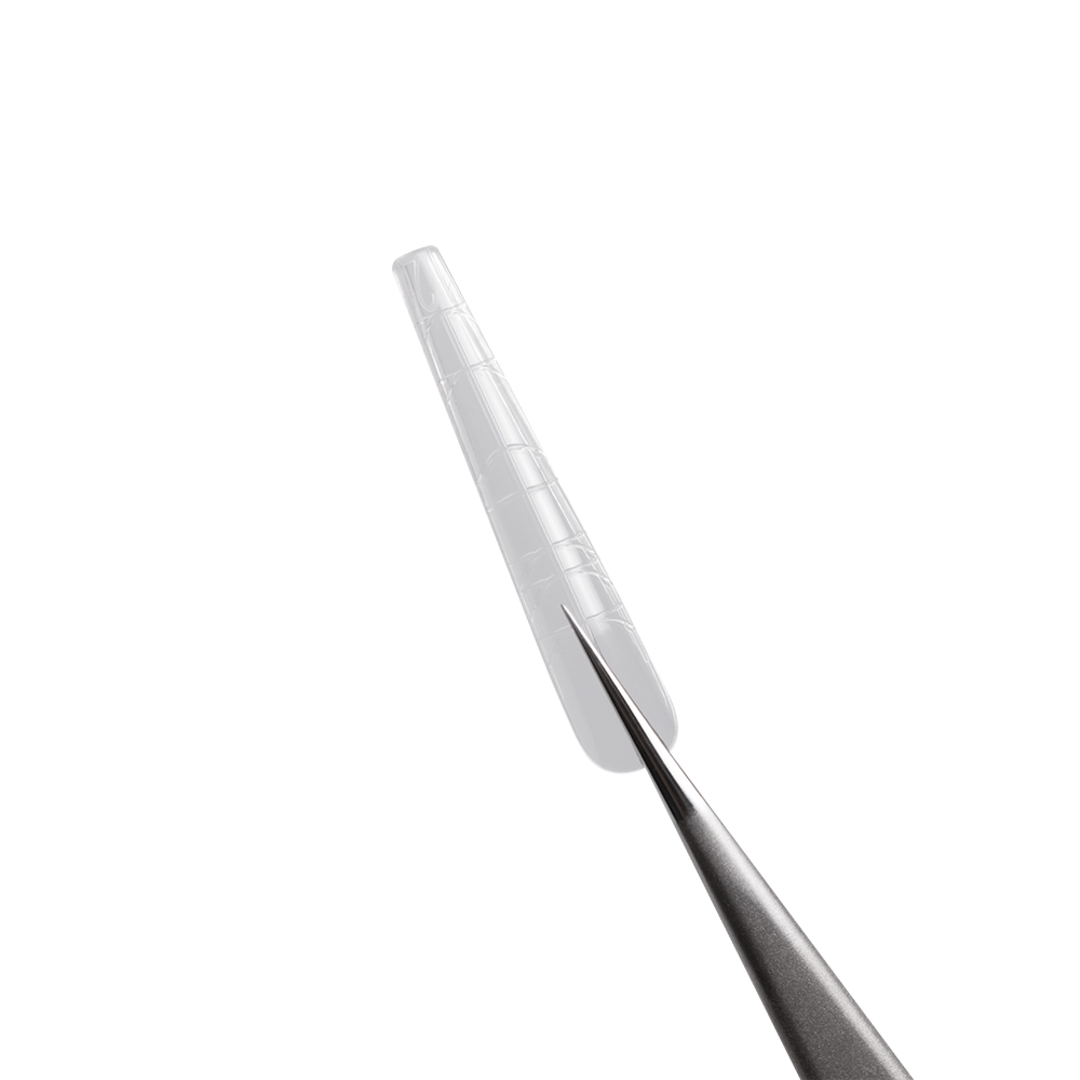
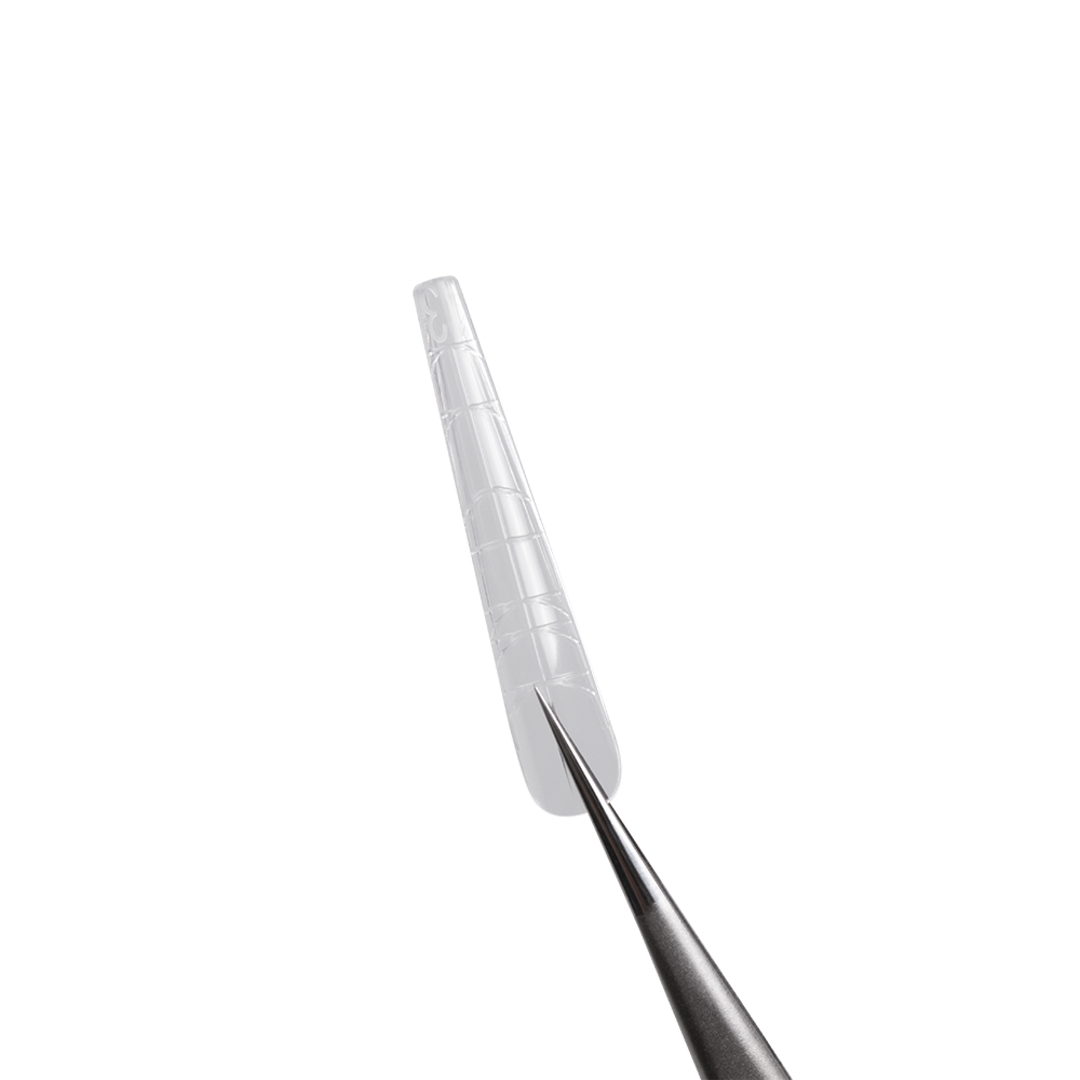
GÉMELY ex GA&MA Top ballerina forms Pro Ballerina Ultra Thin–plastic templates for modeling artificial nails with a recessed arch of the free edge. Compatible with gel, acrygel, polygel and jelly gel. The improved design combines a flexible contact zone for a snug fit and a rigid load-bearing frame.
Characteristics and features GÉMELY ex GA&MA upper forms ballerina Pro Ballerina Ultra Thin
Peculiarities
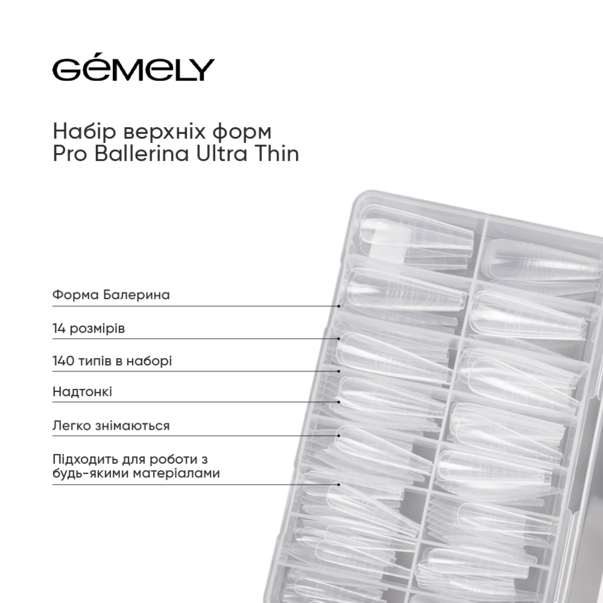
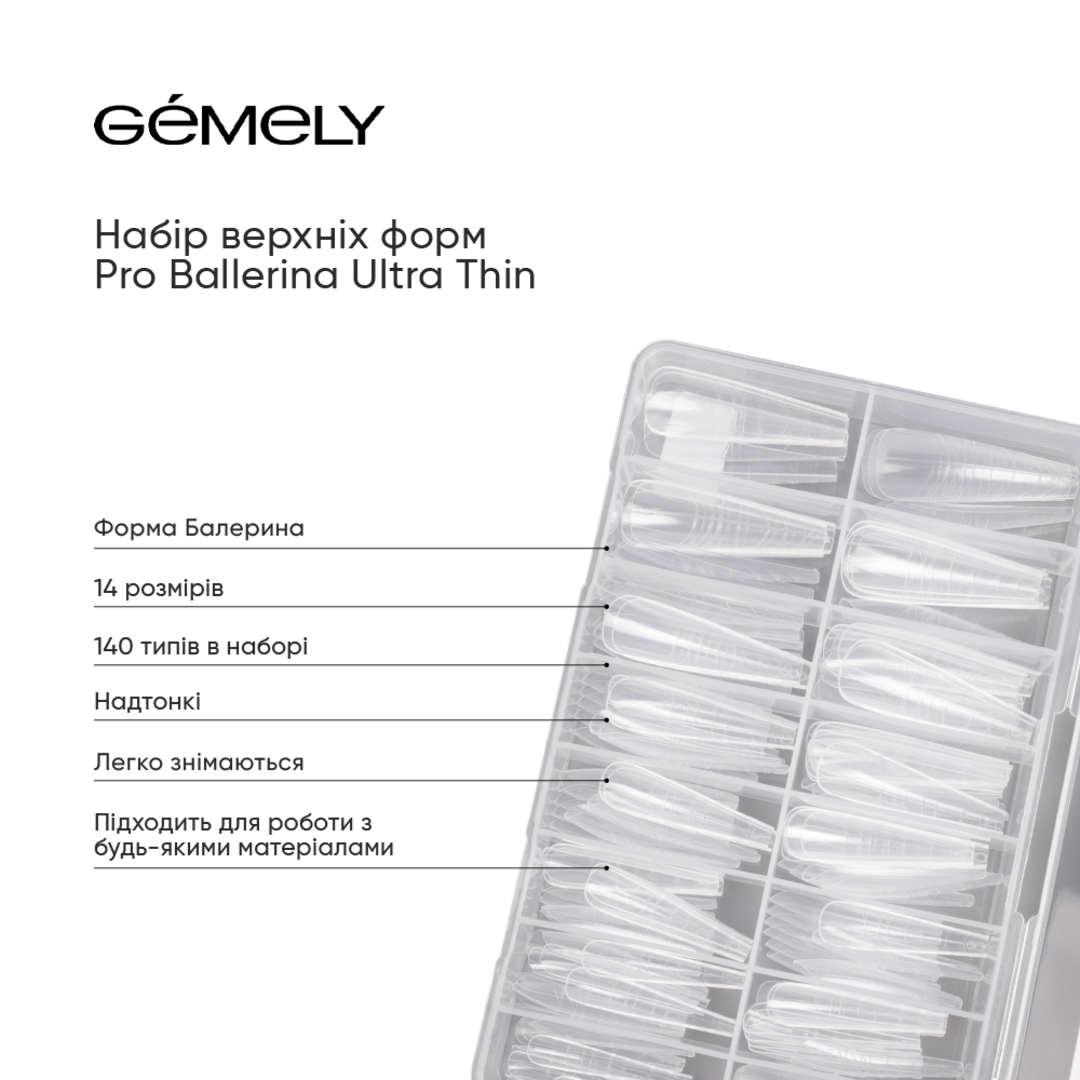
- the recessed arch of the free edge creates an expressive silhouette and correct architecture
- flexible contact zone tightly encloses the natural plate without air gaps
- rigid frame holds geometry when working with any length
- thinning the material to zero at the side rollers reduces the amount of final sawdust
- clean architecture without deformation can be removed by lightly pressing on the sides after polymerization
Characteristics
- reusable
- compatible with gel, acrygel, polygel, gel-jelly
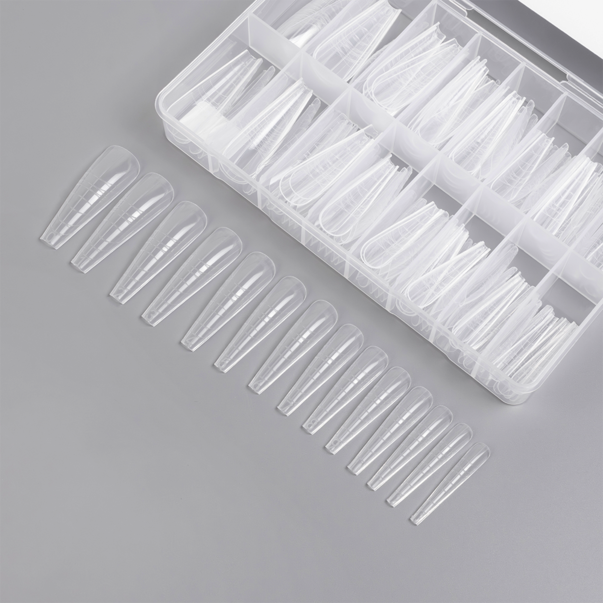
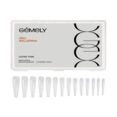
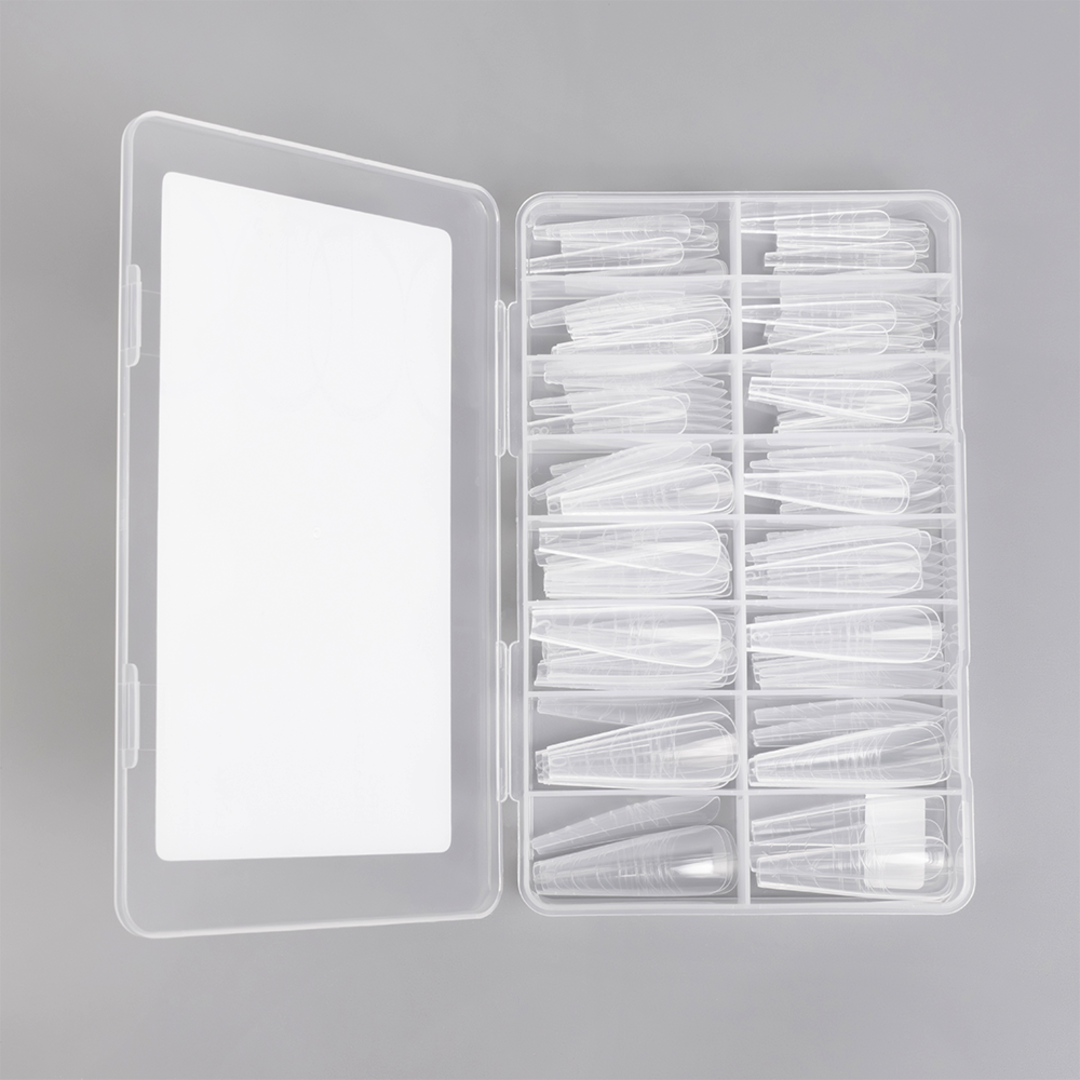
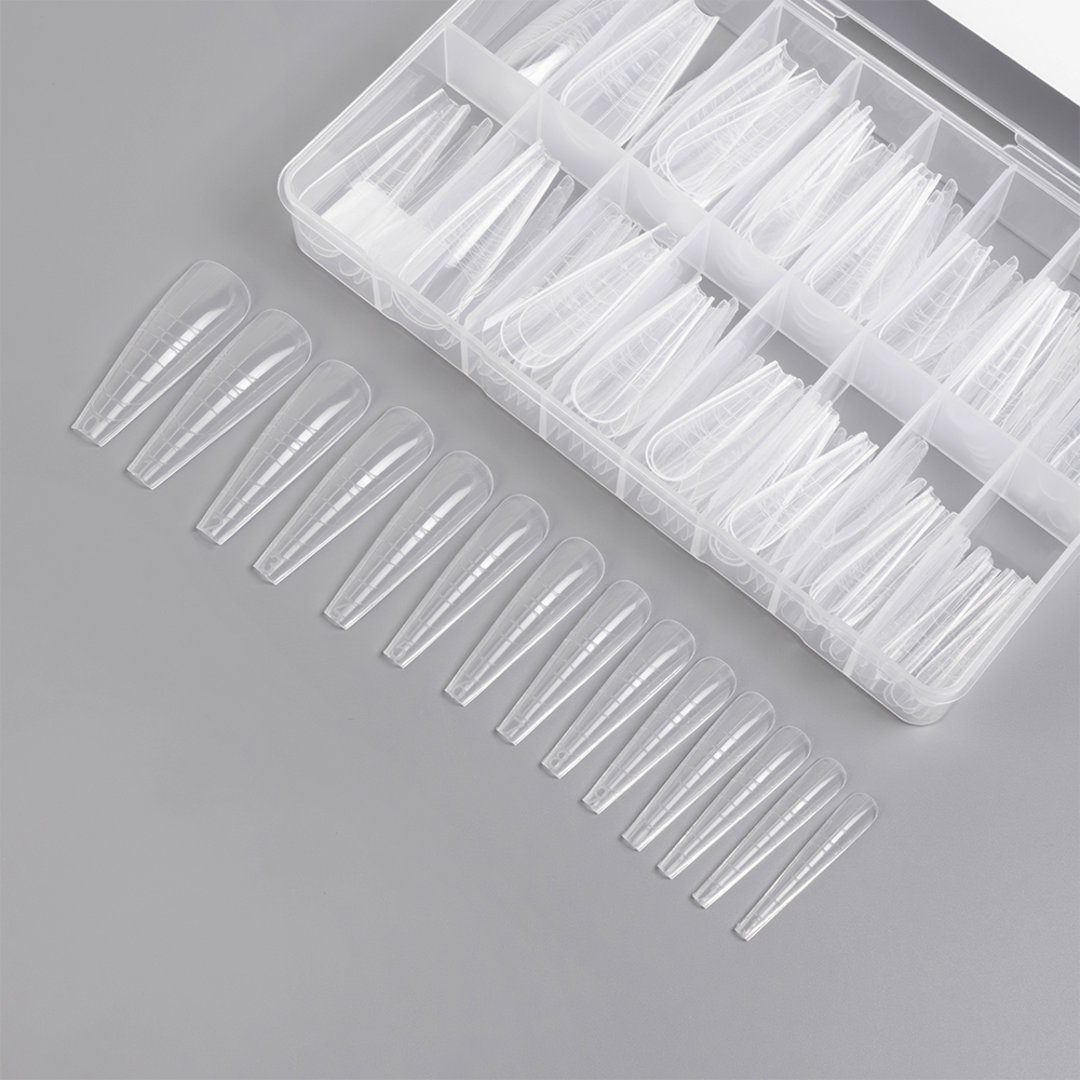
- 14 sizes per set
- width 0.7 - 1.6 cm
- length 3.5 - 4.5 cm depending on size
- arch depth 45-50%
- manufacturer Ukraine
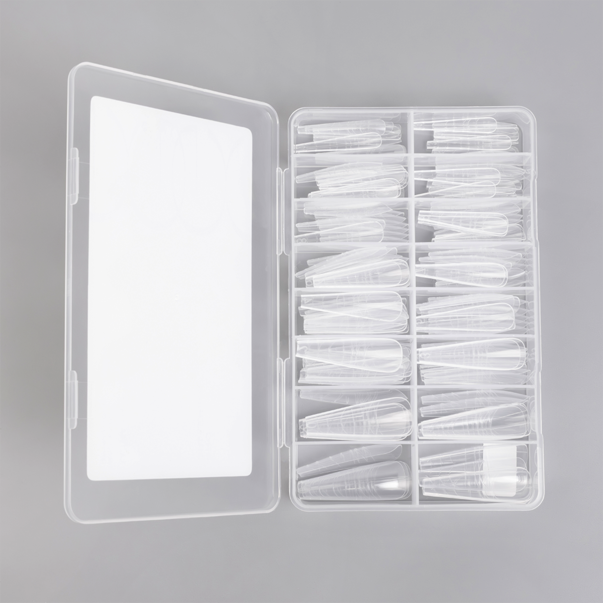
- 140 pieces per pack
Who is it suitable for?
- for masters working with ballerina/coffin at any length
- those who build a short square and a wound short square on arched plates
- specialists who value precise architecture with minimal sawing
- Suitable for owners of wide, narrow, arched and flat nail plates within the size chart
- Important! with very wide plates, the extreme dimensions may not completely cover the width; with extremely flat ones there may be a loose fit in the center
How to use GÉMELY top nail extension molds Pro Ballerina Ultra Thin
- Perform a standard manicure.
- Apply a thin adhesive layer of base until the nail is“wet”and dry in a lamp. Remove the sticky layer with a cleanser and a lint-free cloth.
- Choose a tip whose width is 0.5-1 mm larger than the natural plate: this way the material will not leak onto the skin and will not leave uncovered spots near the rollers.
- Apply modeling material to the inside of the mold with a brush, creating maximum volume in the stress area and thinning it towards the edges and contact area.
- Place the tip on the nail, smoothly moving it to the cuticle line with a margin of 1-1.5 mm. Fix with a UV flashlight.
- Cure in a UV/LED lamp for 1-2 minutes. Press the arch after the first cycle and repeat drying.
- Slightly squeeze the archetiktur on the sides and remove. If necessary, adjust the contour with a file or carbide cutter, remove dust with a cleaner. You can buy top forms for nail extensions GÉMELY Pro Ballerina Ultra Thin complete with modeling gel and a brush for multi-profile work.
Storage conditions: store in original packaging in a dry place, away from direct sunlight
Best before date: unlimited
GÉMELY Reusable top forms for ballerina nail extensions are suitable for a busy salon service: a wide sizing grid of 16 sizes covers most types of clients with 1 set, and minimal filing after removing the tips reduces finishing time. The deep free edge and flexible contact point maintain architectural accuracy even when working at extreme lengths.
Common questions about GÉMELY Upper forms Pro Ballerina Ultra Thin
- What is special about ballerinas from Dzhemeli? The key difference is the deeper free edge (45-50%) and the combination of a flexible contact area with a rigid frame. This gives an expressive silhouette without additional manual correction after removal.
- Can ballerinas make soft almonds or ovals? Pro Ballerina adapts to the soft arched almond due to the features of the arch–the contour is adjusted by distributing the material with a brush before polymerization.
- Is it possible to tighten the arch after polymerization manually, without a flashlight? It is recommended to fix it with a flashlight: without preliminary illumination, the gel may shift when pressed. Pressing is done after primary polymerization and the drying cycle in the lamp is repeated.
- How many times can a form be reused? The number of uses depends on the accuracy of removal and the material used. If the architecture is not deformed and fits tightly without gaps, it can be reused.
- Do you need top filing after removal? With proper distribution of the material and thinning to zero at the edges - minimal. Finishing with a milling cutter will be required if there are burrs near the contact area or unevenness of the end.