Hair Oil









 In stock
 Buy
 In stock Buy
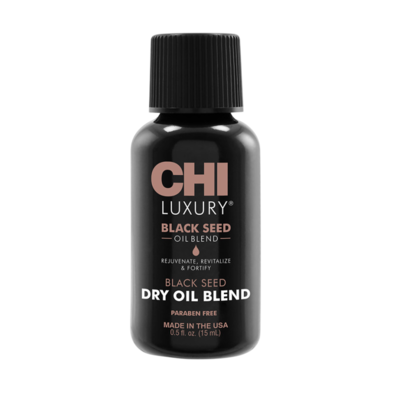
 TREND In stock Buy
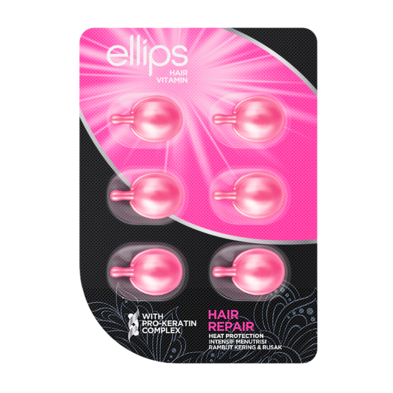 In stock Buy
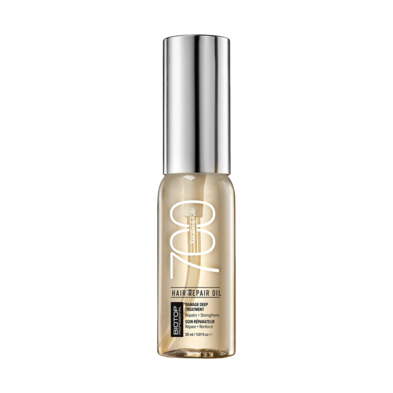 In stock Buy
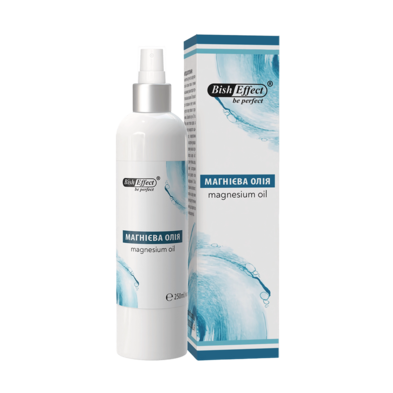 In stock Buy
 In stock Buy
 TREND In stock Buy
 In stock Buy
 In stock Buy
 In stock Buy
 In stock Buy
 In stock Buy
 In stock Buy
 In stock Buy
 In stock Buy
 In stock Buy
 In stock Buy
 In stock Buy
 In stock Buy
 In stock Buy
 In stock Buy
 TREND
 Out of stock
when available
- 1
- 2
- Next
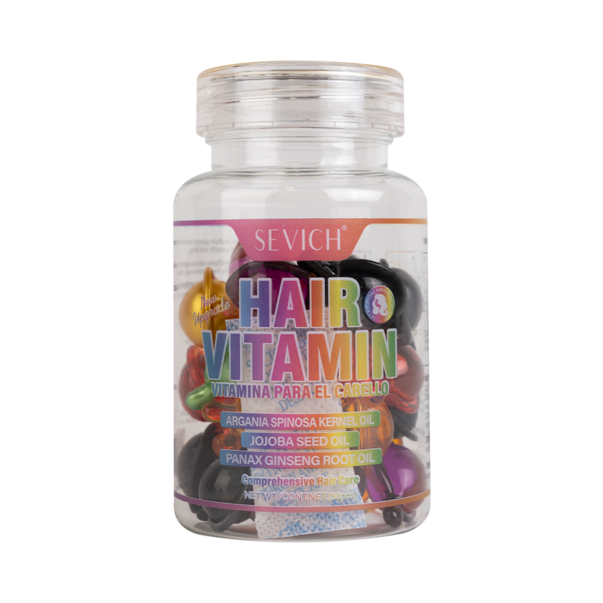
Hair oil is a cosmetic product for locks that appear tired, dry, or simply unruly. It deeply nourishes, seals damaged structure, restores healthy shine without weighing it down, and even helps tame frizz. If you want professional care at home without extra effort, buying hair oil is definitely worth it.
In this article, we will discuss the types of oils available, their uses, how to choose the right one, and where to order it best. So, if your locks are already tired from dyeing, blow-drying, or simply from the climate—read on, and we will tell you what to do.
Types of Hair Oils
Today, there are many hair oils available on store shelves, making it overwhelming: natural, dry, professional, with thermal protection, for ends... What is the difference and what really works? Staleks experts have analyzed the main types so that you can easily choose the one that meets your specific needs—whether it’s dryness and brittleness, shine without weighing down, or protection from heat styling.
Natural Oils
These are pure plant extracts without silicones, parabens, and synthetic fragrances. They penetrate deep into the hair structure (especially those rich in oleic or lauric acid), providing true deep nourishment and restoration from within.
The most well-known and effective include:
Argan – a true "liquid gold standard," perfect for dry, damaged, colored hair. It gives shine and softness.
Coconut – penetrates strands best, filling porosity, protecting against protein loss during washing.
Shea (Karité) – powerful nourishment for very dry and curly strands.
Other effective options include: jojoba (regulates oiliness), avocado (moisture + restoration), almond (lightweight, for fine hair).
How to use: best in masks and wraps—apply for 1–3 hours (or overnight) before washing. You can mix several oils together or add 2–3 drops to your conditioner.
Professional Oil Complexes
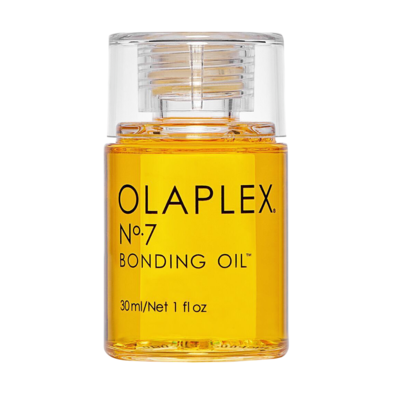
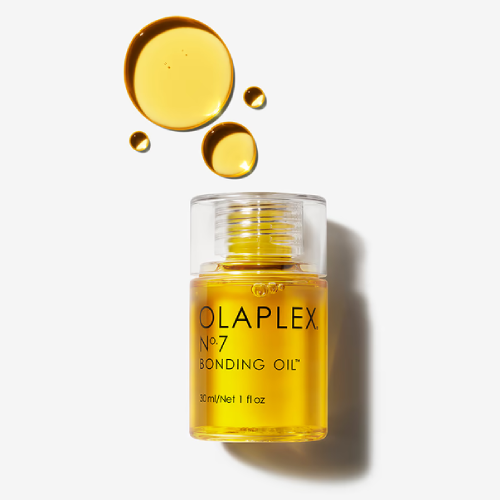
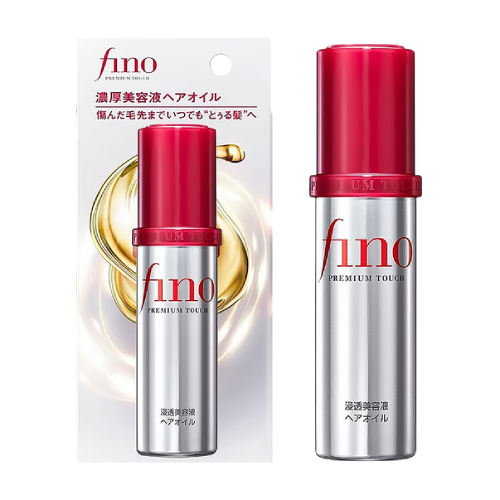
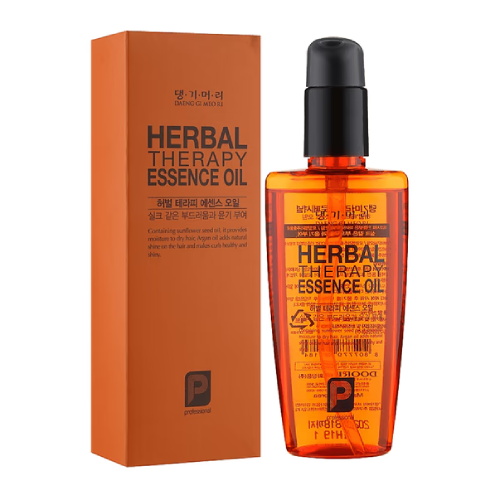
These are ready-made products from brands (e.g., Olaplex, Kerastase, Shiseido, Daeng Gi Meo Ri, etc.). The composition includes a combination of natural oils + modern silicones (light, non-volatile), panthenol, keratin, plant extracts, and vitamins.
Main advantages:
instant visual effect (shine, smoothing, anti-static)
protection from mechanical and thermal damage
do not weigh down locks even with daily use
The results are noticeable after the first application—strands look more cared for, smoother, and healthier. You can buy professional hair oil for those who want quick and lasting effects without lengthy rituals.
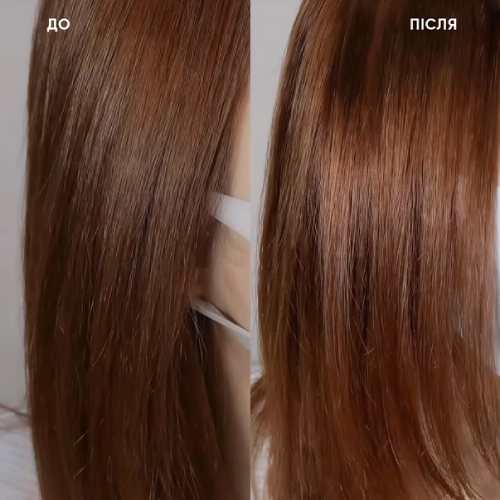
Oils Specifically for Ends
Lightweight textures designed specifically to combat split ends and dryness at the tips. Hair oil for ends "seals" the cuticle, preventing the hair from splitting. They usually come in a bottle with a dropper or spray—very convenient for precise application.
Feature: they are hardly felt on the locks, making them suitable even for fine hair and oily roots. They often contain a pinch of silicones or light oils (argan, grape seed, macadamia).
Tip from Staleks experts: apply only to dry or slightly damp ends (2–5 cm from the bottom), avoiding the roots.
Thermal Protection Oils
A must-have before every blow-dry, straightening, or curling. Such professional hair oil with thermal protection creates an invisible protective film that reduces the impact of high temperatures (up to 200–230 °C and higher in professional products).
They often combine thermal protection with light nourishment and anti-static effects. Available in spray, cream-oil, or classic oil with a dispenser format. These products are essential if you work with hot tools.
Dry Oils
A true favorite for finishing care. They absorb quickly, leaving no greasy film, yet provide:
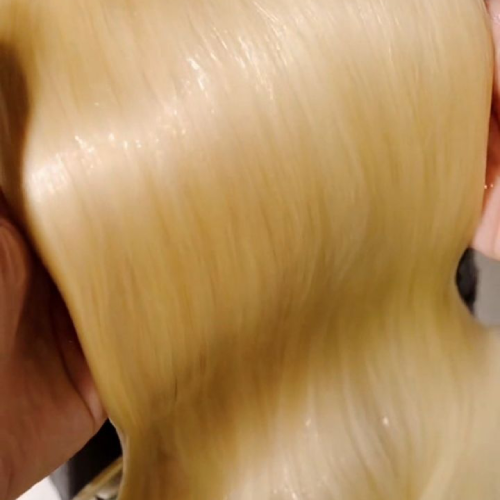
mirror-like shine
control of frizz and static
light smoothing
The texture is like dry silk in a bottle. Most often, this is a blend of light oils (e.g., argan, macadamia, camellia) + next-generation silicones.
Ideal usage scenario: 1–3 pumps into the palm → rub together → run through dry hair (especially along the length and ends) as a finishing touch to styling. Suitable for all hair types.
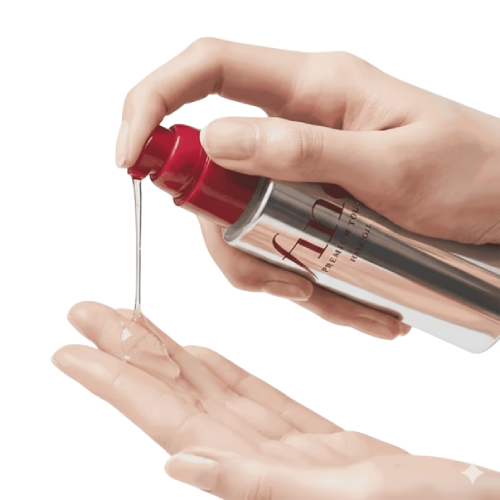

Oils by Hair Type
Not all hair oils are equally suitable for everyone. Here is a quick cheat sheet-table from Staleks experts to immediately understand which formula best meets your needs.
Hair Type | Main Problem | What the Oil Provides | Recommended Oils / Ingredients | How to Use Best |
Dry | Dullness, "straw-like" texture, lack of elasticity | Deep hydration, moisture retention, softness | Coconut, avocado, shea (karité), olive, argan | Wrapping 1–2 times a week or on damp strands daily |
Damaged | Brittleness, micro-cracks, loss of elasticity | Repairing structure, filling porosity, bonding | Bonding components, peptides, keratin, argan oil + lipids | On damp hair before drying or as a finish |
Colored | Color fading, dullness | Pigment protection, antioxidants, sealing cuticle | Antioxidants (vit. E), UV filters, argan, camellia | Daily on ends/length after styling |
Fine | Weighing down, loss of volume | Light shine, smoothing without weight | Jojoba, moringa, squalane, light argan, grape seed | 1–2 drops on dry strands, only along the length |
Thick / Porous / Curly | Frizz, unruliness, "frizz" in humidity | Anti-static effect, frizz control, curl definition | Coconut, castor, macadamia, heavier blends of argan + shea | On damp hair after leave-in, "scrunch" curls |
Expert tips:
For porous hair, always start with a small amount—excess product will weigh the strands down.
Fine locks require only dry or light formulas.
Oil for curly hair works best on damp locks after washing.
Oils by Purpose
Each hair oil formula has its specific purpose: to deeply nourish, restore from within, provide mirror-like shine, tame frizz in rain, or protect from heat styling. Staleks Shop & Service experts have analyzed the main categories by effect:
Nourishment (saturation with beneficial substances). This is basic care for strands that look dull, dry, or depleted. Such oil penetrates the structure, saturating it with fatty acids, vitamins, and antioxidants, restoring softness and elasticity.
Restoration (gentle strengthening). It "repairs" micro-cracks, fills porosity, reduces brittleness, and restores elasticity. Oil for hair restoration with peptides/keratin works especially well.
Shine (mirror effect). Formulas with light silicones or natural oils that reflect light (camellia, marula, squalane). They provide that "salon-finish" shine without weighing down.
Anti-frizz effect (against frizz in humid weather). They seal the cuticle, control frizz, static, and humidity-induced frizz. Excellent for curly, porous, or simply frizzy hair.
Thermal protection. This professional oil creates an invisible film that withstands temperatures up to 230–450 °C. It should always be applied before blow-drying, straightening, or curling.
Against brittleness. Regular use of oil strengthens strands, reduces brittleness (many brands claim a reduction in brittleness by 30–50% with consistent use). It works as both prevention and restoration.
Active Ingredients in the Composition
As hair stylists say, the secret of effective hair oil lies not in the brand name, but in the ingredients. We have analyzed the key "stars" of modern formulas:
Argan Oil
Morocco's "liquid gold" is one of the most popular oils for hair restoration in premium products. It is rich in vitamin E, antioxidants (phenols, carotenoids), squalene, and essential fatty acids (oleic, linoleic).
What it does:
Restores the structure of damaged hair (reduces brittleness, fills porosity).
Protects against oxidation, UV, and heat.
Provides natural shine and elasticity without weighing down.
Ideal for: dry, colored, damaged hair types.
Coconut Oil
Penetrates deeper than most other oils due to lauric acid (medium-chain fatty acids). It is often found in formulas for hair ends.
What it does:
Reduces protein loss during washing and styling (up to 50% less brittleness according to studies).
Fills the hair shaft, making strands stronger and more elastic.
Has antimicrobial properties—good for the scalp.
Ideal for: dry, porous, curly hair.
Shea Butter (Karité)
Rich in vitamins A, E, F, stearic and oleic acids—truly an "emollient" for dry strands. It is most often used in moisturizing hair oils.
What it does:
Intensively moisturizes and softens even very dry/curly hair.
Creates a protective film, retaining moisture.
Reduces frizz and flyaways.
Ideal for: thick, porous, 4C-type hair.
Vitamin E (tocopherol / tocopheryl acetate)
Antioxidant #1 in many professional hair oil formulas.
What it does:
Protects oils and locks from oxidation (extends product shelf life).
Strengthens the cuticle, adds shine.
Aids in recovery after heat/chemical treatments.
Next-Generation Silicones (dimethicone, cyclopentasiloxane, amodimethicone, etc.)
Lightweight, non-volatile silicones that rinse out easily, do not accumulate in excess, and allow hair to remain natural and movable.
What they do:
Create a smooth film → instant smoothness, shine, anti-frizz.
Protect against heat and mechanical damage.
Do not weigh down (if the formula is correct) and do not create a "dirty" effect.
Ideal for: daily care, fine/straight hair, finishing styling.
Plant Extracts
Enhance the action of hair growth oil (or with other purposes) in professional complexes (camellia, jojoba, marula, bamboo, aloe, chamomile, black currant, acai, etc.).
What they do:
Add antioxidants, hydration, soothe the scalp.
Enhance comprehensive care: shine + nourishment + protection.
Enrich the formula without overloading.
Remember, if you plan to buy hair oil, always check the composition—the first 5–7 ingredients are the most important.
How to Properly Use Oil
Hair oil is that "secret ingredient" that can either transform your hairstyle into silk or make strands heavy and greasy. Much of this depends on the application technique and the correct dosage. To ensure the product works at 100%, it is worth adhering to proven care rules. Below is a detailed guide from Staleks experts on how to get the most benefit from oil.
On Wet or Dry Hair?
The choice of application method depends on the goal you want to achieve:
On wet hair: the ideal option for deep hydration and nourishment. The oil "seals" moisture inside the hair, making it elastic and easier to comb.
On dry hair: used as a finishing product. This helps tame frizz, add mirror-like shine, and protect the ends from drying out throughout the day.
Optimal Amount of Product
In the case of hair oils, the principle "the more, the better" does not apply. The amount of product should correspond to the thickness and length of the strands:
For short hair (bob, chin-length cuts): 1–2 drops of oil for ends is sufficient. This will be enough to add shine and tame frizz without weighing down the hairstyle.
For medium length (shoulder or collarbone-length): 3–5 drops is optimal. This is the golden mean for quality nourishment along the entire length.
For long hair (below the shoulder and down to the waist): you may need 6 to 10 drops. In this case, it is better to apply the product in portions: first on the lower third of the hair, then distribute the remaining product on your palms higher up.
The golden rule: it is better to under-apply hair growth oil, moisturizing oil, etc., than to overdo it. Start with the minimum, rub the product in your palms to warm it with your hands' heat, and only then evenly distribute it through the locks, paying special attention to the ends.
Can It Be Applied to the Roots?
Most cosmetic oils are intended solely for the length and ends. Applying to the scalp can clog pores and provoke excessive oiliness. Exception: special oils for hair growth or therapeutic blends. However, even those should be used sparingly (e.g., as a mask before washing) and thoroughly rinsed out with shampoo.
Enhancing Care: Combining with a Mask or Conditioner
If your strands need urgent restoration, try the "cocktail" method. Add 2–3 drops of moisturizing hair oil to a portion of your regular mask or conditioner just before application. This will enhance the nourishing properties of the products and make the strands softer and more manageable.
Advantages of Buying from Staleks
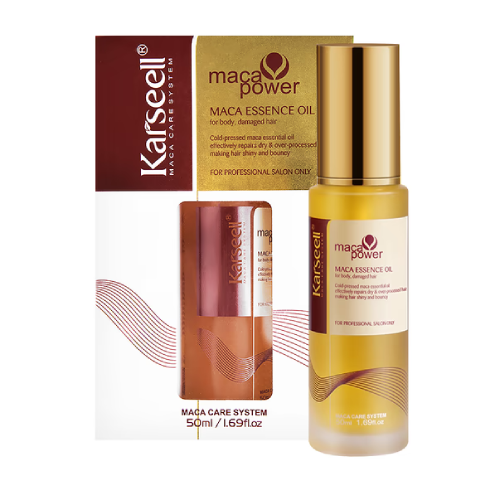
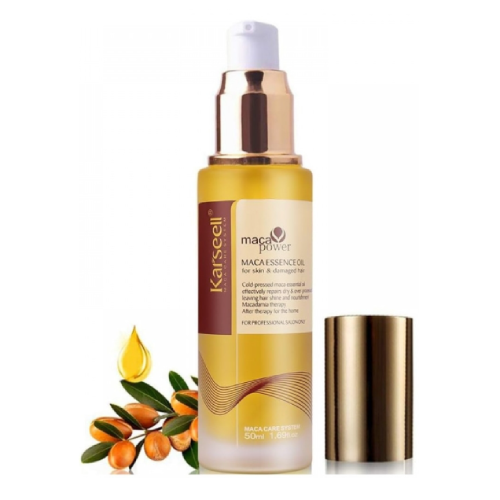
If you plan to buy hair oil, check out staleks.ua. Here you will find trusted brands: OLAPLEX, Karseell, Shiseido, Daeng Gi Meo Ri, etc., whose oils have proven to be among the best products for hair care. A significant advantage is that you can choose the volume of the product according to your needs, as there are different packaging options. Other benefits include convenient ordering: fast delivery, original products, clear filters by brand and action. You can also consult with experts if you have questions when choosing or placing an order.
FAQ: Common Questions About Hair Oils
Can hair oil be used daily? Yes, if it is a light or dry formula. For fine hair, 2–3 drops on the ends are sufficient. The key is not to overdo it to avoid greasiness.
Does restorative hair oil weigh down fine strands? Modern professional products with light silicones do not. They provide shine without weighing down and control frizz.
What is the difference between dry oil and classic oil? Dry oil absorbs instantly and is suitable for daily finishing. Classic oil is more nourishing and is better used before washing as a mask.
Can curly hair oil be applied to the roots? Yes, but only if the goal is hair growth or reducing scalp dryness. For other purposes, it is better to limit it to the length.
What is the best oil for colored hair? For restoration with antioxidants and an argan base. It seals the cuticle, preserves color, and adds shine. Buying hair oil means delaying the next dyeing, as the color will retain its richness longer.
Does oil protect against heat styling? Yes, if you buy hair oil with thermal protection. Such special formulas protect up to 230 °C. It should be applied before styling to significantly reduce damage.
How much oil for hair ends should be applied? For short hair—2 drops, for medium hair—3–4 drops, for long hair—5–7 drops. Always start with the minimum.
Do oils help with brittleness? Yes, with regular use, they reduce brittleness, nourish the cuticle, and restore elasticity and resilience.
Why is oil needed for curly hair? To discipline the natural curl, remove excess frizz, and give strands a defined shape. It fills the porous structure of curls, retaining moisture inside and protecting locks from drying out. It is the perfect product for creating the effect of "lively," elastic, and shiny curls without weighing them down.
Hair oils Cost on staleks.ua
Hair Oil - customer reviews