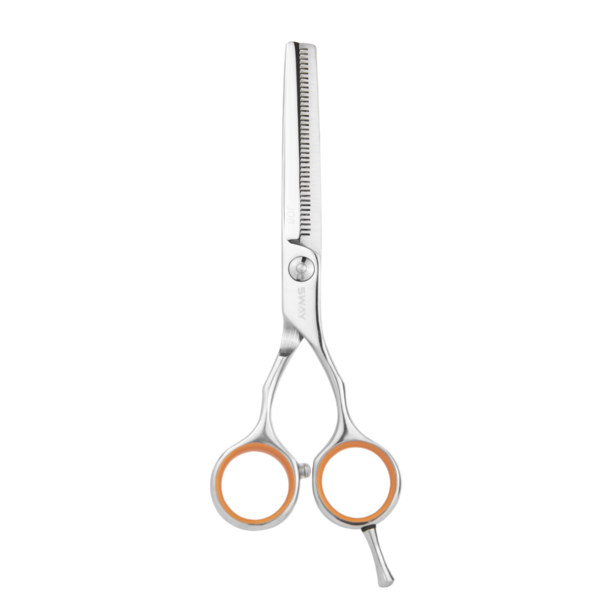
Hair cutting scissors


 In stock
 Buy
 In stock Buy
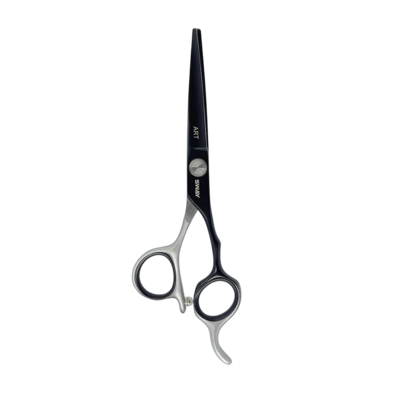 In stock Buy
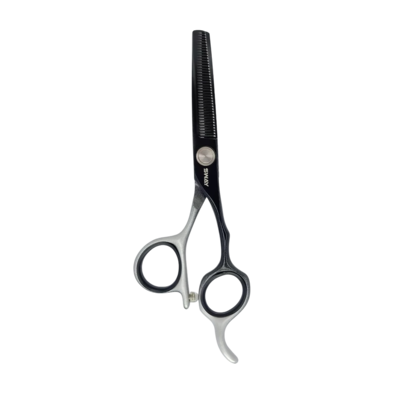 In stock Buy
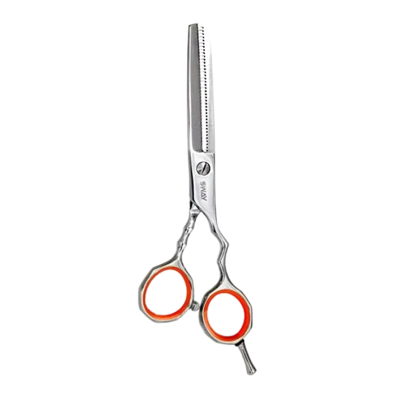 In stock Buy
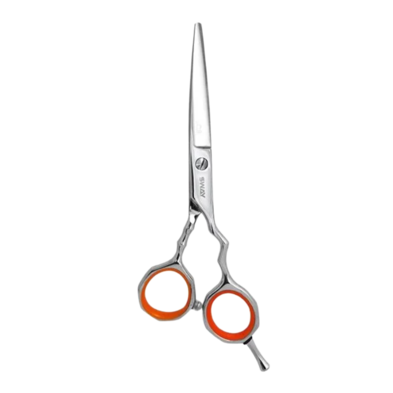 In stock Buy
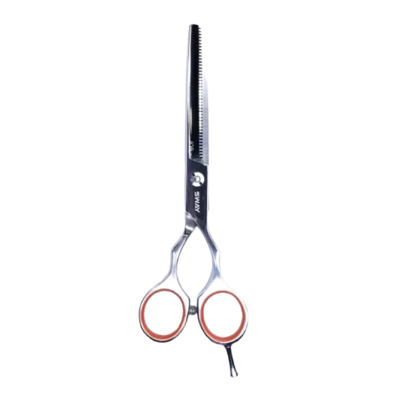 In stock Buy
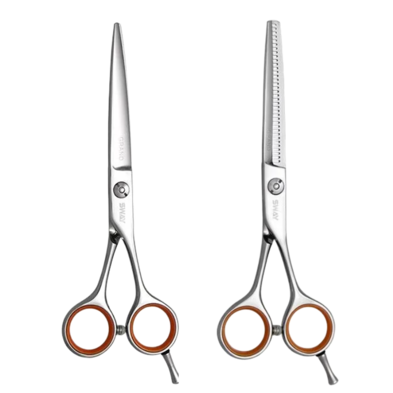 In stock Buy
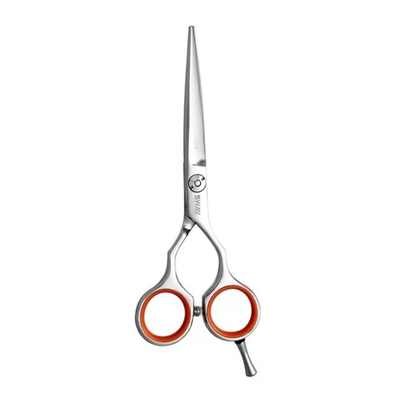 In stock Buy
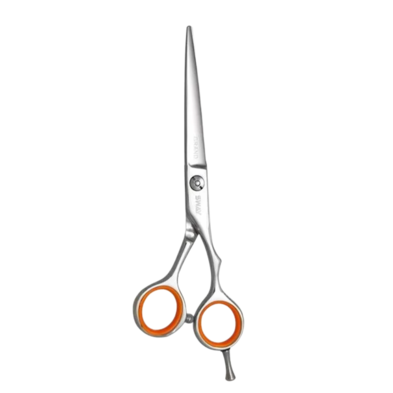 In stock Buy
 In stock Buy
 In stock Buy
 In stock Buy
 In stock Buy
 In stock Buy
 In stock Buy
 In stock Buy
 In stock Buy
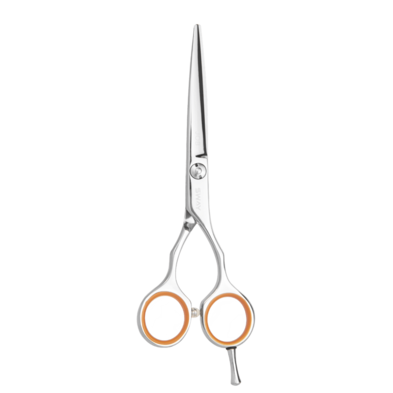
 Out of stock
when available
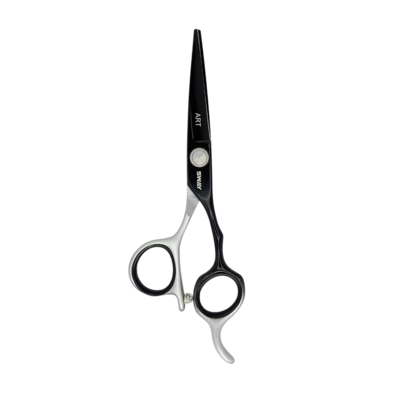 Out of stock
when available
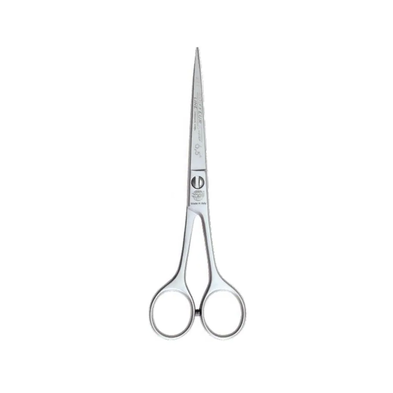 Out of stock
when available
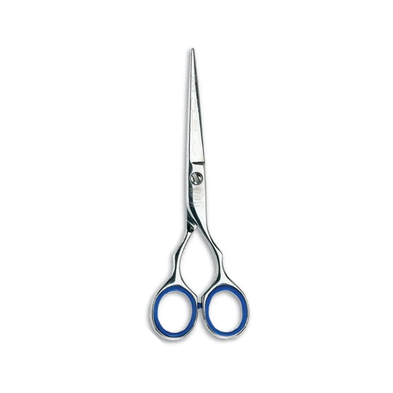 Out of stock
when available
 Out of stock
when available
- 1
- 2
- 3
- Next
Hair cutting scissors are a tool that is needed both in salons and at home. Two sharp blades on a hinge are all that is required for a clean, even cut. Additionally, with professional models, the hand does not tire, making the work enjoyable. Therefore, if you want to cut beautifully and avoid split ends, it is better to invest in high-quality hair cutting scissors right away. After all, this is not just a purchase – it is an investment in comfort and hand health. With a good tool, your wrist will not ache even after a long day.
From this page, you will learn about the types of scissors available, what to look for when choosing them, and how to care for them so they last for years.
Types of Hair Cutting Scissors
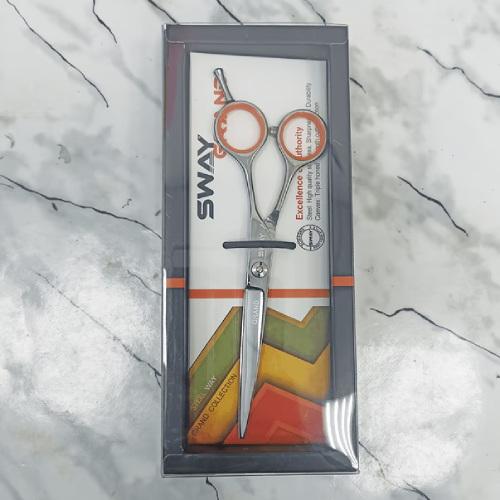
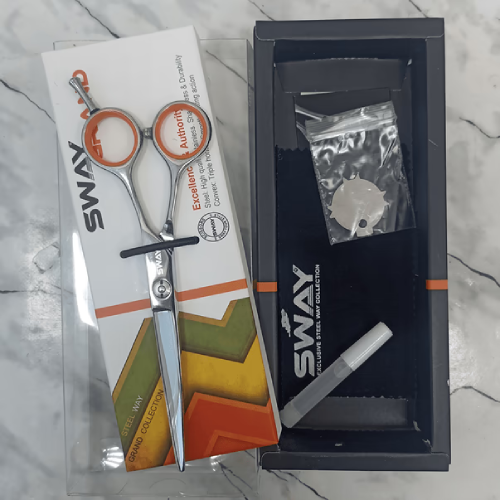
Before choosing hair cutting scissors, it is important to learn about their types and main differences. Choosing just "some good ones" is like going to a store for "some shoes." Each type is created for its specific tasks, and once you understand the differences, it becomes easier to select the ones that will feel just right in your hand. Staleks experts have shared information about popular varieties.
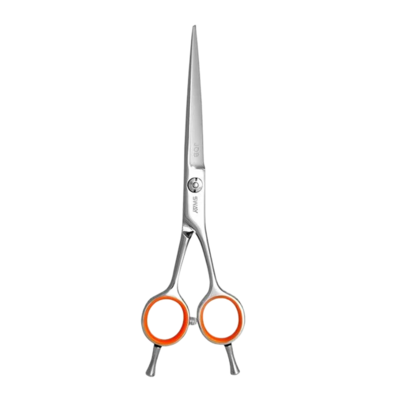
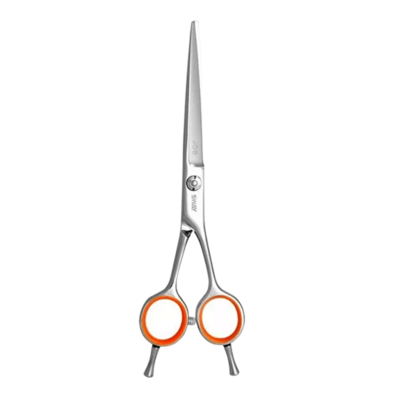
Straight Scissors
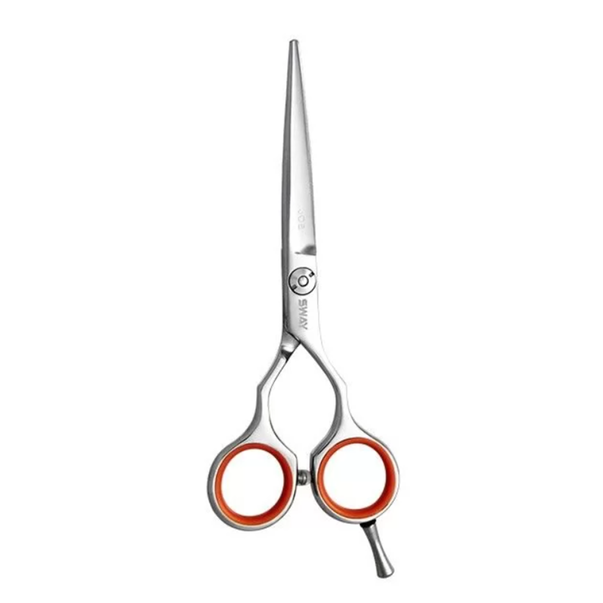
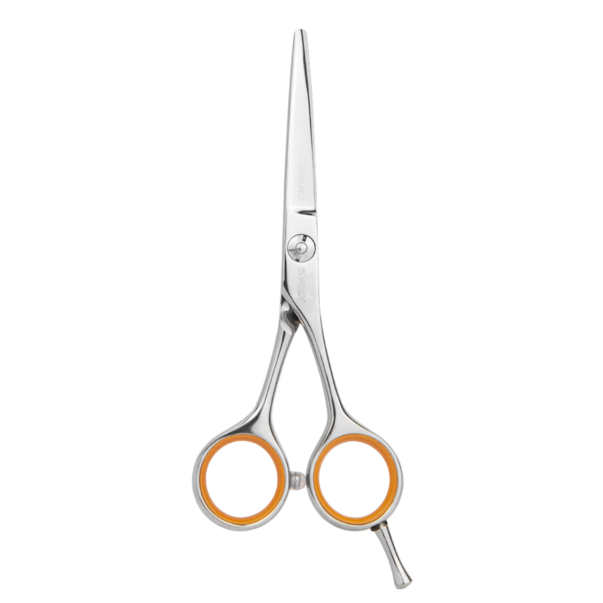
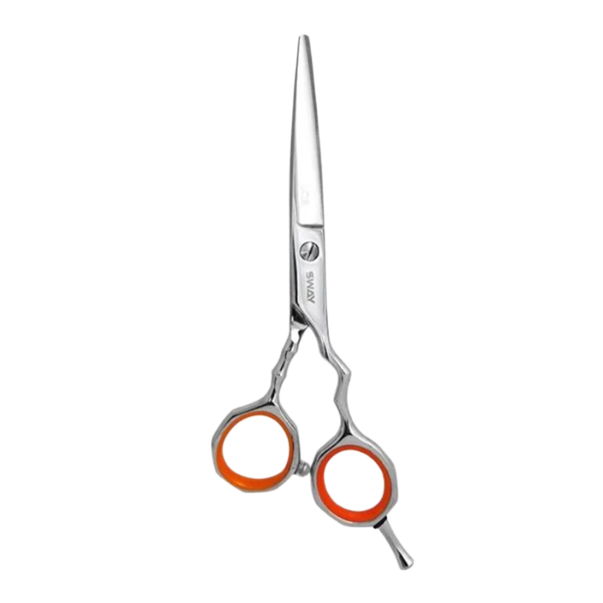
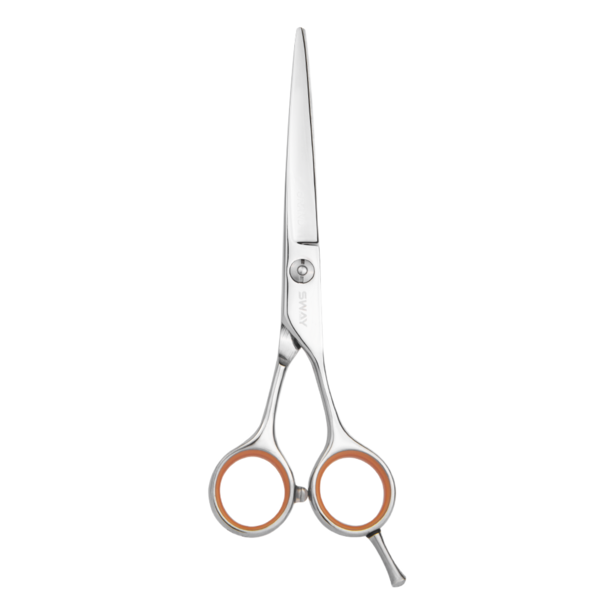
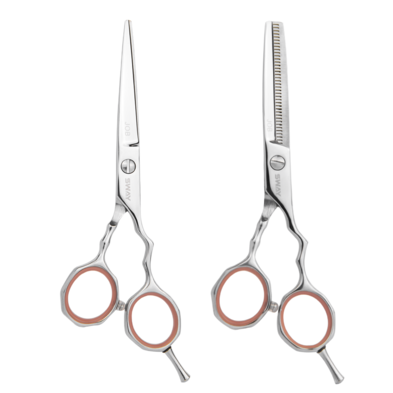
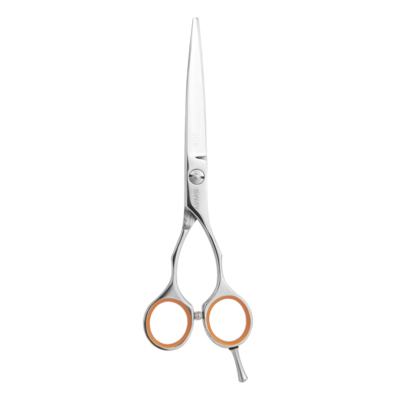
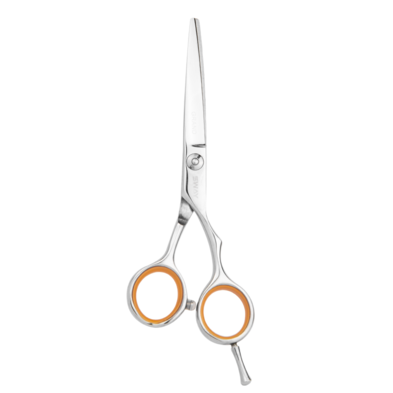
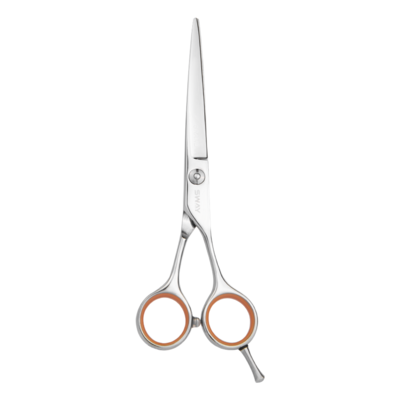
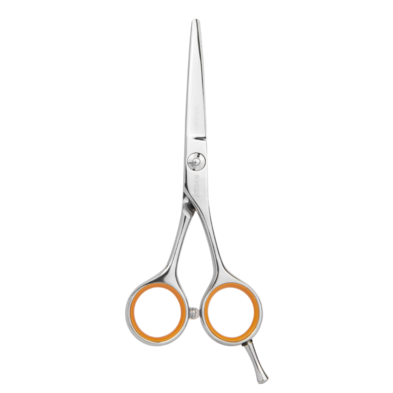
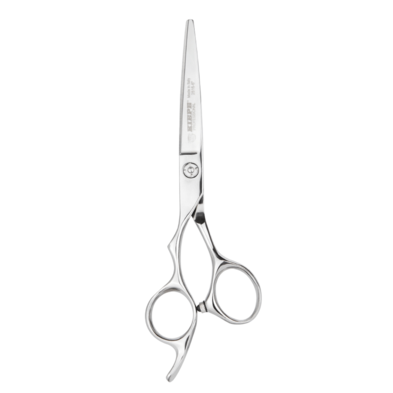
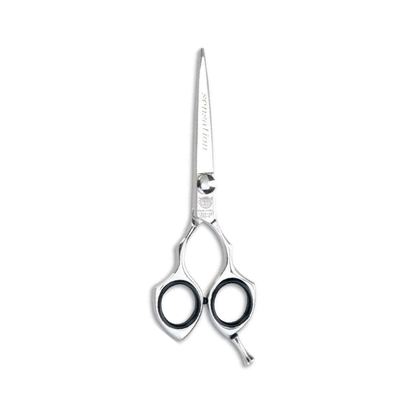
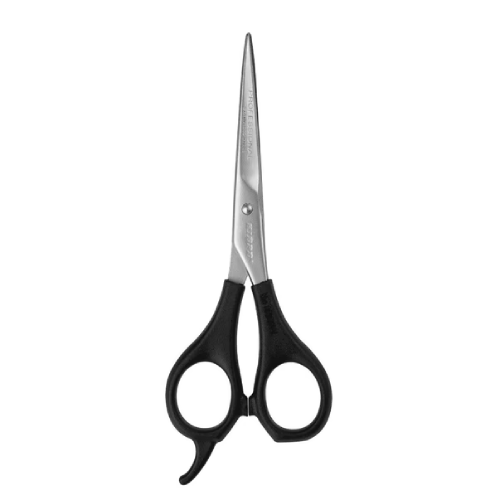
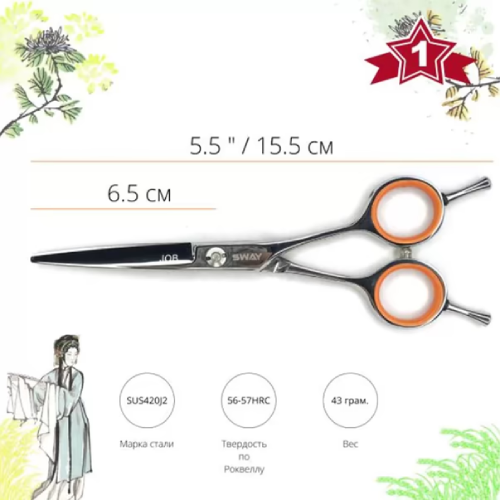
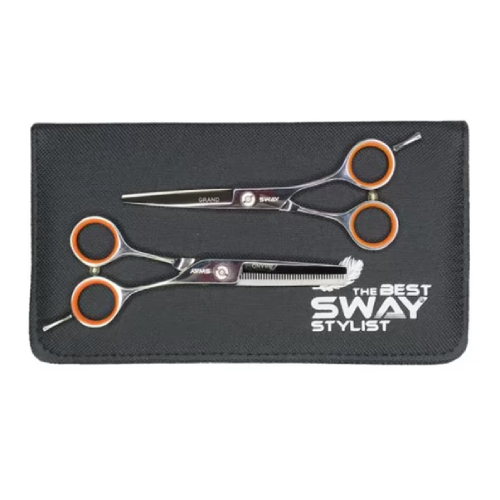
This is the basic tool for classic haircuts. They create a clean, even cut and allow for precise length control. The blade is solid, without teeth, providing professional accuracy and control during cutting. Such hairdressing scissors are ideal for cutting the main bulk of hair.
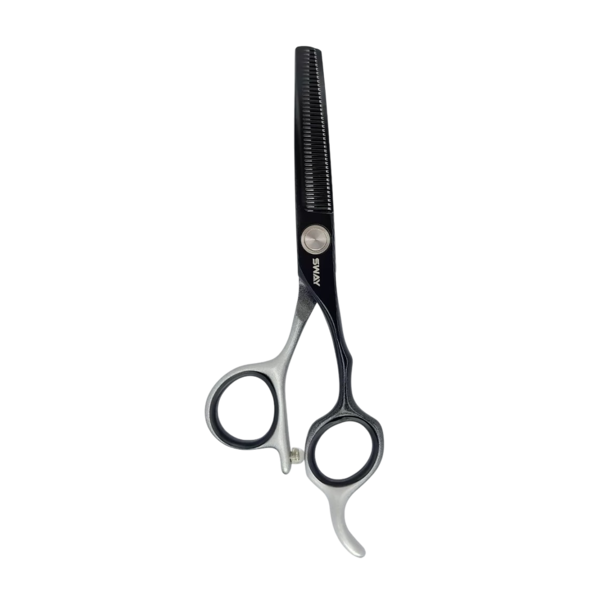
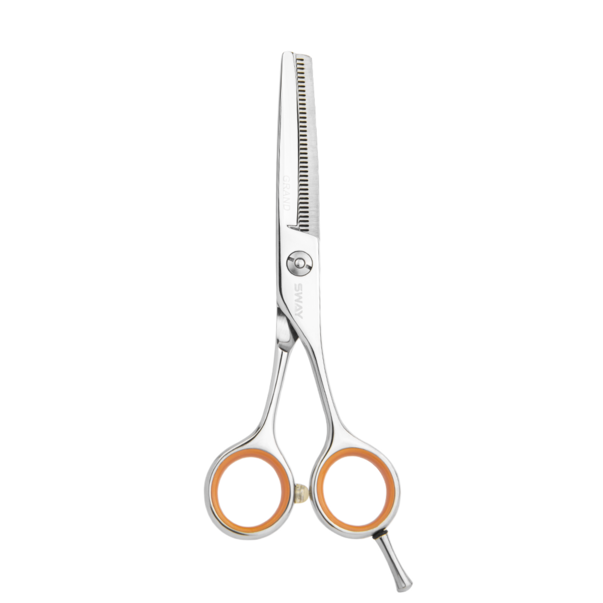
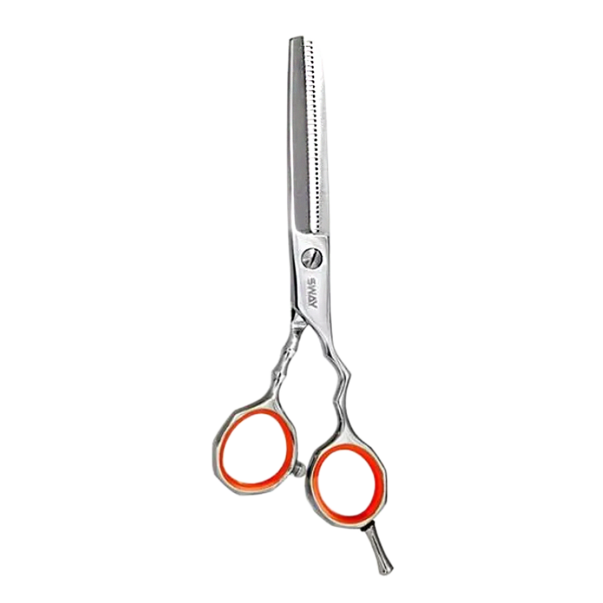
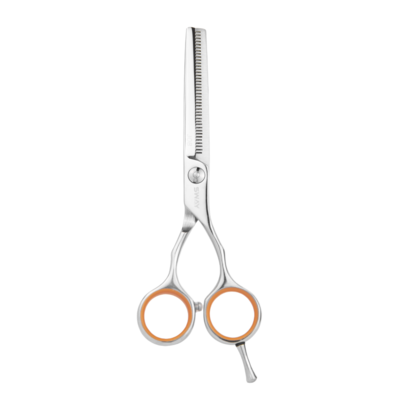
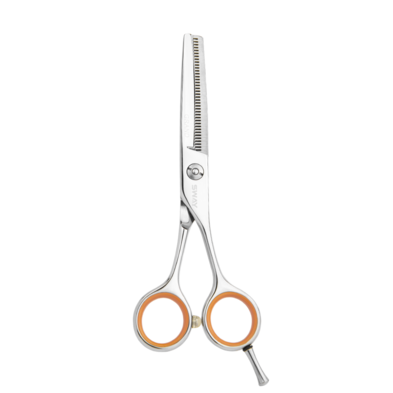
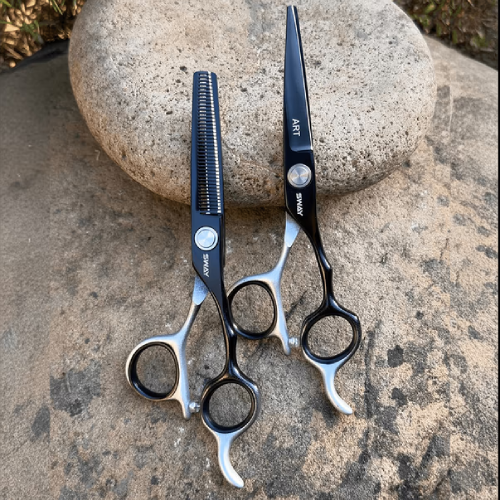
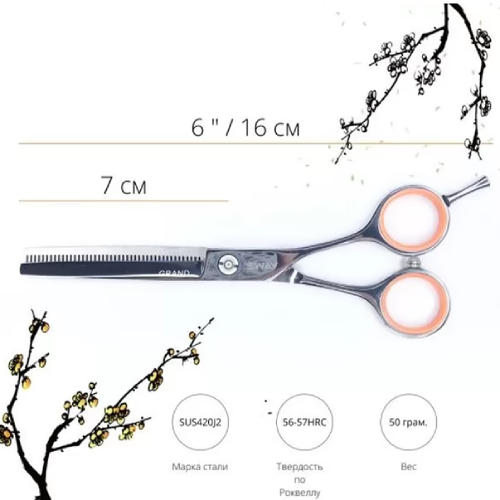
When hair is thick, heavy, or you want to give it lightness and naturalness, hairdressers choose texturizing scissors. They have one blade (or both) with teeth. Depending on the spacing of the teeth, they work differently:
sparse – noticeably reduce volume, create pronounced texture, ideal for "ragged" ends;
frequent – delicately thin out, create a soft transition, well-suited for smooth texturizing and natural gradients.
It is now difficult to imagine creating most modern women's (and many men's) haircuts without texturizing scissors. They are literally lifesavers when you need to remove the "hat" or make hair look livelier without significantly shortening it.
Left-Handed Scissors
For left-handed professionals, there are special models with mirror ergonomics. They maintain weight balance and reduce strain on the wrist, just like standard scissors. Professional hair cutting scissors for left-handed users allow for comfortable work and maintain precision.
Professional Barber Scissors
Barber scissors are often shorter, with micro-serration or serration for securing coarse hair. They are optimal for fades, beard edging, and precision work. Such models offer enhanced control and are suitable for men's haircuts with clear lines.
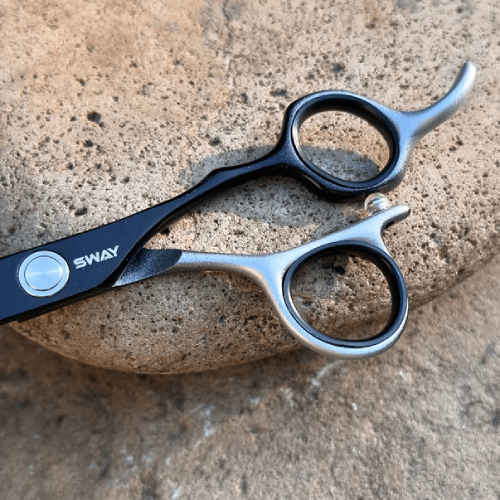
Main Characteristics of Scissors
Knowledge of the types of tools is not enough if you have decided to buy hair cutting scissors. To be completely satisfied with your purchase, you should consider the main characteristics of these hairdressing assistants. Staleks experts have developed a table with the key characteristics.
| Characteristic | What it is in simple terms | Why it is important for work (impact) | Recommendation / optimal choice for most professionals |
Blade Length | The distance from the tip of the blade to the beginning of the handle (measured in inches, 1" ≈ 2.54 cm) | Short – precision and control (beard, edging), long – speed on large volumes | 5.5–6.0" – universal for 80% of hairdressers and barbers |
Type of Steel | Material of the blade (stainless high-alloy, e.g., 440C, VG-10, ATS-314, etc.) | Corrosion resistance, number of sharpenings without loss of sharpness, does not deform | ≥ 440C or Japanese premium steel (VG-10, cobalt) |
Metal Hardness | HRC (Rockwell) rating – the higher, the harder the metal | How long the sharpness lasts; high hardness = fewer sharpenings per year | 58–60 HRC – golden balance (long-lasting sharpness, but not too brittle) |
Type of Sharpening | Shape of the cutting edge: convex, bevel (classic/straight), semi-convex | Smoothness of movement, cleanliness of cut, cuts "like a laser" or a bit rougher | Convex – standard for professional level (smooth movement, precise cut) |
Adjustment Screw | Micro-adjuster (wheel/screw) for setting the tension of the blades | Adjust to your grip and finger strength; prevents "looseness" or too tight movement | Must have micro-adjustment |
Balance and Ergonomics | Location of the center of gravity + shape of the handles (offset, swivel, classic) | Reduces strain on the hand and wrist during long work; comfort without pain | Offset (offset handle) – for daily work; swivel – if there are joint issues |
Handle Material / Coating | Stainless steel, titanium/chrome plating, rubber inserts | Hypoallergenic, resistant to disinfection, does not slip in hand | All-metal with titanium/chrome coating |
Weight and Balance | Total weight (usually 50–100 g) + where the center of gravity is | If the balance is correct – hair cutting scissors "do not feel" in the hand, less fatigue | Lightweight (60–80 g) with balance closer to the fingers – more comfortable |
How to Choose Hair Cutting Scissors
You already know the types and characteristics. Now the main question is: which specific hair cutting scissors should you choose for yourself? What works excellently for a barber with extensive experience may be excessive for a novice or a salon with a high turnover.
Staleks experts have gathered recommendations based on the types of professionals to make it easier to navigate.
For Beginners
If you are just starting to cut hair (courses, first clients at home or in a small salon), there is no need to immediately buy the most expensive premium models – this could be an overpayment.
What to take: straight hair cutting scissors + simple texturizing scissors (with frequent teeth for soft thinning).
Length: 5.5–6.0" – universal, comfortable for learning control.
Steel and Sharpening: 440C or similar, convex sharpening (to ensure a clean cut from the first attempts).
Ergonomics: offset handle – the hand tires less than with a classic symmetrical handle.
Budget: mid-range (not the cheapest, but not top-tier).
Why is this so? Beginners need control and a tool that does not fail on basic haircuts. With such a pair, you will cover 80–90% of tasks, gain experience, and then refine your toolkit.
For Professional Masters
If you already have experience, work every day, and want maximum precision without hand pain after 10+ clients, pay attention to professional models.
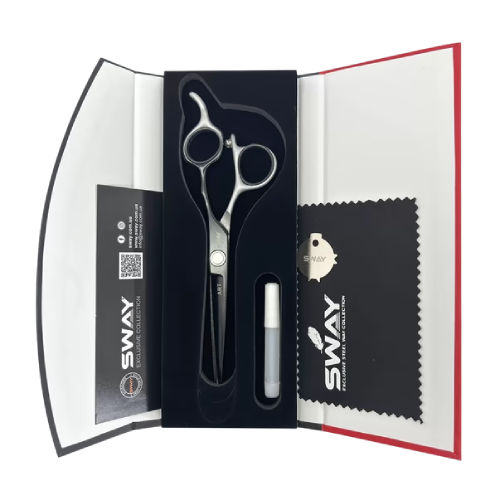
What to take: a complete set – professional straight hair cutting scissors with micro-adjustment screw, texturizing scissors (sparse + frequent teeth), possibly with serration for texture.
Length: 5.5–6.5" depending on specialization (shorter – for precision work, longer – for quickly cutting bulk).
Steel and Sharpening: above 58 HRC, Japanese or cobalt steel, must be convex.
Ergonomics: offset or swivel (if there are frequent wrist issues).
Budget: mid-range+ / premium – a tool that will last 5–10 years with proper care.
Professionals value longevity (how long sharpness lasts) and comfort, as this affects speed and quality of work.
For High-Volume Salons
A large flow of clients (15–25+ per day), the tool is used intensively, often by multiple masters.
What to take: durable professional hair cutting scissors with high steel hardness (59–61 HRC), reinforced mechanism, and easy disinfection (all-metal without plastic inserts).
Length: universal 5.5–6.0" + shorter for edging.
Sharpening: convex, with the possibility of frequent professional sharpening.
Ergonomics: offset, so each master can quickly adjust it to themselves.
Budget: premium or upper mid-range, because cheap ones simply will not withstand the load.
Here, the main focus is on durability and reliability: hairdressing scissors must withstand daily work without quickly dulling or breaking.
For Different Cutting Techniques
If you specialize in different types of haircuts, you should select tools specifically for the technique:
Classic haircuts, edging, length leveling → straight with a smooth blade, 5.5–6.5".
Texturizing, blending, volume reduction → texturizing scissors (sparse teeth for pronounced texture, frequent – for soft transitions).
Men's haircuts, fade, beard → barber scissors shorter (5.0–6.0"), with micro-serration for better fixation of coarse hair.
Long hair, layers, cascades → longer blades (6.0–7.0") for quickly cutting large masses.
Advantages of Professional Scissors
Professional hair cutting scissors provide cutting precision, durability, and comfort in work. They offer a smooth cut without damaging the hair thanks to sharp sharpening. Weight balance and ergonomics reduce strain on the wrist, while professional accuracy increases speed and quality of the haircut. Such scissors can last for years with proper care.
Caring for and Maintaining Scissors
After deciding to buy hair cutting scissors, you should also learn the rules for caring for them. This is necessary to ensure they last for years, cut cleanly, and do not lose sharpness after a few months. Ignoring simple care rules can quickly dull the blades, cause the mechanism to jam, and disrupt the balance from accidental impacts. Let’s break down how to properly clean, lubricate, store, and when to take them for professional sharpening, so your hair cutting scissors are always in perfect condition.
Regular Cleaning
After each client (or at the end of the day if you have cut many), be sure to wipe the blades:
Use a soft dry cloth (preferably microfiber or a special suede for tools) to remove hair, skin, spray, or styling product residues.
If there is heavy contamination – wipe with alcohol (isopropyl 70–90%) or a special disinfectant for hairdressing scissors (do not soak in water!).
Important: hold the blunt side (non-cutting side) of the blade towards your palm to avoid cuts, and never wipe "against the grain" – this can damage the sharpening.
Why is this critical? Residual moisture or products cause corrosion, especially in the screw area, and dirt makes the blade movement not smooth. Clean blades mean sharpness lasts longer.
Lubricating the Mechanism
The screw is the heart of the scissors, and it requires lubrication to avoid jamming and rusting. Here are simple lubrication rules:
Open the hair cutting scissors to 90° (or slightly more).
Drop 1–2 drops of special oil for hairdressing tools (not machine oil or olive oil – they are sticky and attract dust).
Make several openings and closings to distribute the oil.
Wipe off any excess with a dry cloth.
Frequency: 1–2 times a week for daily work or once a day after disinfection. This ensures smooth blade movement, reduces friction, and prolongs the mechanism's lifespan.
Storage
Proper storage is a prevention for 90% of problems.
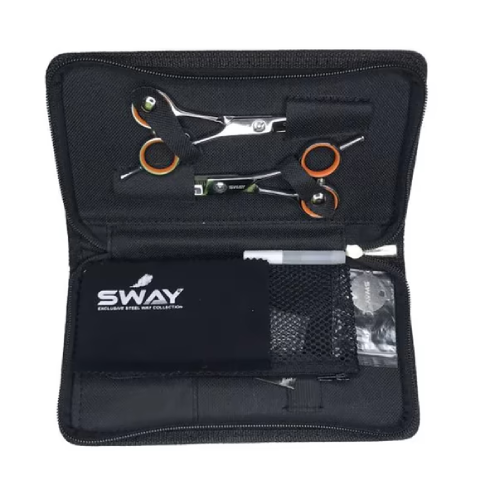
Always keep professional hair cutting scissors in a closed position in a case, on a magnetic stand, or in a special case, so the blades do not hit other tools.
Avoid: throwing them in a common drawer, leaving them open.
Store in a dry, cool place, away from direct sunlight and heating appliances.
Falls or impacts disrupt weight balance and can chip the blade – then sharpening becomes more difficult and expensive.
Professional Sharpening
Even the best hair cutting scissors lose their perfect sharpness over time – this is normal. Therefore, do not neglect professional sharpening.
Signs that it’s time: hair gets "chewed," the cut is uneven, more effort is required, and ends split.
Frequency: for daily work – every 3–6 months; for moderate load – once every 6–12 months.
Only consult a professional sharpening master (do not do it yourself and do not give it to a "universal" sharpener) – they know how to maintain the convex or bevel angle.
With proper sharpening, the tool will last 2–3 times longer than with unprofessional sharpening.
Advantages of Buying from Staleks
Buying hair cutting scissors from Staleks means choosing a certified professional quality tool. Made from stainless high-alloy steel, with perfectly fitted edges and super sharpening. Reliable materials and an all-metal construction facilitate disinfection and ensure durability. Prompt processing and delivery of orders, fair prices, and an individual approach make the purchase simple and pleasant.
Buying hair cutting scissors here means obtaining a tested tool for professional haircuts with a quality guarantee. Visit the catalog and choose your pair right now.
FAQ: Popular Questions About Hair Cutting Scissors
What scissors are best for beginners? For starters, straight professional hair cutting scissors with a length of 5.5–6.0" with an offset handle and a hardness of 58–59 HRC are ideal. They provide control, do not tire the hand, and do not require huge investments. Beginners should not chase the most expensive models – it is better to take a reliable mid-range option that will last 2–3 years without issues.
How do texturizing scissors differ from straight ones? Straight scissors create a clean, even cut and work with length. Texturizing scissors have teeth – they thin out the bulk, reduce volume, add texture, and create soft transitions. It is difficult to perform modern haircuts with smooth blending without texturizing scissors.
Is there a difference between barber scissors and hairdresser scissors? Yes, and it is significant. Barber models are often shorter, with micro-serration for better fixation of coarse hair and beards, focusing on edging and fades. Hairdresser scissors are more universal, more oriented towards women's haircuts and texturizing long hair.
What is the optimal length of scissors? The most comfortable length is 5.5–6.0 inches. It provides a balance between control and cutting speed. Shorter (5.0") – for precision work and beards, longer (6.5"+) – for very long hair or cutting large volumes in one motion.
Is the hardness of the steel important? Very much. A hardness of 58–62 HRC means that the scissors hold their sharpness longer, deform less, and provide a precise cut without hair getting caught. Below 56 HRC – the tool dulls quickly, especially on colored or dry hair.
How to tell if hair cutting scissors need sharpening? Hair starts to get "chewed," the ends look split, the cut is uneven, and the process requires more effort. Another sign is that hair slides over the blade instead of being cut cleanly.
How to care for hair cutting scissors? Wipe the blades with alcohol or a special agent after each client, lubricate the screw 1–2 times a week, and store in a case or on a stand. Never throw them in a drawer and do not disinfect in a dry heat sterilizer without protection – it damages the metal.
Are professional scissors suitable for home use? Yes, and it is highly recommended. Professional models provide much better results than mass-market ones. They do not damage hair, last for years, and the price difference pays off after just 3–4 home haircuts.
Hair cutting scissors Cost on staleks.ua
Name | Price |
| SWAY Hair Cutting Scissors ART Black and Silver 6 | 2 080.00 UAH |
| SWAY Hair Cutting Scissors ART Black and Silver 5.5 | 2 080.00 UAH |
| Sway Art Black and Silver 5.5 Filtering Scissors | 2 190.00 UAH |
| Haircutting scissors KIEPE COIFFEUR SUPER LINE 5.0" | 754.00 UAH |
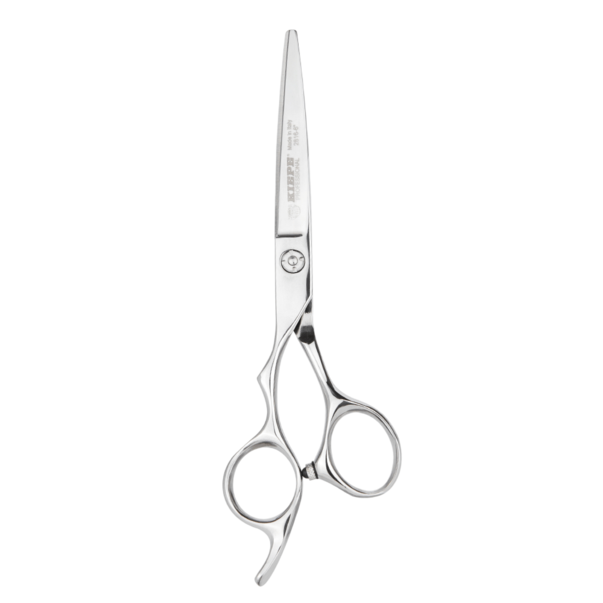
| KIEPE SENSATION 6" Hair Cutting Scissors | 1 355.00 UAH |
Hair cutting scissors - customer reviews