Combs and Brushes










 In stock
 Buy
 In stock Buy
 In stock Buy
 In stock Buy
 TREND In stock Buy
 In stock Buy
 In stock Buy
 In stock Buy
 In stock Buy
 In stock Buy
 In stock Buy
 In stock Buy
 In stock Buy
 In stock Buy
 In stock Buy
 In stock Buy
 In stock Buy
 In stock Buy
 In stock Buy
 In stock Buy
 In stock Buy
 In stock Buy
- 1
- 2
- 3
- 4
- 5
- 11
- Next
Combs and brushes for hair are essential beauty tools without which a hairstyle in the morning looks like it has survived a hurricane, and styling in the evening becomes a torment. A good hairbrush or comb not only detangles strands but does so painlessly, does not tear at the ends, helps distribute styling products evenly, and even provides a gentle scalp massage. They are suitable for everyone: from those who simply want to look well-groomed at home to professionals in salons where every second counts, and clients should not feel discomfort.
In this article, you will learn about the different types of hair brushes, how to choose the right one, what nuances hair professionals pay attention to, and how to extend the lifespan of your comb with proper care.
Types of Combs and Brushes
Today, hair combs and brushes are categorized by purpose, shape, and materials. Staleks experts suggest familiarizing yourself with the main categories that help quickly navigate your choices.
Classification by Purpose
Combs for sectioning strands and parting – with a fine tail or straight teeth.
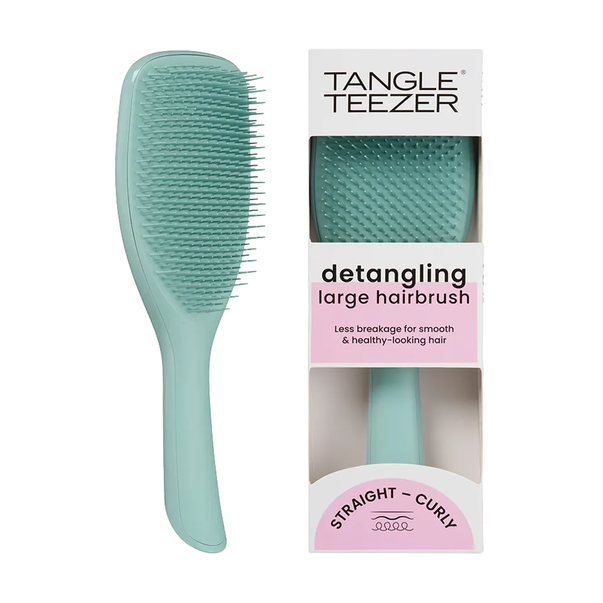
Detangling combs – detanglers with flexible teeth.
Brushes for daily care and scalp massage.
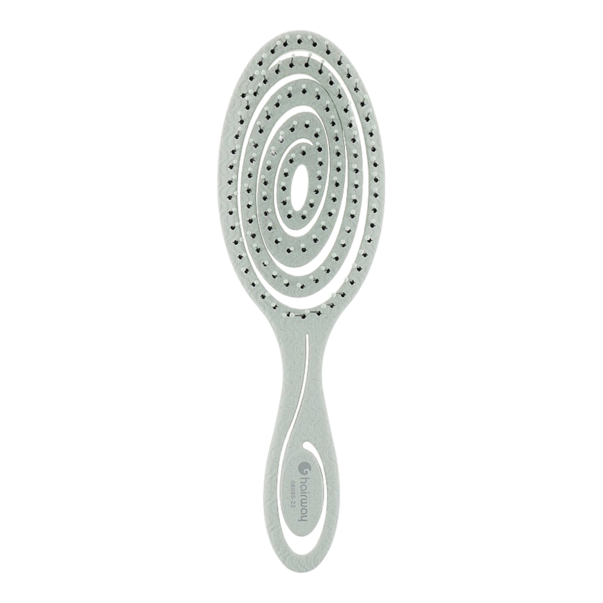
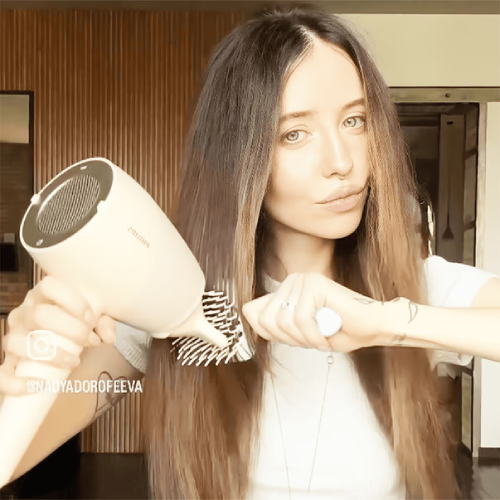
Professional styling combs – with perforation for quick blow-drying.
Universal models with mixed bristles.
Classification by Shape
The shape directly affects convenience and results: it determines how the tool fits in the hand, how it distributes air during drying, and how it interacts with strands. Currently, among hair combs, the following shapes are distinguished:
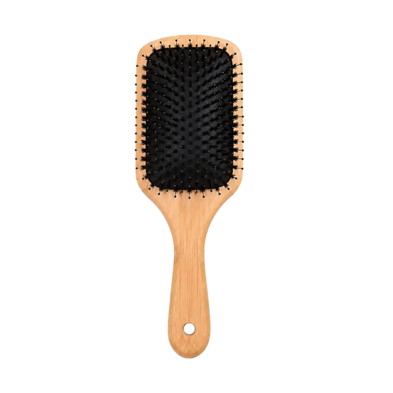
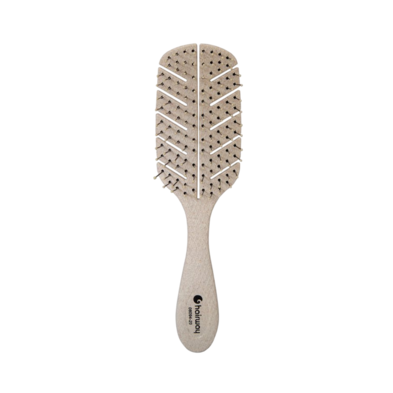
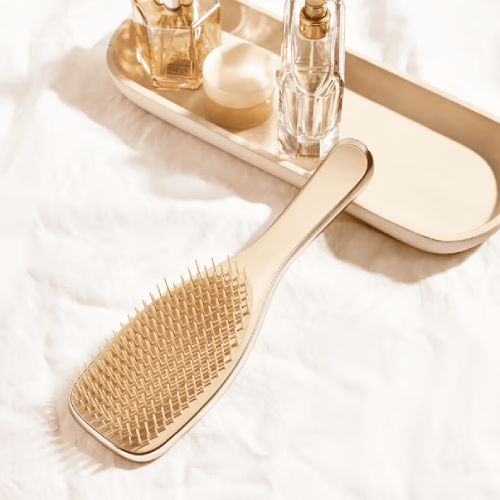
Flat / paddle shapes (wide, rectangular) – for long, thick locks, even detangling, and massage.
Curved / curved (with a curved body) – for example, Janeke Curvy M – ideal for smoothness, shine, and comfortable grip, suitable for all hair types.
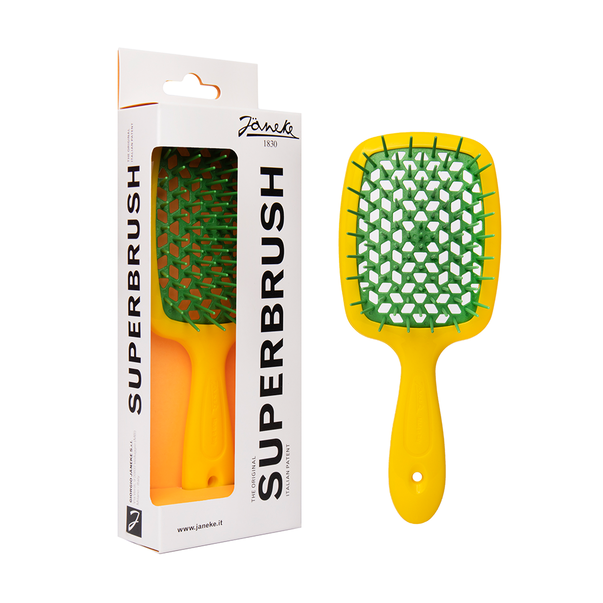
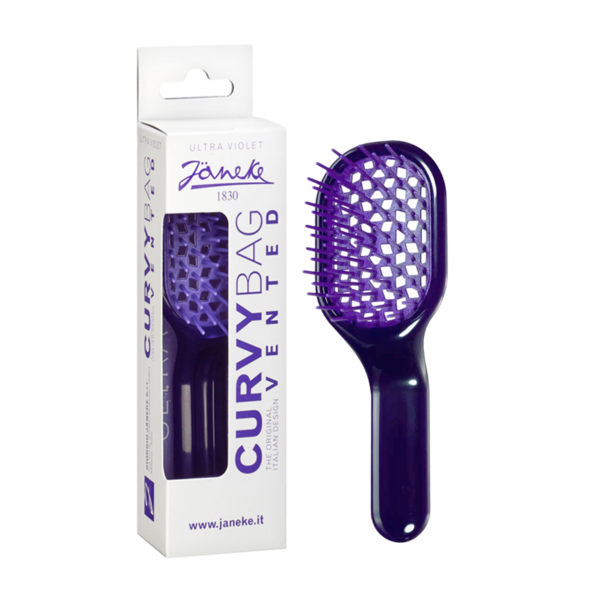
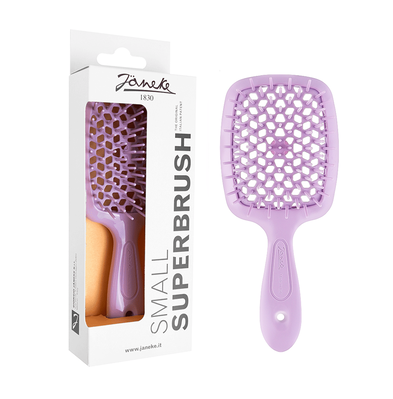
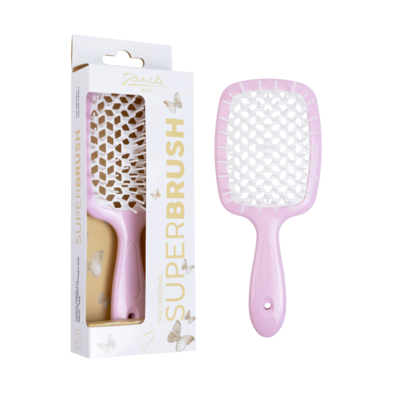
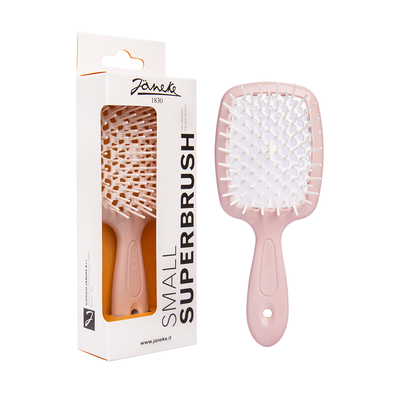
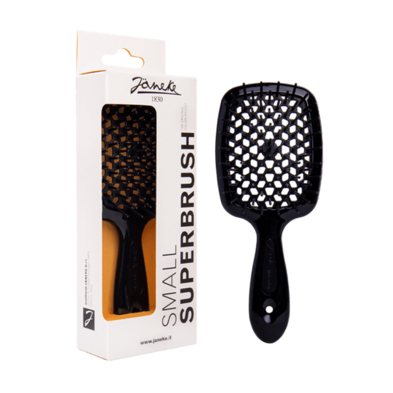
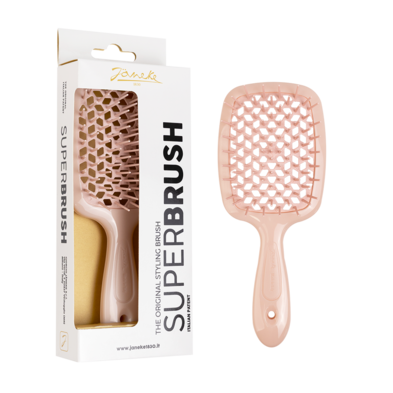
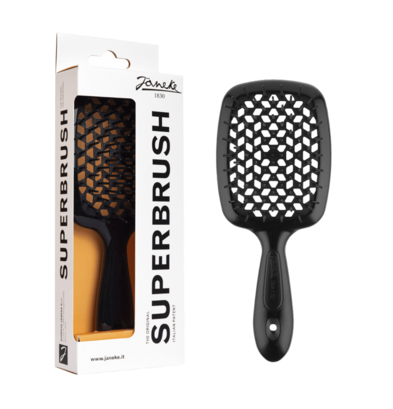
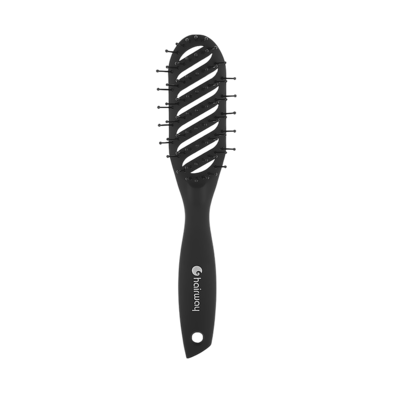
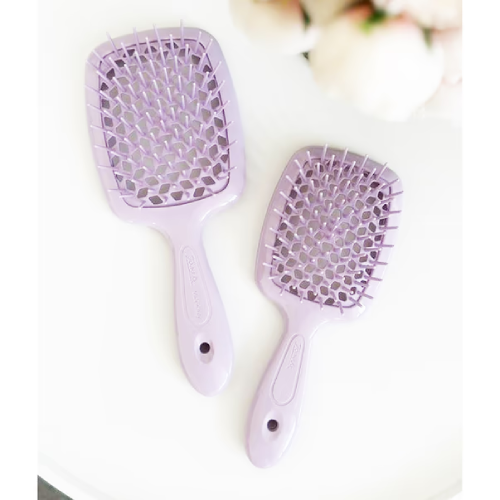
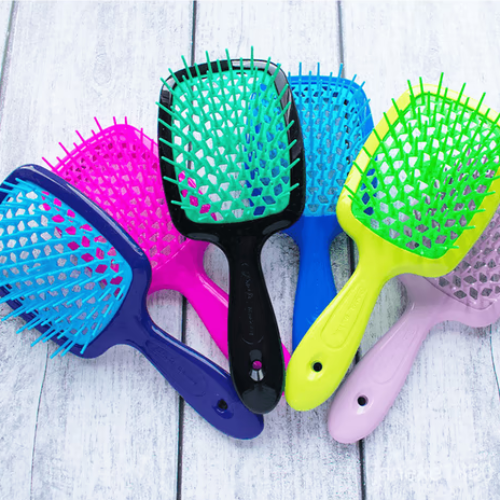
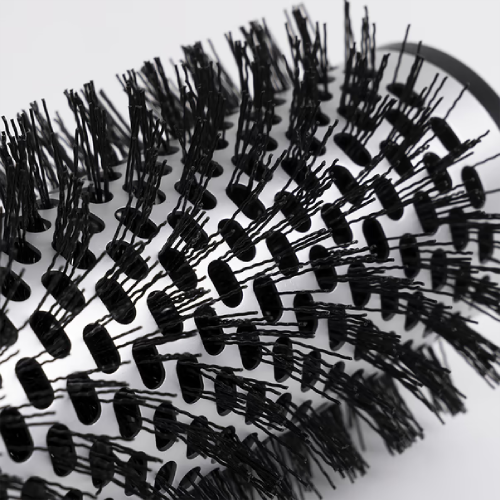
Vented / vented (with perforation holes) – Janeke Superbrush or Curvy Bag Vented – allow air to pass through, speeding up blow-drying, suitable for styling wet strands.
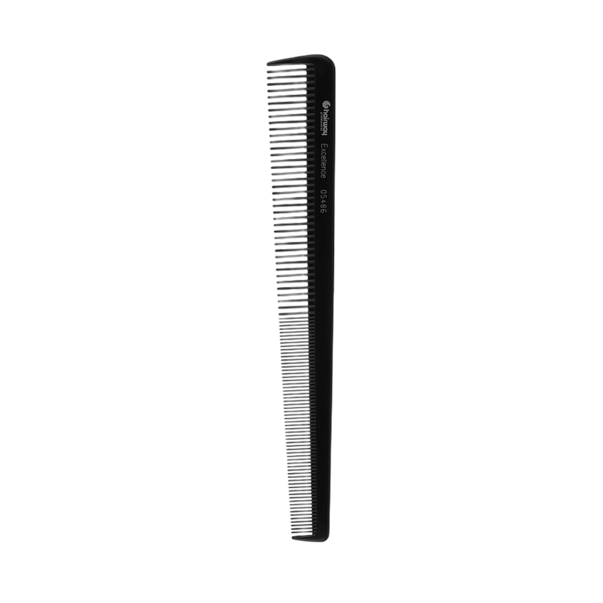
Classic flat combs – straight, without curves, with or without a tail – for precise parting and sectioning.
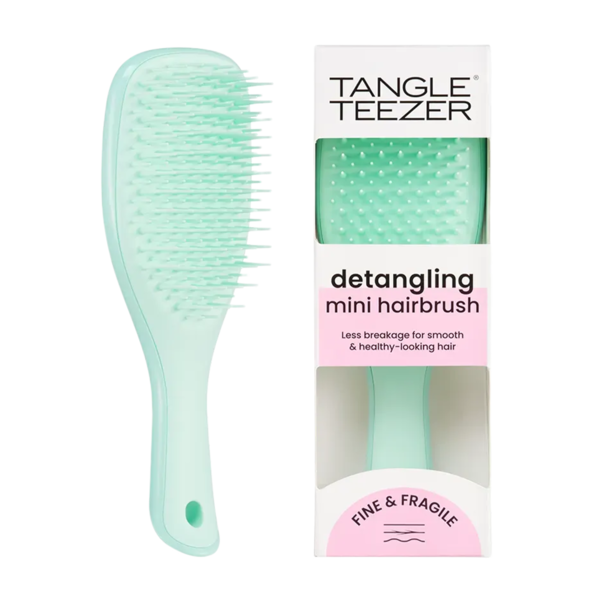
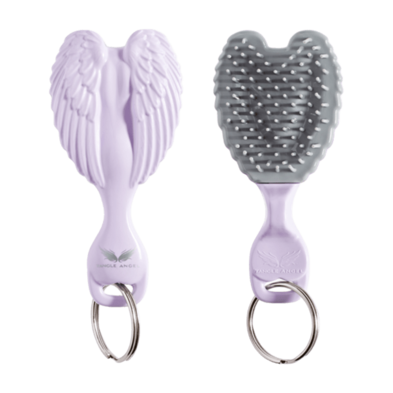
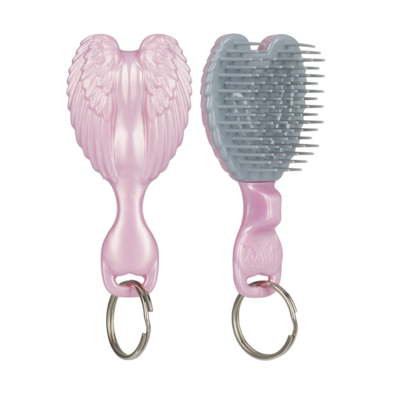
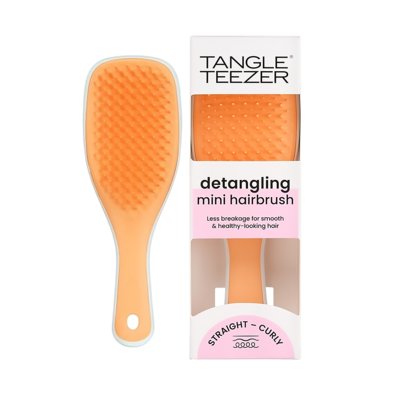
Compact / mini shapes – smaller versions of detanglers or brushes – convenient for travel, children, or short haircuts.
Materials and Their Impact on Results
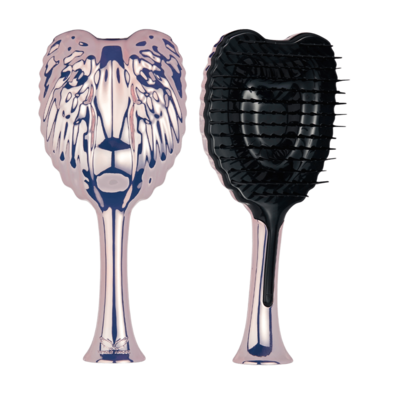
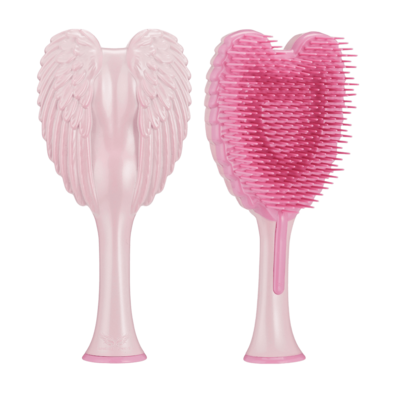
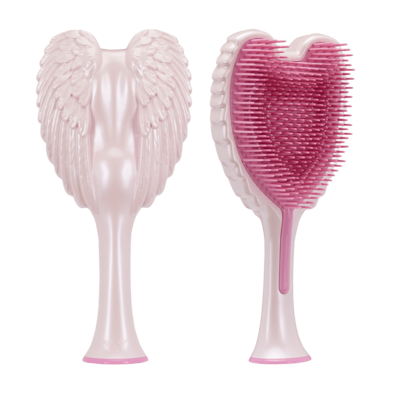
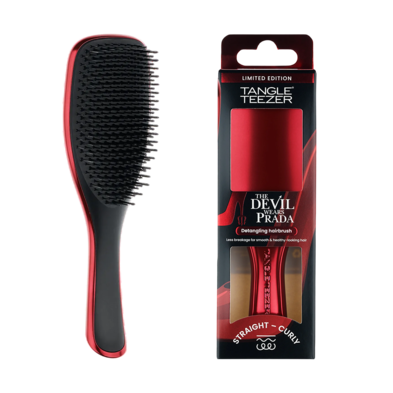
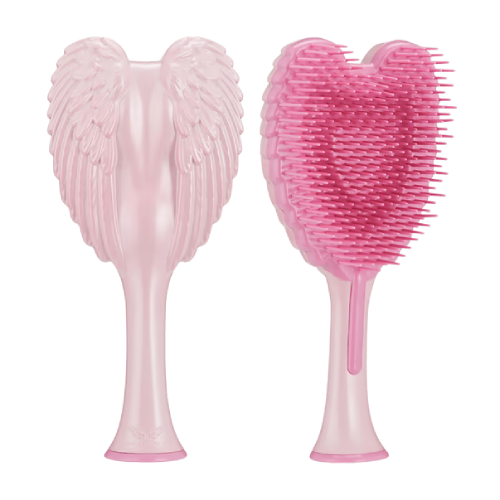
Materials directly influence how the tool interacts with hair: from anti-static effects to durability and gentleness. Most models on staleks.ua are made from high-quality plastic. It is lightweight, anti-static, and durable. For example, the beloved Tangle Teezer brushes are most often made from sturdy plastic (some lines include silicone or rubber for flexible teeth). The famous two-level tooth technology uses soft, flexible plastic or nylon-like materials – they are smooth, do not scratch the cuticle, and allow teeth to easily navigate knots. There are also plant-based options made from 85% castor bean-derived materials – an eco-friendly alternative to regular plastic, but with the same working characteristics.
No less famous, Janeke Superbrush and Curvy M are also primarily made from high-quality plastic or nylon for the body and teeth/bristles. Many models have mixed bristles: nylon (for flexibility and detangling) + natural fibers (for shine and massage). Some Janeke series use carbon fiber – it provides a strong anti-static effect, heat resistance, and lightness, ideal for blow-drying. Perforation in the shape of honeycombs helps air pass freely, preventing strands from drying out.
Comparison of Popular Types of Hair Combs on Staleks
| Type of Tool | Shape / Features | Materials (Main) | Best Suited For |
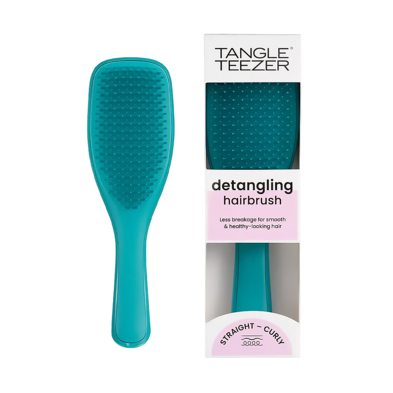
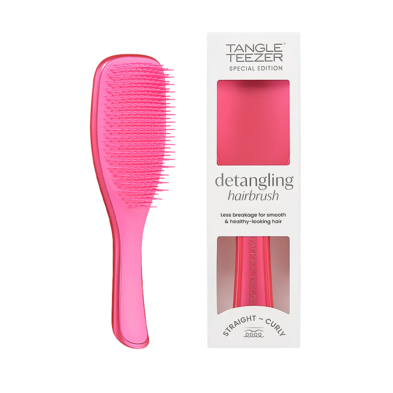
| Detangler Tangle Teezer | Compact ergonomic, two-level teeth | Sturdy plastic / nylon / plant-based | Wet and dry tangled strands |
Janeke Superbrush | Perforated, vented shape | Plastic / nylon / carbon in premium series | Daily styling, volume, massage |
Janeke Curvy M | Curved shape | High-quality plastic / nylon | Smoothness and shine for all types |
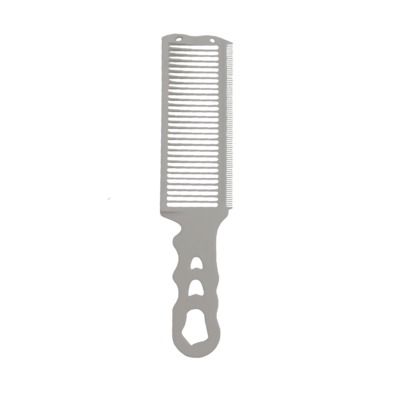
Classic Comb | Flat and straight | Plastic / sometimes carbon | Parting, sectioning strands |
Expert Tips
For fine and colored hair, choose models with the most flexible teeth – they do not catch the cuticle.
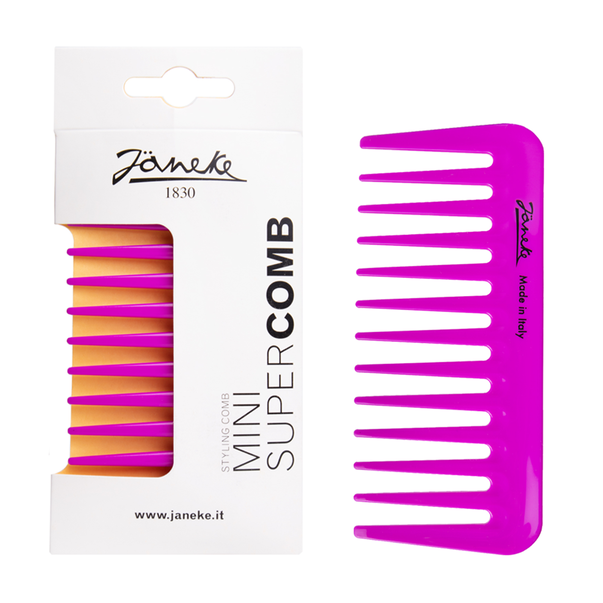
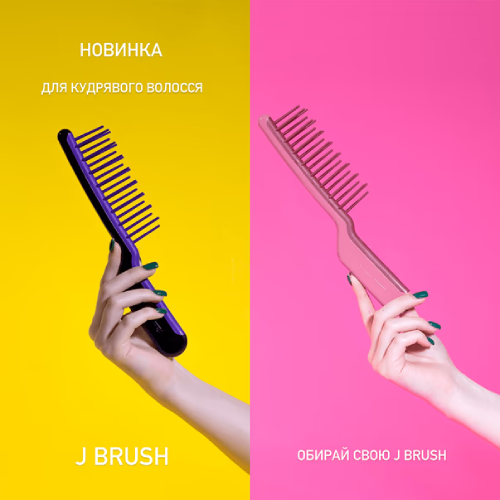
If strands are thick or curly, prefer wide-toothed combs – this reduces the risk of breakage.
Take mini versions of the detangler when traveling – they are compact and always at hand.
To create root volume, use a perforated hairbrush – air passes freely, and drying is faster.
How to Choose a Hair Comb – A Simple Formula
Choosing a tool is not a lottery; it is a clear sequence of steps. Here is a formula that works for most people:
Determine your hair type: straight fine – frequent teeth or natural bristles; thick curly – rare flexible.
Consider the main task: detangling – detangler; blow-drying – brushing or Janeke; parting – hair comb with a tail.
Evaluate the frequency of use: daily – lightweight and ergonomic; rarely – a basic model is sufficient.
Check the material: plastic should be smooth, without burrs, to avoid scratching the scalp.
Common Mistakes When Choosing
Buying the first model you come across without considering your hair type – resulting in strands becoming static or breaking.
Ignoring size: a large hairbrush is inconvenient in a bag or for a short haircut.
Choosing cheap plastic without anti-static coating – hair becomes "dandelion."
Not trying the tool in your hand – if the handle slips, it will be uncomfortable to use.
Expert Tips
Always read reviews based on your type – this saves time and money.
Change your hair comb every 6–12 months with daily use.
If strands are highly static, choose models with ionizing effects or simply anti-static plastic.
Professional Hair Combs for Styling – What Professionals Choose
In salons and barbershops, professionals value combs that work quickly, do not break, do not create static, and fit comfortably in the hand even after 8–12 hours of work. Hairdressers prioritize versatility, speed of blow-drying, and finishing smoothness. Barbers focus on contour precision, clear transitions in fades, polishing short haircuts, and beards.
The main things that are important to professionals:
Anti-static and heat resistance (up to 220–250 °C)
Durability of materials (carbon, ebonite, high-quality plastic, nylon)
Precise geometry of teeth (straight, without burrs)
Ergonomic handle and lightweight
Easy to clean and disinfect
Different teeth on one comb (frequent + rare) for transitions
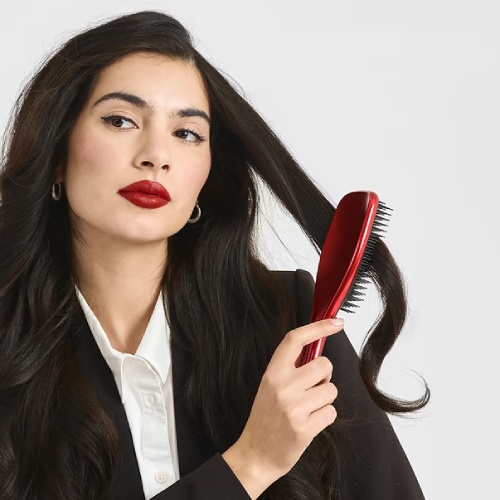
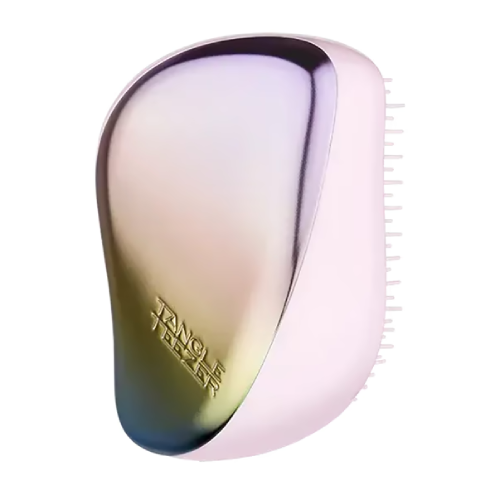
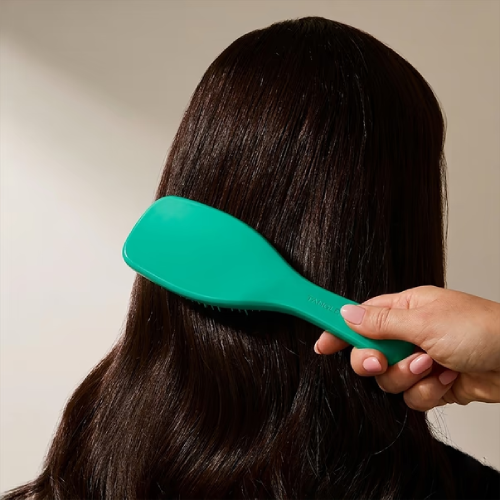
What professionals most often choose for work:
Hairdressers: Janeke Superbrush and Curvy (perforation, mixed bristles – volume and shine in one pass), Tangle Teezer (for detangling wet strands after washing), vented brushes and vented combs (quick drying without over-drying), tail combs (precise parting, coloring, teasing)
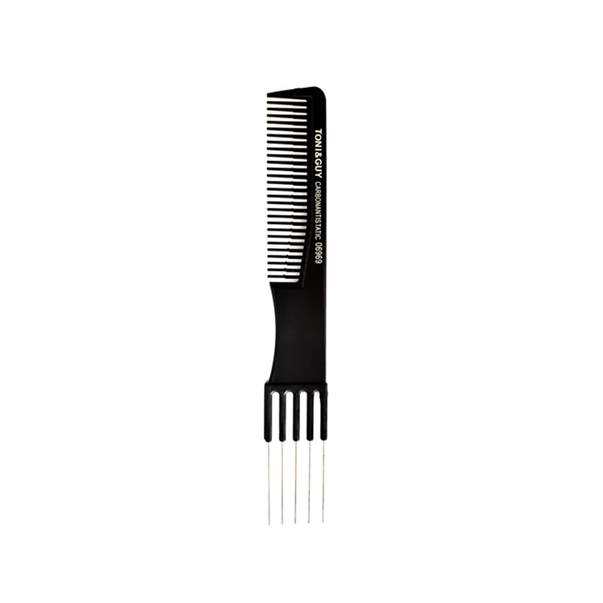
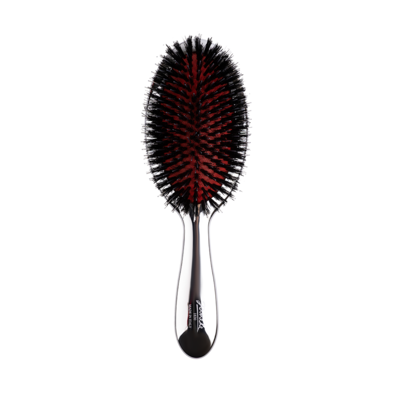
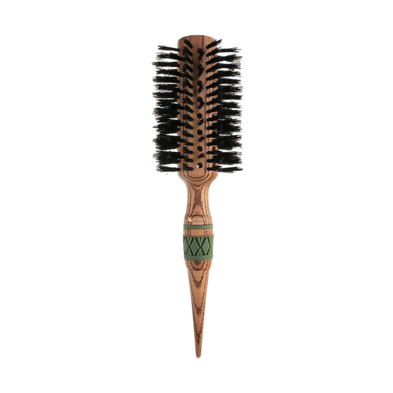
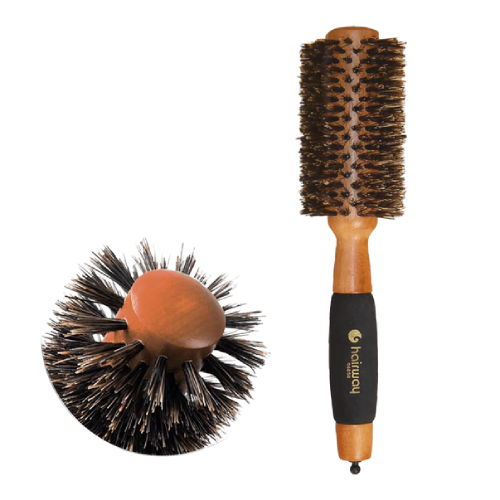
Barbers: carbon / ebonite combs with mixed teeth (ideal for fades and contours), flat hair combs with tails (clear lines, sectioning strands), brushes made of natural bristles (polishing, shine, distributing oil/pomade on beard and short hair), compact anti-static models for final texture styling
As a result, professionals do not take just one "universal" comb but 3–5 different ones for specific tasks – this speeds up work and enhances client comfort. The Staleks online store features such proven models that are actually used in salons and barbershops across Ukraine.
How to Extend the Lifespan of Brushes, Combs, and Hair Combs
Proper care is simple but essential. Here are some straightforward and proven rules that genuinely work and help tools last 2–3 times longer:
Remove hair from teeth and bristles daily. After each use, run your fingers through the bristles, use a comb with wide teeth, or a special cleaning brush. Do not leave accumulated hair – it interferes with proper detangling and collects dust/skin.
Wash the tool 1–2 times a week. Warm water + mild shampoo or baby soap. For plastic and nylon models (Tangle Teezer, Janeke) – submerge completely in water. For wooden hair combs and natural brushes – only use a damp cloth or wipe with alcohol/hydrogen peroxide to avoid swelling the wood.
Thoroughly dry naturally. Never use a hairdryer, radiator, or towel with strong friction. Lay it on a towel with the teeth down or hang it up – this way, water will drain, and the plastic/bristles will not deform.
Disinfect. Wipe the teeth and base with 70% alcohol, chlorhexidine, or a special disinfectant spray for tools. This is essential in a salon, but also useful at home, especially if the comb is used by multiple people.
Do not use on hot strands without heat resistance. If the model is not specified as heat-resistant (for example, many Janeke and Tangle Teezer withstand up to 200+ °C), do not comb strands immediately after using a hot hairdryer or straightener – the teeth may deform.
Change in time. Signs that it is time: teeth bend/catch hairs, bristles fall out, plastic yellows or cracks, the tool does not fit well in the hand. Usually – every 6–12 months with daily use.
Follow these points – and even a cheap comb or hairbrush will last a year and a half, while quality Janeke or Tangle Teezer can easily last 2–3 years. You can buy combs and care products right now at staleks.ua.
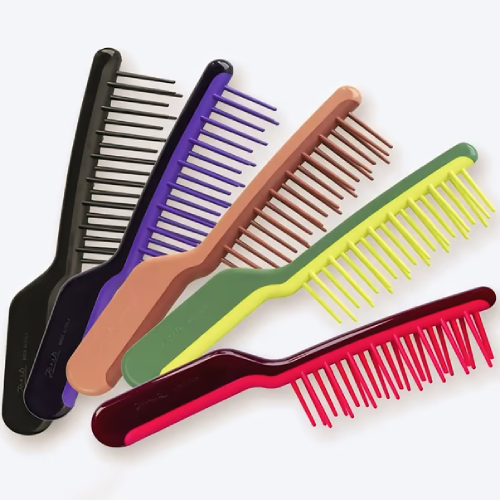
FAQ: Most Common Questions About Brushes, Combs, and Hair Combs
What is the difference between a comb and a hairbrush? A comb is usually a flat tool with rare, thick, and stiff teeth, convenient for sectioning strands, creating partings, or teasing. A hairbrush often implies a brush or a model with more frequent teeth for daily smoothing and massage.
How to choose a comb based on hair type? For fine and straight hair – frequent teeth or natural bristles for shine; for thick and coarse hair – rare flexible teeth; for curly hair – wide rare teeth to avoid destroying the curl; for long hair – a detangler or brush with natural bristles that gently detangles.
What professional hair combs do hairdressers use? Professionals prefer heat-resistant anti-static models made of carbon, ebonite, or durable plastic: tail combs for precise parting, combs with long teeth for cutting and sectioning, brushes for blow-drying, and detanglers for untangling.
Can one comb be used for all hair types? Yes, but it is not optimal – a universal model (for example, a flexible detangler) can handle most tasks, but for better results and minimal damage, it is better to have 2–3 tools for different types and purposes.
How to properly care for a hair comb and brush? Remove hair daily, wash once a week with warm water and shampoo or soap (plastic – fully, wood – wipe with alcohol or hydrogen peroxide), disinfect with alcohol if necessary, dry naturally, and store in a dry place away from cosmetics.
Combs and hairbrushes Cost on staleks.ua
Name | Price |
| Tangle Teezer The Complete Carebrush™ Satin Rose Hairbrush | 1 240.00 UAH |
| Tangle Teezer The Complete Carebrush™ Curly to Coily Velvet Purple Hairbrush | 1 240.00 UAH |
| Large black hair comb | 53.00 UAH |
| Hair comb small gray | 26.00 UAH |
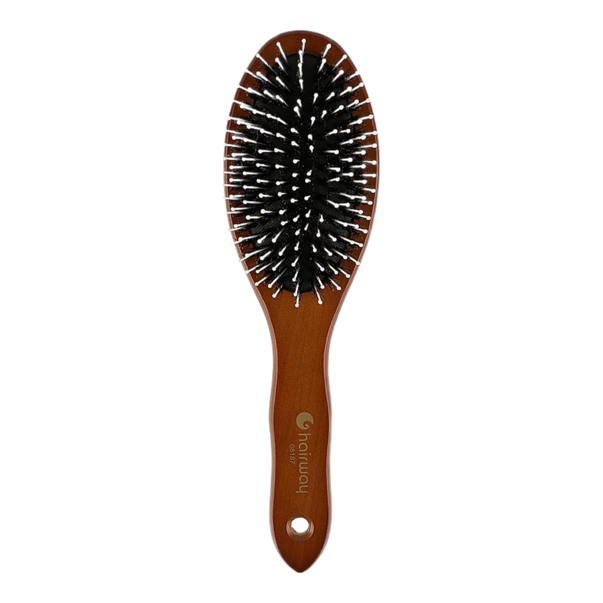
| Wooden hair comb with natural bristles, oval | 210.00 UAH |
Combs and Brushes - customer reviews