Serums and fluids for hair












 In stock
 Buy
 TREND In stock Buy
 In stock Buy
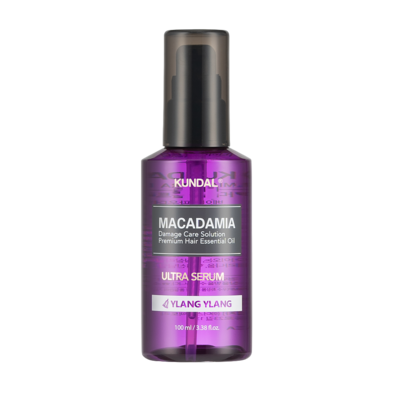 In stock Buy
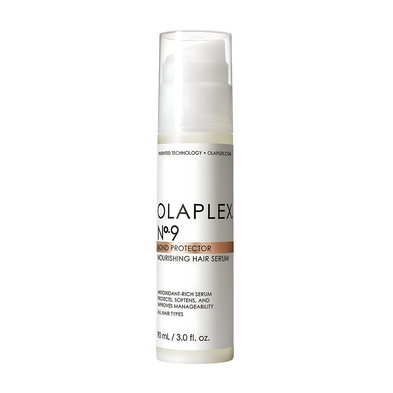 In stock Buy
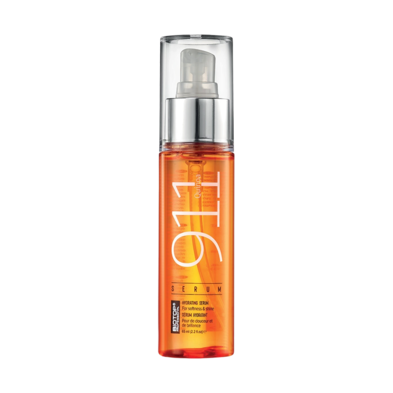 In stock Buy
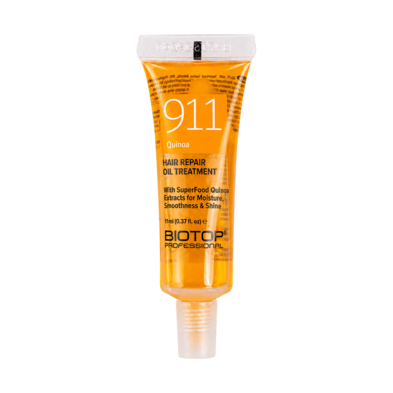 In stock Buy
 In stock Buy
 In stock Buy
 In stock Buy
 In stock Buy
 TREND In stock Buy
 In stock Buy
 TREND In stock Buy
 In stock Buy
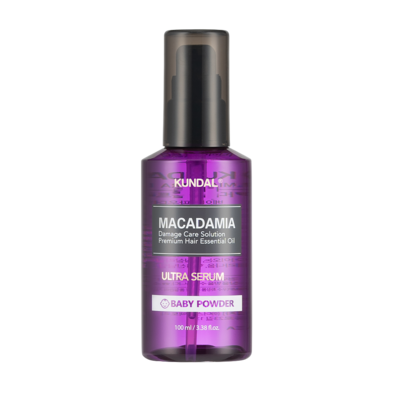 In stock Buy
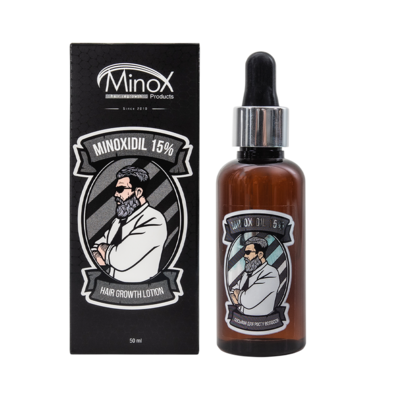 In stock Buy
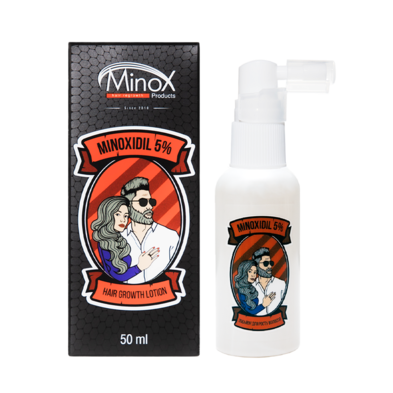 In stock Buy
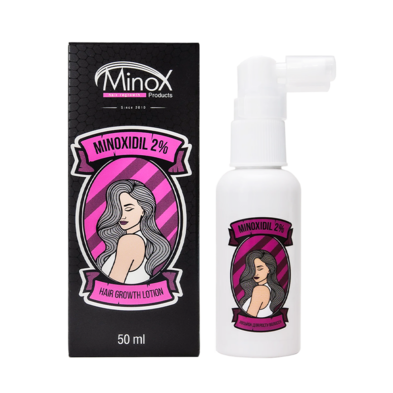 In stock Buy
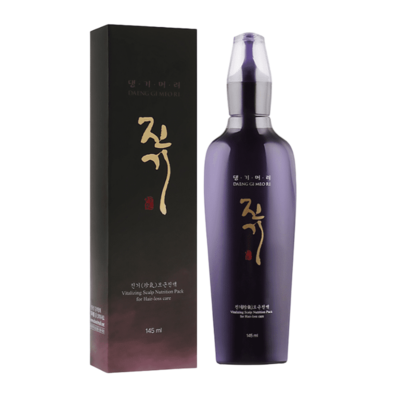 In stock Buy
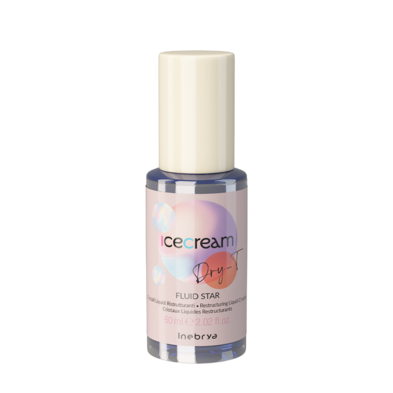 In stock Buy
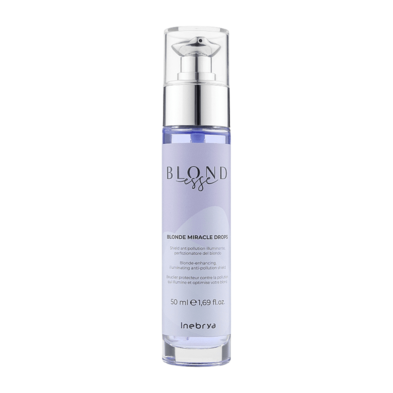 In stock Buy
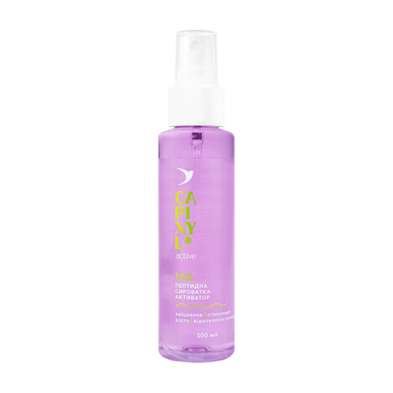 In stock Buy
- 1
- 2
- Next
A hair fluid and serum are leave-in products with a high concentration of beneficial substances in one bottle. They make strands smooth, shiny, less frizzy, and protected from blow dryers/irons/stylers. They are suitable for almost everyone – both those who wash their hair daily at home and professionals in salons.
They do not replace shampoo and conditioner but complement their effects. They have a liquid or gel-like texture. They work well with split ends and restore the structure of curls. In this article, we will clearly outline the differences, when to use each, and how to avoid ruining everything with incorrect application.
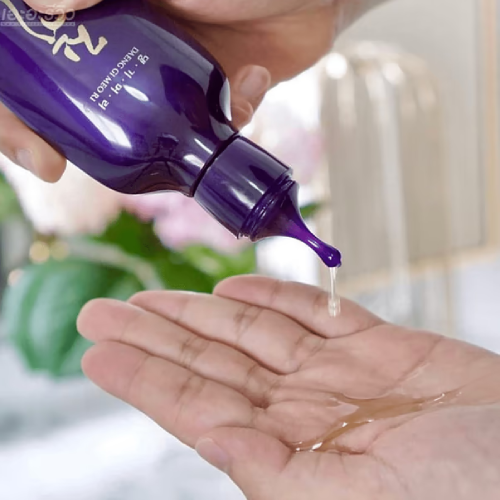
What is the difference between serum and fluid
Many believe that hair serum and fluid are almost the same, just different names. In reality, the difference is quite significant. Choosing the wrong product can result in either greasy and heavy curls or no effect at all. Let’s break it down step by step so you can immediately understand what you need right now.
Concentration of active components
Hair serum is a cosmetic product with a very high concentration of active components, usually 2–3 times more than in conditioner or even a mask. Therefore, it penetrates deeply into the strands: filling damaged areas, strengthening from within, literally "repairing" the structure.
Fluid, on the other hand, acts more gently – with a lower concentration, it absorbs very quickly and does not leave a film-like feeling. The effect is noticeable but not as "wow"-strong as with serum.
Texture and lightness of the formula
Serum is often thick, slippery, sometimes with a slight oily finish. After application, the curls seem to be wrapped in a thin protective layer – shiny, smooth, and less frizzy. However, due to this film, fine strands may "lie flat" and lose volume.
Hair fluid is almost like water or a very light lotion. It absorbs instantly, does not weigh anything down, and the roots remain clean. It is ideal for those who fear a "greasy" effect.
For the scalp or for the length
Serum is usually applied along the length, especially on the ends – where the most damage occurs. It is rarely applied to the roots, unless it is a special serum for hair growth or against hair loss (and even then, carefully, to avoid clogging pores).
Fluid is much more democratic – it can be easily distributed throughout all strands, including the scalp. Some products are even specifically made for the roots to refresh them a bit and prevent strands from getting greasy quickly.
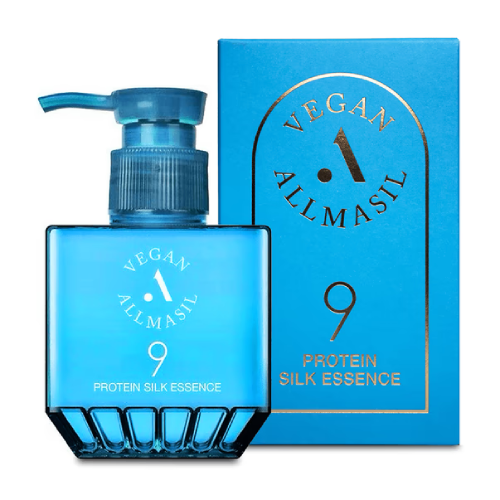
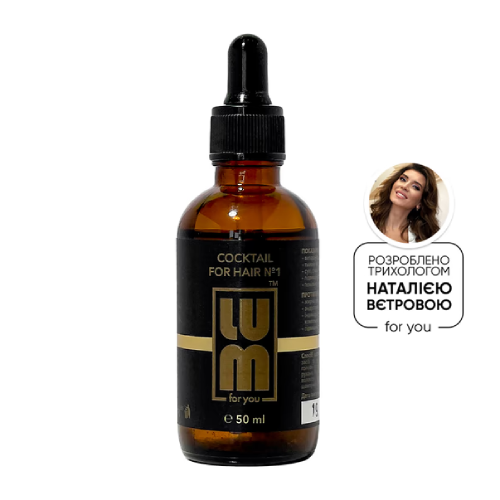
When to choose each format
You should buy a hair serum if:
your curls are very dry, with problematic ends, brittle after dyeing or bleaching
you frequently use hot tools
you want maximum shine, anti-frizz, and a "salon treatment" effect from the very first use
Fluid will become your favorite if:
your strands are fine and get dirty quickly at the roots
you need daily light care without a greasy feeling
you simply want to ease detangling, add a bit of shine, and not overload the strands

Serums by purpose
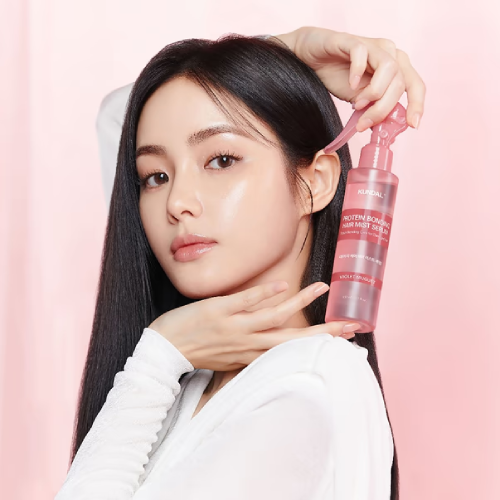
Many think that all hair serums do roughly the same thing – add shine and provide some moisture. But in reality, their formulas are developed for specific tasks: some want their strands to grow faster, some are saving their hair from severe loss, and some simply dream of mirror-like shine without frizz. Staleks experts have reviewed the main types – what really works, which ingredients are most common, and when the effect is truly noticeable.
For hair growth
A hair growth serum aims to "wake up" dormant follicles and extend the active growth phase (anagen). Most often, the composition includes peptides (for example, copper peptides, biotinoyl tripeptide-1, acetyl tetrapeptide-3) – they act as signaling molecules, stimulate follicle cells, improve blood circulation, and can provide a +20% density increase after several months of regular use (according to clinical studies with copper peptides).
Plant extracts are also added – rosemary, centella asiatica, caffeine, redensyl, or procapil. They work more gently but provide good results in combination.
Night hair serum particularly excels here: apply it in the evening – and while you sleep, the active ingredients work for a long time without being washed out with shampoo. Many women report that the night version provides noticeable thickening within just 6–8 weeks.
Against hair loss
A hair serum against hair loss primarily aims to stop excessive shedding, not just accelerate growth. It improves root nutrition, reduces inflammation, and normalizes the cycle.
Key ingredients include peptides, niacinamide (which blocks certain pathways related to shedding and improves microcirculation), caffeine, and plant extracts (rosemary, ginseng, centella). Niacinamide is particularly well-studied – it helps prevent premature entry into the resting phase (telogen).
If the shedding is diffuse or related to stress/deficiencies, such serums often provide a 20% reduction in loss over 2–3 months, but only with daily application.
For strengthening roots
Here, the focus is specifically on the roots – to help hair hold stronger and reduce loss from mechanical impact (combing, ponytails, etc.).
Most often, niacinamide + peptides are used (they stimulate collagen and elastin synthesis around the follicle). Sometimes biotin, amino acids, or extracts that improve nutrition are added.
The result is that strands become more elastic at the root, break less, and appear thicker. This is not about "new growth in a week," but about keeping what is already there on your head longer.
For shine
A leave-in hair serum for shine is a classic finishing product. It does not deeply treat but makes strands mirror-like in literally a minute.
Most often, the composition includes oil complexes (argan, jojoba, camellia, squalane) + silicones (dimethicone, cyclopentasiloxane, etc.). Oils nourish and add natural shine, while silicones create a light film that reflects light and makes the surface perfectly smooth.
If you want a natural option – look for products without silicones but with a high amount of oils and vitamin E. The effect is instant but temporary – it washes out after 1–2 washes.
For ends
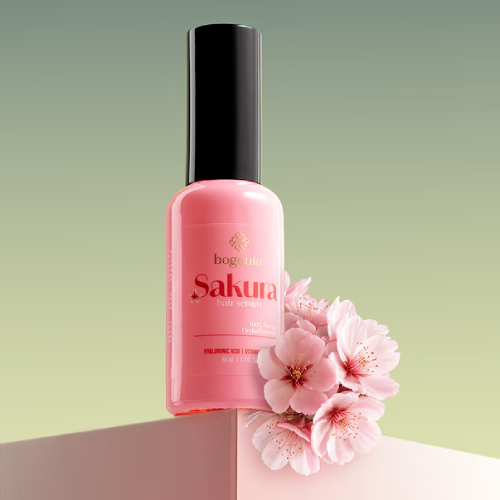
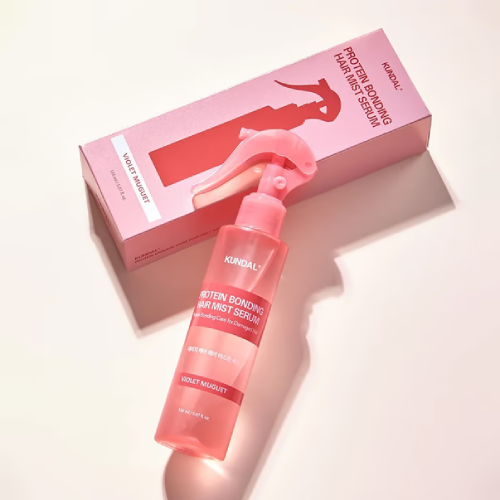
A hair ends serum is a true savior for split and dry hairs. It does not "glue" them forever but temporarily fills damaged areas and makes them smooth.
The most effective ingredients are keratin (or keratin peptides), peptides (which penetrate and fill voids in the structure), silicones, and oils. Keratin literally "integrates" into the damaged shaft, making it stronger and less brittle.
It should be applied directly to dry ends – and the curls will look well-groomed, less likely to snag on clothing. It is perfect for those who are growing out their length and do not want to trim the ends every 2 months.
For smoothing
A hair serum against frizz and for smoothing is about controlling frizz in any weather. It makes the cuticle smooth so that strands do not absorb moisture from the air.
Key ingredients include silicones (which create a barrier), oil complexes (argan, shea, sunflower), vitamin E, and sometimes polymers or special smoothing agents.
The result is obedient, straight hair without chaos on your head even in the rain. It works very well on curly and porous hair if you do not want to use heavy oils.
For moisturizing
A moisturizing hair serum specifically combats dehydration (when the shaft loses moisture, becomes stiff, dull, and breaks). Unlike nourishing or restorative serums (with a high amount of proteins), moisturizing serums focus on retaining water inside the strands thanks to humectants (hyaluronic acid, glycerin, panthenol). They are often lighter, do not leave a greasy film, and work well on fine/normal types that quickly become dry but do not want heaviness.
If your curls are indeed dry and stiff to the touch (not greasy at the roots), then a moisturizing hair serum is where you should start. It is often combined with a light fluid for daily protection.
Fluids by purpose
Hair fluid is often positioned as a "lighter alternative" to serums. However, these products perform very specific tasks: they protect from heat, combat brittleness, keep frizz under control, and ease detangling. Here are the main areas for which they are specifically made.
For thermal protection
Here, fluid works as an invisible shield against the blow dryer, straightener, or curling iron. It creates a thin protective film on the surface of the hair (most often thanks to silicones like dimethicone or cyclopentasiloxane), which slows down the transfer of heat to the inner part of the shaft.
Many modern fluids withstand temperatures of 230–232°C (some even claim up to 450 °F ≈ 232 °C thanks to special oil components like squalane or avocado oil with a high smoke point).
This is especially useful for daily styling – apply it to damp strands before drying, and the curls lose less water and proteins. The effect is less damage to the cuticle and less brittleness over time.
Against brittleness
The light formula of the fluid helps prevent brittleness along the entire length because it does not weigh down and distributes evenly. It often contains moisturizers (panthenol, glycerin) + light oils or silicones that smooth the cuticle and reduce mechanical friction during combing or sleeping.
This is not deep restoration (like in heavy masks) but daily prevention: hair becomes more elastic, breaks less at the ends and along the length, especially if you frequently use hot tools or comb wet strands.
Anti-frizz effect
Fluid is one of the best products against frizz in high humidity conditions. It creates a barrier that prevents moisture from the air from penetrating porous hair (thanks to silicones and polymers). Many fluids work like a "raincoat" for strands: water simply beads off, and the hairstyle lasts longer. Apply it to dry curls as a finishing spray – and even in rain or humid weather, the curls remain smooth, without chaos on your head.
It is especially good for curly, wavy, or porous types – frizz is controlled without heavy oils.
For easy detangling
Thanks to the smoothness and elasticity provided by the fluid, hair stops snagging on the comb, brush, or even fingers. The light texture adds slip, reduces static electricity, and makes strands more manageable. This is especially noticeable on dry or tangled curls after washing.
Apply it to damp hair – and detangling becomes almost painless, with less breakage and pulled-out strands.
Fluids are daily "helpers" for protection, control, and comfort. They do not deeply treat damaged hair (for that, serums or masks are better), but they make styling life much easier and safer.

Serums and fluids by hair type
Everyone's hair is different, and what works perfectly on dry hair may weigh down fine hair or make curls even frizzier. Therefore, before buying a hair serum or fluid, it is worth considering the specific type of strands. Here is a comparative table from Staleks experts, which contains recommendations specifically for different types.
Hair Type | Recommended Format | Key Ingredients and Focus | Application and Usage Features | Typical Visible Result (with regular use) |
For dry hair | Moisturizing hair serum (or light fluid if you don’t want heaviness) | Hyaluronic acid, panthenol, glycerin, aloe vera, light oils (jojoba, argan) | On damp or dry hair, focusing on length and ends; 2–4 drops or 1–2 sprays | Hair feels soft, elastic, less frizzy; looks "filled" with moisture after just 1–2 uses, long-term – less dryness and brittleness |
For colored hair | Leave-in hair serum with color protection (can be combined with a light fluid) | Antioxidants (vitamin E), UV filters, keratin, purple pigments (for blondes), special polymers | After washing, apply to the length; daily or every other day to maintain color | Color appears brighter and lasts longer, less washout, stronger shine, less dryness from coloring |
For fine hair | Light fluid (serum – only minimally on ends) | Light water base, light silicones, biotin, glycerin; avoid heavy oils | On dry strands as a finish; 1–2 sprays along the length, do not overdo it | Shine and smoothness without loss of volume; hair looks well-groomed, does not stick, roots remain clean |
For damaged hair | Restorative daytime or night hair serum (fluid – for daily maintenance) | Keratin, peptides, ceramides, bonding agents, linoleic acid | Daily or every other day on dry/damp hair; focus on damaged areas; apply night serum before bed | Brittleness decreases, ends look filled, curls are stronger, shinier; effect accumulates over 2–4 weeks |
For curly hair | Hair fluid (or light serum for intense hydration) | Hyaluronic acid, glycerin, squalane, light shea oil, aloe; anti-frizz agents | On damp strands after washing, using the scrunch method; refresh throughout the day | Frizz is controlled, curls are more defined and softer, less frizz in humid weather, natural shine without heaviness |
How to properly use serums and fluids
Many buy a cool serum or fluid, apply it blindly, and then complain that "nothing works" or "the hair became greasy." In reality, 80% of success is in the application technique, the amount, and the timing of when you do it. Here is a step-by-step breakdown of how to get the most out of these products without typical mistakes.
On damp or dry hair?
Fluid – it is best applied to damp hair (after washing, when the curls are still slightly damp but not dripping). This is when it distributes evenly, penetrates deeper, and provides the best protection from thermal exposure during blow-drying. If the hair is already dry – it can also be applied, but the effect will be more finishing (shine + anti-frizz).
Hair serum – depends on the goal. If you want deep restoration and hydration – apply to damp strands after washing. If you need maximum shine, anti-frizz, and "sealing" – apply to dry hair as a finishing product.
Most women combine: fluid on damp hair + serum on dry hair.
Is rinsing necessary?
Absolutely not. These are leave-in hair serums and fluids – they work precisely because they remain on the strands. If you rinse them out, all effects (protection, shine, frizz control) will disappear. The only exception is if you overapplied the product and the strands look greasy. In that case, just wash your hair next time.
How much product to apply?
The most common mistake is applying too much.
Serum – 2–4 drops (for shoulder/blade-length hair). If long – a maximum of 5–6 drops. Rub in your palms to distribute evenly.
Fluid – 1–3 sprays (or 2–4 drops if using a pump dispenser). For short or fine hair, 1 spray is enough.
Rule: less is more. Overdoing it = greasy roots + flat volume.
Frequency of use
Daily – can and should be done, especially with fluids and light moisturizing serums for hair ends.
Restorative serums with keratin/peptides – 3–5 times a week, to avoid overloading strands with proteins.
Night hair serum – in the evening, 1–2 hours before bed, so the active ingredients work all night.
If curls are over-dried, in poor condition – feel free to use daily, but do not overdo it with the amount.
Hair serum against hair loss – daily if you are concerned about intense shedding. And 2–3 times a week is enough for prevention, but it’s best to consider the manufacturer’s recommendations.
Advantages of buying at Staleks
Staleks currently offers a wide selection of professional serums and fluids – from well-known brands like Olaplex, Deeply, Kundal, and others. Here you can find everything: from hair growth serums to those against hair loss and for severely damaged hair, plus products in various volumes, convenient for home or salon use. Other advantages include pleasant prices, frequent promotions, and guaranteed authenticity. If you want to buy a hair serum that truly works, not just "water," this is the place for you.
FAQ: frequently asked questions about hair serums and fluids
What is the difference between serum and oil? Hair serum is a concentrate of active components with a light texture that penetrates the structure and provides restoration. Oil only creates a surface film. Therefore, serum acts deeper and does not weigh down the strands.
Is it necessary to rinse out serum? No. This is a leave-in product that remains on the strands and works throughout the day or night. Rinsing will cancel out all visible results.
Can it be used daily? Yes, if the formula is light. Fluid is suitable for daily use, serum – 3–5 times a week.
Which serum is suitable for hair growth? A hair growth serum with peptides or niacinamide. The night version provides particularly good effects due to prolonged contact.
Does fluid weigh down fine hair? No. Its light texture does not weigh down even the finest strands and maintains volume.
Can it be applied to the roots? Only special formulas for roots, such as hair serum against hair loss. But regular products are applied from the middle of the length to the ends.
Are they suitable for colored hair? Yes. Many night hair serums contain keratin and protect color from washing out.
Does serum replace a mask? No, but it complements. A mask provides deep nourishment once a week, while a leave-in serum provides daily protection and shine, especially if using serums for hair ends.
Hair serums and fluids Cost on staleks.ua
Serums and fluids for hair - customer reviews