Facial Serums












 In stock
 Buy
 TREND In stock Buy
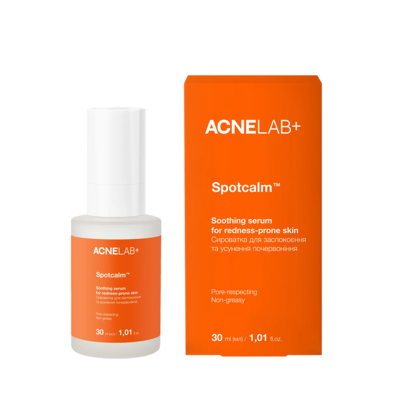 In stock Buy
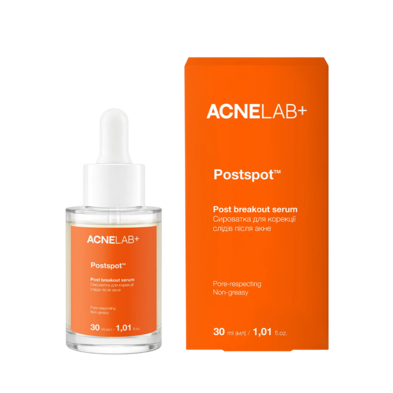 In stock Buy
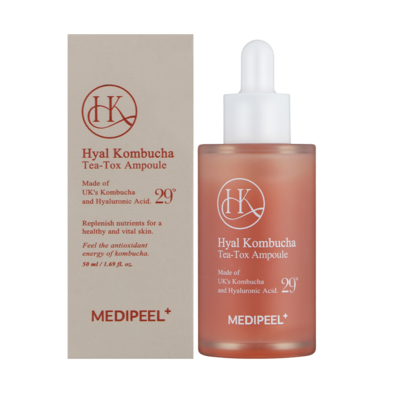 In stock Buy
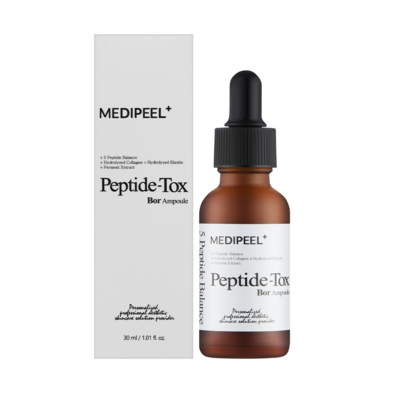 In stock Buy
 TREND In stock Buy
 In stock Buy
 In stock Buy
 In stock Buy
 In stock Buy
 In stock Buy
 In stock Buy
 In stock Buy
 In stock Buy
 In stock Buy
 In stock Buy
 In stock Buy
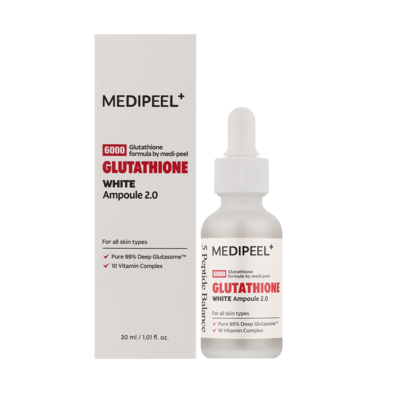 In stock Buy
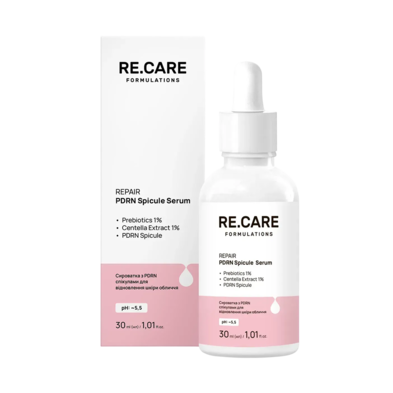 In stock Buy
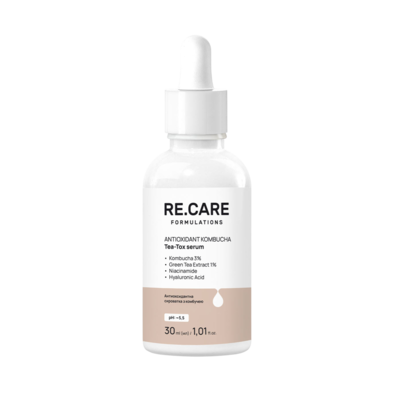 In stock Buy
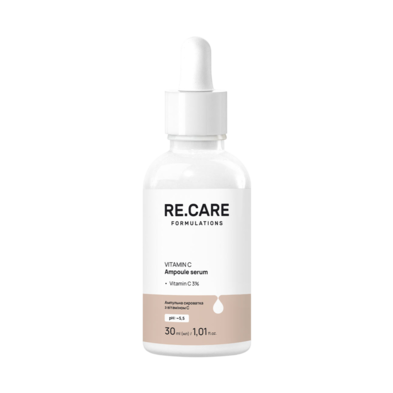 In stock Buy
 In stock Buy
- 1
- 2
- Next
A facial serum is a lightweight cosmetic product with a high concentration of active ingredients designed for targeted skin treatment. It contains fewer oils than a cream, allowing for quicker absorption, although the clear boundaries between textures are becoming blurred today. The choice of serum is always tied to a specific goal: to restore comfort to dehydrated skin, even out skin tone with vitamin C and niacinamide, maintain firmness with retinoids and peptides, or strengthen a sensitive barrier. However, the serum's form does not guarantee instant deep penetration; the actual result is determined by the properties of the active ingredient, its stability, concentration, and tolerability. This is why serums work in conjunction with creams, positioned strictly before them, rather than replacing basic skincare.
Characteristics of Facial Serums
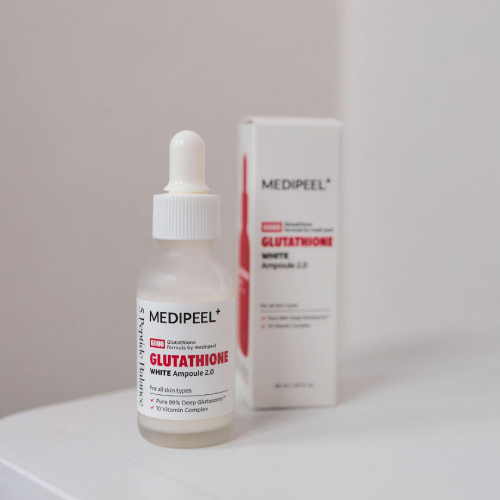
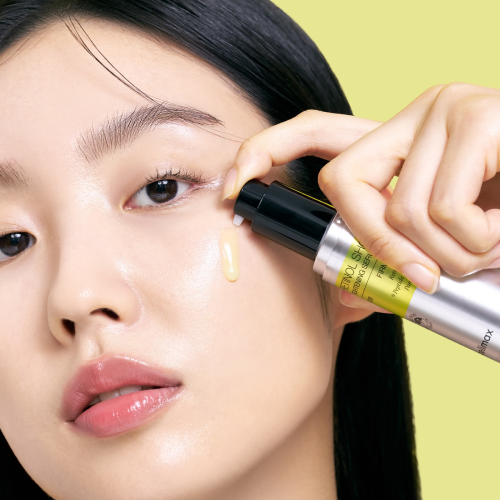
Before choosing cosmetic facial serums, it is essential to understand the parameters that determine their action and compatibility with your skin. Let’s break down the key characteristics of this category:
-
Type: facial serum
-
Category: active care, corrective care
-
Purpose: face, often – neck and décolleté
-
Skin type: suitable for various types, including oily, combination, oily-prone, and dry
-
Main action: hydration, restoration, brightening, care for visible signs of aging
-
Additional effects: reduction of pore visibility, tone evening, barrier support, soothing
-
Textures: watery, gel-like, creamy, oily
-
Active components: centella, hyaluronic acid, vitamin C, niacinamide, retinol, peptides, PDRN, glutathione – depends on the formula
-
Packaging format: with a dropper, with a dispenser, jar
-
Manufacturer: South Korea, Ukraine, Turkey
What is a Facial Serum and How Does It Work
A skin serum builds care around concentrated actives, focusing on one or several tasks. The lightweight base ensures comfortable application, while the final result is tied to the properties of the components: their concentration, stability, and proper compatibility within the overall formula.
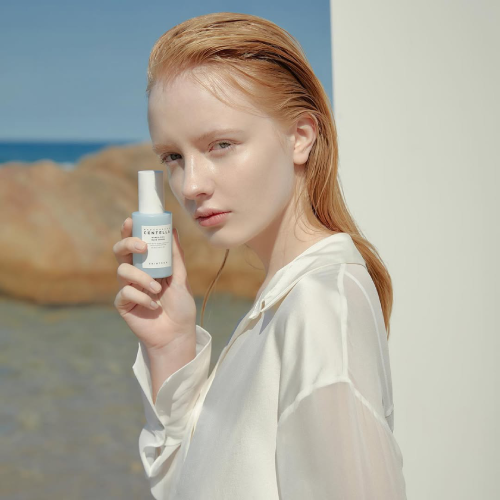
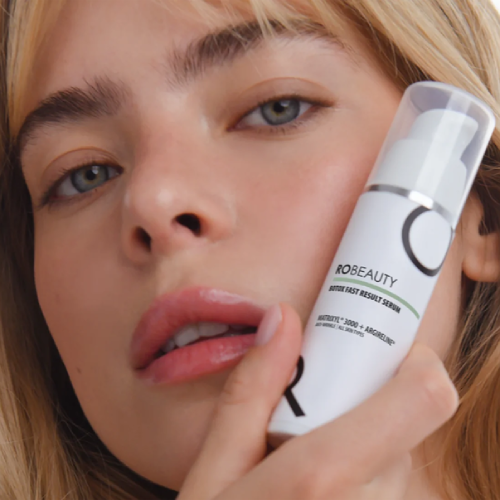
It all comes down to the composition: different actives address fundamentally different tasks. Some components are responsible for hydration, helping to retain moisture and reduce water loss. Others participate in the processes of matrix restoration, but their effectiveness always depends on the purity of the formula and the percentage used. Antioxidants take on protective functions, neutralizing free radicals on the surface.
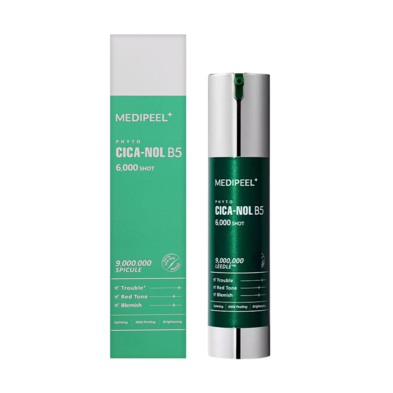
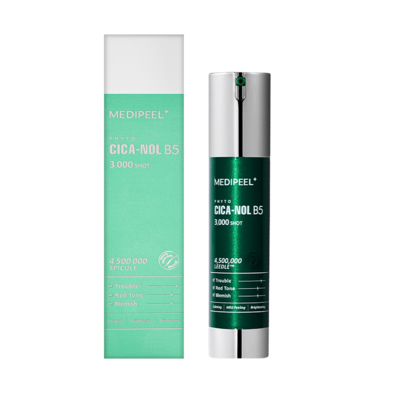
A separate group consists of spicules: microscopic needle-like structures used in some cosmetic formulas for mechanical impact on the stratum corneum; the claimed effect on the delivery of other components depends on the specific technology and formula.
Important! Products with micro-needle spicules are better excluded for rosacea, pronounced acne, couperose, and damaged barriers. Direct physical impact from such components is too aggressive for reactive skin and often provokes exacerbation.
Main functions of facial serums:
-
Saturation with moisture and reduction of transepidermal water loss
-
Support for firmness and a smoother appearance of the skin
-
Even out tone and address pigmentation
-
Protection against oxidative stress
-
Strengthening and restoring the protective barrier
Active Components
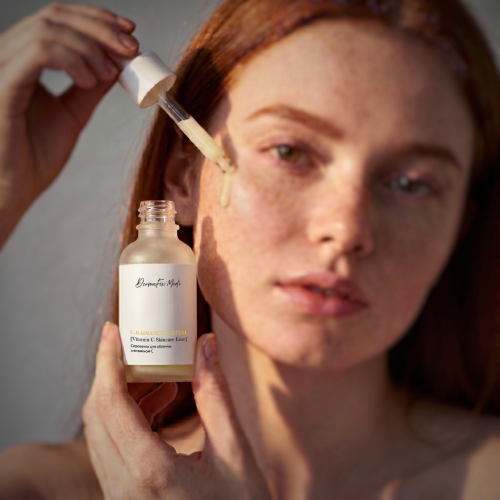
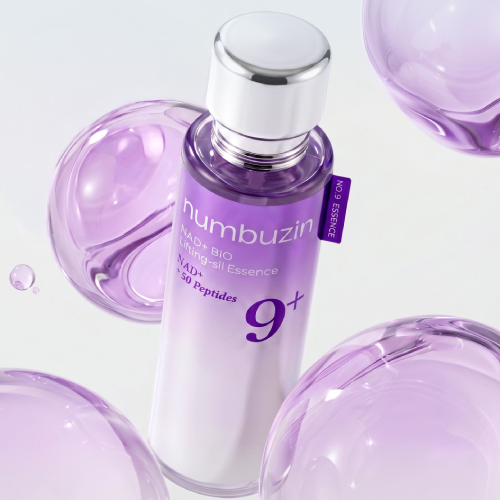
The composition of a serum should be evaluated based on specific ingredients, their form, concentration, and combination with other components of the formula. The same active can behave differently depending on the base, pH, and stabilization system. Let’s look at what is most commonly seen in the composition of such products:
-
Centella Asiatica (Cica) – rich in triterpene compounds, including asiaticoside, madecassoside, asiatic acid, and madecassic acid. Cosmetics containing these work well for skin comfort, especially if it is prone to discomfort and reactivity.
-
Hyaluronic acid – a polymer capable of retaining a large amount of water for smoothness and softness. Formulas often use molecules of varying chain lengths, but the final result and behavior of the product on the face is determined by the entire formula system as a whole.
-
Vitamin C – an antioxidant component with brightening effects. It participates in processes related to maintaining skin structure; clinical studies show potential benefits for uneven tone and signs of photoaging. Choose the acidic form (L-ascorbic acid) for quick results, but with low sensitivity, or stable derivatives (3-O-Ethyl Ascorbic Acid, MAP) for gentle toning without irritation.
-
Niacinamide – a form of vitamin B3. Used in cosmetics to support the skin barrier, improve the appearance of uneven tone, and care for oily-prone skin. In some formulas, it helps make pores visually less noticeable.
-
Retinol – a derivative of vitamin A. With regular use, it can improve the appearance of fine lines, uneven texture, and pigmentation. This active requires gradual introduction and particularly careful attention to skin tolerability. In modern formulas, retinaldehyde (retinal) is increasingly used. It acts faster than retinol and is better tolerated by the skin.
-
Peptides – short chains of amino acids. Depending on the type, they are used in formulas to support firmness, smoothness, and other visual characteristics of the skin.
-
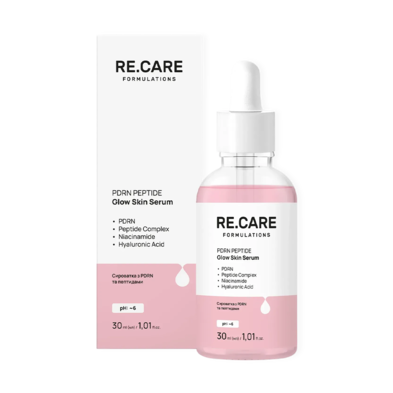
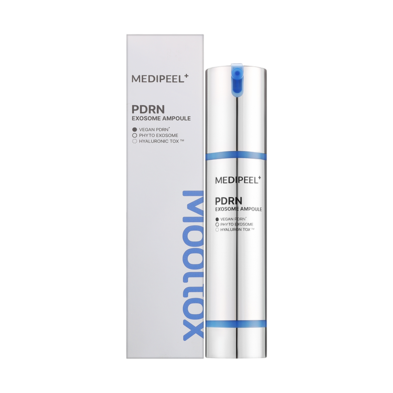
PDRN (polydeoxyribonucleotide) – a type of polynucleotide, a DNA-derived biopolymer used in cosmetic formulas for supportive care and improving the appearance of the skin. For topical cosmetic use, data on effectiveness is currently less uniform than for basic moisturizing components.
-
Glutathione – an antioxidant tripeptide with brightening effects. It is studied in the context of pigmentation; existing data suggests a possible reduction in hyperpigmentation severity, but the evidence base is still limited. It is better to consider it as an additional brightening and antioxidant component.
Types of Facial Serums
Facial serums are categorized not by brands but by their primary task: hydration, care for visible signs of aging, brightening, or restoration. Understanding these groups helps to choose a product based on the actual needs of the skin rather than marketing promises.
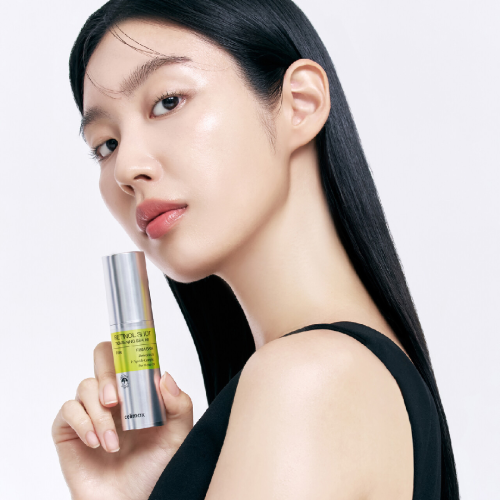
| Type of Serum | Key Actives | Action | Task | Who It's Suitable For |
| Hydrating | hyaluronic acid, betaine, centella | saturates with moisture, relieves tightness | dryness, dehydration | most skin types, especially dry and dehydrated skin |
| Anti-aging | retinol, retinal, peptides, adenosine | supports firmness, addresses visible signs of aging | fine lines, uneven texture | skin with visible signs of photoaging |
| Brightening | vitamin C, glutathione, niacinamide | evens out tone, addresses pigmentation | pigmentation, dullness, post-acne | uneven tone, post-acne marks |
| Restorative | panthenol, ceramides, centella | supports the barrier, reduces discomfort | weakened, reactive skin | skin needing gentle care – post-procedure regimen as recommended by a specialist |
| For Oily-Prone Skin | niacinamide, BHA components | controls oily shine, improves the appearance of pores | pronounced oiliness, visibly noticeable pores | oily and combination skin |
Who is Facial Serum Suitable For
Serum is a universal format, but it should be chosen based on the specific condition of the skin, not "just in case." Below are situations where a facial serum delivers the most noticeable results:
-
skin is dehydrated, feels tight – hydrating formulas with hyaluronic acid, glycerin, betaine, or panthenol
-
skin is sensitive, often reacts to care – soothing and supportive formulas with centella, panthenol, and other components for sensitive skin
-
reactive skin, prone to redness – maximally simple formulas with soothing components, without a large number of potentially irritating actives; introduce new products gradually
-
skin with rosacea – gentle formulas without potentially irritating actives; specific care is better selected considering dermatologist recommendations
-
skin is oily, combination, with noticeable pores – lightweight formulas with niacinamide and other components for oily-prone skin; pay attention to comfortable texture
-
inflammation and imperfections have appeared – formulas with soothing components, such as centella or panthenol; do not combine several potentially irritating actives in one routine
-
skin looks dull, wants a more even tone – formulas with vitamin C, niacinamide, and other antioxidant or brightening components; use SPF during the day
-
post-acne marks remain or uneven tone is concerning – serums with brightening components, such as vitamin C, niacinamide, or glutathione; introduce actives gradually considering skin tolerability
-
first signs of aging have appeared – formulas with retinoids, peptides, and antioxidants; introduce retinoids gradually
-
skin is weakened after active care – gentle formulas with soothing and barrier-supporting components, such as panthenol, centella, and components for supporting the skin barrier
-
wants a simple serum for everyday use without a complicated regimen – formulas with a clear purpose and a moderate amount of active components that are easy to combine with a basic cream and SPF
Important! Sensitive skin with a compromised barrier is not recommended to start immediately with active concentrates – retinol or acids. It is better to restore the barrier with gentle soothing formulas first, and then introduce actives gradually while monitoring the reaction. Do not apply the product to damaged or irritated skin.
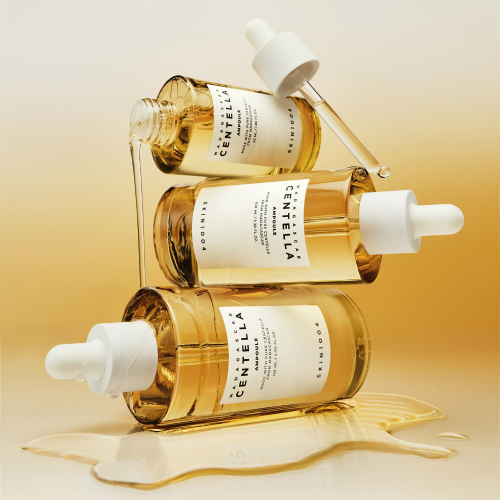
How to Choose a Facial Serum
The choice of facial serum is based on the connection "skin condition – active – format." Below are parameters to rely on to obtain a working product.
| Scenario | What the Skin Needs | What to Pay Attention to When Choosing | Recommended Product |
| Skin is dehydrated, feels tight | Hydration and reduction of dryness sensation | Look for hyaluronic acid, glycerin, betaine, panthenol, and other moisturizing components | |
| Skin is sensitive, often reacts to care | Soothing and supportive care | It is better to choose formulas with centella, panthenol, and other soothing components; avoid introducing several strong actives at once | |
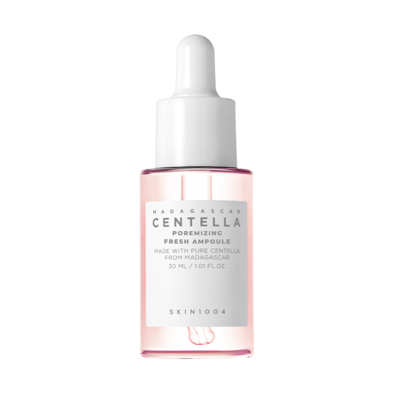
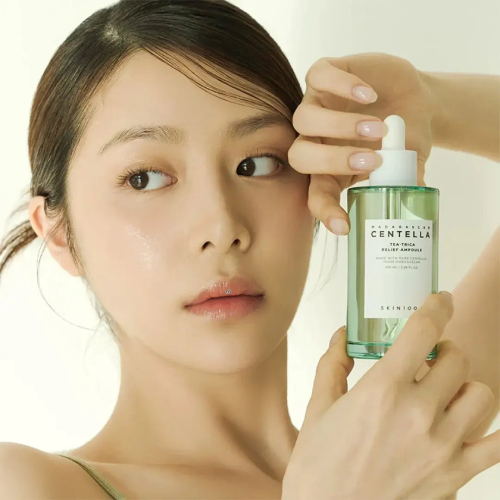
| Skin is oily, combination, with noticeable pores | A more comfortable balance of sebum and hydration | Pay attention to lightweight textures and components for oily skin care; do not expect the serum to physically reduce pore size | SKIN1004 Poremizing Fresh Ampoule; SKIN1004 Madagascar Centella Tea-Trica Relief Ampoule |
| Inflammation and imperfections have appeared | Soothing the skin and supportive care | Soothing components are important, and avoid excessive irritating actives in one routine | |
| Skin looks dull, wants a more even tone | Antioxidant and brightening care | Consider vitamin C, niacinamide, and other brightening components; use SPF during the day | |
| Post-acne marks remain or uneven tone is concerning | Gradual evening out of skin tone | Choose brightening actives and do not combine several potentially irritating products at once | |
| First signs of aging have appeared | Support for firmness, texture, and overall skin condition | Pay attention to retinoids, peptides, and antioxidants; introduce actives gradually | |
| Skin is weakened after active care | Restoration and support of the skin barrier | For a while, focus on gentle formulas with soothing and barrier-supporting components | |
| Wants a simple serum for everyday use without a complicated regimen | Basic hydration and comfort | Choose a formula with a clear purpose that is easy to combine with cream and SPF |
Do not chase maximum concentration: a stable formula with supportive components often yields a more even result than an aggressive mono-active. Do not introduce more than one new product at a time; otherwise, if the skin reacts, it will be unclear what it reacted to. Buying a facial serum tailored to your needs is easier when the skincare goal is defined in advance.
How to Apply Facial Serum
The correct order of application is just as important as the composition itself. Most disappointments are related not to the product but to a violation of technique. Step-by-step protocol:
-
Cleanse the skin with a gentle cleanser and allow it to dry.
-
If desired, apply a toner and wait for absorption – it will prepare the skin for the serum.
-
Apply the serum in the amount recommended by the manufacturer. Refer to the specific product instructions: the amount will vary for liquid and thick formulas; the main criterion is even coverage of the skin without excess.
-
Distribute with light tapping movements from the center to the periphery, without stretching the skin.
-
Wait for absorption and apply a moisturizing cream – it helps reduce transepidermal water loss and maintains skin comfort.
-
For daytime formulas with vitamin C, be sure to finish with sunscreen SPF 50+ – sun protection is especially important when working with pigmentation and photoaging, and vitamin C does not replace it. In brightening protocols, dermatologists recommend protection of at least SPF 50: it blocks residual UV radiation more effectively compared to SPF 30.
Retinol serums are usually used in the evening – retinoids are sensitive to oxidation, and specific recommendations for timing and storage depend on the form of vitamin A and the stability of the formula.
A life hack for sensitive skin – the "sandwich" technique is particularly relevant for irritating actives: a thin layer of cream, then serum, then cream on top. This buffering reduces the intensity of the impact and helps the skin go through the adaptation period.
Compatibility with Other Actives
Proper combinations enhance results, while conflicting components reduce them to zero. The general rule is: the more active the product, the more important it is to space out irritating actives by time of day or days.
-
Hyaluronic acid – compatible with almost everything, enhances hydration after any serum
-
Niacinamide – works well with many actives and supports the skin barrier
-
Peptides – most signaling and structural peptides can be combined with retinoids, provided the specific formula allows it and the skin tolerates such a combination well. For sensitive skin, it is more convenient to introduce actives one at a time or space them out over different procedures
-
Panthenol and ceramides – reduce reactivity during the adaptation period to actives
Important! If retinol and acids are present in the routine simultaneously, it is convenient to space them out over different evenings – especially for sensitive skin. Vitamin C can be used in the morning or evening depending on the specific form and tolerability. With good tolerability, combining these actives is possible, but for beginners, it is easier to introduce them one at a time and observe the skin's reaction before combining.
Common Mistakes When Using Facial Serum
Even a well-chosen serum will not work if the technique is violated. Let’s break down the mistakes that occur most often:
| Error | Why This is Bad | How to Do It Right |
| Applying too much product | Excess does not speed up results, increases the risk of pilling and discomfort | Follow the manufacturer's recommendation |
| Replacing cream with serum | Serum does not create occlusion and does not reduce transepidermal water loss like cream | Apply cream over the serum |
| Mixing several active serums in one application | Possible barrier overload, unpredictable reaction; if irritation occurs, it is difficult to determine the cause | Introduce actives gradually and, if necessary, space them out over different procedures |
| Using retinol in the morning | Retinol is sensitive to light and oxidation | Apply in the evening according to the manufacturer's instructions, in the morning – SPF 50+ |
| Not testing a new product before first use | Risk of allergy and irritation, especially for sensitive skin | Before first use, if prone to reactions, test a small amount on a limited area of skin and assess tolerability |
| Storing the bottle in the bathroom | If the bathroom has high humidity and temperature fluctuations, this may be undesirable for the stability of some formulas | Store according to the manufacturer's instructions, usually in a dry place away from heat and direct light |
Key Takeaways About Facial Serums
We have gathered the main points so you can quickly orient yourself before making a purchase:
-
A facial serum is a cosmetic product focused on specific active components; it complements cream rather than replacing it
-
The choice is based on the task: hydration, brightening, care for visible signs of aging, or barrier support – each task has its active and its formula
-
A stable formula with supportive components often provides a more even result than an aggressive mono-active
-
Beginners should start with gentle forms of actives and less frequent application, increasing frequency only with good tolerability
-
For sensitive skin, the barrier is first restored, and only then active serums are introduced
-
Panthenol, centella, and ceramides alongside actives help the skin during the adaptation period
-
Regularity is more important than intensity: results come from systematic care, not one-time high doses
-
Before first use of a new active product, test a small amount on a limited area of skin and observe the reaction for several days
FAQ: Common Questions About Facial Serums
-
Should serum be applied to dry or damp skin? It depends on the formula. Hydrating serums with hyaluronic acid are often recommended to be applied to slightly damp skin. Manufacturers usually recommend applying retinoids and acids to dry skin unless otherwise specified in the instructions. In dry climates and winter, it is also more comfortable to apply a HA serum to slightly damp or dry skin depending on the formula, and then use a cream to help reduce water loss. When the barrier is compromised, the final moisturizing or more occlusive step is especially important.
-
Can several serums be applied at once? Yes, if they do not cause irritation together: for example, a hydrating and a restorative serum. However, it is not advisable to mix several active concentrates in one procedure – if the skin reacts, it will be difficult to determine the cause.
-
Does serum need an adaptation period? Yes, for active formulas. When introducing retinol or acids, dryness, tightness, and peeling may occur. If the reaction is moderate – reduce the frequency of application. If the reaction is pronounced, painful, or does not go away – discontinue use and consult a dermatologist if necessary.
-
Why does cosmetic serum pill under cream or makeup? The cause may be too much product, rapid application of several layers, or the combination of formulas with film-forming polymers. Try reducing the amount of product and allowing each layer time to absorb. If the problem persists – check the manufacturer's recommendations for application methods.
-
Can one cosmetic facial serum be used in summer and winter? Yes, if the skin tolerates the formula well. However, the season may change needs: in winter, additional barrier support and a richer cream are often needed, while in summer – lighter textures. It is not necessary to change the active component solely due to the season.
Why You Should Buy a Facial Serum
A facial serum is a way to approach skincare specifically rather than a universal cream "for everything." One formula with the appropriate active provides what a product with blurred functions cannot deliver: targeted hydration, brightening, correction of visible signs of aging, or barrier support.
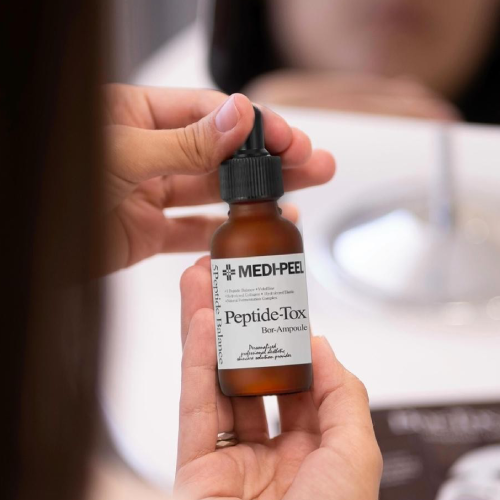
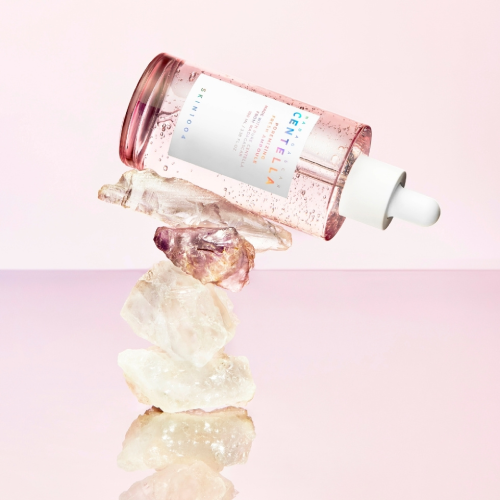
You can buy a facial serum on the website staleks.ua. Our catalog offers a wide selection of products with various active components for all skin types and care tasks, with delivery across Ukraine.
Face Serums Cost on staleks.ua
Name | Price |
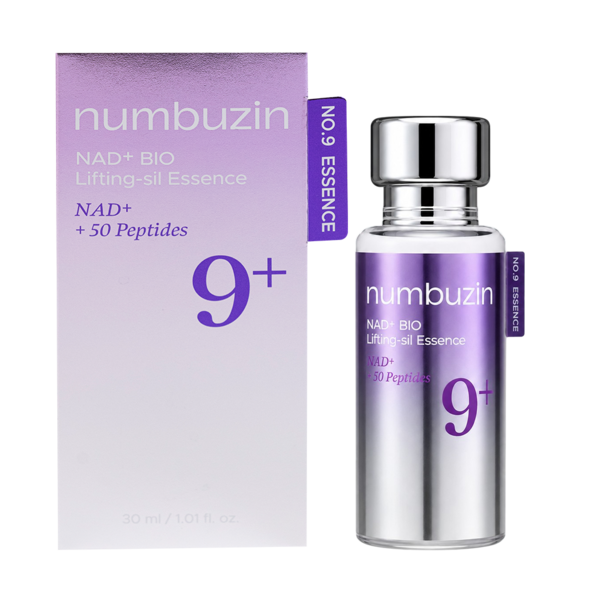
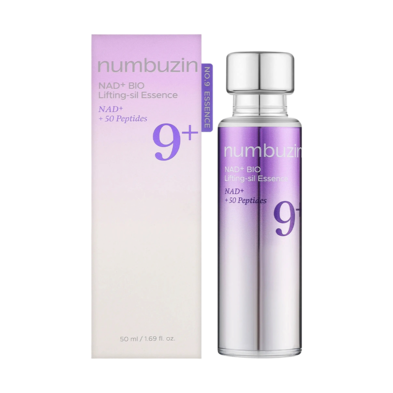
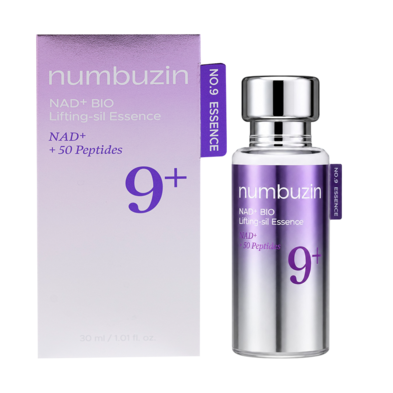
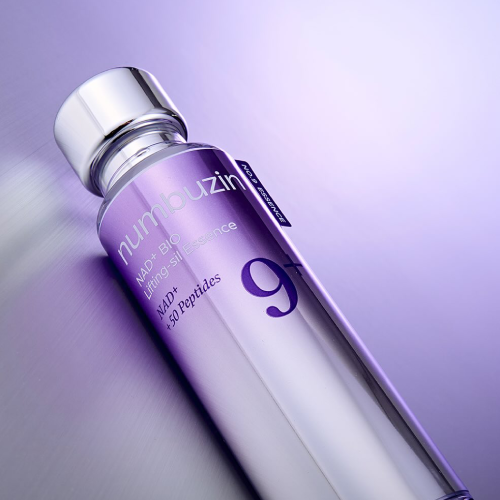
| numbuzin No.9 NAD BIO Lifting Essence 50 ml | 998.00 UAH |
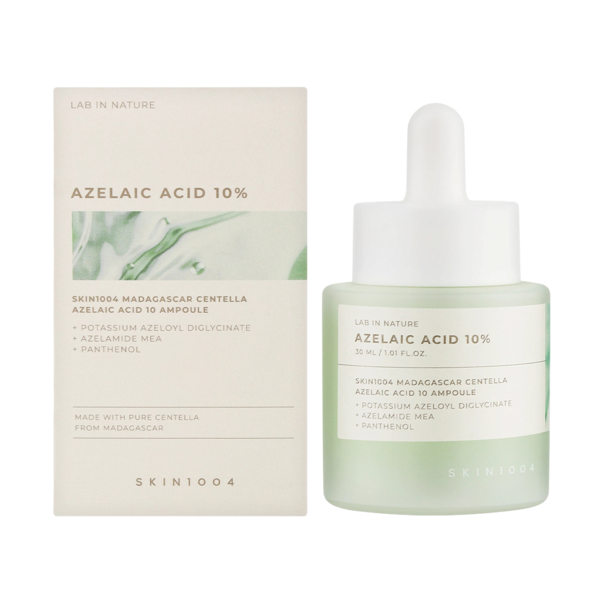
| SKIN1004 Madagascar Centella Azelaic Acid 10% Ampoule 30 ml | 790.00 UAH |
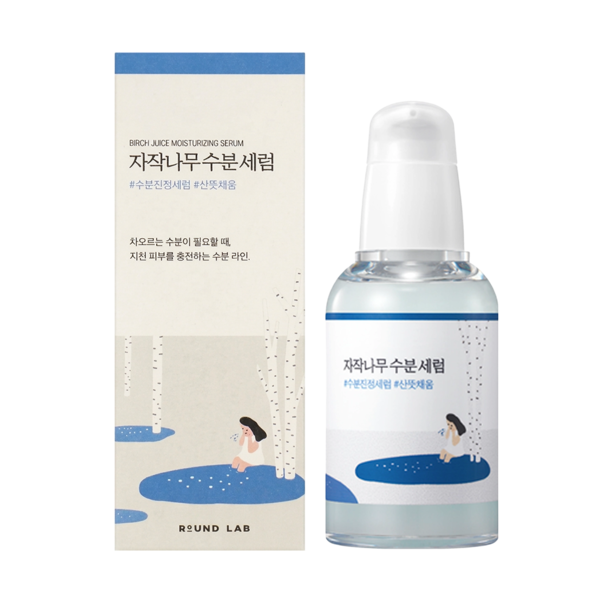
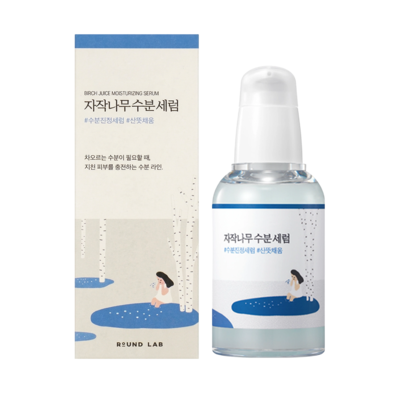
| Round Lab Birch Juice Moisturizing Serum 50 ml | 960.00 UAH |
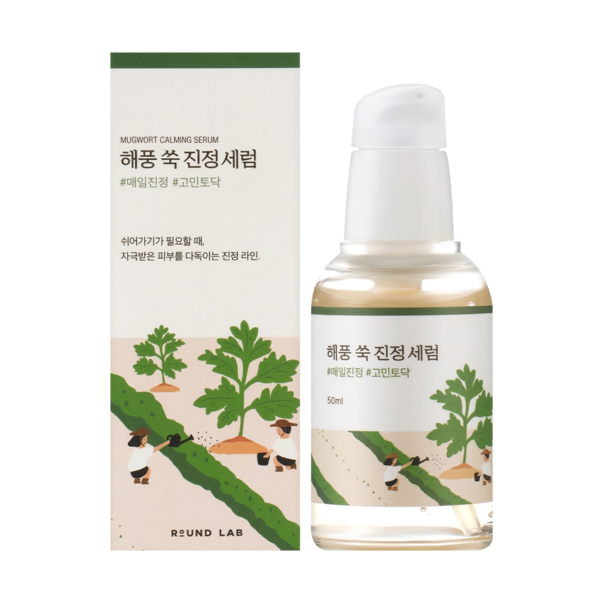
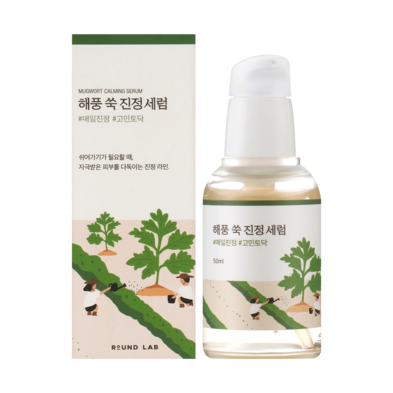
| Round Lab Mugwort Calming Serum 50 ml | 960.00 UAH |
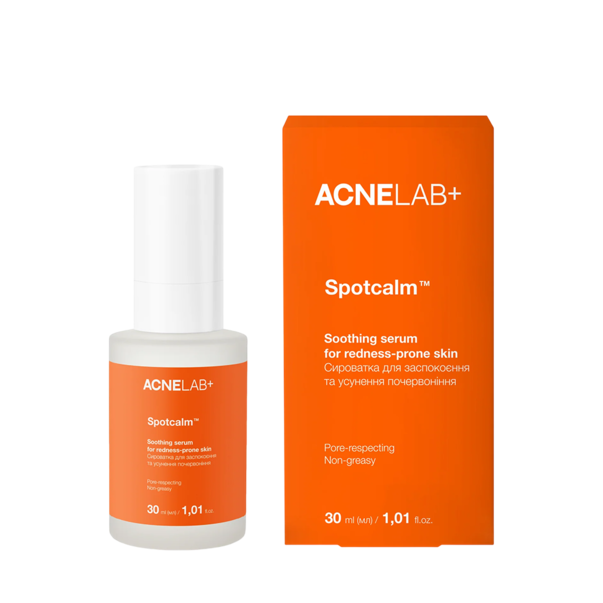
| ACNELAB+ Spotcalm Soothing Face Serum 30 ml | 728.00 UAH |
Facial Serums - customer reviews