Lipsticks: Color and Care



 In stock
 Buy
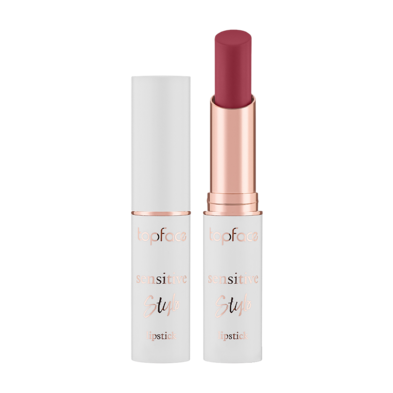 In stock Buy
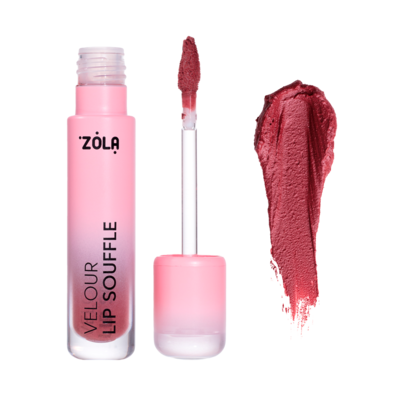
 TREND In stock Buy
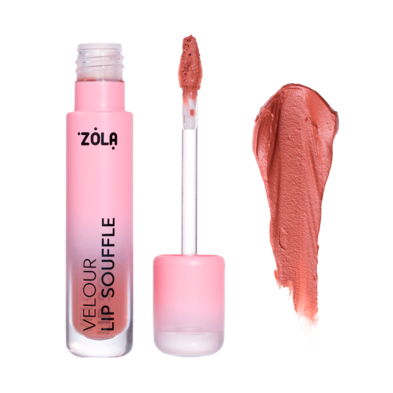 In stock Buy
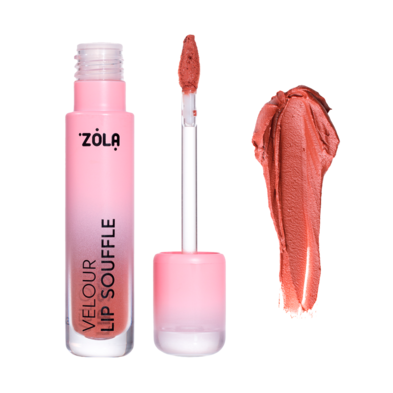 In stock Buy
 In stock Buy
 In stock Buy
 In stock Buy
 In stock Buy
 In stock Buy
 In stock Buy
 In stock Buy
 In stock Buy
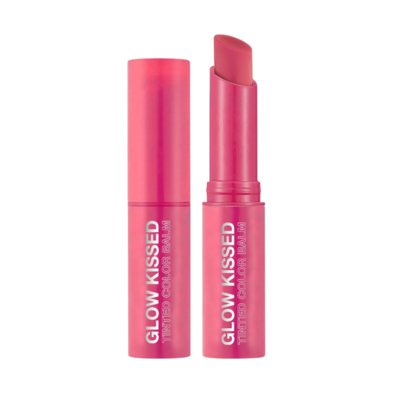 In stock Buy
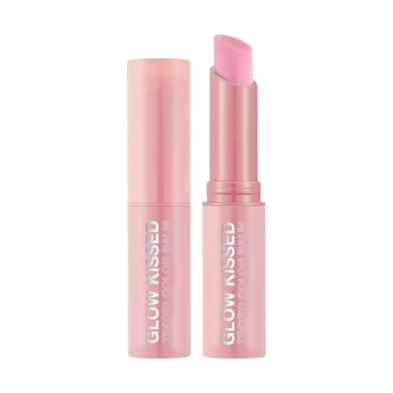 In stock Buy
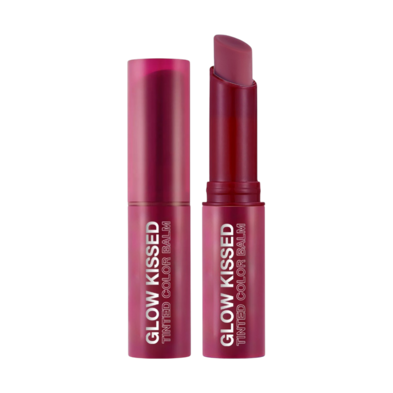 In stock Buy
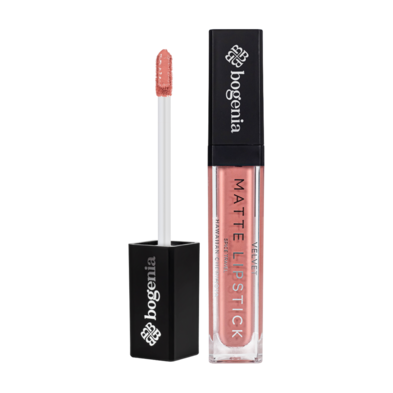 In stock Buy
 In stock Buy
 In stock Buy
 In stock Buy
 In stock Buy
 In stock Buy
 In stock Buy
- 1
- 2
- Next
Lipsticks are cosmetic products used for coloring, moisturizing, nourishing, and emphasizing the shape of the lips. Their composition includes waxes, oils, pigments, and softening agents. They can have a matte, satin, velvet, or glossy effect. Longevity depends on the type. Moisturizing lipsticks without reapplication last for about 2 hours, while super long-lasting matte ones can last up to 12 hours. Depending on the formula, they can serve from one to two years after opening.
Lipstick helps to highlight accents in makeup. It can emphasize the shape and add brightness, or it can maintain a natural effect. Today, lipsticks are available in a wide variety of options, allowing you to choose a product for any look and purpose. They range from light and moisturizing to denser and more long-lasting. It is important to select a product based on your needs. On this page, we will explore the different types of lipsticks, their distinctions, and how to choose the right one. In our online store, you can also purchase lipstick for any look and occasion.
What are lipsticks
Lipsticks are decorative cosmetic products. They are used to add color and define makeup. They are applied to the lips and can have different textures, shades, and finishes. In makeup, lipstick serves several purposes. It helps to add expressiveness to the lips. Depending on the formula, the product can provide a light coverage or a more intense color. Lipstick also helps to visually correct the shape and volume of the lips, making the overall appearance more balanced. The right product will harmoniously complete your look.
Technical specifications of lipsticks
-
Product type: lipstick
-
Format: stick / liquid (with applicator) / pencil lipstick
-
Texture: creamy / matte / satin / glossy / balm-like
-
Finish: matte / semi-matte / satin / glossy / shimmering
-
Pigmentation: high / medium / light (sheer)
-
Coverage: dense / medium / weightless
-
Longevity: standard (up to 4–6 hours), enhanced (up to 8 hours), ultra-long-lasting (8+ hours)
-
Finish feel: comfortable / light / velvety / non-sticky
-
Scent: unscented / perfumed
-
Lip skin type: suitable for dry / normal / sensitive lips
Types of lipsticks by format
Lipsticks differ in their release form. The formula and format affect the ease of application, coverage density, and the overall appearance of the makeup.
-
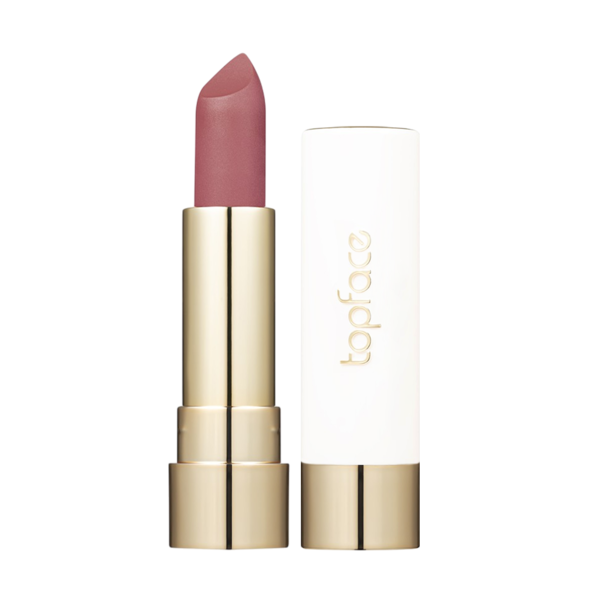
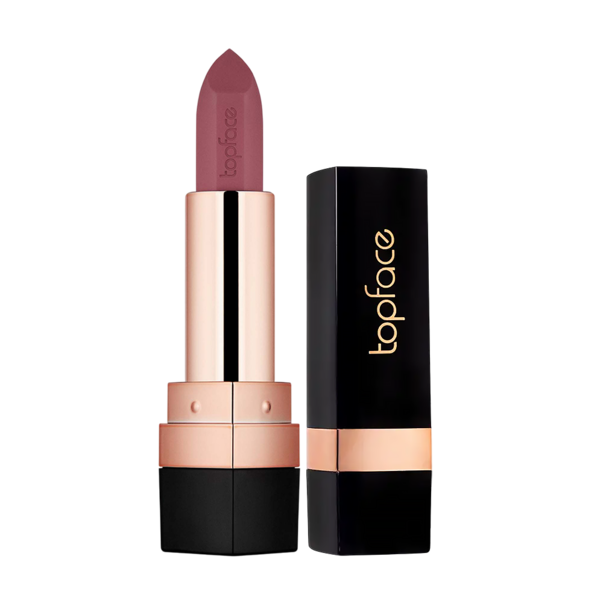
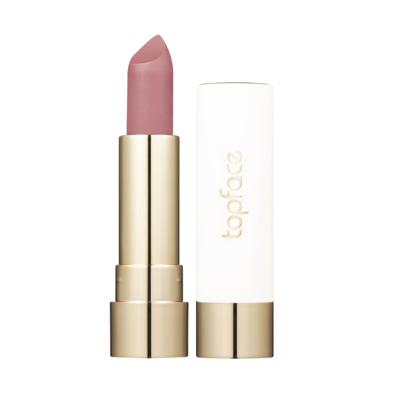
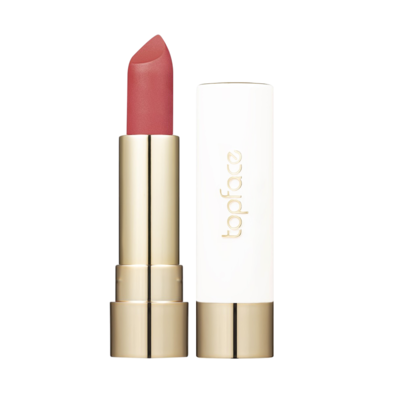
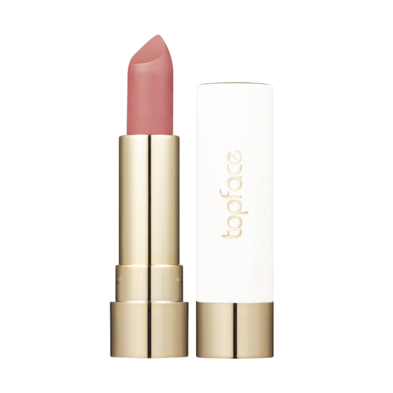
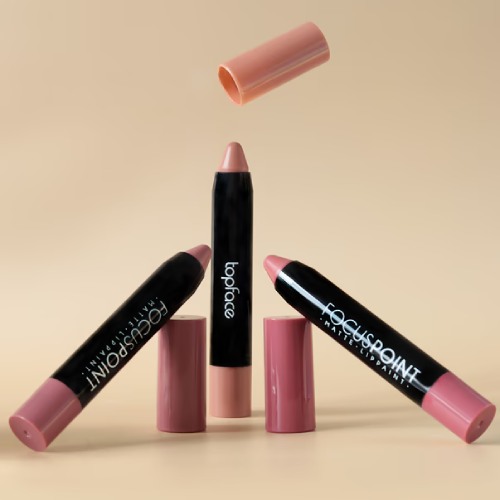
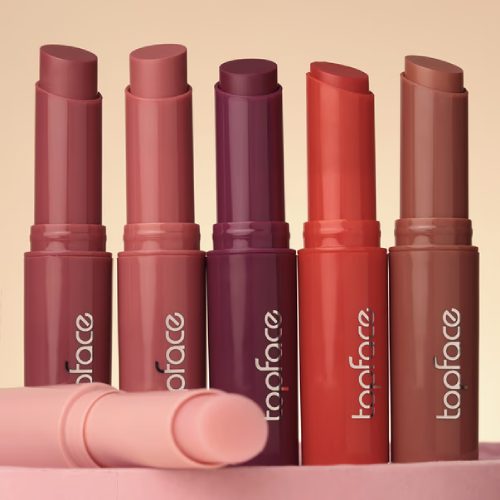
Creamy stick lipsticks. This is a classic with a soft texture. The product applies easily and evenly. It is suitable for everyday makeup. Often has moisturizing properties and is comfortable to wear.
-
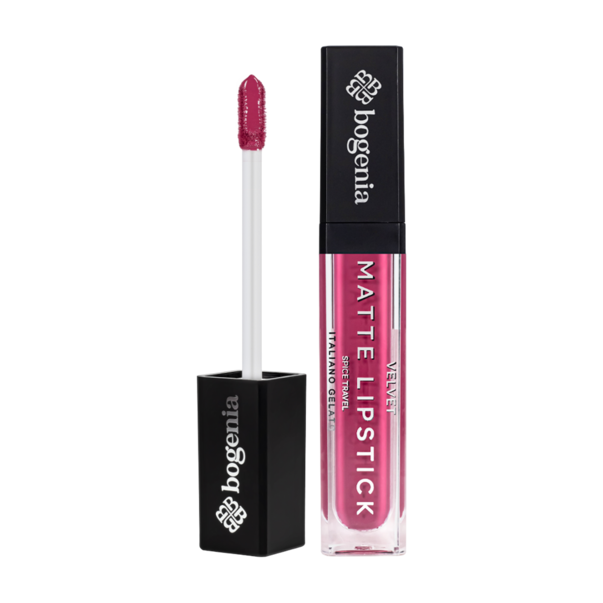
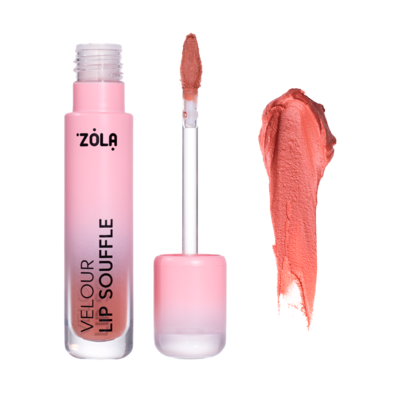
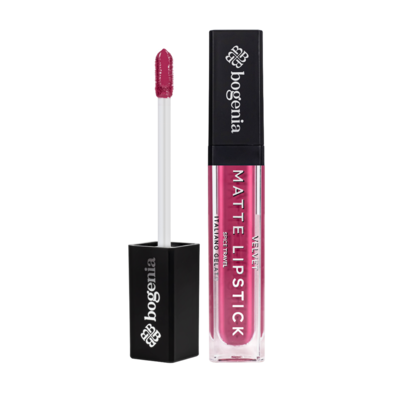
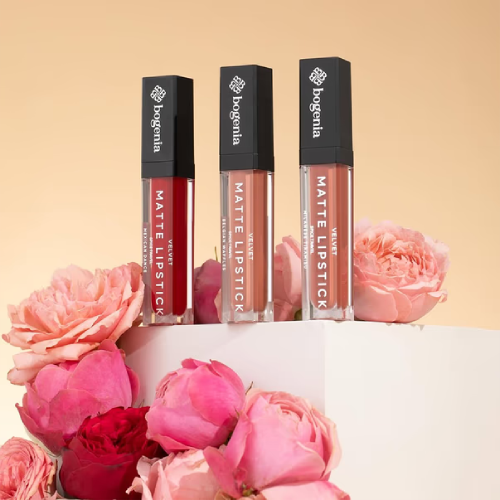
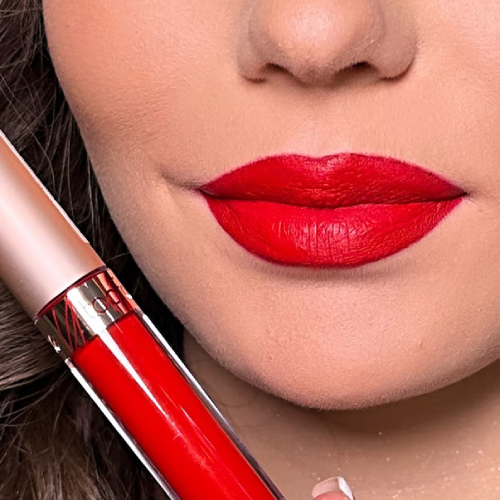
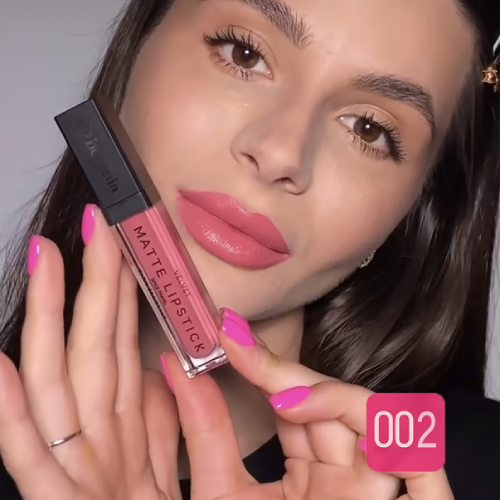
Liquid lipsticks. Available in bottles with an applicator. They are applied with a brush-sponge, set quickly, and provide intense color. They can have a matte or glossy finish. Matte ones are known for their good longevity but may emphasize dry lips, while glossy ones usually provide hydration but require reapplication throughout the day.
-
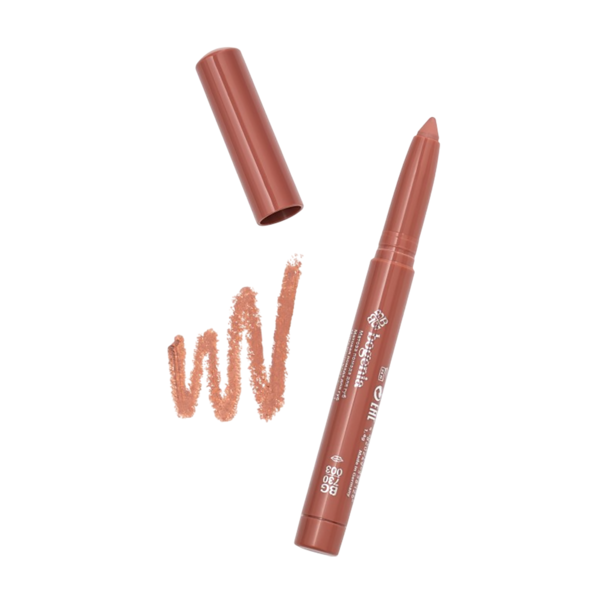
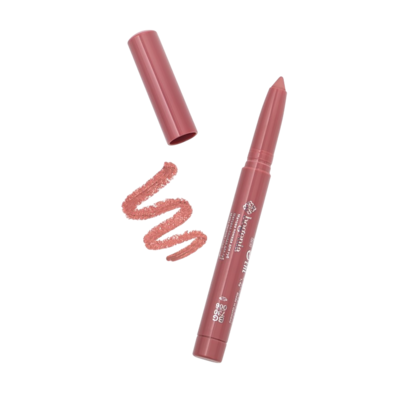
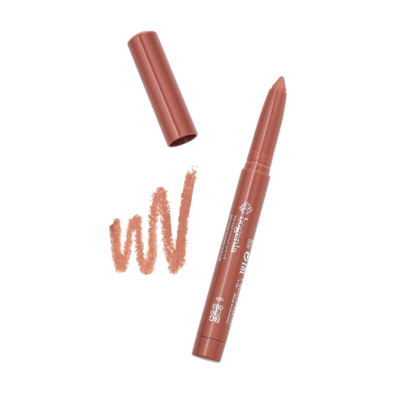
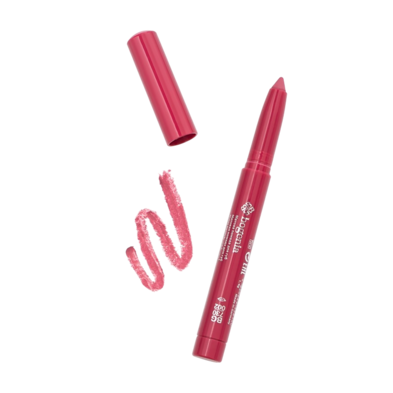
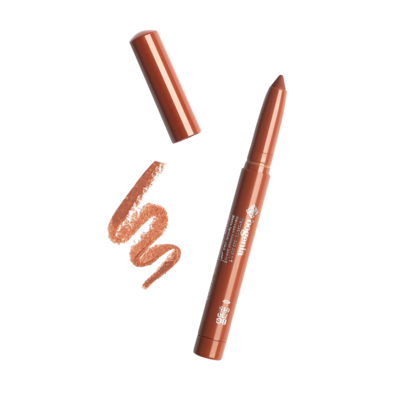
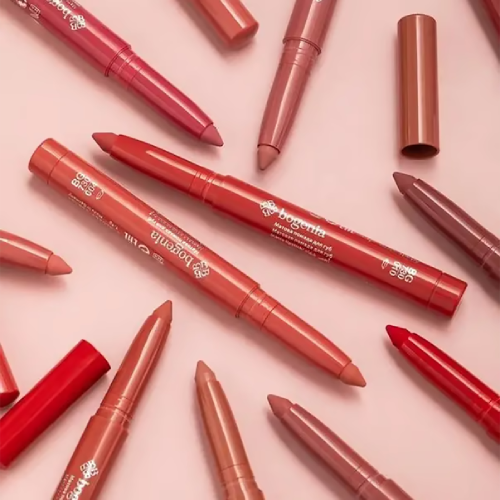
Pencil lipsticks. They combine comfort in application with compactness. They are convenient for clearly defining the lip contour and evenly filling the lips with color. Often used as a standalone product but also work well in combination with other products. They should not be confused with lip liners, which typically have a drier texture and are primarily intended for outlining the lip contour.
-
Lip tints. Usually liquid products with long-lasting pigment. They absorb into the skin, fixing the color. Even when the top layer of lipstick wears off, a light tint remains, enhancing the natural lip color. These products feel very light and are almost imperceptible on the skin. They often last throughout the day and are suitable for natural makeup or a "just-kissed" effect.
-
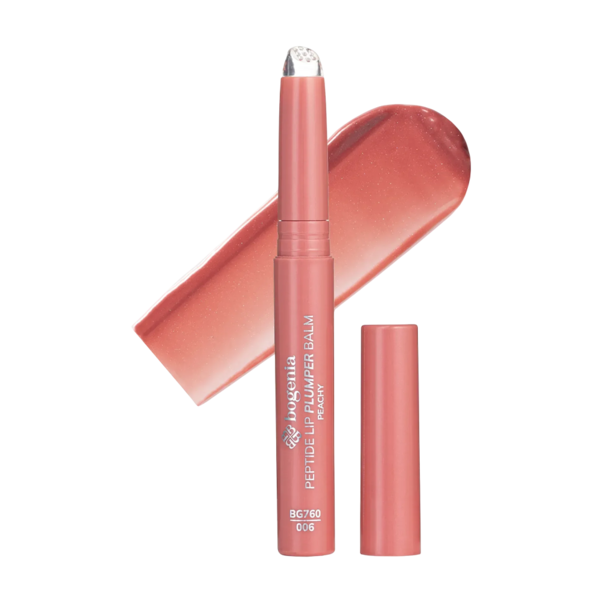
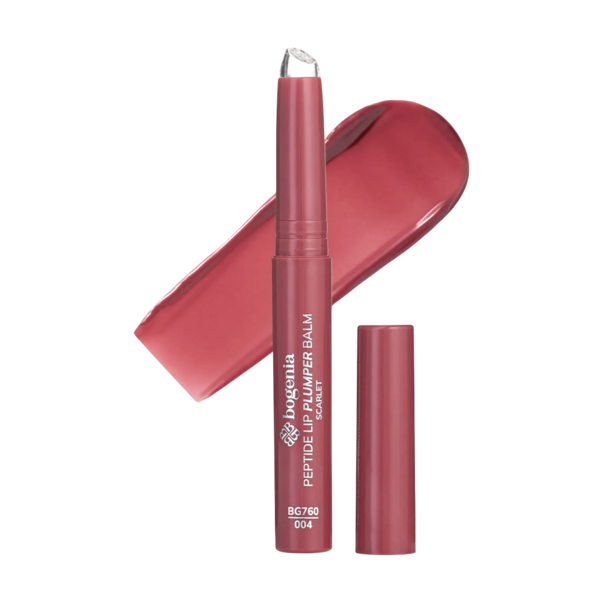
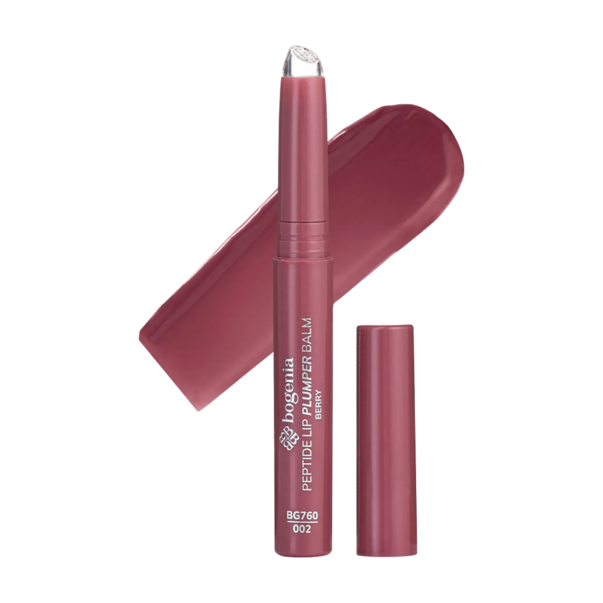
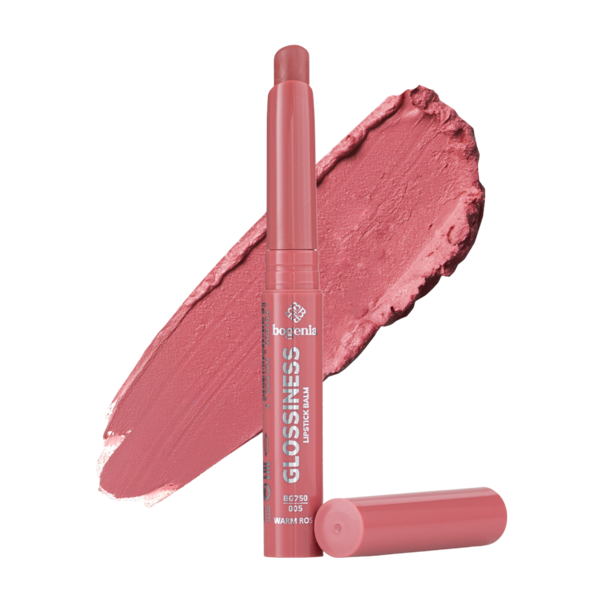
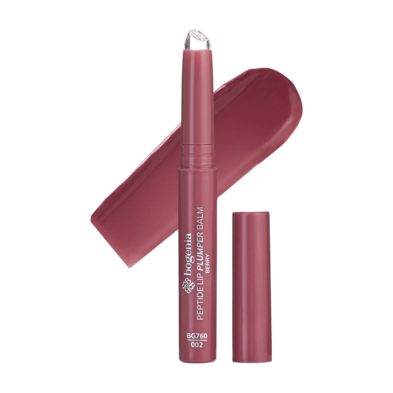
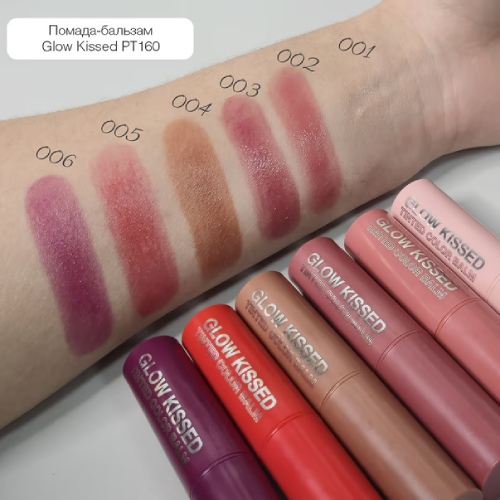
Balm lipsticks. Combine decorative effect and care. They have a soft texture and a caring formula with moisturizing components. They provide a light tint and comfort throughout the day. Suitable for everyday use. Moisturizing lipsticks are often chosen for natural makeup when one wants to add color while maintaining comfort and care.
-
Hygienic lipstick. A care product for protecting, moisturizing, and nourishing the skin. Prevents dryness, chapping, and cracks. Contains no coloring pigments (or has a very weak tint), nourishes with oils and waxes, and contains vitamins.
All of them differ in texture, finish, and price. Many brands offer several formats of lipsticks, allowing them to meet a wide range of customer demands. You can check the availability and current prices of each product in the Staleks store.
Finishes of lipsticks
The finish of decorative lipsticks determines how they will look. It affects the visual effect, feel on the skin, and overall makeup style.
-
Glossy finish. Provides a shining effect and visually makes the lips appear fuller. This option looks fresh and vibrant. Often used in everyday and evening makeup.
-
Satin finish. Has a light soft sheen without pronounced gloss. Looks natural and neat. It combines the comfort of a creamy texture with moderate visual expressiveness. Suitable for universal everyday makeup.
-
Matte finish. Provides dense coverage without shine. Matte lipsticks look restrained and stylish, helping to emphasize the color. Such formulas are often more long-lasting but may require lip preparation for even application.
-
Shimmer finish. Contains fine light-reflecting particles. They create a shimmering effect when light hits. This option makes the lips visually more expressive and voluminous. Often used as an accent or evening option, adding more decorative flair to the makeup.
Longevity and comfort throughout the day
The longevity of lip makeup affects how often you will need to reapply it. Comfort refers to how pleasant the product feels on the lips throughout the day. These two parameters do not always go hand in hand, so it is important to consider the formula's characteristics when choosing.
Long-lasting lipsticks usually set better and retain color longer without noticeable changes. They wear off less and are suitable for situations where it is important to maintain makeup for several hours. Regular formulas are softer and more comfortable but require periodic reapplication as they lose intensity more quickly.
Long-lasting options are worth choosing in situations where makeup needs to last without correction, such as during a workday or at events. In such cases, the stability of the result is more important than the need for reapplication.
Main color groups of lipsticks
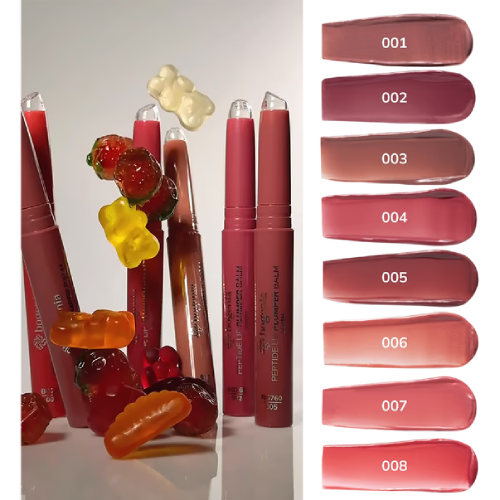
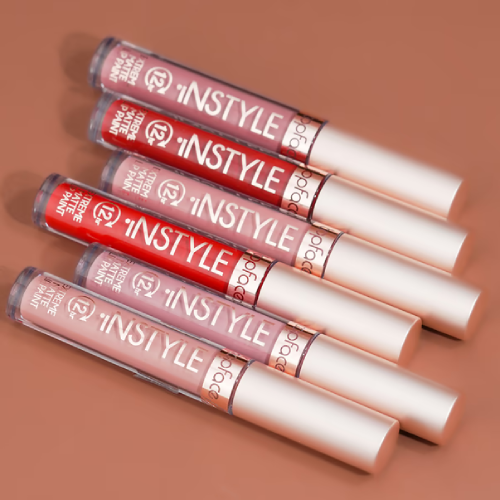
The color of lipstick in makeup is important. It influences the overall perception of the look. The shade can highlight facial features and add expressiveness, or conversely, create a more natural effect. Staleks specialists have conditionally divided lipstick colors into several main groups. You can check the availability of your favorite shades in our catalog and order them with fast delivery.
-
Nude shades. Calm and natural colors close to the natural lip or skin tone. Suitable for everyday makeup and create a neat, restrained look. Often used as a universal option.
-
Pink shades. Ranging from light pastel to more saturated. They add freshness and softness to the look, making the makeup more feminine and light. Suitable for daytime and romantic styles.
-
Red shades. A classic option for accent makeup. They make the lips expressive and noticeable, suitable for evening looks and special occasions. They can vary from bright reds to deeper wine tones.
-
Brown shades. Include warm and neutral options from light beige to rich chocolate. They create a calm and modern look. Often used in everyday makeup as an accent.
-
Bright and unconventional shades – purples, oranges, burgundies, and other rich colors. A great option for experimentation and special accents.
-
Metallic shades. Lipsticks with a metallic sheen. They reflect light and create a pronounced shine. Such options look bolder and are often used in evening or creative makeup, adding expressiveness and an unusual accent to the look.
Popular lipstick brands
| Brand | Country of Manufacture | Formats | Popular Color Groups | Features |
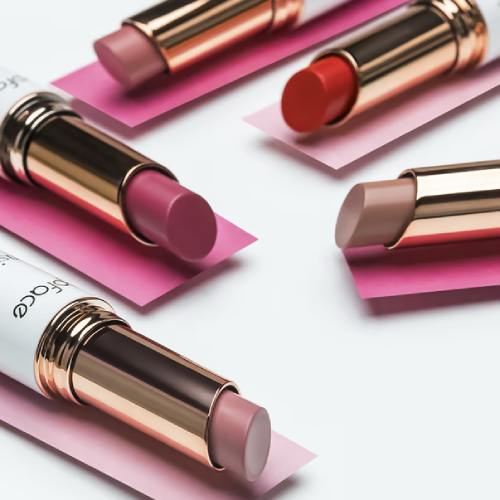
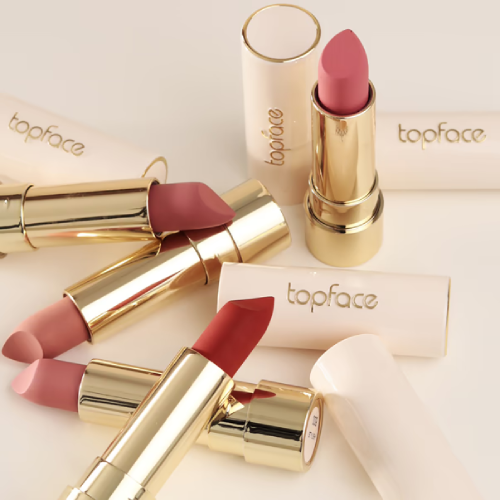
| TopFace | Turkey | Creamy sticks, liquid mattes, pencil lipsticks | Nude, pink, brown, red | Variety of textures and finishes (matte, satin, creamy), comfortable formulas with caring components, a combination of longevity and ease of application |
| Bogenia | Ukraine | Creamy sticks, liquid lipsticks, balm lipsticks | Nude, pink, red, bright shades | There are caring formulas, glossy and satin effects, soft textures, and comfort in wear |
| Bless Beauty | Poland | Creamy sticks, liquid lipsticks | Nude, pink, red | Basic textures for everyday makeup, simple formulas, affordable segment |
| SHEGLAM | Singapore | Liquid lipsticks, tints, glossy lipsticks | Bright, nude, accent shades | Modern formulas with high pigmentation, glossy and tint effects, focus on longevity and visual effect |
| Sinart | Ukraine | Pencil lipsticks, lip pencils | Nude, natural pink, universal shades | Velvet matte finishes, long-lasting formulas, convenient pencil format for precise application and combining contour and lipstick functions |
| KIKO | Italy | Creamy sticks, liquid lipsticks, tints, balms | Nude, pink, red, wine | Wide range of textures and finishes (matte, satin, glossy), variety of shades and formats |
| Hedonic | Ukraine | Creamy sticks, liquid lipsticks | Nude, pink, red | Convenient textures for everyday use, classic finishes (matte and satin), universal shades |
Composition and nourishing properties
The composition of the product affects its texture, longevity, comfort, and appearance. Different formats have varying formulas. Therefore, the base and additional components should be considered separately for solid and liquid lipsticks. You can select and order lipstick directly from our catalog at always favorable prices.
Solid lipsticks (sticks, creamy formulas). Their base usually consists of a combination of waxes and oils. Waxes form a dense structure and help the product maintain its shape. Oils provide softness and ease of application. Pigments are added to create color and its intensity. Stabilizing components may also be present. They help maintain texture uniformity and prevent separation. Due to this composition, solid lipsticks usually have a creamier or softer texture and distribute comfortably on the lips.
Liquid lipsticks. Liquid formulas are built on a lighter base – most often a silicone or water-silicone base. Pigments are evenly distributed in it, providing intense color. The composition also includes film-forming components. They help the lipstick adhere to the lips and enhance longevity. Oils and softening additives may be present but usually in smaller amounts. After application, such lipstick gradually dries, forming a more durable layer.
Caring components. Both forms may contain additional ingredients that enhance comfort:
-
plant oils for softening
-
vitamins, most often vitamin E
-
hyaluronic acid or its derivatives for hydration
-
plant extracts
-
silicones to improve texture and glide
Such components help make the use of lipstick more comfortable and affect the overall feel on the lips throughout the day.
How to choose lipstick based on lip type
The choice largely depends on the condition of the lips. Different types require different approaches to texture, finish, and composition to ensure the makeup looks neat and remains comfortable throughout the day. Below, Staleks experts will suggest which product is suitable for your lip type.
-
Dry lips. It is better to choose lipsticks with moisturizing and nourishing properties. Creamy textures, satin and glossy finishes, as well as formulas with oils and caring components are suitable. Very matte and dry textures may emphasize discomfort, so they should be used with lip preparation.
-
Normal lips. Almost any formats and textures are suitable. You can choose both matte and glossy or satin lipsticks. It all depends on the desired effect. In this case, the choice depends more on the shade, longevity, and visual result.
-
Sensitive lips. Pay attention to the composition and avoid formulas with potentially irritating components. Comfortable creamy and balm options usually work best.
-
Peeling-prone lips. For this type, it is important to choose lipsticks that do not emphasize unevenness. Moisturizing and creamy formulas with a smooth finish are suitable. Matte ones may accentuate peeling, so they are better applied only after preparing the lips or choosing softer versions with a comfortable texture.
How to apply lipstick correctly
Proper application of lipstick helps achieve an even coverage, uniform color, and a more comfortable feel. It is important to consider lip preparation, application technique, and the characteristics of the chosen texture.
-
Lip preparation. Before application, the skin should be cleansed and moisturized if necessary. This helps make the surface smoother, allowing the product to distribute better. A light balm or care product can be used beforehand to ensure the lipstick applies more evenly and does not emphasize unevenness.
-
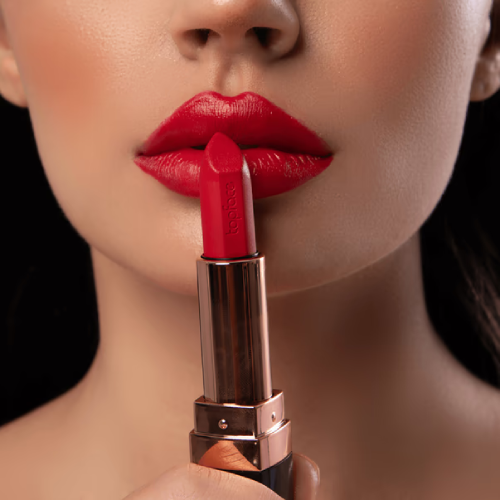
Application technique. The product is applied from the center of the lips to the edges, gradually distributing the color across the entire surface. Depending on the format, this can be done directly from the stick, with a brush, or with an applicator. It is important to apply the product evenly, avoiding excessive layers in one area. If a dense coverage is not desired, the lipstick can be lightly blended with a finger for a softer and more natural effect.
-
Contour. A lip liner is optional and not a mandatory step. It helps define the lip shape, make the edges sharper, and prevent the lipstick from feathering. However, with careful application, a neat and finished result can also be achieved without a liner.
-
Layering. Layering enhances color and coverage density if necessary. However, it is not always required. Many lipsticks cover the lips well with just one layer and look even without additional application. Layering is appropriate when a more intense shade is needed or to adjust the color intensity.
Common mistakes when using lipstick
When applying lipstick, even small details can affect the appearance of the makeup. This reflects on the neatness of the coverage and the overall perception of the look. To ensure the result looks tidy, avoid these mistakes:
-
Unprepared lips – applying lipstick on a dry surface emphasizes peeling and may worsen it. As a result, the coverage looks less even.
-
Too thick a layer – excessive product can clump, look heavy, and wear off more quickly in certain areas.
-
Inappropriate shade – the color does not match the skin tone or look and may appear disharmonious.
-
Ignoring the lipstick type – different formulas require different approaches to application and lip preparation.
-
Lack of blending – sharp edges may look less natural, especially when using bright shades.
-
Not maintaining balance with the rest of the makeup – overly accentuated lips without support in the overall look may appear overloaded.
FAQ: popular questions about lipsticks
Can lipstick be used without other lip products? Yes, it can be used alone without a base or liner. However, if the lips are prepared, the product applies more evenly, and the pigment does not "bleed" outside the contour.
How to make lipstick more long-lasting? Longevity can be increased by applying it to dry lips, blotting the first layer with a tissue, and if necessary, lightly layering.
Is the same lipstick suitable for daytime and evening makeup? Yes, but for daytime, calmer shades and lighter application are often chosen. For evening, more saturated colors and dense coverage are preferred. Different shades for any occasion are available in our catalog. Visit us, choose, and order with fast delivery at the best price.
Is it necessary to apply lipstick with a brush? No, it is not mandatory. A brush helps with more precise application, but many formats are convenient to use directly from the packaging.
How to choose a lipstick shade without trying it on? Focus on the undertone of your skin, familiar shades, and color descriptions. Swatches and visual examples also help. Apply a tester to the tip of your finger, as that color is closest to your lips.
Does packaging affect the usability of lipstick? Yes, the packaging format can influence the precision of application and convenience of use, especially on the go or when frequently reapplying makeup.
Can different lipsticks be combined? Yes, shades and textures can be combined to create new effects or more complex colors.
How to tell if a lipstick is not suitable? The product should definitely be changed if you feel discomfort. An unsuitable product may also apply poorly and unevenly.
-
Lipsticks differ in format, texture, and effect, which influences the makeup result.
-
The main types include creamy, liquid, pencils, tints, and balms.
-
The finish can be matte, satin, glossy, or shimmery.
-
The composition of the lipstick determines its longevity, comfort, and nourishing properties.
-
Solid and liquid formulas have different bases and behaviors on the lips.
-
When choosing, it is important to consider the lip type to avoid dryness and discomfort. The color and shade influence the perception of the look and the overall makeup style.
-
Application technique and lip preparation help achieve a neater result.
-
Mistakes in usage affect the appearance and longevity of the coverage.
-
A thoughtful choice of cosmetics makes the makeup more harmonious and comfortable to wear.
Lipsticks are not just a decorative product but a means that influences the overall look. The right choice of formula, shade, and texture helps achieve a neat result. To select the appropriate lipstick, consider not only the shades but also the formula and finish of the product. In the Staleks Shop & Service, you can always rely on the assistance of our consultants. Fast delivery is available throughout Ukraine and beyond.
Pomade Cost on staleks.ua
Lipsticks: Color and Care - customer reviews