
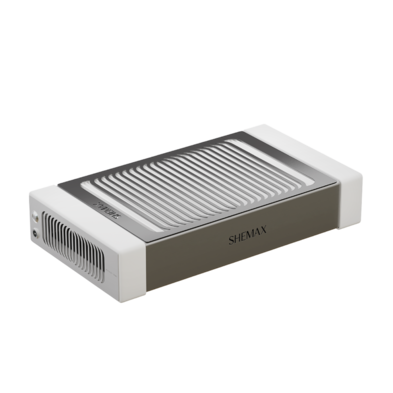
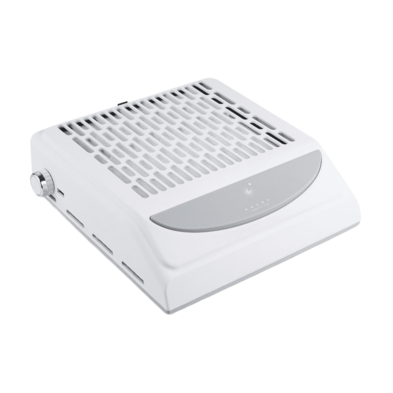
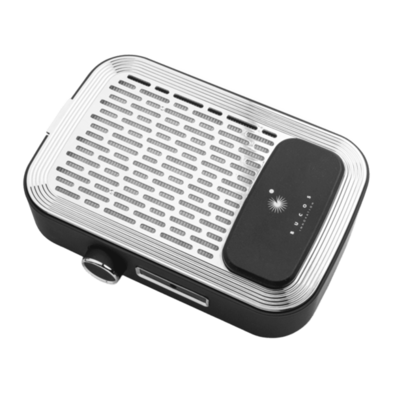
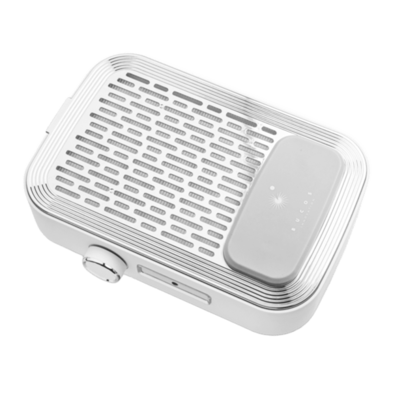
Tabletop manicure extractor














 TREND
 In stock
 Buy
 TREND In stock Buy
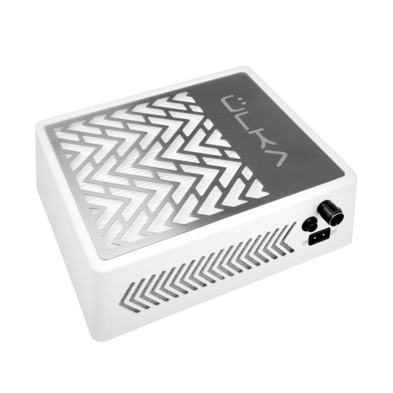 TREND In stock Buy
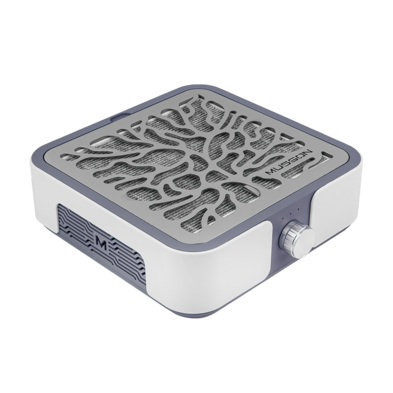 In stock Buy
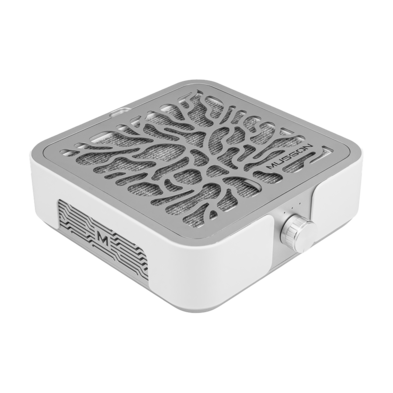 In stock Buy
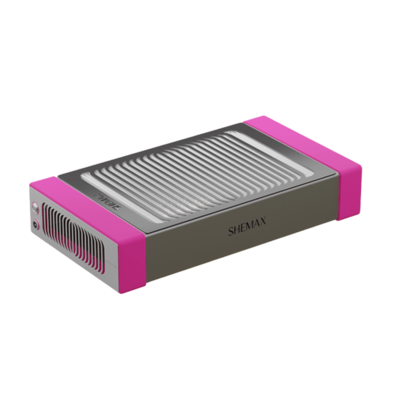 In stock Buy
 In stock Buy
 In stock Buy
 In stock Buy
 In stock Buy
 In stock Buy
 In stock Buy
 In stock Buy
 In stock Buy
 In stock Buy
 TREND In stock Buy
 In stock Buy
 In stock Buy
 In stock Buy
 In stock Buy
 In stock Buy
 In stock Buy
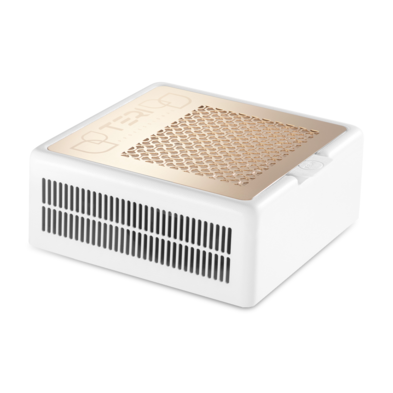 In stock Buy
- 1
- 2
- 3
- 4
- Next
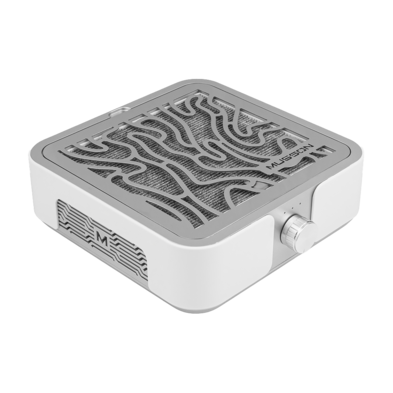
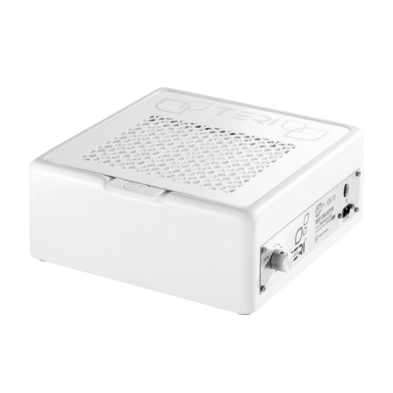
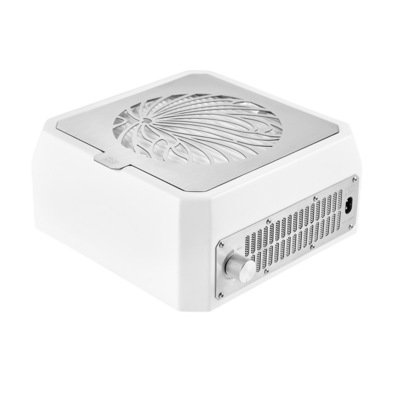
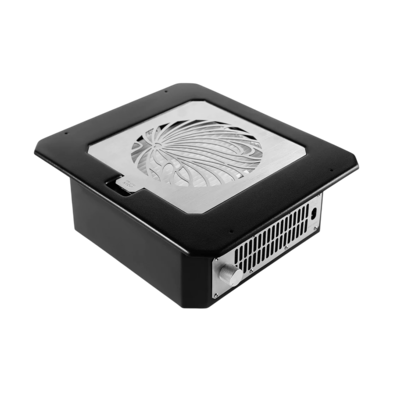
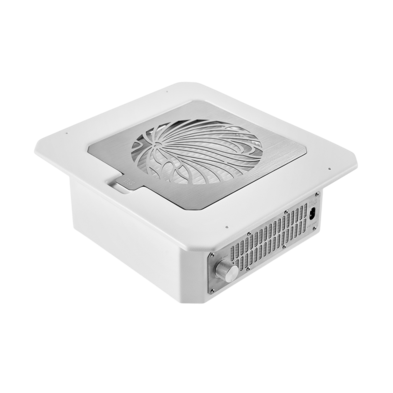
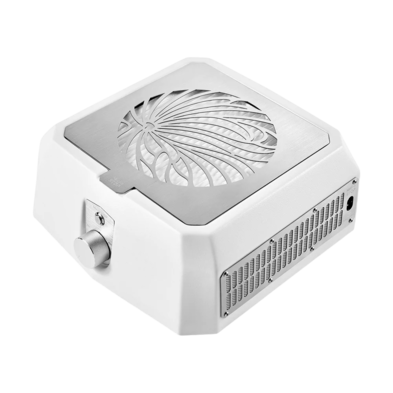
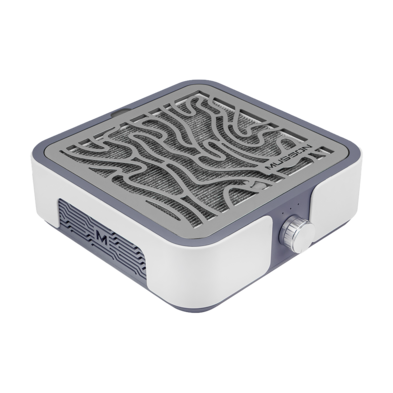
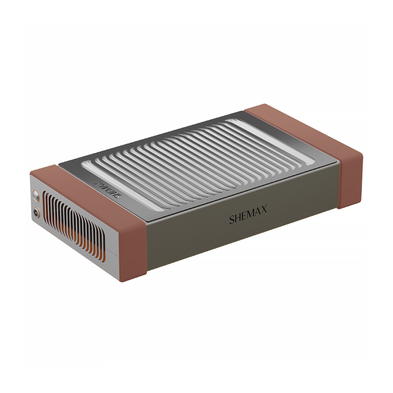
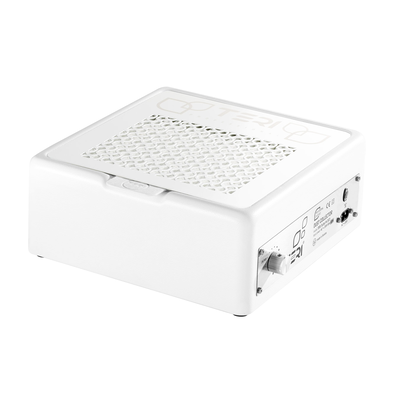
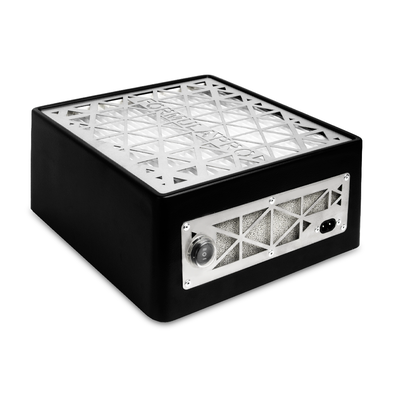
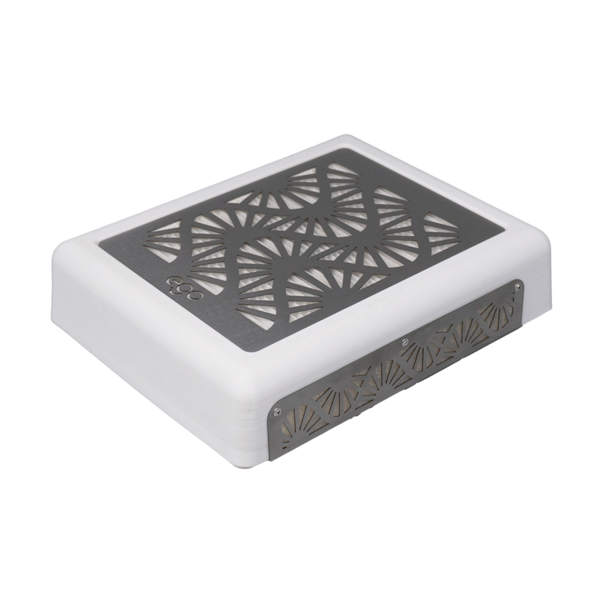
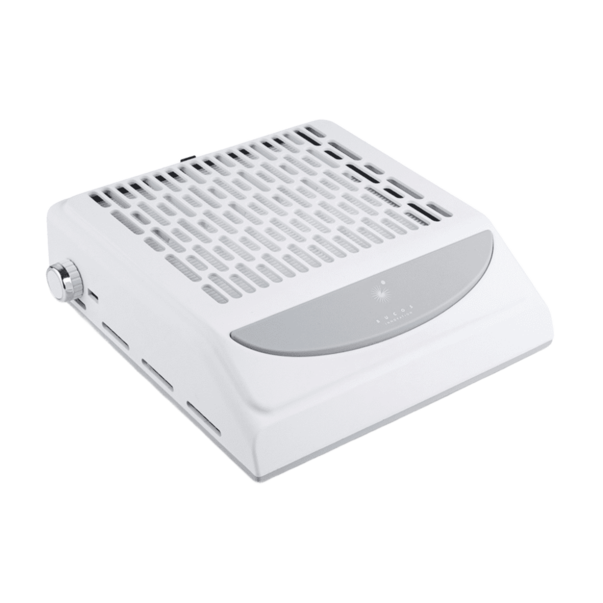
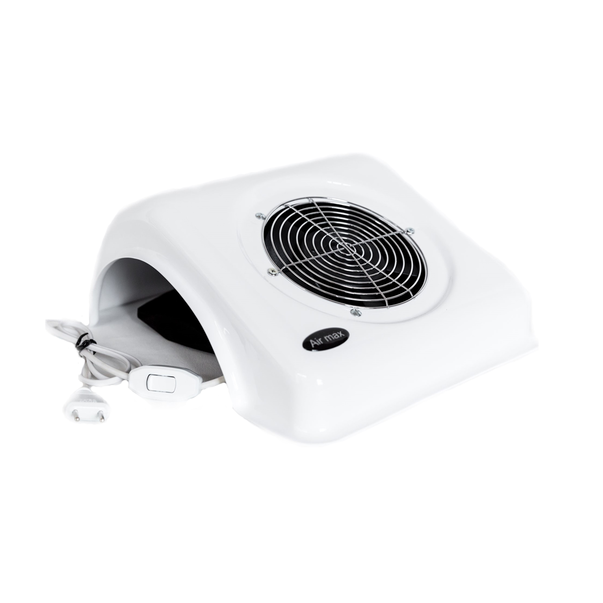
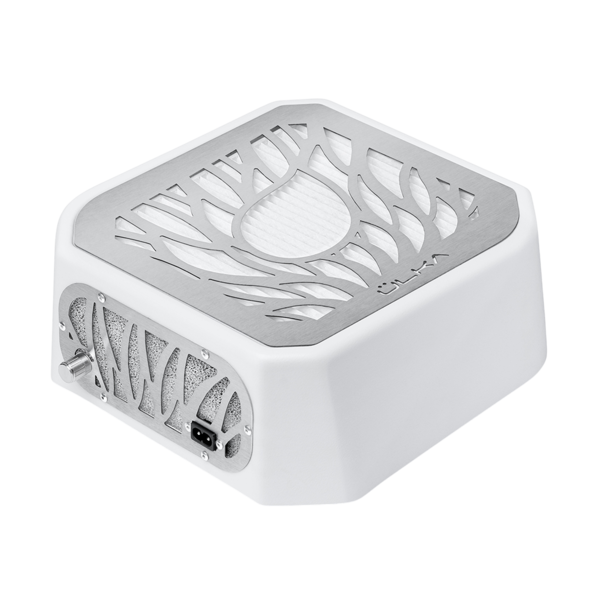
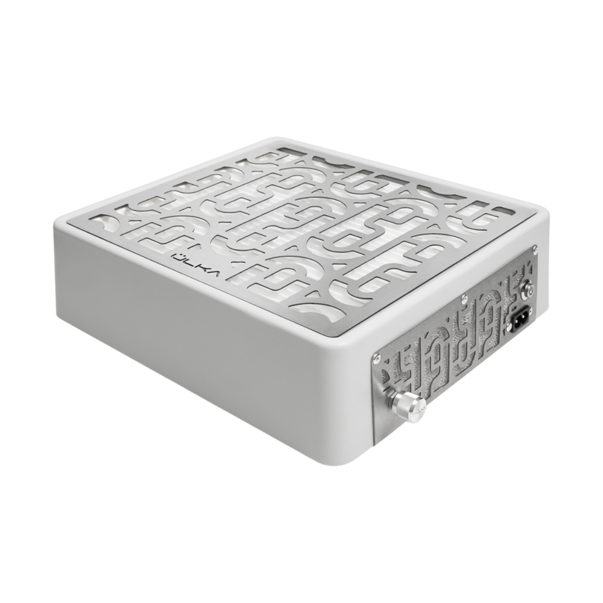
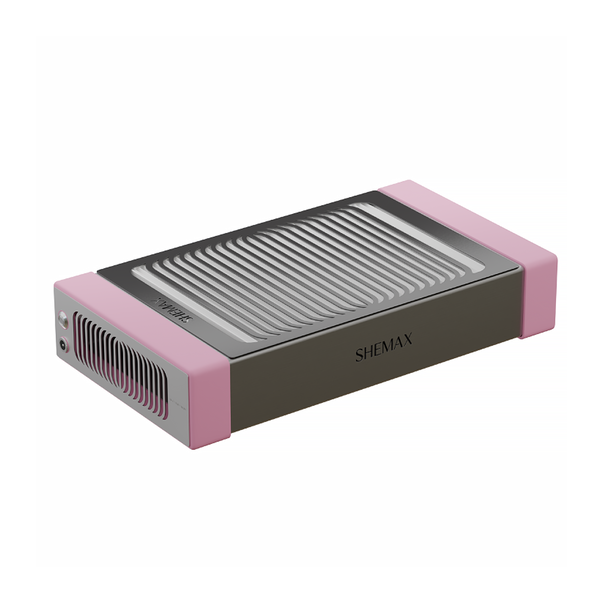
A desktop manicure extractor is a compact device with a fan and filter that draws dust directly from the work area during filing. When performing nail treatments, removing gel polish, and corrections, fine particles of keratin, coating, and abrasives are released into the air. Dust that settles on the table is only part of the problem: the finest fraction hangs in the air and enters the lungs of both the technician and the client with every breath. With several clients daily, the load accumulates, which is why an extractor is considered not a convenience but a basic protection for the workplace. The catalog at staleks.ua features desktop manicure extractors from brands such as Air Max, BUCOS, Microstop, Teri, and ÜLKA – ranging from budget models with bags to professional systems with multi-layer filters.
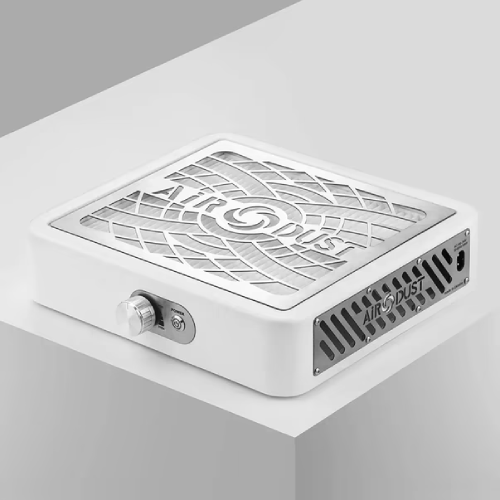
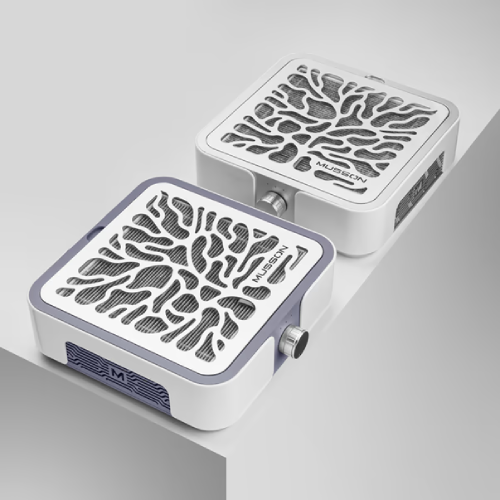
Desktop Manicure Extractor: What It Is and When to Use It
A desktop manicure extractor is a protection for the workplace against dust that inevitably arises during nail treatments. The device sucks up filing particles from the work area and retains them in the filter, preventing them from settling on the table and lingering in the air. The technician and client breathe clean air, and cleaning at the end of the day becomes noticeably less.
The device operates through a motor that creates a vacuum inside the housing: air with particles is drawn in through a grille and passes through the filter. The fabric bag collects larger particles, while the HEPA filter retains even the tiniest dust particles measuring in microns.
Every nail technician and beyond should consider purchasing a desktop manicure extractor. The main scenarios for use include:
hardware manicure: the drill removes material and creates a cloud of fine particles, which are most harmful to breathe;
removal of decorative coatings: filing gel polish with a device generates fine shavings;
working with artificial materials: acrylic and hard gel produce a lot of caustic dust during filing.
home procedures: the compact format is suitable outside the salon, helping to avoid spreading dust throughout the apartment.
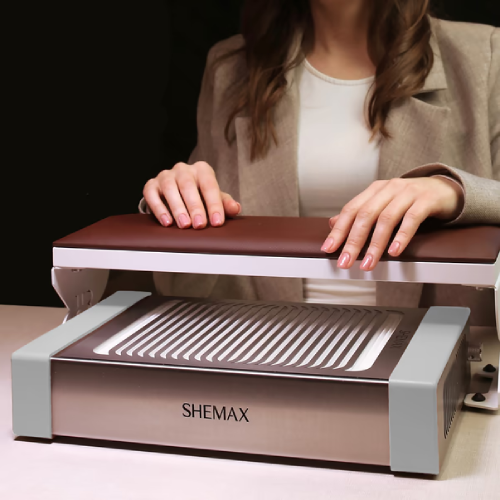
The device is placed on the work surface directly within reach of the client, so the capture area coincides with the filing area. This category of equipment is divided into desktop and built-in types, but the focus here will be specifically on the desktop manicure vacuum – the most versatile format.
Technical Specifications
Before purchasing a desktop manicure vacuum, it is essential to consider the parameters that directly influence its efficiency and ease of use. Key characteristics to highlight include:
Power. The catalog features models ranging from 17 to 111 W. The higher the rating, the stronger the suction, and the more confidently the device handles dense filings from acrylic. For gel polish, average values are sufficient, while a buffer is taken for an intensive flow of clients.
Performance and airflow speed. This is the actual volume of air that the device circulates per hour. This parameter and the suction speed at the grille (usually 2.5–4 m/s) indicate how quickly the dust is removed from the table. The power in watts is merely an indirect reference for those planning to buy a desktop vacuum.
Motor speed. The range in the catalog is from 2530 to 7200 RPM. High speeds provide strong suction, but the effectiveness of suction also depends on the fan design, specifically the shape of the blades and how they capture the airflow. Therefore, a motor with lower RPM but successful impeller geometry may perform just as well as a "faster" counterpart.
Filter type. This affects the degree of filtration and maintenance method: fabric bag or a more modern HEPA element. Here, the primary consideration is the area of application and work intensity: home use is one thing, while a steady flow of clients is another.
Power adjustment. Most items in the catalog have this feature. This means that the suction strength can be individually adjusted for each procedure. Gentle polishing does not require full power, while dense filings do.
Body material. The main option is impact-resistant ABS plastic with a stainless steel grille. Such a body is easy to wipe down with a disinfectant and is resistant to accidental impacts and gel stains.
Noise level. Even a powerful motor can operate without annoying noise. Much depends on the housing design and fan type. Quiet operation is especially noticeable in devices with a centrifugal motor. If you buy a desktop manicure extractor of this type, you will be able to converse with the client calmly during the procedure.
Power supply. Most models are designed to operate from a standard household network and fall within the range of 100–240 V; some versions can work from a power bank via Type-C.
Manufacturer's warranty. This depends on the specific manufacturer. It can range from 3 months for budget devices to 5 years for equipment from certain Ukrainian brands.
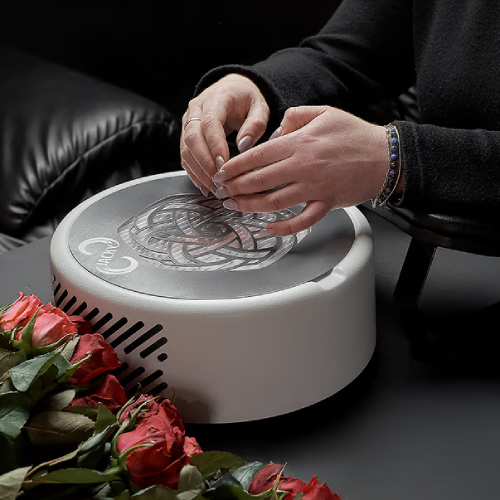
Bag or HEPA Filter: What’s the Difference
The filtration method is the first thing to consider when choosing a desktop manicure extractor. The catalog includes models with fabric bags and HEPA filters, with most devices coming equipped with HEPA. There are two versions with bags: one with a single bag and another with two replaceable bags. Despite having the same purpose and primary function, the level of filtration differs between the two types, so it is important to understand the distinctions.
Parameter | Fabric Bag | HEPA Filter |
| Filtration Level | Retains large and medium particles | According to class standards, captures up to 99.97% of particles from 0.3 microns |
Maintenance | Empty, rinse, and completely dry | Shake out dust, blow with cold air or brush off with a soft brush, wipe with a cloth |
Completeness | 1 or 2 replaceable bags | Reusable element, often with a spare |
Replacement | As the fabric wears out | When suction decreases, approximately every 1–2 months |
Who It’s Suitable For | Home use, working with gel polish | Salon, intensive filing, high client turnover |
There is a nuance that is not visible in the table: the finest dust passes through the fabric of the bag and partially returns to the air with the exhaust, and when shaken out, it rises in a cloud. Therefore, a fabric bag for a desktop manicure vacuum handles larger shavings well but retains the most dangerous fraction for breathing less effectively than HEPA. This is the main argument in favor of a reusable filter where air purity is important, not just cleanliness on the table.
Motor Resource and Lifespan – Not the Same as Warranty
When choosing a desktop extractor, technicians often pay attention to the warranty period – and this is logical, but it does not provide the complete picture. It is also important to consider the motor resource. The warranty covers breakdowns, while the motor resource indicates how long the device can physically operate. The stated 50,000 hours (as indicated, for example, for Air Max and ÜLKA) translates to about 6 years of daily operation for 8 hours. For a technician with a full schedule, the motor resource is more important than the warranty period: it determines when the equipment will actually wear out, even if the warranty is still valid. Therefore, when comparing two models of the same price, look not only at the years of warranty but also at the declared motor resource in hours.
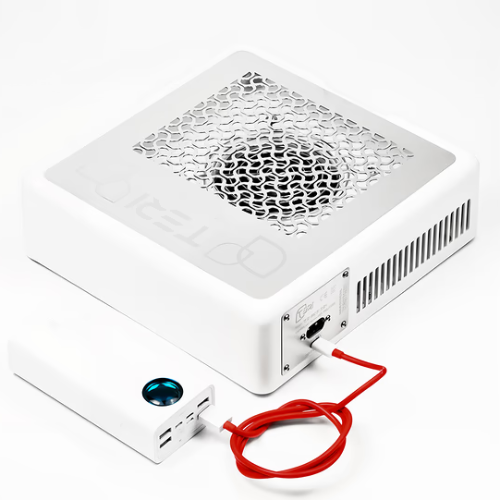
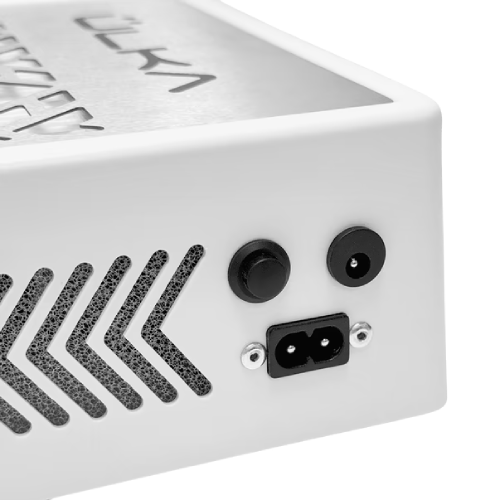
Comparison of Popular Desktop Manicure Extractor Models
Our catalog features over 70 models of desktop manicure extractors, and the assortment is constantly updated – new versions and brands are introduced. To simplify navigation, let’s examine 5 of the most sought-after devices, one from each major brand.
Characteristic | |||||
| Manufacturer | Ukraine | South Korea | Ukraine | Ukraine | Ukraine |
Power | 65 W | 72 W | 56 W | 70 W (mains) / 50 W (Type-C) | 48 W |
Filter Type | 2 fabric bags | Multi-layer charcoal HEPA | HEPA with sealing | HEPA | HEPA |
RPM / Modes | 2530–7200 RPM | 4500 RPM, 3 levels + turbo | 2700 RPM | 3800 RPM | 2530 RPM |
Power Adjustment | Yes, 7 levels | Yes, 3 levels + turbo | Yes, smooth | Yes | No |
Body Material | Reinforced plastic, eco-leather cushion | Impact-resistant plastic, steel mesh | ABS plastic, stainless steel | ABS plastic, metal | Impact-resistant plastic |
Feature | German motor, resource 50,000 hours | USB port, odor neutralization, turbo mode | IP44 protection, 2 HEPA filters and sticker pack included | Autonomous operation from a Type-C power bank | Industrial centrifugal fan |
Warranty | 12 months | 24 months | 5 years | 12 months | 5 years |
For What Conditions | Home and salon, gel polish and moderate flow | Salon, intensive acrylic, working with odors | Salon and home, busy location, small space | Mobile services and offices with power outages | Compact area, quiet delicate work |
Choosing the best model from this selection without considering the task is impossible – each desktop extractor serves its specific scenario. A general guideline for comparison is as follows: first, assess the density of client flow and the type of materials, and then look at the numbers. Read the power in watts along with the airflow speed and filter type: a strong motor with a simple bag may perform worse in air cleanliness than a moderate device with a quality HEPA filter. And always allow for a buffer: equipment that operates at its limit all day wears out faster than that which works in a comfortable mode.
How to Choose a Desktop Manicure Extractor for Your Needs
Selecting a desktop manicure vacuum can be conveniently broken down into several steps. Follow them in order to ensure the device meets your workload.
Determine the type of work. For only gel polish and soft materials, average power is sufficient. For regular acrylic, hard gels, and pedicures, choose a model with strong suction and performance reserve.
Assess the client flow. A compact budget model is suitable for home use and infrequent procedures. For a busy schedule, a motor with a resource and HEPA filter that protects the engine from clogging is necessary.
Select the filter type. A bag is simpler and cheaper to replace, while HEPA cleans the air more thoroughly and is easier to maintain. Salons should definitely choose a desktop manicure extractor with HEPA, and technicians prone to allergic reactions should consider one with a charcoal layer.
Pay attention to the power adjustment option. The ability to reduce suction is useful during delicate stages where strong pressure is a hindrance.
Look at the country of origin and warranty. The catalog predominantly features Ukrainian models, with some from Korea and China. Many Ukrainian brands offer warranties of up to 5 years – a significant argument when prices are comparable.
Consider dimensions and positioning. Measure the available space on the table: the desktop manicure extractor should fit next to the lamp and armrest without obstructing hand movement. Compact models are more convenient for small workspaces and mobile services.
Evaluate additional features. Small conveniences that simplify work are useful: a built-in USB port for lighting or a drill, autonomy from a power bank in case of outages, LED lamp in the housing. These are not mandatory but provide a pleasant buffer for specific conditions.
A properly selected device pays off in silence, a clean table, and safe working conditions: it is not worth saving at this stage.
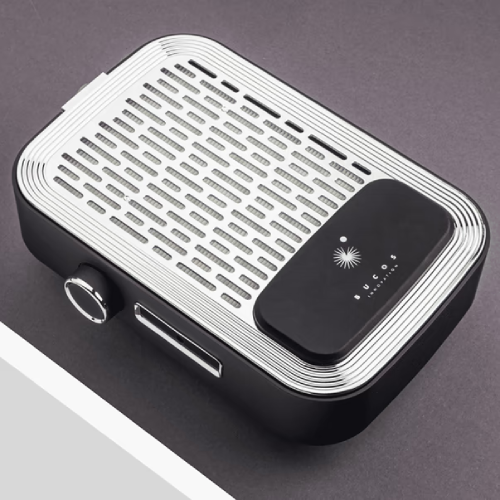
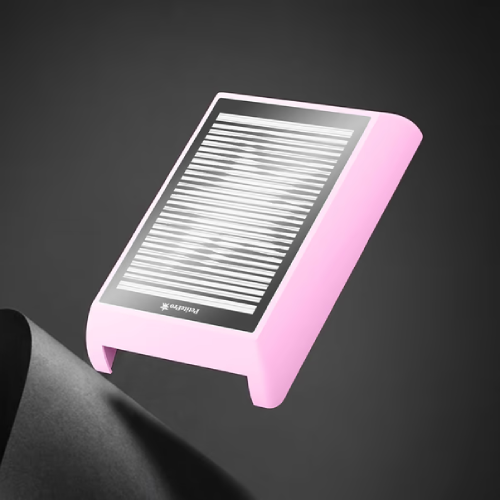
Operational Recommendations from Professionals
A few practical rules can help maintain suction and extend the lifespan of a desktop manicure vacuum:
Update the filter based on suction, not the calendar. The term "once every 1–2 months" is conditional and depends on the flow. The real indicator is the suction power: as soon as the table starts to dust faster after cleaning, the element has served its time. Cleaning only partially restores suction, as clogged fibers throughout the thickness cannot be restored. A busy salon may need a replacement once a month, while a home technician may need it half as often.
Do not run the device at maximum constantly. Turbo and higher modes are needed for peak filing, such as when removing a thick layer of acrylic. At other times, keep it on medium mode: the motor heats less, and the resource is consumed more slowly, while still providing sufficient suction for filing and gel polish.
Do not turn the dirty filter inside out. Dust accumulated in the layers will be sucked into the motor, reducing suction, and the desktop manicure vacuum may fail.
Dry the element completely. A damp bag should not be placed back – it kills filtration and harms the motor.
Wipe the body with a soft agent. Gel stains are removed with a non-aggressive disinfectant with low chlorine content; the grille should not be soaked in water or chlorine solutions.
Keep a spare filter handy. An additional HEPA set eliminates downtime when the main element loses effectiveness.
How to Integrate the Device into the Work Area
In the technician's workspace, the desktop manicure vacuum coexists with a whole set of equipment: a lamp for curing gel polish and regular lighting, a drill with a handle, and often a client hand rest and technician armrest. Add to this brushes, bottles with materials, and antiseptic, and it turns out that every inch of the table counts. A few tips can help fit the extractor even in a compact workspace and enhance work comfort:
Place the device so that the grille is between the client's hand and your face – this way, the dust is drawn away from you, not towards you.
Check where the cleaned air is directed: if it blows sideways, light debris may circulate on the table.
Models with a built-in USB port save an outlet: you can connect lighting or a drill to it.
A compact body is advantageous on a small table: the device does not push the lamp and materials into a far corner.
Additional Recommendations
A few tricks that maximize the performance of the desktop manicure extractor and extend the life of the filter:
Disposable cloth on top of the filter. Disposable protective cloths (included with some models, such as BUCOS) are placed over the HEPA. They catch larger particles, while the finer ones go into the main element. Change the cloth after each client, and the filter will last significantly longer.
Run it after the procedure. Do not turn off the device immediately. Let it run idle for 1–2 minutes. It will capture the dust that still hangs over the table after the last touch of the drill.
Check the capture zone. Keep the client's hand 10–15 cm from the grille. Beyond that, suction decreases, and filings fly past. If placed too close, you simply block the airflow. These centimeters significantly affect the efficiency of operation.
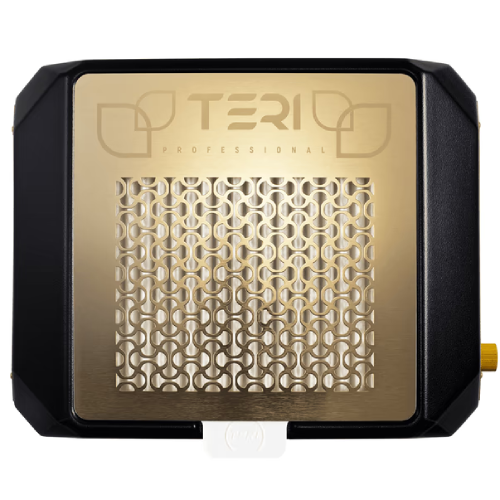
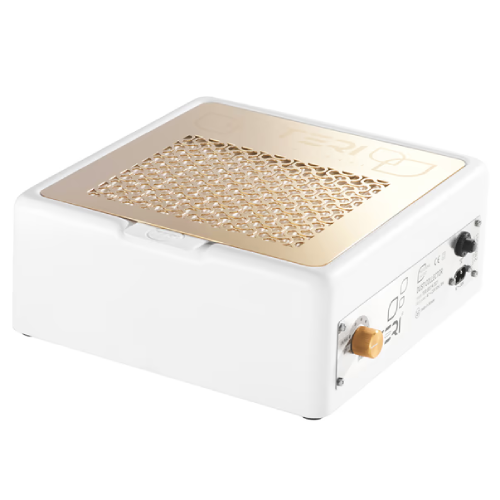
FAQ: Common Questions About Desktop Manicure Extractors
Why can a 48 W device have stronger suction than a 65 W one? Watts indicate power consumption, not suction strength. Real suction is determined by the fan design and airflow speed at the grille. Budget devices often use axial fans, like those in computer coolers: they move a lot of air but at low pressure and are less effective at collecting dense filings. A centrifugal motor creates high pressure and draws even heavy particles from the surface. Therefore, the compact ÜLKA Premium at 48 W provides a flow of 3.2 m/s, which is more effective than some devices with higher wattage. The main reference when choosing is the airflow speed in m/s and m³/h, with differences explained by the type of fan.
Where does the cleaned air go, and does it interfere with work? The device not only sucks in dust but also expels the filtered airflow back – usually from the bottom or back of the housing. Before purchasing, pay attention to where the exhaust is directed in the specific model: if it blows sideways, light debris may circulate on the table, and the airflow may sometimes dry brushes or interfere with working with liquid materials. Models with bottom exhaust are more convenient in this regard.
What does a marking like IP44 on the housing mean? This indicates the dust and splash protection class. IP44 (found, for example, on the Microstop BASE) means that accidental splashes while cleaning the table with disinfectant will not harm the device. Washing the extractor under running water is still not allowed, but such models have a higher resistance to wet cleaning of the area.
Will the device handle dust during pedicures? Yes, but with a caveat. During pedicures, not only nail filings but also dust from treating rough skin on the feet and heels enters the air – this fraction is larger and heavier than during manicures. The extractor handles fine dust excellently, but for a dense flow of particles from the heels, a device with good suction and power reserve is needed. The key is to keep the treated area within the capture radius of the grille, so the dust is removed immediately rather than settling around.
Are all HEPA filters the same? No, HEPA refers to a class of filters with varying degrees of filtration. In Europe, the EN 1822 scale operates with classes from H10 to H14: the higher the number, the more fine particles the material captures. H13 and H14 capture 99.95–99.995% of dust and are suitable even for medical facilities. Manicure extractors typically use filters of medium and high classes, and some models, such as the BUCOS MUSSON X3, complement HEPA with a charcoal layer – it captures not only dust but also odors from acrylic and polymerization. If the seller indicates the filter class, it is a reliable reference for filtration depth.
How does the extractor's energy consumption compare to other equipment in the salon? Economically. The desktop model consumes from 17 to about 110 W depending on power and mode, typically closer to the lower end on medium mode. This is less than what a drill under load or a UV/LED lamp consumes during polymerization, so the extractor does not significantly impact the overall electricity bill.
What distinguishes a desktop model from a built-in one, and can it be retrofitted? A desktop extractor is mobile. It can be moved around the table, stored in a cabinet, and taken to client locations. A built-in model is mounted directly into the countertop – it is more powerful and does not take up surface space but is tied to a specific workstation. It can be dismantled, but this is labor-intensive and leaves a technological hole in the table, making the "take it with you" option unfeasible. The conclusion is simple: if you work at one equipped location, consider a built-in model; if you need flexibility and mobility, choose a desktop one.
How to properly dispose of collected dust? The bag and filter accumulate keratin particles, material filings, and residues from coatings, so shaking out the filter in the air in the middle of the salon is not advisable: fine particles will rise back into the air. Do this over a damp sink or into a closed bag, preferably while wearing gloves and a mask. Dust can be disposed of in regular trash in a tied bag; it does not require separate disposal. And do not wait until it is full: a clogged collector holds the particles worse and puts more strain on the motor.
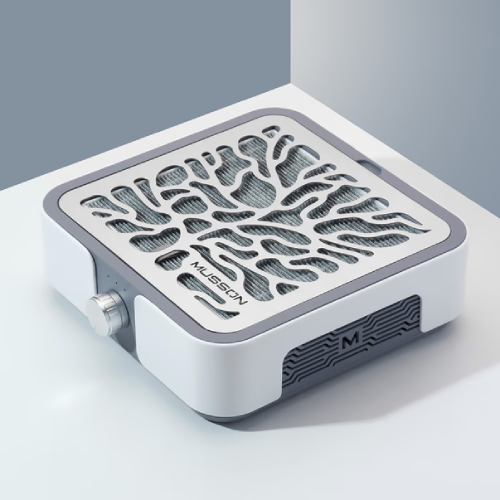
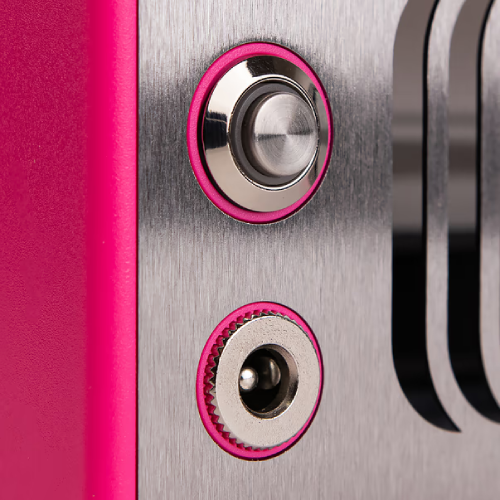
Desktop Manicure Extractor in the Staleks Shop & Service Catalog
A desktop manicure extractor is equipment that is equally suitable for both salons and home offices: the device intercepts filings at the moment of their appearance, protects the breathing of the technician and client, and keeps the work area tidy with less cleaning. The range of power, filter type, and warranty allows for selecting an option for both home procedures and salons with a busy schedule, starting from versions with washable bags to professional systems with HEPA and charcoal layers. You can purchase a desktop vacuum in the online store staleks.ua: the entire line is available, and the managers will assist you in choosing based on your specific workload and provide delivery information.
The desktop extractor draws filings directly from the work area and prevents dust from settling on the table and in the air.
The catalog at staleks.ua features models from brands such as Air Max, BUCOS, Microstop, Teri, and ÜLKA.
The power of the devices ranges from 17 to 111 W, and motor speeds range from 2530 to 7200 RPM.
Real suction is determined by airflow speed in m/s and fan type, not just watts.
There are two types of filtration: a fabric bag (one or two included) and a reusable HEPA filter that captures up to 99.97% of the finest particles.
Most models have power adjustment for specific procedures.
The declared motor resource is up to 50,000 hours – about 6 years of daily operation.
Autonomous models operate from a power bank via Type-C in case of power outages.
Ukrainian brands offer warranties of up to 5 years – a significant argument when choosing.
Extractors for manicure Cost on staleks.ua
Name | Price |
| Manicure hood ÜLKA Premium 2.0 52 W built-in white | 9 700.00 UAH |
| Tabletop nail dust collector ÜLKA Mini 17 Вт White | 2 880.00 UAH |
| Dust collector for manicure ÜLKA Premium 2.0 48 W desktop white | 8 700.00 UAH |
| SHEMAX Petite Pro built-in manicure hood with HEPA filter white | 12 000.00 UAH |
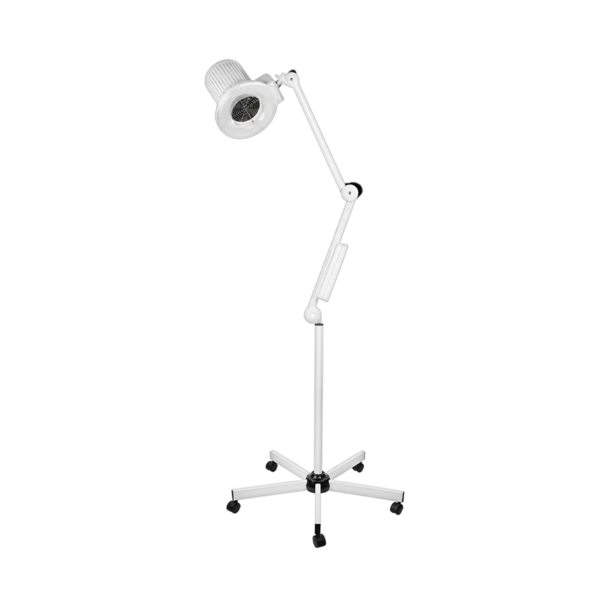
| Manicure and pedicure hood NailsX Pro Max Set on wheels | 24 400.00 UAH |
Tabletop manicure extractor - customer reviews

Frequently Asked Questions
All products in the Nail Dust Extractors category come with a manufacturer's warranty ranging from 2 to 12 months. More detailed information can be found on the product page or obtained by calling 0 (800) 354-123 to speak with a manager.