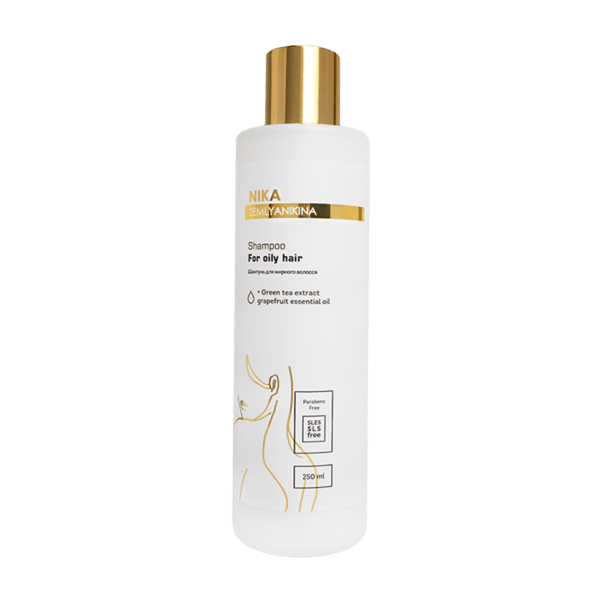
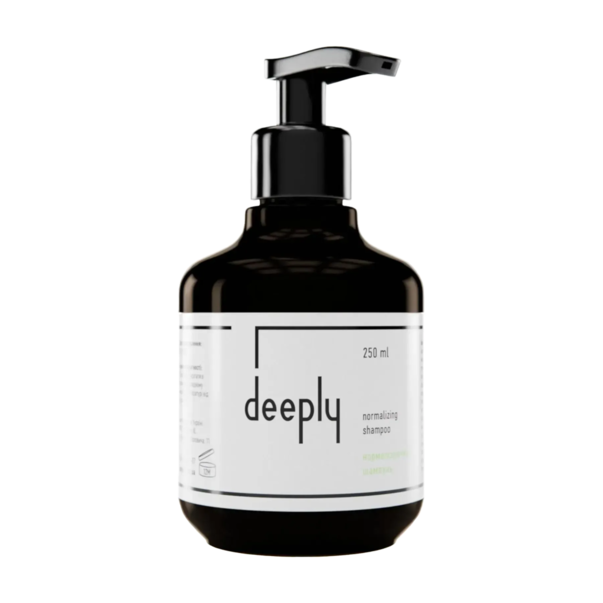
Seboregulating shampoos





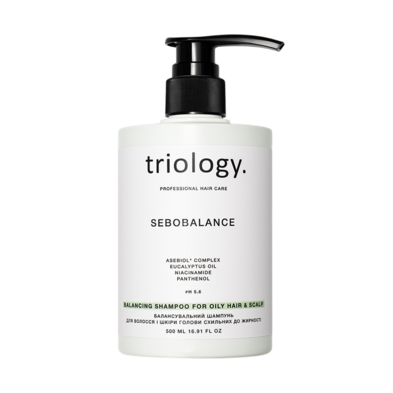
 In stock
 Buy

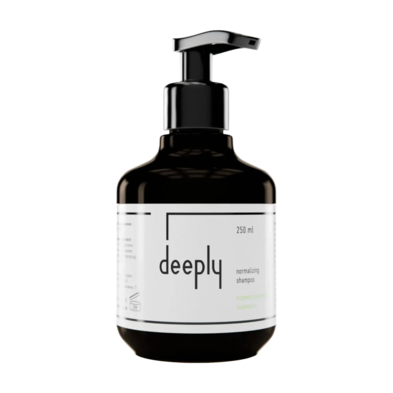 In stock Buy
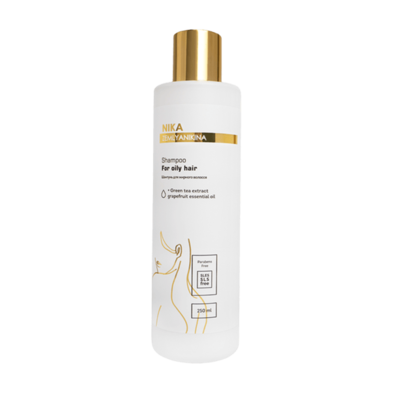 In stock Buy
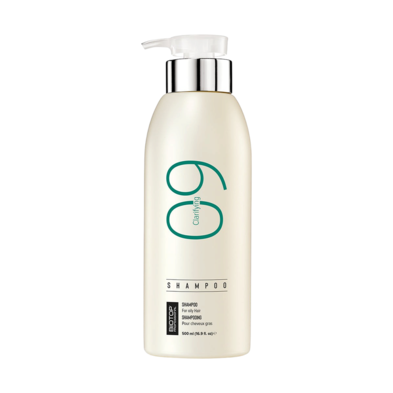 In stock Buy
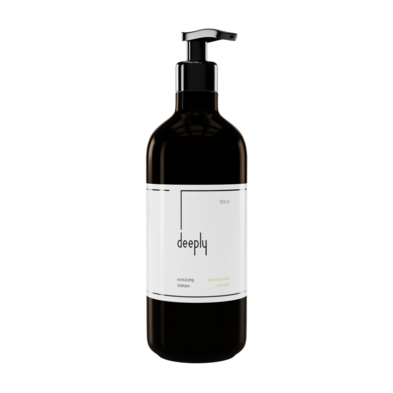 In stock Buy
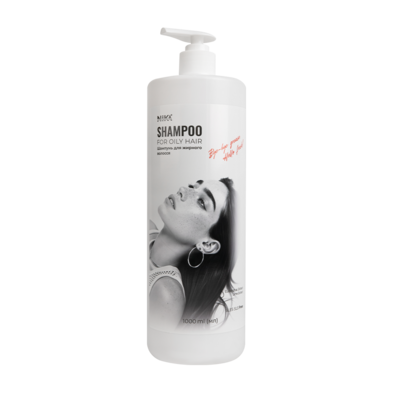 In stock Buy
 Out of stock
when available
 Out of stock
when available
Sebum-regulating shampoo is a product with deep cleansing properties designed for the care of oily scalp and combination hair types. When strands become dirty too quickly and roots exhibit a constant greasy shine, the culprit is the hyperactivity of sebaceous glands. Formulations containing salicylic acid, zinc, and natural extracts help delicately address this issue by gently reducing sebum production and extending the cleanliness of the hair for a couple more days.
Sebum-regulating shampoos provide a pleasant feeling of cleanliness and freshness immediately after washing. Hair appears light, remains voluminous, and does not become oily for a long time – this effect lasts not only on the day of washing but also afterward. Such shampoos cleanse gently without drying out the scalp and maintain the natural balance of sebum. In our catalog, you will find many options against oiliness – there are formulas for both daily care and more intensive restoration.
When to Use Sebum-Regulating Shampoos
Not every hair type requires a special formula against oiliness. However, there are three clear signals when it is worth replacing your usual product with a sebum-regulating shampoo.
Oily Scalp
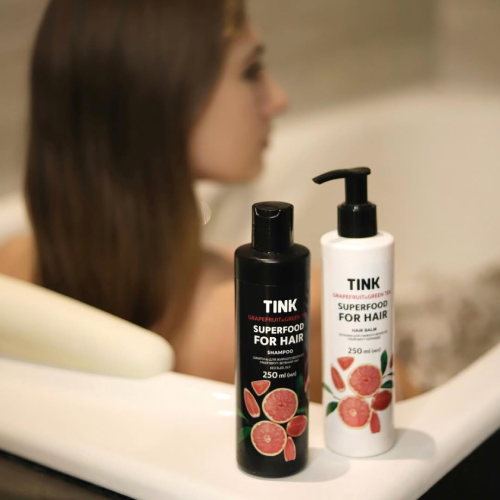
Oiliness at the roots is the main reason why hairstyles lose volume just a few hours after washing. Sebaceous glands work more actively than necessary, and sebum quickly spreads along the length of the hair. In this case, a shampoo for oily scalp with a light yet deeply cleansing formula becomes a fundamental step in care.
Typical signs to pay attention to include:
-
greasiness and loss of volume at the roots by the second day;
-
quick clumping of strands at the parting;
-
itching and irritation without visible cause;
-
oily dandruff with a yellowish tint.
It is precisely for such cases that a product against increased oiliness with targeted concentrated action has been created.
Rapid Pollution
Hair becomes dirty quickly not only due to genetics. Frequent touching with hands, tight headwear, hot air from a hairdryer, and even stress accelerate sebum production. As a result, styling lasts only a few hours, and roots look unclean by morning. A shampoo for oily hair helps break this cycle by delicately removing excess sebum without aggressive drying.
Excessive Sebum Production
The hyperactivity of sebaceous glands has several typical triggers.
-
Hormonal fluctuations – adolescence, menstrual cycle, pregnancy.
-
Chronic stress and lack of sleep.
-
Incorrectly chosen care – too frequent washing or excessive use of oily hair creams.
-
Often, the root of the problem lies in genetics – an innate tendency for sebaceous glands to be hyperactive.
-
External conditions also play a role: summer heat, stuffy humid climate, or urban smog.
It is clear that a sebum-regulating shampoo for oily hair does not eliminate these deep-rooted causes; however, it effectively helps control their surface consequences by removing excess oil and shine.
What is Seboregulation and How Does It Affect Hair Condition
Seboregulation is the process by which the scalp independently regulates the amount of sebum produced. With an ideal balance in this system, strands retain freshness at the roots for a long time, hairstyles do not lose their well-groomed appearance for days, and the epidermis does not suffer from tightness or flaking.
Balance of Sebum Production
Sebaceous glands continuously produce sebum – this is a natural protective layer of the scalp. The problem arises not from the sebum itself but from its excess. Normally, a thin lipid film protects hair from brittleness and external irritants. When the balance is disrupted, it becomes denser and heavier, and that is when the need arises to use a sebum control shampoo.
Impact of Sebum on Scalp Condition
Excess sebum alters the microflora of the skin. Pores become clogged more quickly, leading to a feeling of heaviness and discomfort. Hair follicles operate in a denser oily environment, causing styling to lose volume even after thorough washing. Regular use of sebum-regulating products helps maintain the scalp in a more stable condition.
Signs of Seboregulation Disruption
It is not difficult to notice a disruption in balance if you know what to look for.
| Sign | What It Means |
| Oily shine at the roots within 12–24 hours | Sebaceous glands produce sebum faster than the skin can distribute it |
| Dandruff with oily yellowish particles | Associated with the activity of microorganisms that feed on components of sebum and accelerated cell renewal |
| Itching without redness | Irritation of the upper layer of the scalp due to excess lipids |
| Rapid loss of styling volume | Sebum weighs down hair at the roots |
| Dry ends with oily roots | Uneven distribution of sebum along the hair length |
If at least two points from the table recur every week, it is worth reevaluating your care formula and paying attention to sebum-regulating shampoos with targeted action.
How Sebum-Regulating Hair Cleansers Work
Each sebum-regulating shampoo works on a similar principle, although they differ in the concentration of active ingredients. The formula operates in three directions simultaneously.
Normalization of Sebaceous Gland Activity
The components deeply cleanse the scalp and help the sebaceous glands function without sharp fluctuations. The effect unfolds gradually: a light feeling of freshness appears immediately, but a full balance restructuring requires a complete course of 3–4 weeks.
Clearing Excess Sebum
The cleansing base delicately removes excess sebum without disrupting the protective barrier. A shampoo for oily scalp with gentle surfactants removes excess sebum, dust, and residues of styling products in one wash.
Maintaining a Healthy Balance
The third direction is maintaining the result between washing procedures. Plant extracts and light moisturizing components prevent the skin from compensatorily producing even more sebum in response to aggressive cleansing.
Active Components in Sebum-Regulating Shampoos
The composition of sebum-regulating shampoo contains three main groups of components. The strength of the formula always lies in specific ingredients rather than general promises on the packaging.
Zinc for Sebum Regulation
Zinc PCA regulates sebum levels and helps control oily shine. This mineral is often included in professional formulas against increased oiliness. It acts on the surface, supporting more stable sebaceous gland activity throughout the day. Thanks to zinc, the effect after washing lasts longer, and hairstyles do not lose volume as quickly.
Salicylic Acid for Cleansing
Salicylic acid gently exfoliates dead cells and cleanses pores. This component works as a mild exfoliant. It effectively breaks down the fat accumulated in the pores, protecting hair follicles from pollution and inflammation. This is why professional shampoos for oily scalp are often based on salicylic acid. In quality formulas, its action is always balanced with softening additives to ensure that deep cleansing does not lead to simple over-drying.
Plant Extracts for Soothing the Skin
Plant extracts soothe the skin and help maintain a feeling of comfort after washing. Nettle, sage, tea tree, green tea – these components are often added to sebum-regulating shampoos. They soften the action of the cleansing base and help the skin recover comfort more quickly after deep cleansing.
How to Choose a Sebum-Regulating Shampoo
When searching for a formulation, it is important to consider how many days the hairstyle retains freshness. Before making a choice, examine the nuances.
-
active base: the proportions of zinc, salicylic acid, and herbal extracts determine the strength of action;
-
consistency: a lightweight gel gently cleanses strands daily, while a thick cream shampoo addresses deep care tasks;
-
presence of additional moisture for the ends;
-
packaging volume – convenient for daily or less frequent use.
For Oily Scalp
In cases of pronounced problems, it is advisable to purchase a shampoo for oily scalp with a high concentration of cleansing agents. Such formulations are specifically designed for regular cleansing: they deeply cleanse pores but act gently and do not turn the skin into a dried-out desert.
For Combination Hair Type
The combination type – oily roots and dry ends – is considered the most challenging for selecting care. In this case, a sebum-regulating shampoo with a light texture is suitable, which is applied primarily to the root area rather than distributed along the entire length.
Important! It is not recommended to apply a concentrated formula directly to dry and porous ends – this increases dryness and brittleness.
For Hair That Becomes Oily Quickly
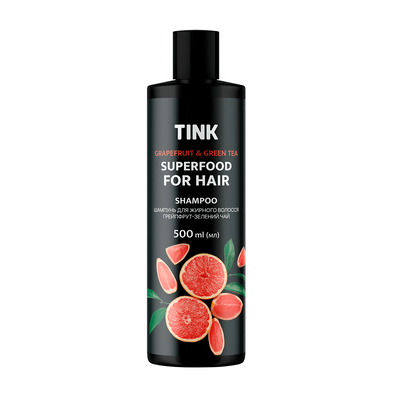
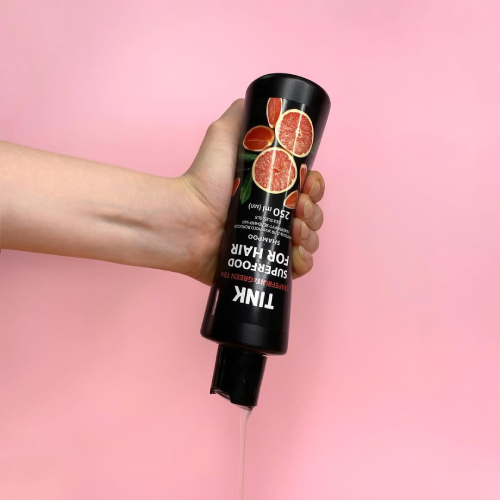
If the roots become heavy by the second day, choose formulas with targeted oil control. A good example is Tink's shampoo for oily hair with grapefruit and green tea in a 500 ml bottle. Its gentle citrus base is specifically designed for regular use: it effectively prolongs the cleanliness of the hair and leaves a pleasant scent.
How to Properly Use Sebum-Regulating Shampoos
Even the most effective formula will not yield the desired result without the correct application technique.
-
Wet hair with warm, not hot, water.
-
Apply a small amount of product to the root area and gently massage the scalp with your fingertips for 1–2 minutes.
-
Leave the foam on for 1–2 minutes for the active ingredients to work.
-
Rinse with warm water until the foam is completely removed.
-
If necessary, repeat application in cases of heavy pollution.
Frequency of Use
Sebum-regulating shampoo for oily hair is not suitable for daily use in all cases. Experts recommend starting with three uses per week and then adjusting the frequency based on the skin's reaction.
Frequency is not a constant value but a parameter that should be adapted to the season and lifestyle.
-
In hot weather or during intense workouts, the frequency can be temporarily increased to four times a week;
-
With the onset of cold weather and when working indoors with dry air, it is sufficient to return to three washing procedures;
-
In the first 5–7 days after switching to a new formula, oiliness may increase. This is a temporary adaptive reaction, not a reason to abandon the product;
-
On intermediate days, it is convenient to use a mild neutral product, reserving the sebum-regulating formula for days when the oily shine at the roots is more pronounced.
Double washing in one day is justified only after intense training or prolonged outdoor exposure in hot weather – in normal conditions, it only creates additional stress on the scalp.
Proper Cleansing
The main mistake is actively rubbing with nails instead of a gentle massage. Intense friction irritates the scalp and provokes even more active sebum production in response.
Regular intense rubbing with nails damages the protective barrier, which in turn compensatorily stimulates sebum production – thus, the application technique affects the result just as much as the formula itself.
-
Apply shampoo for oily hair to damp, not just wet strands – this way, the foam activates more evenly.
-
Massage the scalp in circular motions from the hairline to the nape, rather than rubbing strands against each other.
-
Devote 60–120 seconds to the massage – this time is sufficient for the active components to work without excessive mechanical load.
-
Rinse thoroughly around the temples and behind the ears, where unnoticed residues of the product often remain.
-
Finishing washing with cool water is pleasant for the skin and helps tone it, although it does not affect the activity of sebaceous glands – the effect is tactile, not sebum-regulating.
If a feeling of tightness or excessive dryness occurs after washing, it is advisable to shorten the massage time or switch to a shampoo for oily hair with a less concentrated formula.
Hair Care After Washing
It is recommended to apply a separate conditioner or mask to the length and ends, as the main cleansing product is primarily intended for the root area. It is better to buy a shampoo for oily scalp together with a light leave-in treatment for the ends – this way, the balance is maintained throughout the length, not just at the roots.
The application technique for the conditioner is also very important. The product should be distributed from the middle of the length to the ends, staying a few centimeters away from the roots to avoid overloading the root area with additional product.
Wet hair temporarily becomes more elastic and vulnerable due to changes in the hydrogen bonds within the hair structure. Therefore, it is better to detangle strands with a wide-toothed comb, moving from the ends to the roots, rather than the other way around – this reduces mechanical stress on the weakest areas.
Instead of actively rubbing with a towel, it is better to gently blot the hair with a cloth or microfiber. This reduces friction on the cuticle and minimizes frizz after drying.
Several additional practical recommendations should also be considered:
-
Dry hair with cool or warm, not hot, air from the hairdryer, keeping it 15–20 cm away from the scalp;
-
Choose light, watery textures for leave-in care for the ends instead of thick oils, which create a greasy feeling more quickly;
-
Regularly trim the ends, as split ends look dull and require more styling products;
-
Apply styling products only to the length, avoiding the root area, where the most sebum accumulates anyway.
Advantages of Sebum-Regulating Shampoos
Regular use yields several noticeable results. Any quality shampoo for oily hair demonstrates these after just a few applications.
-
The feeling of cleanliness and volume lasts longer;
-
The scalp becomes less sensitive to daily external factors;
-
The need for frequent washing decreases;
-
Styling holds its shape significantly longer.
Control of Oily Scalp
This is the main and most obvious advantage. A product with a targeted formula controls the external manifestations of excess sebum, even if the cause of its hyperactivity is related to hormonal changes or stress. This is why it is essential to buy a sebum-regulating shampoo as the first step in reevaluating the entire care system.
Long-Lasting Freshness
Hair remains light and voluminous significantly longer – often for 1–2 days compared to a regular washing product. This is especially important for those who style their hair daily with a hairdryer or straightener and do not want to repeat this procedure every day. Such a shampoo for hair freshness helps maintain a neat appearance between washes.
Improvement of Scalp Condition
With systematic use, the skin becomes less prone to irritation and itching. The plant extracts in the composition help maintain a feeling of comfort even with frequent cleansing.
Common Mistakes When Using Sebum-Regulating Shampoos
Remember that without the correct washing technique, even a premium product will not work at its full potential. Trichologists advise purchasing a sebum-regulating shampoo and being patient: a stable balance will begin to form approximately after a month of regular use, so it is not worth drawing conclusions too early.
| Error | Consequence | Correct Approach |
| Washing hair every day "just in case" | The skin becomes dehydrated and compensatorily starts to produce even more sebum | Start with 3 applications per week and adjust frequency based on skin reaction |
| Applying the product along the entire length | Ends become dry and brittle | Focus application on the root area |
| Washing hair with hot water | Increases sebum production and skin irritation | Use warm, comfortable water |
| Rubbing the scalp with nails | Microtrauma and additional irritation | Perform a gentle massage with fingertips |
| Expecting instant results | Disappointment after the first application | Evaluate the effect after 3–4 weeks of regular use |
| Storing the bottle in a damp bathroom without a lid | The formula loses concentration of active components | Tightly close the bottle and store it in a dry place |
Where to Buy Sebum-Regulating Shampoo in Ukraine and Worldwide
Sebum-regulating shampoos for professional and home care are available in the catalog of the Staleks Shop&Service online store, along with other products for hair and scalp. Here, you can select products for both salon use and compact formats for home care.
You can buy shampoo for oily scalp with delivery across Ukraine and beyond by placing an order in just a few clicks. If you have questions regarding the choice of formula or volume, consultants will help you find the optimal option.
Practical Reminder
-
Professional shampoo for oily scalp controls the external manifestations of excess sebum, not the cause of its hyperactivity.
-
Oily scalp requires not daily washing but washing with the right frequency.
-
Zinc, salicylic acid, and plant extracts are the three main groups of active components in this category of products.
-
Shampoo for oily scalp is primarily applied to the root area, not along the entire length.
-
A stable result forms after 3–4 weeks of regular use.
-
Hot water and aggressive rubbing increase sebum production.
-
Combination hair type requires additional moisture for the ends after washing with a sebum-regulating product.
-
Sebum control shampoo is the commonly accepted international term for this category of formulas.
-
A product against increased oiliness works best in combination with a light moisturizing treatment for the ends.
-
Storing the bottle in a dry place with a tightly closed lid helps maintain the concentration of active components.
Oily scalp and rapid pollution of hair are not a sentence but a reason to reevaluate the care system. A properly selected sebum-regulating shampoo acts gently without over-drying and helps gradually restore the natural balance of sebum. The result becomes noticeable not after one wash but after several weeks of consistent use – this is the difference between a temporary effect and a stable condition.

Frequently Asked Questions About Shampoo for Oily Hair
-
What are sebum-regulating shampoos used for? Such products help control excessive sebum production and extend the feeling of cleanliness between washing procedures.
-
Who are sebum-regulating shampoos suitable for? Primarily for those with oily scalp and combination hair types, where roots become oily significantly faster than the ends.
-
Do sebum-regulating shampoos help reduce hair oiliness? They control the external manifestations of oiliness but do not eliminate hormonal or genetic causes of sebaceous gland hyperactivity. The visible result is less oily shine and longer-lasting freshness of styling.
-
How often can shampoo for hair freshness be used? Ideally, three times a week at the initial stage, with further adjustment of frequency depending on the scalp's reaction. In cases of pronounced oiliness, more frequent use is allowed for a short period.
-
What components are typically included in sebum-regulating shampoos? Most often, these are zinc, salicylic acid, and plant extracts, such as sage, nettle, or green tea. In international descriptions, this category is often referred to by the term sebum control shampoo.
-
Are sebum-regulating shampoos suitable for sensitive scalps? Formulas with a gentle cleansing base and plant extracts are suitable for sensitive skin, but it is better to choose options without high concentrations of salicylic acid.
-
How to properly use sebum-regulating shampoo? Apply the product to damp hair, focusing mainly on the root area, gently massage the scalp for 1–2 minutes, and rinse thoroughly with warm water. A consultant from the catalog staleks.ua can help you buy shampoo for oily scalp and choose the correct application technique.
Shampoos Cost on staleks.ua
Name | Price |
| MiniMi Children's Shampoo REAL BOYS 250 ml | 430.00 UAH |
| MiniMi Moisturizing Shampoo for Children 250 ml | 430.00 UAH |
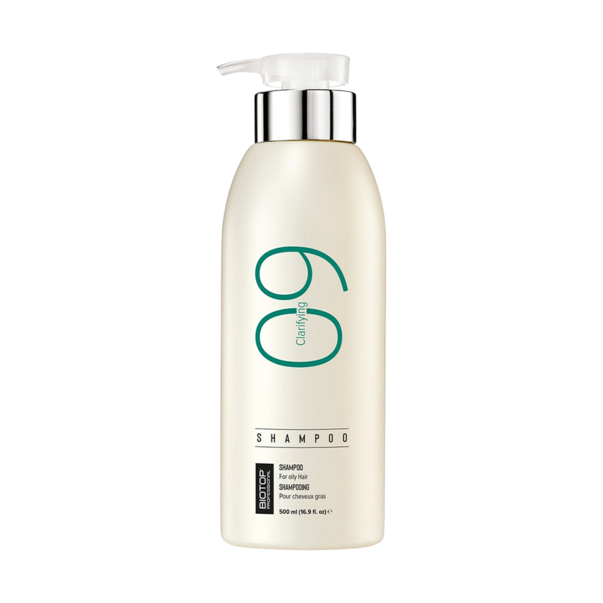
| Cleansing Shampoo BIOTOP 09 250 ml | 1 651.00 UAH |
| BIOTOP 04 Shedding Shampoo 250 ml Hair Loss Shampoo | 1 585.00 UAH |
| BIOTOP 19 Anti-Yellow Shampoo Pro Silver 250 ml | 1 953.00 UAH |
Seboregulating shampoos - customer reviews