Restorative Hair Shampoo











 In stock
 Buy
 In stock Buy
 In stock Buy
 In stock Buy
 In stock Buy
 In stock Buy
 In stock Buy
 In stock Buy
 In stock Buy
 In stock Buy
 In stock Buy
 In stock Buy
 In stock Buy
 In stock Buy
 In stock Buy
 In stock Buy
 In stock Buy
 In stock Buy
 In stock Buy
 In stock Buy
 In stock Buy
- 1
- 2
- Next
The restorative shampoo is a product with an enhanced protein or keratin complex. It is designed to restore hair after chemical or thermal damage. The restorative shampoo employs active elements with low molecular weight. They penetrate the cortex and close structural defects rather than merely covering them from the outside.
Hair repair of this level provides a noticeable increase in elasticity, reduced brittleness, and a return of natural shine after just a few applications, provided it is used as part of a course.
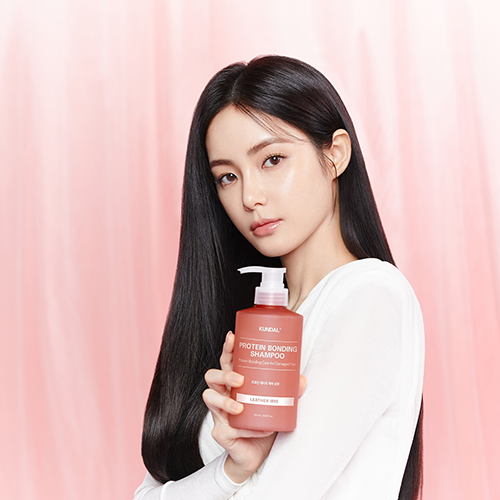
When to Use Restorative Shampoo
Restorative shampoo is a targeted tool for revitalizing hair structure after damage.
The primary signal is when strands feel like "straw" after drying: they do not bend but break, and the ends tear under minimal mechanical stress. Porous hair, which absorbs water unevenly and fades after coloring, also requires restoration rather than hydration.
Damaged Hair After Coloring and Lightening
Hair dye opens the cuticle with an alkaline environment to introduce pigment into the cortex. After the procedure, it does not close completely – the strands become porous, easily losing moisture and color, while the cortex gradually depletes. Bleaching acts even more aggressively: it destroys not only the cuticle but also the protein matrix inside the shaft. According to trichologists, one bleaching procedure reduces the mechanical strength of the hair by 30-45%.
A restorative shampoo for damaged hair with hydrolyzed keratin addresses two tasks: it fills micro-defects in the cortex and closes raised scales. This is why restorative shampoo becomes the first step in a hair repair routine, rather than a mask: it prepares the structure for deeper absorption of active substances.
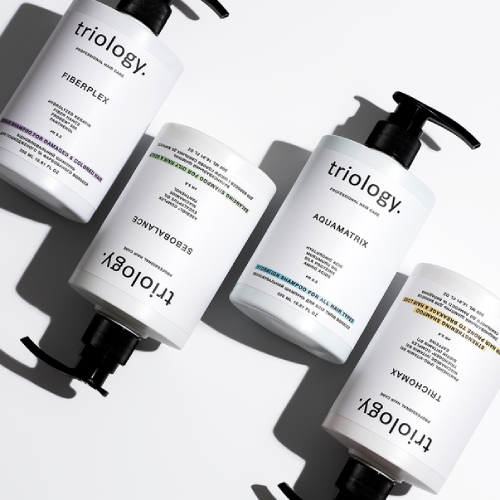
Brittleness, Dryness, and Thermal Damage
Chronic dryness occurs due to a deficiency of lipids in the cuticle, most often from thermal styling or aggressive surfactants. A shampoo for dry hair should contain natural oils that replace lost lipids and restore the barrier function of the cuticle.
A shampoo for brittle hair focuses on protein restoration: hydrolyzed keratin and wheat proteins fill micro-pores in the cortex and increase the mechanical strength of the strands.
Regular use of a hairdryer, curling iron, or straightener without thermal protection "seals" and deforms the cuticle scales: hair becomes dull and stiff, but without pronounced brittleness. A restorative shampoo for hair after thermal stress prioritizes lipid restoration of the cuticle.
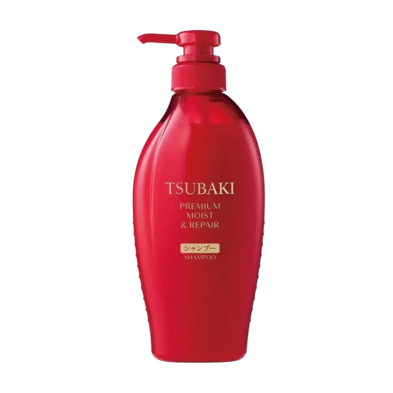
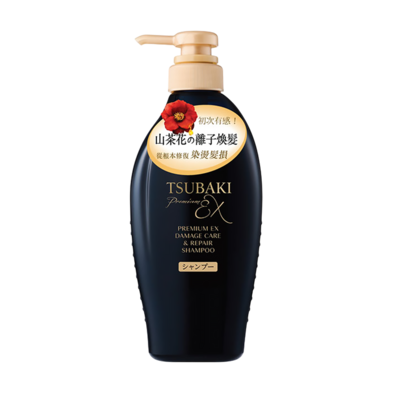
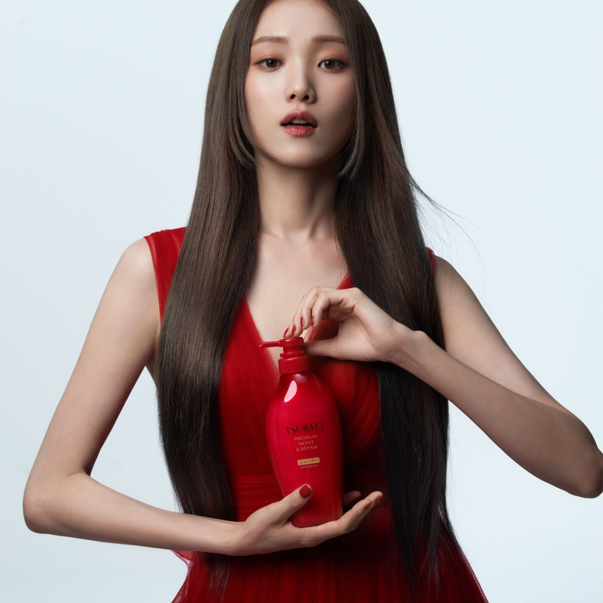
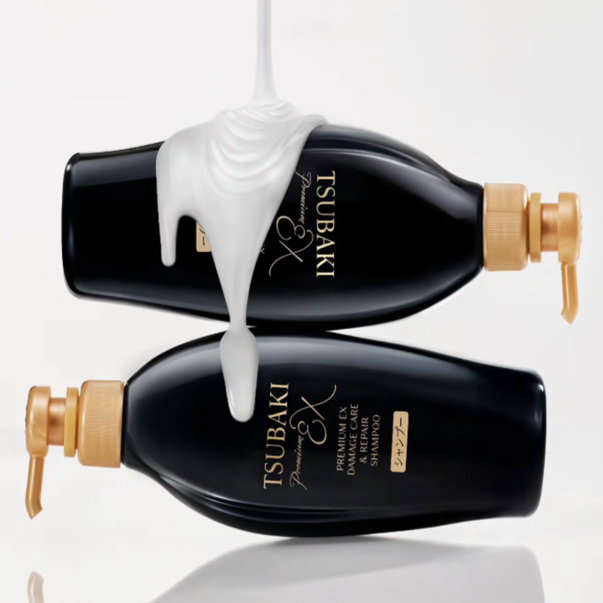
For example, Shiseido Tsubaki Premium EX Damage Care & Repair Shampoo meets this need: nano-oils of camellia penetrate under deformed scales and smooth them from within. The product has a special formula with ion strength. It alters the structure of the shaft for deep restoration. The product works on the principle of "expansion – penetration – densification." This helps to properly moisturize the strands, improve their structure, and give them a healthy shiny appearance.
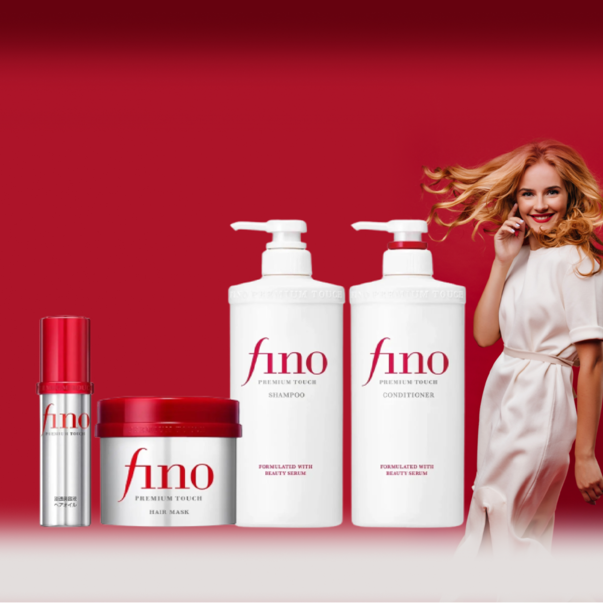
What Problems Do Restorative Shampoos Solve?
Hair damage can vary: the same chemical effect manifests differently on the roots, mid-lengths, and ends. A restorative shampoo should act along the entire length due to a combination of elements with different molecular weights – small molecules penetrate the cortex, while larger ones close the cuticle from the outside. An effective hair treatment takes this unevenness into account in its formula.
Structural Damage to Hair
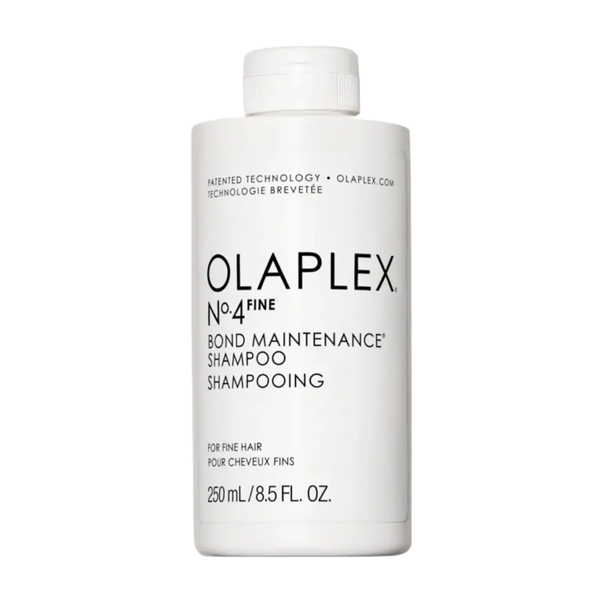
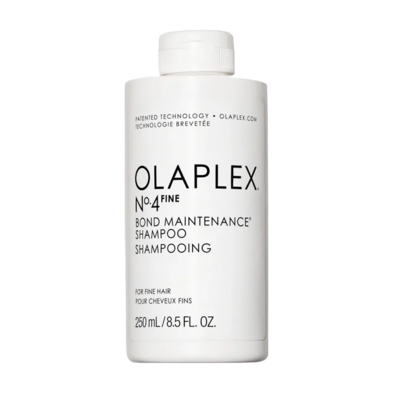
Structural damage refers to the destruction of disulfide bonds in the cortex, which provide shape and strength to the shaft. They are restored by OLAPLEX No. 4 Bond Maintenance Shampoo thanks to its patented Bond Building technology – the only clinically proven mechanism for the complete reconstruction of these bonds. A restorative shampoo of this level is used with every wash without changing the application technique.
In turn, a restorative shampoo for colored hair Inebrya Shecare Repair Shampoo is aimed at severely damaged and dry hair: plant keratin, a gentle surfactant system, and the absence of sulfates make it safe even for sensitive scalps.
Loss of Elasticity and Dullness of Hair
Elasticity can be defined by the ability of a hair strand to stretch and return to its original shape without breaking. Healthy strands can withstand stretching up to 30% of their length, while damaged ones break under lesser stress. Ceramides in the composition of a restorative shampoo for damaged hair recreate the intercellular cement between cuticle scales, which directly increases the resilience of the strands.
Dullness is a result of an uneven cuticle surface, which scatters light instead of reflecting it. A restorative shampoo for damaged hair with keratin and an acidic pH closes raised scales and restores a smooth surface – after using it, hair looks shiny without a masking silicone layer.
Active Ingredients in Restorative Shampoos
The active part of a restorative shampoo is not the entire composition but rather several key molecules in the first half of the INCI list. Everything listed after preservatives and fragrances is present in cosmetic concentrations and does not provide the desired therapeutic effect.
For a restorative shampoo to truly work, keratin, ceramides, or proteins should occupy no more than the fifth or sixth position in the composition. An additional quality marker is a sulfate-free base: sulfates wash out hydrolyzed keratin immediately after application, reducing effectiveness to a minimum.
Keratin and Proteins
Keratin and proteins are the foundation of any restorative shampoo for hair. However, there is a fundamental difference between their forms:
Hydrolyzed keratin – broken down keratin with a small molecular weight. It penetrates into micro-defects in the cortex and strengthens the shaft from within.
Wheat and soy proteins – plant alternatives. They are not identical in structure to human keratin but effectively fill small damages and restore shine.
To purchase a restorative shampoo with a real effect, pay attention to the form of keratin in the composition: "Hydrolyzed Keratin" is the active form, while "Keratin" without specification may be insoluble and settle on the surface without penetrating the structure.
Ceramides and Amino Acids
Ceramides are lipid molecules that form the "cement" between cuticle scales. When damaged, this layer breaks down, scales lift, and strands become porous. Ceramides types NP, AP, and EOP are closest to the natural composition of hair and actually restore the intercellular matrix rather than just covering the surface.
Amino acids are the building blocks of keratin. The most effective for restoration are:
cysteine – responsible for disulfide bonds
arginine – improves microcirculation of the scalp
glycine – increases the elasticity of the shaft
Buying a restorative shampoo that simultaneously contains ceramides and keratin is the optimal solution for severely damaged porous strands: keratin closes defects from within, while ceramides seal them from the outside.
Natural Oils and Plant Extracts
Natural oils in a shampoo for dry hair provide lipid nourishment and form a protective layer around the cuticle. The effectiveness depends on the size of the molecules:
Macadamia oil – contains palmitoleic acid, which is closest to sebum; penetrates well into the cuticle and moisturizes from within
Argan oil – antioxidant protection and shine; medium-sized molecules, mostly remain on the surface
Camellia oil – nanoparticles penetrate under raised scales and smooth the cuticle without the "stickiness" effect
Jojoba oil – technically a liquid wax; regulates greasiness and does not weigh down even fine strands
However, it is important to understand that a shampoo for brittle hair requires a balance between oils and proteins: an excess of oils without proteins will only cover the surface but not strengthen the shaft from within.
How to Choose a Restorative Shampoo
The choice of restorative shampoo for hair depends on the root cause of the damage, not the external symptom. Dry hair after coloring and dry hair by nature have different origins and require different active ingredients. The same applies to brittleness: after bleaching, a Bond Building product is needed, while after mechanical stress, keratin and ceramides are required.
For Dry and Damaged Hair
A restorative shampoo for dry hair combines lipids to restore the cuticle and hygroscopic moisturizers – panthenol, glycerin, betaine – to retain moisture. Avoid products with silicones in the top positions of the INCI: they provide a smooth feel but do not restore structure.
A restorative shampoo for damaged hair after chemical procedures should contain either a Bond Building complex (to restore disulfide bonds after bleaching) or hydrolyzed keratin (to fill micro-pores after coloring). They are not interchangeable.
For Brittle Hair
If strands break while combing along their entire length – this is a sign of structural damage to the cortex. If brittleness is only at the ends – this indicates a loss of the lipid layer and a lack of moisture in the area of the oldest hair. When the structure is damaged, choose a product that restores broken molecular bonds and fills micro-pores with keratin.
An important detail: if brittleness is related to a deficiency of iron, zinc, or hormonal changes – no restorative shampoo will completely solve the problem. There will be symptomatic effects, but the systemic cause will remain. Therefore, it is advisable to have a blood test before purchasing a restorative shampoo.
For Colored Hair
Colored strands need two things simultaneously: structural restoration and color preservation. A restorative shampoo for hair should have a pH of 4.5-5.5 – an acidic environment closes the cuticle after each wash and retains the coloring pigment inside the shaft.
It is worth buying a restorative shampoo for colored hair with a sulfate-free base: Sodium Laureth Sulfate actively washes out pigment and accelerates fading.
How to Understand Which Product is Right for You
Today, there are many products on the market labeled "restoration," but not all of them work equally well. The right choice depends on the condition of your strands.
Type of Damage | Recommended Shampoo | Main Active | Main Effect | Frequency of Use |
Severe chemical damage (bleaching, repeated coloring) | OLAPLEX No. 4 Bond Maintenance Shampoo | Bis-Aminopropyl Diglycol Dimaleate | Restoration of disulfide bonds | Daily or every other day |
Damage after coloring and chemical exposure | Inebrya Keratin Restructuring Shampoo | Hydrolyzed keratin | Filling micro-pores, strengthening structure | 2-3 times a week |
Chronic dryness, sensitive scalp | Inebrya Shecare Repair Shampoo | Plant keratin + moisturizing complexes | Restoration + gentle nourishment without weighing down | 2-3 times a week |
Thermal damage, loss of shine | Shiseido Tsubaki Premium EX Damage Care | Nano-oils of camellia, proteins, vitamin E | Smoothing the cuticle, powerful protection and shine | 2-3 times a week |
How to Use Restorative Shampoo
The technique for applying restorative shampoo for damaged hair is very different from regular washing. Many rinse it off too quickly, although proteins and ceramides need at least 2-3 minutes of contact to penetrate the hair structure effectively.
Correct Application Technique:
Thoroughly comb strands from tips to roots.
Wet them with warm water for 30-60 seconds.
Rub a small amount of restorative shampoo in your palms with water and apply it mainly to the roots and mid-lengths.
Massage the scalp with your fingertips for 60-90 seconds.
Leave the shampoo on for 2-3 minutes.
Rinse first with warm water, then finish with cool water to close the cuticle.
A restorative shampoo for brittle hair works best in a complex. After it, be sure to apply a mask or conditioner only to the lengths. Use a microfiber towel, always apply thermal protection before drying, and add a few drops of leave-in oil or serum to the ends. This significantly enhances the restorative effect.
Benefits of Restorative Shampoo for Colored Hair
Regular use of restorative shampoo for damaged hair provides a cumulative effect – each wash adds a new layer of protection and restoration. The fundamental difference from a mask or leave-in product: restorative shampoo ensures hair treatment with every cleansing:
Easily fits into a beauty routine – restorative shampoo simply replaces your regular product without additional effort.
Has a cumulative effect – with each wash, the shaft gradually restores, and after 4-6 weeks, strands become stronger and more elastic.
Protects against new damage – restored cuticle and lipid layer better withstand hard water, heat tools, and UV rays.
Preserves color – a closed cuticle retains pigment longer, and the color looks more saturated between dyeing.
Prepares for the next chemical treatment – a course of restorative shampoo before coloring or keratin significantly reduces the risk of damage and hair breakage.
The effectiveness of restorative shampoo depends on two factors: the precise selection of active ingredients for the cause of the problem and the regularity of use. To assess the real result, the product should be used in courses without replacement. Moreover, its regular use gradually strengthens the natural protective barrier of the hair.
You can buy restorative shampoo right now at Staleks. Our catalog offers a wide range of products for your hair care.
Frequently Asked Questions About Restorative Shampoo
Who is restorative shampoo for colored hair suitable for? For those whose strands are damaged by chemicals, thermal styling, or mechanical exposure. It is not recommended for healthy strands without damage – an excess of proteins can make them stiff.
Does it help with brittle strands? Yes, if brittleness is caused by structural damage. A product with keratin or a Bond Building complex strengthens hair from within.
Can restorative shampoo be used daily? It depends on the formula. Sulfate-free options (e.g., OLAPLEX No.4 or Inebrya Shecare Repair) can be used daily. Products with sulfates are better used 2-3 times a week.
What components should be in restorative shampoo? Hydrolyzed keratin or a Bond Building complex for structural restoration, ceramides for the cuticle, and natural oils for protection. It is important that keratin is listed in the first half of the composition.
Is restorative shampoo suitable for colored hair? Yes. It restores structure and helps preserve color, especially if it is a sulfate-free formula.
How does restorative shampoo differ from moisturizing shampoo? Moisturizing fills strands with moisture, while restorative repairs damaged structure from within using proteins and ceramides.
How to properly use shampoo for brittle hair? Apply it to damp strands, massage the scalp well for 60-90 seconds, leave it on for 2-3 minutes, and then rinse. Finish rinsing with cool water to close the cuticle.
Shampoos Cost on staleks.ua
Name | Price |
| MiniMi Children's Shampoo REAL BOYS 250 ml | 430.00 UAH |
| MiniMi Moisturizing Shampoo for Children 250 ml | 430.00 UAH |
| Cleansing Shampoo BIOTOP 09 250 ml | 1 651.00 UAH |
| BIOTOP 04 Shedding Shampoo 250 ml Hair Loss Shampoo | 1 585.00 UAH |
| BIOTOP 19 Anti-Yellow Shampoo Pro Silver 250 ml | 1 953.00 UAH |
Restorative Hair Shampoo - customer reviews