Color Protection Shampoos


 Out of stock
when available
 Out of stock
when available
 Out of stock
when available
Color protection shampoo is a product with a special formula that protects the pigment of colored hair from washing out. It contains milder or sulfate-free surfactants, a slightly acidic pH, and elements that stabilize the cuticle after chemical treatments. While a regular product raises the scales with each wash and gradually washes out the dye, a shampoo for colored hair seals the cuticle and maintains a rich shade for several weeks longer.
Why use color protection shampoos
Colored strands are no longer the same hair they once were. The chemical process alters the structure of the cortex, disrupts the acid balance of the surface, and leaves the cuticle partially open. If this is not taken into account when choosing a product, the color will begin to fade with the first wash. That is why a professional shampoo for colored hair is a basic part of the care routine after any coloring procedure.
Care for colored hair after salon procedures
For the first 48 hours after coloring, the cuticle remains partially open. The alkaline environment of the dye has opened the scales for pigment introduction, and if they are not helped to close, the dye literally washes out of the hair during the first wash. A color protection shampoo with an acidic pH (4.5-5.0) neutralizes residual alkalinity and accelerates the closure of the cuticle – which is why the first wash is crucial for color durability.
Maintaining the richness of hair color
Even if the first days after coloring went perfectly, the color gradually dulls with each subsequent wash. The dye molecules are smaller than the cortex pores, and their natural washing out is inevitable – it’s just a matter of speed.
A color protection shampoo with cationic polymers forms a microfilm on the hair's surface, reducing porosity and slowing down pigment washing out. The difference is noticeable: with the right product, color richness remains vibrant for 3-4 weeks between colorings, rather than 1-2. Therefore, a color protection shampoo with cationic polymers is not an "option," but a basic tool for maintaining results between salon visits.
Protecting hair from rapid pigment washing out
The main enemy of pigment is anionic surfactants, especially sulfates (SLS, SLES). Their molecules have a negative charge and literally repel dye molecules from the hair shaft. This is compounded by the alkaline environment (pH 6.5-7+), which opens the cuticle with each wash. As a result, the pigment washes out along with oil and dirt.
A sulfate-free shampoo for colored hair addresses this problem at the chemical level: neutral or cationic surfactants do not repel charged dye molecules, and the acidic pH they maintain closes the cuticle instead of opening it.
What problems does color protection shampoo solve
The color didn’t turn out, the strands don’t shine, the strands have become dry and brittle – these are the three most common complaints after coloring. But they all have different natures. Understanding this helps not only to choose a good shampoo for colored hair but also to understand why the previous one didn’t yield results.
Color washing out after coloring
Permanent oxidative dye oxidizes inside the cortex and forms large pigment molecules that do not escape due to the closed cuticle. However, the problem is that the cuticle does not remain closed when using alkaline products. According to manufacturers, using a regular product can result in up to 40% of color richness being lost, usually within the first 10 seconds.
A color preservation shampoo for colored hair with neutral or sulfate-free surfactants does not open the cuticle, so the pigment remains in the cortex. The acidic pH after each wash additionally seals the scales.
Expert advice from Staleks: always check the product composition. If the first two ingredients after water in your product are sodium lauryl sulfate or sodium laureth sulfate – be cautious, as they are responsible for rapid color fading.
Dullness of hair after several washes
Dullness is a separate problem, not directly related to color washing out. The pigment may be perfectly intact, but the strands look "flat" and lack shine. The reason lies in the condition of the cuticle: when the scales are raised, the hair surface is uneven and scatters light instead of reflecting it.
Coloring destroys the outer lipid layer of the cuticle – 18-MEA (18-methyleicosanoic acid). After the procedure, each wash with an aggressive product removes even more lipids, and after a while, the cuticle looks like an empty scale. A color protection shampoo with cationic silicones or silk proteins restores surface smoothness and returns shine even without a separate treatment product.
Dryness and brittleness of colored hair
Coloring is not just a change of color. Oxidizers (hydrogen peroxide) destroy some of the disulfide bonds in the keratin matrix and reduce moisture content by 15-25%. It is important to understand: the higher the percentage of oxidizer, the greater the chemical damage.
If you add a sulfate product that washes out lipids, the strands will quickly become fragile and start to split, while a shampoo for colored hair with glycerin, panthenol, and hyaluronic acid, on the contrary, returns lost moisture without weighing it down.
Active components in color protection shampoos
It is worth understanding what exactly in the composition is responsible for color protection and what has been added only for texture and fragrance. A professional shampoo for colored hair usually consists of three groups of active elements. Each of them addresses a specific task. The price of a shampoo for colored hair is not significantly higher than that of mass-market products, but in a quality product, the number of elements is sufficient for a real effect.
Antioxidants for pigment protection
UV radiation breaks chemical bonds between dye molecules. This is a direct photochemical reaction, which is why strands fade after the beach season even without swimming. Antioxidants neutralize free radicals and significantly slow down pigment degradation. Some color protection shampoos also contain chemical UV filters – benzophenone-4 or octyl methoxycinnamate, which are particularly important for lightened hair without natural melanin protection.
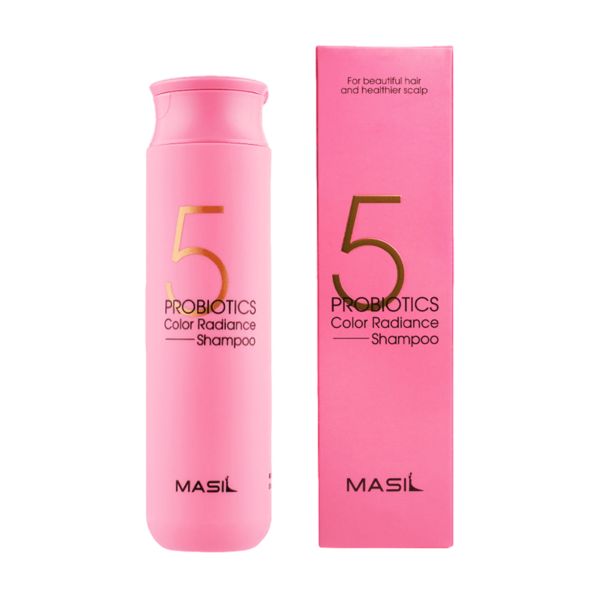
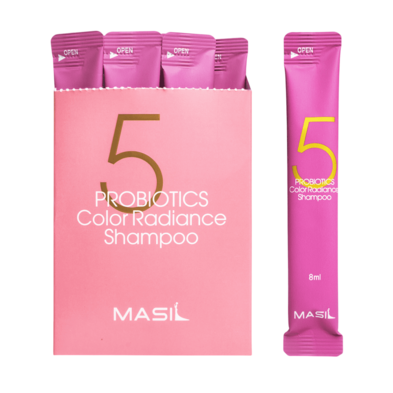
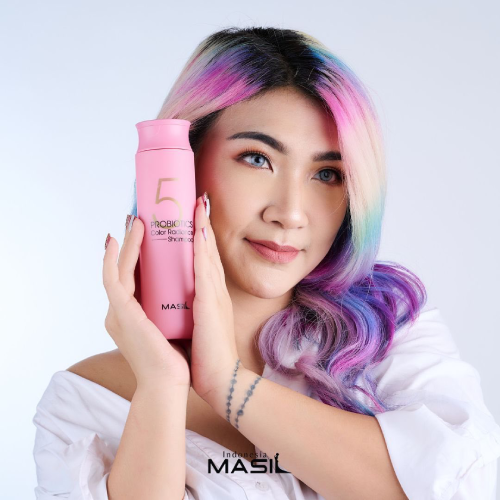
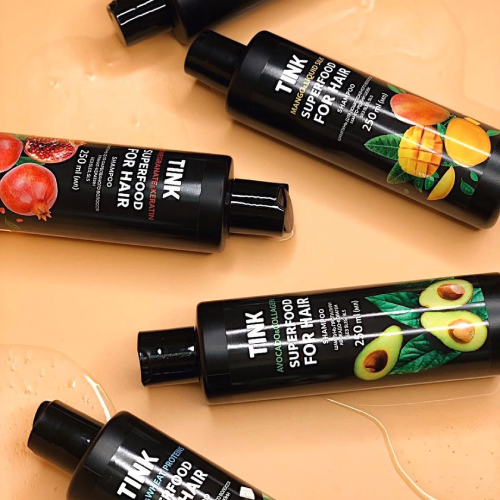
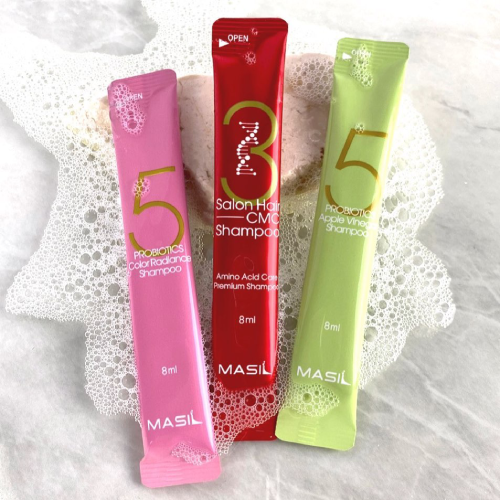
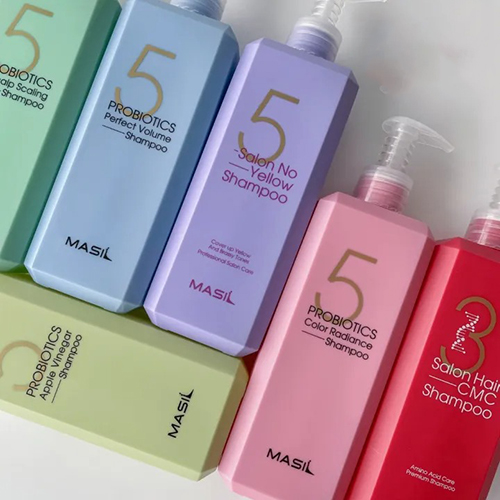
A great example of the antioxidant approach is the MASIL 5 Probiotics Color Radiance Shampoo: 5 strains of probiotics restore the scalp microbiome and support the natural acidic pH, which in itself protects the pigment from washing out. It works without any aggressive components.
Moisturizing components for colored hair
Moisturizing is primarily about the integrity of the cuticle, not just softness to the touch. Without sufficient moisture, microcracks in the structure increase, and pigment seeps through them. That is why a color preservation shampoo for colored hair almost always contains a complex of moisturizing elements:
Component | Mechanism of action | Result |
Glycerin | Attracts water from the environment | Moisture retention in the cortex |
Panthenol (provitamin B5) | Penetrates the structure and moisturizes from within | Softness, elasticity |
Hyaluronic acid | Retains water in a multilayer structure | Deep long-lasting hydration |
Betaine | Osmoprotectant, protects from external stress | Damage resistance |
Aloe vera | Surface moisturizing + soothing the skin | Comfort during application |
Formulas for strengthening hair structure
No amount of moisturizing will fix structural damage from hydrogen peroxide. For this, a professional shampoo for colored hair with elements that act at the cortex and cuticle levels is needed.
Hydrolyzed keratin – the closest to the natural protein of hair. Its molecules, due to their small size, penetrate micro-damages in the cortex and partially restore disulfide bonds broken by peroxide.
Amino acids (arginine, cysteine, methionine) act deeper – they are building blocks for keratin and initiate restoration from within.
Cationic polymers (guar hydroxypropyltrimonium chloride) settle on the surface of the cuticle, filling in unevenness and reducing friction between hairs – this maintains smoothness and shine.
How to choose a color protection shampoo
The label "color care" on the packaging is not a guarantee of a good product. If you plan to buy a shampoo for colored hair – first determine the type of coloring and the current condition of the strands. Products for dark and lightened hair are fundamentally different formulas: different pH, different active components, different concentrations of surfactants. A color protection shampoo is chosen for a specific task, and only then does it truly work:
Type of shampoo | For whom | Main effect | When to use |
Sulfate-free color care | Any colored | Pigment protection, pH maintenance | Every time instead of a regular product |
With tinting pigment | Blonde, gray, lightened | Shade correction, yellowing neutralization | Once every 7-10 days |
Restorative with keratin | Porous, damaged, after double processing | Structural restoration + color protection | 2-3 times a week |
With chelating agents | Hard water, mineral deposits | Removal of minerals, preservation of brightness | 1-2 times a week or after swimming |
With a microdose of pigment | Toned strands | Shade restoration with each wash | Every time instead of a regular product |
For dark hair
Dark oxidative pigments are the most stable: they are large, sit tightly in the cortex, and wash out poorly. If the strands were colored without prior lightening, and porosity is normal – a relatively light product without heavy silicones is needed.
However, if dark coloring preceded lightening (or vice versa – lightening before dark pigmentation), the cortex is more porous and needs restoration. A sulfate-free shampoo for colored hair with keratin or amino acids, which simultaneously protects color and restores structure after chemical stress, would be suitable here.
For black and dark brown colors, avoid depigmenting components: activated charcoal, salicylic acid, and enzymes are oriented towards a different type of strands and will make the dark shade dull.
For light or lightened hair
Lightened strands are structurally damaged with increased porosity and lack natural melanin protection. Due to open pores, they actively absorb minerals from tap water – especially iron and calcium, which give an unpleasant yellow tint and "metallic" shine.
Here, a color preservation shampoo for colored hair with chelating agents (EDTA, sodium citrate, or pentetic acid) is needed, which binds these minerals before they settle on the cuticle. Additionally, neutralizing purple or blue pigments for yellowing correction.
For hair after toning
Toning pigments are the most capricious to maintain. They settle only on the surface of the cuticle, do not penetrate the cortex, and wash out almost after every contact with an alkaline environment. A regular product can destroy the results of toning within just 2-3 washes.
A sulfate-free shampoo for colored hair with the softest surfactants and a slightly acidic pH is the only option for maintaining toning for an acceptable period. Some brands produce formulas with a microdose of colored pigment that refresh the shade with each wash. And this is, in fact, the most effective approach for frequent toning.
How to properly use color protection shampoo for colored hair
The right product is only half the success. A color protection shampoo provides maximum effect only when the application technique and washing routine are followed. Even a professional shampoo for colored hair will lose a significant part of its effectiveness if you wash your hair every day with hot water – no formula can compensate for this.
Hair care after coloring
The first wash after coloring is the most important. It determines how firmly the pigment will set in the following weeks.
The technique for proper washing:
Water – no hotter than 35°C. Hot water expands the cuticle and actively washes out the pigment.
Apply the color protection shampoo for colored hair primarily to the scalp, not the lengths – minimize friction between strands.
Do not rub with your hands – massage with your fingertips in gentle circular motions.
Rinse longer than usual, and finish with cold water – it tightens the cuticle.
Pat dry with a towel, do not rub – friction breaks the open cuticle.
Tip: after washing, apply conditioner to the lengths and ends, leave for 3-5 minutes before rinsing. Moisturized hair is less porous – pigment washes out more slowly.
Frequency of shampoo use
Even the mildest formula gradually washes out pigment with daily use, as mechanical contact with water slightly opens the cuticle. A shampoo for colored hair is a product for 2-3 uses per week. Daily cleansing, even with it, reduces the duration of color retention by at least a third.
If the scalp is oily, alternate the shampoo for colored damaged hair with a micellar shampoo or super-light co-wash – washing the hair exclusively with conditioner, without using a regular product. They do not disrupt the acid balance and do not open the cuticle.
Dry shampoo between washes is normal practice, but avoid formulas based on starch: it absorbs sebum along with pigment from the root zone.
Comprehensive care for colored hair
One product, even the most effective, is only part of the equation. A color protection shampoo for colored hair provides maximum benefit in a system: shampoo → conditioner from the same line → mask once a week → leave-in spray or oil for protection against thermal and UV exposure. Products from the same line have compatible pH and complementary active ingredients, so each subsequent step enhances the previous one.
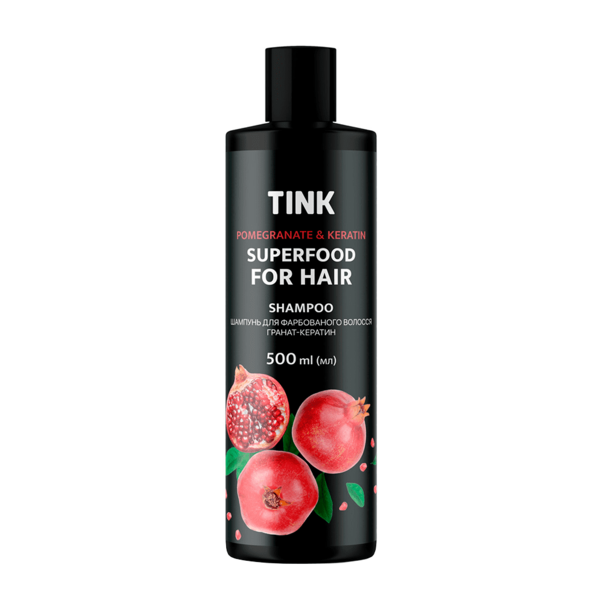
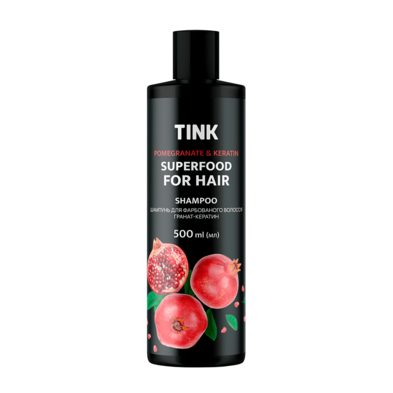
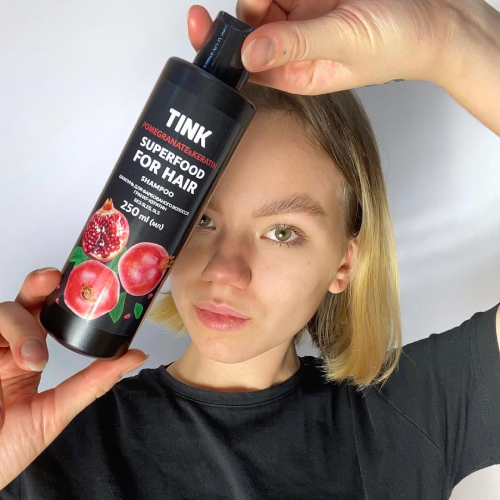
Tink's "Pomegranate and Keratin" shampoo for colored hair fits well into such a system: pomegranate polyphenols provide antioxidant protection, hydrolyzed keratin restores structure between colorings. The price of the shampoo for colored hair is fully justified: a convenient volume of 500 ml and a combined effect make it a rational option for regular care.
Therefore, if you want to buy a shampoo for colored hair and immediately create a complete care scheme – look for brands with full color care lines. Products from the same line do not conflict in pH and enhance each other.
Advantages of color preservation shampoos
Buying a shampoo for colored hair is not just about replacing one product with another. It is a decision that is felt after the first month: the strands look different, the results of the procedure last longer, and ultimately, it turns out that visits for coloring are less frequent. Let’s take a closer look at what transitioning to the right color protection shampoo offers:
The color lasts 30-40% longer – data from clinical tests by manufacturers. In practice, this means 1-2 additional weeks of vibrant shade between salon visits.
Shine does not disappear between colorings – an aligned cuticle reflects light evenly, even three weeks after the procedure, the strands look healthy, not tired.
Strands are softer and less brittle – moisturizers and structural components compensate for the chemical stress from coloring. The effect is noticeable after the first wash.
Less porosity – fewer problems – a closed cuticle does not absorb moisture from rain and humid air, maintains the shape of the hairstyle, and does not become frizzy.
Protection from UV, minerals, and thermal exposure in one product – antioxidants, chelators, and thermal protectants solve tasks that previously required three separate products.
The scalp feels better – mild surfactants and normalized pH reduce irritation after coloring, which is especially noticeable on sensitive skin.
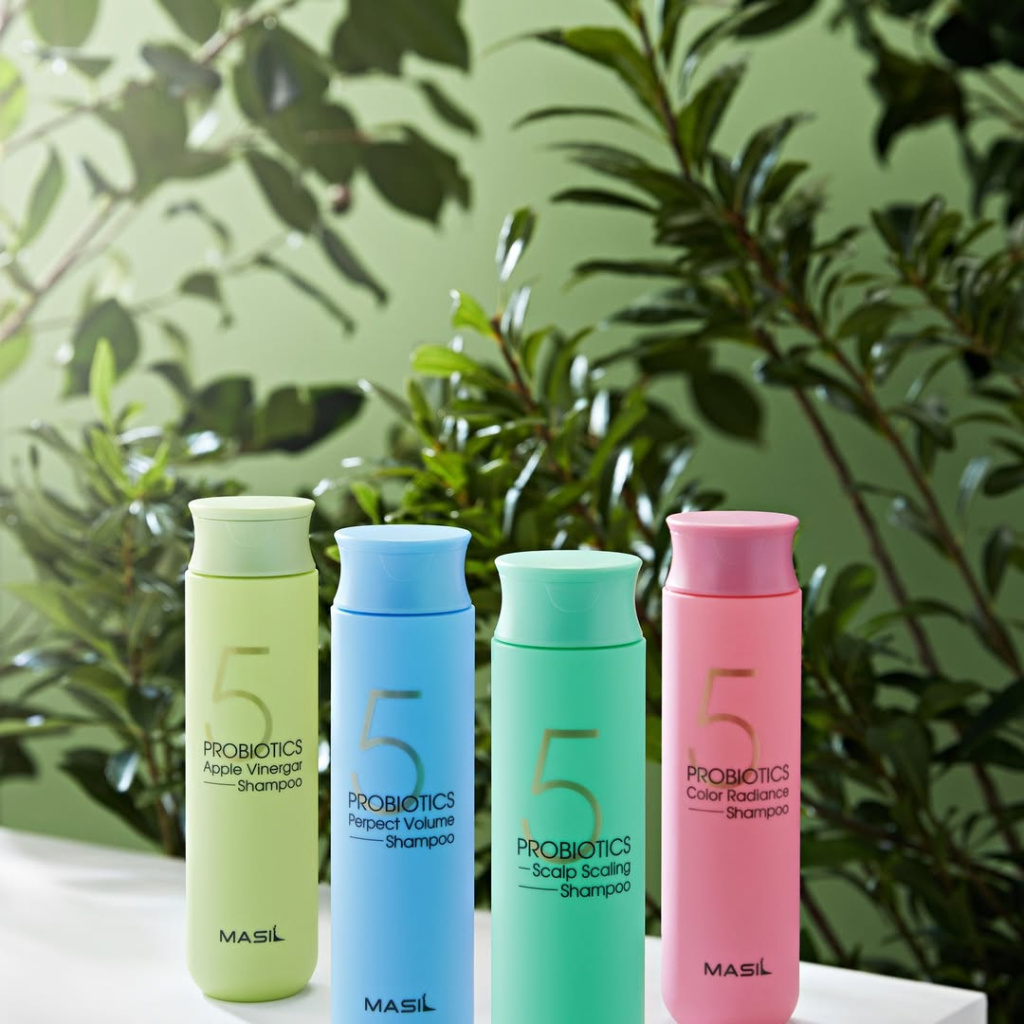
Choosing a color protection shampoo is a technical decision, not a matter of taste or brand. It is the right composition that determines whether the color will remain vibrant after a month or fade after the third wash. The more complex the coloring, the more important it is for the product to correspond to the specific type of treatment. Therefore, a care system where each product complements the previous one provides a noticeable result: extending the time between colorings, less brittleness, and shine that does not fade in the second week.
You can buy a shampoo for colored hair right now at Staleks. Our catalog features a wide selection of hair care products from trusted brands.
Frequently asked questions about color protection shampoo
What is color protection shampoo for hair? Color protection shampoo is a product with special surfactants and a slightly acidic pH that prevents pigment washing out. Unlike regular products, it does not open the cuticle during washing and does not wash dye out of the cortex.
How do products for colored strands differ from regular ones? A regular shampoo is alkaline (pH 5.5-7+), often sulfate-based: it cleans well but opens the cuticle and washes out pigment. The price of a shampoo for colored hair is not significantly different from a regular one, but it has a slightly acidic pH with mild or sulfate-free surfactants. Thus, it cleans just as well but does not destroy the cuticle barrier.
Do they help to keep the shade longer? Yes, noticeably. According to clinical tests by manufacturers, with regular use, a quality shampoo for colored damaged hair retains shade richness for 30-40% longer. In practice, this means 1-2 additional weeks of vibrant color without re-coloring.
Can it be used every day? Better not. Even a sulfate-free formula gradually washes out pigment with daily use – mechanical contact with water slightly opens the cuticle. The optimal frequency is 2-3 times a week, and on the days between treatments, use co-wash or micellar shampoo.
What components should be in products for colored hair? Mild surfactants (cocamidopropyl betaine, decyl glucoside), antioxidants (tocopherols, plant extracts), moisturizers (glycerin, panthenol, hyaluronic acid), structural agents (hydrolyzed keratin, amino acids), and cationic polymers. A shampoo for colored damaged hair usually combines all five groups in one formula.
Are they suitable for lightened strands? Yes, but a specific formula is needed: a product with chelating agents against mineral deposits and neutralizing pigments against yellowing. If you want to buy a shampoo for colored hair for blondes – look for purple or blue pigments in the composition.
How to properly use shampoo for colored hair? Water no hotter than 35°C, massage with fingertips without friction, final rinse with cold water. Use it 2-3 times a week, always with conditioner afterward.
Shampoos Cost on staleks.ua
Name | Price |
| MiniMi Children's Shampoo REAL BOYS 250 ml | 430.00 UAH |
| MiniMi Moisturizing Shampoo for Children 250 ml | 430.00 UAH |
| Cleansing Shampoo BIOTOP 09 250 ml | 1 651.00 UAH |
| BIOTOP 04 Shedding Shampoo 250 ml Hair Loss Shampoo | 1 585.00 UAH |
| BIOTOP 19 Anti-Yellow Shampoo Pro Silver 250 ml | 1 953.00 UAH |
Color Protection Shampoos - customer reviews