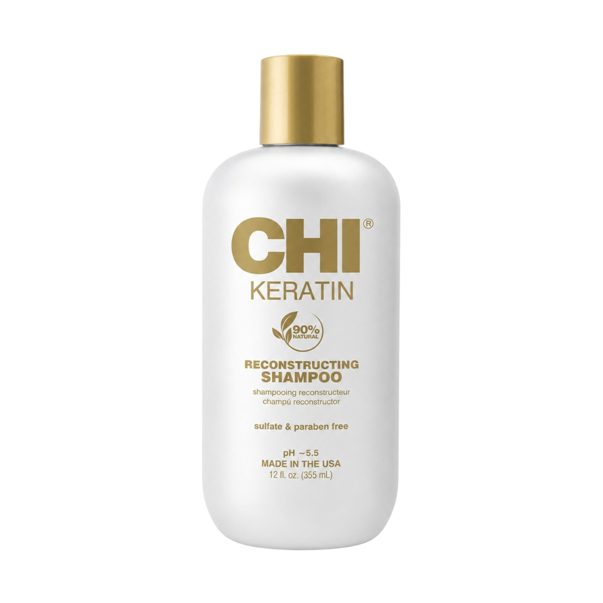
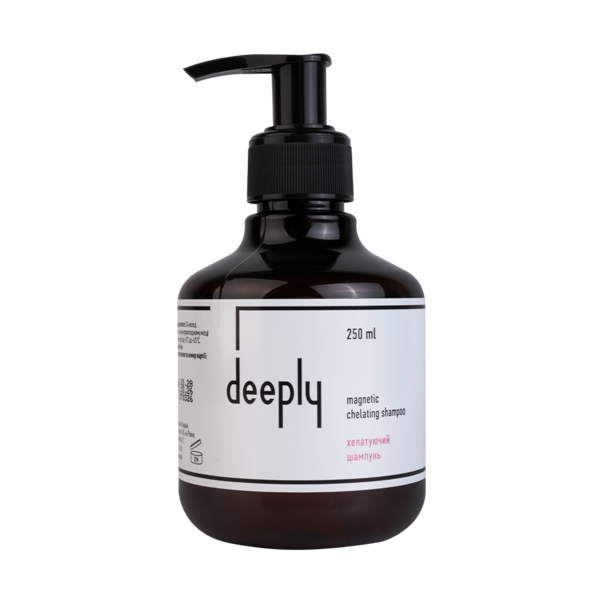
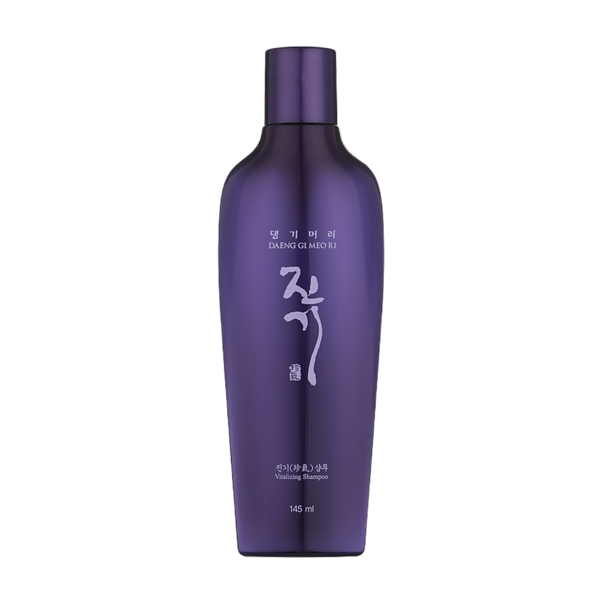
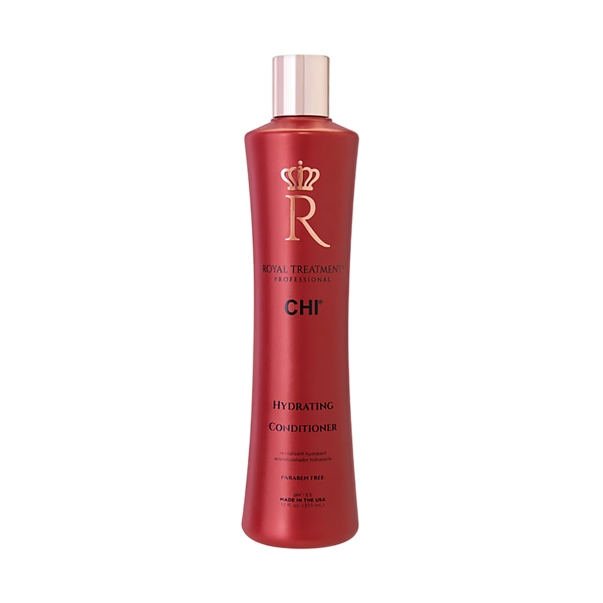
Shampoos for All Hair Types
















 In stock
 Buy
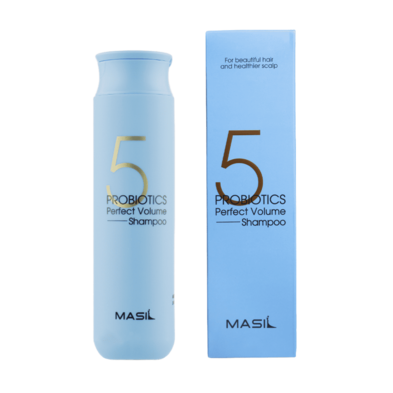 In stock Buy
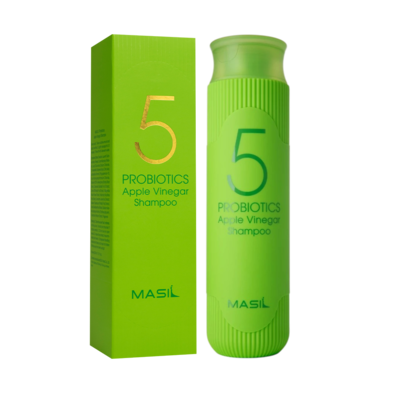 In stock Buy
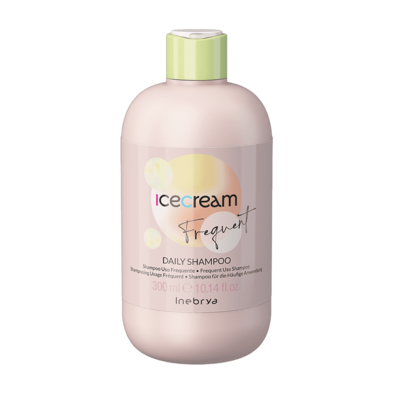 In stock Buy
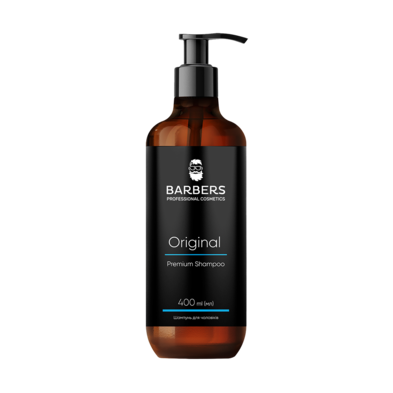 In stock Buy
 In stock Buy
 In stock Buy
 In stock Buy
 In stock Buy
 In stock Buy
 In stock Buy
 In stock Buy
 In stock Buy
 In stock Buy
 In stock Buy
 In stock Buy
 In stock Buy
 In stock Buy
 In stock Buy
 In stock Buy
 In stock Buy
 In stock Buy
 In stock Buy
- 1
- 2
- 3
- 4
- Next
Shampoo for all hair types is a product with a balanced formula for regular cleansing without being tied to a specific type: it is suitable for normal, combination, fine hair, and hair prone to oiliness. Its advantage is that it does not disrupt the natural balance of the scalp even with daily washing. The Staleks Shop & Service catalog features beauty hair care products from various segments – from daily care products to professional shampoos with active ingredients: calendula extract, centella asiatica, panthenol, and ceramides. On this page, you will find how to choose the right hair care shampoo, what to look for in the composition, how to wash your hair correctly, and which common mistakes to avoid.
When to Choose Shampoos for All Hair Types
Not everyone knows their exact hair type. Moreover, the very concept of "type" is quite conditional: it changes after dyeing, hormonal fluctuations, or prolonged stress. That is why shampoo for all hair types is one of the most popular in the hair care shampoo segment: it does not require precise "matching to type" and handles basic cleansing in most cases.
Daily Hair Care
Workouts, styling products, city dust – all of this accelerates the pollution of the scalp. A shampoo for daily use is the foundation of daily hair care: it should effectively cleanse but not "strip" the protective lipid layer from the strands. Formulas for all hair types are usually designed this way: they remove impurities and styling residues while maintaining hair freshness without excessive dryness.
Signs of a product suitable for daily washing:
-
a mild surfactant base – sodium coco-sulfate, sodium lauroyl sarcosinate, or cocamidopropyl betaine
-
absence of SLS as the sole or main cleansing agent
-
minimal artificial dyes and heavy fragrances
Maintaining the Natural Balance of Hair
Healthy hair begins with the scalp – an extension of the facial skin. It also has an acid mantle and reacts to aggressive components. A too alkaline or acidic product disrupts this balance and threatens a healthy scalp: roots begin to get oily faster, dandruff appears, or a feeling of tightness develops.
Here are the most common factors that disrupt the natural balance of the scalp:
-
Too hot water – opens the cuticle and increases dehydration
-
Prolonged contact of shampoo on hair without rinsing – surfactants irritate the skin with prolonged contact
-
Concentrated SLS in the composition – aggressive cleansing that washes away the protective lipid layer
-
Too frequent use of products with clay or activated charcoal – dries out and lowers pH
-
Rinsing with hard water without using a conditioner – mineral salts settle on the hair and weigh it down
Universal Care for Different Hair Types
There are situations when a daily shampoo is not a compromise but a conscious choice. For example, when the whole family uses one product, or hair has changed after dyeing and the previous shampoo no longer suits. Or simply when there is no desire to spend time selecting specialized formulas. You can buy shampoos for all hair types for the whole family in the Staleks catalog – here you will find options from trusted brands in various volumes: from small bottles for travel kits to large formats for regular use.
Features of Shampoos for All Hair Types
Distinguishing a quality product from a set of marketing formulations on the packaging is not as simple as it seems. Especially when the shelf is filled with bottles with similar promises. The difference between formulas manifests in the composition – and several key details will tell you more about the product than any advertisement.
Gentle Cleansing of Hair and Scalp
The basis of any shampoo is surfactants (surfactants). They are responsible for hair cleansing – foaming and effective cleansing of the scalp. But not all surfactants are equally gentle.
Sulfates – particularly SLS and SLES – cleanse intensely and foam well. However, with daily use, they dry out the scalp and can wash out color from dyed hair. Sulfate-free formulas work differently:
-
cleanse more gently – this is what provides soft hair even with daily use
-
produce moderate but sufficient foam
-
suitable for frequent washing, including daily
-
preserve color longer after dyeing
-
are better tolerated by sensitive skin
It is sulfate-free or low-sulfate formulas that are most commonly found in shampoos for daily care – and this is not accidental.
Balanced Formulas for Daily Use
A quality formula for shampoo for all hair types is not just about gentle surfactants. It is a balance of several components, where each plays its role. In the composition of a worthy product, look for:
-
Main cleansing agent – cocamidopropyl betaine, sodium lauroyl sarcosinate, or sodium coco-sulfate instead of aggressive SLS
-
Conditioning components – polyquaternium, hydrolyzed keratin, or silk: facilitate combing after washing
-
Moisturizing agents – panthenol, glycerin, trehalose: retain moisture in the hair structure
-
pH regulator – citric acid: maintains an acidic environment and closes the cuticle
-
Preservatives – benzyl alcohol, sodium benzoate, or phenoxyethanol: safe in permissible concentrations and necessary for product preservation
Maintaining the Natural State of Hair
Specialized products – for dandruff, severely damaged, or chemically treated hair – contain active components in increased concentrations. This is appropriate for specific problems. However, if the hair is in normal condition and just needs regular cleansing, such products are excessive.
Shampoo for hair in the "for all types" category is a basic hair treatment: it is aimed at support rather than correction. If the formula is well-balanced, the shampoo gently cleanses the scalp and does not leave a feeling of heaviness. Therefore, it can be used regularly without changing care with every change in hair condition.
Who Should Use Universal Shampoos
The term "for all types" is sometimes perceived as a marketing ploy. In reality, it is an accurate description: such products are designed not to conflict with different scalp types and hair structures. However, there are categories of people for whom shampoo for all hair types is indeed the best choice.
For Normal Hair
Normal hair is neither oily nor dry, without a tendency to breakage or excessive hair loss. They do not require intensive restoration or balance correction. Shampoo for normal hair marked "for all types" is perfect: it supports the natural state without unnecessary interference with the scalp's function.
It is precisely for normal hair that an excess of active components turns out to be unnecessary. Keratin complexes, acid restorers, or anti-seborrheic additives address problems that simply do not exist here.
For Combination Hair Type
Oily roots and dry ends – the most common combination that is difficult to tackle with specialized products. Anti-oily shampoo will dry out already fine ends. Moisturizing will weigh down the roots even more.
A daily shampoo with a balanced formula works here as a compromise: it cleanses the scalp without aggressive degreasing and does not overload the lengths. It is optimal to apply the product to the roots and rinse the ends with the remaining foam during rinsing.
For the Whole Family
Different ages, hair structures, habits – and one shampoo. This is convenient and practical. Buying shampoos for all hair types as a single product for the whole family is a solution that saves both space in the bathroom and time on selecting individual products.
The main thing is to ensure that the formula is gentle and free of aggressive components. Then such a hair care shampoo will suit both teenagers prone to oiliness and adults with dyed hair. In Staleks Shop & Service, you can find options in various volumes – from compact bottles to economical formats for daily use.
Active Ingredients in Shampoos for All Hair Types
The composition is the only place where a shampoo cannot deceive. The names on the front of the bottle can be anything, but the INCI list puts everything in its place. In professional hair shampoos, active components are closer to the beginning of the composition – this means that their concentration is sufficient for a real effect, not just for mention on the packaging.
Moisturizing Components
Moisturizing hair is a daily task: they lose moisture due to hot water, hair dryers, sun, and even wind. Moisturizing agents in the shampoo composition slow down this process:
-
Panthenol (provitamin B5) – penetrates the hair structure, retains moisture from within, and softens the cuticle
-
Glycerin – attracts moisture from the air and retains it in the surface layer
-
Trehalose – protects the protein structure of the hair from dehydration, especially effective in combination with panthenol
-
Hyaluronic acid – helps maintain moisture in the scalp. Creates more comfortable conditions for its natural balance.
Plant Extracts
The plant base in shampoo for all hair types is not just a nod to naturalness. Each extract addresses a specific task:
-
Calendula extract is known for its soothing properties. It helps reduce discomfort if the scalp is prone to irritation.
-
Centella asiatica extract – supports the natural state of the scalp and promotes its recovery after exposure to external factors.
-
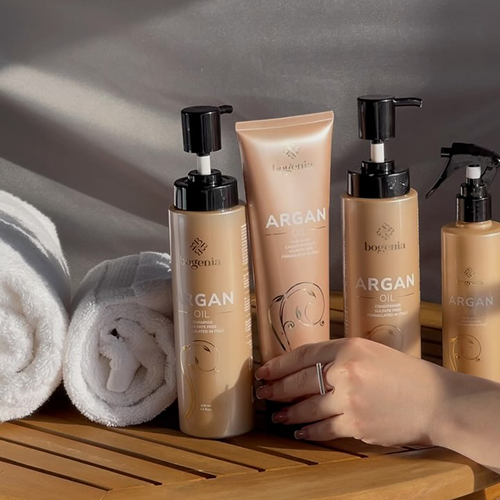
Argan oil – cares for hair along its length. After use, they become smoother, softer, and look well-groomed.
-
Aloe vera extract – helps maintain comfort after washing, supports the moisture of the scalp, and works well with other plant components.
-
Green tea extract – a source of natural antioxidants that help protect hair from daily environmental exposure.
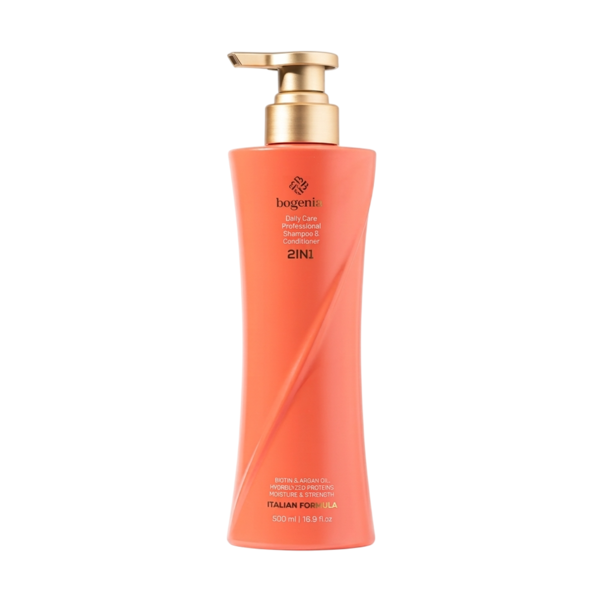
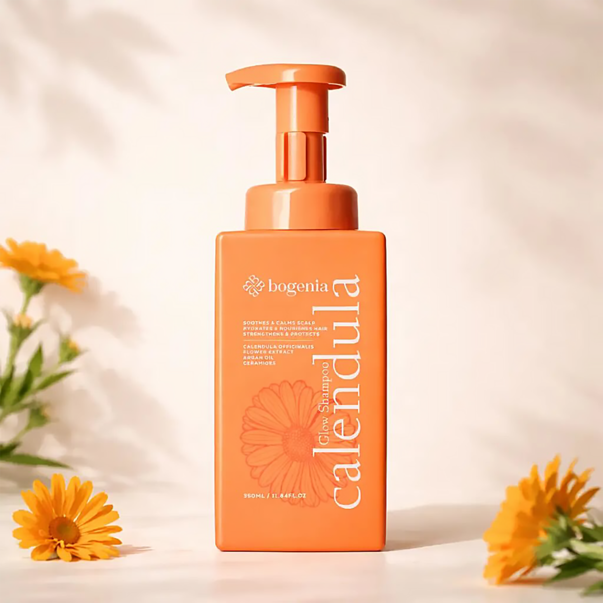
It is this combination – calendula extract, centella, and argan oil – that forms the basis of Bogenia Calendula Glow Shampoo, which is available in the Staleks catalog. The formula is gentle, suitable for everyday use, and especially comfortable for sensitive scalps.
Vitamins for Hair Health Maintenance
Vitamins for hair in the shampoo composition act locally – on the scalp and hair surface. This is not a substitute for vitamin complexes taken internally, but a real contribution to hair health from the outside.
| Vitamin | Name in INCI | Effect on Hair |
| B5 (panthenol) | Panthenol | Moisturizes, softens, restores shine |
| B7 (biotin) | Biotin | Strengthens structure, reduces brittleness |
| E (tocopherol) | Tocopherol | Antioxidant, protects from UV and heat damage |
| B3 (niacinamide) | Niacinamide | Improves microcirculation of the scalp |
| PP (nicotinic acid) | Nicotinic Acid | Stimulates nourishment of hair follicles |
How to Choose Shampoo for All Hair Types
The name on the bottle is not the best guide. "For all types," "balanced," "daily" – these formulations guarantee nothing without checking the composition. In reality, choosing shampoo for all hair types comes down to several specific criteria: what is in the INCI list, where it is located, and what should not be there at all. Plus practical considerations regarding format and price segment, as professional hair shampoos are often used more economically than budget analogs in larger bottles.
-
Surfactant base – check what is listed first among the cleansing components. Cocamidopropyl betaine, sodium lauroyl sarcosinate, or sodium coco-sulfate are gentle agents suitable for frequent washing. If SLS is in the first or second position in the INCI, the product is unlikely to be suitable for daily use.
-
Moisturizing agent – there should be at least one. Without it, cleansing leaves a feeling of tightness, especially on dry or dyed ends.
-
pH regulator – citric or lactic acid in the composition means that the manufacturer has taken care of the acid balance of the formula. A shampoo with a pH in the range of 4.5–5.5 closes the cuticle after washing and reduces static.
-
Price segment and concentration – a budget shampoo is usually built on a minimum of active components and requires more product per wash. A professional shampoo of medium or premium level has a higher concentration of components – it is used more economically and provides a more noticeable care effect even without a mask or conditioner.
-
What should not be in the composition – especially important for daily care shampoo: heavy silicones (dimethicone at the top position) accumulate and weigh down hair; parabens (methylparaben, propylparaben) are undesirable for sensitive scalps; formaldehyde donors (DMDM hydantoin) – aggressive preservatives that are better avoided with regular use; an excess of fragrances often provokes irritation.
-
Bottle volume – for daily use shampoo, the optimal format is from 300 ml. Smaller sizes run out quickly and are more expensive per wash.
You can buy shampoos for all hair types from different segments in the Staleks catalog. Here are the main brands:
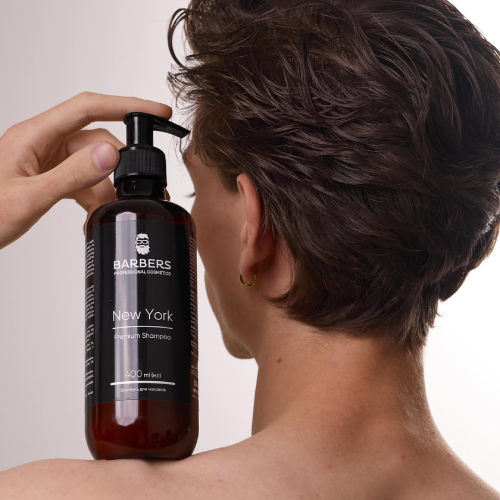
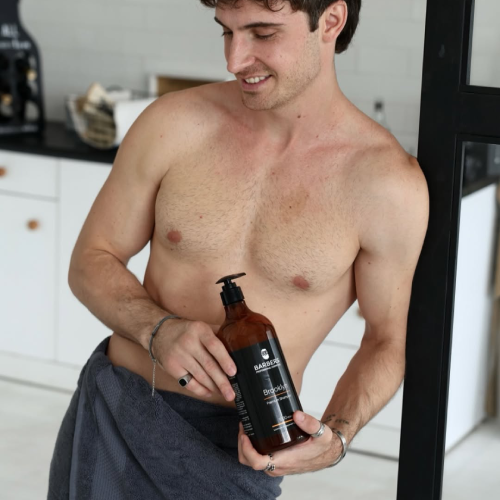
| Brand | Country | Line Feature |
| Bogenia | Ukraine | Gentle formulas with plant extracts (calendula, centella), suitable for daily care |
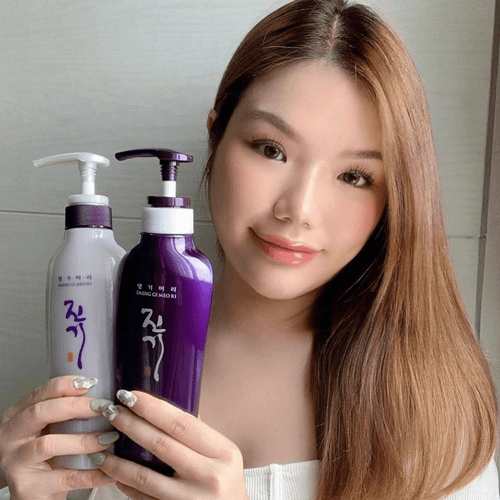
| Daeng Gi Meo Ri | Korea | 33% plant extracts, no dyes, professional shampoo with restorative effect |
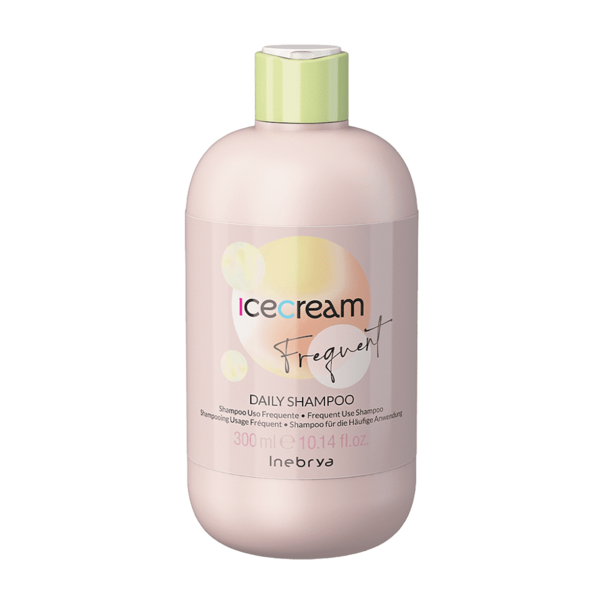
| Inebrya | Italy | Professional line Ice Cream: Daily Shampoo for frequent use, pH 5.5 |
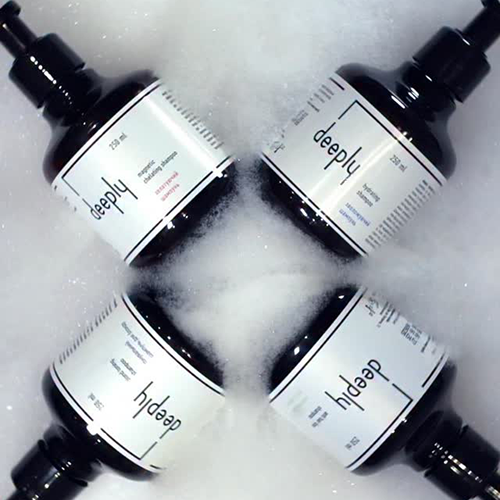
| Deeply | Ukraine | Professional hair care shampoo with a wide range of action |
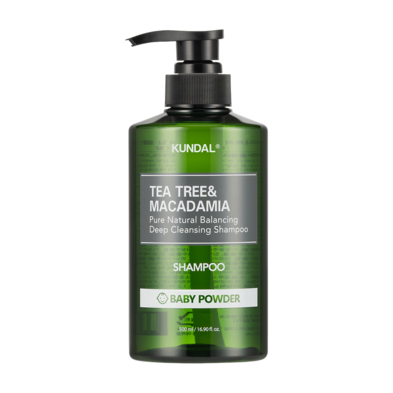
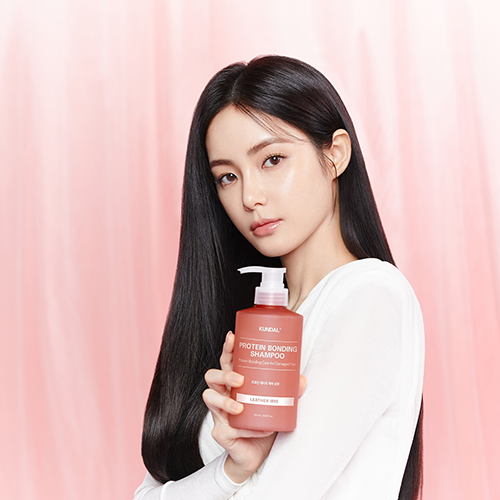
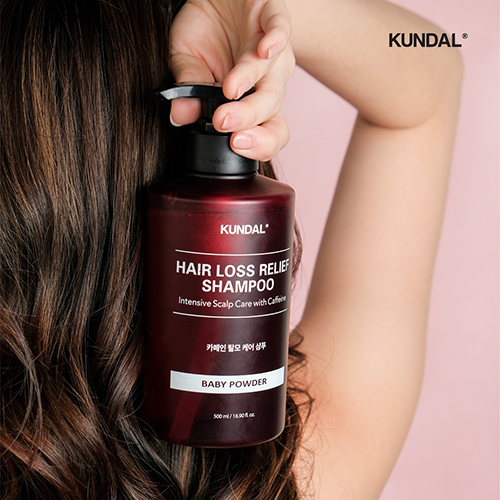
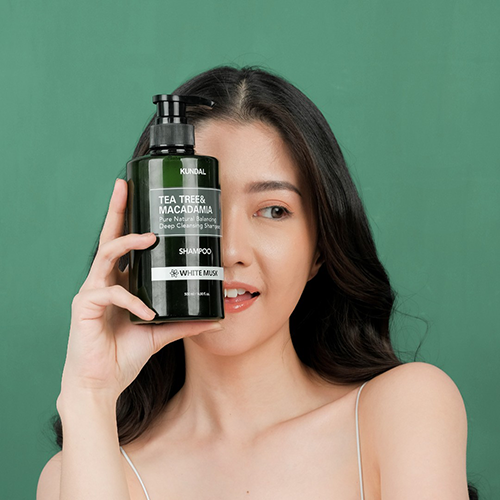
| Kundal | South Korea | Natural base: honey and macadamia, sulfate-free formula |
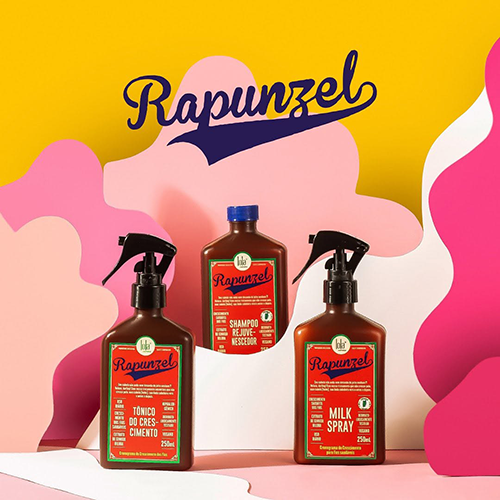
| Lola from Rio | Brazil | Morte Subita – daily care shampoo with moisturizing effect |
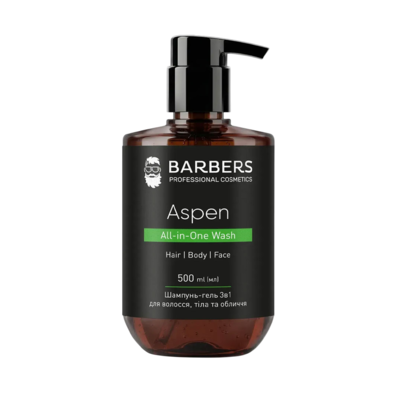
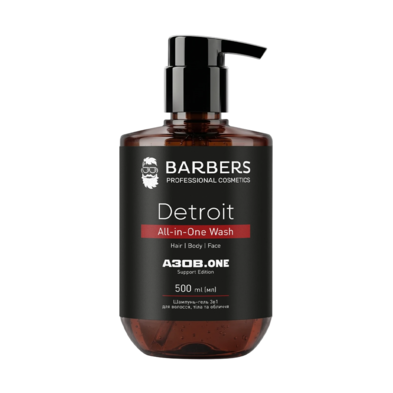
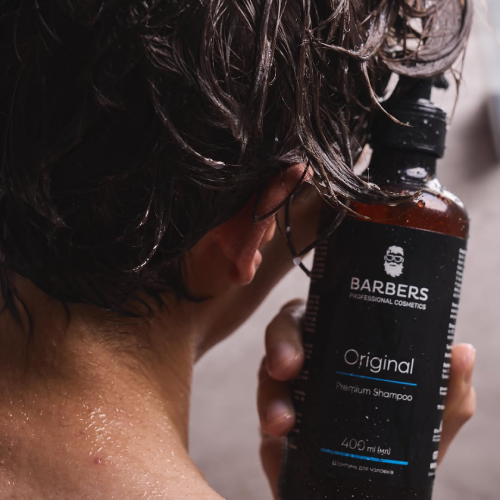
| Barbers | Ukraine | Daily shampoo for men, formula for daily cleansing |
| Invisibobble | Germany | Hair care combined with the brand's accessories |
How to Properly Use Shampoos for All Hair Types
Even the best formula will not work if the washing technique is neglected. Most problems – oily roots the day after washing, dry ends, the feeling of shampoo residue on the hair – are related not to the product's composition but to how it is applied and rinsed. A few simple adjustments in your hair routine can significantly change the result.
Preparing Hair Before Washing
Before wetting your head, it is advisable to comb your hair. This is not a formality: the comb removes some dust and styling residues, while also reducing the number of tangles that wet hair tightens even more. The second point is the water temperature. Hot water opens the cuticle and increases dehydration, so the optimal option is warm, comfortable, but not scalding.
The amount of product is another point where mistakes are often made:
-
for short hair – the size of a coin
-
for medium length – the size of two coins
-
for long hair – application in two stages: first on the roots, then distribute the remaining foam along the length
-
concentrated professional shampoos are used less than mass-market ones – there is no need to measure "by eye" more than required
Proper Cleansing of the Scalp
Shampoo for all hair types is applied primarily to the scalp, not the lengths. This is where sebum, product residues, and dead cells accumulate – so massaging with your fingers during washing is more important than it seems.
-
Apply shampoo to wet scalp, previously lathering it slightly in your hands
-
With massaging motions using your fingertips (not nails), treat the entire surface of the head – from the temples to the nape
-
Spend more time on the area behind the ears and the hairline – this is where sebum accumulates most actively
-
Leave the shampoo on the head for 1–2 minutes – this is enough for cleansing without excessive contact of surfactants with the skin
-
Rinse thoroughly with warm water – residues of the product on the scalp provoke itching and a feeling of "heaviness"
-
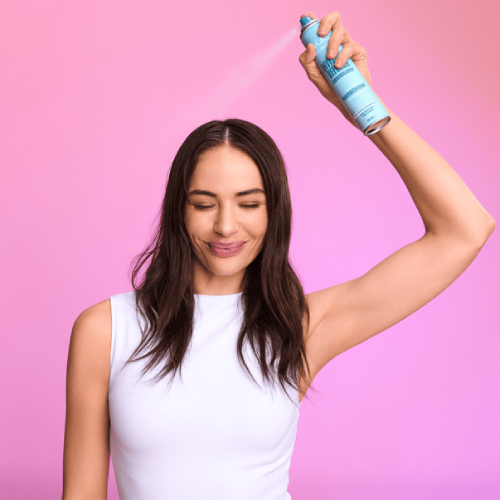
If desired, repeat the application – especially if the hair has not been washed for more than two days or after active use of styling products

Hair Care After Washing
What happens after rinsing affects the condition of the hair just as much as the daily shampoo itself. A few rules that protect hair from unnecessary damage:
-
Cold rinsing at the end – closes the cuticle and restores shine: a smooth surface reflects light better than an open one
-
Towel – only blot, do not rub – friction on wet hair destroys the cuticle and provokes brittleness
-
A wide-toothed comb for detangling after washing – narrow teeth tear wet hair
-
Hair dryer on medium temperature at least 15–20 cm away from the head – drying too close dehydrates the scalp
-
Heat protection before using a hair dryer – especially for dyed or chemically treated hair
Advantages of Shampoos for All Hair Types
The main practical advantage of such products is flexibility. Shampoo for normal hair marked "for all types" consistently works even when the condition of the hair changes – after dyeing, seasonal shedding, or hormonal fluctuations. It does not require replacement and is suitable for the whole family with different hair types.
A balanced formula provides predictable results: softness of hair after washing, absence of tightness and irritation of the scalp. Gentle cleansing also better prepares hair for subsequent care stages – conditioner or mask work more effectively after it than after an aggressive sulfate shampoo.
In the long term, regular care for the scalp with a properly selected hair care shampoo stabilizes the work of the sebaceous glands: hair becomes oily more slowly, and ends remain moisturized longer without constant application of a mask. This is what makes such products the foundation of hair wellness – a convenient basic option without unnecessary costs and constant selection of new formulas. You can buy shampoo for all hair types as the basis for regular care in the Staleks catalog – with delivery throughout Ukraine.
Common Mistakes When Choosing and Using Shampoos for All Hair Types
Even a quality product will not yield the expected result if basic mistakes are made in selection or application technique. Here are the most common ones:
-
Choosing shampoo "by scent or packaging" – aroma and bottle design are not related to the quality of the formula. The only reliable criterion is the composition.
-
Applying to dry or insufficiently wet hair – shampoo distributes unevenly, foams poorly, and is used up more.
-
Too short rinsing time – residues of surfactants on the scalp provoke itching, a feeling of heaviness, and accelerate hair pollution.
-
Equating "for all types" with "therapeutic" – shampoo for all hair types supports condition, not solves problems. If there is dandruff, severe hair loss, or seborrhea, a specialized product is needed.
-
Minimal amount of product for long hair – a single application may not be enough for full cleansing. It is better to apply twice than to rub the head for a long time with one layer of foam.
-
Frequent changing of shampoos – hair adapts to a new product within 2–3 weeks. Changing a daily use shampoo every week and making conclusions after one wash is a waste of time and money.
Most of these mistakes are not obvious – especially if the habit has formed long ago. But correcting at least two or three of them will make even a familiar product work noticeably better.
-
Shampoo for all hair types is a product for support, not correction. For dandruff, seborrhea, or severe hair loss, a specialized product is needed.
-
Check the INCI: if SLS is the first among cleansing components – the product is not suitable for daily washing.
-
The optimal pH of shampoo is 4.5–5.5. It is in this range that the cuticle closes after washing, and hair is less electrified.
-
There should be at least one moisturizing agent in the composition.
-
Shampoo is applied to the scalp, not the lengths. Massaging with fingertips is a mandatory step, not a cosmetic detail.
-
Cold rinsing at the end of washing closes the cuticle and adds shine – a simple technique with noticeable results.
-
Hair should only be blotted with a towel. Friction destroys the cuticle and provokes brittleness.
-
For long hair, it is optimal to apply shampoo in two stages: first on the roots, then the remaining foam – along the length during rinsing.
-
Professional shampoo from the professional hair care segment is more economical to use than it seems: a high concentration of active components means less product is used per wash.
Shampoo for all hair types is a basic, but far from secondary product in daily care. Its main value lies not in loud promises on the bottle, but in stable results without stress for the scalp. A gentle surfactant base, balanced pH, and several moisturizing agents in the composition are the minimum to focus on when choosing.
Healthy hair care is a combination of the right composition and technique: scalp massage, proper water temperature, and thorough rinsing solve more than a more expensive product applied carelessly. The Staleks catalog features products from various segments and origins – Korean, Italian, Brazilian, and Ukrainian brands with proven compositions for regular use. Here you can buy shampoos for all hair types with fast delivery throughout Ukraine and beyond.
FAQ: Frequently Asked Questions About Shampoo for All Hair Types
-
Is shampoo "for all types" different from "delicate" or "gentle"? Formally, these are different labels, but they often describe similar formulas. "Gentle" emphasizes the type of cleansing, while "for all types" emphasizes versatility of use. There is a difference in composition: "delicate" may not contain moisturizing agents, while the balanced formula "for all types" usually includes them.
-
Why do hair look worse in the first weeks after switching to a new shampoo? The scalp needs 2–3 weeks to adapt to the new formula. If the previous product contained heavy silicones, switching to a lighter formula may make hair seem drier or frizzier – until they are cleansed of accumulated residue. This is normal and will pass.
-
Can I alternate shampoo for all types with specialized ones? Yes, this is a common practice. For example, using a deep cleansing product once a week and a shampoo for normal hair for daily use on the other days. The main thing is not to alternate products with opposite effects from day to day: this disrupts the balance of the scalp.
-
Is shampoo for all types suitable for colored hair? It depends on the composition. Sulfate-free or low-sulfate formulas do not wash out pigment as aggressively and are suitable for colored hair. Products based on SLS are the worst option: they accelerate color washing out from the very first weeks.
-
Is there a difference between men's and women's shampoo for all types? Mainly only in aroma and packaging. The composition is often identical or very similar. The scalp in men produces slightly more sebum, so some "men's" formulas have a more pronounced sebum-regulating effect – but this is not a mandatory feature.
-
Does one shampoo work equally well in winter and summer? Not always. In summer, the scalp becomes oilier faster due to heat and sweat, while in winter it dries out from hats and dry indoor air. If the product is chosen correctly, it copes in both seasons. However, some people find it more convenient to have two options – a lighter one for summer and a more moisturizing one for winter.
-
Can I wash my hair every day without harming it? Yes, if the daily shampoo has a gentle sulfate-free or low-sulfate base. Washing daily does not harm – aggressive formulas used frequently do. A properly selected shampoo for daily care does not disrupt the lipid barrier of the scalp even with daily use.
Shampoos Cost on staleks.ua
Name | Price |
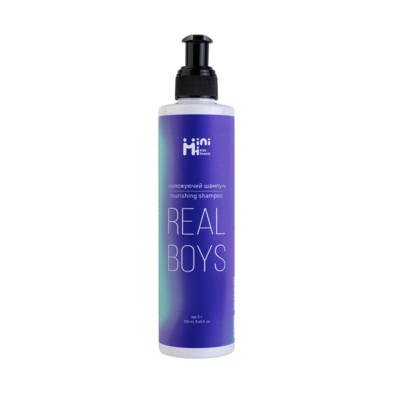
| MiniMi Children's Shampoo REAL BOYS 250 ml | 430.00 UAH |
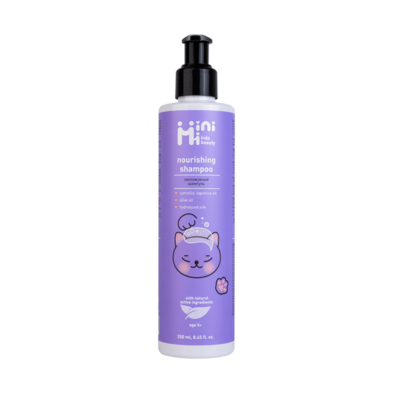
| MiniMi Moisturizing Shampoo for Children 250 ml | 430.00 UAH |
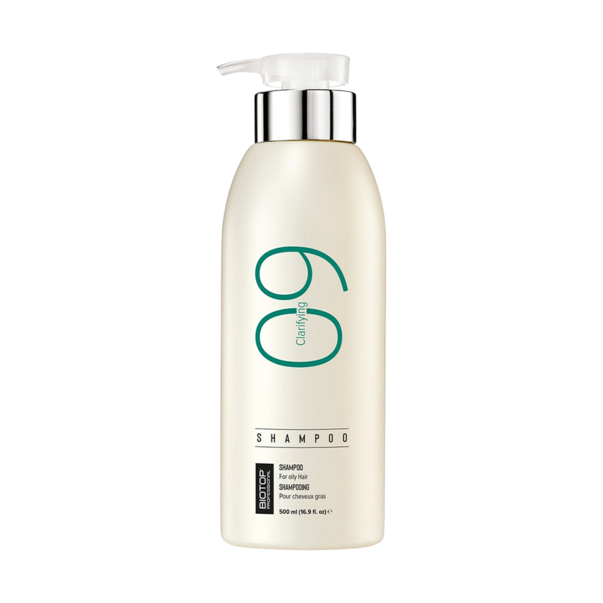
| Cleansing Shampoo BIOTOP 09 250 ml | 1 651.00 UAH |
| BIOTOP 04 Shedding Shampoo 250 ml Hair Loss Shampoo | 1 585.00 UAH |
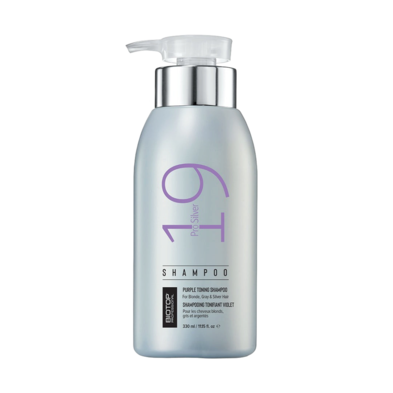
| BIOTOP 19 Anti-Yellow Shampoo Pro Silver 250 ml | 1 953.00 UAH |
Shampoos for All Hair Types - customer reviews