Shampoos for Damaged Hair











 TREND
 In stock
 Buy
 In stock Buy
 In stock Buy
 In stock Buy
 In stock Buy
 In stock Buy
 In stock Buy
 In stock Buy
 In stock Buy
 In stock Buy
 In stock Buy
 In stock Buy
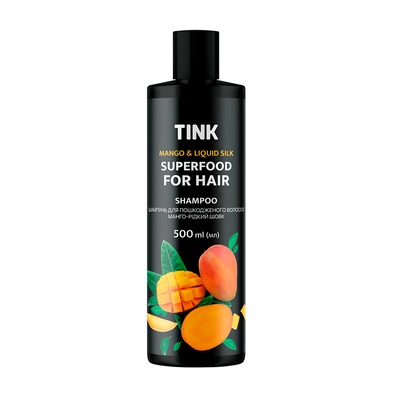 In stock Buy
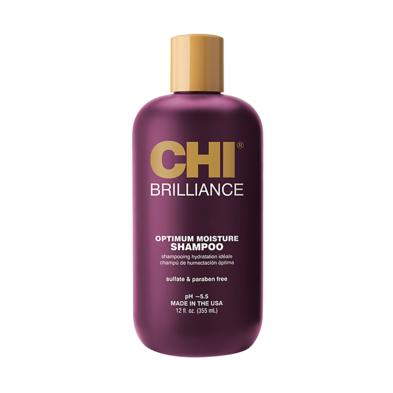 In stock Buy
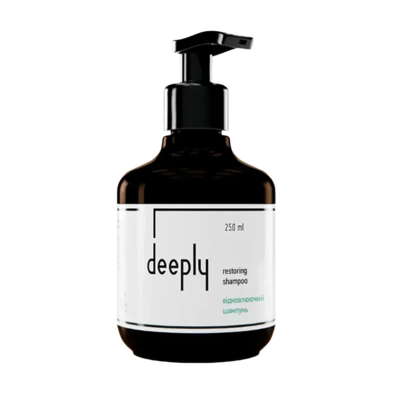
 Out of stock
when available
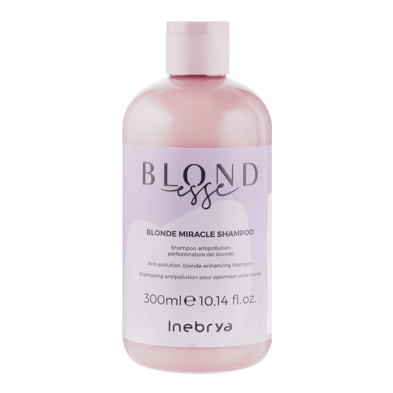 Out of stock
when available
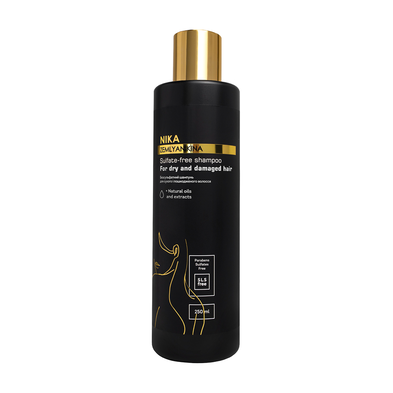 Out of stock
when available
Shampoo for damaged hair is a gentle cleansing product designed for strands that have lost elasticity due to coloring, regular use of hair dryers or straighteners, as well as exposure to sun and frost. Its main task is to delicately wash away impurities without drying out the already depleted cuticle and to prepare the hair for deep restoration with a conditioner or mask. Such a product is essential for anyone facing dryness, brittleness, split ends, and difficult combing. In the catalog, you can find and purchase shampoo for damaged hair with keratin, proteins, and oils tailored to your hair type and degree of damage.
This material provides a sequential analysis of how to recognize damage, what causes it, which components truly work, and how to build a daily hair care routine that gradually restores elasticity to the hair. This is precisely what is referred to in international cosmetology as damaged hair care—a comprehensive approach to restoring weakened strands.
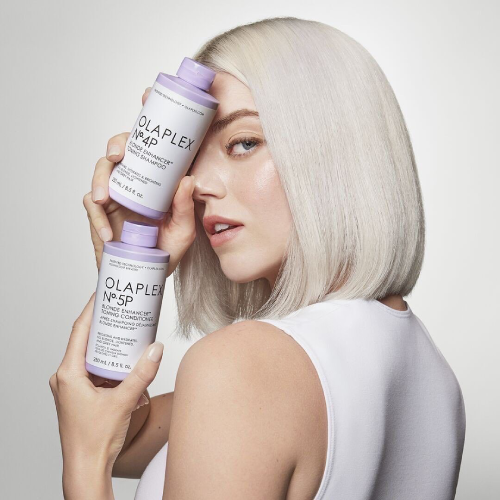
Signs of Damaged Hair
Hair rarely becomes damaged instantly. Initially, minor changes occur—hair becomes more tangled, dull, more difficult to care for and style. Often, we do not pay attention to this, attributing everything to the weather, lack of sleep, or other external factors. Meanwhile, such signs may indicate that damaged hair requires more careful care and additional restoration:
Brittleness and split ends—hair breaks when combed, and the ends split. This is a direct sign of keratin deficiency and deep dehydration.
Dryness and dullness—strands become rough, become highly electrified, are difficult to style, and look lifeless even immediately after washing.
Loss of hair elasticity—healthy strands stretch moderately and return to shape, while damaged ones break immediately due to the disruption of keratin bonds within the cortex.
4 quick and reliable tests that can be conducted in seconds at home:
Elasticity test (stretching). Wet one hair and gently pull at the ends. A healthy hair will stretch slightly and return to its original shape, like a spring. A damaged hair will break immediately or remain deformed and stretched.
Water glass test (porosity). Submerge one clean hair in a glass of room temperature water for 2–3 minutes. If it stays on the surface—the cuticle is tight, and the hair is healthy. If it quickly sinks to the bottom—it is highly porous, damaged, and instantly absorbs water through cracks in the cuticle.
Smoothness test (running fingers). Hold the hair between your thumb and index finger and run from the tip to the root. If you feel significant roughness, "steps," or notches—the cuticle scales are raised and damaged.
Drying speed test. Pay attention to how the hair dries naturally. If it dries unusually quickly—it is a sign of a damaged cuticle that does not retain moisture inside the hair at all.
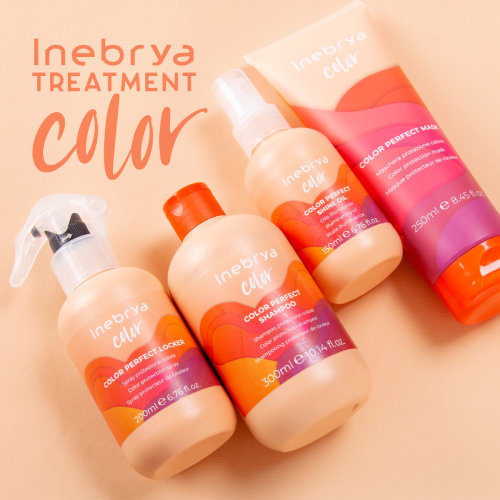
What Can Damage Hair Structure
Damage rarely occurs due to a single factor—it is most often the result of cumulative effects from the external environment, chemical procedures, and everyday habits.
Main causes of hair shaft destruction:
Coloring and bleaching—ammonia dyes and bleaching powders open the cuticle scales and wash out the natural pigment along with lipids and keratin. After such procedures, a restorative shampoo for damaged hair is needed.
Frequent thermal styling—straighteners, curling irons, and hot air from hair dryers without thermal protection evaporate moisture from inside the hair, making strands fragile and brittle. In this case, a shampoo for weak and damaged hair can become part of a care routine aimed at maintaining hair strength and protecting against further damage.
Aggressive external factors—ultraviolet rays, frost, chlorinated water in pools, and sea salt sequentially destroy the natural lipid film, leading to deep dryness.
Mechanical damage—tight hairstyles (ponytails, buns), metal hairpins, combing wet strands, and friction against cotton pillowcases or rough towels provoke bends and split ends.
The more factors act simultaneously, the more the hair shaft is depleted, and the more important it is to timely include a shampoo for restoring damaged hair in daily care, rather than waiting for deeper damage.
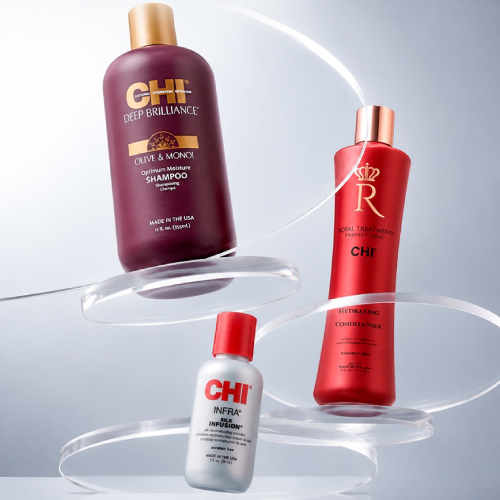
What Care Do Damaged Hair Need
Damaged hair requires a comprehensive approach, not a one-time procedure. If the strands are also dry, it is worth looking specifically at the line that includes shampoos for dry and damaged hair—they address two problems at once.
Gentle Cleansing
Aggressive sulfates further dry out already weakened strands, so for daily washing, it is advisable to choose a gentler shampoo for dry damaged hair without harsh cleansing components. Instead of sulfates, mild formulas often use sulfosuccinates or betaines—they cleanse just as well but do not disrupt the natural lipid barrier of the scalp and hair cuticle.
Restoration of Structure
Regular use of products with keratin and proteins gradually fills micro-damages in the cuticle and returns smoothness to the hair—this is how shampoos for damaged hair with well-selected restorative components work. In Western cosmetology, this process is generally referred to as hair repair.
Protection Against Brittleness
Thermal protective sprays, oils for the ends, and gentle combing help reduce mechanical stress on weakened strands—this is the kind of hair protection care that forms the basis of a daily ritual. In combination with a properly selected shampoo for brittle hair, this approach yields noticeable results within just a few weeks of regular use—just like most shampoos for damaged hair with a thoughtful composition.
Active Ingredients in Shampoos for Damaged Hair
Effectiveness actually depends not on the name but on what is truly included in the composition. Each component performs its task: one fills micro-damages, another retains moisture, and a third protects against further destruction. And the secret is not in one miracle ingredient—the secret lies in how well these components are selected together. This is why shampoos for damaged hair can differ significantly from each other even with similar descriptions on the packaging.
Active Component | How It Affects Hair | For Which Damages It Is Suitable | Features |
Hydrolyzed Keratin | Restores damaged areas of the cuticle, strengthens the hair, makes it smoother | Lightened, colored, brittle | One of the most effective components for reconstructing structure |
Hydrolyzed Proteins (wheat, silk) | Increases elasticity, reduces brittleness, helps retain moisture | Porous, weakened, and thin | Compensates for protein loss after coloring and thermal exposure |
Panthenol (provitamin B5) | Intensively moisturizes, softens hair, adds shine and elasticity | Dull, damaged, and dry | Suitable for frequent use and sensitive scalp |
Ceramides | Restores the protective layer of the cuticle, reduces brittleness and splitting | Porous, damaged, colored | Helps retain moisture and protects strands from further damage |
Argan Oil | Nourishes, reduces dryness, returns smoothness and shine | Hair after lightening, chemical curling, and frequent styling | Rich in vitamin E and omega fatty acids |
Hyaluronic Acid | Saturates with moisture, improves elasticity and smoothness | Dehydrated, dry, and frizzy hair | Helps combat dryness without weighing down |
Aloe Vera Extract | Moisturizes and soothes the scalp, reduces irritation | Damaged hair with sensitive scalp | Enhances the action of other restorative components and supports scalp comfort |
How to Recognize an Effective Composition by the Label
Good shampoos for damaged hair always list such components among the first five to seven positions, rather than at the very end of the list, among preservatives and fragrances. If keratin, proteins, or hair oils are listed at the very end of the list, somewhere after preservatives and fragrances, their concentration is minimal, and significant effects should not be expected.
Additionally, pay attention to panthenol and hydrolyzed proteins—they work in tandem with the main components, retaining moisture on the hair's surface. Silicone components like dimethicone create an instant smoothness effect, but with accumulation, they can weigh down the hair, so lighter non-silicone alternatives are better suited for them.
How to Choose Shampoo for Damaged Hair
The product is chosen based on hair type and degree of damage, not by the name on the bottle—this is where the main mistake lies. People often choose shampoo simply because the wording on the packaging sounds appealing, without even looking at the composition. However, two products from the same line can have vastly different concentrations of active ingredients. Therefore, checking the composition before purchasing is a step that should not be overlooked.
For Hair After Coloring
During chemical coloring or bleaching, the cuticle scales are forcibly opened, leading to the loss of natural lipids, keratin bonds, and internal moisture. To maintain color saturation and restore the quality of strands, the shampoo must address several tasks at once:
Preservation of pigment and acidic pH. Choose a shampoo for damaged hair with an acidic or neutral pH level (4.5–5.5). It will help tightly close the cuticle scales after salon treatments, making the artificial color wash out significantly slower, and the strands acquire a glossy shine.
Gentle cleansing base. Sulfate-free shampoos or those based on mild surfactants (cocoglucosides, betaines) gently wash away impurities without washing out color molecules.
Restoration and protection. Look for hydrolyzed proteins (silk, wheat, soy), amino acids, and light plant oils (argan, jojoba, cranberry seed oil) in the composition. They fill the gaps in the cortex, while antioxidants and UV filters protect the color from fading in the sun.
For Dry and Brittle Hair
Over-dried and fragile strands need not just cleansing but deep hydration and protection from further splitting. This is precisely the situation for which shampoos for dry and damaged hair exist—it is essential to choose the right concentration of active components depending on the degree of depletion:
For over-dried strands with a normal degree of damage, a creamy shampoo for dry and damaged hair with a high content of moisturizers (panthenol, hyaluronic acid, glycerin) and plant oils (argan, jojoba, coconut) will suffice. They soften the strands and restore their elasticity.
For deeply depleted hair (after lightening or thermal curling), choose a shampoo for dry damaged hair that contains formulas with an enhanced restorative complex based on hydrolyzed keratin and amino acids, filling the gaps in the cuticle.
For daily care of brittle ends, a gentle sulfate-free shampoo for weak and damaged hair with strengthening components that delicately cleanses without drying out is most effective. A shampoo for restoring damaged hair will help maintain strands after damage.
For Regular Restorative Care
For daily washing, it is advisable to look for professional shampoos for damaged hair with a balanced composition—they do not weigh down the hair, even with frequent washing. A restorative shampoo for damaged hair with a light texture is suitable for regular care and will help maintain strands in good condition. Such products usually have a lighter texture and are suitable even for sensitive scalps—this is true professional hair care, not just a pretty word on the packaging.
Needs change depending on the season, so the formula of the shampoo and accompanying products should be adjusted considering external factors:
Summer care (protection from UV rays and dehydration). Ultraviolet rays, sea salt, and chlorine destroy keratin and severely dry out strands. In summer, it is advisable to choose shampoos for damaged hair with antioxidants and oils in the composition, and after swimming in the sea or pool, rinse hair immediately with clean water.
Winter care (protection from temperature fluctuations and static electricity). Frost outside and dry air from heating deplete the cuticle, causing hair to become highly electrified and break. In winter, it is better to switch to shampoos for damaged hair with a nourishing, strengthening composition—panthenol and proteins—and not forget about headwear.
Shampoos for damaged hair, with prices starting from the budget segment, are available in almost every Staleks line—both for everyday care and for hair restoration. If strands are severely depleted, it is worth paying attention to a shampoo for very damaged hair with the most concentrated formula. After salon procedures, it is especially important to approach the choice of home care products with care. If you need a shampoo for very damaged hair, as well as a complete hair treatment, it is better to coordinate them with the specialist who performed the procedure.
Shampoo | Main Active Components | Which Type It Is Suitable For | Main Effect | When to Choose |
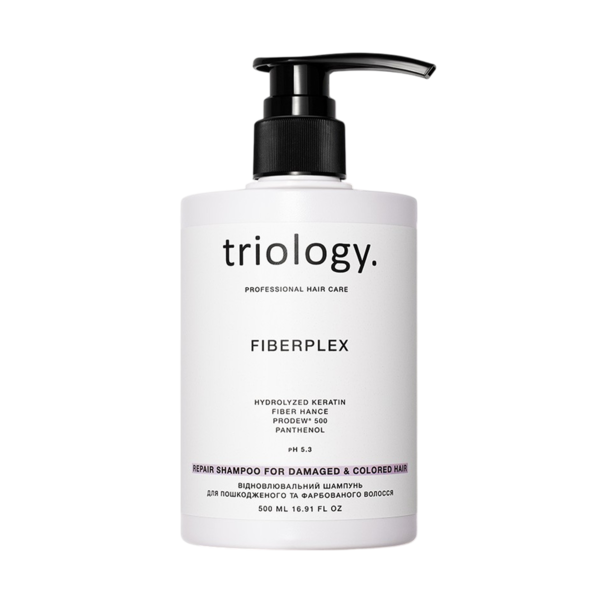
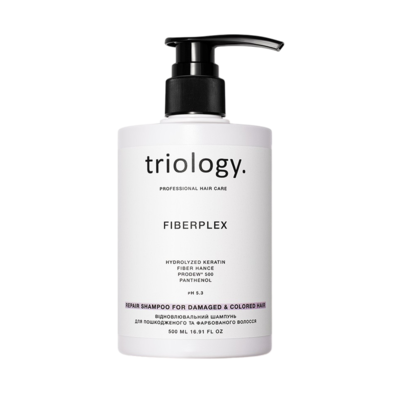
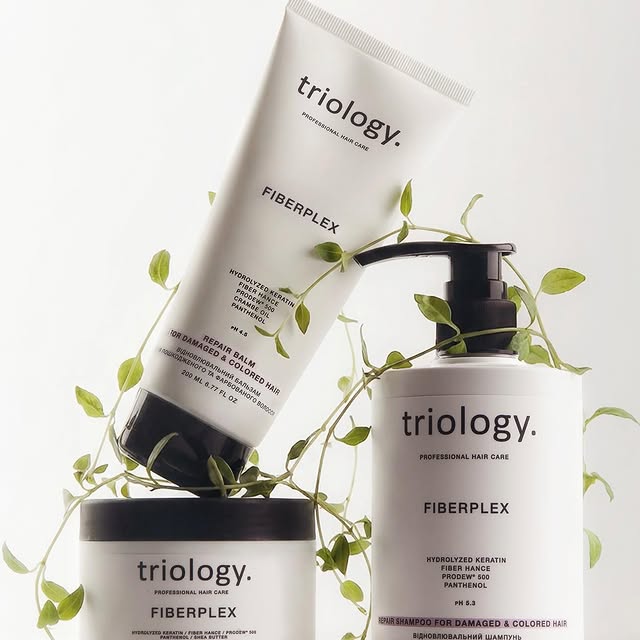
Triology Fiberplex Shampoo | Fiberplex complex, restorative proteins, moisturizing components | Damaged, colored, and lightened hair | Strengthens hair structure, reduces brittleness, restores smoothness | If hair has become dry after coloring or lightening |
Shiseido Tsubaki Premium EX Damage Care & Repair Shampoo | Camellia oil (tsubaki), amino acids, lipid complex | Brittle, dry, porous hair | Nourishes, restores the cuticle, makes hair shiny and manageable | Suitable for hair that is frequently dried with a hair dryer or straightened |
Shiseido Fino Premium Touch Shampoo | Royal jelly, lipids, moisturizing components | Very dry and severely damaged hair | Intensively moisturizes, softens, and helps restore damaged structure | A good choice after lightening or prolonged sun exposure |
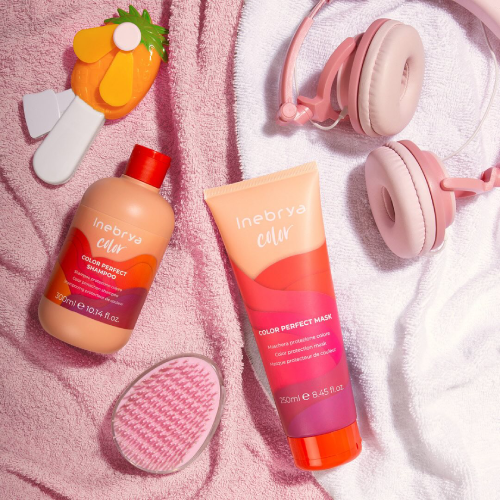
Inebrya Shecare Repair Shampoo | Keratin, plant proteins, conditioning components | Damaged, brittle, and chemically treated hair | Reduces brittleness, increases strength, and makes combing easier | Suitable for regular care after coloring or perming |
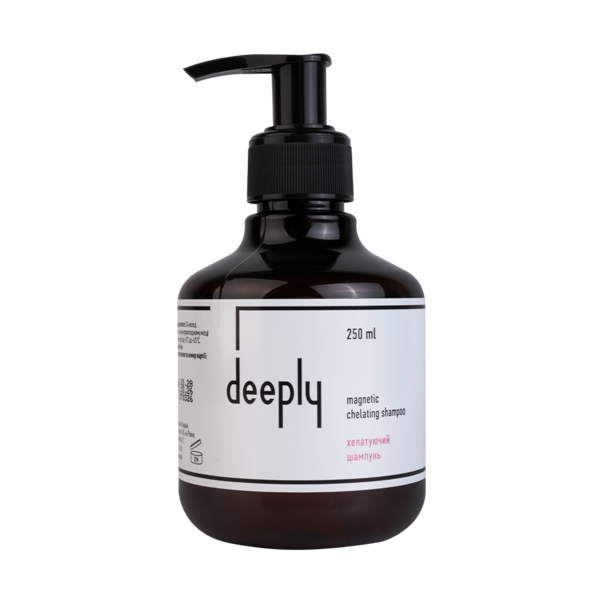
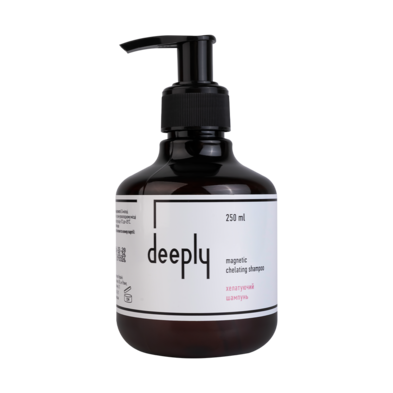
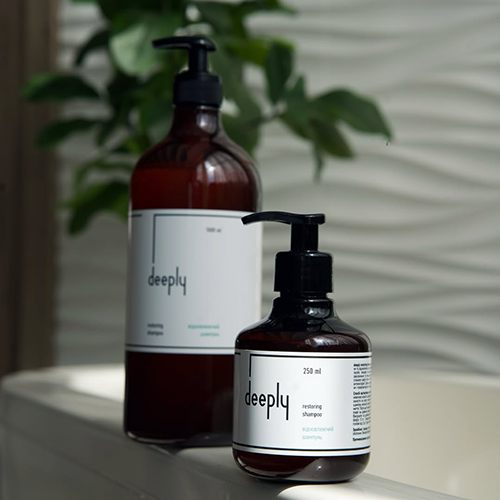
Deeply Restoring Shampoo | Keratin, amino acids, natural oils | Weakened, dry, and dull hair | Restores elasticity, nourishes, and helps protect hair from further damage | Worth choosing if hair has lost shine and become coarse |
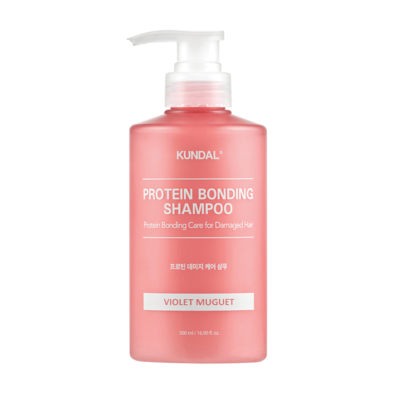
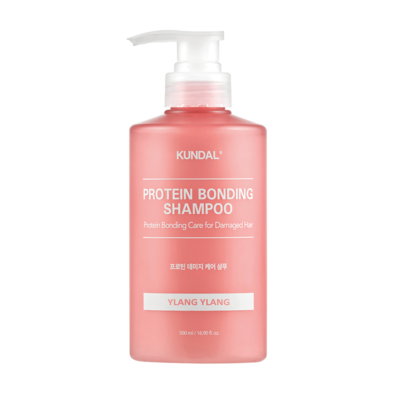
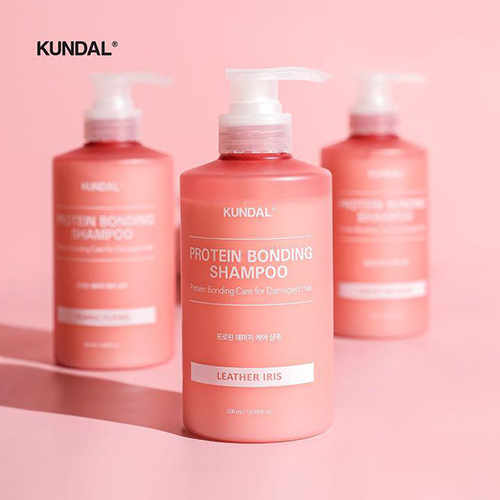
Kundal Protein Bonding Shampoo | Proteins, collagen, keratin, plant extracts | Porous, brittle, and damaged hair | Strengthens hair, makes it more elastic and smooth | Well-suited after regular use of a hair dryer, curling iron, or straightener |
How to Properly Use Shampoos for Damaged Hair
Gentle Cleansing of Hair
Apply the shampoo to damp strands, lightly lather in your hands, and massage the roots—this is where the main dirt accumulates. However, it is better to avoid rubbing strands against each other: this does not add to cleanliness but creates unnecessary stress on already weakened hair.
Care for the Scalp
Many mistakenly lather the entire length from roots to ends, while in reality, the main work of the shampoo is on the scalp. This is where dirt, excess oil, and residues of styling products accumulate. The length only needs to be rinsed with the foam running down during rinsing—additional friction is unnecessary and only adds extra stress.
Additional Restoration After Washing Hair
The shampoo cleanses the hair and scalp, while the conditioner or mask takes care of the rest—nutrition and hydration, which are clearly lacking in the cleansing process. It is during the use of these products that the components have time to linger on the hair longer and penetrate deeper, rather than being rinsed away with foam in a couple of seconds. Once a week, it makes sense to add an intensive restorative product with a 10–15 minute exposure time, while light thermal protection before styling can be used daily. This way, all products fit into a clear hair care routine, rather than remaining a disjointed set of hair care products that are remembered only occasionally.

Common Mistakes When Using Shampoo for Damaged Hair
Even with a quality product, the results may be unnoticeable due to several common mistakes:
Washing with hot water, which additionally dries out. Hot water opens the cuticle scales as aggressively as a hot styling tool. In such conditions, even the best shampoo for damaged hair cannot neutralize constant thermal shock and dehydration.
Applying shampoo directly to the length, rather than to the scalp. Shampoo is primarily intended for cleansing the scalp, where sebum and dust accumulate. Applying concentrated product directly to the ends further dries them out and washes away protective lipids, while the scalp remains insufficiently cleansed. For the length, the foam running down during rinsing is sufficient.
Intensive combing after washing. In a wet state, strands are maximally vulnerable, so a comb with fine teeth easily stretches and tears them. Only a comb with wide teeth or a special brush for gentle detangling is suitable for untangling wet strands.
Refusing conditioner or mask after shampoo. Shampoo only cleanses strands and opens the cuticle scales. If a conditioner or mask is not used afterward, the cuticle will remain open, and the hair will be unprotected against mechanical damage, dryness, and moisture loss.
Rubbing with a towel after washing. Intense rubbing with a towel instead of gently patting acts like mechanical sandpaper.
How Long Does It Take to See Noticeable Results
The first changes—ease of combing and reduced static—are usually noticeable after two to three washes if the shampoo is chosen correctly. Noticeable shine and reduced brittleness typically come after three to four weeks of regular use of shampoo in conjunction with a conditioner or mask. However, evening out the structure along the entire length—especially if the hair has suffered from coloring or frequent thermal styling—will take at least several months, and this is provided that the care is consistent and the most damaged ends will need to be gradually trimmed.
Benefits of Shampoos for Damaged Hair
Regular use of the right product gradually improves the condition of the hair for the better—this is true healthy hair care for every day, which restorative shampoos for damaged hair provide with regular use. Below are the main advantages of using shampoos for damaged hair:
Gradual restoration. The components in the composition gradually fill micro-damages in the cuticle, making the hair feel smoother—this is what smooth hair care in the formula's composition is responsible for.
Reduced brittleness. Hair breaks less during combing and styling, and the ends remain intact longer, gradually increasing hair resilience to further stress.
Improved appearance. The hairstyle looks well-groomed, natural shine appears, and styling becomes easier, while brittle hair gradually becomes more manageable. Regular restorative shampoo for damaged hair also facilitates further styling, as strands tangle less and hold their shape better—this is the foundation of what is called beauty hair care in the beauty industry.
Time savings on styling. A smoother hair surface catches less on the brush and hair dryer, so styling takes less time, and the result lasts longer without additional fixing products. Additionally, hair becomes less electrified in winter and in rooms with dry air from heating.
Prevention of further damage. Regular care not only improves the existing condition but also forms a protective layer that reduces vulnerability to future exposure from coloring, thermal styling, or weather conditions. This is especially important for those planning to re-dye or regularly use a straightener, as prepared strands tolerate subsequent procedures more easily—this is why systematic hair recovery care should be integrated into the schedule in advance, not just after problems arise.
You can conveniently select a shampoo for damaged hair in the Staleks catalog: the range covers products for different degrees of damage, delivery is available across Ukraine and abroad, and several payment methods are offered. Store managers can assist in selecting the right option if questions remain after the descriptions of the lines—especially when a shampoo for damaged hair is needed within a specific budget.
Before placing an order, it is worth double-checking three points: type of damage (colored, over-dried from thermal styling, or mechanically weakened hair), desired frequency of use (daily or several times a week), and accompanying products that will be used in tandem—conditioner, mask, or thermal protective spray. This comprehensive approach yields significantly more stable results than one well-chosen shampoo without further care—in other words, a consistent healthy hair routine triumphs over random purchases made at whim.
FAQ: Frequently Asked Questions About Shampoos for Damaged Hair
Which shampoos are suitable for damaged hair? The most effective products are those with keratin, proteins, and natural oils—they restore structure without weighing down the hair. Brittle hair usually responds better to shampoo for weak and damaged hair with strengthening components, while dry and damaged hair benefits from shampoo for dry and damaged hair containing moisturizing and restorative substances. One more point often overlooked: thick hair suits rich creamy formulas, while thin hair needs something lighter, without silicones; otherwise, the hair will simply droop.
How do shampoos for damaged hair differ from regular shampoos? Such products have a higher concentration of restorative components and a gentler cleansing base. In the catalog, you can buy shampoo for damaged hair from various lines—ranging from everyday care to intensive restoration. Regular shampoos for daily use typically focus on volume or shine and do not contain sufficient concentrations of keratin or proteins to work with damaged cuticles.
Do shampoos for damaged hair help restore structure? Shampoo for restoring damaged hair can partially fill micro-damages in the cuticle and improve appearance; however, it does not replace deep restoration at the level of the hair cortex. Complete structural restoration at the cellular level is impossible without trimming split ends, so such a shampoo should be viewed as a support tool to slow down further damage rather than a way to "heal" already damaged areas.
Can shampoos for damaged hair be used every day? Yes, if the formula is balanced and does not weigh down the hair: for daily use, it is advisable to choose a shampoo for dry and damaged hair with a light texture, while for pronounced depletion, a shampoo for dry damaged hair with a more intense composition can be used, but only a few times a week. Frequent use of overly concentrated restorative formulas can, on the contrary, weigh down the hair and complicate styling, so daily and intensive products should be alternated.
What components are typically included in shampoos for damaged hair? Most often, these are keratin, silk or wheat proteins, as well as oils—argan, coconut, or jojoba; this is the set of components to look for in the composition. You can buy shampoo for damaged hair with such a proven composition—then it’s just a matter of comparing the lines with each other.
Are such shampoos suitable after coloring? Yes, certain lines are specifically designed for colored strands and additionally support color retention; among them, it is worth considering professional shampoos for damaged hair with a pigment washout filter. Such formulas usually have a neutral or slightly acidic pH, which helps close the cuticle scales and retain the dye in the hair structure longer.
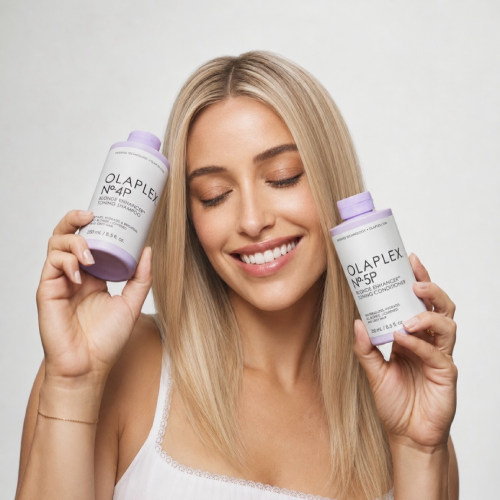
How to properly care for damaged hair? It is advisable to combine gentle cleansing, regular nourishment with conditioners or masks, and limit thermal styling without thermal protection. This approach, combined with appropriate care for damaged hair, yields stable results within just a few weeks. Shampoos for damaged hair, with prices varying based on composition, should be selected according to the degree of damage, not just by brand name: for daily washing—a shampoo for damaged hair with a light formula, for dry and brittle—shampoo for dry and damaged hair, and for severe depletion—shampoo for very damaged hair and shampoo for restoring damaged hair used weekly, while a shampoo for weak and damaged hair should be kept on hand for alternating days. Regularly checking the condition of the ends and timely trimming also form part of comprehensive care, as no shampoo restores already split fibers.
How do professional shampoos for damaged hair differ from regular ones? Professional shampoos for damaged hair typically have formulas developed with the needs of weakened strands in mind: they may contain components for moisturizing, hair strengthening, and protection against further damage. At the same time, the result depends not only on the shampoo but also on comprehensive care with a conditioner, mask, and thermal protection.
Shampoos Cost on staleks.ua
Name | Price |
| MiniMi Children's Shampoo REAL BOYS 250 ml | 430.00 UAH |
| MiniMi Moisturizing Shampoo for Children 250 ml | 430.00 UAH |
| Cleansing Shampoo BIOTOP 09 250 ml | 1 651.00 UAH |
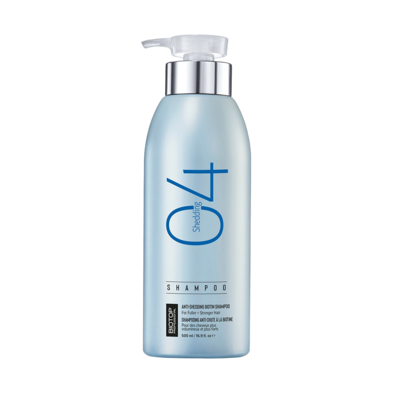
| BIOTOP 04 Shedding Shampoo 250 ml Hair Loss Shampoo | 1 585.00 UAH |
| BIOTOP 19 Anti-Yellow Shampoo Pro Silver 250 ml | 1 953.00 UAH |
Shampoos for Damaged Hair - customer reviews