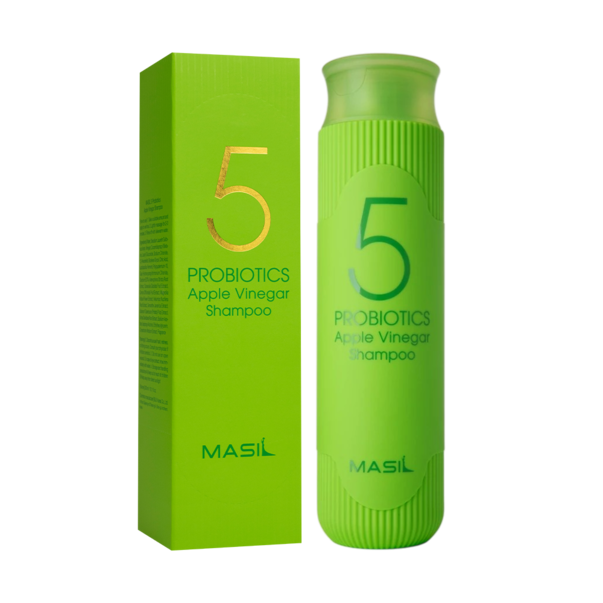
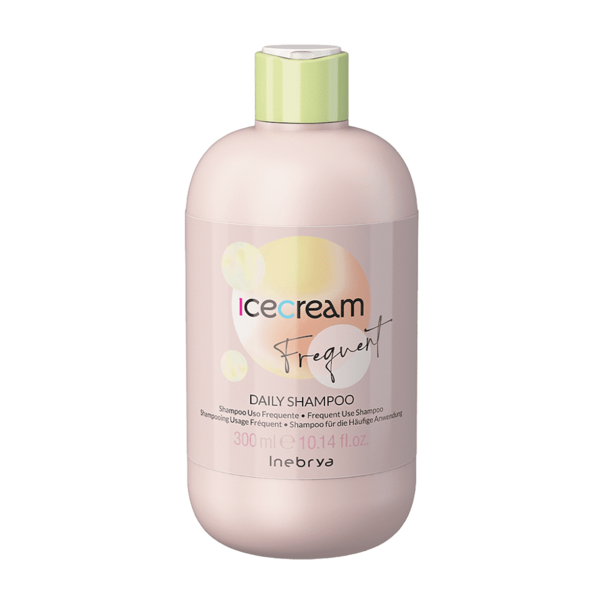
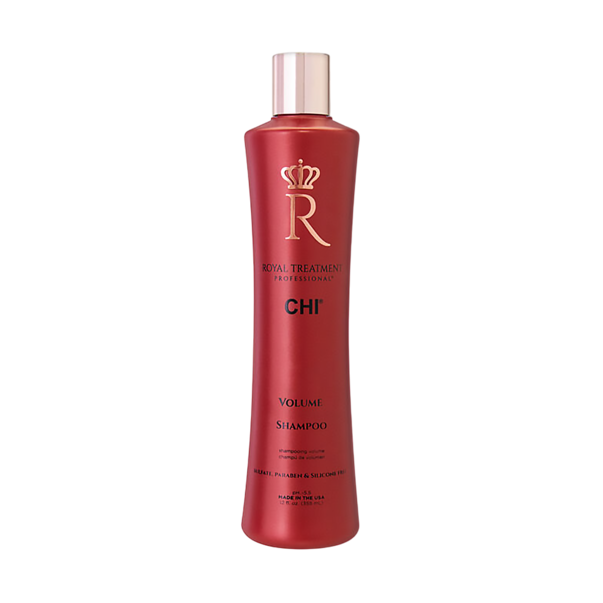
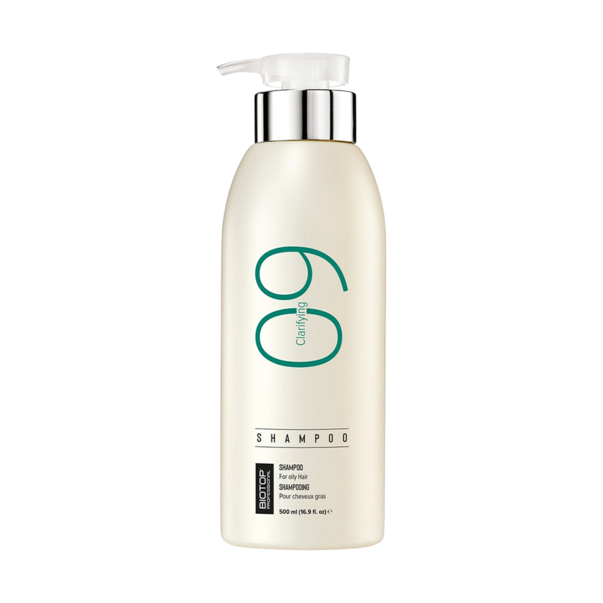
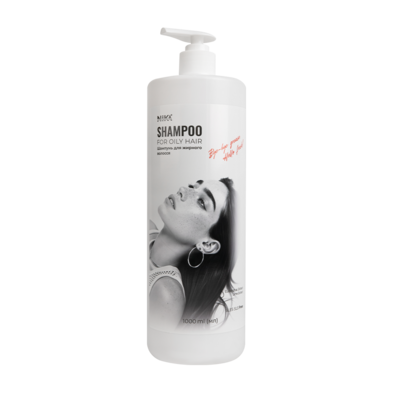
Shampoo for Oily Hair








 In stock
 Buy

 In stock Buy
 In stock Buy
 In stock Buy
 In stock Buy
 In stock Buy
 In stock Buy
 In stock Buy
 In stock Buy
 Out of stock
when available
 Out of stock
when available
 Out of stock
when available
 Out of stock
when available
 Out of stock
when available
Shampoo for oily hair is most often purchased with one goal in mind – to cleanse the scalp as thoroughly as possible, hoping to prolong the freshness of the hairstyle. However, trichologists warn that attempts to excessively dry the epidermis with aggressive components can have the opposite effect, as the sebaceous glands immediately switch to protective mode and begin to produce sebum at double the rate. Professional formulas, on the other hand, act more gently – they delicately dissolve the greasy residue on the surface without disrupting the natural barrier of the epidermis and maintaining root volume without drying out the ends. We will explore why sulfate-free bases sometimes work better than classic ones and what daily habits actually hinder hair from staying clean. You can find the perfect balancing product and order shampoo for oily hair with delivery in Ukraine at the Staleks online store.
Why Hair Becomes Oily Quickly
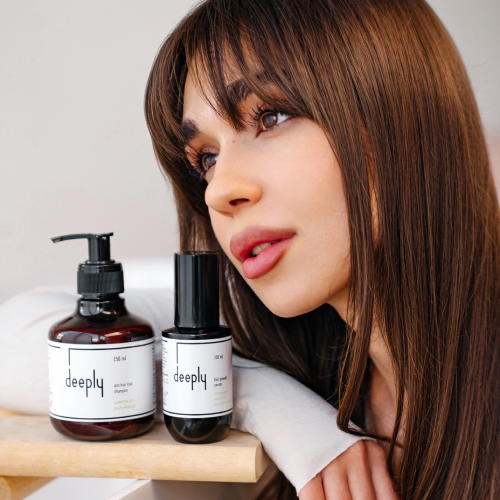
Oily hair is not always a result of poor hygiene. The reasons can be physiological, hormonal, or sometimes related to improper care. Sebum – the natural protective oil of the scalp – is produced constantly, and this is normal. The only question is the amount. When it becomes too much, the strands stick together at the roots, lose volume, and look unkempt just a few hours after washing. That is why shampoo for oily hair is chosen not by fragrance or lathering but considering the specific cause of oiliness – and this is the first step toward a balanced hair care routine.
Excessive Sebaceous Gland Activity
The sebaceous glands of the scalp produce sebum – a natural lubricant that protects the hair and retains moisture. The problem begins when there is too much of it. The glands react to a number of triggers:
hormonal changes – elevated levels of androgens directly stimulate sebum production
genetic predisposition – some people naturally have more active glands
stress – cortisol increases the production of skin oil
hot climate and high humidity – heat accelerates gland activity
unbalanced diet – excess sugar and saturated fats in the diet
Disruption of Scalp Balance
Oily scalp is not always solely related to the active work of sebaceous glands. Its condition is influenced by the microbiome, the natural pH level, and the overall health of the skin. If this balance is disrupted, hair can lose freshness more quickly. One possible cause is the excessive growth of yeast-like fungi of the genus Malassezia, which is often accompanied by skin irritation. A similar situation arises with certain forms of dermatitis or prolonged inflammation.
It is also worth mentioning pH. Aggressive or too frequent washing shifts it from its natural value – the glands respond by "compensating" for the loss of oil, producing even more sebum. This means that the more often you wash your hair with an unsuitable product, the faster it becomes oily again. This is why shampoo for oily hair is necessary.
Improperly Selected Care Products
This is a vicious circle that is easy to break if you know what to look for on the label. Shampoo for oily scalp should differ from universal products – both in composition and in action. The most common mistakes in selection include:
Heavy conditioners and masks applied to the scalp – lipid and silicone components clog follicles and weigh down the roots
Choosing a shampoo "for dry hair" due to the feeling of dry ends – even though the problem is concentrated at the root
Using products with excessive amounts of sulfates – aggressive cleansing dries out the skin and triggers compensatory oiliness
Ignoring the composition of styling products – waxes, oils, and thick creams settle at the root and accelerate contamination
What Problems Do Shampoos for Oily Hair Solve?
Oiliness is not just one problem but several interconnected ones. Rapid contamination, a feeling of heaviness, loss of volume – all these are different manifestations of the same imbalance. Shampoos for oily hair work comprehensively: they simultaneously eliminate the consequences of excessive secretion and gradually correct the underlying cause. Let’s break down which specific manifestations they handle best.
Rapid Contamination of Hair
Sebum itself is not a problem – it becomes one when dust, styling particles, and dead skin cells are added to it. Together they form a dense layer on the scalp and along the root. Strands look dirty and matted much sooner than expected. Shampoos for oily hair help deal with such sensations:
heaviness and "weight" by the evening of the day when you washed your hair in the morning
unpleasant odor from the roots even without physical exertion
the feeling that hair feels "unclean" to the touch – even though only a few hours have passed
traces of oil on the pillow or collar of clothing
Excess Sebum on the Scalp
When sebum accumulates without sufficient cleansing, it begins to affect not only the appearance of the strands but also the condition of the skin. Clogged follicles are a direct path to itching, inflammation, and increased flaking. If the scalp remains too oily for an extended period, and the microbiome goes out of balance, the risk of developing seborrheic dermatitis increases. In such cases, shampoos for oily scalp with zinc, salicylic acid, and other components that help maintain the scalp in a comfortable state and reduce the likelihood of irritation are beneficial.
Loss of Volume at the Roots
This effect is familiar to almost everyone with oily hair. A few hours after washing, the root "lies down" – strands cling to the head and look flat even with a good haircut. The reason is simple: sebum coats the hair shaft and literally presses it against the scalp. Shampoos for oily hair with light cleansing formulas remove this layer completely, allowing the root to maintain its natural lift for longer.
How Do Shampoos for Oily Hair Work?
Most shampoos cleanse hair – but not all regulate. The difference between a regular product and a shampoo for oily hair lies precisely in this. The former simply washes away impurities, while the latter affects the mechanism that causes them. To understand why some hair care products perform better than others, it is worth briefly examining what happens during washing.
Cleaning the Scalp of Excess Sebum
Quality cleansing is not about the amount of lather. It occurs in several stages:
Surface rinsing – water and surfactants (surfactants) capture particles of grease, dust, and styling residues from the surface of the hair and scalp
Emulsifying sebum – surfactants surround fat molecules and convert them into a water-soluble form, after which they are rinsed away with the foam
Deep cleansing of the follicles – components with keratolytic or sebum-regulating action (salicylic acid, zinc) penetrate the pores and dissolve the accumulated sebum from within
It is this third level that distinguishes a specialized shampoo for oily hair from a mass-market counterpart with a similar description on the label.
Normalization of Sebaceous Gland Activity
One-time cleansing is a temporary solution. A sustainable effect is achieved only through regular influence on the glands themselves. This is where active components come into play: zinc reduces the activity of enzymes that stimulate the synthesis of skin oil, while salicylic acid dissolves excess lipids and exfoliates dead cells around the follicle. Together, they gradually decrease the intensity of secretion – and hair begins to become oily more slowly. This is not an instant effect: typically, noticeable improvement occurs after 3–4 weeks of regular use of the properly selected product. You can buy shampoo for oily hair in the Staleks catalog.
Maintaining Hair Freshness
Here, not only what the shampoo removes is important, but also what it leaves behind. Quality shampoos for oily hair do not leave a greasy film after rinsing. The result is clean hair with a natural shine. Because of this:
the feeling of cleanliness lasts noticeably longer compared to regular shampoo
the root holds volume longer and does not "lie down" throughout the day
the scalp itches less and does not look oily by lunchtime
there is no need for dry shampoo as a mandatory step between washes
Active Components in Shampoos for Oily Hair
The effect of shampoos for oily hair primarily depends on their composition. It determines whether the product simply cleanses (hair cleansing) or truly regulates scalp care. Several ingredients are most commonly found in such formulas. These are genuine plant extracts, vitamins for hair, and minerals, each responsible for its area of work.
Zinc PCA and Zinc Pyrithione – two forms of zinc with different mechanisms of action. Zinc PCA regulates the activity of sebaceous glands and reduces the intensity of sebum production. Zinc Pyrithione has additional antifungal properties and is effective for those prone to seborrheic dermatitis
Salicylic acid – a beta-hydroxy acid with keratolytic properties. It dissolves excess sebum, exfoliates dead cells around the follicles, and keeps pores clean longer
Nettle extract – a plant component with proven sebum-regulating effects. It reduces gland activity and diminishes the feeling of heaviness at the root
Tea tree oil – an antibacterial and anti-inflammatory agent. It soothes irritated scalp and inhibits the proliferation of microorganisms that provoke excessive oiliness
Mint extract cools and tones the scalp, tightens pores, and prolongs the feeling of freshness after washing
Panthenol – provitamin B5 in shampoos for oily hair moisturizes the length and ends without weighing down the root
How to Choose Shampoo for Oily Hair
The choice depends on the specific problem: oily scalp, tendency to dandruff, sensitivity to sulfates, or the need for daily cleansing. The Staleks catalog has shampoo for oily hair for any request.
Problem | Type of Product | Key Components | Option in the Catalog |
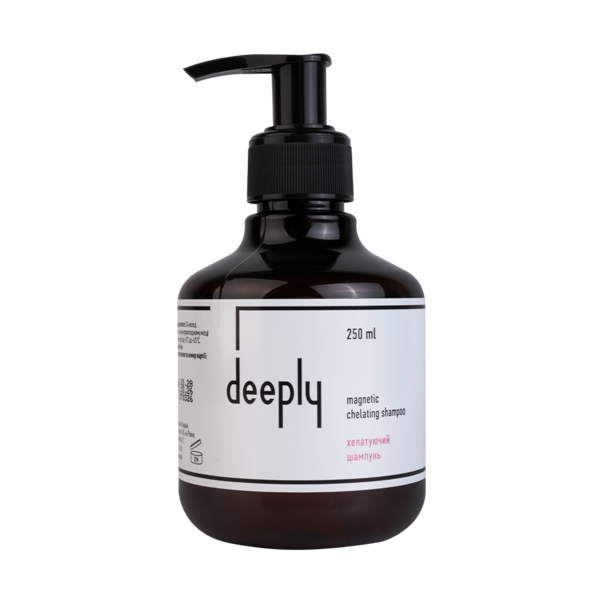
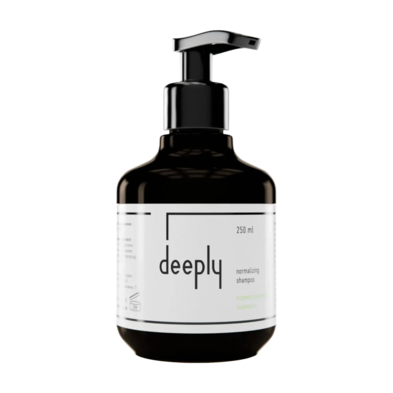
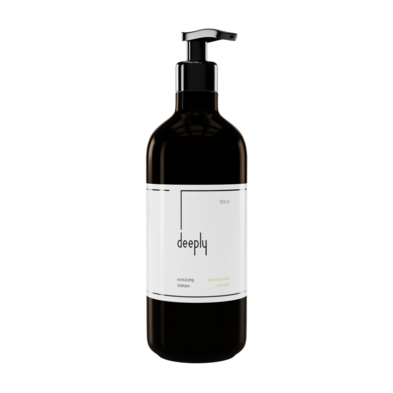
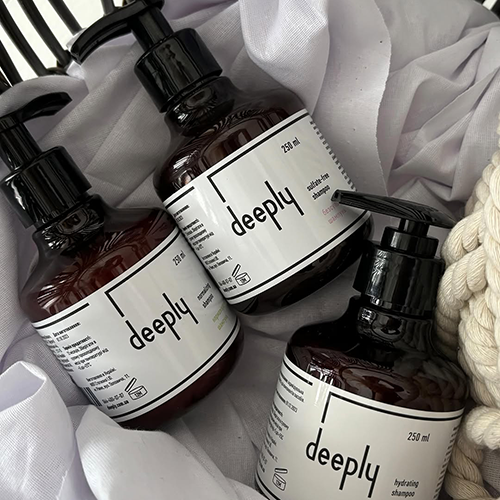
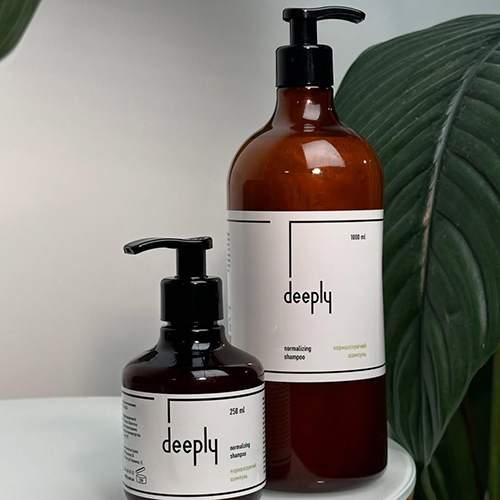
Excess sebum, oily scalp | Normalizing / sebum-regulating | Zinc, salicylic acid | Deeply Normalizing Shampoo 250 ml / 1000 ml |
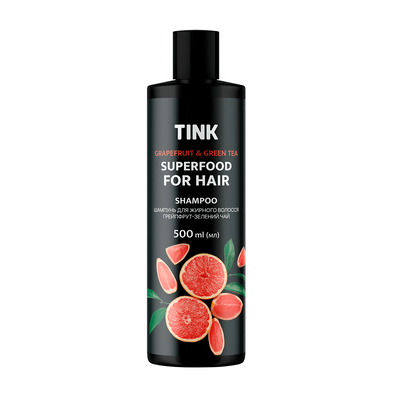
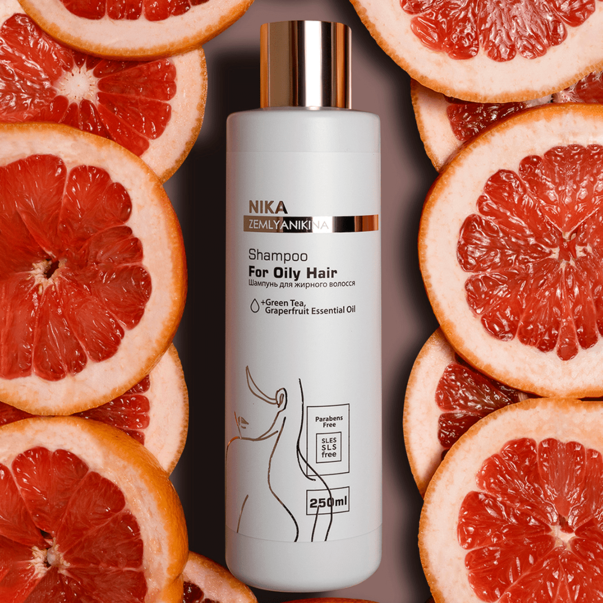
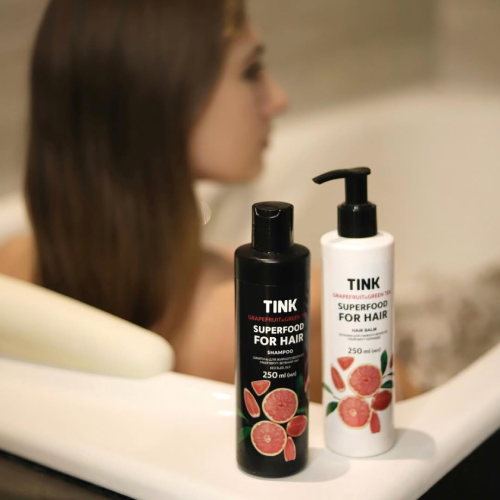
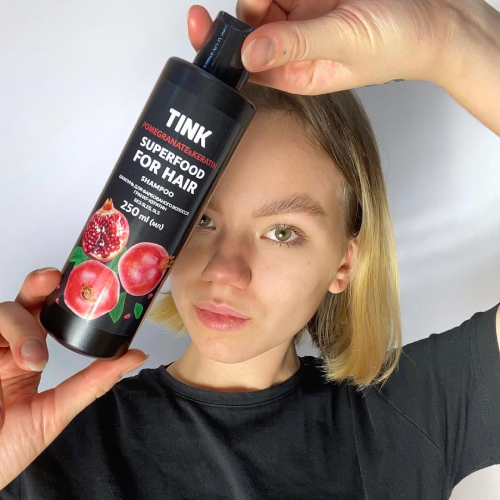
Rapid contamination, loss of volume | Sebum-regulating, light formula | Grapefruit extract, green tea | Tink Grapefruit and Green Tea 500 ml |
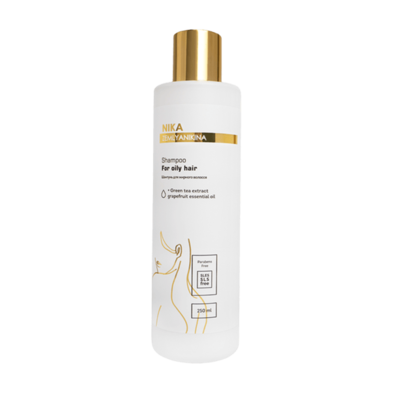
Oily skin + gentle cleansing | Normalizing for regular washing | Plant extracts | Nika Zemlyanikina 250 ml |
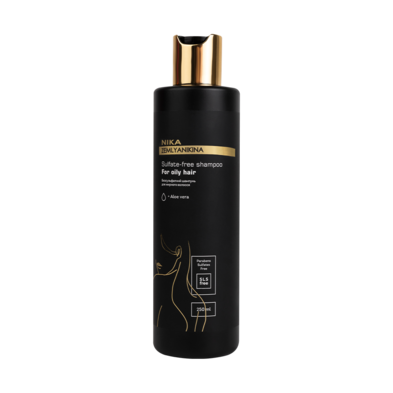
Sensitivity to sulfates | Sulfate-free sebum-regulating | Mild surfactants, plant complexes | Nika Zemlyanikina Sulfate-Free 250 ml |
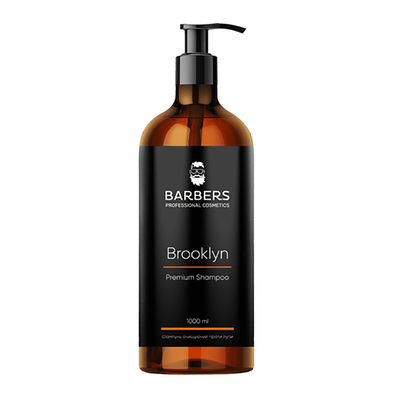
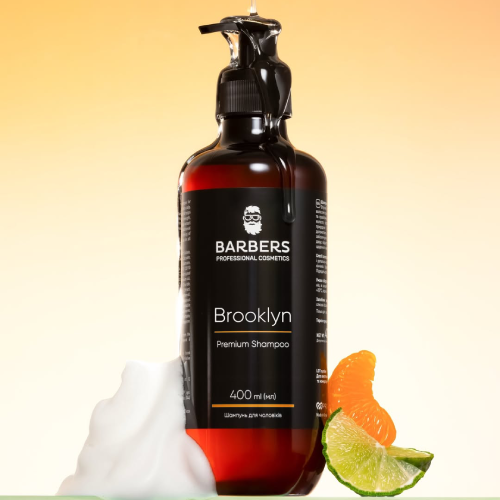
Oily skin + tendency to dandruff | Anti-dandruff, sebum-regulating | Active antifungal components | Barbers Brooklyn 1000 ml |
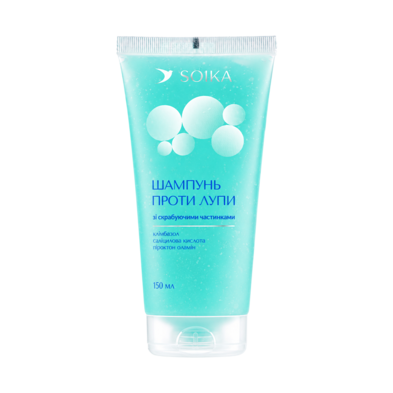
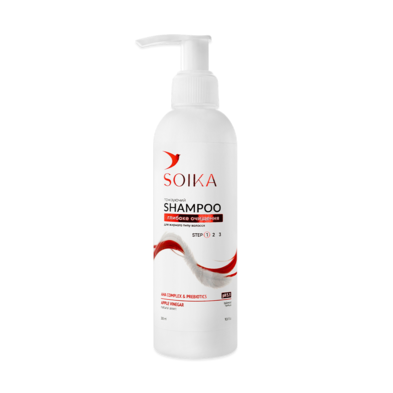
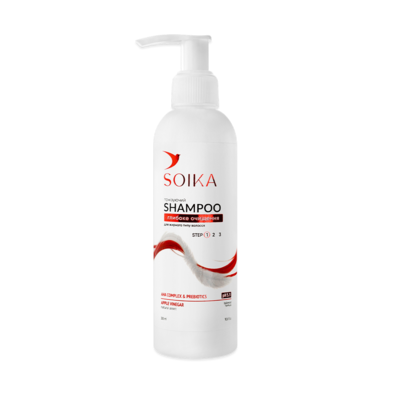
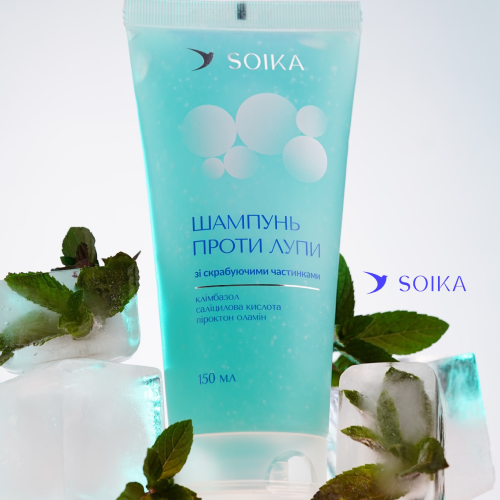
Need for deep cleansing | Detox cleansing | Detox components | SOIKA Deep Cleansing 300 ml |
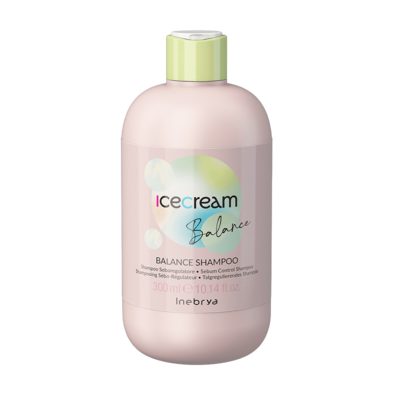
Oily skin + damaged length | Balancing with restorative action | Nourishing and moisturizing components | Inebrya Ice Cream Balance 300 ml |
How to Properly Use Shampoos for Oily Hair
The technique of washing is half the result. Shampoo for oily hair with the right components in the formula will not work as well as it could if applied hastily and rinsed immediately. Most people with oily hair wash their heads more often than necessary, unintentionally exacerbating the problem. However, a proper technique combined with the right product gradually increases the intervals between washes. The three steps below are not a complicated instruction but rather a few habits that can genuinely change the outcome.
Preparing Hair Before Washing
A few simple steps before contact with water significantly enhance the effectiveness of shampoo for oily hair – this is how a proper hair routine is built:
comb through the strands before washing – this distributes sebum from the roots to the ends and makes it easier to rinse off
rinse the head with warm water for at least 1–2 minutes – sebum softens and is easier to cleanse
avoid hot water – it additionally stimulates the sebaceous glands and increases oiliness after washing
if using dry shampoo between washes – thoroughly rinse off its residues so they do not interfere with the product's effectiveness
Cleaning the Scalp and Roots of Hair
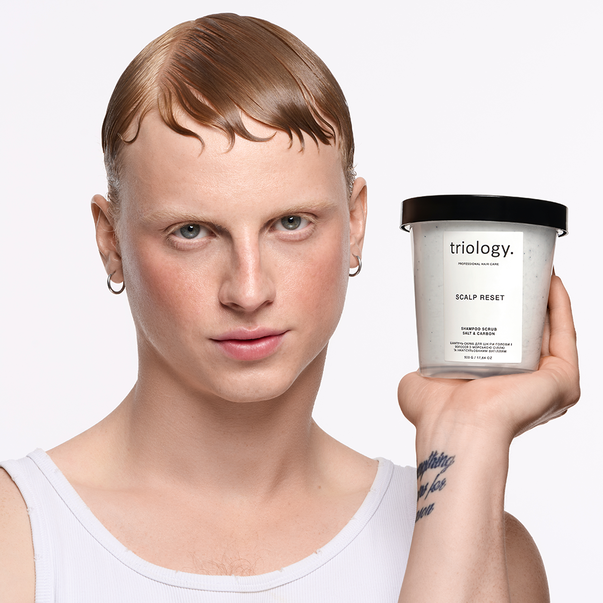
A small amount of shampoo is applied directly to the scalp, not the length. This is where the excess sebum is concentrated – and this is where the active components should reach. Using gentle circular motions with your fingertips (not nails), evenly distribute the foam across the entire scalp and massage for 1–2 minutes. This time is needed for the sebum-regulating components – zinc or salicylic acid – to take effect. Professional shampoos for oily hair often recommend keeping the product on the scalp for up to 3 minutes for a deeper effect. The length and ends are cleansed with what runs down during rinsing – this is sufficient for gentle cleansing of the hair without drying it out.
Care After Washing
The correct final step is part of a complete daily hair care routine (hair wellness) and is no less important than washing itself:
Rinse shampoos for oily hair with cool water – it closes the cuticles and reduces porosity, which slows down the accumulation of impurities
To apply a mask or conditioner, retreat from the roots by at least 4–5 cm (the line of the ears is a good reference). Lean your head forward and down, and comb through only the free length with your fingers – this way, the product will not come into contact with the roots
Do not rub hair with a towel – gently blot with soft pressing motions to avoid damaging the hair shaft and not provoking the sebaceous glands further
Dry with a hairdryer on moderate heat or let hair dry naturally – prolonged moisture on the scalp promotes the proliferation of microorganisms
Advantages of Shampoos for Oily Hair
The main advantage of specialized professional hair care products is not a quick one-time result but a cumulative effect. Shampoos for oily hair, with regular use, gradually reduce the activity of sebaceous glands, and hair begins to become oily more slowly. The interval between washes increases – this is noticeable after just a few weeks of use. The scalp itches less and does not flake – and this is already a sign of restored scalp balance and overall hair health. The root holds volume longer – with the natural freshness of hair and appearance (healthy hair care). Sulfate-free shampoos for oily hair additionally solve the common paradox – oily roots with dry ends. Mild surfactants (hair treatment) cleanse without drying, so the length does not suffer. Overall, a properly selected shampoo for oily scalp not only changes the appearance but also the logic of hair care itself – fewer compensatory steps, less dry shampoo.
Typical Mistakes in Caring for Oily Hair
Oily locks often suffer not from a lack of attention but from washing too frequently, using excessive conditioner, and aggressive cleansing. Here is what truly hinders shampoo for oily hair from working:
Washing the hair daily with an aggressive product – frequent cleansing with sulfates dries out the scalp, and the sebaceous glands respond by producing even more sebum
Applying conditioner or mask to the roots – heavy components settle on the scalp, accelerate contamination, and negate the effect of washing
Rubbing the head with a towel – mechanical irritation stimulates the sebaceous glands and damages the hair shaft. Blotting is sufficient
Expecting instant results from shampoo for oily hair – during the first week to a week and a half after switching products, the scalp may produce even more oil than usual. This is a normal adaptation of the epidermis to new cleansing components and a different level of acidity. The situation stabilizes on its own as soon as the cell renewal cycle completes and the microbiome adapts to the new conditions
Using the same shampoo for years without assessing the results – the needs of the scalp change along with hormonal background, season, and lifestyle. What worked well before may stop being effective
Ignoring styling as a source of contamination – waxes, sprays, and thick creams accumulate at the root and significantly accelerate oiliness. Professional shampoos for oily hair with detox components in their composition help remove this layer more effectively than regular products
Most of these mistakes are easy to correct – sometimes it is enough to change just one habit for the results from the properly selected product to become noticeable within a few weeks.
Oily hair is most often a physiological or hormonal problem, not a matter of hygiene. Washing the head more frequently will not resolve the situation
Shampoo for oily hair differs from regular shampoo not by lathering but by composition
Aggressive cleansing with sulfates triggers compensatory oiliness – the skin dries out and responds by producing even more sebum
Sulfate-free shampoos for oily hair are the optimal choice for those with oily roots combined with dry or damaged ends
Conditioner and mask should only be applied to the length
Sebum-regulating products act cumulatively, not after the first wash
Professional shampoos for oily hair are suitable for daily or frequent washing – their formulas are effective but not aggressive
Styling products are a hidden cause of accelerated contamination. Waxes and thick creams at the root reduce the effect of even the best shampoo
Oily hair is a manageable problem if approached systematically and a proper daily hair care strategy is established. A properly selected shampoo for oily scalp, combined with a sound washing technique, gradually changes the behavior of the skin: intervals between washes increase, the root holds volume longer, and the scalp stops reacting with compensatory oiliness. The key lies in regularity and composition, not in the frequency of washing. You can buy shampoo for oily hair with delivery in Ukraine in the Staleks catalog. If you find it difficult to make a choice, refer to the selection table above or consult the store managers.
FAQ: Frequently Asked Questions About Shampoos for Oily Hair
Are shampoos for oily hair suitable for colored hair? It depends on the formula. Products with a high concentration of salicylic acid may accelerate pigment washing out. The optimal choice for colored oily hair is sulfate-free shampoos for oily hair with mild surfactants: they regulate root oiliness while being gentle on color.
Can such shampoo be used every day? Yes, if the product has a mild base – free from aggressive sulfates and with a moderate concentration of active components. Professional shampoos for oily hair are especially good for this. Daily use of harsh formulas with high salicylic acid content may dry out the scalp and have the opposite effect.
Does shampoo for oily hair help with dandruff? Partially – if dandruff is triggered by excess sebum and the activity of Malassezia fungi. In this case, products with zinc or antifungal components provide noticeable effects. However, if dandruff has an inflammatory nature, a consultation with a trichologist is needed.
Are such products suitable for fine hair? Yes, and even better than universal shampoos. Fine hair is particularly prone to being weighed down by sebum – and light sebum-regulating formulas without silicones and heavy oils are just what is needed to maintain volume.
Can shampoo for oily hair be combined with a mask or conditioner? Yes, but with the condition: the mask or conditioner should be applied only to the mid-length and ends. No contact with the scalp – otherwise, the heavy components will negate the effect of the shampoo.
Are shampoos for oily hair suitable for men? Yes. Men's scalps are generally more prone to oiliness due to elevated androgen levels – therefore, sebum-regulating products are equally relevant. You can buy a 1000 ml shampoo for oily hair in the Staleks Shop & Service catalog. This format is convenient for regular use.
How to tell if the shampoo is chosen correctly? The main indicator is an increased interval between washes. If after 3–4 weeks of regular use, the hair stays fresh longer, the scalp does not itch, and the root holds volume – the shampoo for oily hair is chosen correctly. If there is no effect, it is worth reviewing the composition or changing the type of formula.
Shampoos Cost on staleks.ua
Name | Price |
| MiniMi Children's Shampoo REAL BOYS 250 ml | 430.00 UAH |
| MiniMi Moisturizing Shampoo for Children 250 ml | 430.00 UAH |
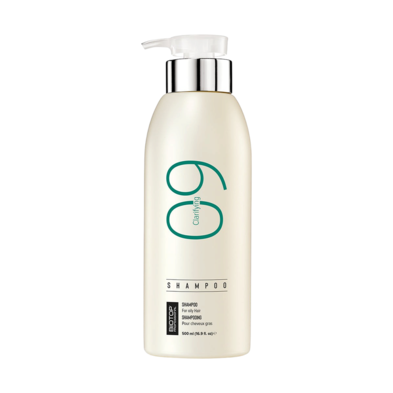
| Cleansing Shampoo BIOTOP 09 250 ml | 1 651.00 UAH |
| BIOTOP 04 Shedding Shampoo 250 ml Hair Loss Shampoo | 1 585.00 UAH |
| BIOTOP 19 Anti-Yellow Shampoo Pro Silver 250 ml | 1 953.00 UAH |
Shampoo for Oily Hair - customer reviews