Facial Peeling: Renewal and Deep Cleansing of the Skin











 In stock
 Buy
 In stock Buy
 In stock Buy
 TREND In stock Buy
 In stock Buy
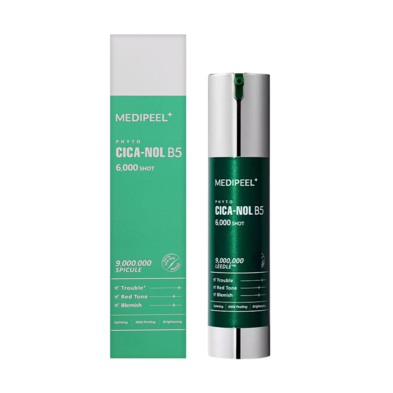 In stock Buy
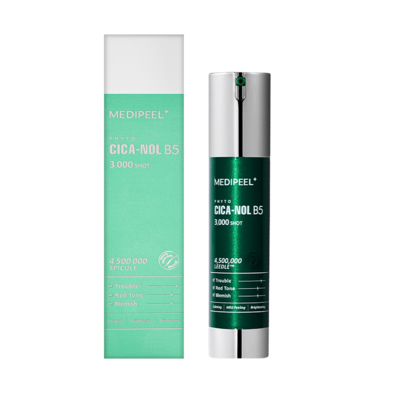 In stock Buy
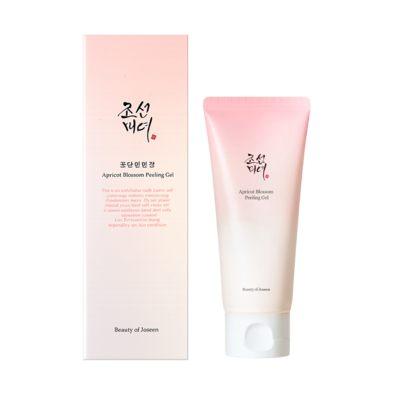 In stock Buy
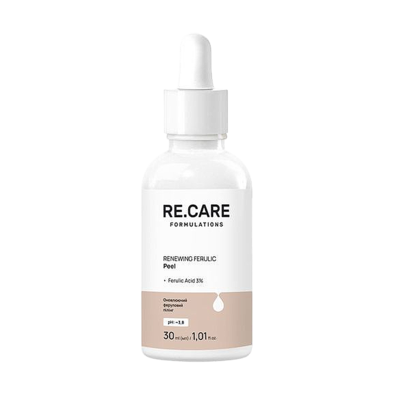 In stock Buy
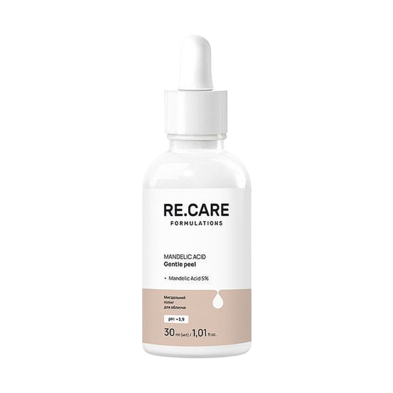 In stock Buy
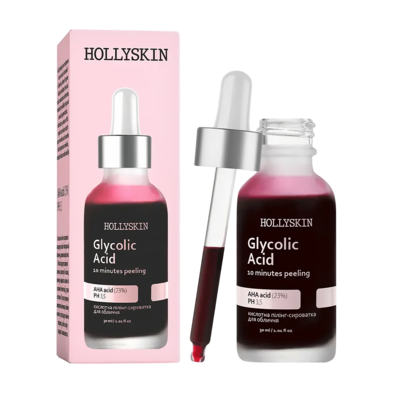 In stock Buy
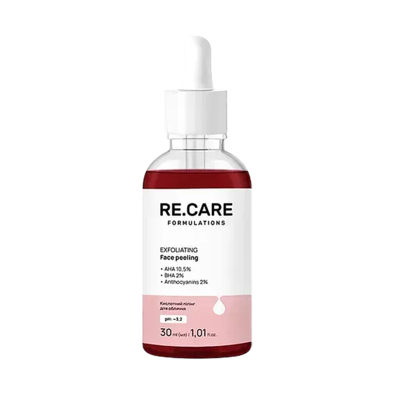
 Out of stock
when available
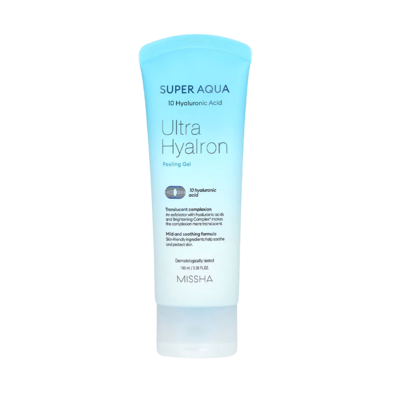 Out of stock
when available
 Out of stock
when available
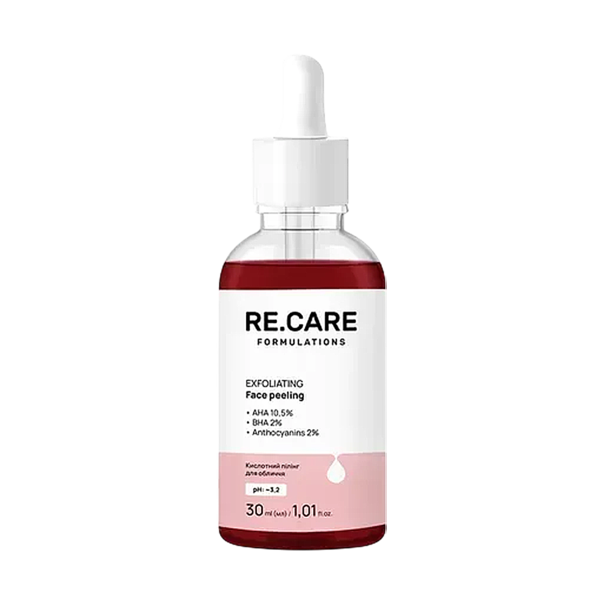
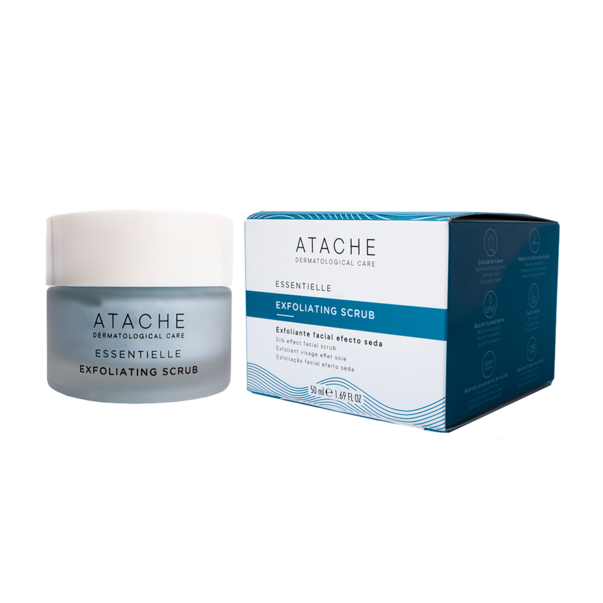
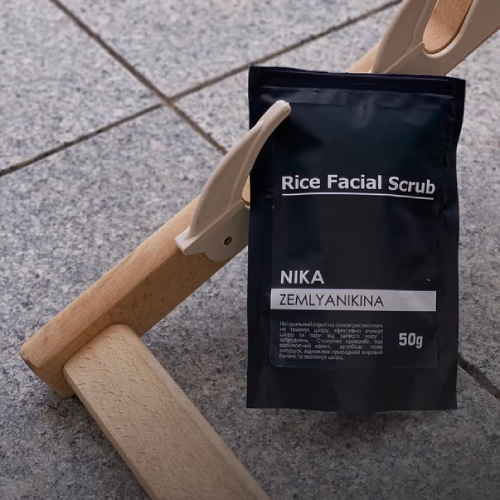
Facial peeling is a cosmetic product that gently removes the upper layer of dead skin cells and frees the skin's surface from elements that cannot be washed away with regular cleansing. Exfoliation occurs either with weak abrasive particles, or with acids – fruit, lactic, salicylic – or with a gel mass that collects dead cells into small clumps. This procedure restores smoothness to the face and evens out the tone, bringing the skin closer to the effect of "dolphin skin" – smooth, hydrated, and radiant, as if with a wet glossy sheen. Additionally, it helps other skincare products work more effectively: toner, serum, and cream are absorbed noticeably better into prepared skin. In the online store staleks.ua, you can purchase facial peels from brands such as Beauty of Joseon, Celimax, HOLLYSKIN, Joko Blend, MEDIPEEL, MISSHA, Nika Zemlyanikina, RECARE, ROBEAUTY, SKIN1004, and others. Each works according to its own mechanics, and below we will discuss how to choose an option for a specific task without making a mistake.
Facial Peeling: What It Is and When to Use It
In young skin, a cell takes about 28 days to travel from the basal layer to the surface. With age, renewal slows down: after 40, the cycle can stretch to 40–45 days or longer, causing dead skin flakes to accumulate in layers – hence the dullness and roughness to the touch. The exact timing is individual and depends on skin type and care, but the trend of slowing down is confirmed. Facial peeling does not accelerate cell division; it removes the already spent upper layer, freeing up space for younger cells. It is classified as a cosmetic product for home care, not salon procedures.
The key effects of all products in this category are the same – exfoliation, that is, the removal of dead cells. However, the reasons for using peeling vary for each individual:
-
Dull complexion after winter;
-
The feeling of uneven texture under the fingers;
-
Makeup that applies in patches;
-
Blackheads in the T-zone;
-
Post-acne marks that refuse to lighten.
In all these situations, exfoliation provides visible results. Cosmetic facial peeling is appropriate both as a one-time preparation before an important event and as a regular step in home care. The main purpose of such a product is to remove the dead keratin layer and prepare the skin for further care. The target audience for peels is adults who value an even tone, clean pores, and smoothness.
It is important to understand the boundary: this procedure does not treat inflammation and does not replace full-fledged care. It is a tool for surface renewal, not therapy. In cases of active inflammation, fresh wounds, or irritated skin, it is better to refrain from the procedure until recovery.
It is also worth preparing for the fact that results do not come instantly. One-time use provides pleasant smoothness, but evening out the tone, lightening post-acne marks, and noticeable work with pores accumulate gradually. The reason lies in the skin's renewal cycle: it does not replace the upper layer overnight but over several weeks, and peeling only helps this process go more smoothly. Therefore, the product can only be fairly evaluated after a full course, not the next morning.
Technical Specifications
Before ordering a facial peel, it is worth understanding the parameters that determine how the product will behave on the skin and how often it can be used. Below are the key characteristics with explanations of what each means in practice.
| Characteristic | What It Means | Why It Matters for Selection |
| Product Type | Exfoliating product: concentrate, gel, impregnated discs | Determines the very mechanics of exfoliation and whether the product is rinsed off or remains on the skin |
| Texture | Liquid serum, dense gel, wet disc | Affects the ease of application and how evenly the composition will be distributed |
| Skin Type | For all types, for oily and combination, for problematic | Indicates who the product will suit without the risk of over-drying or overloading |
| Volume | From 30 to 125 ml depending on the format | Affects how long the packaging will last at the stated frequency of use |
| Container | Bottle with a dropper, with a dispenser, tube, or jar | Determines the hygiene and accuracy of dosing each portion |
| Frequency of Use | Typically, one to three times a week | Acidic formats require less frequent use, while gentle gel formats allow for more frequent use |
| Country and Brands | Ukraine or South Korea, ten brands in the catalog | Provides a guideline for the style of formulas and price range within the category |
All these parameters are interconnected: a concentrated acidic composition in a small bottle with a dropper is designed for rare targeted application, while a gentle gel in a 125 ml tube is intended for calm regular use. It is important to look not at one indicator, but at their combination according to your care rhythm.
Types of Facial Peels and How They Work
The word "peeling" on the shelf unites products with completely different mechanics. Understanding how exactly the product removes the keratin layer is more important than the name on the packaging: this affects both the result and who the product will suit. All the main formats of facial peeling are available at staleks.ua, and here is how they differ from each other:
-
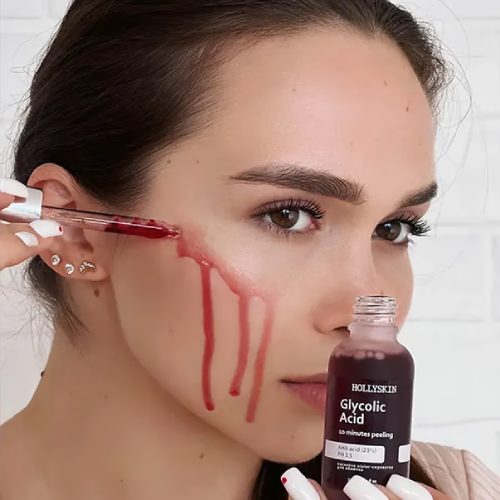
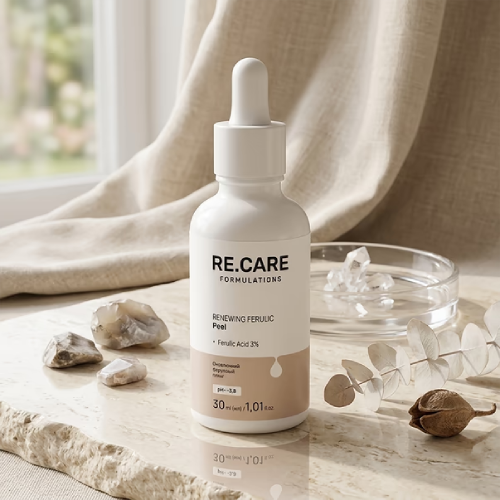
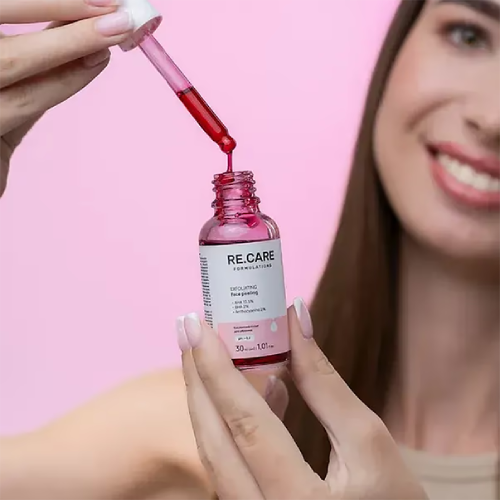
Acid Concentrate. Works through AHA and BHA acids, which weaken the bonds between dead cells, allowing them to slough off without any friction. A scrub peel is unnecessary in this logic: there is no mechanical action at all. Glycolic, lactic, and salicylic acids even out the tone, help lighten post-acne marks, and deal with clogged pores. The format is usually liquid, in a bottle with a dropper, applied in the evening for a short time, and rinsed off. Requires less frequent use.
-
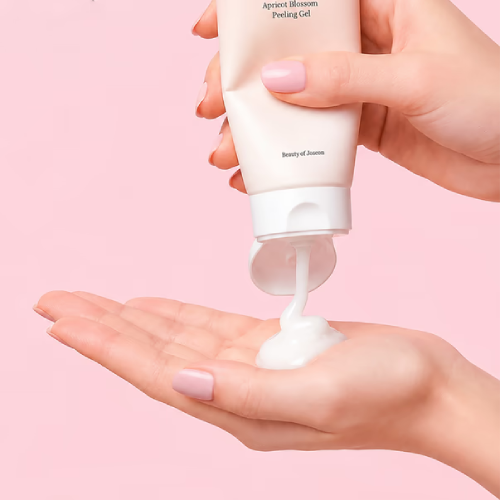
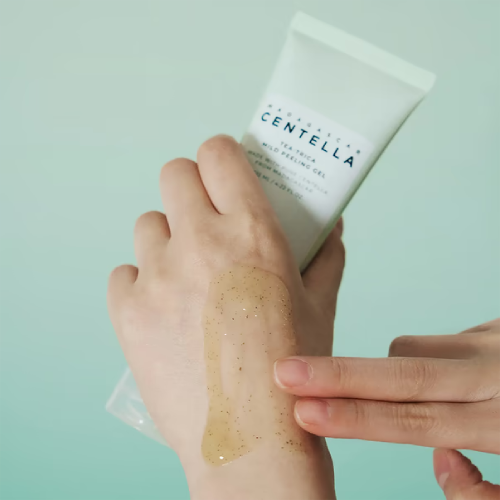
Gel Roll (Gommage). The gel peel for the face is applied to the skin and massaged – the mass rolls into soft clumps and collects dead cells. Some of these products combine the rolling mechanics with delicate acids. A variant for those who want renewal without the feeling of harsh friction. Such gels are most often suitable for all skin types and allow for regular use.
-
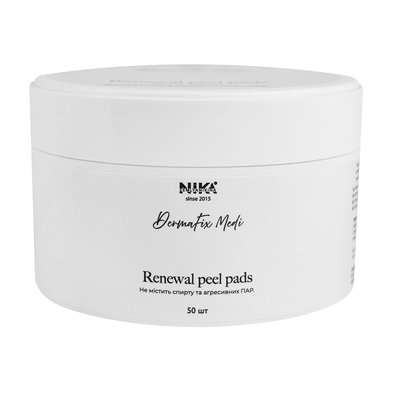
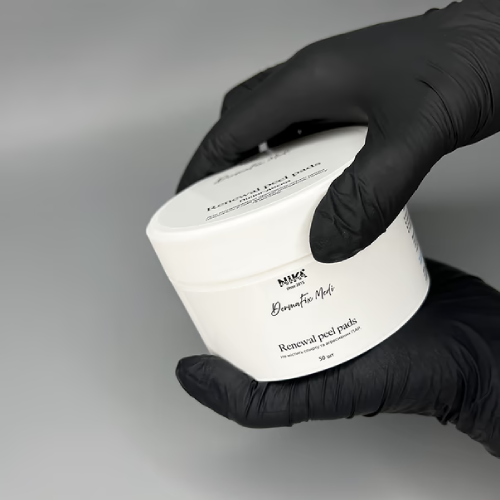
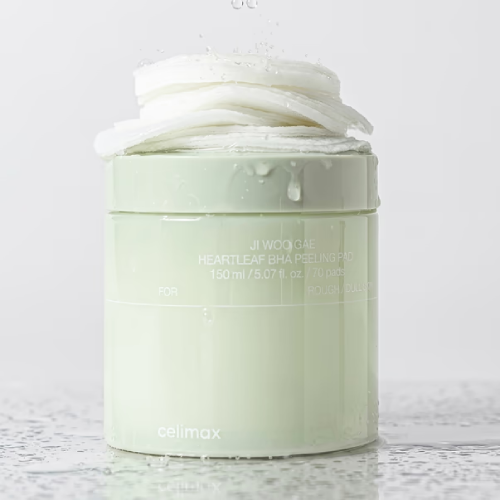
Impregnated Discs. Ready-to-use sponges already saturated with acidic essence. Just wipe the face – no dosing is needed. The relief of the disc helps to thoroughly cover areas like the wings of the nose and chin. A convenient format for home and travel, often aimed at problematic skin with enlarged pores and breakouts.
The main action of the entire category is common: smoothness, even tone, and clean pores, while additional effects depend on the composition: some products provide hydration, others seboregulation or soothing action. Different mechanics address different requests: concentrates provide noticeable results for tone and post-acne, gel rolls gently polish the surface, while discs save time.
It is also important to consider that in terms of positioning, products range from budget everyday rolls to concentrated acidic formulas of a higher level.
Composition and Active Ingredients of Facial Peels
Exfoliation is only one part of the peeling's job, and that cannot be disputed. However, the composition determines whether the product will only remove the keratin layer or add additional effects: hydration, soothing, working with tone or pores. The main active components are:
-
Glycolic Acid (AHA) – the smallest molecule among fruit acids, therefore it penetrates deeper into the keratin layer and more actively breaks down desmosomes – the protein "bridges" that bind dead cells together. Cells slough off in an even layer, and tone is evened out.
-
Lactic Acid (AHA) – larger than glycolic and works more gently, while also retaining moisture rather than drawing it out. This is a rare case where an exfoliating component simultaneously supports hydration. Therefore, lactic acid is chosen when the skin is thin and prone to dryness.
-
Salicylic Acid (BHA) – oil-soluble, and this is the whole point. It mixes with skin sebum and penetrates inside the pore, softening the plug from the inside, not just on the surface. Hence its specificity: blackheads, clogged pores, oily shine in the T-zone. Where AHA work on the surface, BHA goes deeper.
-
Lemon Acid performs two roles at once: it gently exfoliates and brightens uneven tone, and also stabilizes the acidity of the entire formula so that the product acts predictably from bottle to bottle.
-
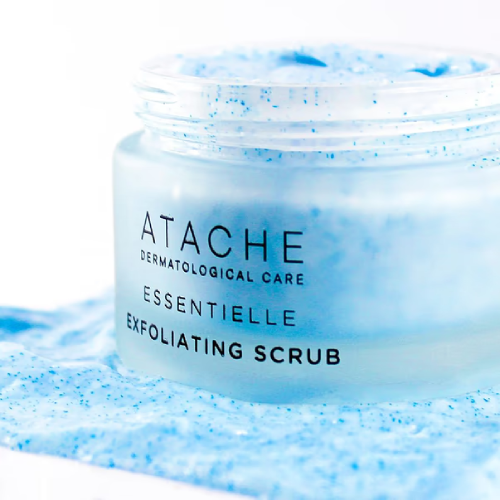
Cellulose Particles – this is mechanics without scratches. In gel rolls, dead cells are removed not by acids, but by soft cellulose clumps that form during massage and remove the keratin layer. Unlike scrubs with crushed pits, cellulose has no sharp edges, meaning there are no micro-damages, which often lead to irritation. Therefore, this format is suitable even for those for whom acids and harsh scrubs cause discomfort.
Next come components that prevent the peeling from becoming a stressor for the skin. Panthenol reduces the feeling of tightness and soothes redness caused by acids and friction. Allantoin acts similarly: it soothes and accelerates surface recovery. Glycerin attracts moisture from the air and retains it in the upper layer, preventing the skin from drying out immediately after the procedure. Hyaluronic acid works on the same principle but more comprehensively: it binds water and creates a feeling of plump, not dry skin. This soothing part is the reason why a well-formulated peel leaves the face soft rather than squeaky.
The quality criterion of the formula: the more active the exfoliating part, the more substantial the soothing part should be. If the composition contains only acids and no softening components, this is a reason for caution, not a sign of the product's strength.
Useful Information on Composition
There is one skill that is rarely explained, yet it is very important when using peels – the ability to read the order of ingredients. Components on the packaging are listed in descending order of quantity: what is at the beginning of the list is present in a larger volume, while what is closer to the end is in trace amounts. Therefore, if a brand highlights an acid in the name, but it is at the very end of the ingredient list, you should not expect pronounced action from it. Checking takes a couple of seconds, saves money, and reduces the likelihood of disappointment.
Finally, two characteristics that are often confused: hypoallergenicity and non-comedogenicity. Hypoallergenicity means that the formula is assembled with an eye towards minimizing irritating substances – this is about tolerance. The label "suitable for sensitive skin" relies on this point and is usually found on gentle rolls without large granules and strong acids.
Non-comedogenicity refers to something else: the product does not clog pores and does not provoke new breakouts. For someone who is using peeling specifically for clean pores, the second property is more important than the first. However, neither property negates the need for a patch test on a small area of skin before first use: no formula, no matter how delicate, guarantees an individual reaction.
How to Choose a Facial Peel for Your Skin Type
It is important to match the format and composition with your own skin; otherwise, even a good product may disappoint. Below is a practical navigator for the Staleks catalog. Let’s clarify right away: most items are labeled by the manufacturer as suitable for all skin types, so the division below is a recommendation for format and not a strict limitation for those who would like to buy a facial peel.
| Skin Type and Request | Suitable Format | Positions from the Staleks Catalog |
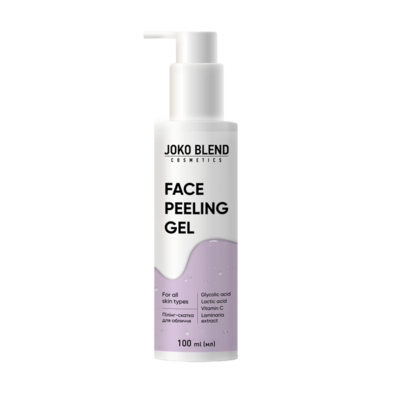
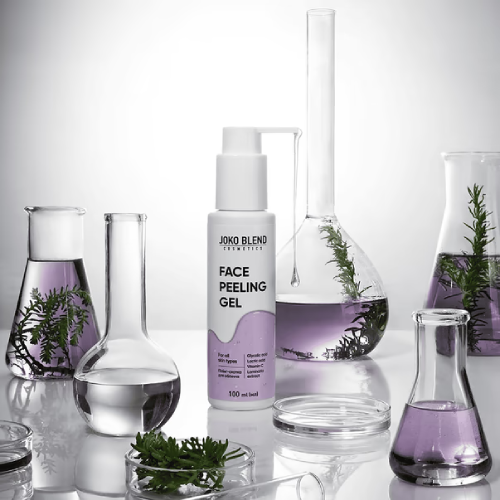
| Dry, thin, sensitive | Soft gel roll with delicate acids or moisturizing | Joko Blend with AHA and vitamin C, MISSHA Super Aqua, MEDIPEEL Phyto Cica |
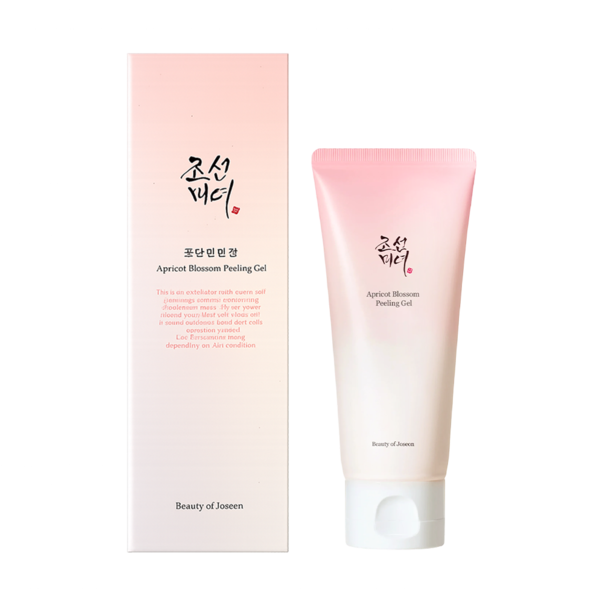
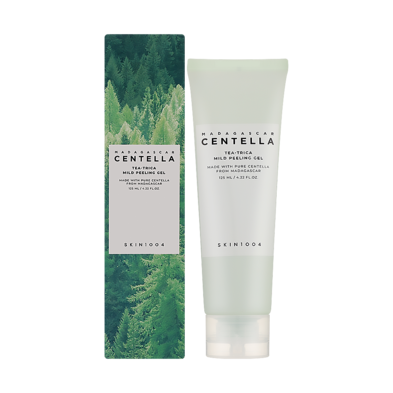
| Normal, delicate regular care | Gel gommage with soft cellulose and supporting acids | SKIN1004 Madagascar Centella Tea Trica, Beauty of Joseon Apricot Blossom |
| Oily and combination, shine in the T-zone | BHA pads or acidic concentrate with seboregulation | |
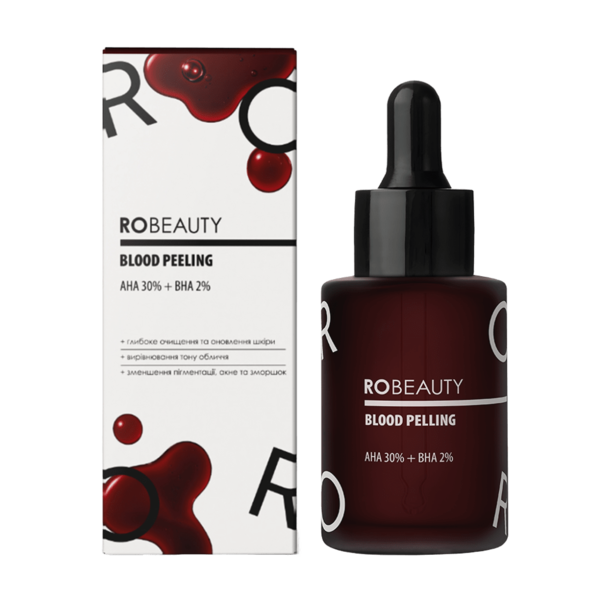
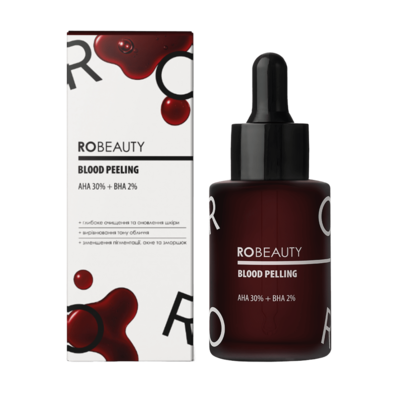
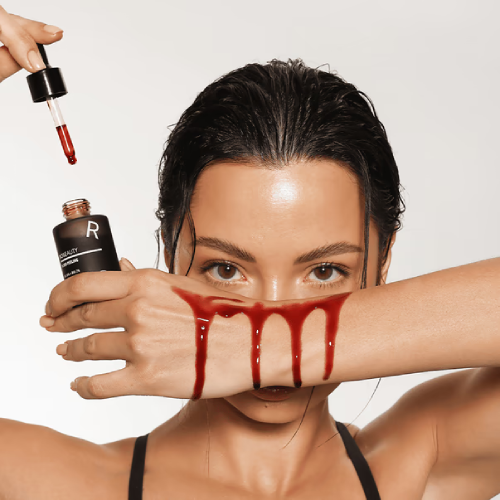
| Problematic, breakouts, significant work with tone | Discs with AHA and BHA or strong acidic concentrate | Nika Zemlyanikina DermaFix, ROBEAUTY Blood Peeling AHA 30% + BHA 2% |
A special note about ROBEAUTY: this is a high-percentage concentrate with 30% AHA and 2% BHA, meaning it is the most intensive product in the category. For a newcomer to acid care, it is wiser to start with a milder option and transition to such a format when the skin is already accustomed to exfoliation.
Technique for Applying Facial Peeling
The result from using a facial peel depends not only on the composition but also on how carefully the procedure is performed. The general order of actions for rinse-off formats – concentrates and gel rolls – looks like this:
-
Cleanse the skin with your usual cleanser and pat dry with a towel. Acid concentrates are applied to dry skin, while gel rolls are applied according to the specific brand's instructions.
-
Distribute the product over the face, avoiding the delicate areas around the eyes, lips, and nostrils.
-
For the roll – gently massage the skin until the mass rolls into clumps, without applying strong pressure. For the concentrate – leave the composition on for a short time as indicated on the packaging, reducing it for the first application.
-
Rinse thoroughly with warm water.
-
Apply a soothing cream or moisturizing serum to restore comfort to the skin.
-
If the procedure was in the evening, be sure to use an SPF product in the morning: freshly exfoliated skin is significantly more sensitive to the sun.
Impregnated discs are simpler to use: they are used to wipe clean, dry skin in the evening and are generally not rinsed off, with a night cream applied on top. When introducing a new acidic product, start with once a week and maintain this rhythm for two weeks. If the skin responds calmly, with no persistent redness or tightness, you can add a second day. Increase the frequency by one time, not immediately to the maximum.
Common Mistakes When Using Peeling
Most disappointments with facial peels are related not to the properties of the product but to violations of technique. The same mistakes often occur – let’s analyze why they happen and how to correct them.
| Error | Why It Happens | How to Correct It |
| Too Frequent Use | The desire to speed up results, the false belief that "the more often, the better" | Stick to a schedule of one to three times a week, depending on the skin's reaction |
| Skipping SPF After the Procedure | Underestimating that exfoliated skin is vulnerable to ultraviolet light | Apply sun protection every morning after an evening peel |
| Overexposure to Acidic Composition | Calculating to enhance the effect by adding extra minutes | Strictly adhere to the time indicated on the packaging, reducing it for the first use |
| Applying to Damaged Skin | Ignoring wounds, irritation, or active inflammation | Wait for the surface to recover before the procedure |
| Strong Friction During Rolling | The habit of rubbing the skin like with a regular scrub | Massage gently: clumps form without pressure |
| Combining Multiple Acids at Once | The desire to get the maximum effect in one evening | Do not apply different acidic products in one session to avoid overloading the skin |
A practical guideline: if the skin feels tight for more than 15–20 minutes after the procedure, reduce the exposure time or frequency for the next time. The skin's reaction, not the calendar, determines your personal schedule.
What Not to Combine With
It is also worth discussing what peeling does not get along with in one session – this is rarely mentioned, but mistakes here are common:
-
Peeling and retinoids in one evening – a double load on skin renewal. Both accelerate cell turnover, and together they can easily lead to irritation and peeling.
-
Peeling and vitamin C back-to-back – a questionable pair. Pure vitamin C works in an acidic environment, so when applied over an acidic peel, it creates a cumulative acid load that sensitive skin tolerates poorly.
-
Peeling and regular scrub on the same day – a direct overload. One procedure has already removed the keratin layer, and the second will go over an already exposed surface.
The reasonable tactic is simple: strong actives are spaced out over different days, and the evening of peeling is closed with only hydration and recovery, without other experiments.
FAQ: Common Questions About Facial Peeling
-
What time of day is best for peeling? Ideally in the evening. Overnight, the skin can recover calmly without exposure to the sun and ultraviolet light, and by morning it has time to recover after the active procedure. This is especially relevant for acidic procedures.
-
Can peeling be used year-round, and is there a difference by season? Yes, peeling works at any time of year, but in summer, a more cautious approach is needed. Freshly exfoliated skin temporarily loses part of its upper protective layer and therefore is more susceptible to ultraviolet light. In bright sunlight, this poses a risk of pigmentation – new dark spots that are harder to remove than to prevent. It creates a paradox: you do peeling for an even tone, but without protection, you may get the opposite. In winter, the sun's load is lower, and there are fewer restrictions, but morning SPF remains in effect in any season.
-
How to tell if there is too much peeling? The main signals are tightness, redness, unusual sensitivity, and peeling that does not go away. This indicates that the skin barrier is overloaded. In such a situation, it is advisable to take a break and return to a less frequent schedule.
-
How does peeling differ from a regular scrub? A scrub only removes the keratin layer mechanically, with large particles. Peeling is a broader concept: it can work with acids, gel rolls, or soft micro-particles. Acidic formats act more delicately than a harsh scrub and are better suited for sensitive skin.
-
What to do if the skin tingles or there is slight redness after peeling? A slight tingling during the procedure with acids is a normal reaction; it passes within minutes. However, if redness and burning persist after rinsing, the product is too active for you: reduce the exposure time and frequency. A cream with panthenol can help soothe the skin. Strong and persistent irritation is a signal to stop using this product.
-
How to properly conduct a patch test before first use? Apply a drop of the product to the inside of your elbow or behind your ear, leave it on for the recommended time, and rinse. If no itching, persistent redness, or rash appears within 24 hours, the product can be applied to the face. The test is especially important for acidic concentrates and for skin prone to reactions: a couple of minutes of testing saves you from ruined skin for a week.
-
How to store peeling after opening? In a dry place, away from direct sunlight and heat sources, with a tightly closed lid or cap. It is important to keep discs in a closed package to prevent the essence from evaporating. Refer to the expiration date after opening indicated on the packaging.
-
Can peeling be done after facial cleansing or salon procedures? After mechanical or hardware cleansing, as well as after salon peels, the skin needs a break. Home peeling should be postponed for at least a week until redness subsides and the protective barrier is restored. Doing it sooner risks over-drying and traumatizing already vulnerable skin. A simple guideline: if the face still reacts even to familiar care, it is too early for peeling.
Facial Peeling in the Staleks.ua Catalog: Skin Renewal for Any Request
Regular exfoliation is essential; without it, the rest of your care loses half its meaning: makeup applies better to renewed skin, serums penetrate deeper, and tone looks more even. If you are unsure between formats, start with the main task: targeted work with post-acne and tone – acidic concentrate; sensitive skin and gentle polishing – gel roll; saving time and travel – impregnated discs. Skin type adjusts the choice, but the task sets the direction.
You can buy facial peeling with delivery across Ukraine and abroad in the online store staleks.ua: ten brands from Ukraine and South Korea are available at a wide price range depending on format and composition. If you need help choosing for a specific task, Staleks managers will suggest a suitable option.
-
Facial peeling is a product for removing dead keratin layers and renewing the skin.
-
Three mechanics in the catalog: acidic concentrates, gel rolls, and impregnated discs.
-
Active components: AHA acids (glycolic, lactic, lemon), BHA (salicylic), cellulose particles.
-
Soothing additives: glycerin, hyaluronic acid, panthenol, allantoin, plant extracts.
-
Formats for different scenarios: bottle with a dropper, with a dispenser, tube, jar.
-
Volumes from 30 to 125 ml, frequency of use one to three times a week.
-
Ten brands from Ukraine and South Korea: from gentle rolls to pronounced acidic formulas.
-
An essential rule – sun protection with SPF in the morning after an evening procedure.
Facial scrubs Cost on staleks.ua
Name | Price |
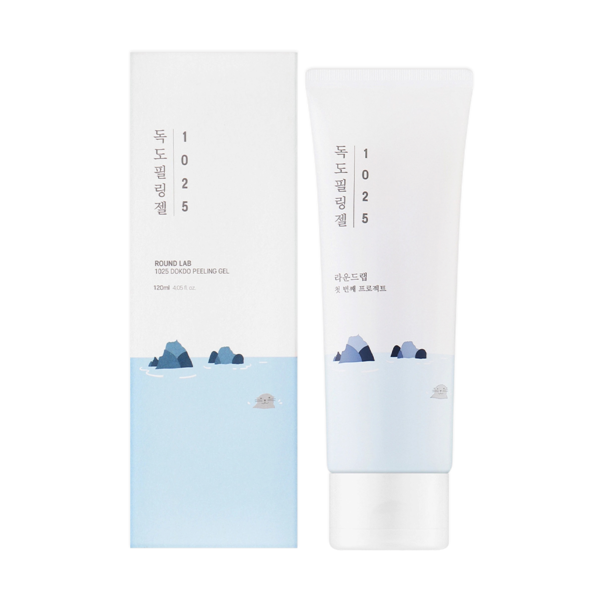
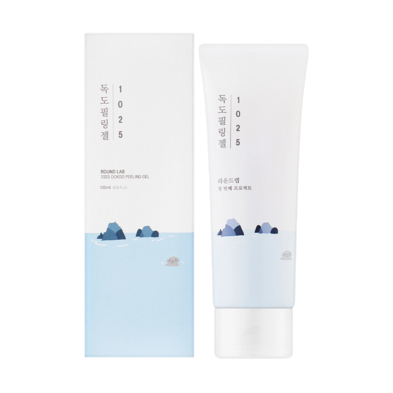
| Round Lab 1025 Dokdo Peeling Gel 120 ml | 720.00 UAH |
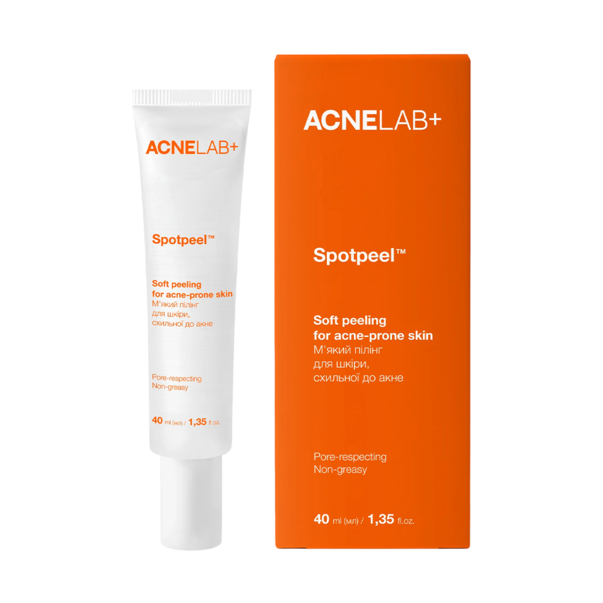
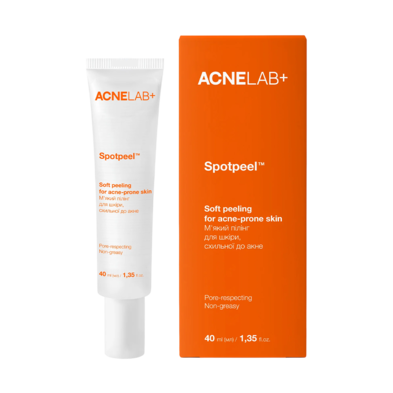
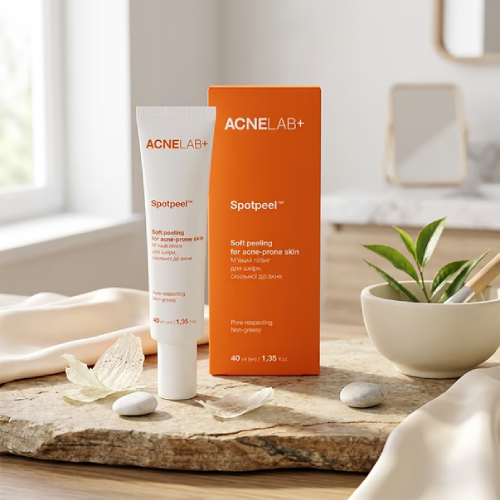
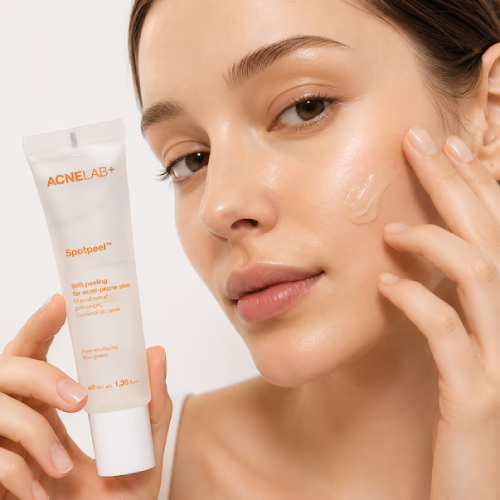
| ACNELAB+ Spot Peel Gentle Anti-Acne Face Peel 40 ml | 748.00 UAH |
| Peeling gel SKIN1004 Madagascar Centella Tea Trica with tea tree and centella 125 ml | 1 030.00 UAH |
| Missha peeling gel Super Aqua Ultra Hyalron 100 ml | 332.00 UAH |
| Apricot Blossom Peeling Gel peeling roll Beauty of Joseon 100 ml | 510.00 UAH |
Facial Peeling: Renewal and Deep Cleansing of the Skin - customer reviews