Sunscreen for the face
















 TREND
 In stock
 Buy
 In stock Buy
 In stock Buy
 In stock Buy
 In stock Buy
 In stock Buy
 In stock Buy
 TREND In stock Buy
 In stock Buy
 In stock Buy
 In stock Buy
 TREND In stock Buy
 TREND In stock Buy
 TREND In stock Buy
 In stock Buy
 In stock Buy
 In stock Buy
 In stock Buy
 In stock Buy
 In stock Buy
 In stock Buy
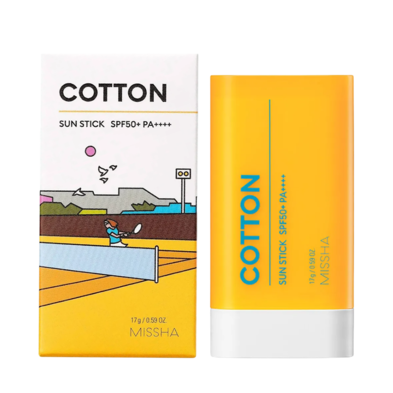 In stock Buy
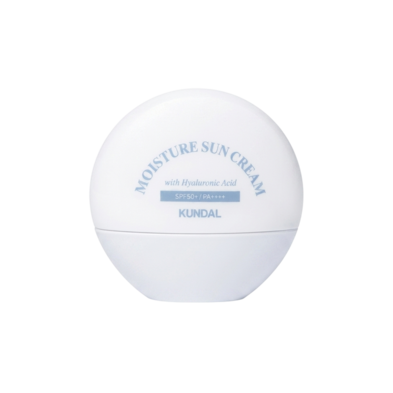 In stock Buy
- 1
- 2
- Next
Facial sunscreen is the final step in the morning skincare routine with an SPF factor that reduces the impact of ultraviolet rays on the skin and helps maintain an even tone and freshness for longer. There are various formats: cream, lightweight essence, serum, and stick, with protection levels of SPF 30, 50, and 50+, and some products are labeled PA up to ++++. The catalog features facial sunscreens from Ukrainian, Korean, and European brands suitable for all skin types. Prices vary depending on volume and format, and products can be purchased in just a few clicks.
Why the Face Requires Separate SPF Protection
If there is one ironclad habit to establish in your skincare routine, it is morning SPF. Dermatologists have been repeating for years that the sun is considered one of the main factors of photoaging, rather than age itself. Ultraviolet rays provoke pigmentation spots, can contribute to a decrease in skin elasticity, and lead to an uneven tone. All of this accumulates unnoticed: there may be no visible burn, but the consequences will manifest over the years. Therefore, facial sun protection has long transitioned from being a beach product to a daily step—on par with cleansing and moisturizing.
Sunscreens should not only work against rays but do so comfortably—without pilling under makeup, leaving a white cast, or clogging pores. A good facial SPF is one that you want to apply every morning, rather than remembering it only before a trip to the sea.
It is worth dispelling a common myth. Facial sunscreen is about reducing sun exposure, not completely blocking tanning. The product reduces the dose of ultraviolet rays that the skin receives, but with prolonged sun exposure, a light tan will still develop. Therefore, what matters in protection is not the maximum number on the packaging, but regularity and a sufficient amount of product. Let's explore how to read the labeling, the different formats available, and how to choose SPF for your skin.
SPF Labeling for Facial Products
Before purchasing facial SPF, it is important to understand three designations that appear on the packaging.
SPF
The SPF number indicates protection against UVB rays—those responsible for skin redness. For everyday use, many choose SPF 30, while for prolonged sun exposure, SPF 50 or 50+ is often used.
PA and Plus Signs
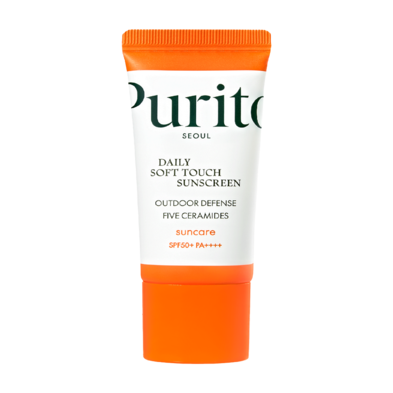
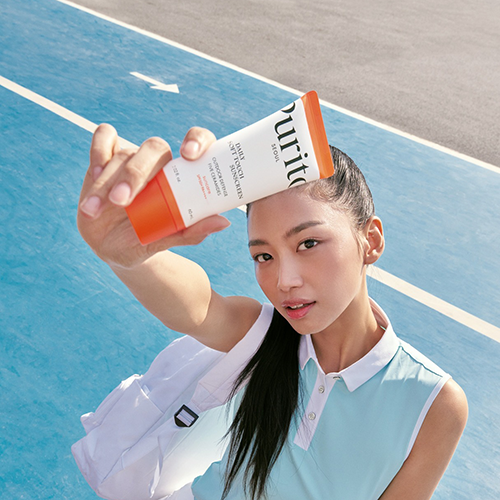
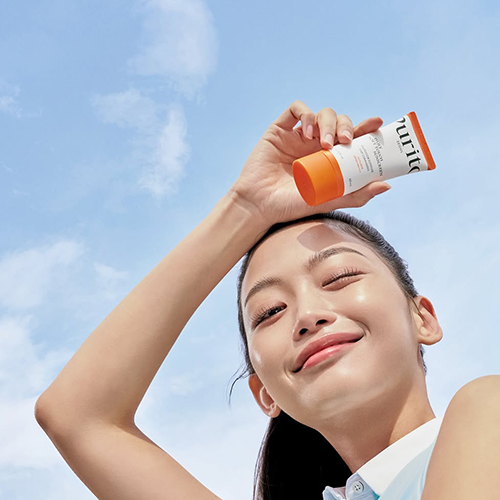
On Korean products, next to SPF, there is a PA marking with plus signs—this indicates protection against UVA rays, which are responsible for photoaging and pigmentation. The more plus signs, the higher the level of protection. For example, the Purito Daily Soft Touch cream and the SKIN1004 Hyalu-Cica Silky Fit stick have a rating of 50+ PA++++—the maximum for both parameters.
Type of Filters
Filters can be chemical (organic), mineral (physical), or combined. Mineral filters are often considered a good option for sensitive skin; however, the reaction depends on the specific formula. Chemical filters are lighter in texture and leave almost no residue. The exact type of filters is specified in the ingredients of each specific facial SPF product, so it is advisable to read this carefully if you have sensitive skin.
Formats of Facial Sunscreens
The format determines whether facial sun protection fits into your daily routine. The assortment includes all the main types.
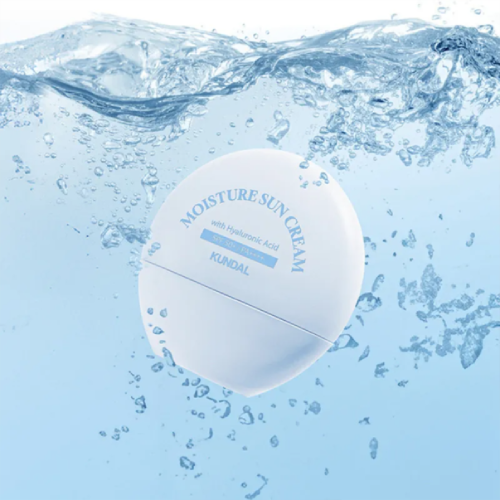
Cream
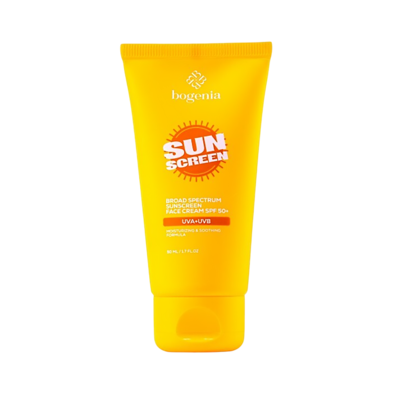
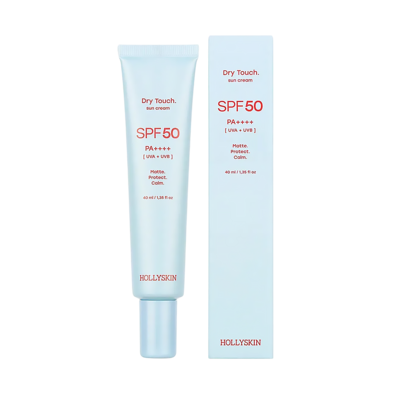
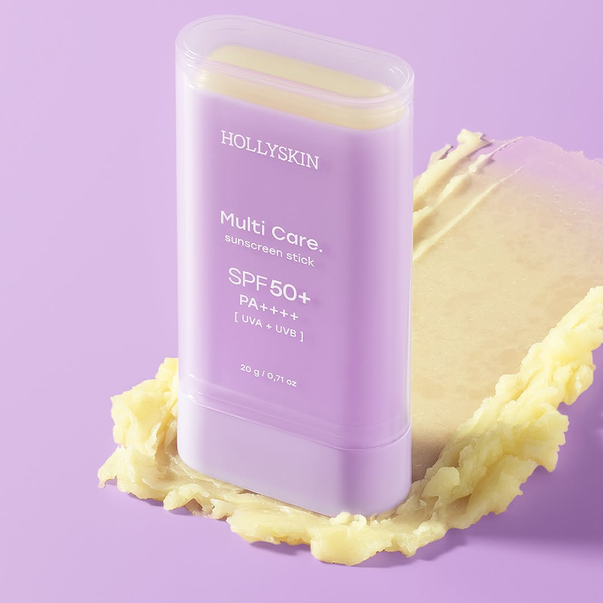
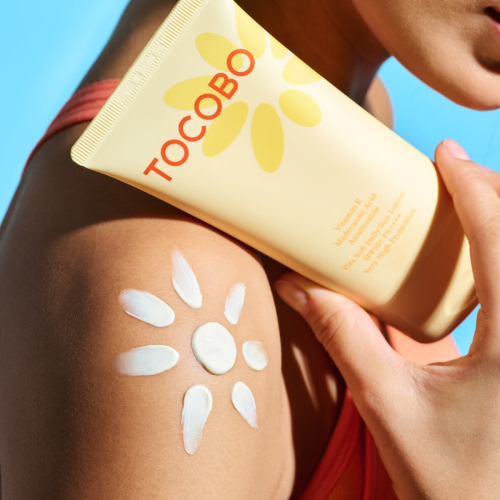
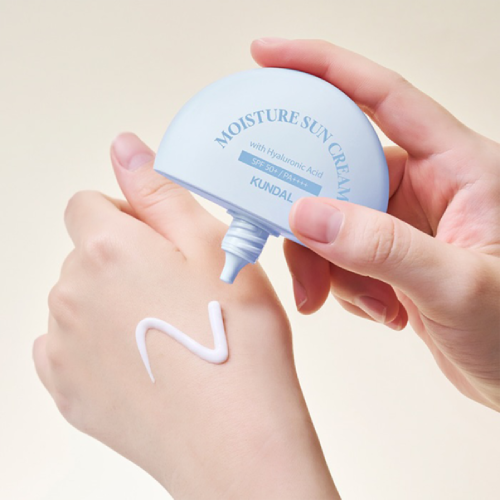
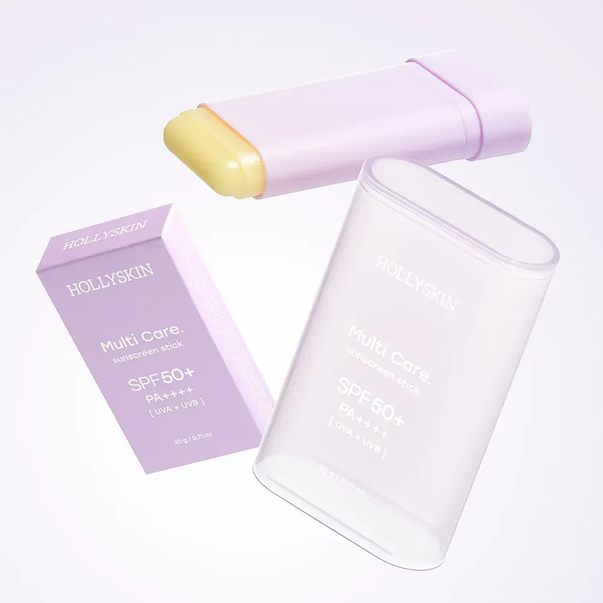
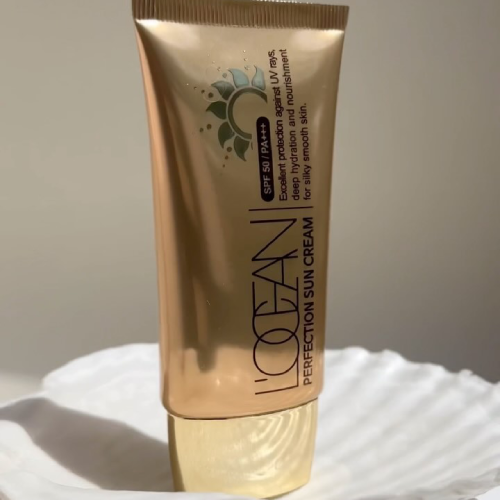
The most universal option, with a wide selection available. Among SPF 50 creams are TopFace, daily moisturizing ZOLA Skinbase, L'OCEAN Perfection Sun Cream with PA+++, Bogenia Sunscreen Face Cream, Hollyskin Multi Care, and Rituals Karma SPF 50.
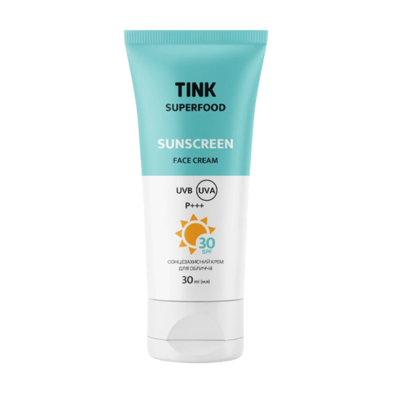
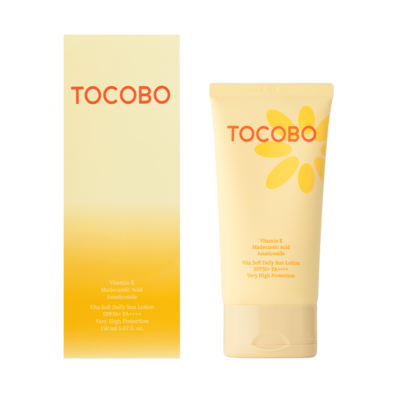
Fans of Korean cosmetics will appreciate the Purito Daily Soft Touch SPF 50+ PA++++ with ceramides—a convenient 15 ml format for testing. The Ukrainian brand Nika Zemlyanikina offers SPF 30 creams and a format for the face and neck with SPF 50, while Tink Superfood Sunscreen Face Cream SPF 50 in 30 ml combines protection with a caring formula.
Light Cream for the City
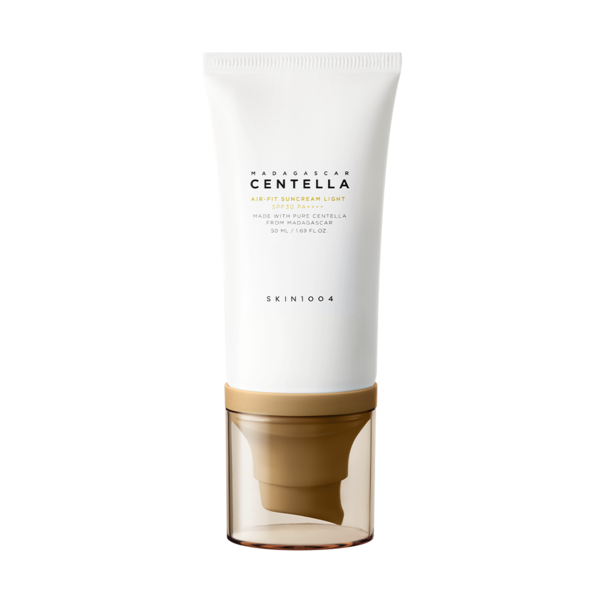
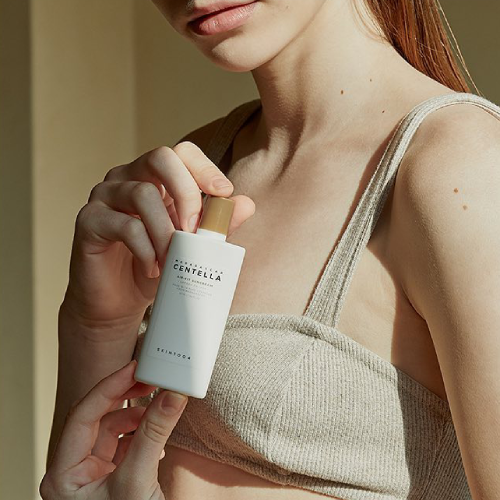
Lightweight daytime formulas stand out separately. The lightweight sunscreen SKIN1004 Madagascar Centella Air-Fit Suncream Light SPF 30 is designed for mild weather, while the more protective Air-Fit Suncream Plus SPF 50 in 50 ml is for active sun exposure. Both do not weigh down the skin.
Essence
A milky, quickly absorbing texture for those who find cream too heavy. The Korean essence MISSHA All Around Safe Block Essence Sun Milk SPF 50 applies thinly and is convenient under makeup.
Serum
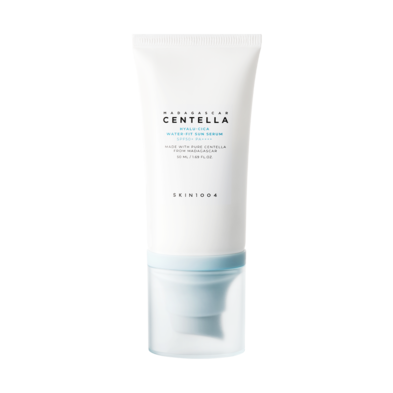
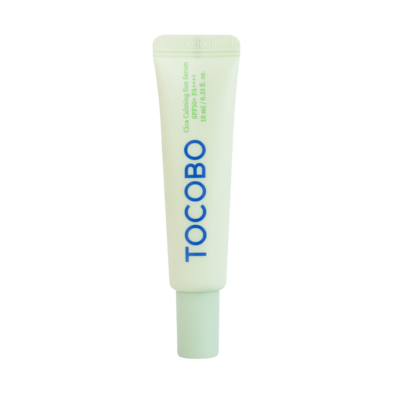
A format where protection is combined with care. The SKIN1004 Madagascar Centella Hyalu-Cica Water-Fit Sun Serum SPF 50 is applied as the final step in the morning routine and is available in 15 and 50 ml sizes—the smaller size is convenient to keep in a bag.
Stick
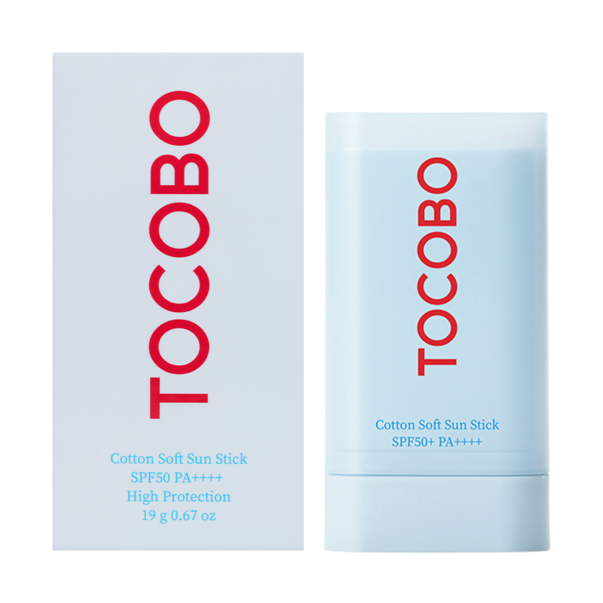
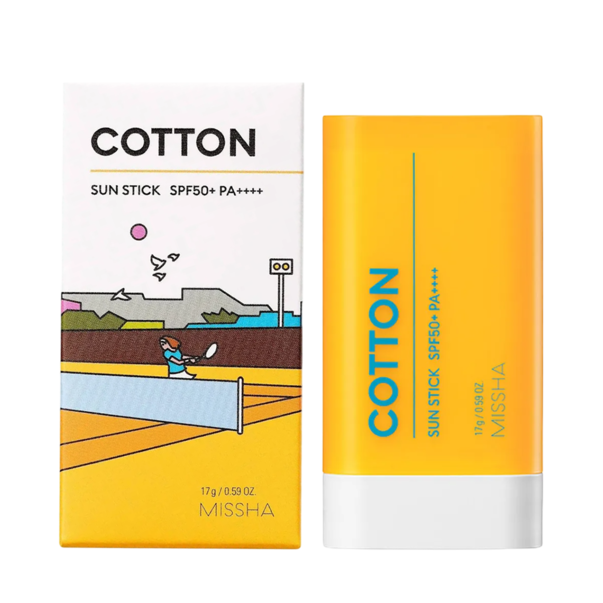
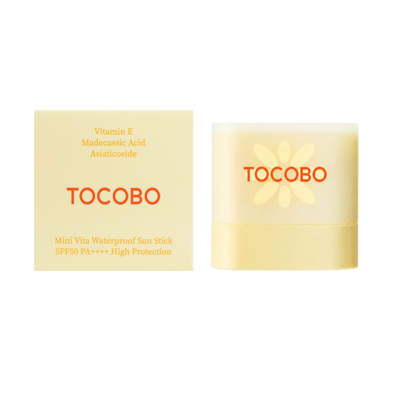
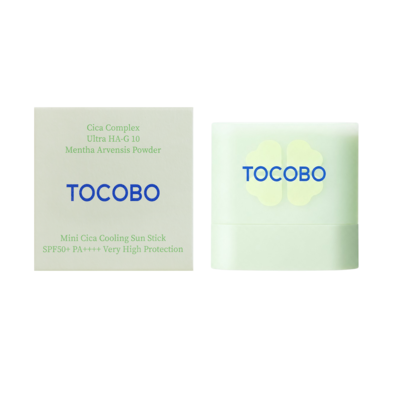
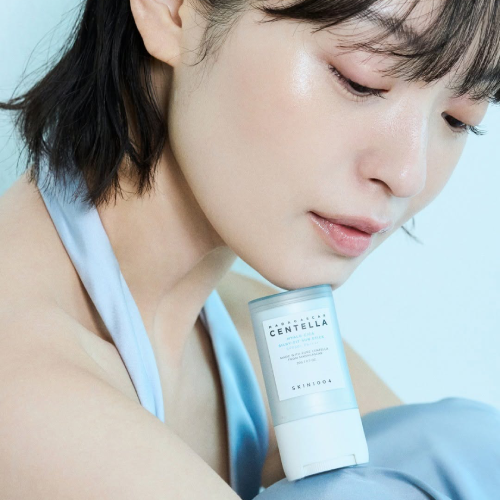
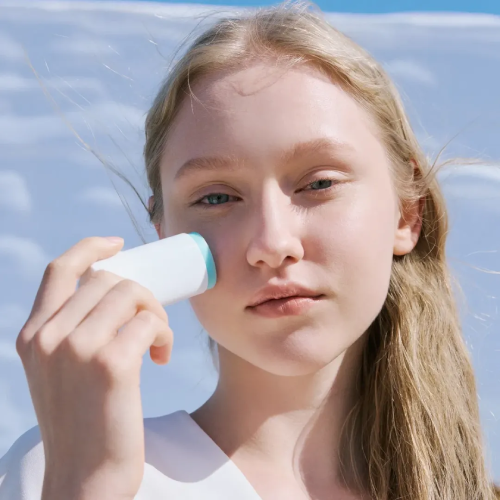
A dry, compact format for targeted protection and reapplication. The SKIN1004 Hyalu-Cica Silky Fit Sun Stick SPF 50+ PA++++ does not dirty the hands and is easy to apply on the cheekbones, nose, and eye area directly over makeup.
Comparison of Facial Sunscreens
To make selection easier, we have compiled products from the assortment into a table. The data is based on the catalog cards; for the exact type of filters, water resistance, and active components, please refer to the specific product's ingredients.
| Product | Format | SPF / PA | Type of Filters | Volume | Country of Manufacture |
| TopFace SPF 50 | Cream | 50 | Chemical | 30 ml | Turkey |
| Purito Daily Soft Touch | Cream with Ceramides | 50+ PA++++ | Photostable next-generation chemical filters | 15 ml | South Korea |
| Nika Zemlyanikina SPF 30 | Cream | 30 | Chemical and Physical | 30 / 2 ml | Ukraine |
| Nika Zemlyanikina Face SPF 50 | Cream, Pump Bottle | 50 | Chemical and Physical | 50 ml | Ukraine |
| ZOLA Skinbase | Cream, Moisturizing | 50 | Photostable Chemical | 40 ml | Ukraine |
| L'OCEAN Perfection Sun Cream | Cream | 50 PA+++ | Physical | 50 ml | South Korea |
| Bogenia Sunscreen Face Cream BG463 | Cream | 50 | Chemical and Physical | 50 ml | Ukraine |
| Hollyskin Multi Care | Cream | 50/PA++++ | Next-generation Chemicals | 40 ml | Ukraine |
| Rituals Karma SPF 50+ | Cream | 50+ | Chemical | 50 ml | Netherlands |
| Tink Superfood Sunscreen Face Cream | Cream | 50 | Photostable Chemicals | 30 ml | Ukraine |
| SKIN1004 Air-Fit Suncream Light | Lightweight Cream | 30/PA++++ | Physical | 50 ml | South Korea |
| SKIN1004 Air-Fit Suncream Plus | Cream | 50+/PA++++ | Physical (Mineral) | 50 ml | South Korea |
| SKIN1004 Hyalu-Cica Water-Fit Sun Serum | Serum | 50+/PA++++ | Chemical | 15 / 50 ml | South Korea |
| SKIN1004 Hyalu-Cica Silky Fit Sun Stick | Stick | 50+/PA++++ | Chemical | 20 g | South Korea |
| MISSHA All Around Safe Block Essence Sun Milk | Essence | 50+/ PA+++ | Chemical | 70 ml | South Korea |
Main Characteristics of Facial Sunscreens
If we reduce the category to key parameters, it comes down to:
-
By product type, this is SPF skincare for the face, and by purpose, it is to protect the skin from ultraviolet rays and maintain an even tone.
-
Application area—face, neck, and décolletage.
-
Suitable for different skin types: lightweight essences and serums for oily skin, nourishing creams for dry skin, and formulas with soothing components for sensitive skin.
-
Main action—reducing the impact of UVB and UVA rays.
-
Key effects—helps reduce the risk of sunburn with proper use, maintains a visually fresh appearance of the skin; additional effects—hydration, well-groomed appearance, and a convenient base for makeup.
-
Formats include cream, essence, serum, and stick, with levels of SPF 30 and SPF 50, while PA in Korean products can reach ++++.
-
Textures range from milky and lightweight to denser creamy, with finishes from matte to luminous depending on the formula.
-
Hypoallergenicity and compatibility with sensitive skin should be checked in the instructions for each product. And, of course, conduct a patch test.
How to Choose SPF for Your Skin Type
Choosing sunscreen for the face is easier when based on the skin's condition and scenario.
-
Oily and combination skin will benefit from lightweight textures—MISSHA essence, SKIN1004 serum, or the lightweight Air-Fit Light; a thick cream may feel heavier on the skin and enhance the sensation of oiliness.
-
Dry skin will feel more comfortable with a nourishing moisturizing cream like ZOLA Skinbase or Rituals Karma.
-
Those who value a caring formula should consider Purito with ceramides and the SKIN1004 line with centella.
-
For the city, lightweight SPF 30 is convenient, while for prolonged sun exposure, SPF 50 with high PA is recommended.
It is advisable to have two products in your cosmetic bag: a lightweight cream or serum for makeup and a stick for reapplying protection during the day. Do not skimp on the amount—about the volume of two finger segments is needed for the face; otherwise, the claimed SPF level will not work at full strength.
How to Apply Sunscreen on the Face
The technique affects whether the protection will work.
-
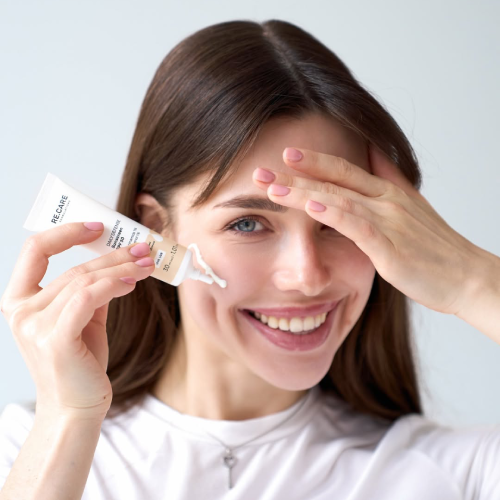
Apply the product as the final step in your morning routine—after serum and cream, but before makeup.
-
The layer should be noticeable and even: a thin layer "just for show" reduces the actual SPF.
-
Do not forget the wings of the nose, hairline, ears, and eyelids along the orbital bone.
-
Allow the product to absorb for a couple of minutes before applying foundation.
-
Throughout the day, it is important to reapply protection, especially if you spend a lot of time outdoors.
For reapplication over makeup, sticks and sprays work best—they usually have less impact on makeup during protection updates. Makeup artists recommend dabbing the face with a tissue and then applying the stick to the prominent areas.
Life Hacks and How to Properly Remove SPF Products
Here are a few tips to make protection more convenient, plus important information about evening cleansing.
-
Protection against pigmentation. If your skin is prone to pigmentation spots and freckles, add a combination of vitamin C serum and SPF to your morning routine. Vitamin C is a powerful antioxidant and a great booster: it enhances the action of sunscreen filters, fights free radicals, and beautifully brightens the skin. To maximize the combo's effectiveness, strictly follow the correct order of application:
-
Vitamin C serum—apply to cleansed skin first for maximum absorption of the active ingredients.
-
Moisturizing cream—seals in the serum and restores the protective barrier.
-
Sunscreen (SPF)—always goes as the final step in the routine. It needs 10–15 minutes to settle before applying makeup.
-
-
Eliminating the "mask effect" (if the cream leaves a strong white cast). If a physical sunscreen with mineral filters leaves white marks, try applying it not in one thick layer but in layers. First, apply a thin strip of cream to the face, let it settle for about a minute, and then apply a second similar portion. With this approach, the white residue will blend with the skin and become almost invisible.
-
Double cleansing in the evening. This is a key point: thick or waterproof formulas may require more thorough cleansing. First, use a cleansing oil or balm that dissolves filters and makeup residues, then wash with your usual foam. This way, no residue is left on the skin, and pores do not get clogged.
Common Mistakes When Choosing and Using SPF for the Face – and How to Avoid Them
Most mistakes are not due to the SPF product itself. The issue lies in how it is applied and removed.
| Error | Consequences | Correct Approach |
| Applying too thin a layer | Actual protection is lower than the claimed SPF | Apply a noticeable layer, about two finger segments for the face |
| Not reapplying the product throughout the day | By lunchtime, protection weakens | Reapply every 2 hours in active sun with a stick or essence |
| Thinking SPF is only needed in summer | Accumulated photoaging and pigmentation | Use sunscreen year-round |
| Using a thick cream on oily skin | Shine, clogged pores, pilling under makeup | Choose lightweight essences and serums |
| Skipping eyelids, ears, and hairline | Localized, unnoticed areas without protection | Cover all exposed areas, being careful around the eyes |
| Washing off SPF only with water and foam | Residual filters, clogged pores, dullness | Remove with double cleansing using cleansing oil |
| Storing sunscreen on a sunny windowsill | Composition overheats, protection decreases | Keep in a dry, cool place |
Where to Buy Facial Sunscreen
The Staleks catalog features sun protection products from Ukrainian, Korean, and European brands—creams, essences, serums, and sticks from SPF 30 to 50+. Choosing the right format is easy, and the assortment covers both city and beach needs. You can buy facial sunscreen right now: add the product to your cart and arrange for delivery in just a few clicks. Delivery is available throughout Ukraine and beyond.
Key Takeaways
-
Facial sunscreen is a daily skincare step, not just a beach product.
-
Various formats available: cream, lightweight cream, essence, serum, and stick.
-
For oily skin—lightweight textures, for dry skin—nourishing cream, for care—Purito with ceramides and SKIN1004 with centella.
-
Apply SPF generously and reapply during the day, and remove thoroughly in the evening with double cleansing.
FAQ: Common Questions About Facial SPF Products
-
Can I apply SPF over a moisturizing cream? Yes, this is the correct order: first the skincare, then the sunscreen as the final step, and only then makeup. Allow the cream to absorb for a couple of minutes to prevent pilling. If you are using a serum-sunscreen, it combines hydration with protection.
-
How does facial sunscreen differ from body products? Formulas for the face are more comfortable: they are less likely to clog pores, do not pill under makeup, and do not always leave a white cast. Body formulas are usually denser and designed for a larger area.
-
How often should I reapply protection throughout the day? In active sun—approximately every 2 hours, in the city during short outings, less frequently. For reapplying over makeup, sticks or sprays are convenient, as they do not disturb the foundation. If you are indoors away from windows all day, frequent reapplication is not necessary.
-
Is one SPF suitable for both makeup and without? Yes, most sunscreens are universal. Lightweight creams and essences work better under makeup as a base. Without makeup, any format is suitable, including serum as a standalone final step in the morning routine.
-
How can I tell if a facial sunscreen is not suitable for my skin? Warning signs include persistent redness, itching, breakouts, or discomfort after application. Since hypoallergenicity varies among products, perform a patch test on a small area before full use. If there is a reaction, the product should be replaced, and you should examine the ingredients.
-
Is it true that with high SPF, the skin does not tan at all? No, the product reduces the intensity of exposure but does not completely block tanning, especially with prolonged sun exposure and insufficient application. Therefore, even under sunscreen at the beach, the skin may develop a light tan. This is normal and does not mean the protection is ineffective.
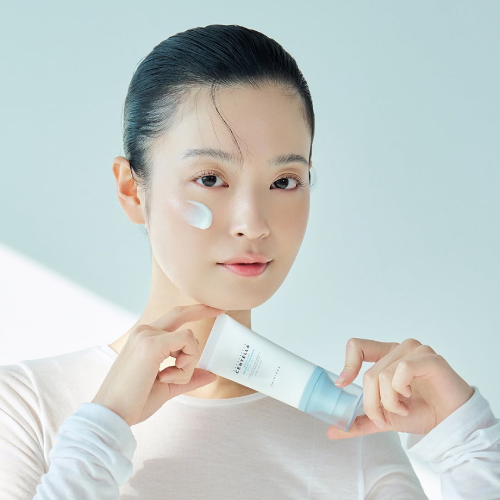
The catalog at staleks.ua features SPF products for the face from various manufacturers. Each skin type has its own textures, and sticks and sprays are handy for reapplying protection over makeup. The main thing is to apply the product generously, not to skip vulnerable areas, and to thoroughly remove it in the evening with double cleansing. Such care pays off in the condition of the skin for years to come.
SPF for face and body Cost on staleks.ua
Name | Price |
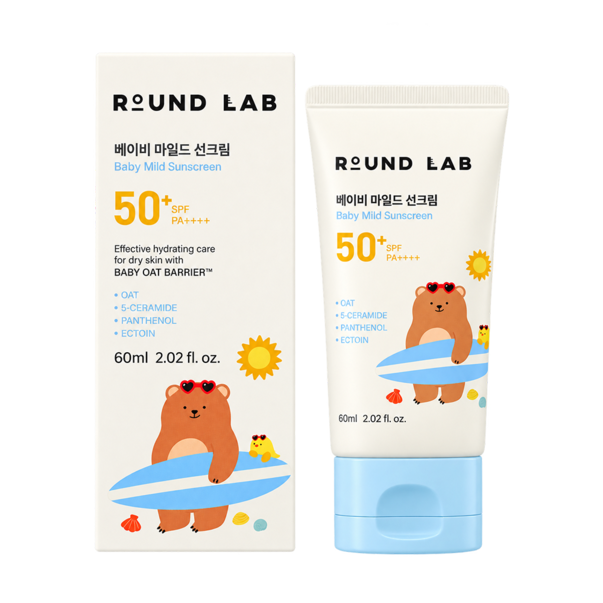
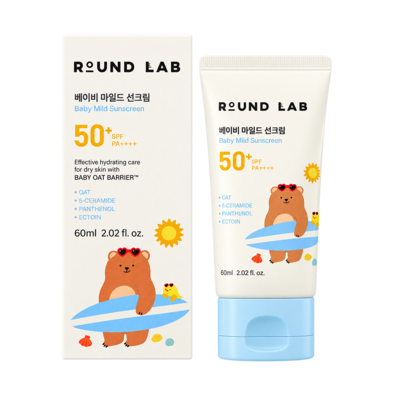
| Round Lab Baby Mild Sunscreen 60 ml | 835.00 UAH |
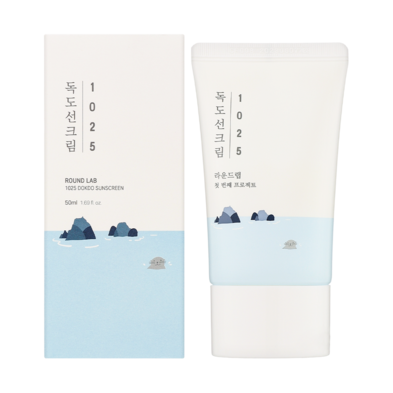
| Round Lab 1025 Dokdo Sunscreen SPF 50+ PA++++ 50 ml | 910.00 UAH |
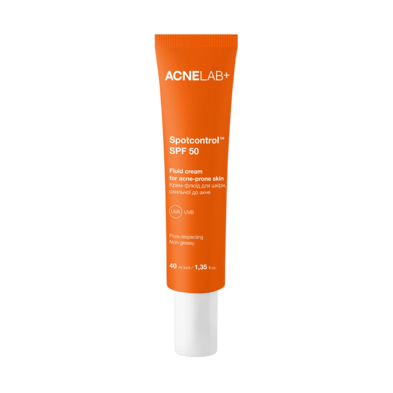
| ACNELAB+ Spotcontrol Fluid Cream SPF 40 ml | 698.00 UAH |
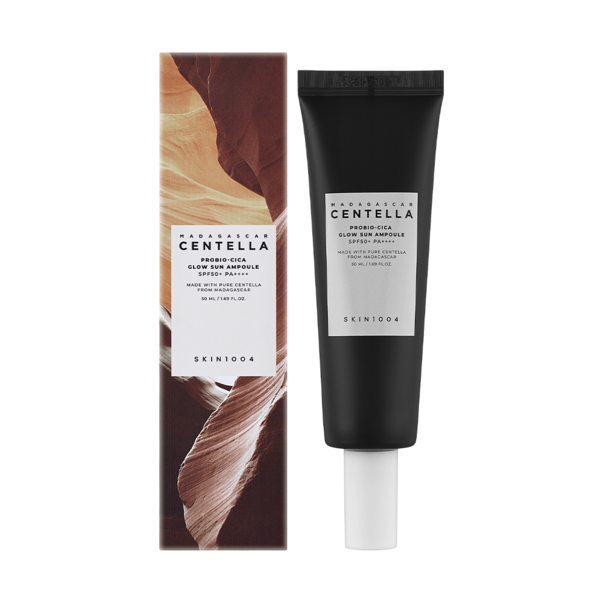
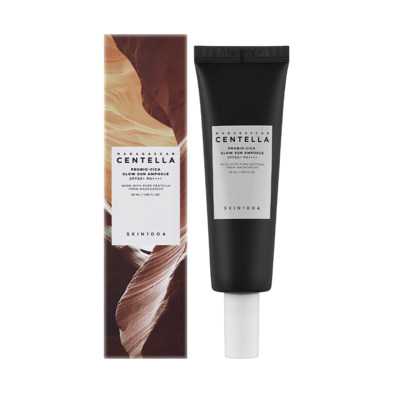
| Ampoule serum SKIN1004 Madagascar Centella Probio Cica Glow Sun Ampoule 50 ml | 1 320.00 UAH |
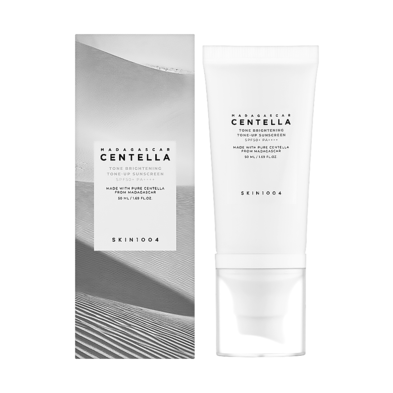
| SKIN1004 Madagascar Centella Tone Brightening Tone Up Sunscreen 50 ml | 1 270.00 UAH |
Sunscreen for the face - customer reviews