Sunscreen SPF 30





 In stock
 Buy
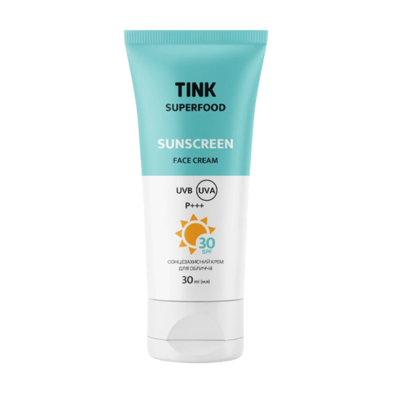 In stock Buy
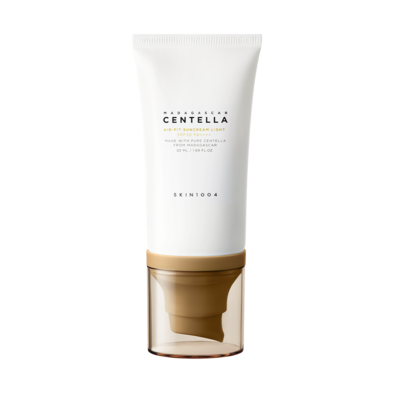 In stock Buy
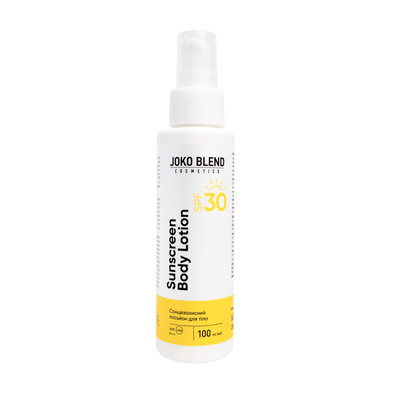 In stock Buy
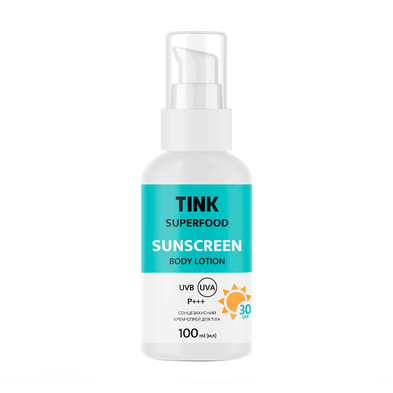 In stock Buy
 In stock Buy
 In stock Buy
Sunscreen SPF 30 is a skincare product designed for daily protection of the skin from ultraviolet rays. This level of filtration blocks a significant portion of UV rays, noticeably reducing the risk of pigmentation, sunburn, and premature photoaging. Lightweight textures absorb quickly, leaving no white residue or greasy film. Therefore, the product is suitable both as an independent care product and as a makeup base. In the Staleks Shop & Service catalog, you can purchase cream, lotion, or spray SPF 30 – for oily, dry, combination, and sensitive skin. On this page, we will discuss which format and filter to choose for your needs and how to apply the product correctly.
What is Sunscreen SPF 30
Sunscreen SPF 30 provides medium to high protection. With it, the skin can withstand sun exposure 30 times longer before burning occurs. However, the texture of the product also plays a role. For example, cream lasts longer than serums. In practice, SPF 30 blocks about 97% of UVB rays – this is sufficient for urban environments, everyday walks, and moderate sun exposure.
Technical specifications:
-
Product type – cream, lotion, or spray with UV filters
-
Purpose – protection of the skin from sunburn and photoaging
-
Area of application – face, body
-
Skin type – suitable for all types, including sensitive
-
Main action – filtration of UVA/UVB radiation
-
Key effects – reduction of burn risk, prevention of pigmentation
-
Additional effects – hydration, some products serve as a light makeup base
-
Texture – primarily lightweight, without white residue and greasy film
-
Finish – natural, undetectable on the skin
-
Protection level – SPF 30, some formulas additionally have PA++++
-
Active components – depend on the brand: centella extract, sodium hyaluronate, panthenol
-
Hypoallergenic – depends on the product
-
Manufacturer – Ukraine, Europe, Korea
-
Volume – from 2 ml (sample) to 200 ml
Formats of Sunscreens SPF 30
The format directly affects the speed of application, sensation on the skin, and area of use. In the Staleks line, SPF 30 is available in three formats – each serving its own purpose.
| Format | Feature | For what | Brands |
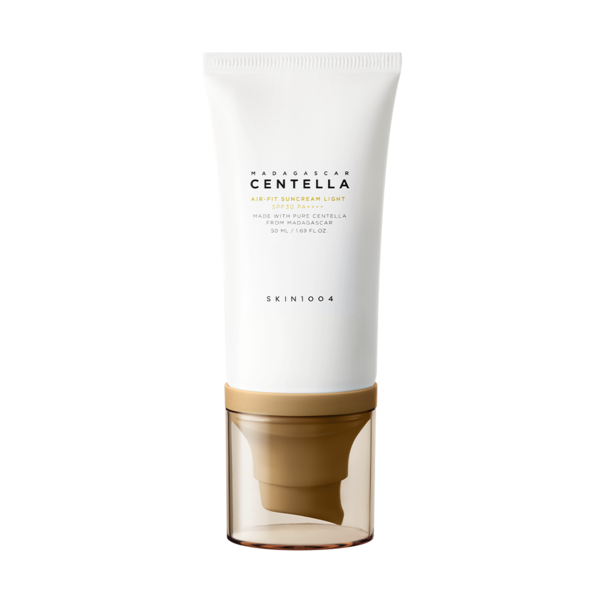
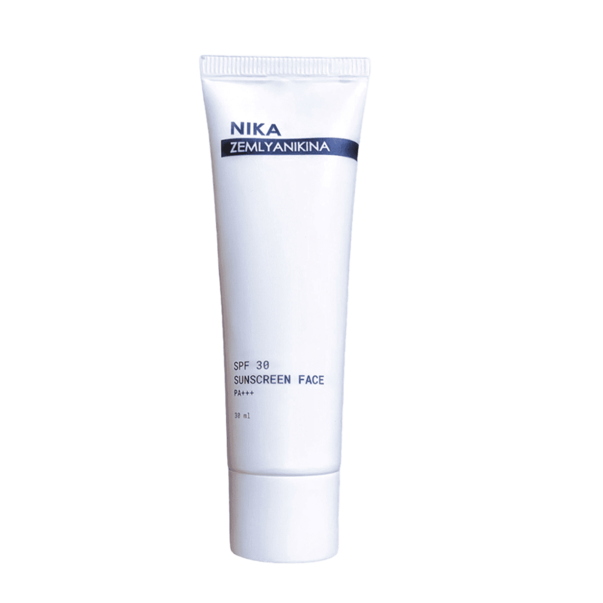
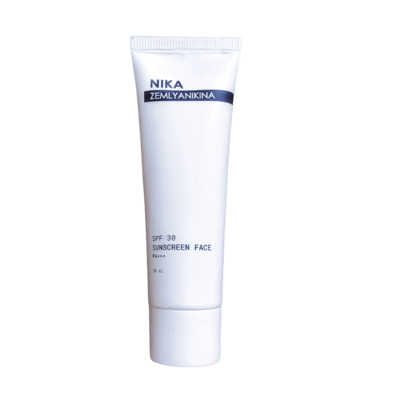
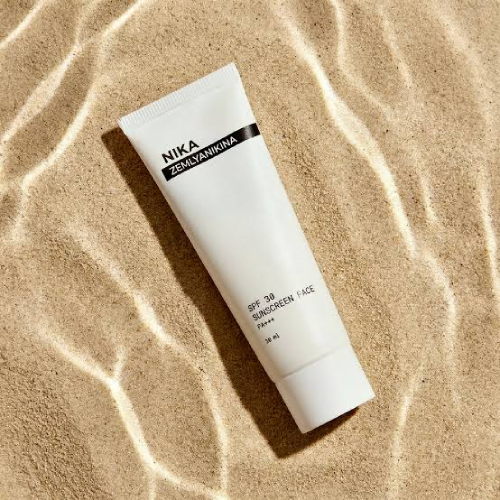
| Cream | Texture ranges from lightweight to dense depending on the formula, conveniently dosed, can serve as a makeup base | Daily targeted care for the face and body | Nika Zemlyanikina, SKIN1004, Nivea |
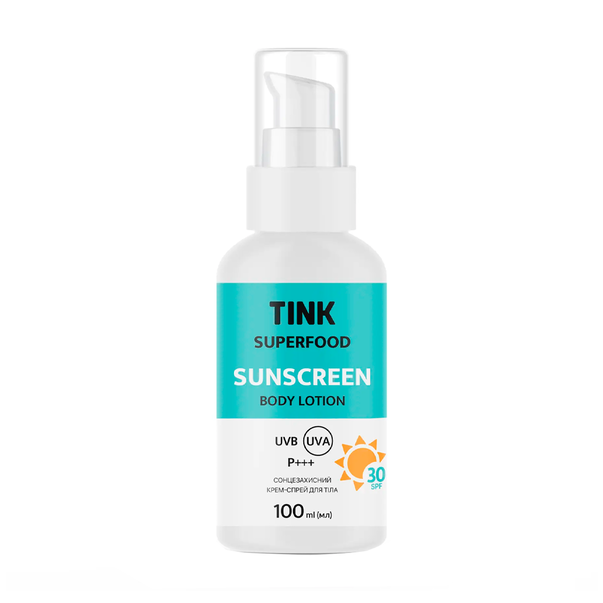
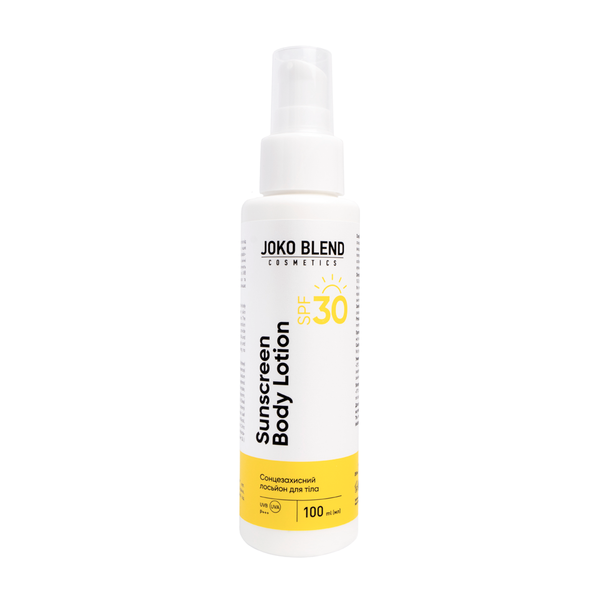
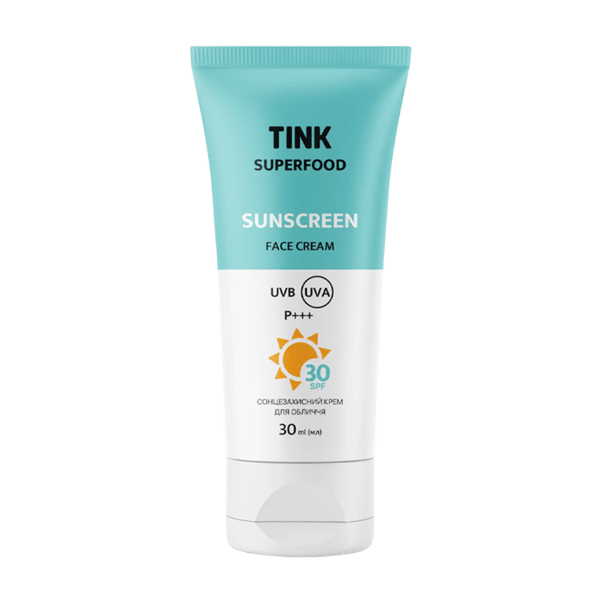
| Lotion | Lightweight texture, quickly spreads over a large area | Body protection at the beach and during outdoor activities | Joko Blend, Tink, Garnier |
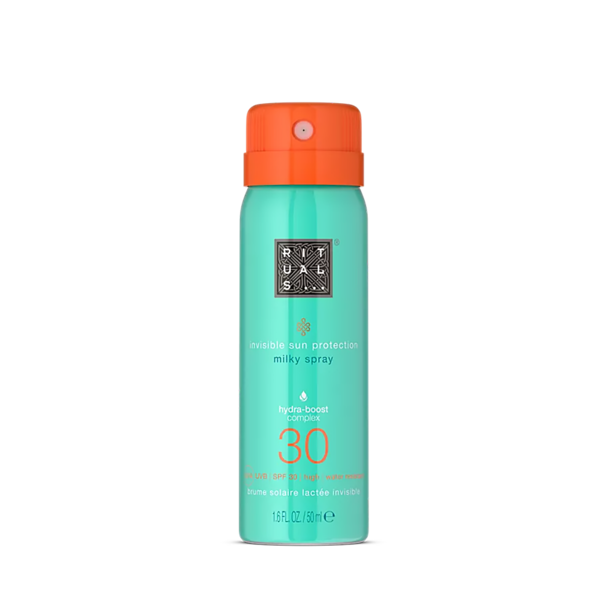
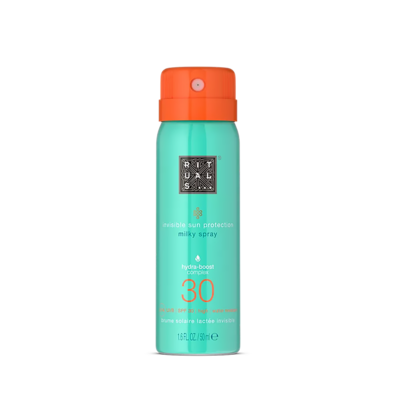
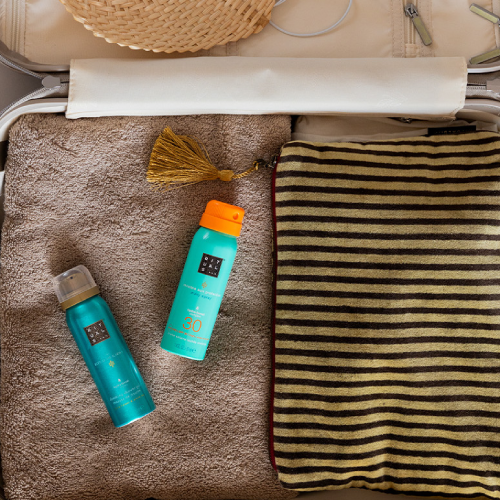
| Spray | The lightest texture, easy to apply to hard-to-reach areas, but after spraying, the product needs to be rubbed in with hands for even coverage | Quick reapplication of protection, even in hard-to-reach areas | Rituals, Bioré |
Filters and Water Resistance SPF 30
The type of UV filter determines how the SPF 30 product behaves on the skin. Manufacturers use two main approaches:
-
Chemical filters – absorb ultraviolet light and convert it into heat. The texture is lighter, and the product absorbs faster. It is recommended to apply it 15–20 minutes before going outside. This time is needed for the product to distribute evenly, set, and not be washed away by clothing or sweat. It starts protecting immediately, but the pause is necessary for an even and stable layer.
-
Mineral (physical) filters – zinc oxide and titanium dioxide reflect rays from the skin's surface. They act immediately, cause less irritation, but may sometimes leave a slight white residue. They are best suited for sensitive skin.
-
Combined formulas – combine both types, providing quick effects while maintaining a lightweight texture.
Water resistance is a separate parameter that is not included in the SPF value itself. The manufacturer specifies it separately on the packaging: water resistant for 40 minutes or water resistant for 80 minutes. This means that the claimed protection remains during contact with water or sweat for the specified time, no longer. After swimming, exercising, or towel drying, the product needs to be reapplied – even if the formula is water-resistant.
Active Components in SPF 30 Formulation
UV filters are the foundation of protection, but additional components determine how the skin feels after application. SPF 30 formulations often include:
-
Centella Asiatica extract – soothes irritation, supports the skin barrier. Commonly found in Korean formulations like SKIN1004.
-
Sodium hyaluronate – attracts and retains moisture in the skin. It alleviates the feeling of tightness and dryness.
-
Panthenol – soothes the skin after sun exposure and accelerates recovery. It helps if mild irritation occurs.
-
Vitamin E – a natural antioxidant. In practice, it neutralizes free radicals, which are generated by ultraviolet light.
-
Glycerin – retains moisture in the upper layers of the skin. This makes the texture feel softer and more comfortable upon application.
-
Niacinamide – evens out skin tone, supports elasticity, sometimes added to premium formulas.
How to Use Sunscreen SPF 30
Protection works only with proper application. Even a high-quality SPF 30 will not prevent burns if applied in insufficient amounts. Here is the basic order of actions:
-
Cleanse the skin before application – cream or lotion spreads and absorbs better on a clean surface.
-
Apply the product as the last step of your skincare routine, 15–20 minutes before going outside – especially if the formula contains chemical filters.
-
Apply a sufficient amount. For the face and neck, this is about half a teaspoon (the two-finger rule, where two stripes of cream are squeezed from the base to the tips of the index and middle fingers), for the body – a layer that completely covers the skin without gaps (about 30 ml).
-
Allow the product to absorb, then proceed to makeup or other skincare.
-
Reapply every 2 hours during prolonged sun exposure, and immediately after swimming or intense sweating – regardless of the claimed water resistance.
-
At the beach or during active recreation, pay special attention to areas that are easily forgotten: ears, neck, feet, hands.
Common Mistakes When Using SPF 30
In practice, the effectiveness of protection greatly depends on how the product is applied and used – the same formula can provide different levels of protection depending on habits.
-
Too little product. SPF is tested with an application of 2 mg per cm² of skin (ISO 24444 standard) – this is a fairly thick layer, about a quarter of a teaspoon for the face. In reality, most people apply about half that amount, and the protection does not drop by half but much more: a thin layer of SPF 30 works closer to SPF 5–6 in practice. Therefore, the product should be applied generously and not stretched "to last longer."
-
Applying only before leaving the house. The film does not have time to distribute evenly and set, making it easier to be wiped away by clothing and sweat, leading to uneven protection. Therefore, the product should be applied 15–20 minutes before going out, not at the door.
-
Relying on water resistance as a permanent protection. Water resistant for 40 or 80 minutes does not mean "all day by the water," but a specific limit, after which reapplication is necessary.
-
Ignoring SPF on cloudy days. Clouds do not completely block UVA radiation, so the skin continues to receive doses of ultraviolet light even without sunshine.
-
Using the same bottle for several seasons in a row. Filters lose effectiveness after opening the packaging and prolonged storage, even if the expiration date has not formally expired.
-
Applying SPF and makeup in reverse order. If the base or foundation is applied first, the sunscreen layer does not reach the skin and does not work as intended.
Most of these mistakes are not related to the quality of the product – they stem from application habits. Adjusting the amount of product and the frequency of reapplication is sufficient to ensure that the claimed level of protection matches the actual level.
-
SPF 30 blocks about 97% of UVB rays – an optimal level for urban environments and moderate sun exposure.
-
The format should be chosen based on the task: cream – for targeted application and under makeup, lotion – for the body, spray – for quick reapplication on the go.
-
Mineral filters are gentler on sensitive skin, while chemical ones are lighter in texture.
-
Water resistance lasts only for the limited time specified on the packaging, not "all day by the water."
-
Active components like centella, panthenol, and hyaluronate enhance skin comfort but do not replace the UV filter itself.
-
Apply 15–20 minutes before going outside and reapply every 2 hours.
-
A thin layer of the product reduces actual protection even with a quality formula.
-
SPF is needed even on cloudy days – clouds do not block UVA radiation.
Sunscreen SPF 30 is a practical option for most everyday situations. It is suitable for urban environments, walks, and moderate sun exposure. This level does not overload the skin while providing sufficient protection for the day. The choice of format and filter should be tailored to skin type and habitual care rituals, not just the number on the packaging: mineral filters are better for sensitive skin, while lightweight textured creams are ideal for everyday makeup. You can select and purchase SPF 30 in the Staleks catalog with delivery across Ukraine.
FAQ: Frequently Asked Questions About Sunscreen SPF 30
-
How does SPF 30 differ from SPF 50? The difference is not a twofold increase in protection level, as the numbers might suggest. SPF 30 blocks about 97% of UVB rays, while SPF 50 blocks about 98%. In practice, 30 is sufficient for urban environments and moderate sun exposure. The 50 mark is chosen for the beach, mountains, or fair skin.
-
Is it necessary to apply SPF 30 every day if I rarely go outside? Yes, experts recommend using it daily, even during short walks or while working by a window – UVA rays penetrate through glass and clouds.
-
Is SPF 30 suitable for oily skin? Yes, if you choose a lightweight texture without oils in the formulation. A cream with a matte or natural finish will not add shine or clog pores.
-
Can the same product be used for both face and body? A face cream can also be used for the body. However, a lotion or spray designed for the body is better not to apply to the face, as they have a different concentration of components and a texture intended for a larger skin area.
-
Is SPF 30 safe for children? For children under 6 months, physical protection is primarily recommended. This includes shade, clothing, and hats, and the application of SPF should be discussed with a pediatrician. For older children, choose separate formulas with mineral filters, free of fragrances.
-
In what order should SPF be applied relative to serum and cream? Serum goes first, followed by a moisturizing cream, and only then the sunscreen as the final layer before makeup or going outside.
-
Can SPF 30 be applied to the scalp and parting area? Yes, this is one of the most vulnerable areas that is often forgotten. A spray is more convenient for this area.
SPF for face and body Cost on staleks.ua
Name | Price |
| Round Lab Baby Mild Sunscreen 60 ml | 835.00 UAH |
| Round Lab 1025 Dokdo Sunscreen SPF 50+ PA++++ 50 ml | 910.00 UAH |
| ACNELAB+ Spotcontrol Fluid Cream SPF 40 ml | 698.00 UAH |
| Ampoule serum SKIN1004 Madagascar Centella Probio Cica Glow Sun Ampoule 50 ml | 1 320.00 UAH |
| SKIN1004 Madagascar Centella Tone Brightening Tone Up Sunscreen 50 ml | 1 270.00 UAH |
Sunscreen SPF 30 - customer reviews