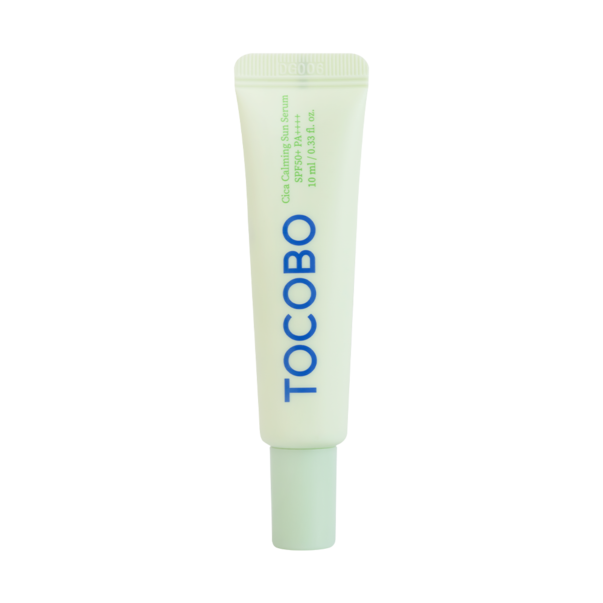
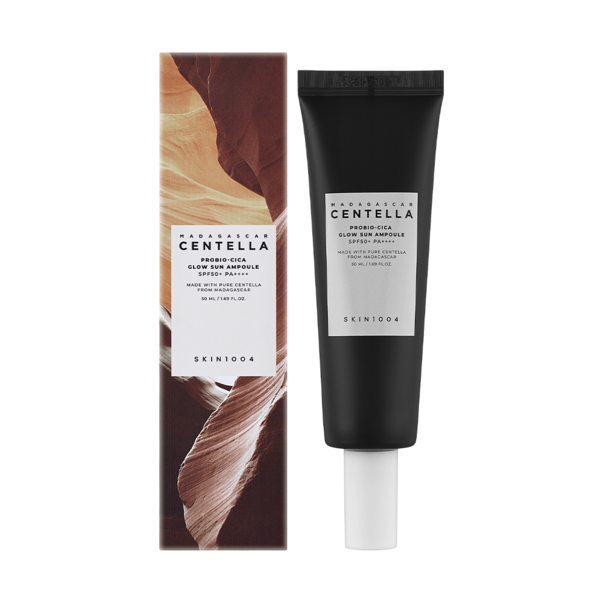
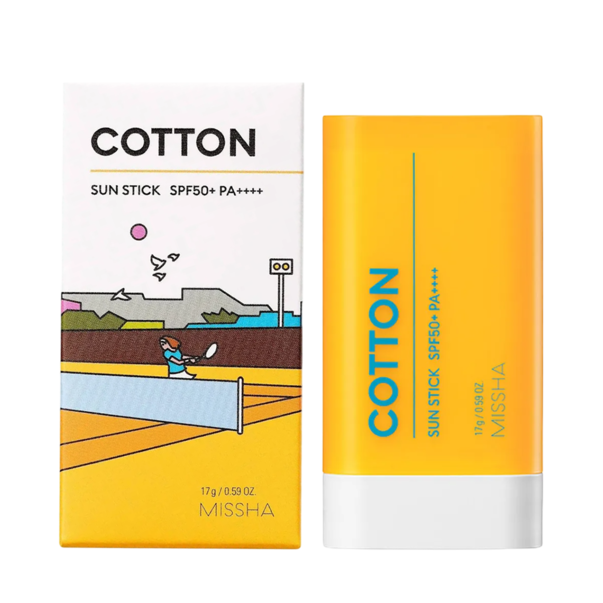
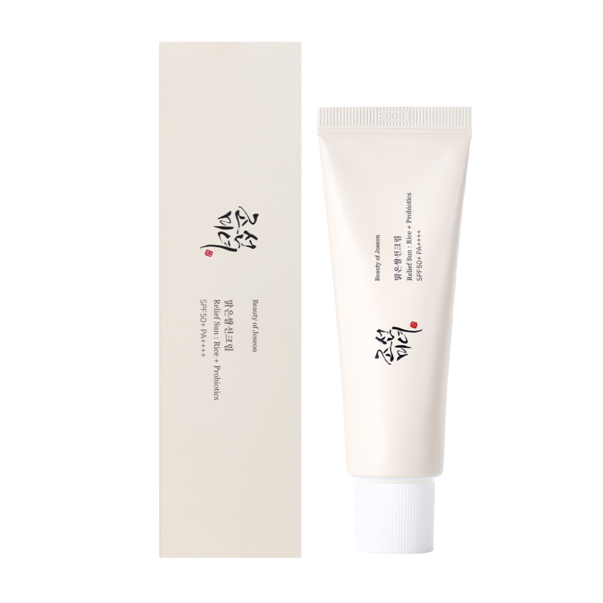
Sunscreen SPF 50
















 TREND
 In stock
 Buy
 In stock Buy
 In stock Buy
 In stock Buy
 In stock Buy
 In stock Buy
 TREND In stock Buy
 In stock Buy
 In stock Buy
 In stock Buy
 TREND In stock Buy
 TREND In stock Buy
 TREND In stock Buy
 In stock Buy
 In stock Buy
 In stock Buy
 In stock Buy
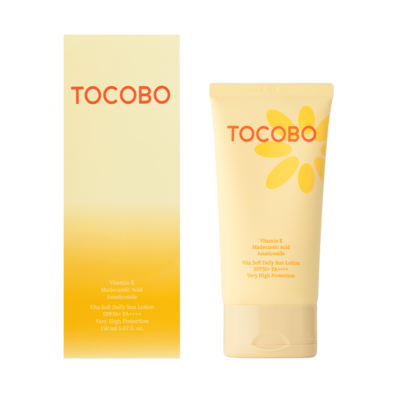 In stock Buy
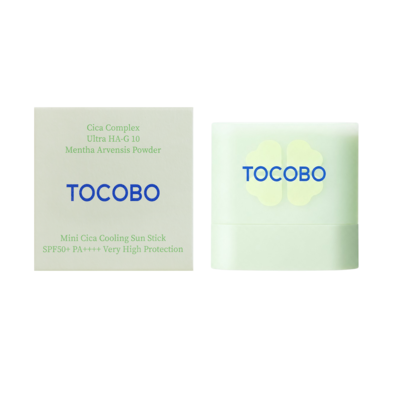 In stock Buy
 In stock Buy
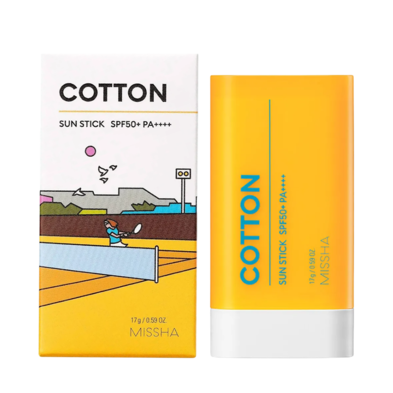 In stock Buy
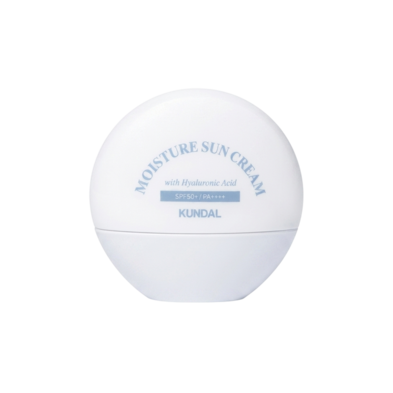 In stock Buy
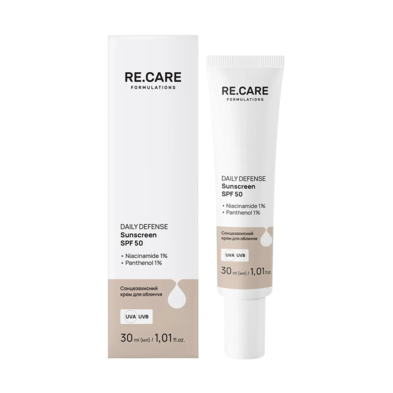 In stock Buy
- 1
- 2
- Next
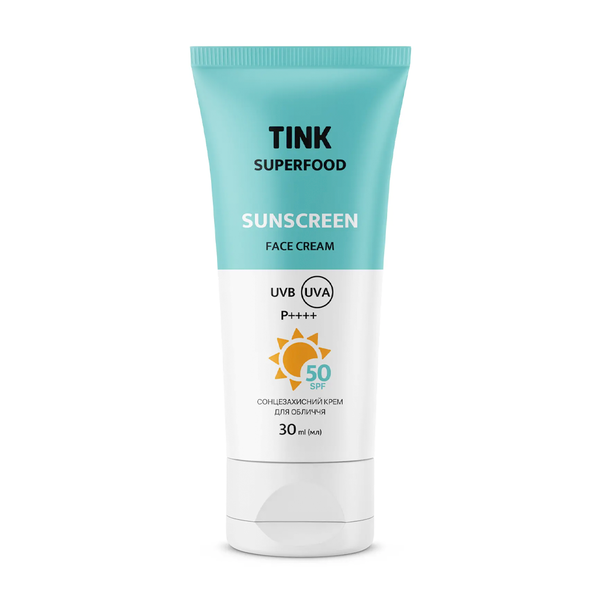
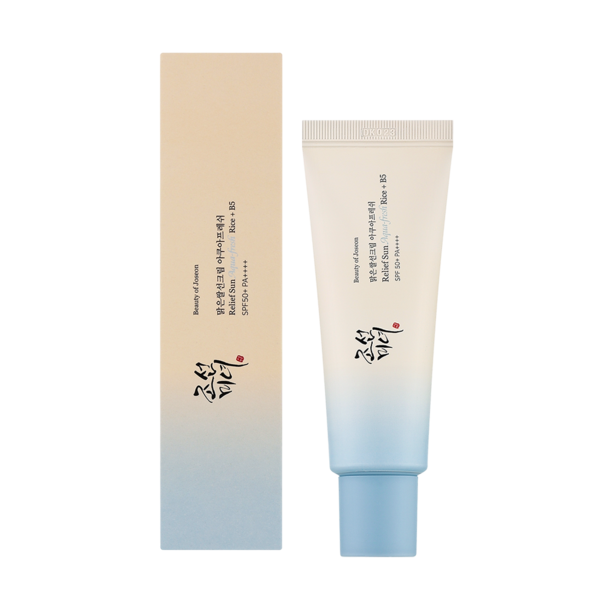
Sunscreen SPF 50 is a reliable shield against UVB rays, which cause the skin to redden and burn instantly. This labeling indicates that the product blocks about 98% of ultraviolet rays, helping to prevent skin dryness or burns. It is the maximum household level chosen for fair skin and prolonged outdoor exposure. Available in various formats: cream, essence, serum, stick, and spray, for both face and body, with some products labeled PA up to ++++. The catalog features sunscreens from Ukrainian, Korean, and European brands. The price depends on the volume and format, and you can purchase SPF 50 with delivery across Ukraine and worldwide in just a few clicks.
Main Characteristics of SPF 50 Products
SPF indicates the level of protection against UVB rays. Contrary to an old myth, this number is not a "time multiplier" that allows you to stay on the beach longer without reapplying the cream. In reality, SPF shows the amount of ultraviolet radiation the skin can withstand. The higher the index, the stronger this shield. However, the percentages are not linear: a factor of 30 filters out about 97% of UVB rays, while 50 filters out about 98%. The difference of just one percent may seem insignificant, which leads many to believe that paying extra for "fifty" is pointless.
However, there is an important caveat that almost everyone overlooks: the stated percentages of protection work only with a generous application. To achieve that 98%, SPF 50 sunscreen should be applied at a rate of about 2 mg per 1 cm² of skin – this is about half a teaspoon for the entire face. In practice, most people apply two to three times less, and the actual protection turns out to be significantly lower than the number on the packaging.
In reality, this percentage is important in two situations. First, for those who apply SPF 50 in a thin layer – which is what almost everyone does. For individuals with fair skin and under extreme sun exposure, where every percentage of blocked rays matters, this is very important. Second, SPF 50 serves as insurance against inadequate protection, but only if applied correctly. It is a mistake to think that a high index will save you with a thin layer: if the cream is applied half as thick as recommended, the protection will not drop by half but will plummet to a critical minimum (around SPF 7). A high SPF compensates only for minor distribution errors, but the thickness of the layer always remains the primary condition for safety.
SPF 50 or 30: When to Use Which
SPF 50 protection is justified when you spend a lot of time outdoors, relax by the water, or live in a southern region. This also applies to vacations in the mountains and near snow, where ultraviolet light is reflected and intensified. For children and sensitive skin, a high factor is recommended.
SPF 30 is chosen for everyday urban use with moderate sun exposure; however, the optimal level of protection depends on individual skin characteristics and environmental conditions. Many keep both: thirty for daily use and SPF 50 sunscreen for the beach and trips. This is the most practical approach.
Labeling: SPF, PA, and Filters
In addition to the SPF number, there are two other important designations on the packaging.
-
The PA label with plus signs indicates protection against UVA rays – those that penetrate through glass, clouds, and cause photoaging. The maximum level is designated as PA++++. However, protection against UVA is labeled differently in various markets. In Europe, the UVA symbol in a circle is used (it guarantees that UVA protection is at least one-third of the SPF index), while in the USA, the term Broad Spectrum is used. For maximum protection against aging and pigmentation, the ideal choice would be a Korean or Japanese SPF 50 PA++++ sunscreen – providing the highest protection factor for both types of rays.
-
The type of filters can be chemical, mineral, or combined. Mineral filters (based on zinc oxide and titanium dioxide) work immediately upon application. They are often considered one of the options for sensitive skin. However, the reaction depends on the specific formula and individual characteristics. The specific type is always indicated in the product's composition – this is especially important to check for sensitive skin.
Formats of SPF 50 Sunscreens
A high factor is available in almost any format, so finding a convenient texture is not difficult.
-
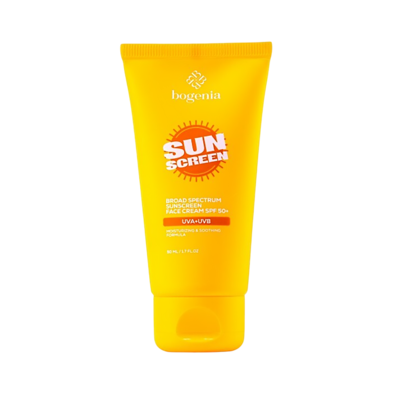
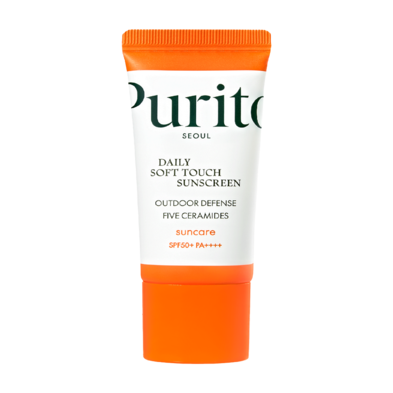
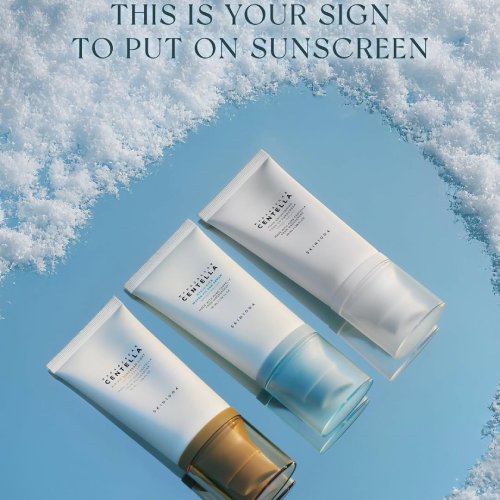
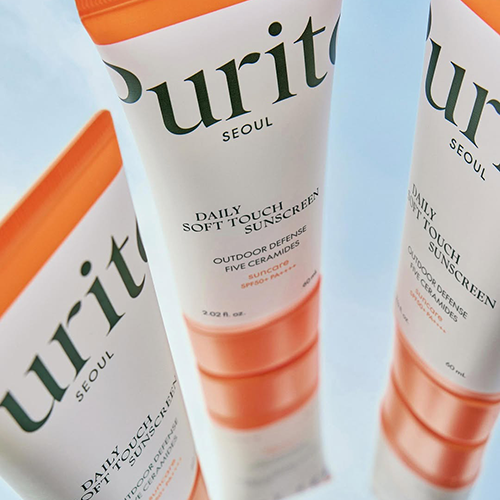
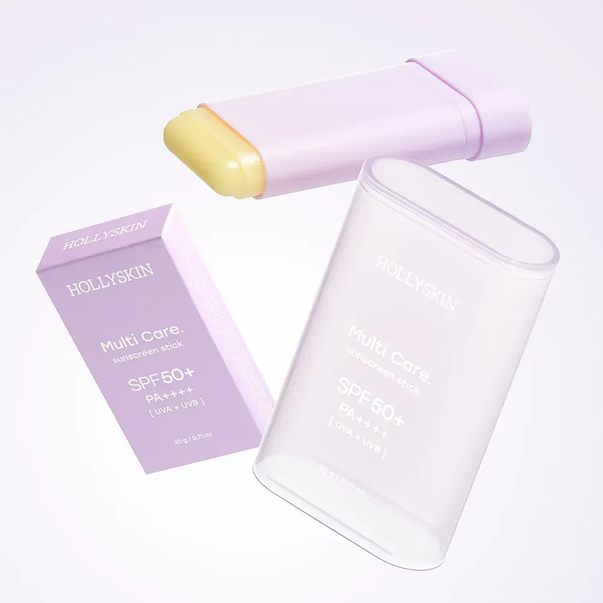
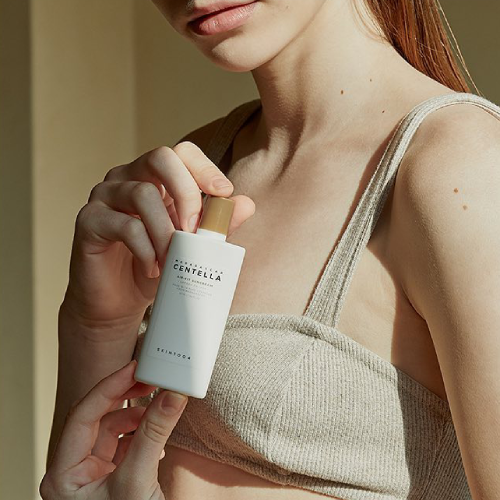
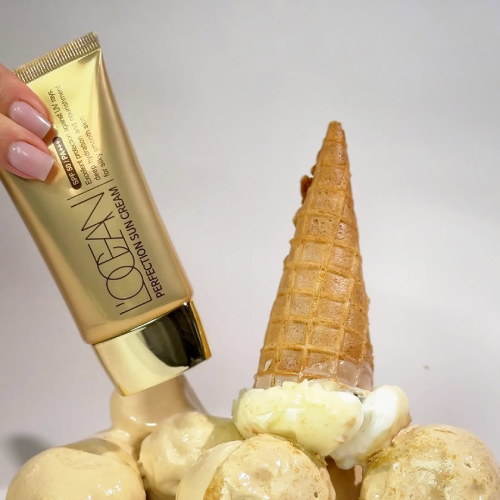
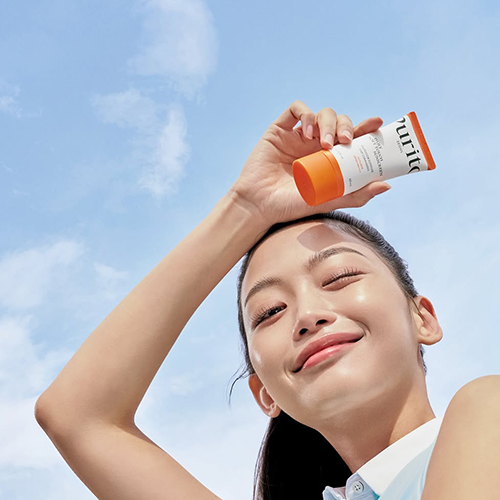
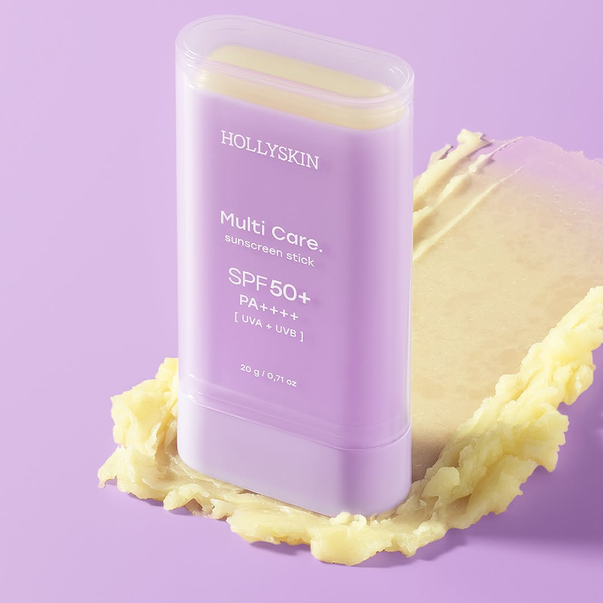
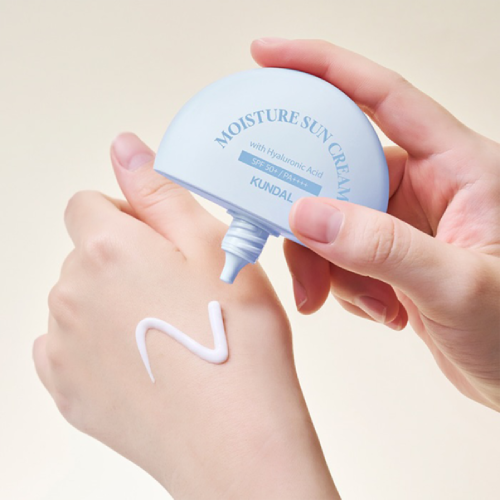
The most versatile option is cream. This level of protection includes TopFace SPF 50, the daily moisturizing ZOLA Skinbase, L'OCEAN Perfection Sun Cream with PA+++, Bogenia, Hollyskin Multi Care, Rituals Karma, and the Korean Purito Daily Soft Touch SPF 50+ PA++++ with ceramides. For the body, Joko Blend SPF 50 lotions are suitable. A more protective lightweight cream, SKIN1004 Air-Fit Suncream Plus SPF 50+, meets the demand for a high factor without a heavy feeling.
-
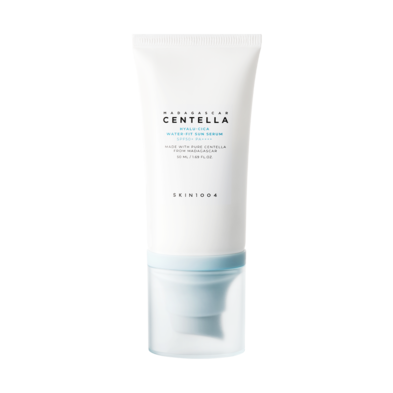
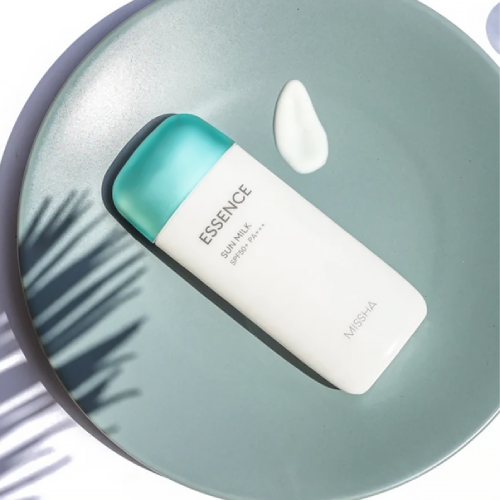
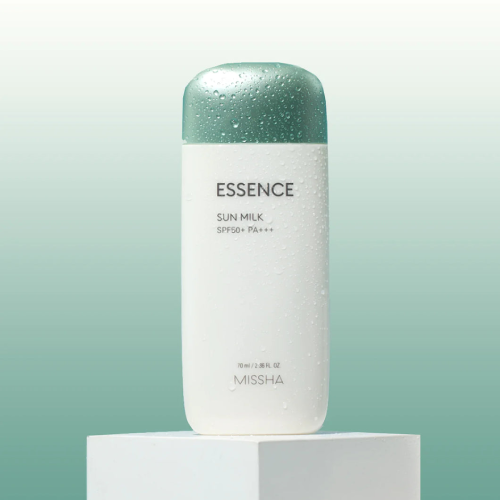
Serum and essence are choices for those who find cream too thick. The SKIN1004 Hyalu-Cica Water-Fit Sun Serum SPF 50 and the MISSHA All Around Safe Block SPF 50 milky essence apply thinly and are convenient under makeup.
-
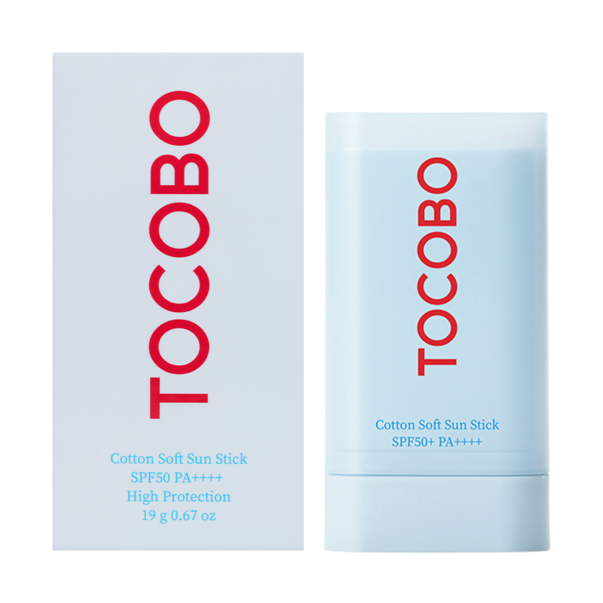
The SKIN1004 Hyalu-Cica Silky Fit Sun Stick SPF 50+ PA++++ is a dry, compact format for targeted protection and reapplication over makeup.
How to Apply and Reapply SPF 50
A high factor works only with proper application – otherwise, the number on the packaging remains just a number.
Apply SPF 50 products generously and evenly: for the face, this is about the volume of two finger segments. Do this in advance, before going out in the sun, to allow the formula to set. Do not skip vulnerable areas – ears, neck, hairline, eyelids along the orbital bone, and on the body, shoulders, underarms, behind the knees, feet, and parting area.
Throughout the day, it is important to reapply protection – in active sunlight, approximately every 2 hours and after swimming or sweating. Even waterproof formulas lose their layer density over time. The stick and spray are the most convenient for reapplying over makeup, so everything doesn’t run.
Useful Nuances Often Forgotten
A few facts that make protection truly effective.
-
A high SPF does not eliminate the need for reapplication. Many think that fifty lasts longer than thirty. This is a myth: reapplication is needed just as often; the factor only provides a slightly greater buffer at the start.
-
Shade and clouds do not provide complete protection. UVA penetrates through clouds and glass, reflecting off water, sand, and snow. Therefore, SPF 50 is appropriate on a cloudy day and by the window.
-
Tanning under SPF 50 is still possible. A high factor reduces the dose of ultraviolet light, but with prolonged sun exposure, a light tan can develop. No sunscreen can completely "cancel out" tanning, and that is normal.
-
The period after opening matters. Sunscreens often indicate the usage period after opening with a jar symbol; last year's SPF 50 sunscreen from a hot car may lose its protection, even if the expiration date has not formally passed.
-
Double cleansing in the evening. Thick and waterproof SPF 50 does not wash off well with regular foam. First, use a cleansing oil or balm, then foam – this way, no film remains on the skin, and pores do not get clogged.
Life Hacks
1. The "13 Points" Technique to Prevent Makeup Pilling
If you apply SPF 50 in the usual way, like regular cream (rubbing it in your hands and spreading it), it will lay unevenly: some areas will be thick, and others thin. This causes foundation to go on in patches or to pill.
Squeeze the required amount of product onto the back of your hand. Using a finger from the other hand, place exactly 13 dots on your face: 3 on each cheek, 3 on the forehead, 2 on the nose, and 2 on the chin. Then quickly distribute them using light tapping motions. This way, the layer will be perfectly thin, uniform, and will not conflict with makeup.
2. "Matte Shield" Life Hack for Oily Skin
To prevent thick SPF 50 from turning your face into an oily pancake, do not use makeup setting sprays underneath – they prevent the filters from adhering to the skin. The correct scheme looks different.
-
At the skincare stage, apply a serum with niacinamide or zinc under the sunscreen – these components truly regulate sebum production from within.
-
Allow it to absorb, apply SPF 50, wait 15 minutes, and before going outside, lightly powder the T-zone with a translucent rice or bamboo powder.
-
It acts as a natural absorbent: it will delicately absorb excess oil throughout the day without disrupting the protective layer.
3. "Dry Sponge" Technique for Perfect Settling
Unlike thick and whitening products from previous generations, modern sunscreens with new generation chemical filters delight with their texture. Such filters (for example, Tinosorb or Uvinul) allow for the creation of weightless formulas that feel like a light moisturizing fluid on the face. They absorb quickly, leaving no sticky wet film, white residue, and do not weigh down the skin, making them an ideal base for daily makeup.
Apply the cream with your fingers and give it 10–15 minutes to fully settle. If after that the finish seems too wet, do not try to remove it with a sponge – this will mechanically remove part of the protection. The best solution is to lightly powder the face with a translucent loose powder. It will set the cream, remove excess shine, and give a velvety finish without disrupting the integrity of the protective filter layer.
4. Refreshing SPF 50 Without Disrupting Makeup
Applying liquid cream over foundation and powder is a bad idea: the sponge will absorb all the filters, and the makeup will simply run in patches. For refreshing protection throughout the day, two perfect formats have been created.
-
The first is a sunscreen veil spray (mist). It is sprayed onto the face from a distance of 20-30 cm directly over the makeup (do not rub with your hands!).
-
The second option is a mineral sunscreen powder in a puff or with a brush. It will not only refresh the sun protection screen but also delicately absorb excess oily shine, setting the makeup.
Common Mistakes When Using SPF 50 and How to Avoid Them
Most mistakes are not related to the product itself, but to how it is applied, reapplied, and stored.
| Error | Consequences | Correct Approach |
| Applying a thin layer, relying on the "buffer" of SPF 50 | Actual protection drops below the stated level | Apply a generous, even layer, about two finger segments for the face |
| Thinking that SPF 50 does not need reapplication | By midday, protection weakens | Reapply every 2 hours and after swimming |
| Only using it in summer | Accumulated photoaging year-round | Use a high factor even in the off-season during active sun exposure |
| Applying thick cream on oily skin | Shine and clogged pores | Choose lightweight essences and serums with factor 50 |
| Washing off only with water | Residual filters, dullness, clogged pores | Remove with double cleansing using cleansing oil |
| Storing the bottle in the sun or in a hot car | The composition overheats, protection decreases | Keep the product in the shade and cool |
| Relying solely on SPF, ignoring shade and clothing | Overheating and burning with prolonged sun exposure | Combine sunscreen with a hat, sunglasses, and shade during peak sun hours |
Where to Buy Sunscreen SPF 50
The catalog at staleks.ua features SPF 50 sunscreens for face and body from Ukrainian, Korean, and European brands – creams, essences, serums, sticks, and lotions. The price for SPF 50 varies depending on the brand, format, and volume. It is convenient to order a face product and a body format in one order, and a consultant will assist you in choosing based on your skin type. Delivery is available throughout Ukraine and abroad.
Key Takeaways
-
SPF 50 and 50+ are among the highest levels of protection commonly available in retail.
-
Justified for fair skin, active sun exposure, and long hours outdoors.
-
Compared to SPF 30, the difference is small, but factor 50 provides a buffer with thin application and prolonged sun exposure.
-
High factor is available in any format – cream, essence, serum, stick, lotion; PA in Korean products can reach ++++.
-
Apply generously and reapply every 2 hours, and remove in the evening with double cleansing.
-
High SPF does not eliminate the need for shade, clothing, and regular reapplication.
FAQ: Common Questions About SPF 50 Products
-
Should I always choose factor 50 instead of 30 "just in case"? Not necessarily. In many cases, SPF 30 is chosen for everyday urban use, but the necessary level of protection depends on skin phototype, UV index, and time spent in the sun.
-
Is SPF 50 and 50+ the same? Essentially, these are close levels: the "+" designation means that the protection exceeds the basic value of 50 according to the accepted methodology. In practice, the difference between "50" and "50+" is minimal for the user. It is more important to look at the PA rating next to it, which indicates UVA protection.
-
Can I apply SPF 50 under makeup? Yes, lightweight creams, essences, and serums with factor 50 serve as a good base. Allow the product to absorb for a couple of minutes before applying foundation. If you need to refresh protection during the day, a stick or mist spray is the most convenient – they do not disturb makeup.
-
Is SPF 50 suitable for sensitive skin? It depends not on the factor but on the composition: sensitive skin often feels more comfortable with mineral filters and soothing components. A high factor does not inherently mean irritation. Before full application, perform a patch test on a small area and check the composition.
-
Is SPF 50 sun protection needed in winter and in the mountains? In the mountains and near snow – especially: ultraviolet light is intensified there due to altitude and reflection from snow, so a high factor is justified. In winter in the city, a lighter SPF may suffice, but if you spend a lot of time outdoors on a sunny day, fifty will not be excessive.
-
Why does skin still tan even under SPF 50? Because sunscreen reduces the dose of ultraviolet light but does not block it completely, especially with a thin layer and prolonged sun exposure. Despite using sunscreen, the skin may gradually change shade with prolonged sun exposure. No factor can completely prevent tanning.
-
How much SPF 50 product is needed for the face and body? For the face – about the volume of two finger segments, for the entire body of an adult – about 30 ml, which is a full handful. Most people apply less and lose protection. It is better to apply generously and repeat if necessary.
-
How to tell if SPF 50 sunscreen is still good to use? Refer to the expiration date and the open jar symbol with a number of months. Changes in smell, color, or texture are reasons not to take risks. A product that has been left in heat or sunlight may lose protection even within the formal expiration period.
Sunscreens SPF 50 represent a conscious maximum of protection where it is truly needed: at the beach, in the mountains, in southern regions, and for fair skin. The percentage difference from thirty is small but provides a buffer with thin application and prolonged sun exposure. The catalog features a high factor in all formats and from various manufacturers. Apply the product generously, reapply throughout the day, and remove in the evening with double cleansing, while complementing protection with sunglasses and headwear during peak sun hours.
SPF for face and body Cost on staleks.ua
Name | Price |
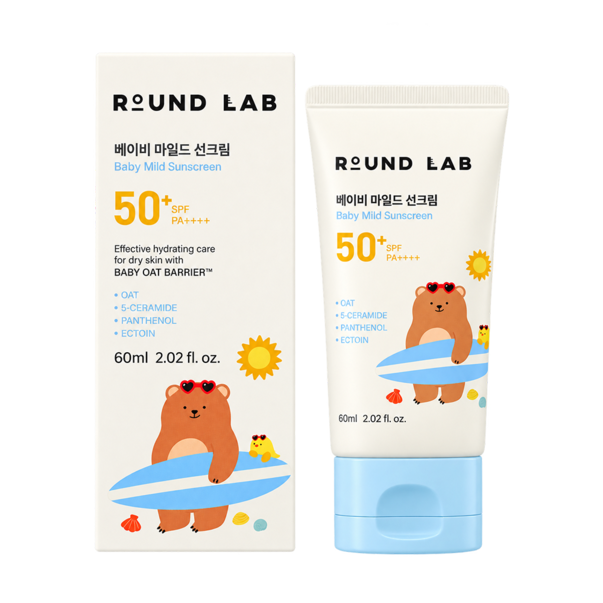
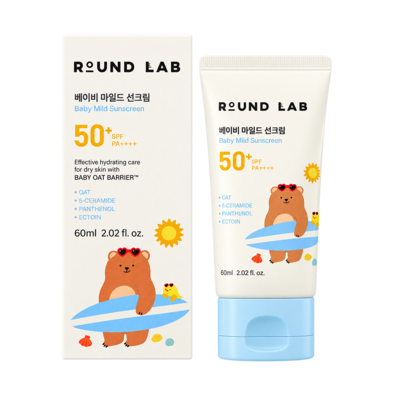
| Round Lab Baby Mild Sunscreen 60 ml | 835.00 UAH |
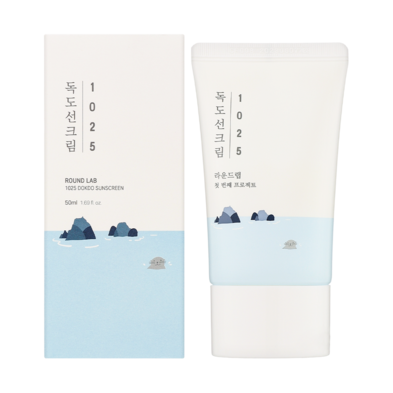
| Round Lab 1025 Dokdo Sunscreen SPF 50+ PA++++ 50 ml | 910.00 UAH |
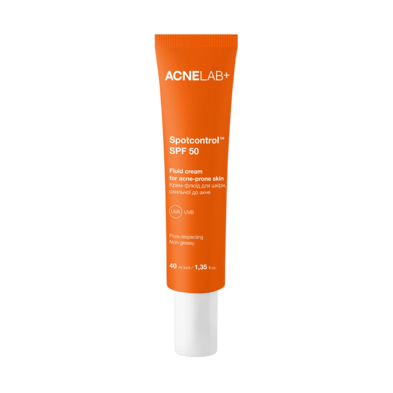
| ACNELAB+ Spotcontrol Fluid Cream SPF 40 ml | 698.00 UAH |
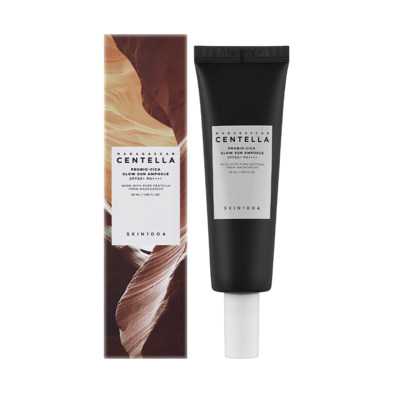
| Ampoule serum SKIN1004 Madagascar Centella Probio Cica Glow Sun Ampoule 50 ml | 1 320.00 UAH |
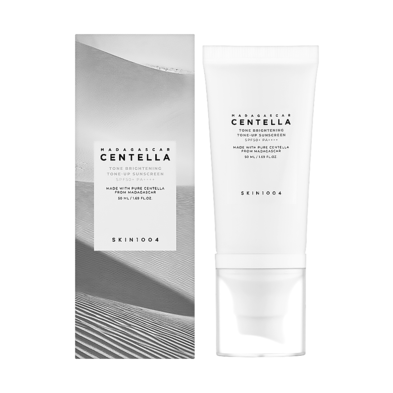
| SKIN1004 Madagascar Centella Tone Brightening Tone Up Sunscreen 50 ml | 1 270.00 UAH |
Sunscreen SPF 50 - customer reviews