Sunscreens for the face and body
















 In stock
 Buy
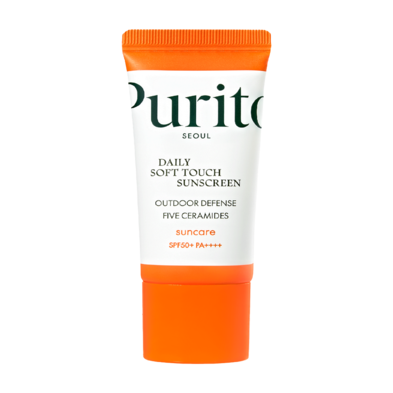 In stock Buy
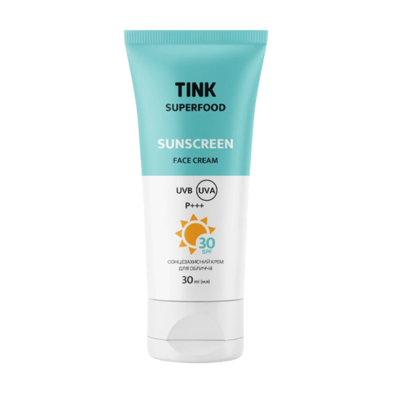 In stock Buy
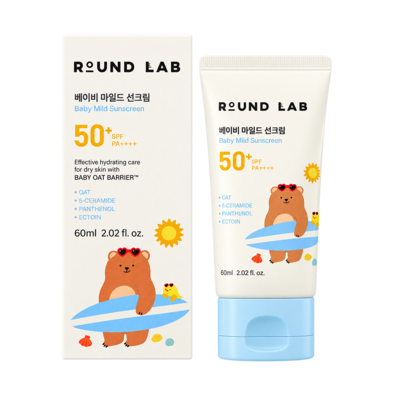 In stock Buy
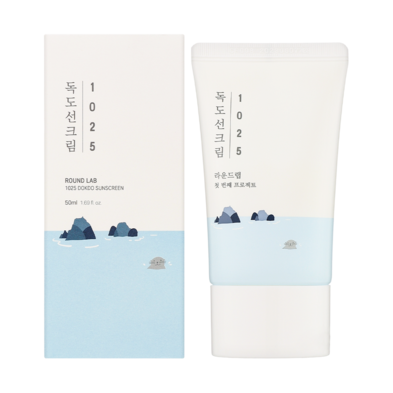 In stock Buy
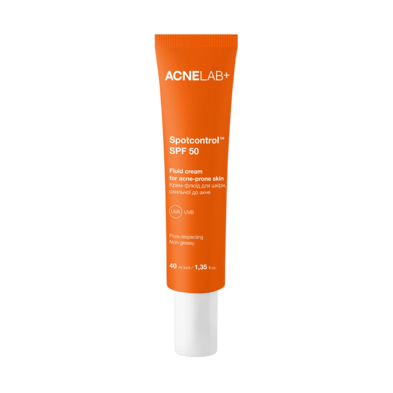 In stock Buy
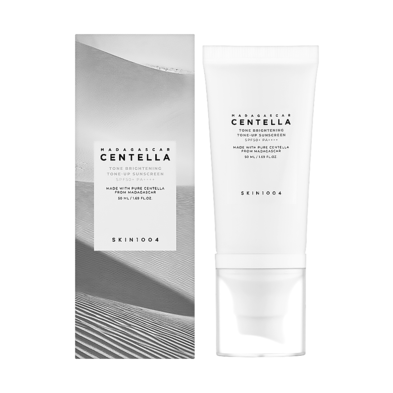 In stock Buy
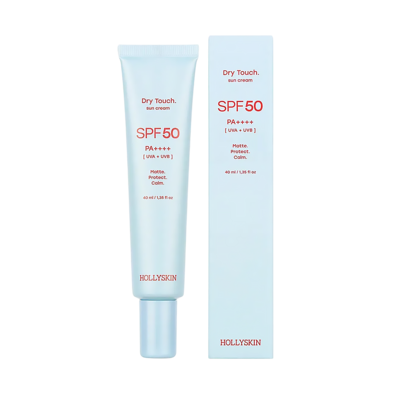 In stock Buy
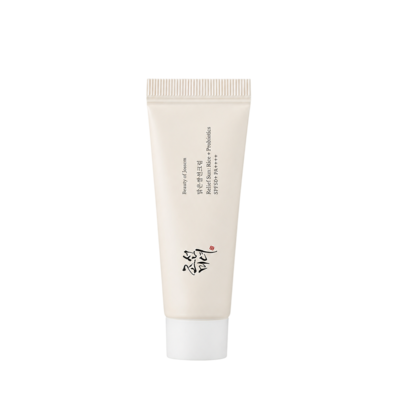 In stock Buy
 TREND In stock Buy
 TREND In stock Buy
 In stock Buy
 In stock Buy
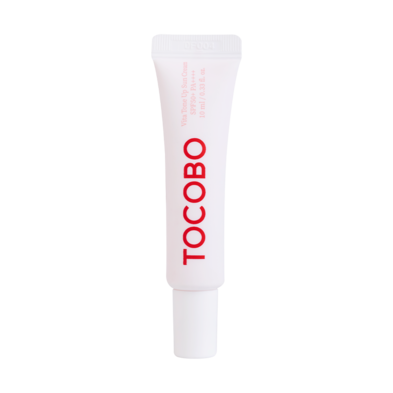 In stock Buy
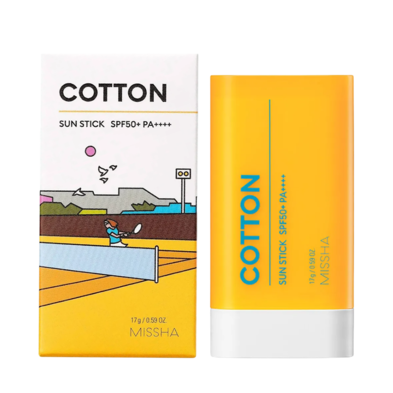 In stock Buy
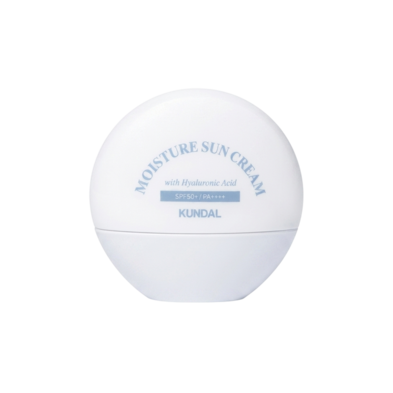 In stock Buy
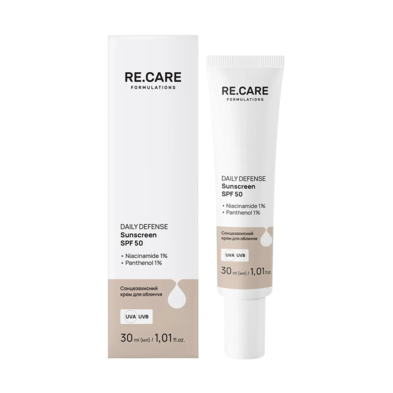 In stock Buy
 In stock Buy
 In stock Buy
 In stock Buy
 In stock Buy
 In stock Buy
 In stock Buy
- 1
- 2
- Next
Sunscreen protects the skin of the face and body from the negative effects of the sun. By using SPF, you can avoid burns, pigmentation, wrinkles, and photoaging.
It is especially important to protect yourself from ultraviolet rays in spring and summer. We recommend applying the product when the UV index is 2 or higher. You can check this in the weather app on your phone or on weather websites. Reapply SPF after swimming, exercising, or sunbathing.
On staleks.ua, you can find SPF products from various brands, with different levels of protection and volumes.
Characteristics of Sunscreens for Face and Body
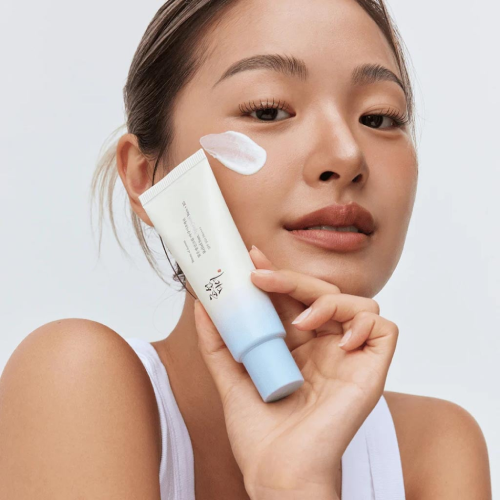
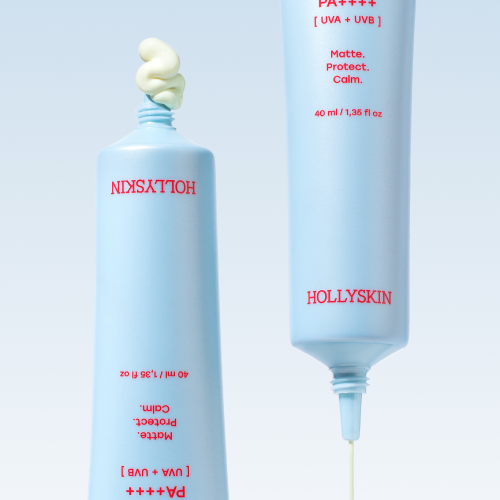
Before purchasing, it is important to study the different types of SPF creams. This will make it easier for you to choose a product that suits your skin type, lifestyle, and level of sun exposure.
-
SPF levels – 30, 50, and 50+.
-
PA labeling: PA+, PA++, PA+++, PA++++. During high UV index, at the sea or in the pool, it is better to choose PA++++.
-
Filter types – chemical, physical, and combined.
-
Skin type – most products are universal.
-
Texture – light cream, cream-gel, or fluids that absorb quickly and do not leave stickiness. Suitable for daily use.
-
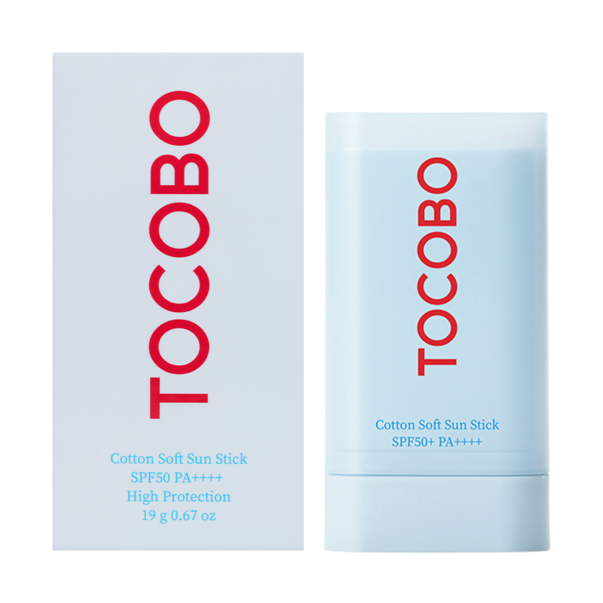
Format – sticks, sprays, creams.
-
Finish – matte or natural. Most products are suitable for makeup.
-
Volume – 2 ml (sample), 15 ml (travel size), 30, 40, 50, and 60 ml.
Bestsellers of Sunscreens in the Staleks Catalog:
-
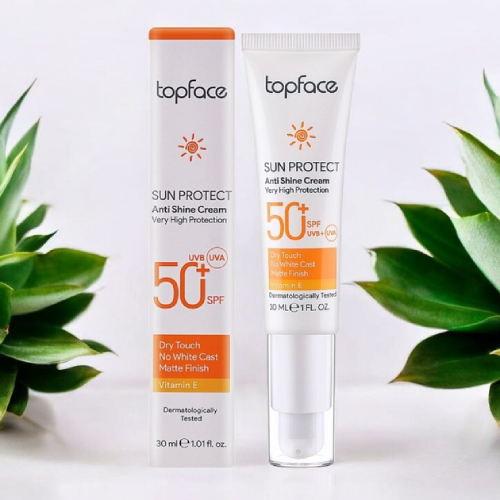
TopFace (Turkey) – suitable for daily use without white marks.
-
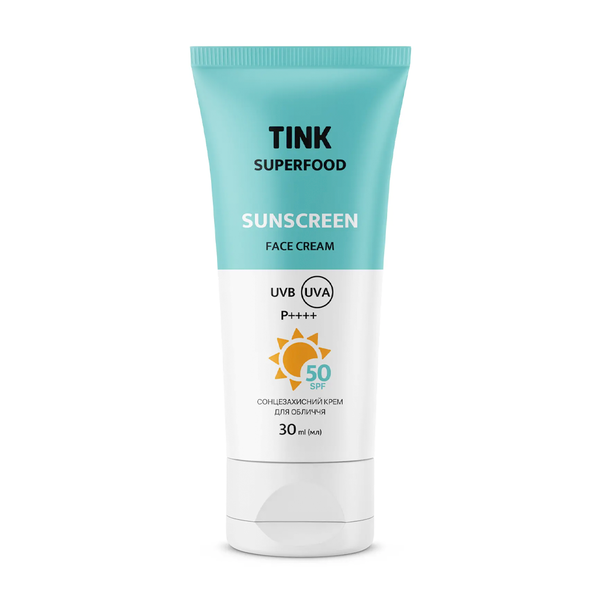
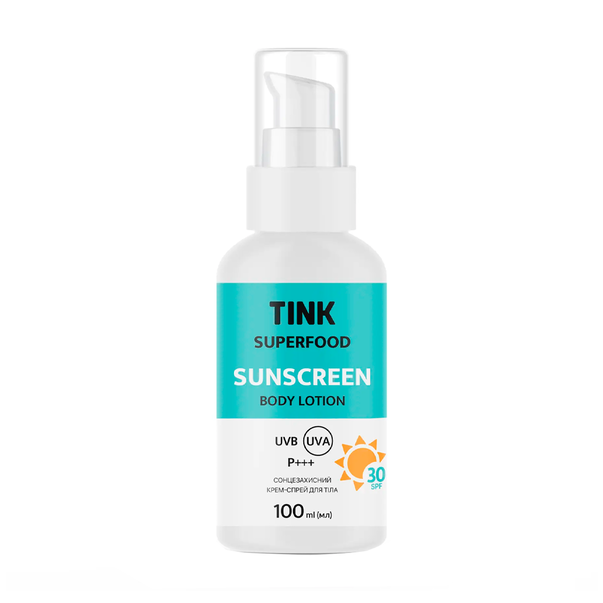
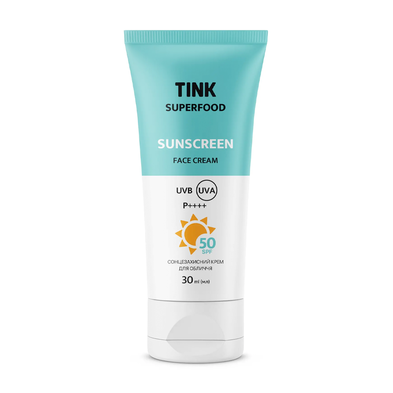
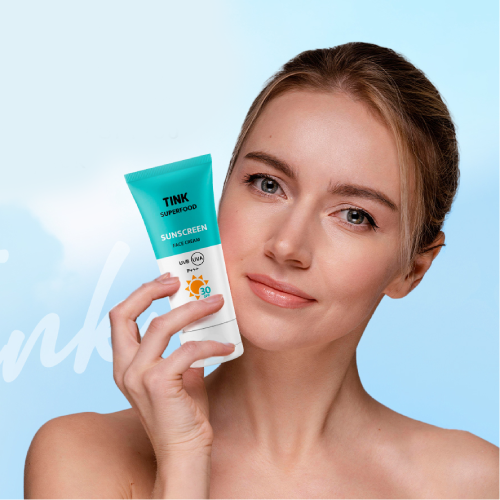
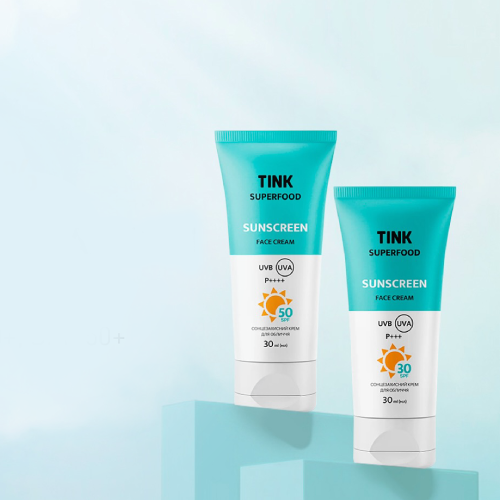
Tink Superfood (Ukraine) – affordable products with a gentle formula for comfortable daily care.
-
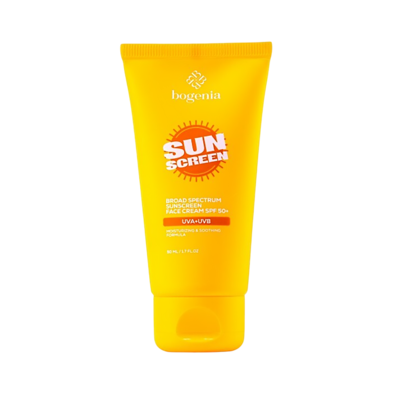
Bogenia (Ukraine) – universal SPF with increased volume and favorable pricing for regular use.
-
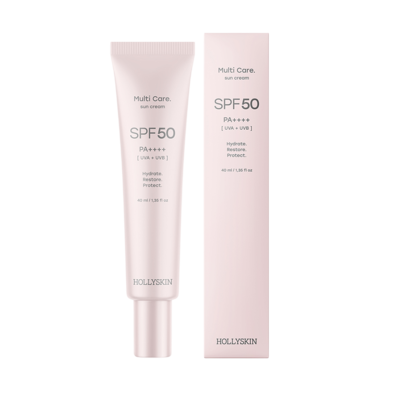
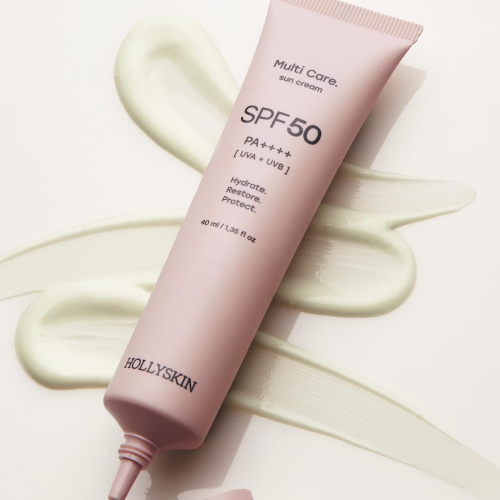
Hollyskin (Ukraine) – sunscreens with additional caring properties.
-
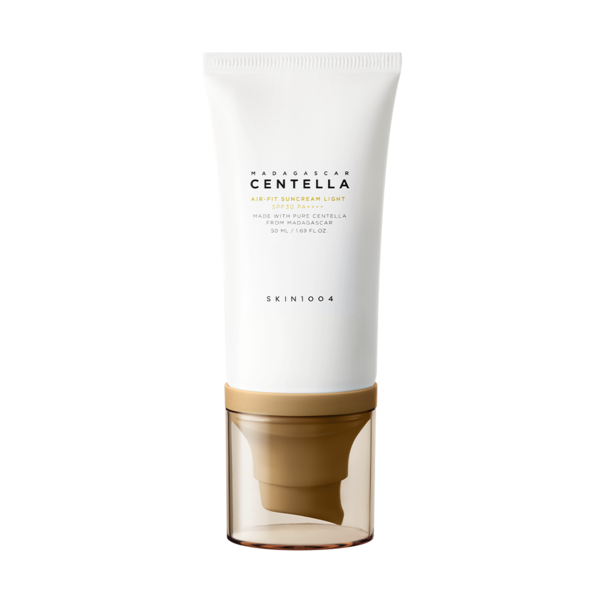
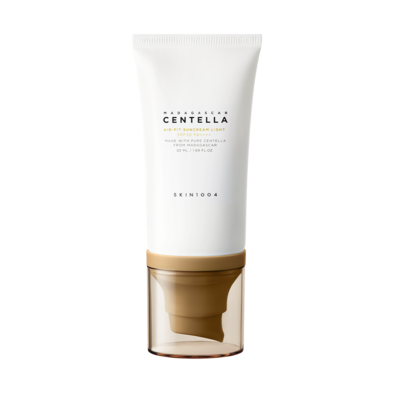
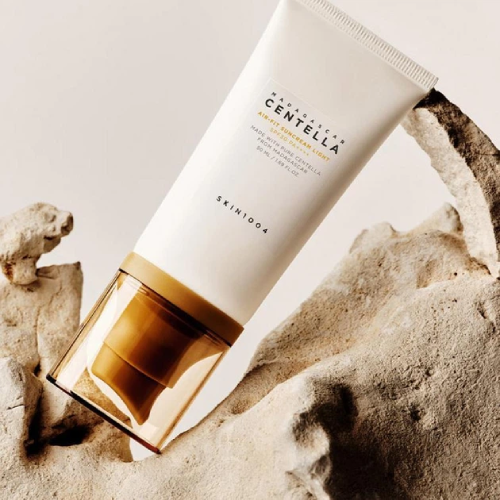
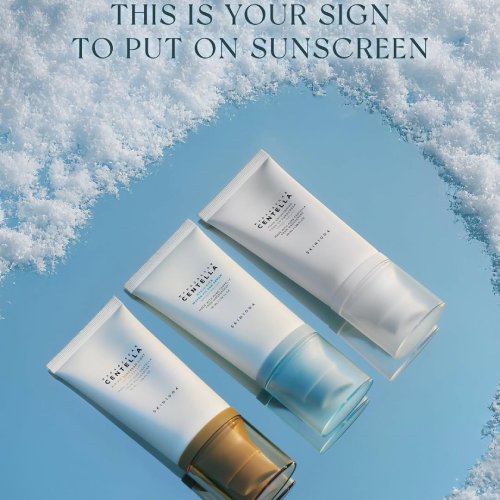
SKIN1004 (Korea) – light fluids with centella, high protection, and a comfortable texture.
Range of Sunscreens
SPFs have different properties, allowing you to choose a product that precisely meets your needs.
| Type of Sunscreen | Advantages | Features |
| SPF 30 Creams | Comfortable for everyday use, does not overload the skin | Suitable for moderate sun exposure |
| SPF 50 and SPF 50+ Creams | High level of protection from UVA and UVB rays | Recommended for skin prone to pigmentation |
| Creams with Chemical Filters | Absorb quickly, do not leave white marks | Well-suited for makeup |
| Creams with Physical Filters | Create a protective layer on the skin surface | May have a denser texture |
| Combined Formulas | Combine the advantages of physical and chemical filters | Provide comprehensive protection |
| Moisturizing SPF Creams | Additionally help maintain skin comfort | Often contain panthenol, hyaluronic acid, and oils |
| Mattifying SPF Creams | Help control unwanted shine | Comfortable throughout the day and under makeup |
| Creams with Soothing Components | Support skin comfort while in the sun | Contain centella, panthenol, plant extracts |
| Water-Resistant SPF Creams | Better maintained during contact with moisture | Require reapplication after swimming |
| Creams with Anti-Aging Care | Antioxidants, ceramides, and plant extracts | Support skin firmness and even tone |
How to Choose Sunscreen for Face and Body
The choice of SPF determines the level of protection and comfort of use. Below, we will discuss which formulas are better suited for different skin types.
| Skin Type | Which SPF to Choose | What to Pay Attention To | Expert Tip |
| Dry | SPF 30–50+ | Moisturizing components: hyaluronic acid, ceramides, squalane | Look for creams labeled Moisturizing, Hydrating, or Dewy Finish – they can replace a light day cream in summer |
| Oily | SPF 30–50+ | Light fluids, gels, mattifying formulas without oils | If your face shines quickly, choose products labeled Oil-Free or Sebum Control |
| Combination | SPF 30–50+ | Weightless textures with a balance of hydration and sebum control | For hot weather, fluids are better: they do not overload the T-zone and do not dry out the cheeks |
| Sensitive | SPF 50+ | Mineral filters, no fragrances or alcohol | Before using a new SPF, test it on a small area of skin for 24 hours |
| Problematic and Acne-Prone | SPF 30–50 with light textures | Non-comedogenic formulas, light emulsions, and gels | Do not skip SPF even when treating acne – many active ingredients increase skin sensitivity to the sun |
| Normal | SPF 30–50+ | Any comfortable texture: cream, fluid, emulsion | Choose a product according to the season: thicker creams are suitable in winter, lighter fluids in summer |
| Mature | SPF 50+ | Antioxidants, peptides, moisturizing components | Daily use of SPF helps prevent photoaging more effectively than many anti-aging products |
| For Body | SPF 30–50+ | Water-resistant formulas for the beach and sports | You need much more product for the body than for the face: do not skimp on application |
How to Apply Sunscreen for Face and Body
Even a high-quality SPF will not provide the necessary protection if applied incorrectly. It is important to use a sufficient amount of product. You should also adhere to a basic care and reapplication schedule throughout the day.
Application order:
-
Cleanse the skin and apply your usual skincare: toner, serum, and moisturizer.
-
Allow the skincare to fully absorb (1–2 minutes).
-
Apply sunscreen as the last step of skincare, before makeup.
-
For classic cream, follow the "two-finger" rule. Apply two stripes of cream on your index and middle fingers – this amount is sufficient for the face. For the neck and décolletage, apply an additional portion. If you have a liquid fluid (e.g., SKIN1004), aim for the volume of a teaspoon without a mound.
-
Evenly distribute the cream, remembering the ears, hairline, neck, and eye area.
-
Apply SPF 15–20 minutes before going outside.
-
Reapply every 2 hours in active sun, as well as after swimming, sweating, or towel drying.
Practical Recommendations for Using SPF
-
Do not reduce the amount of product – a thin layer significantly lowers the level of protection.
-
For reapplication over makeup, it is more convenient to use sticks or sprays from the assortment.
-
SPF in foundation does not replace a full sunscreen.
-
Pay special attention to the hands and décolletage area – these areas are more prone to photoaging.
-
After opening the packaging, it is best to use the cream within one season to maintain the effectiveness of the formula.
-
For the face, make sure to perform a double cleansing in the evening (cleansing oil/balm + foam). For the body, use a regular shower gel. If you applied water-resistant SPF, choose a gentle cleansing product or shower oil. After sun exposure, it is better to avoid harsh sponges and scrubs to prevent skin irritation.
Common Mistakes When Using Sunscreen for Face and Body
Even a well-chosen cream may work less effectively. It is important to consider the specifics of the product.
| Error | What This Leads To | How to Do It Right |
| Insufficient amount of product | Reduced actual level of protection | Apply a sufficient layer to all areas |
| Lack of reapplication | Weakened filter action throughout the day | Reapply SPF every 2 hours in active sun |
| Using only in the summer | Cumulative photoaging | Use SPF year-round, including in urban conditions |
| Choosing only by SPF number | Ignoring texture and comfort | Consider the finish, type of filters, and sensations on the skin |
| Ignoring water resistance | Washing off the product with moisture and sweating | Choose water-resistant formulas for leisure and sports |
| Long storage of opened product | Reduced effectiveness of the formula | Use the cream within one season |
Key Takeaways About Sunscreens for Face and Body
-
PA+ to PA++++ labeling reflects the level of protection from UVA radiation. The higher the value, the stronger the skin protection. This helps reduce the risk of photoaging and pigmentation.
-
Products retain effectiveness for a limited time without reapplication. Under the influence of sun and moisture, protection gradually decreases.
-
For urban environments, SPF 30–50 is often chosen. For active sun, the sea, and mountains, SPF 50+ and water-resistant formulas are more suitable.
-
Water-resistant products retain some protection when in contact with water. After swimming and towel drying, they need to be reapplied.
-
Daily use of SPF reduces the likelihood of skin photoaging.
Frequently Asked Questions About Sunscreens for Face and Body
-
What is the difference between SPF thirty and SPF fifty, and when is it better to use them? SPF thirty is suitable for everyday urban life and moderate sun exposure. SPF fifty is chosen for more active sun, trips, and prolonged outdoor stays. A higher level of protection provides stability in challenging conditions.
-
Is a water-resistant formula necessary for the city, or is it only for leisure? A water-resistant formula is useful not only at the beach but also in hot weather. It is relevant during sports, high humidity, and active days.
-
What is the difference between a fluid, cream-gel, and classic cream? Fluids are the lightest and absorb quickly without feeling heavy. Cream-gels provide a balance of hydration and lightness. Classic creams are denser and more suitable for dry skin.
-
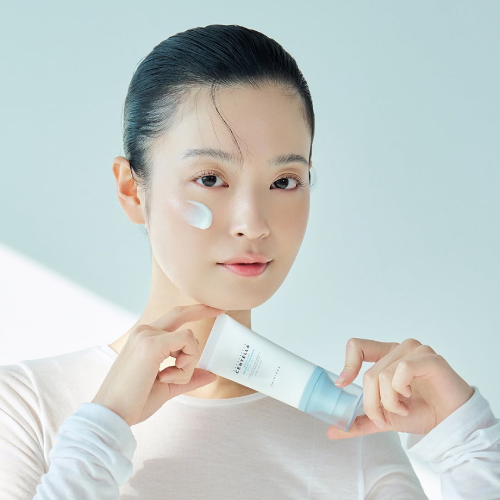
Why is SKIN1004 often chosen under makeup? SKIN1004 products have a light texture and distribute quickly. They do not overload the skin and do not roll off under makeup. Therefore, they are convenient for daily care.
-
Which brands are suitable for affordable daily care? TopFace, Tink Superfood, and Bogenia are often chosen. They provide basic protection and comfortable textures at an affordable price. These are practical options for regular use.
-
What is the purpose of PA+++ labeling and above? It indicates enhanced protection against UVA rays. Such rays affect photoaging and pigmentation. Therefore, a high rating is especially important during prolonged sun exposure.
-
Which SPF is suitable for sensitive skin? Gentle formulas with soothing components and minimal irritating ingredients are suitable. These are often products with centella and light textures. They reduce the risk of redness and discomfort.
-
Is there a difference between moisturizing and mattifying SPFs? Yes, moisturizing ones provide more comfort and softness to the skin. Mattifying ones help control shine and maintain a fresher appearance. The choice depends on the skin's needs and the desired finish.
-
How often should protection be reapplied throughout the day? SPF needs to be reapplied regularly, especially in active sun. After water exposure or sweating, reapplication should be done immediately. This helps maintain a stable level of protection.
Sunscreens: An Important Approach to Skin Protection
Sunscreen is the main guarantee of youthful and healthy skin. Modern formulas have long gone beyond the beach. Today, it is easy to find a weightless fluid for the city, a mattifying gel for hot days, or a moisturizing cream for additional care.
In the Staleks online store, we have gathered the best SPF products from trusted brands. Visit the catalog, choose your perfect finish, and enjoy the sun safely.
SPF for face and body Cost on staleks.ua
Name | Price |
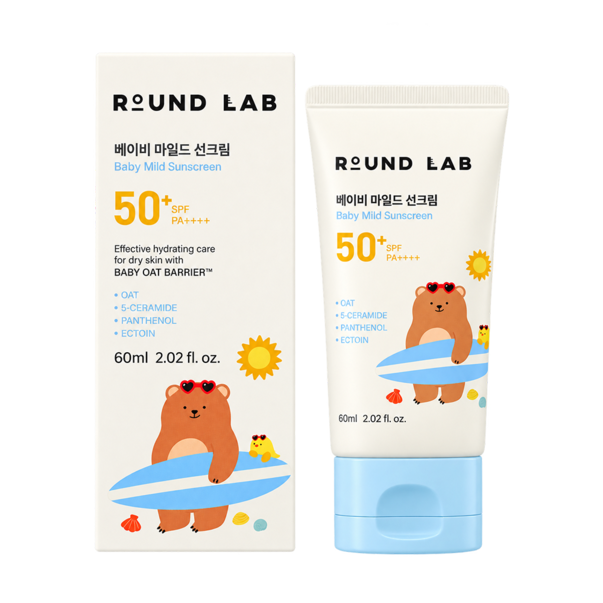
| Round Lab Baby Mild Sunscreen 60 ml | 835.00 UAH |
| Round Lab 1025 Dokdo Sunscreen SPF 50+ PA++++ 50 ml | 910.00 UAH |
| ACNELAB+ Spotcontrol Fluid Cream SPF 40 ml | 698.00 UAH |
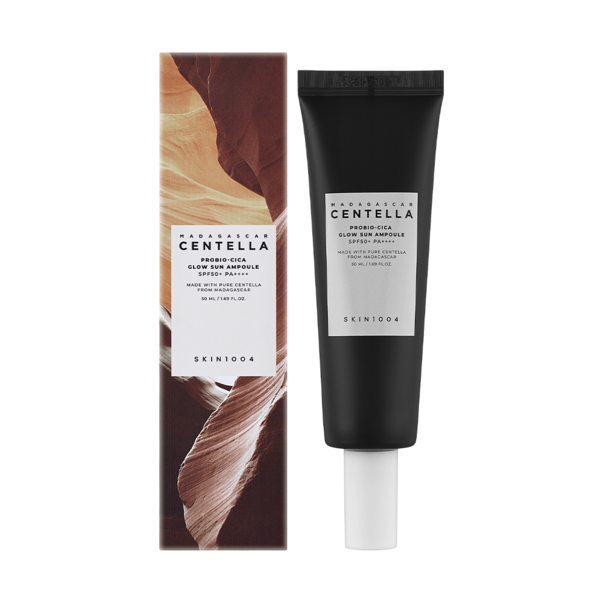
| Ampoule serum SKIN1004 Madagascar Centella Probio Cica Glow Sun Ampoule 50 ml | 1 320.00 UAH |
| SKIN1004 Madagascar Centella Tone Brightening Tone Up Sunscreen 50 ml | 1 270.00 UAH |
Sunscreens for the face and body - customer reviews