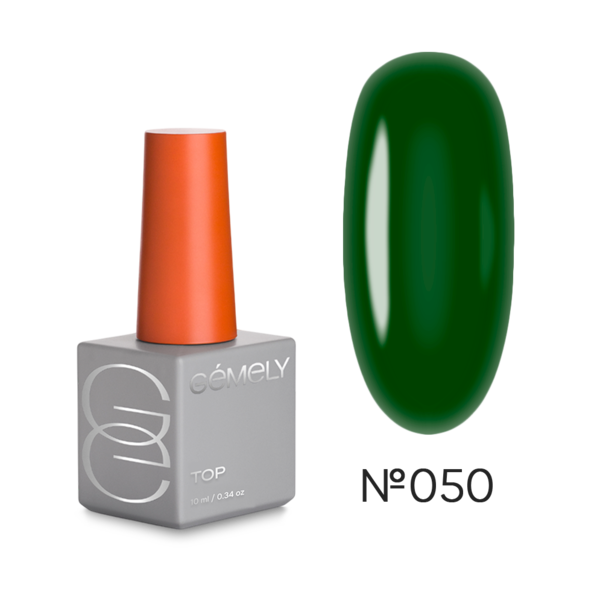
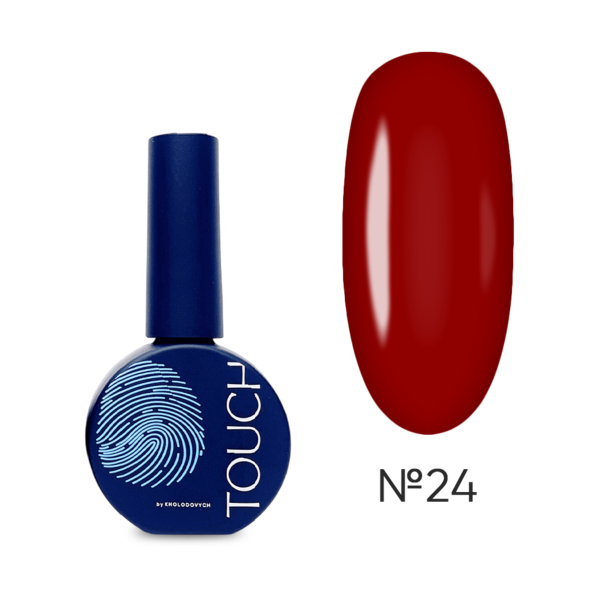
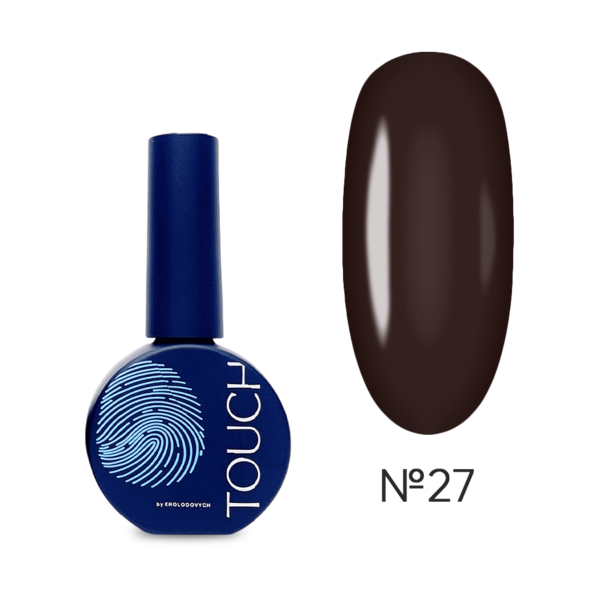
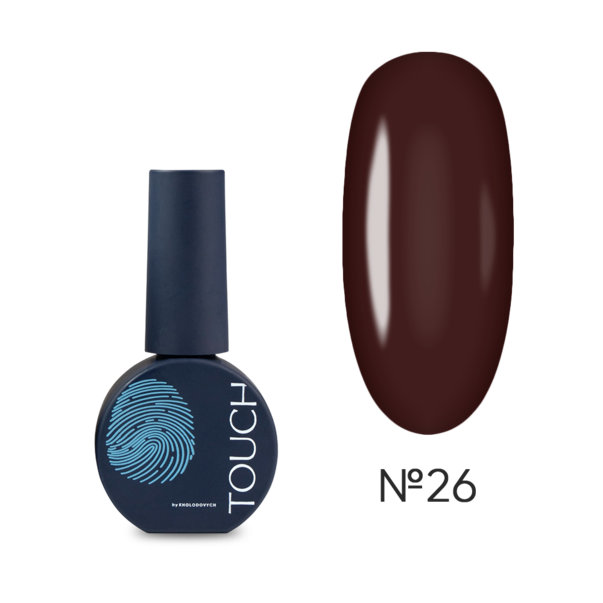
Stained Glass Nail Tops









 Buy
 Buy
 Buy
 Buy
 Buy
 Buy
 Buy
 Buy
 Buy
 Buy
 Buy
 Buy
 Buy
 Buy
 Buy
 Buy
 Buy
 Buy
 Buy
 Buy
 Buy
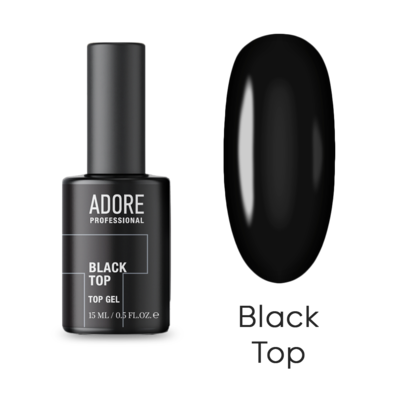
 In stock Buy
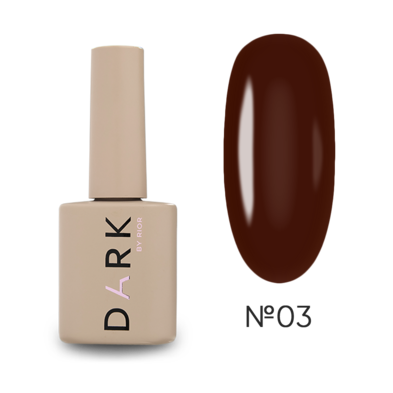 Buy
- 1
- 2
- 3
- Next
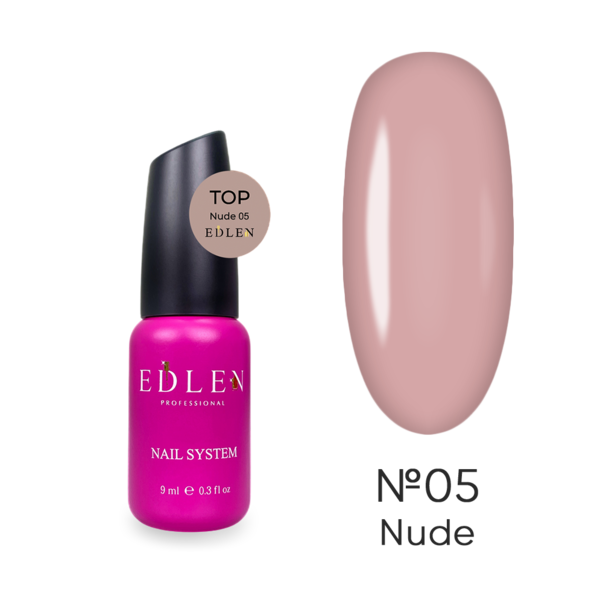
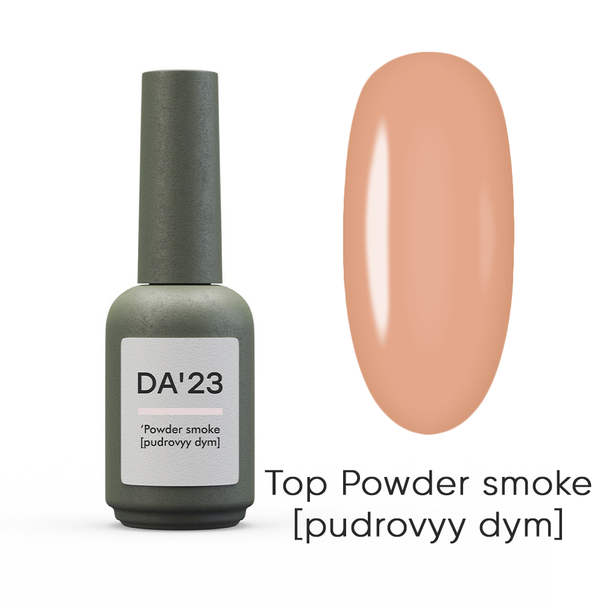
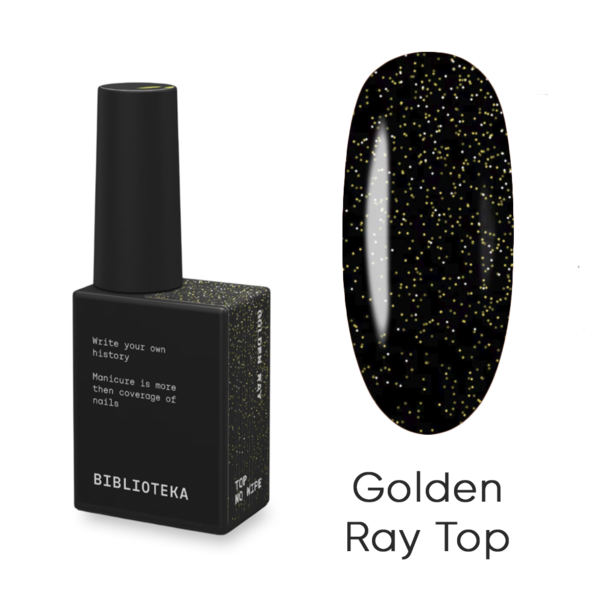
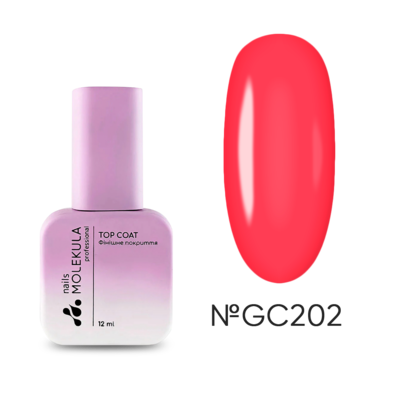
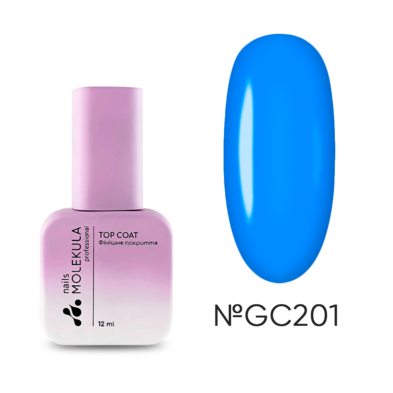
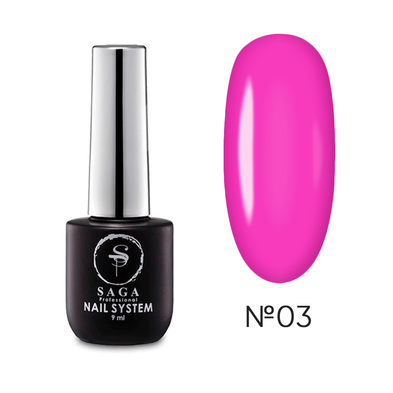
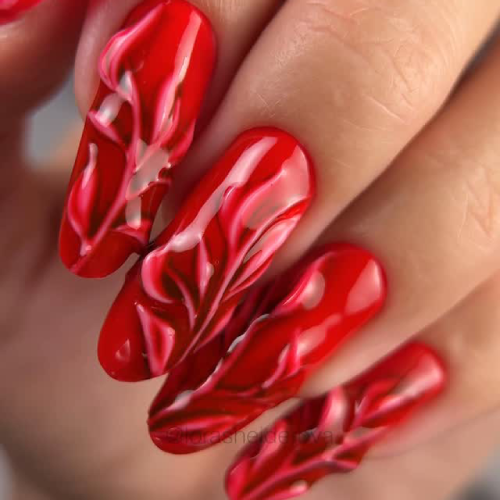
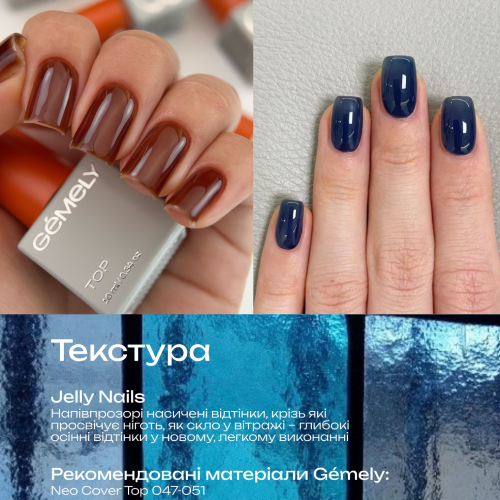
A stained glass top coat for nails is a translucent finish with colored pigment that protects the coating from chipping while simultaneously creating the effect of colored glass, candy gloss, or depth in designs. The unique feature of the product is its ability to change the shade of the base (foil, rubbing powder, cat eye, or glitter) without obscuring its texture. The catalog features glossy formulas without a sticky layer in a wide palette – from classic reds, blues, and neons to smoky blacks and caramel tones in bottles ranging from 5 to 15 ml.
In this material, staleks.ua will explore the key characteristics of stained glass top coats, the rules for their polymerization and application without gaps, and will also discuss trendy techniques for working with translucent finishes in salon manicures.
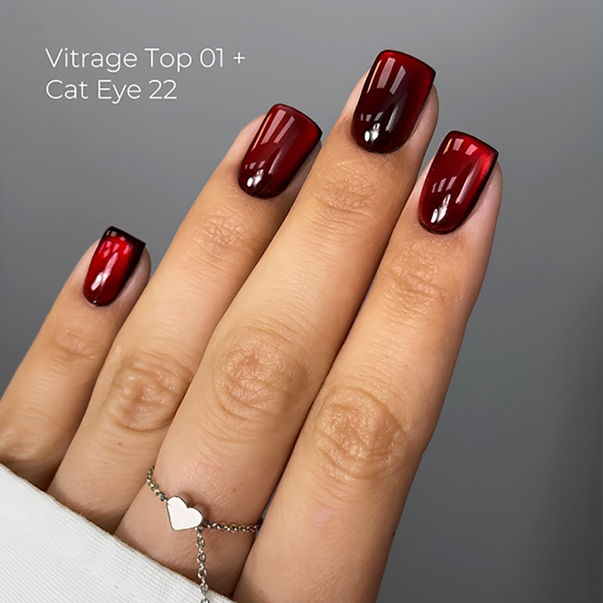
Characteristics of Stained Glass Top Coats for Nails
Stained glass top coats combine the decorative properties of colored glass with reliable protection for polymer materials. Below are the main technical parameters and physicochemical properties of top coats in this category:
Brand: DARK, NAILSOFTHEDAY, Toki Toki, PINX, SAGA Professional, Nails Molekula, Adore Professional, F.O.X, Nika Zemlyanikina, LUNAMoon (the assortment is regularly updated).
Product type: top coat for gel polish and modeling systems (top with translucent colored pigment).
Purpose: fixing decorative coatings, adding depth to designs (aquarium effect, covering foil, rubbing powders, cat eye), tinting bases, express nail design.
TPO: depends on the formula of the specific brand and batch; some modern lines from European and Ukrainian manufacturers have already been updated to TPO-free/HEMA-free standards, the exact component composition is indicated on the packaging of the specific bottle.
Finish: glossy, durable shine without color clouding.
Effect: stained glass (translucent colored filter), candy gloss, optical depth and volume (“layered” design).
Presence of a sticky layer: most items in the catalog are without a sticky layer (No Wipe / Non-cleanser).
Presence of UV filter: depends on the shade and transparency; in dark, black, and saturated stained glass top coats, the concentration of UV blockers is minimal or zero. Since dark pigments protect the coating from ultraviolet light and fading, excluding excess light-absorbing components improves the permeability of lamp rays and ensures complete polymerization of the dense layer.
Consistency: medium-liquid or medium; flowing, easily spread in a thin layer without excessive volume.
Self-leveling: high; the material quickly centers on the nail surface within 3–5 seconds without flowing onto the sidewalls and cuticle.
Hardness: medium-elastic / elastic; the formula adapts to micro-deformations of the artificial coating under daily loads, preventing cracking of the glossy layer and the appearance of chips.
Durability: maintains gloss and integrity of the coating throughout the wear period (on average 3–4 weeks with proper polymerization protocol and correct base preparation).
Coating resistance: a dense polymer network reduces the risk of surface scratches and protects the pigment from fading in sunlight.
Drying time: standard 60 seconds in LED and 2 minutes in UV (36 W). Saturated dark stained glass should be dried for 60–90 seconds at a lamp power of 48 W or more.
Compatibility: formulas are compatible with most three-phase gel polish systems, hard gels, polygels, acrylic gels, and base coats of various brands.
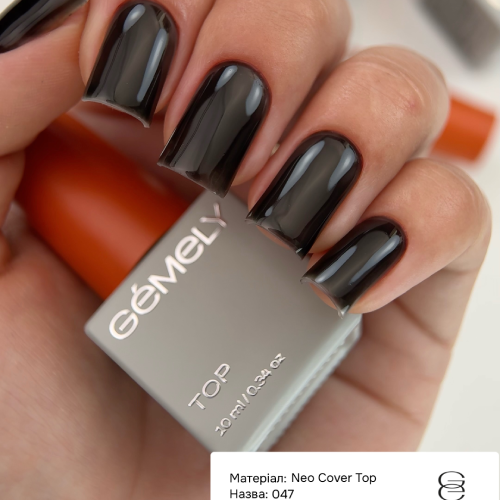
Compatibility of Stained Glass Top Coat for Nails with Materials and Coatings
Stained glass top coats can be applied to various types of artificial coatings provided they are fully polymerized. The technological interaction of the composition with materials and surfaces is structured as follows:
Magnetic gel polishes (“cat eye”): the translucent layer tints the metallic shine, changing its color and creating visual volume without obscuring the depth of the magnetic pattern.
Decorative elements (foil, flakes, glitter): the material covers textured particles and smooths the surface, changing the base shade (for example, converting silver foil into colored metal).
Colored bases and bases: the composition is applied to a polymerized layer of gel polish, camouflage or milky base; on dark shades, the stained glass provides a deep tint, while on light and white shades – a pure tone.
Modeling gels and polygels: the formula adheres to the filed and cleaned surface of hard gel, acrylic gel, and polygel without the use of an intermediate adhesive layer.
Rubbing powders and pigments: the top is applied to rubbing powder after fixing the tip with a thin layer of transparent elastic base or specialized fixer to avoid chipping of the mirror pigment.
Materials from other brands: the top can be applied to coatings from other manufacturers without changing physical properties, provided the polymerization time for each layer is observed.
UV/LED equipment: curing occurs in UV/LED lamps with a power of 36–48 W; for highly pigmented and dark stained glass, a complete drying cycle of 60 to 90 seconds is required.
Comparison of Stained Glass Top Coat for Nails with Other Types of Coatings
For the correct selection of finishing material, it is important to consider the difference between translucent colored tops, standard transparent sealers, and intermediate stained glass gel polishes. Below are the differences of these compositions in their functional properties and their place in the application technology:
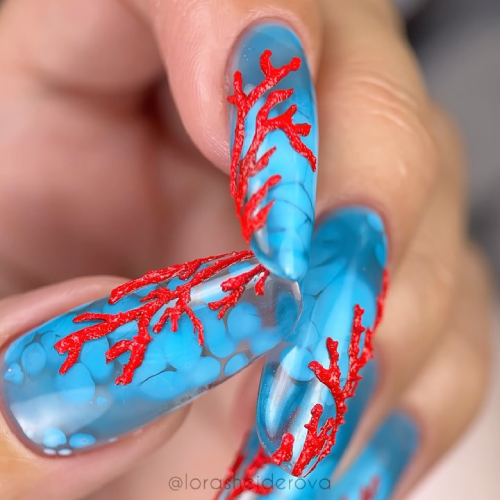
Parameter | Stained Glass Top Coat for Nails | Classic Glossy Top | Stained Glass Gel Polish |
Presence of pigment | Translucent colored light filter | Completely transparent (without tint) | Rich translucent color |
Function in manicure | Protection of the coating + color tinting of the design | Only fixation and protection of the artificial coating | Creation of a colored layer |
Stage of application | Finishing (final) stage | Finishing (final) stage | Second stage (applied over base, requires coverage with top) |
Residual dispersion | Often without a sticky layer (No Wipe) | With a sticky layer or without it | Always with residual sticky layer |
Influence on design | Changes the color of the base shine, creates volume | Preserves the original shade without changes | Serves as an independent background |
Speed of design execution | Saves time (excludes the step of applying a separate color) | Requires preliminary application of a colored layer | Requires separate application of a sealer |
Assortment of Stained Glass Top Coats for Nails on staleks.ua
The online store catalog features translucent colored finishes from various brands, differing in pigment density, shades, and working volume of the bottle.
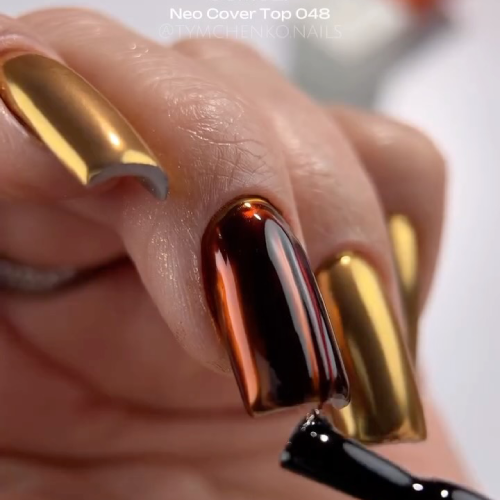
Product Name | Brand | Shade | Volume | Formula Features |
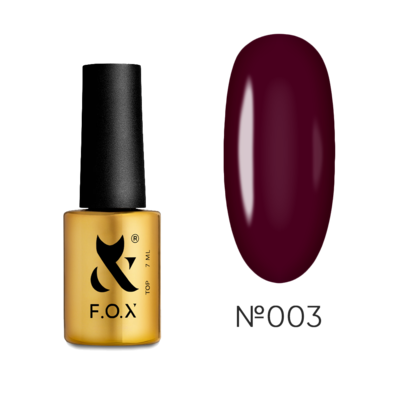
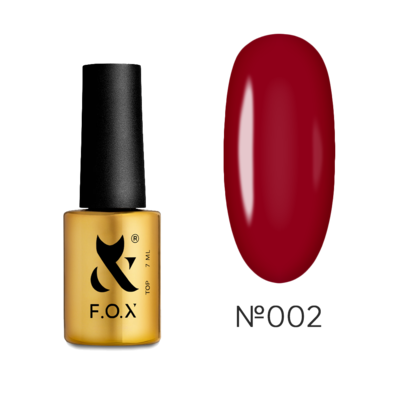
F.O.X | Classic Red | 7 ml | Glossy finish with rich candy effect | |
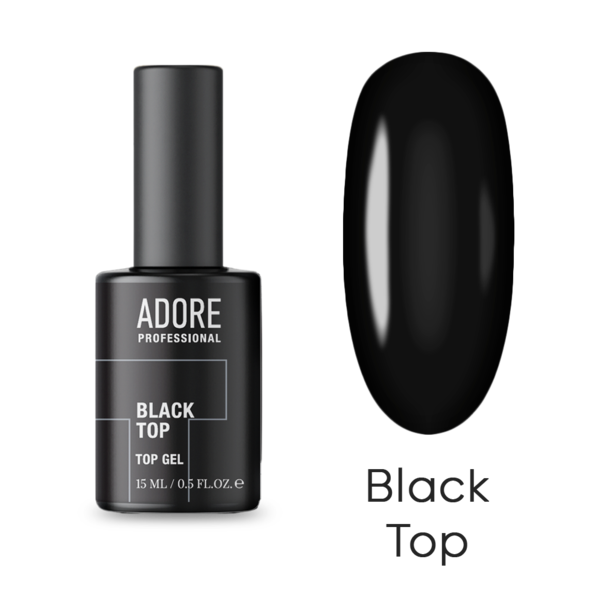
Adore Professional | Black translucent (smoky) | 15 ml | Creates the effect of darkened glass without obscuring the background | |
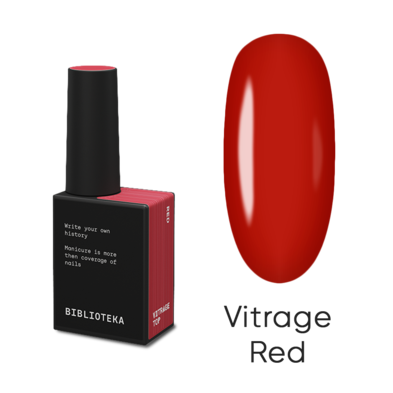
BIBLIOTEKA Color Top Vitrage Red Stained Glass Top for Nails | BIBLIOTEKA | Red Stained Glass | 10 ml | Camouflaging base with stained glass tinting |
DARK | Burgundy (wine) | 6 ml | Liquid consistency, quick distribution without a sticky layer | |
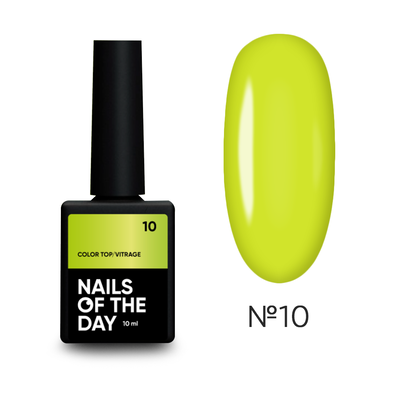
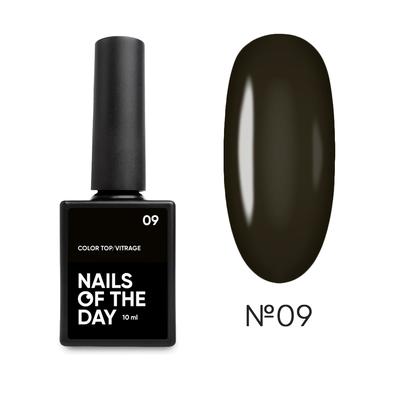
NAILSOFTHE DAY Color Top Vitrage №10 Neon Yellow Stained Glass Top | NAILSOFTHE DAY | Neon Yellow | 10 ml | Bright fluorescent shade, formula without residual dispersion |
PINX | Rich Red | 8 ml | Elastic coating, oriented towards trendy express designs |
The availability of products in the online catalog is regularly updated as new batches arrive from manufacturers.
Application of Stained Glass Top Coat for Nails
The technology for working with stained glass finishes is based on the uniform distribution of the material: the pigment in the composition acts as a light filter, so any variations in layer thickness lead to spots in the shade and the risk of incomplete curing.
Step-by-step protocol for applying stained glass top coat:
Surface preparation: completely finish modeling or leveling the nail plate with base/gels, apply a background color layer or perform a design. The surface must be geometrically smooth before applying the top coat, as correcting the architecture with a pigmented finish is not possible.
Dispersion control: if the sticky layer is excessive, remove the excess with a lint-free wipe moistened with a cleanser (alcohol dehydrator), and allow the surface to dry completely.
Applying the top coat: remove excess material from the brush leg on the neck of the bottle. Apply the top coat in an even thin or moderate layer across the entire nail surface using tapping-stretching movements, avoiding pigment buildup at the cuticle and sidewalls.
Shine control: if necessary, apply a drop of material to the tips with a fine linear brush for even optical refraction, avoiding creating a high drop in the stress zone.
Polymerization: cure the coating in a combined UV/LED lamp with a working power of at least 48 W for 60–90 seconds. Do not reduce the lamp power (Low Heat Mode) to ensure the pigmented polymer dries throughout the depth of the layer.
Stabilizing the gloss: after removing the hand from the lamp, leave the coating in the air for 40–60 seconds until the polymer grid cools completely. Contact with liquids, skin, or alcohol cleaners on hot top coats leads to loss of mirror shine.
Removing dispersion (if present): if a rare formula top with residual stickiness is used, remove it with a special cleanser without oils only after the material has completely cooled; No Wipe coatings do not require wiping.
Design Options with Stained Glass Top Coat for Nails
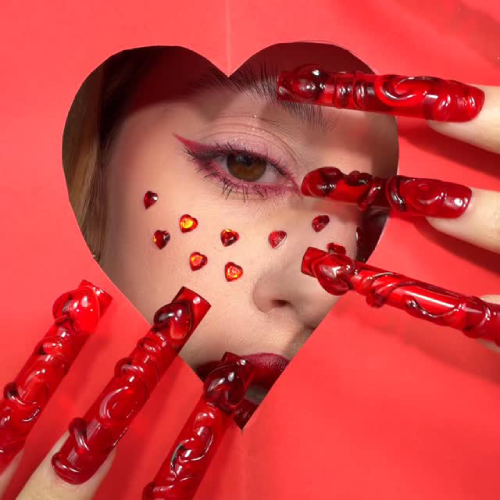
By combining color and sealer, the stained glass top eliminates the intermediate layer of gel polish in designs. Below are three techniques for working with this material.
Candy Cat Eye Effect
The technique is based on covering a silver or prismatic magnetic shine with a translucent colored layer. As a result, metal particles reflect light through the colored light filter, creating the optical depth of a gemstone or glass.
Base: black, neutral camouflage, or milky color.
Step-by-step execution:
Apply a layer of universal silver magnetic gel polish (“cat eye 9D/24D”).
Use a magnet to form the desired shine (diffused, diagonal stripe, or French gradient) and polymerize in the lamp for 60 seconds.
Cover the surface with the chosen stained glass top (ruby, emerald, or blue) in a moderate layer and dry in a UV/LED lamp for 60–90 seconds.
Technical nuance: do not form the magnetic shine again over the stained glass; the top must be applied strictly over the already fixed and polymerized magnetic layer.
Aquarium Textures with Foil, Mica, and Gold Leaf
Metallic decor under the translucent top loses its flat appearance and visually sinks into the coating, imitating Murano glass or mineral textures.
Base: transparent or translucent modeling gel, camouflage base.
Step-by-step execution:
On the dispersion layer of the base or a thin layer of transparent gel, fragmentarily stamp transfer silver foil, Yuki flakes, or pieces of crumpled gold leaf.
Fix the decor in the lamp for 10–15 seconds (if necessary, smooth protruding edges with a thin layer of transparent base and dry).
Apply the stained glass top (amber, caramel, purple, or neon), evenly distributing the pigment around the protruding decor particles, and fully polymerize.
Technical nuance: if the edges of the foil or mica have a pronounced step, apply a thin intermediate layer of transparent base before the stained glass top – this will prevent pigment accumulation in the recesses and avoid uneven color.
Smoky Veil and Candy Ombre
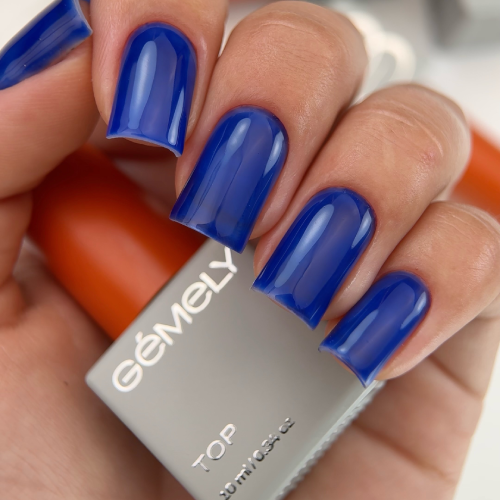
Combining stained glass top with light or neutral bases allows for the creation of a translucent veil effect, gradient stretching, and depth on milky bases.
Base: milky gel, camouflage base of cool or warm shade, white base.
Step-by-step execution:
Perform leveling of the nail plate with milky material and fully polymerize the layer.
Apply a thin layer of black (graphite) stained glass top to create a nylon stocking effect or use a bright berry/burgundy stained glass for the “Lip Gloss Nails” technique.
To create the ombre effect, apply the stained glass top to the tip of the nail and with smooth sliding movements of a fine brush (or by pre-mixing a drop of stained glass with transparent top on a palette) stretch the color towards the center, creating a soft boundary before drying in the lamp.
Technical nuance: apply black and graphite stained glass tops exclusively in a thin layer; if the thickness is excessive, the translucent effect is lost, turning into unevenly pigmented dark coating.
Errors When Applying Stained Glass Top Coat for Nails
Errors in working with stained glass top coats usually affect color, gloss durability, and wear time. Let's analyze the main problems and how to avoid them:
Error | Consequences | Solution |
| Leveling the nail with a thick layer of stained glass | Formation of dark spots in the apex area, wrinkling of the material, incomplete polymerization of the composition inside | Build the architecture with base or gel; apply stained glass only in an even layer of medium thickness |
Reducing lamp power (Low Heat Mode) | Undercured layer, rapid appearance of matte scratches and dulling of color | Use the full power of the UV/LED lamp (from 48 W) throughout the 60–90 seconds of drying |
Contact with the surface immediately after drying | Loss of gloss, clouding of the mirror shine | Allow the coating to cool in the air for 40–60 seconds before applying oil or care products |
Excess material volume at the rollers | Flowing into the sinuses, accumulation of dye around the nail perimeter, rapid lifting | Carefully remove excess top from the brush leg and control the distance from the skin of 0.5–1 mm |
Frequently Asked Questions about Stained Glass Top Coat for Nails
Can I mix stained glass top with regular transparent top or base? Yes, with transparent top (to make the shade lighter and more watercolor-like), but it is not allowed to mix with base or gel: the components of the top destroy the adhesion of the base layer and cause lifting, so for tinting bases, it is better to use special stained glass drops or colored gel polish.
How to properly remove the coating with stained glass finish during correction? The material is removed with a machine using a carbide or ceramic cutter with a blue (medium) cut at a speed of 15,000–20,000 RPM with smooth gliding movements without pressure on the nail plate. The top is scraped off in even shavings without clogging the cutter teeth; when soaking with liquids, it is necessary to completely file the upper gloss with a buff or file of 150–180 grit beforehand.
Why does stained glass top sometimes change shade when applied over different colored bases? Since stained glass is optically transparent, the resulting color obeys the laws of color overlay: a blue top on a yellow base will give a green tone, while on a red one – a deep eggplant. To maintain the pure original color from the bottle, the material is applied over white, silver, or neutral-milky bases.
Is stained glass top suitable for securing volumetric figures and rhinestones? No, the translucent finish is not intended for securing volumetric fittings due to its medium or flowing consistency. For attaching crystals and charms, thick modeling gels or glue bases are used, and stained glass is applied exclusively around the decor with a fine brush to avoid flooding the edges of the stones.
What to do if the translucent finish is patchy or streaky when applying light tones? The cause of streaks is usually excessive pressure from the brush on the nail plate. To apply light stained glass evenly, hold the brush almost parallel to the nail surface, distributing the drop with a soft surface movement, avoiding contact with the base layer and not pressing the material.
Main Conclusions: Stained Glass Top Coat for Nails
Dual functionality: the material combines the properties of a protective glossy top without dispersion and a translucent colored filter, eliminating the step of applying a separate colored layer in the design.
Thickness requirement: the pigment absorbs part of the light spectrum from the lamp, so the composition is applied only in an even layer of medium thickness on a previously leveled architecture.
Polymerization mode: for complete curing of the pigmented polymer network, drying in UV/LED lamps with a power of at least 48 W for 60–90 seconds is required without reducing the intensity of radiation.
Optical dependence: the final shade directly depends on the tone of the base, allowing for the transformation of magnetic shines, metal, and neutral bases without changing their texture.
Why You Should Buy Stained Glass Top Coat for Nails
Stained glass top coat for nails eliminates the separate step of applying colored coating, combining the properties of glossy finish and translucent light filter. Several basic shades in the master’s arsenal allow for tinting light bases, metallic decor, and magnetic shines without using additional colored stained glass gels.
You can select and order stained glass top coat for nails on the website staleks.ua. Delivery is available across Ukraine and abroad, and convenient payment options are also available.
Tops for gel polish Cost on staleks.ua
Stained Glass Nail Tops - customer reviews