Hair ties, hairpins
 In stock
 Buy
 In stock Buy
 In stock Buy
 In stock Buy
 TREND In stock Buy
 In stock Buy
 In stock Buy
 In stock Buy
 In stock Buy
 In stock Buy
 In stock Buy
 In stock Buy
 In stock Buy
 In stock Buy
 In stock Buy
 In stock Buy
 In stock Buy
 In stock Buy
 In stock Buy
 In stock Buy
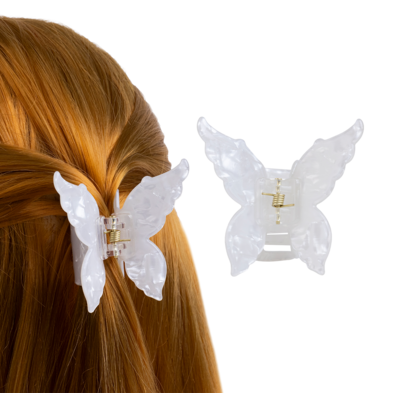 In stock Buy
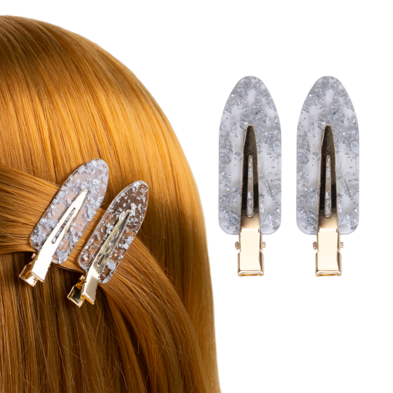 In stock Buy
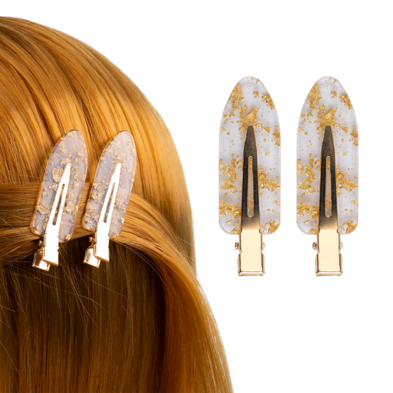 In stock Buy
- 1
- 2
- 3
- 4
- 5
- 12
- Next
Hair clips and hair ties are those simple items that are hard to imagine a regular day without. They quickly secure strands, help create a neat ponytail or bun, and most importantly, you don’t have to worry about your hairstyle falling apart. They work great both at home and in the salon, but you need to choose the right material, size, and shape—then nothing slips, strands are not damaged, and you don’t have to deal with creases in the evening.
On this page, we will explore the different types available and how to choose the right ones for your locks. We will discuss which material is best to avoid wasting money and where to actually buy quality hair ties so you won’t regret it later.
Hair Fixing Accessories
Hair accessories, specifically for fixing hair, are true helpers in any hairstyle: from a quick ponytail on the go to a complex evening updo. They are responsible for keeping strands in place all day, preventing them from slipping, falling out, and leaving unpleasant creases or causing headaches.
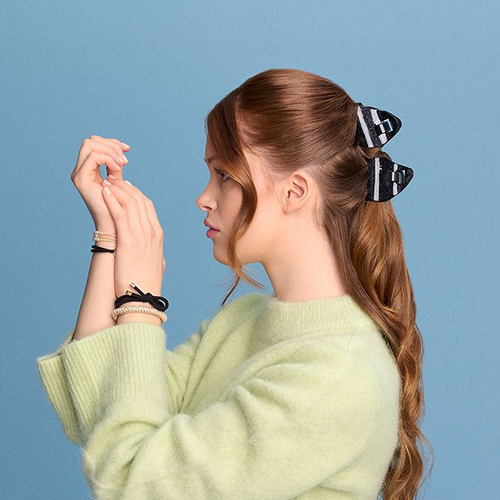
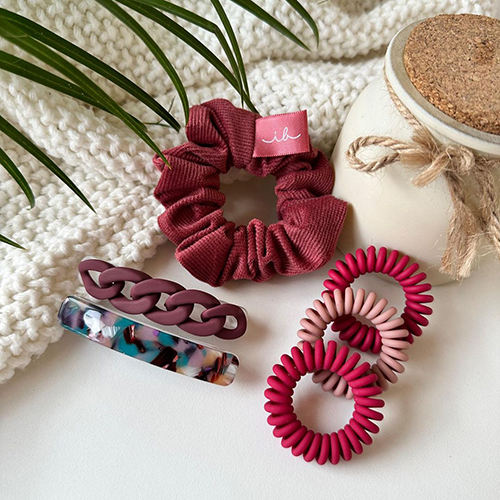
Among the most popular and versatile are three types that can be found in almost every cosmetic bag:
-
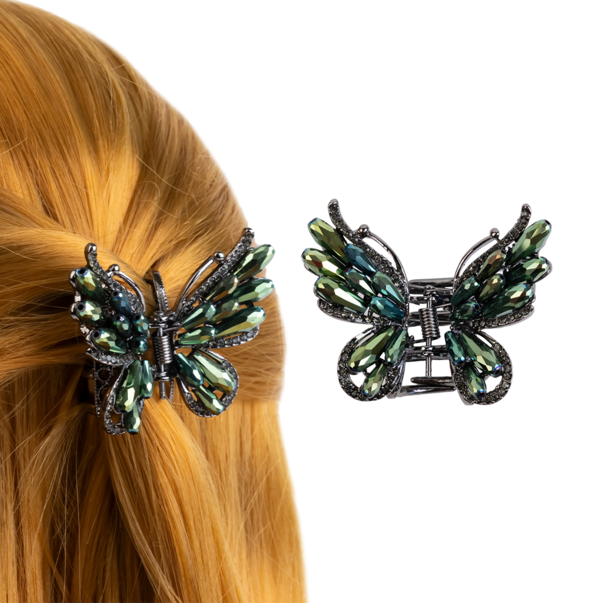
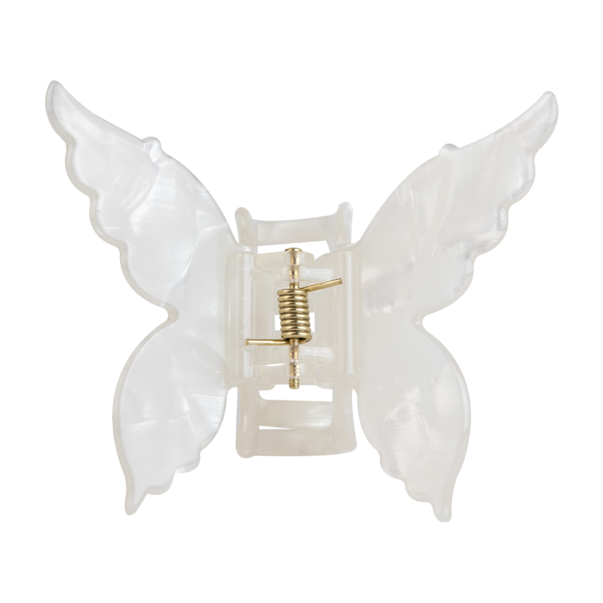
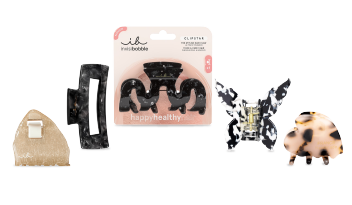
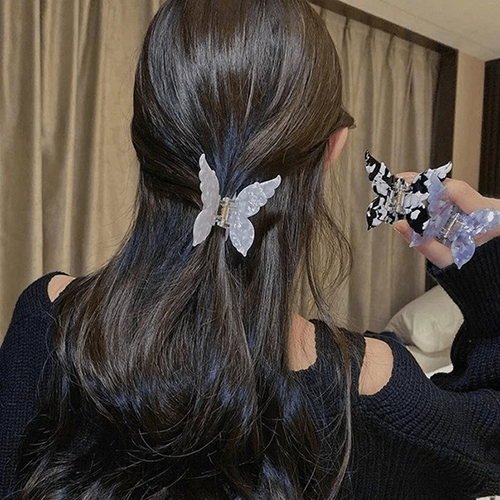
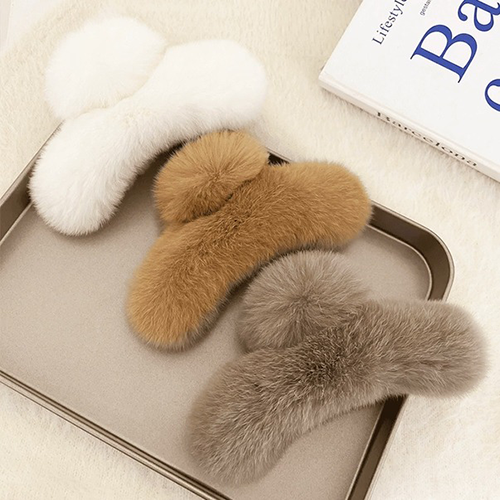
Claw Clips – when you need to quickly gather a large mass of locks, create a bun, or simply get strands out of your face. They are especially loved by those with thick and long hair because they hold firmly and distribute the load evenly (thanks to the teeth and spring). Small claws are excellent for securing bangs or individual strands, while large ones are ideal for voluminous buns or messy "out of bed" styles. Advantage: they do not pinch the locks like hair ties and look stylish even without additional decoration.
-
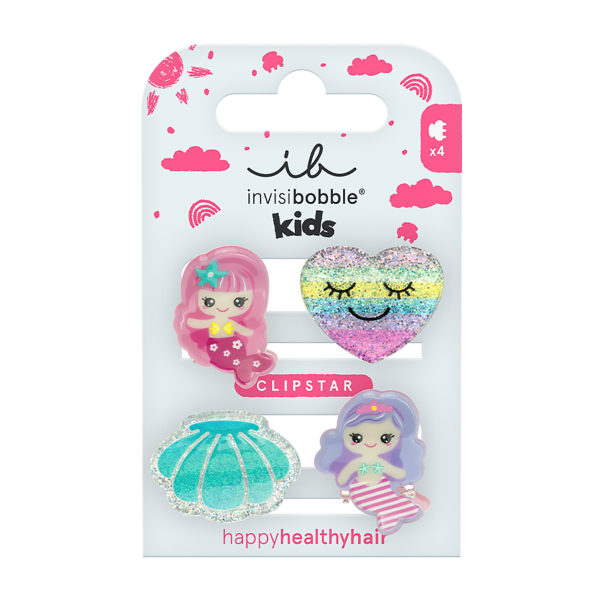
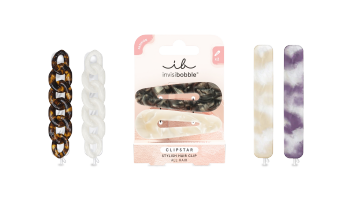
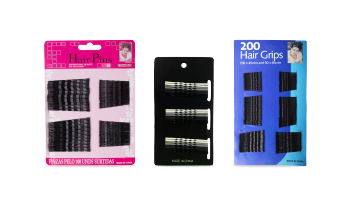
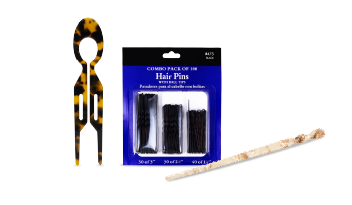
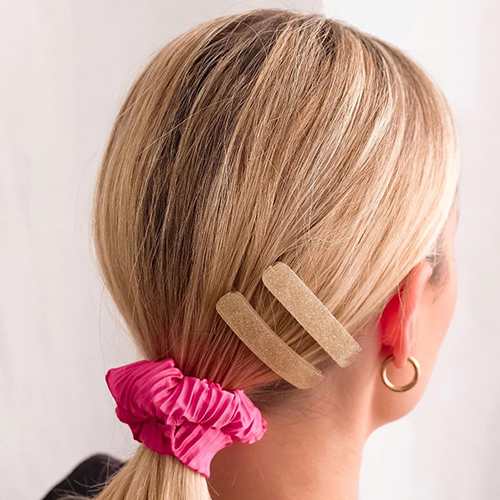
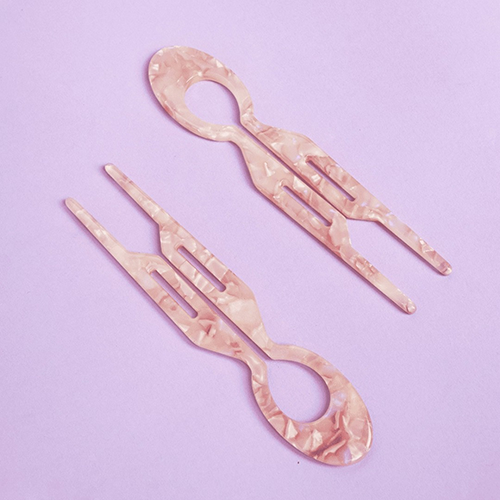
Bobby Pins and Hairpins – classics for delicate, almost invisible fixation. Metal hair clips with good springiness hold locks, knots, or curled edges best—they do not bend and do not snag strands. Suitable for any length, especially convenient when blow-drying or creating complex hairstyles in the salon. Choose a color that matches your hairstyle, and they will blend in with the strands.
-
Automatic Hair Clips – for those who value speed and comfort. Press – click – done. The mechanism automatically locks, ensuring reliable fixation without strong compression. They work well on long or medium hair (ponytails, buns), as well as on short hair (fixing side strands). The elasticity of the spring makes them convenient for daily use—locks are not damaged, and the hairstyle remains stable.
These three types complement each other: claws for volume and speed, bobby pins/hairpins for precise neatness, and automatic clips for gathering locks "on the go." Therefore, it is worth purchasing hair clips of all three types so that the necessary accessory is always at hand.
Expert Tips
-
Choose claws with a matte finish—they slip less.
-
Check the springiness of bobby pins—quality ones do not lose their shape.
-
Test the mechanism of automatic clips before purchasing.
-
Avoid metal models for fine hair types to prevent damage.
-
Combine types for complex hairstyles.
Hair Ties
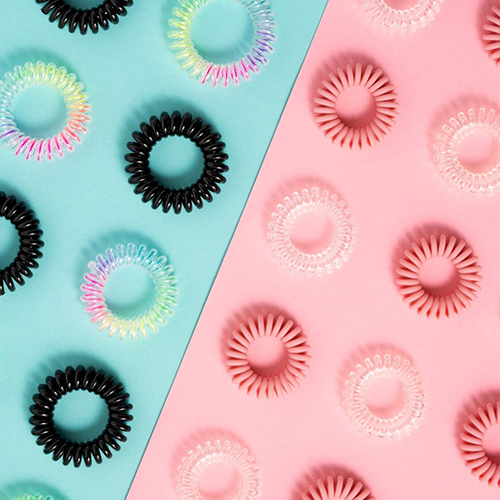
Hair ties are probably the most frequently used accessories for securing strands in the world. They are simple, affordable, and versatile: from a quick ponytail before leaving the house to working out or sleeping. However, the type of hair tie determines whether the hairstyle will be comfortable all day, whether creases will appear, whether hair will break, or if everything will just fall apart after an hour.
Today, the market offers several main types, each designed for specific needs and hair types. Staleks experts have highlighted key categories that are worth knowing:
-
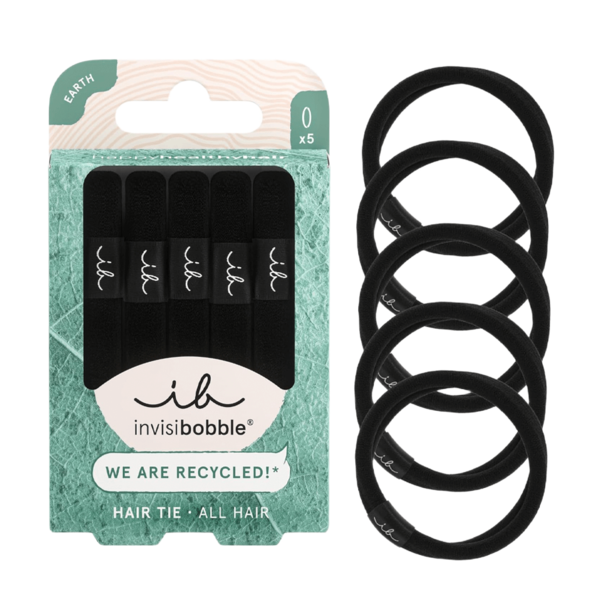
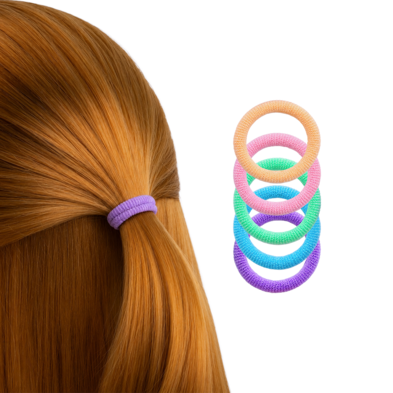
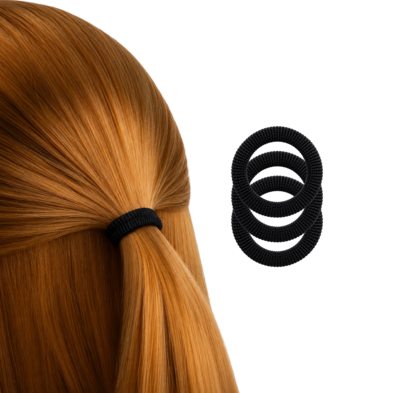
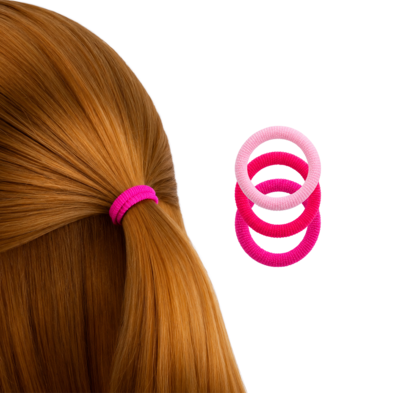
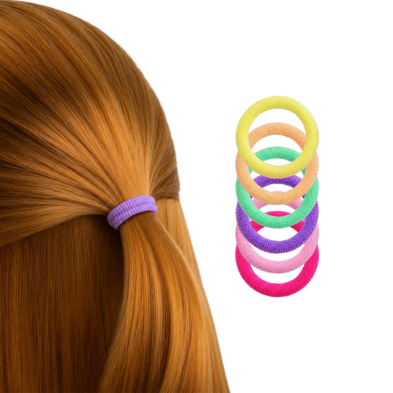
Classic – these are the thin hair ties that can be found in almost every bag. They are cheap, elastic, and quickly secure strands. Suitable for simple daily hairstyles when perfect smoothness is not required. However, they often leave noticeable creases and can pull on hair, especially if worn tightly or for long periods.
-
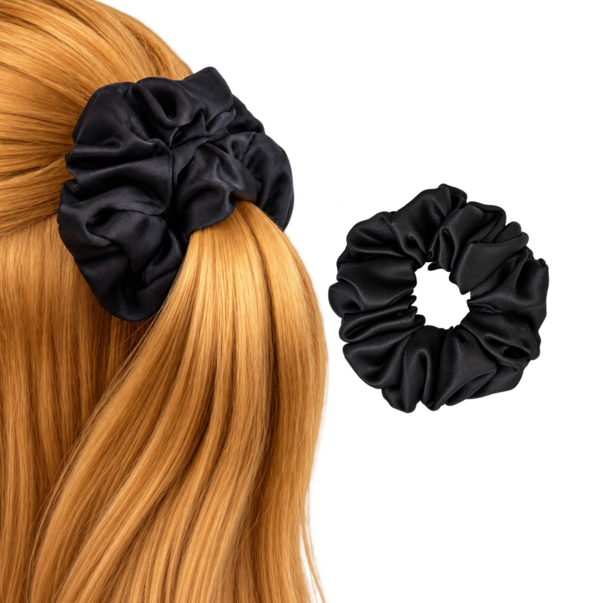
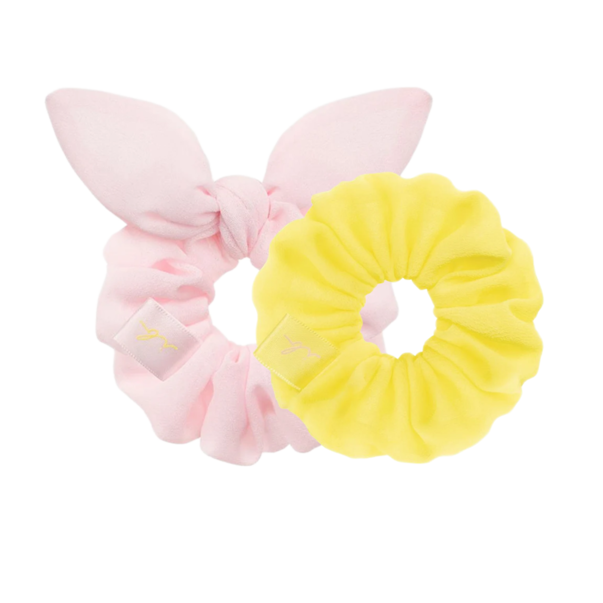
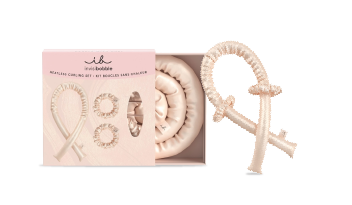
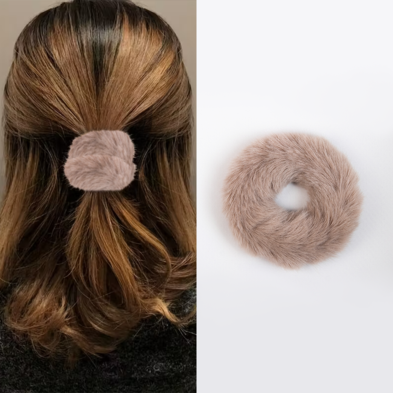
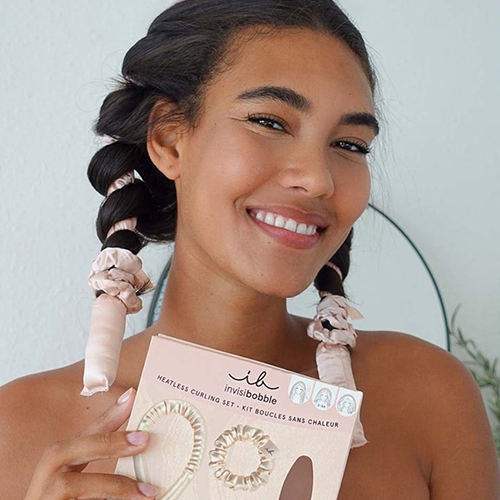
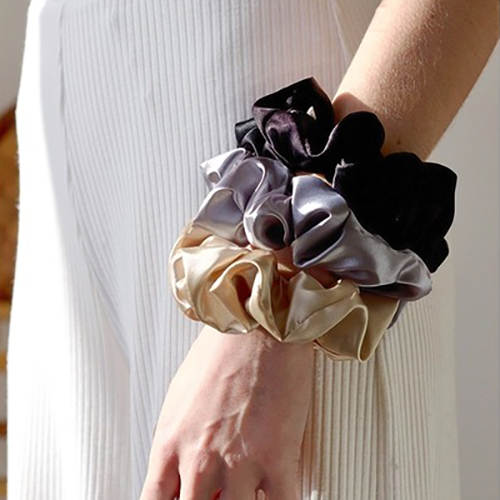
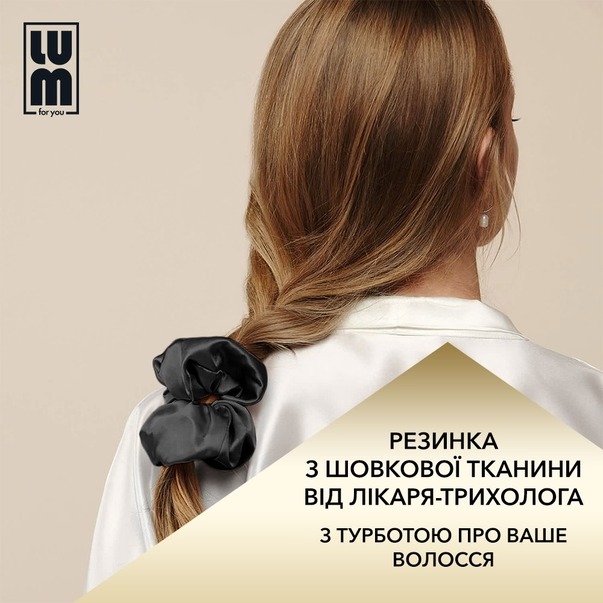
Soft Fabric Hair Ties (scrunchies, silk, microfiber) – a true savior for those who want comfort and no damage to locks. The fabric (silk, satin, cotton with elastane) gently wraps around strands, does not pinch, tear, or leave marks even after a night. Ideal for sleeping, fine or brittle hair, or simply for daily use without stress on the head.
-
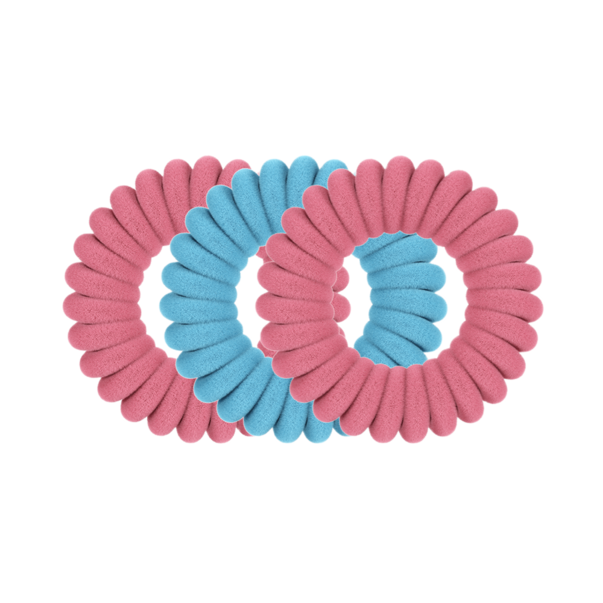
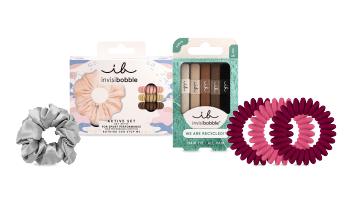
Silicone – most often these are spiral models made of flexible silicone or plastic with high springiness. They do not slip even on smooth or wet strands, do not leave creases, and hold well during sports, workouts, or active days.
-
For Thick Hair – specially reinforced options: wider, with thicker rubber inside, or with additional density. They are designed specifically for voluminous, thick, or curly hair types—they hold the mass without stretching or breaking, distribute pressure evenly, and do not cause headaches from weak fixation.
-
Crest-Free Hair Ties – this is a general category that includes the best soft fabric, silk, and spiral silicone models. Their main advantage is delicate fixation without deforming the structure of the strands. They are chosen when the priority is the health of the locks, smoothness after removal, and comfortable wear throughout the day or night.
Expert Tips
-
Test elasticity—a good accessory quickly returns to shape.
-
For thick hair, choose models with a density greater than 3 mm.
-
Wash silicone options in cool water to maintain springiness.
-
Avoid tight pulling at night.
-
It’s worth buying hair ties and combining them with clips for complex hairstyles.
Headbands
Headbands are hair accessories that may seem like a simple addition, but in reality, they greatly expand styling possibilities. They not only hold locks but also help to keep bangs off the face, add volume, emphasize style, or even become the main accent of the look. Headbands work great both on their own and in combination with hair ties or clips.
As noted by Staleks experts, headbands are categorized similarly to other hair accessories:
-
For daily wear. The best options are simple, lightweight models without excessive decoration: thin plastic or soft textile headbands 1–2 cm wide. They provide reliable fixation throughout the day—hair doesn’t slip out, the head doesn’t hurt, and the look appears neat. This is a must-have for the office, studying, walks, or simply when you want to get strands off your face without a ponytail.
-
For creating hairstyles. Such hair accessories are often used as a base: for example, you put on a headband and then gather strands into a bun, braid, or Hollywood waves at the back. They help secure front strands and add volume to the crown. Combinations work well here: headband + hair ties + hair clips—then the styling holds steadily and neatly.
-
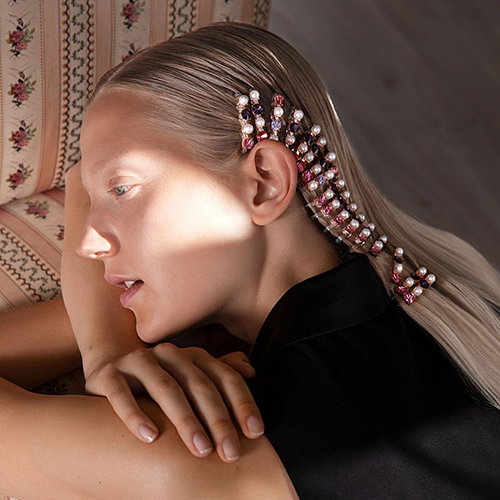
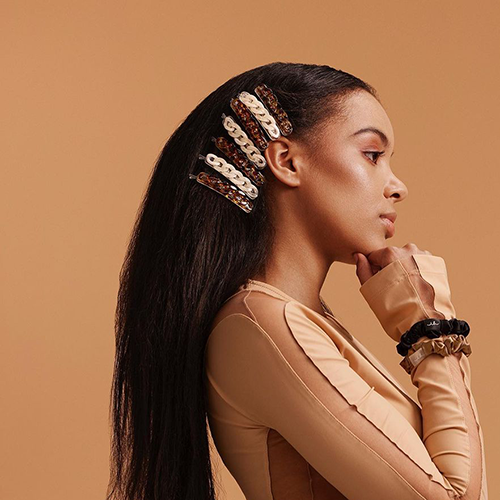
Decorative models. This is all about style and mood: headbands with pearls, crystals, bows, flowers, metal inserts, or even ethnic motifs. They transform an ordinary hairstyle into a festive or evening one—perfect for photo shoots, dates, weddings, or simply when you want to add a touch of flair. The main thing is to ensure that the decoration is securely attached and does not fall off, and that the headband does not press (otherwise, you will be adjusting it all evening).
Expert Tips
-
Choose headbands with a soft inner lining (velvet, silicone, or fabric lining)—they are much more comfortable and do not rub the skin behind the ears.
-
Always try on or check the size: the perfect headband sits snugly but does not compress the temples and does not slip back. If it presses, choose one that is 0.5–1 cm wider.
-
For full fixation, combine: front headband, back thin hair tie or bobby pins—then nothing will fall apart even in the wind or while moving.
-
For fine hair, choose narrow and lightweight hair accessories; for thick hair, choose wider (2–3 cm) to better distribute the weight.
-
If the headband is decorative, test whether the decoration snags on strands—otherwise, the hairstyle will fall apart in 10 minutes.
Headbands are accessories that are often underestimated, but they can complete a look in seconds. They are simple, versatile, and always in trend—from minimalism to bright accents.
How to Choose Accessories by Hair Type
Hair stylists recommend choosing hair accessories based on hair type. Why? Because the correct selection determines whether the styling will last all day, whether creases will appear, whether breakage will occur, or if everything will just slip off. Many people buy "pretty" or "cheap" models and then wonder why everything falls apart or their locks suffer. In fact, the rule is simple: fine hair requires maximum gentleness, thick hair needs strength and reliability, and professional use demands durability and convenience in an intensive mode.
Staleks Shop & Service experts advise familiarizing yourself with the table that addresses how to choose accessories correctly.
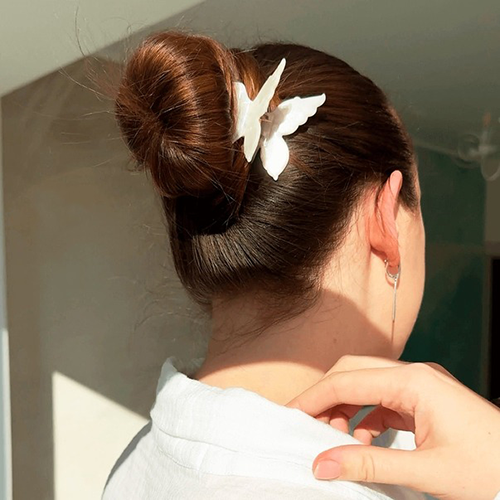
| Hair Type | Recommended Accessories | Why These? (Main Advantages) | What Won't Work | Notes / Tips |
| For Fine Hair | • Soft fabric hair ties (silk, satin, microfiber, scrunchies) • Thin silicone spirals (not thick) • Thin metal bobby pins and hairpins (small, with good springiness) • Small claw clips with soft teeth | • Delicate fixation • No damage to locks • Do not leave creases • Minimal pressure on strands | • Thick hair ties • Large claws with strong compression • Metal automatic clips with a powerful spring • Any rigid models | Ideal for brittle and weakened hair. The priority is comfort and preservation of structure. |
| For Thick and Dense Hair | • Wide reinforced hair ties for thick hair (5–10 mm, with thick rubber inside) • Large claw clips (8–12 cm, with a strong mechanism and deep teeth) • Professional automatic hair clips with a powerful spring • Long durable bobby pins | • Reliable holding of large strands • Do not stretch quickly • Even distribution of pressure • Do not cause headaches | • Thin classic hair ties • Small claws • Lightweight silk scrunchies without reinforcement | Suitable for voluminous, curly, heavy hair. The main thing is the strength of fixation. |
| For Professional Use (Salons, Hairdressers, Stylists) | • Premium quality metal bobby pins and hairpins (high springiness, do not bend) • Professional claw clips (reinforced mechanism, matte finish) • Quality silicone spiral hair ties (do not stretch, withstand disinfection) • Sets of automatic clips and crease-free hair ties from trusted brands | • High wear resistance • Quick use • Durability • Do not damage clients' hairstyles | • Cheap mass-market options • Models with low springiness • Plastic that breaks quickly | Better to buy quality once than to save time and nerves in work. |
Materials and Quality of Manufacture
Before buying hair clips or ties, it is worth looking at what they are made of. The material affects everything: how long the item will last, whether it will be comfortable to wear, and whether it will start breaking/slipping off after just a couple of weeks. Cheap options often cut corners here—resulting in plastic cracking, metal bending, fabric stretching, and the rubber inside becoming like a rope.
Here are the main materials you might encounter and their practical implications.
Plastic and Metal
These are the basis for almost all clips (claws, automatic, bobby pins, hairpins).
-
Plastic (acetate, polycarbonate, ABS) – lightweight, inexpensive, and available in very beautiful colors and shapes. If it is quality plastic (for example, acetate), it can withstand hundreds of openings and closings, does not crack from falls, and does not yellow quickly. However, cheap plastic is brittle, breaks in the cold, yellows in the sun, and the mechanism weakens within a month or two.
-
Metal (stainless steel, aluminum alloys, brass) – much stronger and more durable. Metal hair clips rarely break, the spring does not lose strength over the years, and they hold even thick strands without slipping. Downsides: they are heavier, can feel cold to the touch, and are more expensive. Sometimes (if the finish is poor) there can be sharp edges—then hair strands snag or the skin feels discomfort.
Elastic Textile Materials
These are the basis for hair ties, especially soft and crease-free ones (scrunchies, silk, microfiber).
-
Textile (silk, satin, cotton with elastane, microfiber) – the most gentle on locks. Textile hair ties reduce friction, do not tear strands, do not leave creases, and are ideal for sleeping or fine/brittle types. Silk and satin are leaders in smoothness (locks glide rather than snag). Downsides: over time, the fabric may stretch or wear out faster than silicone if frequently washed or used intensively.
-
Silicone (often in spiral accessories) – flexible, springy, does not slip even on wet strands, and withstands many stretching cycles without losing shape. Downside: it may stick to hair if of low quality.
Remember that the quality of materials is not just marketing; it makes a real difference in comfort, the health of locks, and how many times you will say, "finally, it holds!" Choose wisely—and hair accessories will become true helpers rather than sources of irritation.
Where to Buy Hair Ties
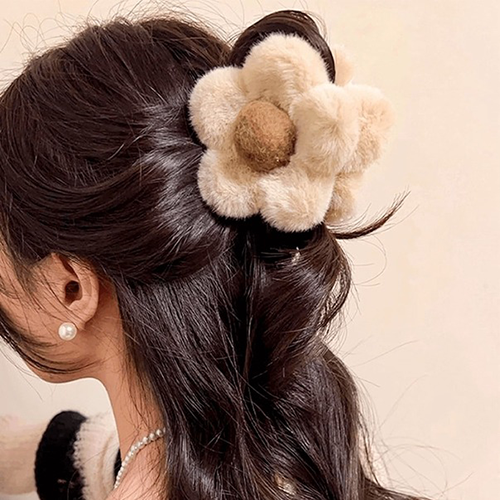
Looking for where to buy hair clips and ties? Then the best place to visit is the online store staleks.ua. Here you will find everything you need: from basic classics to decorative and premium hair accessories. Filters by type, style, shade, size, and shape help you quickly find exactly what you need. And if you have doubts, you can always write to support or check reviews from real customers.
FAQ: Popular Questions About Hair Ties and Clips
-
What hair ties are suitable for thick hair? These are wide fabric or reinforced silicone ones with high density. They provide reliable holding of strands without slipping and distribute pressure evenly. Buying hair ties of this type means avoiding irritation from weak fixation.
-
Do hair ties leave creases in hair? Regular classic ones often leave creases, especially on fine locks. However, crease-free ties (like soft fabric or spiral ones) gently wrap around strands without deformation. They are ideal for comfortable wear all day.
-
Which clips hold locks best? Large claw clips and automatic ones with a strong mechanism hold best. They provide stable fixation even for thick types. Buying metal hair clips is a reliable option.
-
What distinguishes professional clips from regular ones? Professional ones have higher wear resistance, reinforced mechanisms, and better materials. Regular ones break or slip off faster.
-
What accessories are suitable for everyday hairstyles? Soft fabric hair ties and small bobby pins are ideal—they provide comfort and do not leave marks. Hair accessories of this type are easy to use.
-
Can clips be used during blow-drying? Yes, metal or heat-resistant plastic models withstand the heat of the blow dryer. However, it is better to remove textile ones to avoid deformation.
-
How to properly care for hair clips and ties? Wipe accessories with a damp cloth, avoiding aggressive agents. Hand wash textile ties in cool water. Keep them dry to maintain springiness and wear resistance.
Elastic bands, hairpins Cost on staleks.ua
Hair ties, hairpins - customer reviews