Whitening Toothpastes


 In stock
 Buy
 In stock Buy
 In stock Buy
 In stock Buy
 In stock Buy
 In stock Buy
 In stock Buy
 In stock Buy
 In stock Buy
 In stock Buy
 In stock Buy
 Out of stock
when available
 Out of stock
when available
 Out of stock
when available
 Out of stock
when available
 Out of stock
when available
 Out of stock
when available
 Out of stock
when available
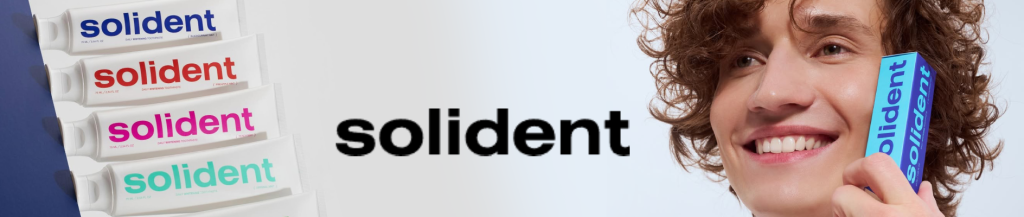
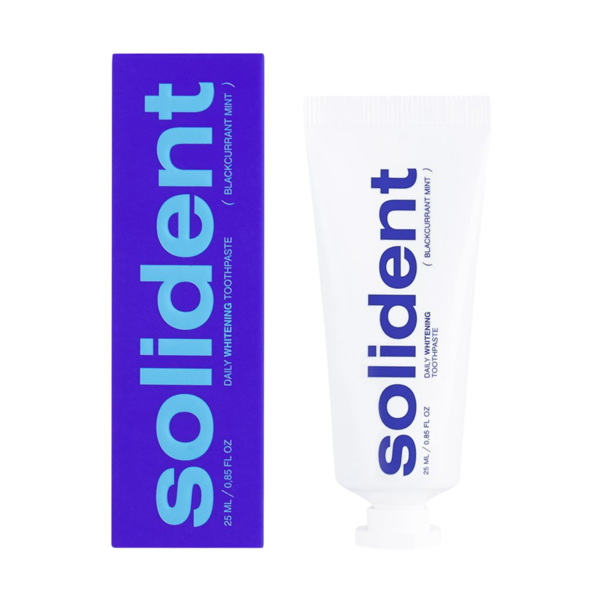
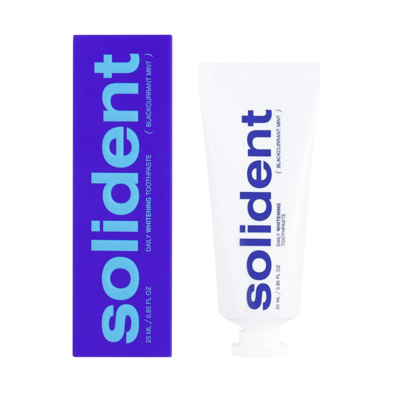
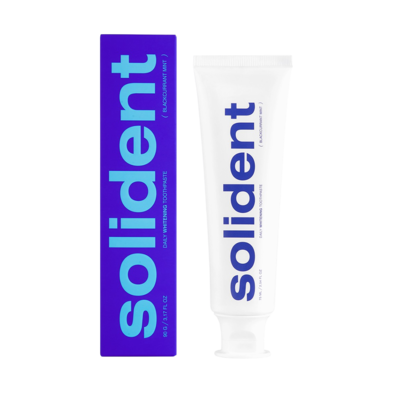
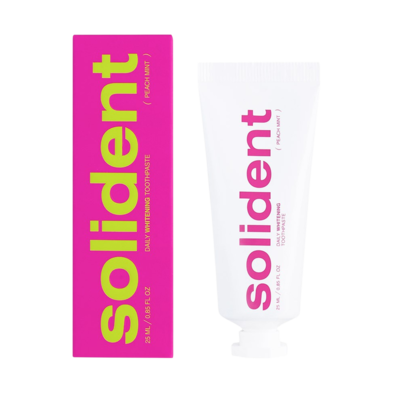
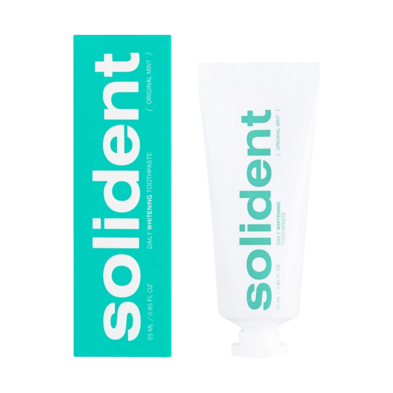
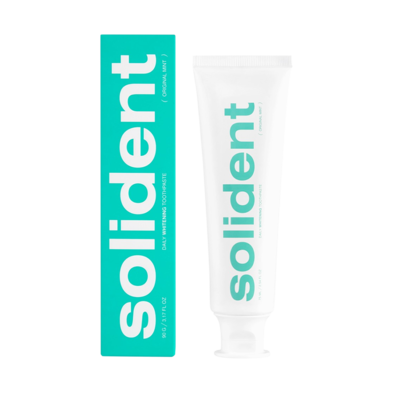
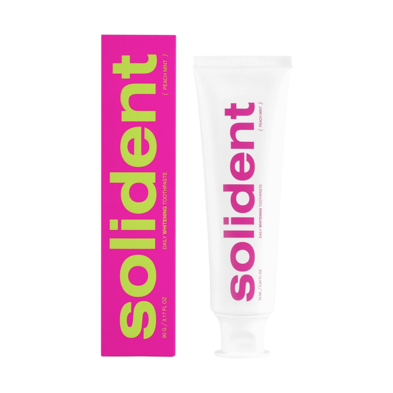
Whitening toothpaste helps reduce the visibility of plaque and visually lighten enamel due to cleansing, polishing, or modern whitening components. Many now choose it as part of their regular care. It helps maintain the feeling of smoothness of teeth for a longer time after brushing. Gentle options are suitable for daily use, while more intensive ones are for heavy plaque from coffee, tea, or smoking. When choosing, it is important to consider not only the promised effect but also comfort for the enamel, taste, and texture. The Staleks catalog features whitening pastes from Solident and other brands, with varying intensities, compositions, and formulas.
What whitening toothpaste does
Whitening toothpaste effectively removes plaque. Additionally, it slows down its reappearance, so the feeling of cleanliness lasts longer. The key indicator here is the RDA value on the packaging. It reflects the degree of abrasive impact on the enamel, meaning how actively the paste polishes the surface. The higher the number, the more intensive the cleaning, but one should be cautious with daily use.
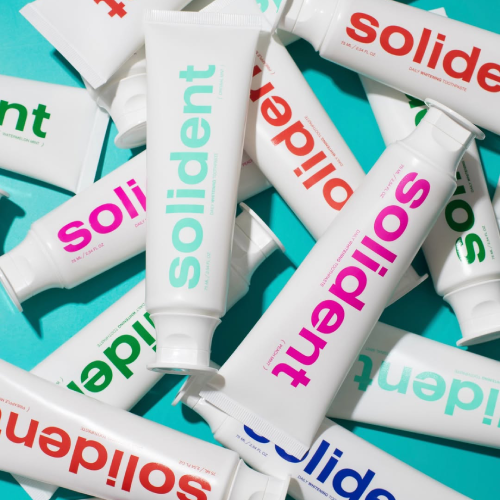
Depending on the formula, the following components may be used:
-
Abrasive and polishing particles;
-
Enzymes;
-
Oxygen technologies;
-
PAP and some peroxide systems;
-
Optical components for a visual whitening effect on enamel.
Whitening toothpaste does not drastically change the natural shade of teeth. It mainly works on external pigmentation and plaque. The result appears gradually and strongly depends on the condition of the enamel, regularity of care, and the specific formula.
Types of whitening toothpaste
Whitening toothpaste differs in intensity, composition, and mechanism of action. Some formulas are designed for gentle daily use, while others actively clean with pronounced plaque. It is also important to consider abrasiveness, sensations during brushing, and additional components.
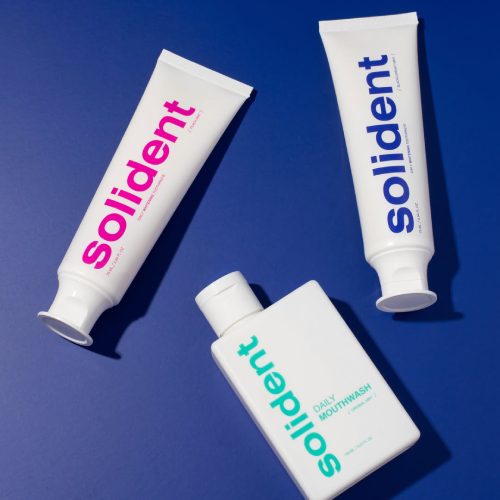
For daily use
These are the most universal products. They are suitable for regular care in the morning and evening. They do not exert aggressive effects on enamel and help gradually maintain a clean and light shade of teeth. Such formulas are often chosen for everyday oral hygiene.
Intensively whitening
Such products are usually chosen when there is noticeable plaque or pigmentation from coffee, tea, and other staining products. They provide a more pronounced visual effect but may be more aggressive on the enamel. Therefore, they are often used in courses rather than on a permanent basis.
For sensitive teeth
This whitening toothpaste is designed for delicate care. It is used if the enamel reacts to cold, hot, or mechanical impact. It helps combine gentle whitening with comfort during brushing. Such products are usually chosen for regular use without the risk of discomfort.
Charcoal pastes
Charcoal pastes have a noticeable texture and often provide a feeling of deep cleaning during brushing. They effectively deal with surface plaque and pigmentation from coffee, tea, and cigarettes, making teeth visually look cleaner – but this is a surface effect, not actual whitening of the enamel. When using such formulas, two points should be considered. First, abrasiveness: some charcoal pastes have increased abrasiveness, and with daily brushing, especially on sensitive or thin enamel, this can lead to wear over time. Second, composition. Charcoal often comes without fluoride, and without it, the paste does not protect against cavities, so it should not be the only product in your care routine. It is also noteworthy how dentists view these pastes: they do not recommend them for regular use – there is too little data on how safe they are and whether they actually work. A reasonable option is to alternate charcoal paste with fluoride-containing ones and choose formulas with moderate abrasiveness.

Enzyme and PAP formulas
These are more modern whitening options – they work through chemistry rather than harsh friction. Enzymes (papain, bromelain) break down the protein base of plaque and surface stains, making them easier to remove without abrasives. PAP (phthalimidoperoxycaproic acid) is a synthetic organic peracid: it oxidizes colored molecules directly on the tooth surface and breaks them down to colorless ones. Unlike hydrogen peroxide, PAP works without generating free radicals and does not penetrate deep into the tooth to the dentin – this is associated with less sensitivity after use. Such formulas are often chosen for their gentle, gradual effect: the result does not come all at once, but the procedure is usually more comfortable with regular use.
Active components of whitening toothpaste
The effect of whitening toothpaste directly depends on its composition. Different components work differently: some help mechanically remove plaque, others affect pigmentation or maintain enamel in a stable condition. Most formulas use a combination of several groups of active substances.
Abrasive components. These substances are responsible for the mechanical removal of surface plaque and polishing of enamel. They most often influence the feeling of “smoothness” of teeth after brushing.
-
Silica – one of the most common and gentle abrasives
-
Calcium carbonate – helps remove plaque and pigmented deposits
-
Polishing particles – improve the visual smoothness and shine of enamel
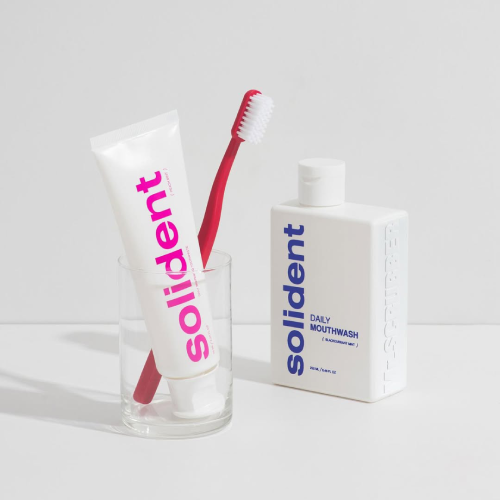
PAP and oxygen systems. This group of active components works not so much mechanically as through chemical action on pigmentation. Such formulas are often chosen for gentle whitening.
-
PAP (phthalimidoperoxycaproic acid) – oxidizes colored molecules to colorless ones without free radicals, therefore causing less sensitivity than peroxide
-
Peroxide-free technologies – alternative systems without hydrogen peroxide
-
Oxygen whitening – the release of active oxygen to work with pigment
Enzymes. Enzymatic components help break down soft plaque and food residues, facilitating subsequent cleaning. They act gently and are often found in more delicate formulas.
-
Papain – an enzyme from papaya, helps break down plaque
-
Bromelain – an enzyme from pineapple with cleansing action
-
Working with plaque – facilitating the removal of soft deposits
-
Fluoride – strengthens enamel and reduces the risk of cavities
-
Hydroxyapatite – helps restore the structure of enamel
-
Calcium – supports mineralization
-
Potassium – reduces tooth sensitivity
Refreshing and antibacterial components. These ingredients are responsible for fresh breath and control of bacteria that influence the appearance of plaque and unpleasant odor.
-
Menthol – provides a feeling of freshness after brushing
-
Zinc – helps reduce bacterial activity
-
Plant components – provide additional gentle antibacterial and soothing effects
Popular brands of whitening toothpaste
| Brand | Segment | Formula Features | What is often chosen |
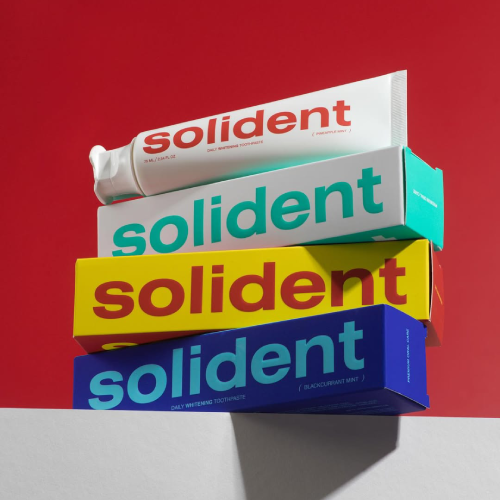
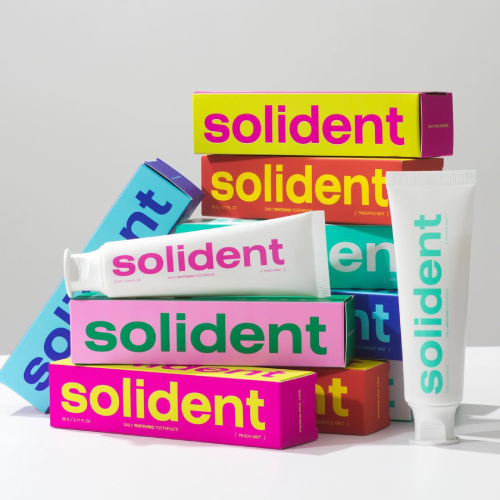
| Solident | Mass market | Whitening pastes with hydroxyapatite, gentle cleansing, and unusual flavors | For daily use and maintaining a lighter shade of teeth |
| Biorepair | Premium daily care | Formulas focused on enamel support and gentle whitening | For sensitive teeth and regular care |
| PRESIDENT | Premium daily care | Balanced whitening pastes for daily use | For gentle cleansing and comfortable use |
| Curaprox | Premium lifestyle | More delicate whitening systems and gentle abrasives | For careful cleansing and premium care |
| Marvis | Premium lifestyle | Premium pastes with a pronounced feeling of freshness and “polished” enamel | For daily care and aesthetic use |
How to use whitening toothpaste
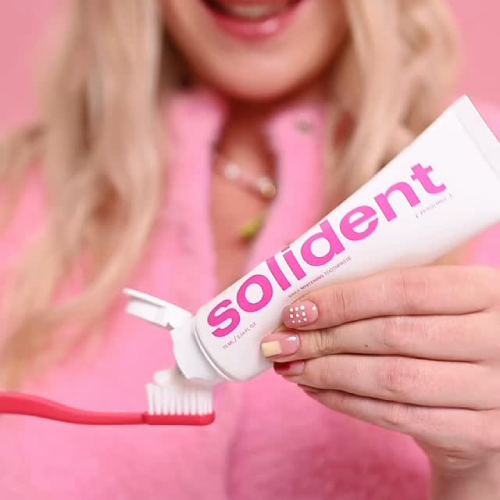
The effectiveness of whitening toothpaste relies not on strength but on technique. A few simple rules will help achieve results without harming the enamel.
Let’s start with the main myth. Many believe that a hard brush is better for teeth whitening. In reality, this is a direct path to tooth sensitivity and enamel damage. Whitening pastes should only be combined with soft (soft) or at most medium (medium) hardness brushes.
An additional note – electric and ultrasonic brushes. They provide a powerful mechanical effect on their own. Therefore, it is advisable to use products with minimal abrasiveness. Otherwise, the load on the enamel doubles, and along with the whiteness, one can easily develop unpleasant sensitivity.
The brushing process also has its nuances:
-
Squeeze out a pea-sized amount of paste. More does not mean more effective.
-
Brush gently, without applying strong pressure, for about two minutes.
-
Do not brush your teeth immediately after coffee, wine, or citrus. Acid temporarily softens enamel – it’s better to wait 20–30 minutes.
-
Rinse your mouth, and use the brush to remove any remaining product from your tongue and gums.
Another point is regularity. Intensive whitening pastes should be used in courses, not every day. In between, return to a gentle daily paste. This way, the enamel has time to rest, and the effect lasts longer. And do not expect instant results. Whitening develops gradually, especially with delicate compositions. Typically, it is advisable to assess the shade after a couple of weeks, not the next morning.
-
Whitening toothpaste helps remove plaque and pigmentation from the surface of enamel.
-
Formulas vary in strength of action. They can be delicate and gentle or, conversely, intensive.
-
Daily pastes provide a gradual and more natural effect.
-
For sensitive enamel, it is important to choose gentle compositions.
-
A stable result appears only with regular use.
-
Too aggressive formulas have a stronger impact on enamel. They are not suitable for sensitive teeth.
-
The optimal effect is achieved when whitening is balanced with enamel care.
Whitening toothpaste helps gradually lighten enamel. Its effect depends on the composition, regularity of use, and condition of the teeth. Softer formulas are suitable for daily care, while intensive ones will be beneficial for pronounced and quick results. Choosing the right product is not difficult. It is important to consider tooth sensitivity. The optimal effect is achieved when whitening is correctly combined with delicate care and enamel protection. In the STALEKS catalog, you can purchase whitening toothpaste for various needs. Payment can be made online or upon receipt. We offer fast delivery across Ukraine and beyond.
FAQ: Frequently asked questions about whitening toothpaste
-
How safe are whitening toothpastes? They are safe with the right approach. Regularly used products should have controlled abrasiveness: look for an RDA mark on the packaging within 70–100. Choose enzyme-based compositions: they dissolve plaque gently, without harsh polishing. Alternate them with strengthening pastes that contain calcium and hydroxyapatite. This way, you restore the mineral balance of the enamel and prevent it from thinning.
-
How long does it take to see the whitening effect? The first changes are usually noticeable after 1–2 weeks of regular use. However, the intensity of the result depends on the composition of the paste and the initial shade of the teeth.
-
Can whitening toothpaste replace professional whitening? No, they only work on surface plaque and do not drastically change the natural color of the enamel.
-
Can such pastes be used every day? It depends on the abrasiveness, indicated by the RDA index. Daily use is comfortable with pastes that have a low RDA (approximately up to 70), as well as enzyme pastes with papain or bromelain – they gently break down plaque without mechanical friction. Pastes with medium abrasiveness (RDA around 70–100) are also acceptable for daily care, but they are often alternated with gentler ones, especially if the enamel is sensitive. High-abrasiveness formulas (RDA significantly higher – from 150 and above) should be used in courses and spot treatments, not every day, especially with thin enamel or exposed tooth necks. For reference: the maximum allowable standard is considered RDA up to 250, but the lower the value, the gentler the paste is for daily brushing.
-
What to do if teeth are sensitive? In this case, it is better to choose gentle pastes with strengthening components. Avoid aggressive whitening systems.
-
Is whitening toothpaste suitable for children? No. Regular whitening products are contraindicated for children. It is advisable to choose children's formulas.
-
Why don't teeth become whiter even when using the paste? Whitening toothpastes only work on surface plaque. If the enamel initially has a darker shade, the effect will be limited.
-
What strengthens enamel better – fluoride or hydroxyapatite? Both work, but differently. Fluoride integrates into the enamel and forms fluorapatite – a more acid-resistant compound, so it protects well against cavities. Hydroxyapatite is the same mineral that makes up the enamel itself, so it directly replenishes its mineral composition and fills micro-damages, which is especially valued in cases of sensitivity. There is no definitive “better” here: the choice depends on the task, and often these components are combined in one paste or alternated. If there is a tendency to cavities or doubts about what suits you, it is advisable to consult a dentist.
-
Can whitening toothpaste be used with braces, veneers, and crowns? There is an important nuance here: whitening toothpaste only whitens natural enamel, while veneers, crowns, and fillings do not change color. With braces, this means that after their removal, the shade may be uneven – the enamel under the brackets was less whitened. And if you have veneers or crowns in the smile zone, natural teeth will gradually become lighter than the restorations, and the difference will be noticeable. Therefore, when restorations are present, it is advisable to select whitening toothpaste together with a dentist – they will advise on how to avoid color discrepancies.
Toothpaste Cost on staleks.ua
Name | Price |
| Medosan Star Smile Toothpaste for Fresh Breath 75 ml | 178.00 UAH |
| Medosan Heart Smile Toothpaste for Fresh Breath 75 ml | 178.00 UAH |
| Medosan Children's Toothpaste Kids Banana Boom 50 ml | 118.00 UAH |
| Hismile Strawberry Toothpaste with Strawberry Flavor 60 g | 485.00 UAH |
| Hismile Ice Pop Toothpaste with Fruit Ice Cream Flavor 60 g | 485.00 UAH |
Whitening Toothpastes - customer reviews