Database
 In stock
 Buy
 Buy
 Buy
 Buy
 Buy
 Buy
 Buy
 Buy
 Buy
 Buy
 Buy
 Buy
 Buy
 Buy
 Buy
 Buy
 Buy
 Buy
 Buy
 Buy
 Buy
 Buy
 Buy
- 1
- 2
- 3
- 4
- 5
- 7
- Next

DNKa Base for Nails
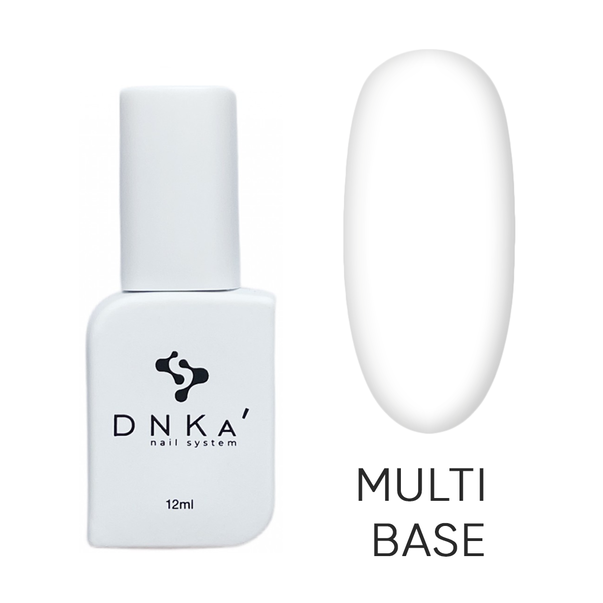
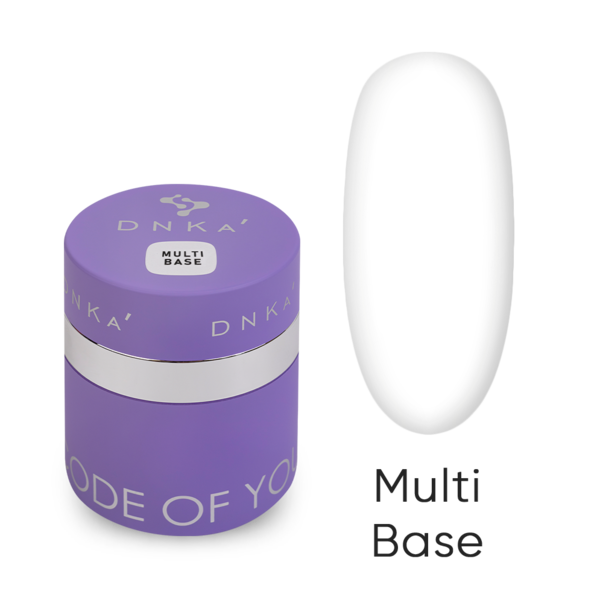
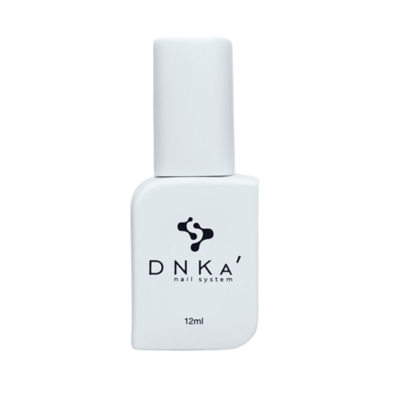
DNKa base is a professional coating from a well-known Ukrainian manufacturer that combines powerful adhesion, leveling functions, and, in the case of camouflage series, self-design capabilities. The product lasts without chipping for up to 4 weeks and is available in 12 ml and 30 ml formats for home and salon use.
Among the vast array of manicure materials, DNKa (ДНКа) products stand out not just for their vibrant marketing but for their real "durability" on nails. It is essential for a technician to know that a client will return after a month with an intact coating, rather than chips appearing on the second day. This confidence is precisely what DNKa base provides.
This is not just another product on a nail technician's shelf. The manufacturer has focused on a variety of formulas. There are solutions for brittle nails, for damp hands, and for those who want trendy designs in 40 minutes. Purchasing such a base is worthwhile for the sake of time-saving—many camouflage shades apply so densely and beautifully that one simply does not want to cover them with color. The volumes of 12 ml (with a brush) and 30 ml (in a jar without a brush) help beginners assemble a starter kit or stock up on essential materials for top masters.
Why are DNKa bases becoming increasingly popular in the nail industry? How do they differ from their counterparts? What range does the manufacturer offer, and how to choose the right option? Let us attempt to answer these questions now.
DNKa Base: Why It’s the Choice of Professionals
The main "pain point" for many technicians is the unpredictability of the material. Ordinary bases often behave capriciously: they may flood under the cuticle or shrink after a week. With DNKa base, the story is different. The brand's technologists have developed formulas that adapt to different types of nail plates.
The secret to successful performance lies in the balance of acidity and plasticity. For instance, the base from the Rubber series possesses "smart" elasticity. It absorbs impacts along with the natural nail, preventing cracks. Meanwhile, the acid-free options protect the dorsal layer of the nail from chemical burns while securely bonding with keratin.
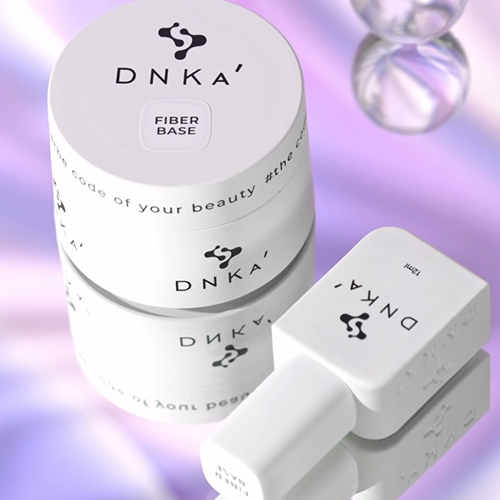
By the way, DNKa base is a Ukrainian product that confidently competes with expensive European counterparts in terms of raw material quality, while remaining in a comfortable mid-price segment.
Comparison: DNKa Base vs. Ordinary Counterparts
To visually demonstrate the difference between DNKa bases and typical budget counterparts that are widely available on the market today, we have compiled a table.
Characteristic | DNKa Base | Typical Budget Counterpart |
Adhesion | High, adapted. There are options for dry and damp nails. | Often "aggressive" acidic adhesion that dries out the nail. |
Consistency | Medium, self-leveling. A drop holds its shape, does not run under the sidewalls or cuticle. | Either too liquid (flooding) or "rubber" and thick (difficult to level). |
Heat Release | Low-temperature formula. Does not burn in the lamp (depends on sensitivity). | Strong burning sensation during polymerization, risk of thermal burns. |
Palette | Very wide: from classic transparent and camouflage bases to neon, with gold leaf, flakes, shimmer, and reflective particles. | Usually only transparent and a couple of "beige/pink" shades. |
Shrinkage | Minimal. Maintains architecture and shine for 3–4 weeks. | Shrinks on the 5–7 day, leading to "dips" and lifting at the edges. |
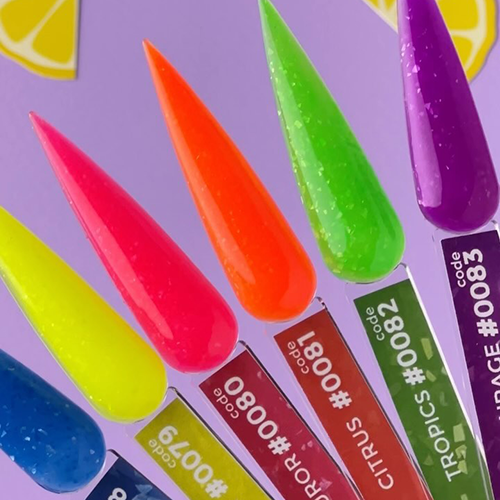
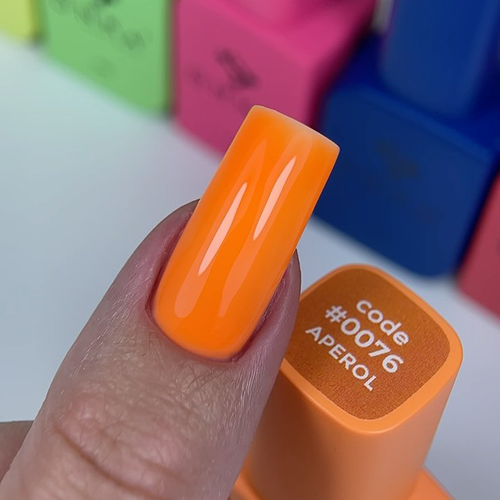
The formula for success is simple: quality raw materials + correct pH + convenient brush = DNKa base, which is pleasant to work with.
According to experts from Staleks Shop & Service, switching to materials of this level reduces the percentage of returns for corrections due to lifting to almost zero.
DNKa Base: Main Range and Capabilities
When we say "base for gel polish," we usually envision a transparent liquid. However, DNKa base breaks this stereotype. The brand offers a whole ecosystem of coatings. To make it easier to navigate the variety of products, let’s break down the main lines.
DNKa Base: Classic and Therapeutic Solutions
The foundation of any manicure is a quality base coating. DNKa bases are categorized by their functions:
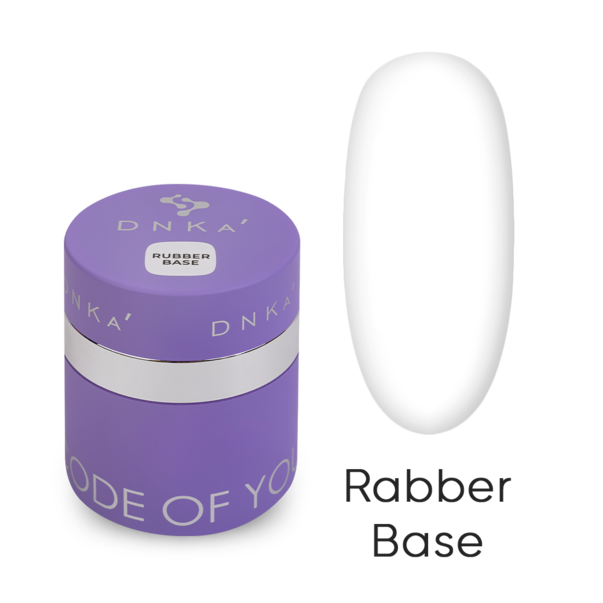
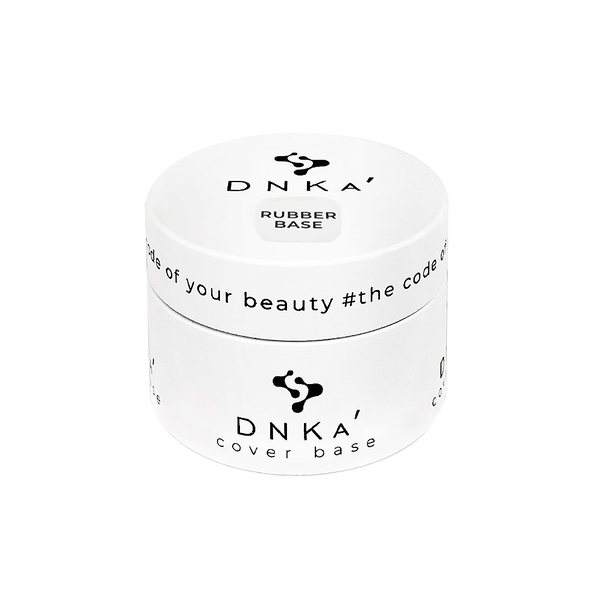
Rubber Base. A universal option. Medium viscosity, optimally suited for leveling the nail plate. It is elastic enough not to chip from flexible nails but firm enough to maintain length. Experienced technicians recommend starting with this for beginners and those doing their own manicures.
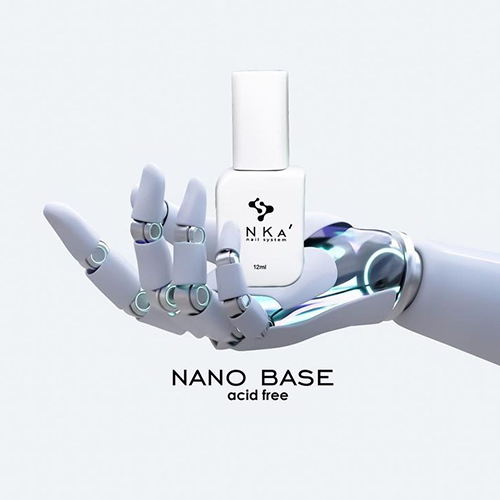
Nano Base. A true savior for clients with thin, weakened nails or those prone to allergies. It has a safe composition, and the coating becomes elastic. Experts recommend using it as a thin underlayer for hard materials like gel, poly gel, or acrylic gel.
Fiber Base. This acts as a sort of "reinforcement" for nails. Tiny nylon fibers float in the transparent base. During polymerization, they create a strong framework. DNKa bases of this type are indispensable if nails frequently break at growth points or if the client often works with their hands.
DNKa Base for Nails with Effects: Design in One Move
Such base coatings already possess additional properties:
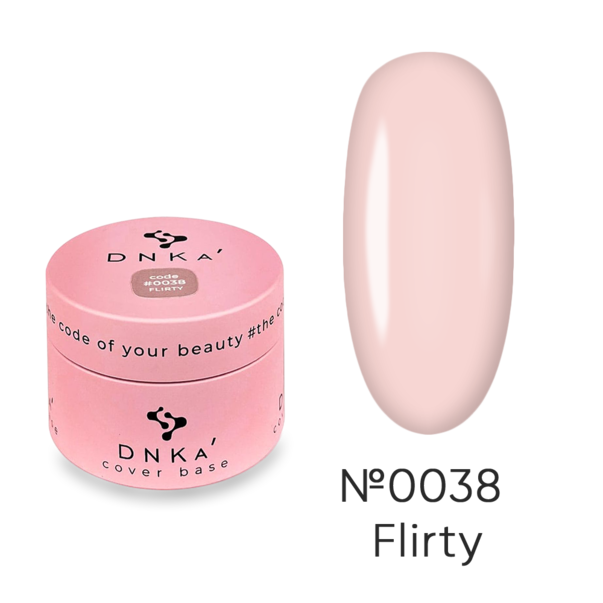
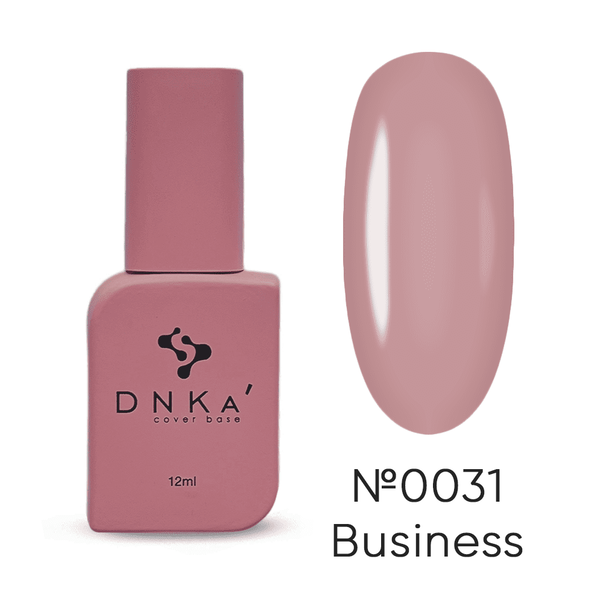
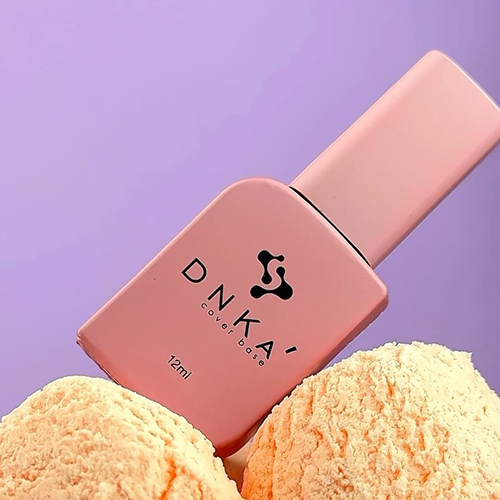
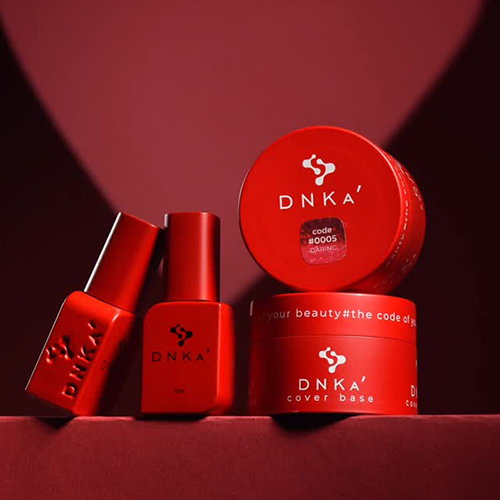
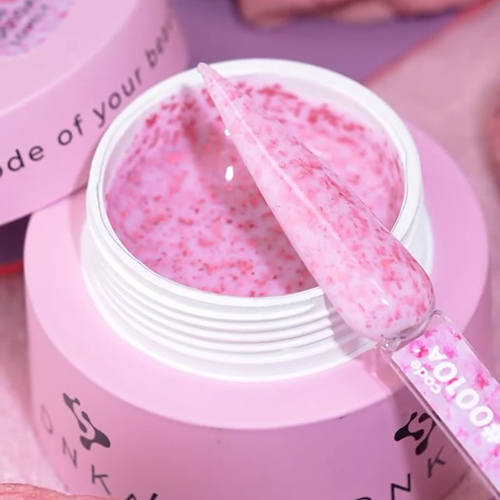
Cover Base. This is the so-called camouflage—dense shades that imitate the natural nail or create a "porcelain" hand effect. Various shades are available, from milky to deep beige. They cover the free edge but lay semi-transparently at the cuticle, making growth almost unnoticeable.
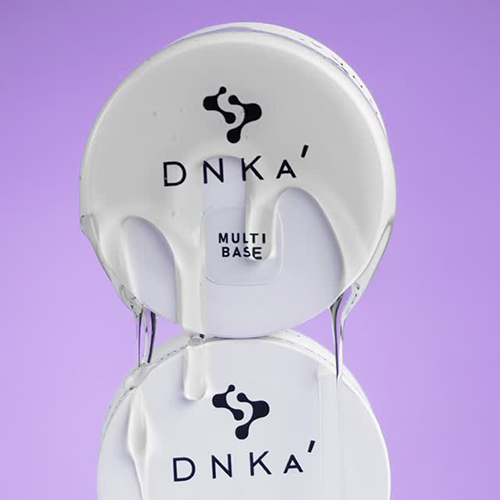
Pro Ge. Hard gel bases, a hybrid option between classic base and gel. Initially, they are liquid like a base, but after polymerization, they become hard as stone. They can not only strengthen the plate but also extend the corner.
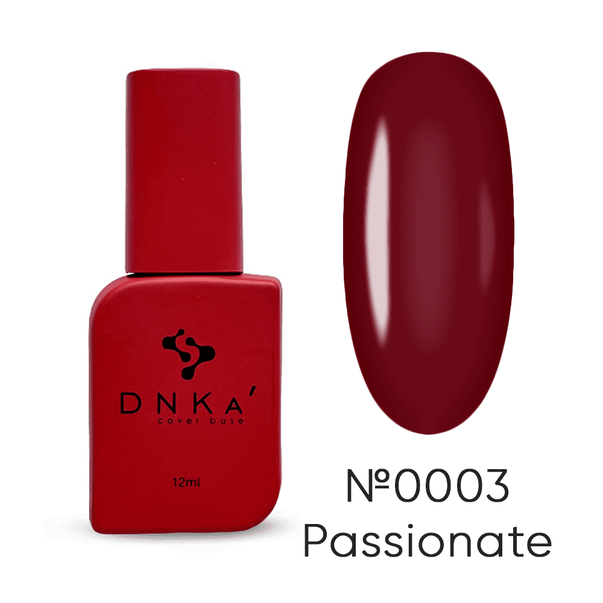
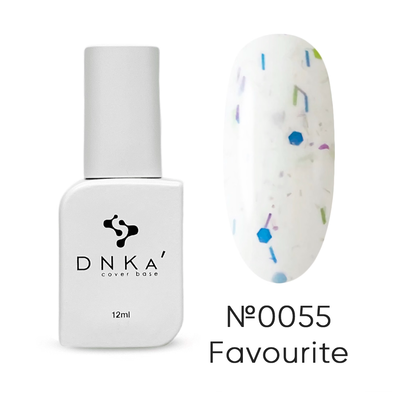
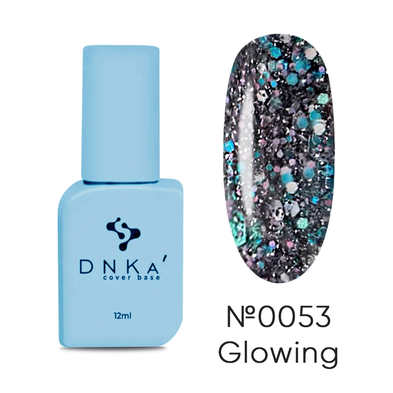
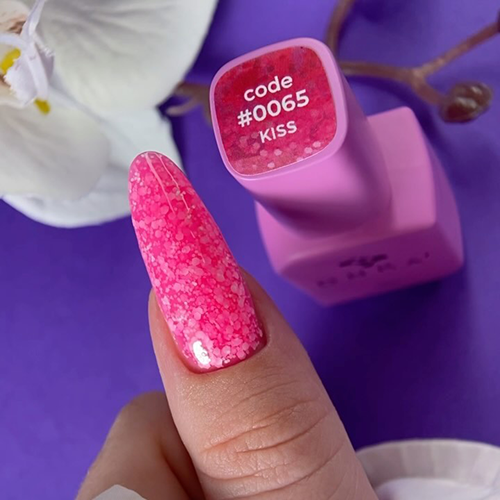
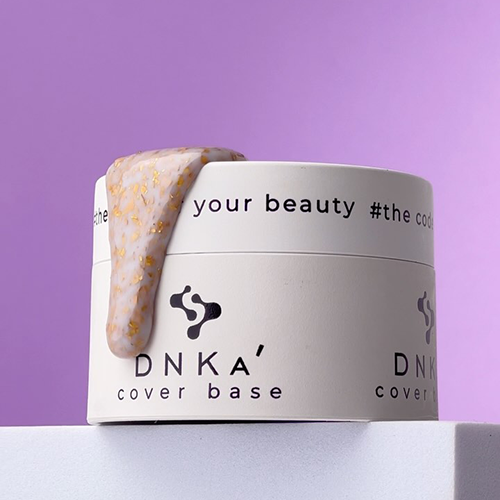
Decorative series. This includes DNKa bases for nails with pigment, gold leaf, shimmer, colored flakes, and even reflective particles.
DNKa Bases for Specific Tasks: Selection Nuances
The vast variety of products in the brand's range can easily confuse not only beginners but also fairly experienced technicians. Therefore, experts from Staleks Shop & Service recommend approaching the selection responsibly. Information presented in the table can help with this.
Type of Nails / Request | Which DNKa Base to Choose | Working Features |
Normal nails, standard manicure needed | Rubber Base | Apply with leveling. Universal for underlayer and standalone layer. |
Thin, damaged, sensitive nails | Nano Base | Apply in a rubbing layer. Does not burn in the lamp. Requires careful preparation. |
Brittle, soft, damaged | Fiber Base | Fibers create a framework. Becomes hard after polymerization. |
Quick nude or French | Cover Base | Choose a shade that matches skin tone. Saves time, no need to apply a colored layer. |
Bright design without extra layers | Cover Base with gold leaf / shimmer / neon | Works as 2-in-1: base + design. Requires top coat overlay. |
Strengthening long nails | Pro Ge / Multi Base | Liquid poly gel/gel. Very hard, maintains angles and length. |
DNKa Base: Tips for Application and Use
Even the best material will not hold well if the technology is violated. Experienced technicians and experts from Staleks Shop & Service share proven life hacks for working with DNKa bases:
The "thin underlayer" rule. No matter which base you choose for leveling, always apply the first layer of transparent Rubber or Nano base thinly, using rubbing motions. This creates ideal adhesion with the natural nail and protects against lifting of colored pigment. This is especially relevant for the colored DNKa Cover Base.
Work with volumes. If you purchase a product in a 30 ml jar (without a brush), get a separate flat brush for gel. This provides more control over the material than the standard brush from the bottle and allows for even application in the cuticle area.
A common problem faced by beginners when working with camouflage bases is insufficient drying of the material. DNKa base with pigment requires complete polymerization. If the transparent base dries in 30 seconds, then a dense milky or beige shade needs to be dried for at least 60 seconds in a UV/LED lamp with a power of 54W or more. Otherwise, the material will remain wet inside, leading to chemical burns or "bubbles."
Here are a few additional tips from experts at Staleks Shop & Service:
Do not use Rubber Base with leveling for pedicures! Use Nano Base and apply it as thinly as possible. On the feet, volume and thickness of the coating are contraindicated.
For a clear square, use Pro Ge or Fiber Base. Regular rubber base on a square will sag over time, and the corners will curl. DNKa's hard bases maintain their shape well.
Combine: Do not hesitate to apply DNKa bases from different series on top of each other. For example, a Rubber underlayer + Cover Base for leveling. This provides both adhesion and beauty.
Key Takeaways
DNKa Base is an ecosystem of products: from elastic rubber bases to hard reinforcing bases for manicures.
Produced in Ukraine from premium raw materials, guarantees wear for 3–4 weeks without chips and cracks.
DNKa base is available in convenient volumes: 12 ml (with a brush) for starting and 30 ml (in a jar) for high-volume salon work.
The Cover Base line (camouflage) allows for a 30% reduction in manicure time by replacing colored coatings with nude shades.
Acid-free Nano Base is ideal for sensitive nails and people prone to allergies, eliminating burning in the lamp.
To strengthen brittle nails, use Fiber Base with nylon fibers—it acts as a reinforcing mesh.
Products with a low-temperature formula make the polymerization process comfortable for the client.
FAQ: Common Questions about DNKa Bases for Nails
How does it differ from gel? Base is a softer and more elastic material designed for bonding and leveling natural nails. Gel is a hard composition for extensions. However, the DNKa line includes Pro Ge products that combine the properties of a liquid base and the hardness of gel.
Is a base layer needed under Cover? Yes, technologists strongly recommend applying a thin rubbing layer of transparent Rubber or Nano base before applying the pigmented base. This protects the nail plate from staining and enhances adhesion.
What option should a beginner choose? Start with the classic Rubber Base. It has medium consistency, does not run, and allows time for leveling the shine. This is the most universal and understandable product to work with.
Can it be used for pedicures? Yes, but choose Nano Base and apply it in a thin layer without leveling. Rubber and hard bases are not recommended for pedicures due to the risk of excessive pressure on the nail.
How to remove the product? The material can be easily removed by either filing (with a drill) or soaking in a special liquid if it is Rubber Base. Hard bases are still better filed carefully with a drill.
DNKa Base at Staleks Shop & Service: Original Products at a Good Price
Purchasing professional materials requires trust in the supplier. In the Staleks Shop & Service online store, you will find the full range of DNKa products: from bestsellers like Rubber Base to the latest innovations with gold leaf and reflective particles. This is an original product that has been stored under the conditions recommended by the manufacturer. It has not lost its properties and will indeed work on nails.
Qualified consultants will help you navigate the palette and variety of DNKa bases and select the exact product that meets specific needs. Place an order on the website with fast delivery throughout Ukraine or abroad. Choosing products from Staleks Shop & Service is a bet on quality, speed, and safety in manicure.
Bases for gel polish Cost on staleks.ua
Database - customer reviews