Coral nail bases: a trendy shade and a time-saver for nail technicians






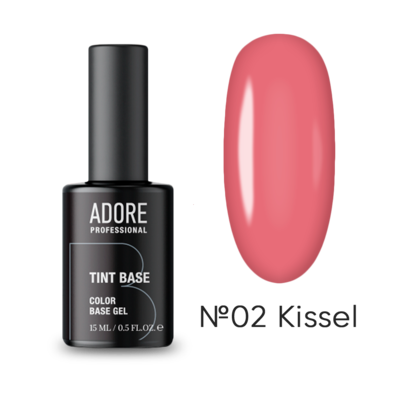

 Buy
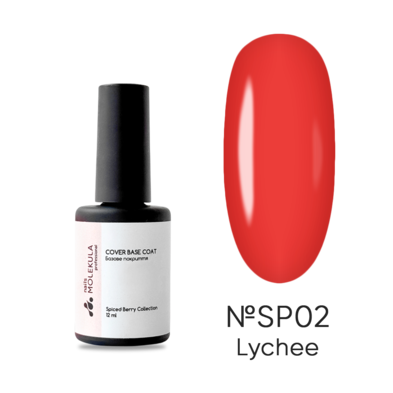 Buy
 Buy
 Buy
 Buy
 Buy
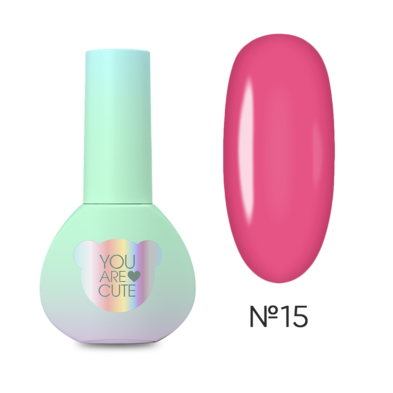 Buy
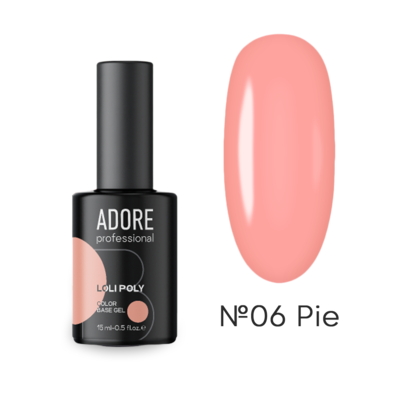 Buy
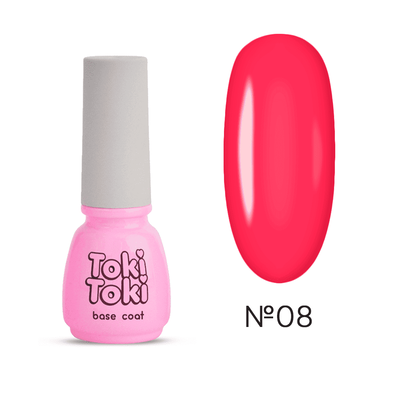 Buy
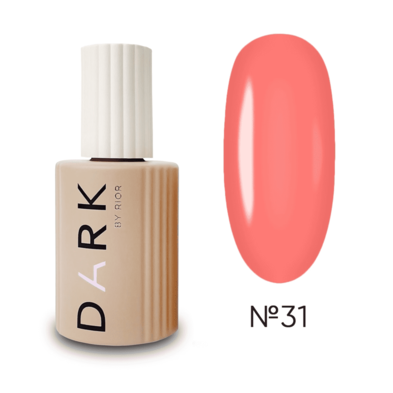 Buy
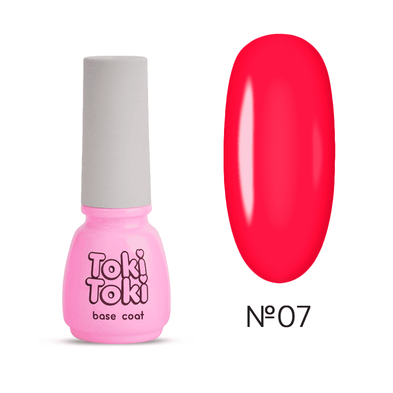
 Out of stock
when available
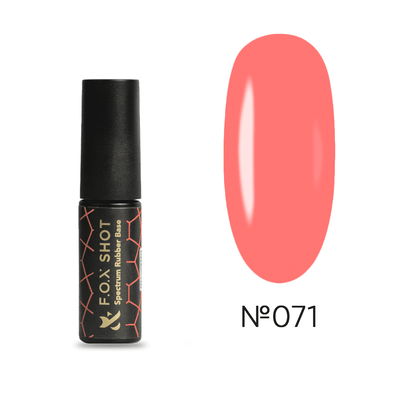 Out of stock
when available
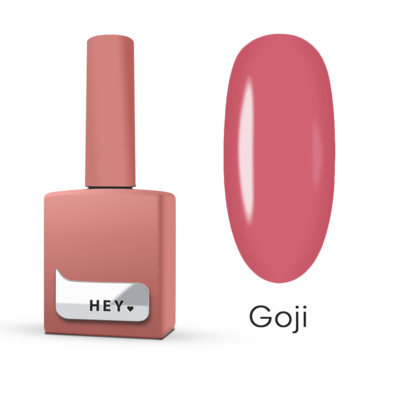 Out of stock
when available
Coral nail bases are colored 2-in-1 base coats that smooth the nail plate, cover it with a shade, and reduce manicure time by 20–30 minutes.
The coral nail base belongs to colored base coats. It smooths the nail plate, masks slight visual imperfections, and creates an already finished shading layer. The range consistently holds trendy shades, as it does not appear dull but also does not veer into overly aggressive brightness.
Nail technicians choose coral bases not only for their color. They speed up the work, reduce the consumption of additional materials, and simplify the architecture of the coating when a neat leveling and an immediate clean shade are required.
Characteristics of Coral Nail Bases
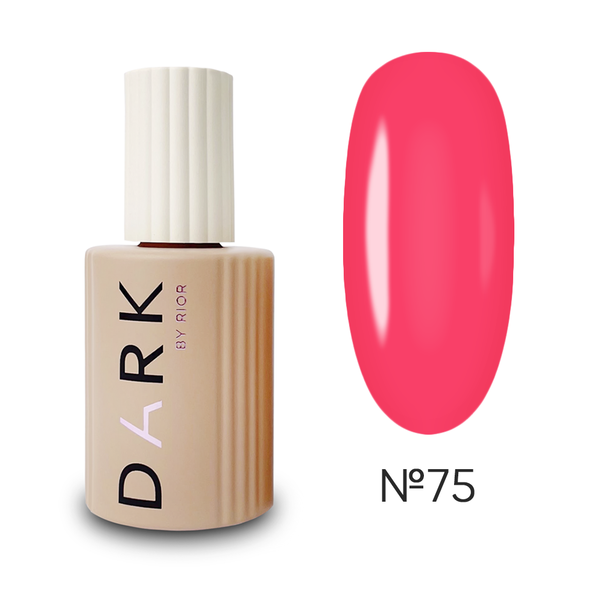
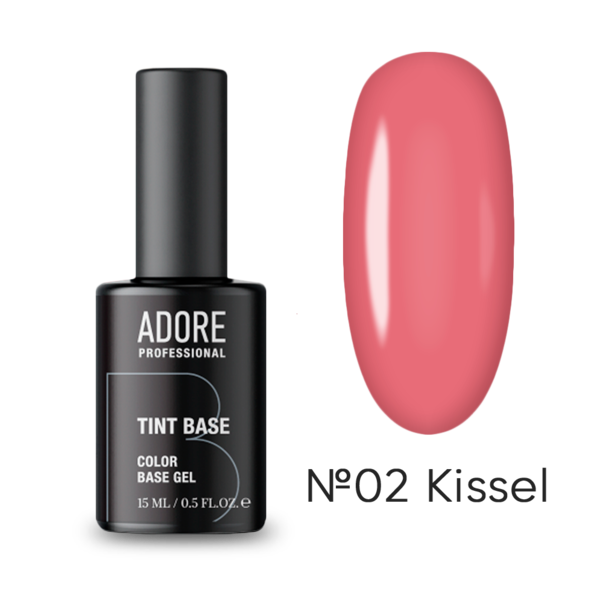
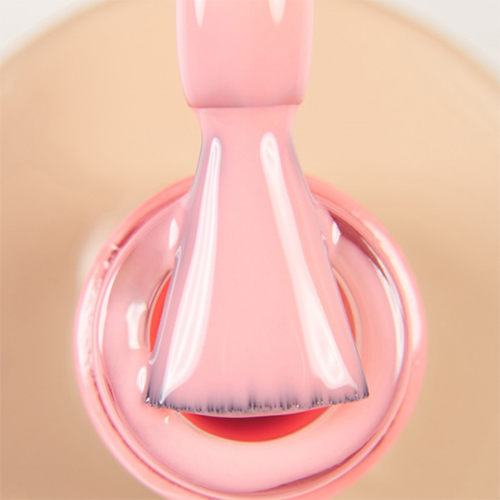
The warm coral pigment can lean towards peach, salmon, neon coral, or soft pastel undertones. The higher the density, the faster the technician achieves an even color, and the less likely it is that an additional decorative layer will be needed.
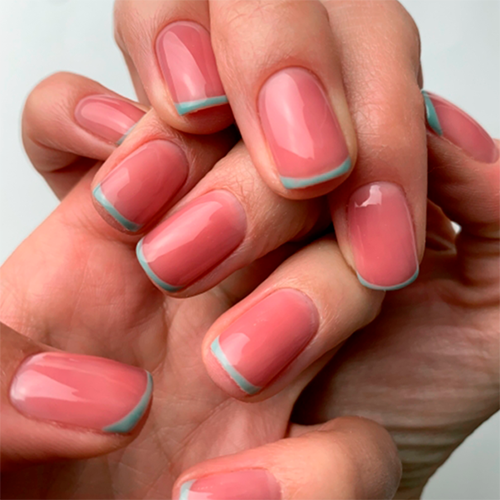
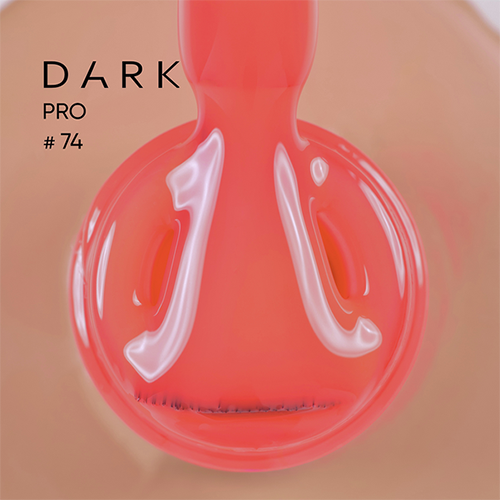
A coral-colored base should have stable adhesion and consistency, adequate self-leveling, and elasticity after polymerization. If the balance of these parameters is correctly assembled, the material applies beautifully and helps achieve a thin or medium leveling.
Key Characteristics
Parameter | Characteristic |
Type of base | Colored 2-in-1 base |
Volume | 10 ml, 15 ml, and others |
Viscosity level | Usually medium or medium-thick for leveling |
Polymerization time | Depends on the formula and lamp power |
Compatibility with lamp | LED/UV |
Packaging form | Bottle with brush |
Manufacturer | Dark, Do it, and others |
Shelf life | Indicated on the packaging and in the product card, usually 12-24 months |
Coating durability | Up to 3-4 weeks with proper application |
Storage conditions | Away from direct light and overheating, according to the brand's instructions |
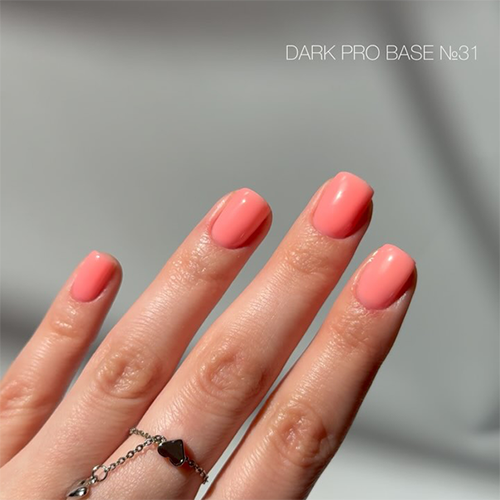
The strengthening coral base provides the technician with a clear working scenario: fewer layers, fewer unnecessary movements, and faster delivery of the finished coating. The client receives a color that refreshes the hands, highlights the warm undertone of the skin, and looks complete even without design.
Main Advantages:
Visually refresh the manicure and the skin of the hands. The shade creates a more vibrant color accent than standard beige or milky nude.
Allow for faster work. The color and base coat are combined in one product, so the technician often eliminates a separate gel polish application step.
Suitable for seasonal designs. Spring or summer manicures with coral bases, marine themes, and juicy monochromes pair well with the palette.
Hide slight defects of the plate. The pigmented material gently covers tone nuances and makes the visual balance of the coating cleaner.
Save material consumption. When the leveling base is coral and already provides color, the consumption of gel polish decreases, and the time for the entire procedure is shortened.
For this reason, the coral base remains popular among clients: the shade looks non-banal but is also easy to wear every day. It does not clash with the wardrobe and does not overload the look.
Assortment of Coral Bases at Staleks
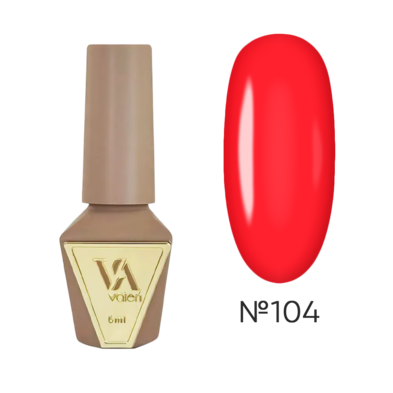
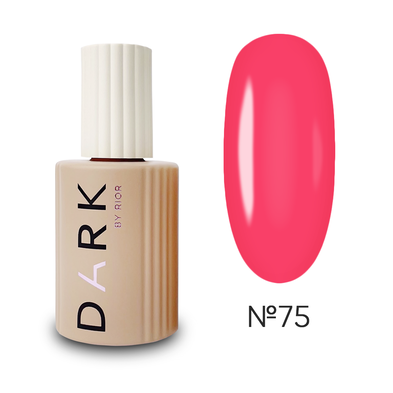
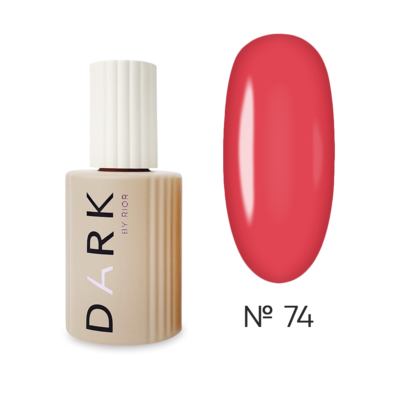
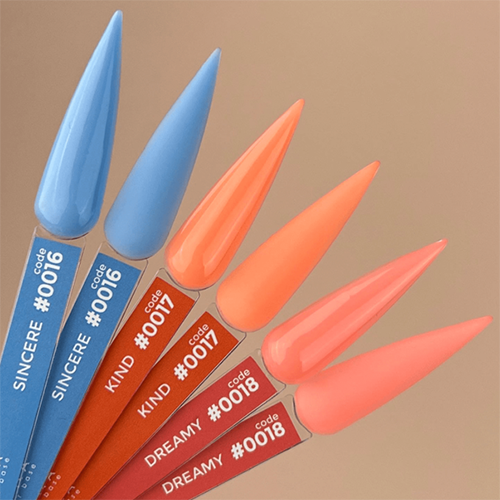
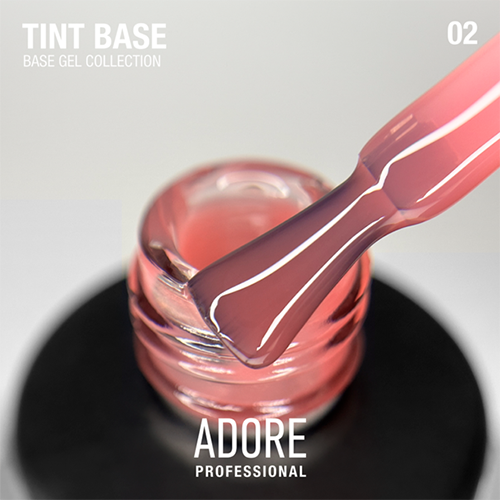
The camouflaging coral base is not limited to one tone. It includes coral-peach shades, soft pastel coral, salmon options, brighter mandarin-coral tones, and even cat eye. Each works differently on the hand: pastels provide a calm salon result, while saturated ones create an accent.
In terms of density, they can be semi-transparent or opaque. Semi-transparent formulas create a lighter, more natural effect and are well-suited for those who prefer color without oversaturation. Opaque ones speed up work in monochrome, as they cover the nail plate faster and allow for the omission of a separate color layer.
A separate group consists of coral bases with shimmer, reflective particles, or decorative inclusions. Such materials already serve as a finished design on their own.
Who Should Use Coral Bases for Manicures
The coral gel polish base covers several user scenarios. It is suitable not only for fans of bright coverage but also for those who want to rationally assemble a service without unnecessary steps.
For technicians with a busy schedule, who value speed without losing visual quality;
For clients who love warm shades but do not want to go into red or acidic orange;
For those with warm or neutral skin undertones;
For spring, summer, and vacation manicures;
For monochrome coatings where the color should look complete on its own.
A good coral-colored base is especially appropriate where a clean color is needed without complex design layering. It is suitable for both minimalist salon manicures and quick coatings for vacations.
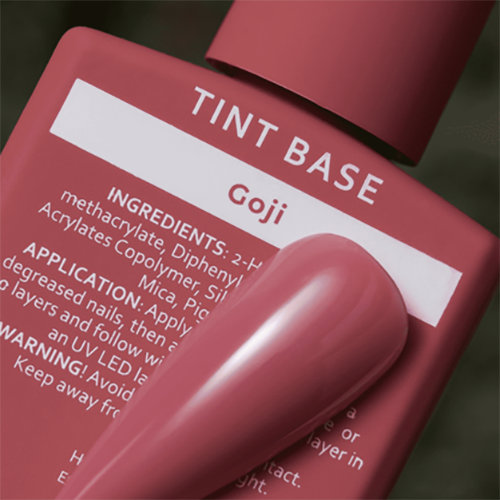
How to Apply Coral Nail Base
Proper application is based on the same logic as working with any pigmented material. The denser the pigment, the more important it is to control the thickness and distribution at the cuticle and side parallels.
Prepare the nail plate: file the shape to set the correct proportions of the free edge and symmetry of the side parallels. Then carefully treat the cuticle and pterygium. After that, the surface of the nail is cleaned of dust and degreased.
Apply a thin adhesion layer of the base coat: the first layer is spread as thinly as possible, almost with rubbing motions. This layer acts as a bonding substrate.
Build a leveling layer considering the architecture: after the base, the technician applies the main amount of material and forms the correct architecture of the coating.
Polymerize in an LED/UV lamp according to the brand's regulations: the polymerization time depends on the material's formula and lamp power, so the technician refers to the manufacturer's recommendations.
Top with a top coat for a finished finish: the final step is applying the top coat. The top protects the color, enhances the gloss or matte effect, and completes the structure of the coating.
To avoid flooding, it is better not to overload the coral base at the cuticle and not to attempt to lay down excessive volume at once. A clean color is achieved where the technician controls the thickness, finger rotation, and pigment distribution before polymerization.
Ready Design Formulas from Staleks Masters:
Coral base + milky top – soft, muted, salon result.
Pink-coral base + glossy top – clean monochrome for clients who love color without decor.
Orange-coral base + delicate shimmer on 1–2 nails – vacation manicure without overload.
Pastel coral base + white thin geometry – contrasting but neat design.
Coral base + small decorative inclusions – quick design with effect.
Such formulas are good because the technician does not assemble the coating from scratch using a large number of jars. The base already sets the color accent, and the rest of the design only enhances it.
How to Choose a Coral Nail Base: Table
Parameter | Recommendation | Why |
Acidity | Choose according to the working system and nail condition | Too aggressive or unsuitable can lead to unstable wear |
Coating density | For quick monochromes, choose a denser one | A dense degree of pigmentation covers the plate faster and reduces the number of layers |
Viscosity | For leveling, a medium or medium-thick one is convenient | The material should not run away, but it should not be too heavy to stretch |
Self-leveling | Choose a material with clear flowability | This speeds up application and helps achieve an even shine |
Hardness after polymerization | Evaluate in conjunction with the length and habits of the client | Too soft or too hard material does not always provide stable wear |
Compatibility with the coating system | Check coral base, top, lamp, and application technique | A stable result depends not on one jar but on the entire system |
Errors in Selection and Use
Even a beautiful shade does not save the coating if the technician chooses the material incorrectly for the task. Errors are most often related not to the color itself but to the incorrect combination of pigment, viscosity, and technique.
Choosing only by shade – the color is liked, but the material is inconvenient to work with.
Using too liquid material for quick leveling – risk of flooding and slowing down the procedure.
Ignoring compatibility with the lamp and top – deterioration of performance in an unsuitable system.
Using dense coral base too thickly – spoils the architecture and weighs down the coating.
Expecting a semi-transparent shade to provide the effect of a dense monochrome – the technician is dissatisfied with the coverage and loses time on adjustments.
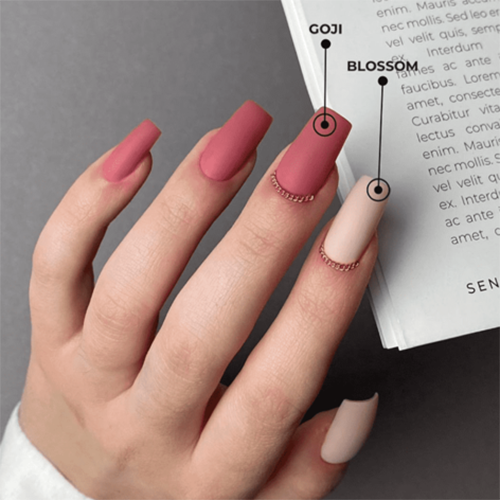
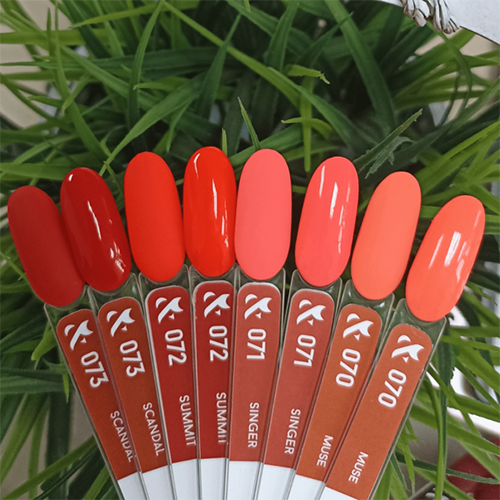
To avoid mistakes, Staleks experts recommend choosing the coral base for a specific scenario: speed, density, length, desired color, and the technician's usual technique. Then the coating looks clean and wears predictably.
Q&A on Coral Nail Bases: Asking the Expert
How does a bright coral base differ from red? It looks softer, warmer, and easier to wear daily. Red often provides a more contrasting and dramatic accent.
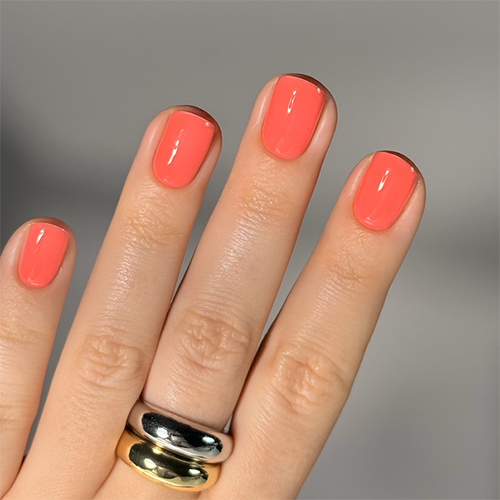
Is a manicure with a coral base suitable for short nails? Yes. On short lengths, it works well as a clean color accent and does not visually overload the shape.
Can a coral base be worn without design? Yes. It is one of the most convenient monochrome options, as the shade already looks complete on its own.
Which coral nail base is best for salon speed? The one that combines dense pigment, clear self-leveling, and convenient viscosity specifically for your technique.
Is the coral shade suitable for seasonal designs? Yes. It works especially well in spring and summer, as well as in vacation coatings and light bright looks.
Where to Buy Coral Nail Bases in Ukraine and Worldwide
The Staleks online store features a separate filter for the trendy coral shade. Here you can find original coatings from verified brands, including Dark, Do it, and others. The catalog is constantly updated and replenished, with customer reviews and product certificates available on the site. Price and availability information is provided in each product card.
Coral bases can be purchased with delivery across Ukraine and internationally, and there is also a pickup option from the Staleks Shop&Service network, including locations in Kyiv, Dnipro, Vinnytsia, and Kharkiv. If you have questions or need assistance with selection, please contact the knowledgeable store managers.
Key Takeaways
Coral nail bases combine base coat and color in one product.
They smooth the plate and reduce the number of working layers.
Pigment density directly affects the technician's speed.
Pastel coral provides a soft result, while bright coral is more accentuated.
For clean application, viscosity, self-leveling, and thickness control are important.
The trendy shade works well in monochromes, seasonal, and vacation designs.
Selection should be based not only on color but also on working properties.
Conclusion
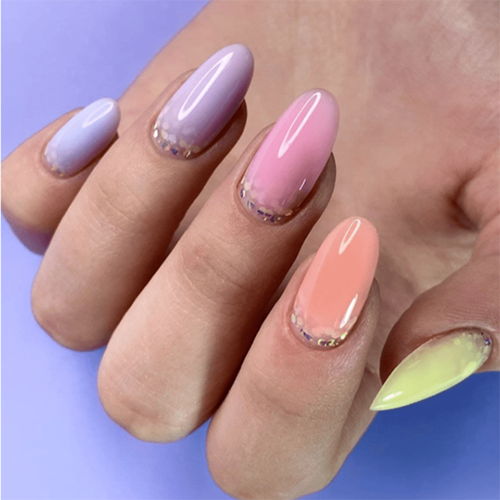
Coral nail bases are not just a trendy shade but a working tool that helps the technician speed up the service while providing the client with a fresh and finished manicure without unnecessary layers.
If you need a warm color, a clear logic for selection, and convenient purchasing with delivery, check out the current collection of coral coatings in the Staleks catalog.
Bases for gel polish Cost on staleks.ua
Coral nail bases: a trendy shade and a time-saver for nail technicians - customer reviews