Lavender nail bases















 Buy
 Buy
 Buy
 Buy
 Buy
 Buy
 Buy
 Buy
 Buy
 Buy
 Buy
 Buy
 Buy
 Buy
 Buy
 Buy
 Buy
 Buy
 Buy
 Buy
 Buy
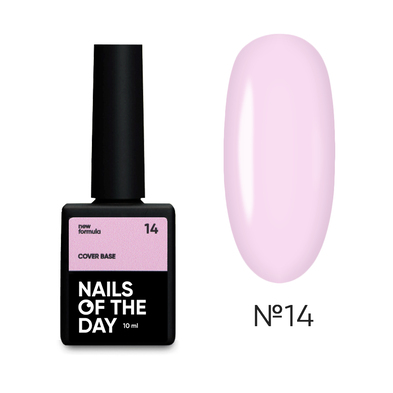 Buy
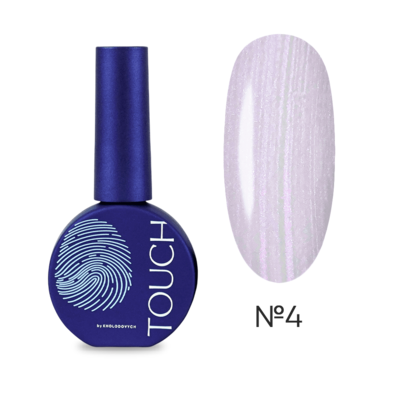 Buy
- 1
- 2
- 3
- 4
- Next
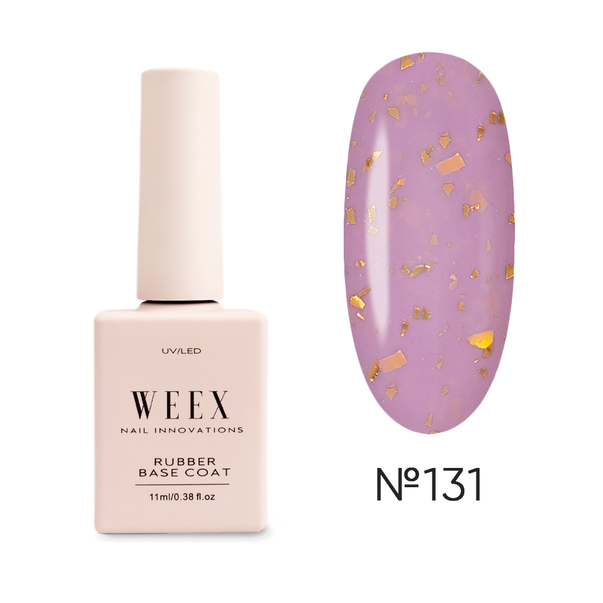
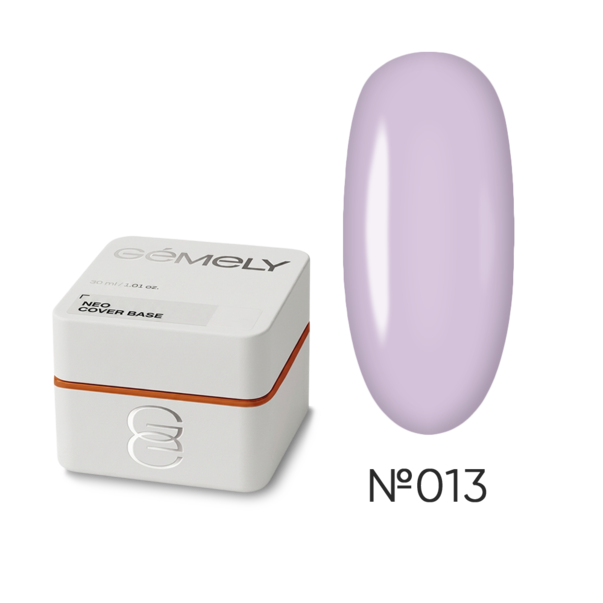
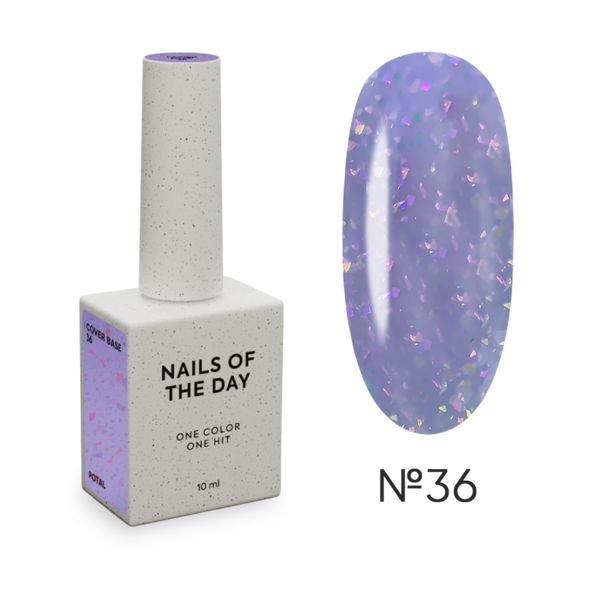
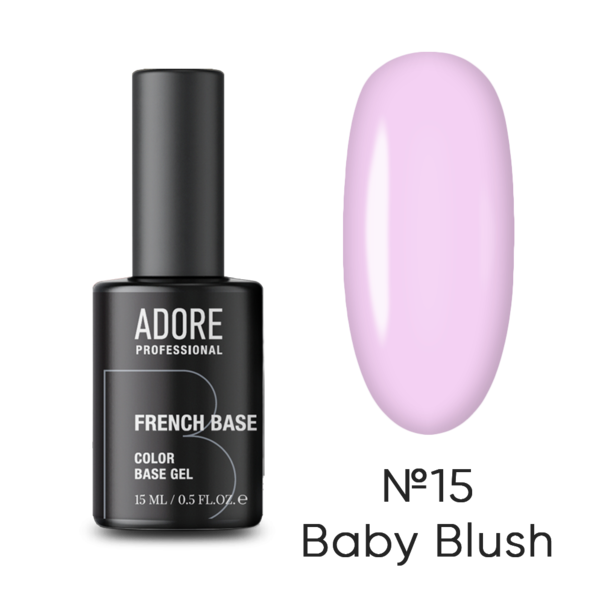
Lavender nail base is a colored rubber or camouflage material in a pastel purple spectrum that simultaneously serves as a substrate and a ready-to-use solid color coating. It is suitable for professionals working in the techniques of strengthening natural nails, thin extensions, and combined manicures. The Staleks Shop & Service offers lavender bases from leading European and Asian brands, ranging from delicate milky-lavender to rich lilac shades. You can purchase the desired item online with delivery across Ukraine and to other countries worldwide.
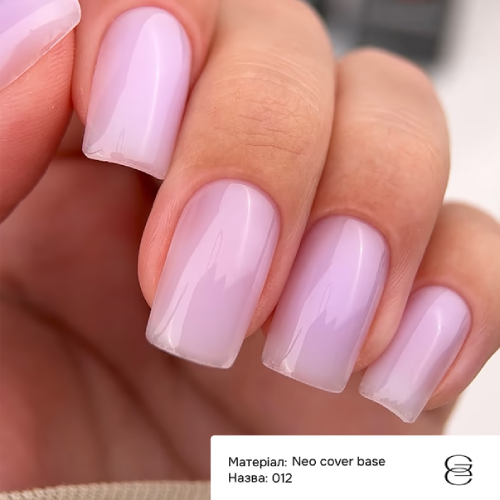
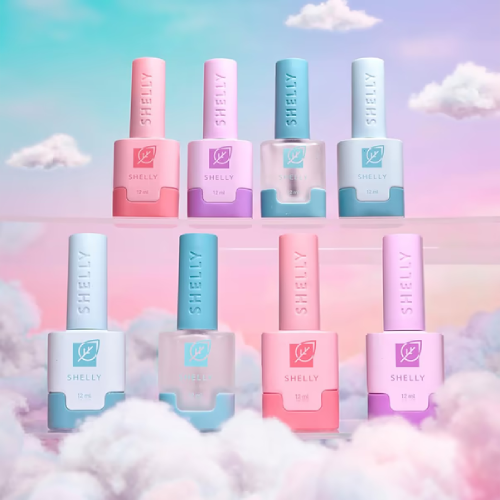
Why Lavender Nail Bases Are Not Just a Trend
Pastel coatings in the purple-lavender range have not emerged in the nail industry recently, but it is only in the last few seasons that lavender nail bases have transformed from a niche product into a must-have item for professional purchases. There are several reasons, each of which is pragmatic.
-
Firstly, lavender as a color works exceptionally well on hands. The cool lilac-purple color optically neutralizes redness in the skin around the nail, evens out the tone, and makes hands visually well-groomed—even without additional design. Clients with sensitive skin prone to irritation after treatment especially appreciate this effect.
-
Secondly, the pastel lavender nail base is a universal background. It looks equally organic under a thin French manicure, watercolor nail art, minimalist geometry, and voluminous 3D elements. The dense pigment saves the technician time: there is no need to apply multiple layers of gel polish over a transparent base.
-
Thirdly, this shade consistently holds its place in trends. From the collections of leading fashion houses to WGSN forecasts, lilac and lavender are consistently present in palettes. This means that investing in a quality base will not become outdated in a month or two.
What is Lavender Nail Base: Analyzing Composition and Functions
Before choosing a specific item from the catalog, it is worth understanding what exactly is hidden behind this name. On the market, several fundamentally different products are sold under the definition of "colored or camouflage base."
Rubber-base in Lavender Shade
Rubber base is the most popular format. The base consists of an elastic polymer with a high content of rubber components. After polymerization, the material retains flexibility and "breathes" with the natural nail, which is critical when strengthening thin or brittle plates.
The lavender gel base of rubber type is applied in 1-2 layers and performs three tasks at once: it creates an adhesion layer between the natural nail and the gel polish, smooths the surface of the plate, masking small irregularities, and sets the color. The result is a smooth coating without yellowness and visible defects.
Constructing Lavender Base
More dense in consistency, with a pronounced self-leveling or viscous texture. It is used to correct the shape of the nail: the technician can slightly raise the apex area or level the sidewalls without extension. The lavender constructing base for nails is an optimal choice when working with short nails of clients who want visual elongation without acrylic.
Camouflage Base with High Coverage
A densely pigmented material that conceals dystrophic changes in the plate: yellowness, spots, Beau's lines. It also emphasizes the natural beauty of the nail and is used in designs such as French and nude minimalist manicures. The lavender base for manicures with high coverage is a separate category; it should not be confused with transparent bases with a light color tint.
Staleks experts recommend focusing on the condition of the client's natural plate when choosing between formats: thin and peeling nails require a rubber elastic base, while dense camouflage is needed to mask pronounced defects.
Main Characteristics of Lavender Nail Base
Understanding the technical parameters of the product prevents disappointments after the first use. Below is a complete table of characteristics to pay attention to when choosing.
| Characteristic | Description and Its Impact |
| Color | From milky-lavender (almost nude with a purple undertone) to rich lilac-purple. Light shades are more versatile, while dark ones are more expressive but require more careful application at the cuticle. |
| Type of Finish | Glossy (most), matte (rare but in demand format), with shimmer or micro-particles. |
| Type of Base | Rubber (elastic), Hard (rigid, constructing), Soft (soft, self-leveling), Camouflage (with high coverage). |
| Volume | 10-15 ml is standard for retail items; 30-50 ml are professional formats for frequent use. |
| Degree of Pigmentation | From sheer (20-40% coverage) to full-coverage (80-100%). Sheer bases provide a "jelly" effect, while dense ones offer a uniform matte or glossy background. |
| Viscosity Level | Liquid (bottle-format, self-distributing), medium (standard), high (constructing, requires distribution with a brush). This affects the working technique and application time. |
| Polymerization Time | 30-60 seconds in a 48W LED lamp; 120 seconds in a UV lamp. Densely pigmented bases are better polymerized in two thin layers. |
| Compatibility with Lamps | UV/LED is a universal option. Most modern bases are compatible with combined lamps with a power of 36W or more. |
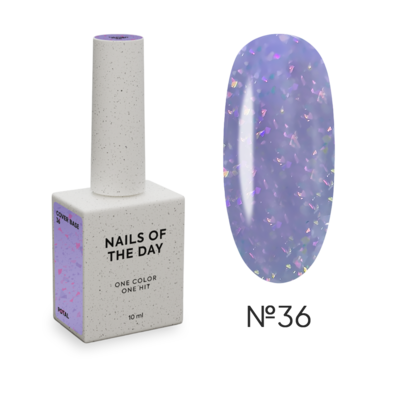
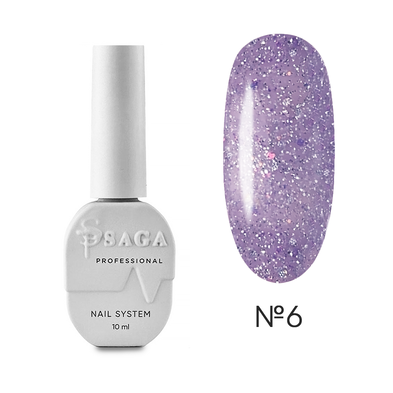
| Manufacturer | F.O.X, LUNA, Komilfo, DNKa, SAGA Professional, Valeri, NAILSOFTHEDAY, Grattol, EzFlow are the main brands in the Staleks catalog. |
| Collection | Rubber Base, Cover Base, Camouflage Base, Peel-Off Base (for temporary coatings), Builder Base (constructing). |
| Country of Manufacture | Ukraine, Poland, Korea, China. European and Ukrainian manufacturers usually undergo stricter certification of their composition. |
| Expiration Date | 24-36 months from the date of manufacture when storage conditions are met (away from direct sunlight, temperature +5…+25°C). |
| Price | From 80 UAH for a small volume item to 400+ UAH for a professional 30 ml bottle. The price directly depends on the brand, volume, and complexity of the formula. |
Staleks experts recommend starting with small volumes (10-15 ml) of several shades of lavender spectrum—from light to rich—to understand which one is most in demand among a specific client base before transitioning to professional formats.
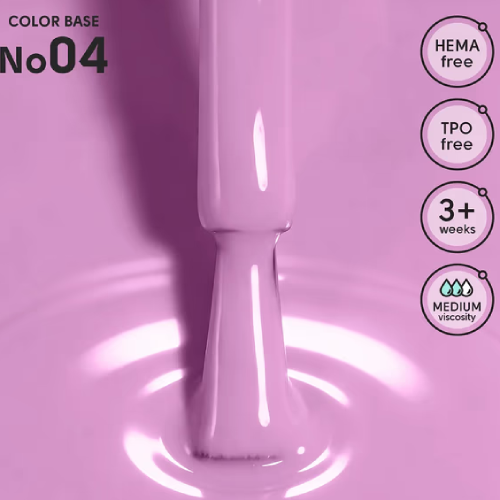
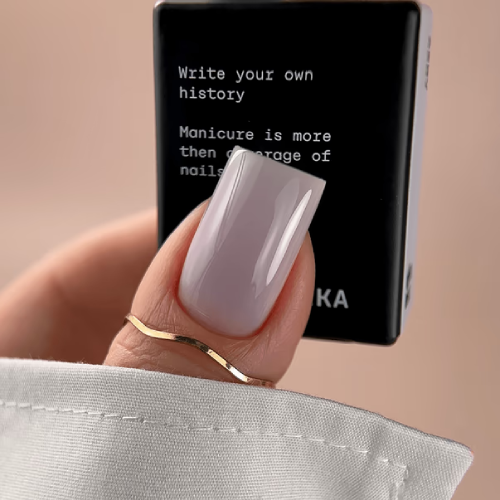
Lavender Nail Bases: Color Palette
Lavender is not just one color but a whole family. Depending on the ratio of blue, red, and white in the pigment, the final result on the nail can look fundamentally different.
Milky Lavender (Light Purple Shade)
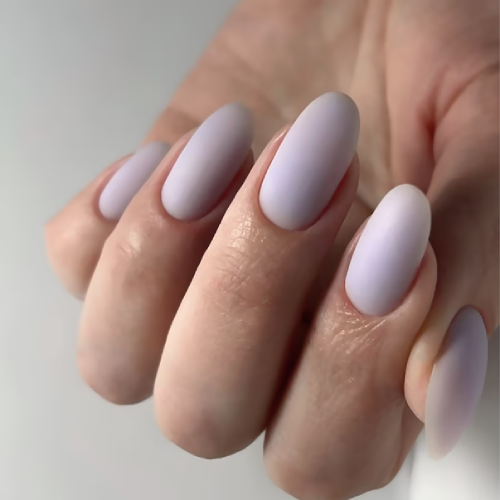
The light purple nail base is the most delicate option. A high content of white pigment gives a milky, almost nude result with a barely noticeable lilac undertone. It works like a "second skin." Nails look well-groomed and natural. Suitable for clients who prefer a restrained business style but want something more interesting than standard beige. On dark skin, the shade creates a striking contrast; on light skin, it literally blends with the skin tone, visually elongating the fingers.
Pastel Lavender (Classic)
The pastel lavender nail base is the golden mean of the palette. It is noticeable enough to read as an independent color while not being aggressive. It suits any image: office, casual, romantic. This shade is most often requested by clients searching for "lavender manicure."
Lilac (Lilac-Pink)
The lilac gel base with a warm pink undertone is a more feminine and soft option. Unlike the cool lilac, lilac works better on warm skin with a peach or yellow undertone. It is often chosen for spring and summer looks.
Rich Lavender-Purple
A deep shade with a high degree of pigmentation. Suitable for evening looks, accent manicures, designs in the style of Old Money or Quiet Luxury—where one pure color and impeccable shape speak for themselves. It looks especially graphic on short square-shaped nails.
Lavender with Shimmer or Chrome
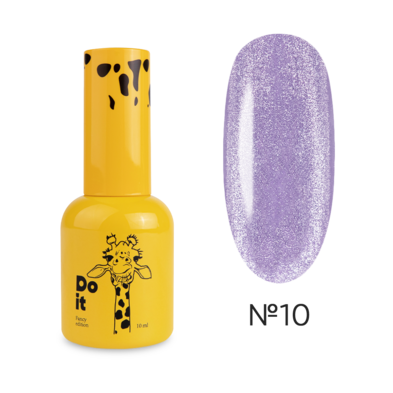
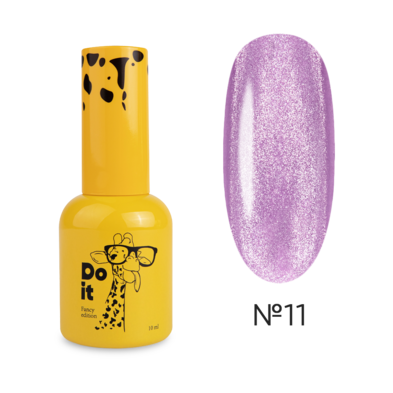
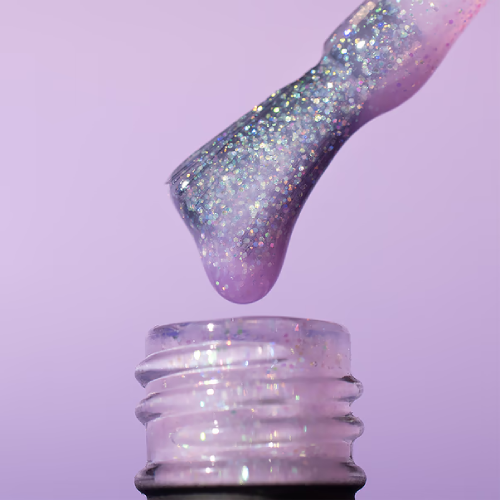
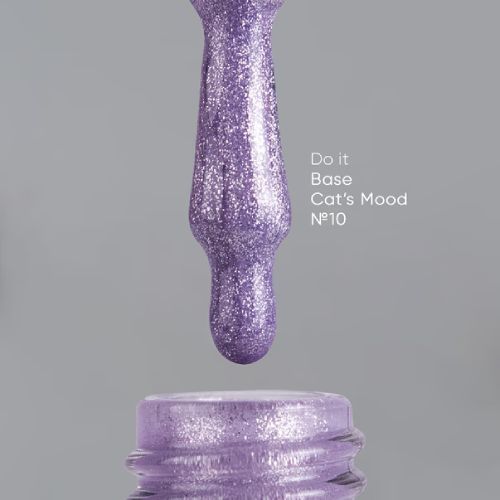
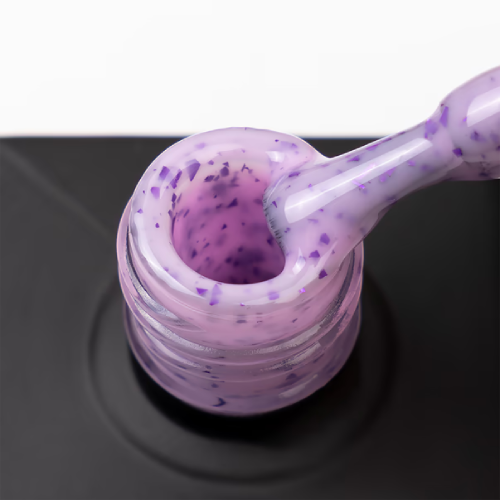
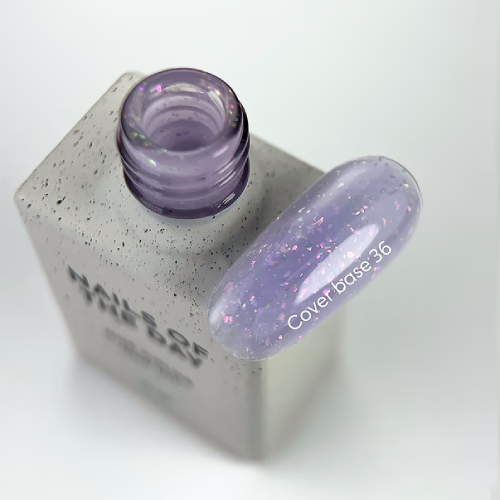
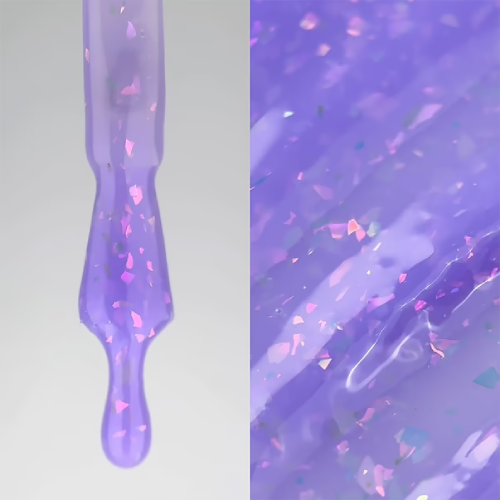
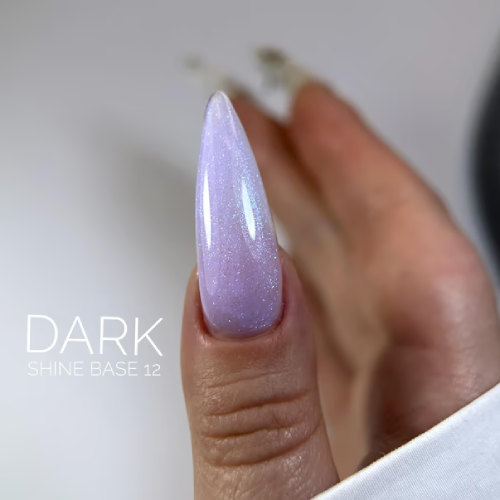
A separate category is the pastel lavender nail base with built-in reflective particles. Under different lighting angles, such a coating changes character: in daylight, it looks delicate, while under artificial light, it shimmers and attracts attention. It is in demand among clients who want something more than just color without complex design.
How to Choose Lavender Nail Base According to Skin Type
One of the most frequent questions from novice technicians is how to select a specific shade of lavender according to the client's skin tone.
Very light skin with a pink undertone. Cool lilac shades will emphasize aristocratic paleness. Milky lavender will create a nude manicure effect with an accent. Too rich purple on very light skin can look harsh—better to stick to a medium level of pigmentation.
Medium skin with a neutral undertone. Maximum freedom of choice: both cool lilac and warm lilac, as well as rich purple work. It is on medium tones that the lavender nail base reveals itself most fully.
Warm skin with an olive or yellow undertone. It is better to choose colors with a pink or warm lilac undertone—they do not conflict with the yellow in the skin. Cool bluish shades on warm skin can appear grayish.
Dark and tanned skin. Rich purple on dark skin is one of the most striking options in the nail industry. The color contrast works most advantageously. Milky lavender is almost unreadable on dark skin.
Scenarios for Using Lavender Nail Base
| Scenario | Requirements for Shade and Texture | What to Choose |
| Office / Business Style | Light milky-lavender, low or medium pigmentation, no decor. | Pastel Rubber-base with coverage of 40-60%. |
| Casual Look | Classic pastel lavender, medium viscosity. | Universal Cover-base with coverage of 60-80%. |
| Romantic / Spring | Lilac with a pink undertone, light shimmer possible. | With micro-particles or pearlescent finish. |
| Evening Out | Rich violet-lavender, glossy or chrome. | Dense camouflage bases with high coverage. |
| Nail Art (Background for Design) | Even pastel background, medium coverage. | Solid colors without decor, medium viscosity. |
| Strengthening Thin Nails | Elastic Rubber formula, any lavender shade. | Rubber bases with a high content of rubber polymer. |
| Masking Plate Defects | High coverage (80-100%). | Dense camouflage, applied in 2 layers. |
Technology for Working with Lavender Nail Base
Proper application is half the result. The lavender nail base, when following the protocol, lasts 3-4 weeks without peeling or chipping.
Step 1. Preparation of the Natural Plate. Remove the old coating, shape with a 180 grit file, gently buff the surface to remove the dorsal layer and enhance adhesion. Degreasing and dehydration are mandatory steps that cannot be skipped, even in urgent work.
Step 2. Application of the First Layer. A thin, even layer of base from the cuticle to the free edge. Leave a gap of 0.5-1 mm from the cuticle. Polymerization in an LED lamp for 30-60 seconds according to the manufacturer's instructions.
Step 3. Application of the Second Layer (if necessary). If the coverage of the first layer is insufficient or shape correction is required, apply a second layer. When working with a constructing base, distribute the material at the apex to create an arch.
Step 4. Final Polymerization. Cure in the lamp for a full cycle. After removing the hand, allow the polymer to cool for 30-60 seconds before removing the dispersion—this prevents surface cloudiness.
Step 5. Application of Gel Polish or Top Coat. The lavender base can serve as a standalone coating with a top coat on top or as a base for colored gel polish. When used without gel polish, the finishing top is applied immediately after the base.
Designs with Lavender Base: Current Ideas of the Season
The lavender gel polish base is a grateful background for various design solutions. Below are several directions that are particularly in demand in salons right now.
Monochrome Lavender Manicure
Pure color without additional elements—and this is an absolutely self-sufficient result. The secret lies in the shape and finish: a matte top gives a velvety effect, while a glossy one offers a clear, modern, and concise look. It is this monochrome lavender manicure that is most often seen in Quiet Luxury and Old Money style images.
Lavender French Manicure
A thin white or milky line on a lavender base is a modern version of the classic French manicure. A micro-french line of 0.5-1 mm looks elegant and suits any dress code. For bolder clients, a dark purple or silver line can replace the white one.
Aura Nails in Lavender Tones
A blurred, watercolor effect at the edges of the nail—the Aura Nails technique—in a pastel lavender palette looks dreamy and romantic. The base is light lavender, with a more saturated lilac softly blended at the edges. Minimum effort, maximum effect.
Lavender with Gold Details
A thin gold line, one or two rhinestones at the cuticle, or gold foil on an accent nail—a classic combination that never goes out of style. Against a lavender background, gold looks luxurious and expressive without competing with the main color.
Lavender and White: Gradient or Geometry
A smooth transition from lavender to white or milky is one of the most photogenic designs of the season. As an option—geometry: a diagonal line dividing the lavender and white halves of the nail. Both solutions work well on both short and long shapes.
Negative Space with Lavender Base
The negative space technique: part of the nail remains uncovered, while the lavender base occupies the remaining part—a triangle, stripe, or arbitrary shape. Minimalism that reads as a complex design.
Typical Mistakes When Choosing and Using Lavender Nail Base
| Error | Consequences | Correct Approach |
| Choosing a shade without considering the client's skin tone | Cool lilac on warm skin looks gray and sickly, neutralizing the natural complexion. | Before choosing a shade, assess the client's skin undertone: warm—lilac with pink, cool—lilac with blue. |
| Applying constructing base in one thick layer | Incomplete polymerization within the layer, internal peeling and "pockets" appear after 3-5 days. | Apply dense material in two thin layers with polymerization of each. |
| Using without degreasing the plate | A greasy film on the nail surface disrupts adhesion, causing the coating to lift from the cuticle within 7-10 days. | Degreasing and dehydration are mandatory steps before applying any base. |
| Mixing lavender base with gel polish for the "desired shade" | The molecular structure of the material is disrupted, reducing adhesion and durability of the coating. | To achieve the desired shade, select a ready-made product from the catalog; do not mix different materials. |
| Ignoring compatibility of base and top from different brands | Peeling occurs between incompatible materials, the sticky layer does not come off, and the surface becomes cloudy. | Use system products from the same brand or check compatibility on a test nail in advance. |
| Using material past its expiration date | Change in consistency, unstable polymerization, increased risk of allergic reactions. | Check the production date with each purchase, store bottles at a temperature not exceeding +25°C. |
| Applying top coat without removing dispersion from the base | The top coat does not adhere to the surface and quickly chips at the edges. | Remove the dispersion with a cleanser before applying each subsequent layer—this is a mandatory step. |
Where to Buy Lavender Nail Base
The Staleks Shop & Service catalog offers a wide range of lavender nail bases—from delicate pastel-lavender to rich violet-lilac shades, in various volumes, formats, and price categories. Here you can order items from leading brands: F.O.X, LUNA, Komilfo, DNKa, SAGA Professional, Valeri, and others. The current price is indicated on each product page, considering ongoing promotions.
Delivery is organized throughout Ukraine via Nova Poshta and other services, as well as to other countries worldwide through international couriers. Payment is available online or upon receipt. If you need consultation on shade selection or compatibility with specific top coats and gel polishes, Staleks managers are ready to assist before placing an order.
Key Takeaways
-
Lavender nail base is a multifunctional product: it serves as an adhesion layer, leveling agent, and ready color coating, saving the technician time on each procedure.
-
The shade should be selected considering the client's skin undertone: cool lilac for pinkish and neutral skin, warm lilac for olive and warm skin.
-
Technically, it is important to apply a densely pigmented base in two thin layers rather than one thick one: this guarantees complete polymerization and durability of the coating.
-
Lavender consistently holds its place in trends from 2024 to 2026, making the purchase of this item a long-term investment for the technician.
-
The lavender gel polish base works as a standalone coating with a top coat and as a background for nail art—this is the dual value of one product.
-
Bottles should be stored at a temperature of +5...+25°C, away from sunlight, with the cap tightly closed—this will preserve the consistency and adhesive properties throughout the shelf life.
FAQ: Common Questions About Lavender Base
-
Can lavender base be used as a finish without a top coat? Technically—yes, but it is not recommended. Most bases have an unprotected surface with a dispersion layer after polymerization. Without a top coat, the coating quickly loses its gloss, scratches easily, and absorbs pigments (from food, ink, cosmetics).
-
Can the lavender shade change when applying gel polish on top? It depends on the degree of pigmentation of the gel polish. A sheer gel polish over a lavender base creates a mixed shade—the final color will differ from what is in the bottle.
-
Why does the lavender base look different under different lighting? Purple and lilac pigments are among the most light-sensitive in the nail industry. Under cold LED light, they appear bluer, while under warm light, they look pinkish or gray.
-
Can lavender base be applied to acrylic extensions? Yes, but with conditions. A thin layer of primer or bonding gel must be applied to the acrylic surface; otherwise, the rubber base will not provide sufficient adhesion to the acrylic polymer. They lay down on Hard-gel formats without additional preparation.
-
How long does an opened bottle last? With proper storage—up to 12 months after opening. Signs that the base has spoiled include changes in consistency (becoming too liquid or, conversely, thickening), pigment separation, a persistent sharp smell, or a change in shade in the bottle.
-
Are there lavender bases in Peel-Off format for temporary coatings? Yes, such a format exists. They can be removed without a drill or removal liquid—just peel them off.
-
How to avoid pigment separation in lavender base during long storage? Before use, slowly roll the bottle between your palms for 10-15 seconds. Active shaking creates air bubbles that enter the coating and create porosity after polymerization. An orange stick can be used to gently mix the contents of the jar when working with viscous formats.
-
Does lavender base affect nail growth speed or the condition of the plate with prolonged use? With proper application and removal, it does not affect nail growth speed. The health of the plate is influenced not by color or brand but by the technique of preparation before application (aggressive buffing) and the removal method (peeling without softening).
The lavender nail base has long surpassed seasonal trends and has become a professional standard for technicians working in strengthening and thin extension techniques. The delicate pastel purple shade is versatile: it suits clients with different skin tones, harmonizes with various wardrobes, and looks equally good as a standalone coating or under additional design. Technically, the product is easy to work with when following the standard application protocol—plate preparation, thin layers, and polymerization control. The assortment at staleks.ua includes lavender bases of different brands, volumes, and degrees of pigmentation—from milky-lavender to rich purple. You can order the necessary items online with delivery across Ukraine and to other countries.
Bases for gel polish Cost on staleks.ua
Lavender nail bases - customer reviews